मेरी यात्रा की योजना बनाएं
हमें अपनी स्थिति और बजट बताएं — हमारा AI सही गंतव्य, अस्पताल, डॉक्टर और वीज़ा मार्ग से मिलान करता है
भारत में कंधे के प्रतिस्थापन की सर्जरी: दर्द मुक्त जीवन को फिर से खोजें
कंधे का दर्द केवल शारीरिक नहीं होता, बल्कि यह हमारी भावनाओं, दैनिक जीवन और स्वतंत्रता को नकारात्मक रूप से प्रभावित करता है। चाहे वह गठिया, पिछली चोट, या प्राकृतिक घिसाव के कारण हो, कंधे में लगातार दर्द का अनुभव एक गुप्त बोझ ढोने जैसा होता है। हर हरकत आपके द्वारा सहन किए जा रहे कष्ट का एक संकेत है, जैसे स्वतंत्रता, आराम की कमी, और सबसे अप्रत्याशित समय पर तो गरिमा की भी कमी।
हालांकि, एक अच्छी खबर है: कंधे की खराबी से प्रभावित हजारों परेशान लोगों को भारत में कंधे के प्रतिस्थापन की सर्जरी के माध्यम से नई उम्मीद मिली है।
भारत अब दुनिया भर में उन्नत ऑर्थोपेडिक सर्जरी का एक अग्रणी प्रदाता है, जिसमें कंधे के प्रत्यारोपण पर विशेष ध्यान दिया जाता है। अत्याधुनिक चिकित्सा बुनियादी ढांचे, विश्व स्तर पर प्रशिक्षित सर्जनों और उल्लेखनीय रूप से सस्ती कीमतों के साथ, यह देश अब भारत में कुल कंधे के प्रतिस्थापन की सर्जरी चाहने वाले लोगों के लिए शीर्ष गंतव्यों में से एक है।
यह ब्लॉग आपको अपने डॉक्टर के साथ अपनी यात्रा के सभी आवश्यक चरणों को समझने में मदद करेगा, लक्षणों से लेकर सर्जरी तक, रिकवरी से लेकर लागत तक, ताकि आप भविष्य में चीजों के बारे में आत्मविश्वास और जागरूकता के साथ ऑपरेशन कराने का निर्णय ले सकें।
कंधे के प्रतिस्थापन की सर्जरी को समझना
गति की सीमा के मामले में सबसे महत्वपूर्ण शारीरिक जोड़ों में से एक कंधा है। लेकिन जब गठिया, चोट या बीमारी के कारण होने वाली क्षति इसके कार्य को बाधित करती है, तो दर्द असहनीय और सीमित करने वाला हो सकता है। कंधे का प्रतिस्थापन एक सर्जिकल प्रक्रिया है जिसमें कंधे के जोड़ के क्षतिग्रस्त हिस्सों को हटा दिया जाता है और कृत्रिम घटकों (प्रोस्थेसिस) से बदल दिया जाता है।
भारत में कंधे के प्रतिस्थापन की सर्जरी के प्रकार:
1. भारत में कुल कंधे के प्रतिस्थापन की सर्जरी
- गेंद (ह्यूमरस हेड) और सॉकेट (ग्लेनॉइड) दोनों को कृत्रिम लोगों से बदल दिया जाता है।
- गंभीर ऑस्टियोआर्थराइटिस और रुमेटीइड गठिया के लिए सबसे अधिक अनुशंसित।
2. आंशिक कंधे का प्रतिस्थापन (हेमीआर्थ्रोप्लास्टी)
- केवल ह्यूमरल हेड (गेंद) को बदला जाता है।
- फ्रैक्चर या स्थानीय क्षति वाले रोगियों के लिए उपयुक्त।
3. रिवर्स कंधे का प्रतिस्थापन
- गेंद और सॉकेट की स्थिति बदल दी जाती है।
- अक्सर बड़े रोटेटर कफ आँसू या विफल पिछली सर्जरी वाले लोगों के लिए अनुशंसित।
भारत में कंधे के प्रतिस्थापन की सर्जरी पर विचार क्यों करें?
1. विश्व स्तरीय ऑर्थोपेडिक सर्जन
2. अंतर्राष्ट्रीय-मानक अस्पताल
3. कंधे के प्रतिस्थापन की सर्जरी की सस्ती लागत
4. न्यूनतम प्रतीक्षा समय
भारत में कंधे के प्रतिस्थापन की सर्जरी की लागत
| सर्जरी का प्रकार | अनुमानित लागत (INR) | अनुमानित लागत (USD) |
| कुल कंधे का प्रतिस्थापन | ₹1,50,000 – ₹5,00,000 | $1,800 – $6,000 |
| आंशिक कंधे का प्रतिस्थापन | ₹1,20,000 – ₹3,50,000 | $1,400 – $4,200 |
| रिवर्स कंधे का प्रतिस्थापन | ₹2,00,000 – ₹6,00,000 | $2,400 – $7,200 |
सर्जरी से पहले क्या उम्मीद करें
1. प्रारंभिक परामर्श
आपके ऑर्थोपेडिक सर्जन एक्स-रे या एमआरआई का उपयोग करके आपके जोड़ों की क्षति का आकलन करेंगे।
आप अपने मेडिकल इतिहास, लक्षणों और जीवनशैली पर चर्चा करेंगे।
2. प्री-ऑपरेटिव परीक्षण
रक्त परीक्षण, ईसीजी, छाती का एक्स-रे और एनेस्थेटिक क्लीयरेंस नियमित प्रक्रिया का हिस्सा हैं।
3. कस्टम सर्जरी योजना
भारतीय अस्पताल सबसे सटीक सर्जिकल परिणामों को सुनिश्चित करने के लिए 3D इमेजिंग और AI-सहायता प्राप्त योजना का उपयोग करते हैं।
सर्जिकल प्रक्रिया: चरण-दर-चरण
एनेस्थीसिया: आपको सामान्य या क्षेत्रीय एनेस्थीसिया दिया जाएगा।
चीरा: आपके कंधे पर एक छोटा चीरा लगाया जाता है।
जोड़ प्रतिस्थापन: क्षतिग्रस्त उपास्थि और हड्डी को हटा दिया जाता है। धातु, प्लास्टिक या सिरेमिक से बने कृत्रिम घटक लगाए जाते हैं।
बंद करना: चीरे को टांके लगाकर एक जीवाणुरहित पट्टी से ढक दिया जाता है।
ऑपरेशन आमतौर पर लगभग 1.5 - 3 घंटे तक चलता है, लेकिन यह इससे कम या अधिक हो सकता है, इसके कारण।
रिकवरी और पुनर्वास: सर्जरी के बाद क्या होता है?
रिकवरी उतनी ही महत्वपूर्ण है जितनी सर्जरी। यहाँ क्या उम्मीद करनी है:
1. अस्पताल में रुकना
अधिकांश मरीज सर्जरी के बाद 2-3 दिनों तक रुकते हैं।
2. फिजियोथेरेपी
24-48 घंटों के भीतर शुरू होती है।
गति की सीमा में सुधार, जकड़न को कम करने और ताकत वापस पाने पर केंद्रित।
3. घर पर रिकवरी
आपको 1-2 सप्ताह तक दैनिक कार्यों के लिए सहायता की आवश्यकता होगी।
दर्द और सूजन का इलाज दवा और कोल्ड थेरेपी से किया जाता है।
4. पूर्ण रिकवरी
अधिकांश मरीज 3-6 महीनों के भीतर सामान्य गतिविधियों पर लौट आते हैं।
खेल या भारी वजन उठाने के लिए अनुमति की आवश्यकता हो सकती है।
भारत में कंधे के प्रतिस्थापन के लिए सर्वश्रेष्ठ अस्पताल
यहां भारत में कंधे के प्रतिस्थापन की सर्जरी में विशेषज्ञता रखने वाले कुछ प्रमुख अस्पताल दिए गए हैं:
| अस्पताल | स्थान | मुख्य विशेषताएं |
| अपोलो अस्पताल | चेन्नई, दिल्ली, हैदराबाद | अंतर्राष्ट्रीय प्रतिष्ठा, रोबोटिक सर्जरी |
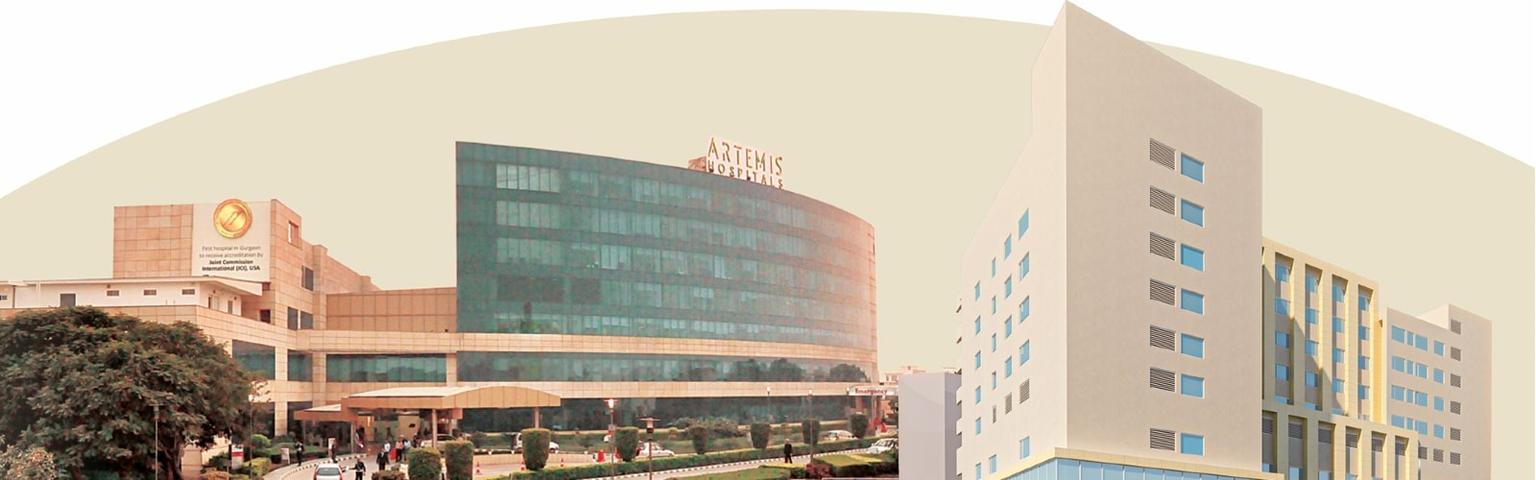
| मैक्स सुपर स्पेशियलिटी | दिल्ली, मोहाली, गुरुग्राम | उन्नत इमेजिंग, विशेषज्ञ ऑर्थो टीमें |
| सनार अस्पताल | गुरुग्राम | व्यक्तिगत देखभाल, एनएबीएच मान्यता प्राप्त |
| मेदांता – द मेडिसिटी | गुरुग्राम | उच्च मात्रा वाला जोड़ प्रतिस्थापन केंद्र |
| फोर्टिस हेल्थकेयर | कई शहर | रोगी-केंद्रित देखभाल, आधुनिक प्रोस्थेटिक्स |
भारत बनाम अन्य देश: लागत और देखभाल की तुलना
| देश | कुल कंधे के प्रतिस्थापन की लागत | औसत प्रतीक्षा समय |
| यूएसए | $30,000 – $50,000 | 3–6 महीने |
| यूके | एनएचएस द्वारा कवर किया गया (सीमित स्लॉट) | 6–12 महीने |
| यूएई | $18,000 – $28,000 | 1–3 महीने |
| भारत | $1,800 – $6,000 | 1–2 सप्ताह |
🇮🇳 भारत सभी मोर्चों पर जीतता है: लागत, गुणवत्ता और गति।
क्या कंधे का प्रतिस्थापन आपके लिए सही है?
यदि आप तो आप एक उम्मीदवार हो सकते हैं:
कंधे के गंभीर गठिया या जोड़ों की क्षति है।
लगातार दर्द का अनुभव करते हैं जो दवा या फिजियोथेरेपी से ठीक नहीं होता है।
कंधे की जकड़न या अस्थिरता से जूझ रहे हैं।
रोजमर्रा के काम जैसे कपड़े पहनना या उठाना नहीं कर सकते।
हमेशा एक ऑर्थोपेडिक विशेषज्ञ से परामर्श लें
सुरक्षा, जोखिम और सफलता दर
भारत में सफलता दर: 90–95%
जोखिम: संक्रमण, रक्त के थक्के, तंत्रिका चोट, इम्प्लांट का ढीला होना (आधुनिक तकनीकों के साथ दुर्लभ)
भारतीय अस्पताल जोखिम को कम करने के लिए कड़े स्वच्छता और सर्जिकल प्रोटोकॉल का पालन करते हैं।
भारत में अपने कंधे के प्रतिस्थापन की योजना कैसे बनाएं (मेडिकल टूरिस्ट)
- सही अस्पताल चुनें
- एक विस्तृत उपचार योजना और लागत अनुमान प्राप्त करें
- यात्रा और मेडिकल वीजा की व्यवस्था करें (अंतर्राष्ट्रीय रोगियों के लिए)
- भारत में 10-15 दिनों तक रुकें (न्यूनतम)
विभिन्न चिकित्सा केंद्र रोगियों को हवाई अड्डे से पिकअप, आवास, अनुवादक और ऑपरेशन के बाद की देखभाल जैसी पूर्ण सेवाएं प्रदान कर सकते हैं।
लागत कैलकुलेटर
मुझे अपना इलाज पता है — मुझे 3 अस्पतालों की लागत दिखाएं
निष्कर्ष: अपनी गति वापस पाएं, अपनी खुशी को फिर से जगाएं
मेरी यात्रा की योजना बनाएं
हमें अपनी स्थिति और बजट बताएं — हमारा AI सही गंतव्य, अस्पताल, डॉक्टर और वीज़ा मार्ग से मिलान करता है
लागत कैलकुलेटर
मुझे अपना इलाज पता है — मुझे 3 अस्पतालों की लागत दिखाएं
डिविनहील के साथ बुकिंग
अपने उपचार विकल्पों को समझने के लिए निःशुल्क परामर्श प्राप्त करें
परामर्श से लेकर पूर्ण स्वस्थ होने तक,
कदम दर कदम
विशेषज्ञ मिलान
आपको दुनिया के शीर्ष रेटेड चिकित्सा विशेषज्ञों से जोड़ना।
मान्यता प्राप्त अस्पताल नेटवर्क
JCI और NABH प्रमाणित स्वास्थ्य सुविधाओं तक पहुंच।
पूर्ण यात्रा समन्वय
वीज़ा, ठहराव और स्थानीय परिवहन में परेशानी मुक्त सहायता।
24/7 व्यक्तिगत देखभाल
समर्पित रोगी सलाहकार हर कदम पर आपका साथ देते हैं।
यात्रा मार्गदर्शन
रोगी के उपचार की यात्रा की शुरुआत से अंत तक पूर्ण मार्गदर्शन।
विशेषज्ञ मिलान
आपको दुनिया के शीर्ष रेटेड चिकित्सा विशेषज्ञों से जोड़ना।
आज आपको
जो कुछ जानना चाहिए
हमारे मरीज-केंद्रित मेडिकल प्लेटफ़ॉर्म को बेहतर ढंग से समझने के लिए इन सामान्य प्रश्नों को देखें।
Pain after shoulder replacement is expected, but it’s usually well managed. The first 1–2 days tend to be the most uncomfortable. A nerve block during surgery often numbs the arm for 12–24 hours, which helps a lot right after the operation. Once that wears off, pain usually settles into a more tolerable soreness over the next few days. By around 2 weeks, most people are comfortable on simple pain relief like paracetamol or low-dose anti-inflammatories. The main surgical pain usually settles within 4–6 weeks, and what remains after that is generally just mild aching from healing and physiotherapy.
At Divinheal partner hospitals (JCI/NABH-accredited), international package costs are roughly: anatomic shoulder replacement ₹2,50,000–₹6,00,000 ($2,650–$6,350), hemiarthroplasty ₹2,00,000–₹5,00,000 ($2,117–$5,290), and reverse shoulder replacement ₹3,00,000–₹8,00,000 ($3,175–$8,460). These typically include the implant, surgeon and anaesthetist fees, a 3–5 night hospital stay and early physiotherapy. Medications, pre-op tests, and longer rehab after discharge are usually charged separately. A clear itemised quote in AUD or GBP is shared before any travel is confirmed.
Private total shoulder replacement in Australia: AUD $25,000–$40,000. Hemiarthroplasty: AUD $18,000–$35,000. Reverse shoulder replacement: AUD $25,000–$40,000. These are gross private costs before insurance. Australian PHI with orthopaedic cover reduces out-of-pocket to AUD $5,000–$10,000 for patients who have served their waiting period. Medicare alone (without PHI) gives a partial rebate on surgeon fees — about AUD $1,500–$3,000. It does not cover the hospital facility fee or implant cost.
Medicare gives a partial rebate on the surgeon’s fees under the Medicare Benefits Schedule (MBS). Verify current item numbers at mbsonline.gov.au. Medicare does not cover the hospital facility fee, the orthopaedic implant, anaesthetist gap fees, or physiotherapy. PHI with orthopaedic cover, once the 12-month waiting period has been served, cuts total out-of-pocket costs by a large amount. Some patients have no adequate PHI. Others have not yet served their PHI waiting period. For these patients, India’s JCI hospitals often work out cheaper — even including travel and accommodation — than the Australian Medicare gap amount.
For patients with confirmed moderate to severe glenohumeral arthritis, the evidence is strong. If conservative treatment has failed to give adequate relief, yes — shoulder replacement is worth it. More than 90% of patients report significant pain reduction and functional improvement (AAOS published outcome data). The National Joint Registry (UK) reports over 95% of shoulder replacements are still functioning at 10 years. The surgery is not right for everyone. A specialist must confirm two things. first, that the structural damage is sufficient to justify the procedure. Second, the patient’s general health can support surgery.
Most patients return to daily activities with much less pain. That is what the surgery is designed to achieve. You are unlikely to return to the shoulder strength and endurance of a healthy, uninjured shoulder. Permanent restrictions include heavy repeated overhead lifting (above 10–15 kg), racquet sports, and contact sports. For patients whose main goal is pain-free daily life, gardening, swimming, and recreational cycling — the outcome is excellent. For patients with physically demanding jobs or high sport demands, set realistic expectations with your surgeon before committing to surgery.
After shoulder replacement, it’s important not to overload the joint. In most cases, that means avoiding repeated heavy lifting overhead (around 10–15 kg or more) and staying away from contact sports like rugby, martial arts, or football. Sports that involve a lot of twisting or force through the shoulder, like tennis or squash, are also usually discouraged. These precautions are mainly about protecting the implant so it lasts longer, not because of pain. On the other hand, low-impact activities such as swimming, cycling, golf, and walking are usually safe once recovery has progressed—typically around 6 months after surgery.
Yes. Shoulder replacement is done under general anaesthesia, takes 1.5–3 hours, and needs a 3–5 day hospital stay. It is a major elective orthopaedic procedure. It is more complex than a diagnostic arthroscopy or rotator cuff repair. But it is less physically stressful than hip or knee replacement because the shoulder is non-weight-bearing. Good candidates are patients in reasonable general health (ASA grade I–II; no uncontrolled cardiac disease, BMI ideally under 35). A pre-operative assessment at the Indian partner hospital on arrival checks fitness for surgery before any anaesthetic is given.
Major complications are uncommon. Deep infection: about 1–2%. Nerve injury (usually transient): about 1–5%. Implant loosening at 10 years: about 2–5%. These risks drop when you choose a high-volume shoulder arthroplasty centre with experienced surgeons and JCI-standard infection-control protocols. All Divinheal partner hospitals for shoulder replacement perform these procedures regularly and hold JCI and/or NABH accreditation. Ask your assigned surgeon for their specific complication rate in shoulder arthroplasty.
Orthopaedic surgery treats conditions of the musculoskeletal system. This includes bones, joints, ligaments, tendons, muscles, and nerves. It covers everything from fracture repair and sports injury management to joint replacement and spinal surgery. The term comes from Greek: ‘orthos’ meaning straight, ‘pais’ meaning child. The speciality began by correcting childhood deformities. It now covers patients of all ages.
Multi-level spinal fusion is widely seen as the hardest orthopaedic surgery to recover from. It involves 6–12 months of recovery before patients reach their functional plateau. Among joint replacements, revision shoulder replacement (replacing a failed prosthesis) is the most complex to perform and recover from. Primary total shoulder replacement is a significant procedure. But recovery is more manageable than after hip or knee replacement. That is because the shoulder is non-weight-bearing from day one.
Medicare gives a rebate on the surgeon’s fees (MBS item number) and some associated costs for orthopaedic surgery. But it does not cover the hospital facility fee, implant, or anaesthetist gap fees for private patients. Most elective orthopaedic procedures in Australia go through the public hospital system. This is free, but waits are 3–24 months for elective joint replacement in most states. Private patients use PHI to cover a significant portion of costs. If your procedure is not covered by PHI — or you have not served your waiting period — India’s JCI hospitals are worth considering. There is no PHI waiting period to serve.
Senior orthopaedic surgeons at India’s top private JCI-accredited hospitals earn about ₹60,00,000–₹1,00,00,000 per year ($63,500–$1,05,826 USD) in total compensation. This is much lower than equivalent specialists in Australia (AUD $600,000–$1,000,000) or the UK private sector (£300,000–£600,000). This salary gap is one of the key reasons surgical costs in India are lower. It is not because surgeons are less qualified. It is because India’s cost-of-living and healthcare economy operate at a different level. Many senior Indian orthopaedic surgeons trained abroad and hold international fellowships (FRCS Tr & Orth, AAOS fellow).
क्या आपके पास अभी भी कोई प्रश्न है?
हमारी मित्रवत टीम के साथ एक कॉल बुक करें और जानें कि DivineHeal आपकी स्वास्थ्य यात्रा को कैसे सरल बनाता है।