1:"$Sreact.fragment"
2:I[7555,[],""]
3:I[1295,[],""]
6:I[9665,[],"MetadataBoundary"]
8:I[9665,[],"OutletBoundary"]
b:I[4911,[],"AsyncMetadataOutlet"]
d:I[9665,[],"ViewportBoundary"]
f:I[6614,[],""]
:HL["/_next/static/media/5c1dcbfbff27328a-s.p.woff2","font",{"crossOrigin":"","type":"font/woff2"}]
:HL["/_next/static/css/736d0ddc54875be5.css","style"]
0:{"P":null,"b":"Fhubvur0RR1fkYbbPA6TA","p":"","c":["","en","treatments","cardiac-care?_rsc=zvkcs"],"i":false,"f":[[["",{"children":[["locale","en","d"],{"children":["treatments",{"children":[["slug","cardiac-care","d"],{"children":["__PAGE__",{}]}]}]},"$undefined","$undefined",true]}],["",["$","$1","c",{"children":[null,["$","$L2",null,{"parallelRouterKey":"children","error":"$undefined","errorStyles":"$undefined","errorScripts":"$undefined","template":["$","$L3",null,{}],"templateStyles":"$undefined","templateScripts":"$undefined","notFound":[[["$","title",null,{"children":"404: This page could not be found."}],["$","div",null,{"style":{"fontFamily":"system-ui,\"Segoe UI\",Roboto,Helvetica,Arial,sans-serif,\"Apple Color Emoji\",\"Segoe UI Emoji\"","height":"100vh","textAlign":"center","display":"flex","flexDirection":"column","alignItems":"center","justifyContent":"center"},"children":["$","div",null,{"children":[["$","style",null,{"dangerouslySetInnerHTML":{"__html":"body{color:#000;background:#fff;margin:0}.next-error-h1{border-right:1px solid rgba(0,0,0,.3)}@media (prefers-color-scheme:dark){body{color:#fff;background:#000}.next-error-h1{border-right:1px solid rgba(255,255,255,.3)}}"}}],["$","h1",null,{"className":"next-error-h1","style":{"display":"inline-block","margin":"0 20px 0 0","padding":"0 23px 0 0","fontSize":24,"fontWeight":500,"verticalAlign":"top","lineHeight":"49px"},"children":404}],["$","div",null,{"style":{"display":"inline-block"},"children":["$","h2",null,{"style":{"fontSize":14,"fontWeight":400,"lineHeight":"49px","margin":0},"children":"This page could not be found."}]}]]}]}]],[]],"forbidden":"$undefined","unauthorized":"$undefined"}]]}],{"children":[["locale","en","d"],["$","$1","c",{"children":[[["$","link","0",{"rel":"stylesheet","href":"/_next/static/css/736d0ddc54875be5.css","precedence":"next","crossOrigin":"$undefined","nonce":"$undefined"}]],"$L4"]}],{"children":["treatments",["$","$1","c",{"children":[null,["$","$L2",null,{"parallelRouterKey":"children","error":"$undefined","errorStyles":"$undefined","errorScripts":"$undefined","template":["$","$L3",null,{}],"templateStyles":"$undefined","templateScripts":"$undefined","notFound":"$undefined","forbidden":"$undefined","unauthorized":"$undefined"}]]}],{"children":[["slug","cardiac-care","d"],["$","$1","c",{"children":[null,["$","$L2",null,{"parallelRouterKey":"children","error":"$undefined","errorStyles":"$undefined","errorScripts":"$undefined","template":["$","$L3",null,{}],"templateStyles":"$undefined","templateScripts":"$undefined","notFound":"$undefined","forbidden":"$undefined","unauthorized":"$undefined"}]]}],{"children":["__PAGE__",["$","$1","c",{"children":["$L5",["$","$L6",null,{"children":"$L7"}],null,["$","$L8",null,{"children":["$L9","$La",["$","$Lb",null,{"promise":"$@c"}]]}]]}],{},null,false]},null,false]},null,false]},null,false]},null,false],["$","$1","h",{"children":[null,["$","$1","AgDLQGfRx8a0N3zCs8nhE",{"children":[["$","$Ld",null,{"children":"$Le"}],["$","meta",null,{"name":"next-size-adjust","content":""}]]}],null]}],false]],"m":"$undefined","G":["$f","$undefined"],"s":false,"S":true}
10:"$Sreact.suspense"
11:I[4911,[],"AsyncMetadata"]
7:["$","$10",null,{"fallback":null,"children":["$","$L11",null,{"promise":"$@12"}]}]
a:null
15:I[3864,["874","static/chunks/874-0ddfdc7b21ce8bff.js","406","static/chunks/406-3b05844000c363ad.js","289","static/chunks/289-56d4475a4e285bee.js","450","static/chunks/app/%5Blocale%5D/layout-a0d962456eee157e.js"],"Analytics"]
16:I[6259,["874","static/chunks/874-0ddfdc7b21ce8bff.js","406","static/chunks/406-3b05844000c363ad.js","289","static/chunks/289-56d4475a4e285bee.js","450","static/chunks/app/%5Blocale%5D/layout-a0d962456eee157e.js"],"GoogleAnalytics"]
17:I[9243,["874","static/chunks/874-0ddfdc7b21ce8bff.js","406","static/chunks/406-3b05844000c363ad.js","289","static/chunks/289-56d4475a4e285bee.js","450","static/chunks/app/%5Blocale%5D/layout-a0d962456eee157e.js"],""]
13:T672,{"@context":"https://schema.org","@graph":[{"@type":"WebSite","@id":"https://www.divinheal.com#website","url":"https://www.divinheal.com","name":"DivinHeal","alternateName":"Divin Heal","description":"DivinHeal helps you access world-class hospitals, trusted doctors, and cost-effective medical treatments in India.","inLanguage":["en","hi","am","ar"],"publisher":{"@id":"https://www.divinheal.com#organization"}},{"@type":"Organization","@id":"https://www.divinheal.com#organization","name":"DivinHeal","alternateName":"Divin Heal","legalName":"Krenko Technologies Private Limited","url":"https://www.divinheal.com","description":"DivinHeal helps you access world-class hospitals, trusted doctors, and cost-effective medical treatments in India.","foundingDate":"2020","logo":{"@type":"ImageObject","@id":"https://www.divinheal.com#logo","url":"https://www.divinheal.com/logo.png","contentUrl":"https://www.divinheal.com/logo.png","width":3334,"height":3334,"caption":"DivinHeal"},"image":{"@id":"https://www.divinheal.com#logo"},"email":"care@divinheal.com","telephone":"+91 8824154341","address":{"@type":"PostalAddress","streetAddress":"Building No: 462, Joshi Street, Sector 9","addressLocality":"Faridabad","addressRegion":"Haryana","postalCode":"121006","addressCountry":"IN"},"sameAs":["https://www.facebook.com/profile.php?id=61574763016882","https://www.instagram.com/divinheal?igsh=a3ZxemhxM3plZng1&utm_source=website"],"contactPoint":[{"@type":"ContactPoint","contactType":"customer support","telephone":"+91 8824154341","email":"care@divinheal.com","availableLanguage":["English","Hindi","Amharic","Arabic"],"areaServed":"Worldwide"}]}]}4:["$","html",null,{"lang":"en","children":[["$","head",null,{"children":["$","script",null,{"id":"global-jsonld","type":"application/ld+json","dangerouslySetInnerHTML":{"__html":"$13"}}]}],["$","body",null,{"className":"bg-background m-2 __variable_ccd911 __variable_62f150","children":[["$","a",null,{"href":"#main-content","className":"absolute left-4 top-4 z-[100] -translate-y-20 rounded-md bg-white px-4 py-2 text-primary shadow transition-transform focus:translate-y-0","children":"Skip to content"}],"$L14",["$","$L15",null,{}],["$","$L16",null,{"gaId":"G-WGTF1P4H4G"}],["$","$L17",null,{"id":"clarity-script","strategy":"lazyOnload","children":"\n              (function(c,l,a,r,i,t,y){\n                c[a]=c[a]||function(){(c[a].q=c[a].q||[]).push(arguments)};\n                t=l.createElement(r);t.async=1;t.src=\"https://www.clarity.ms/tag/\"+i;\n                y=l.getElementsByTagName(r)[0];y.parentNode.insertBefore(t,y);\n              })(window, document, \"clarity\", \"script\", \"tlzp1u8fw7\");\n            "}]]}]]}]
18:I[6096,["874","static/chunks/874-0ddfdc7b21ce8bff.js","406","static/chunks/406-3b05844000c363ad.js","289","static/chunks/289-56d4475a4e285bee.js","450","static/chunks/app/%5Blocale%5D/layout-a0d962456eee157e.js"],"default"]
19:I[4913,["874","static/chunks/874-0ddfdc7b21ce8bff.js","406","static/chunks/406-3b05844000c363ad.js","289","static/chunks/289-56d4475a4e285bee.js","450","static/chunks/app/%5Blocale%5D/layout-a0d962456eee157e.js"],"QuoteModalProvider"]
1a:I[1769,["874","static/chunks/874-0ddfdc7b21ce8bff.js","406","static/chunks/406-3b05844000c363ad.js","289","static/chunks/289-56d4475a4e285bee.js","450","static/chunks/app/%5Blocale%5D/layout-a0d962456eee157e.js"],"default"]
1b:I[6824,["874","static/chunks/874-0ddfdc7b21ce8bff.js","406","static/chunks/406-3b05844000c363ad.js","289","static/chunks/289-56d4475a4e285bee.js","450","static/chunks/app/%5Blocale%5D/layout-a0d962456eee157e.js"],"default"]
1c:I[6874,["874","static/chunks/874-0ddfdc7b21ce8bff.js","224","static/chunks/app/%5Blocale%5D/not-found-1b2e6d715739b4a8.js"],""]
1e:I[671,["874","static/chunks/874-0ddfdc7b21ce8bff.js","406","static/chunks/406-3b05844000c363ad.js","289","static/chunks/289-56d4475a4e285bee.js","450","static/chunks/app/%5Blocale%5D/layout-a0d962456eee157e.js"],"default"]
14:["$","$L18","en",{"formats":"$undefined","locale":"en","messages":{"header":{"brand":"DIVINHEAL","tagline":"Simplifying Global Wellbeing","nav":{"home":"HOME","treatments":"TREATMENTS","hospitals":"HOSPITALS","doctors":"DOCTORS","partner":"PARTNER","about":"ABOUT US","blog":"BLOG","contact":"CONTACT"},"bookAppointment":"BOOK APPOINTMENT"},"home":{"hero":{"tags":{"0":"Affordable.","1":"Reliable","2":"Exceptional"},"title":"Redefining Medical Journeys","search":"Search Treatments, Hospitals and Doctors etc."},"blogs":{"title":"Latest Blogs","desc":"India offers premium medical procedures at affordable prices. Discover our most popular treatments, delivered by the country's finest doctors."},"doctors":{"title":"Meet the Doctors"},"hospitals":{"title":"Network of Top Hospitals"},"premiumSupport":{"title":"Premium Support Services","description":"We go beyond just connecting you to top hospitals—we take care of everything you need throughout your medical journey. From the moment you contact us to your full recovery, we provide end-to-end support so you can focus entirely on healing.","services":{"visa":{"title":"Visa Support","description":"Complete visa assistance for medical treatment in India, including document preparation and expedited processing."},"travel":{"title":"Travel Logistics","description":"Comprehensive travel arrangements including flight bookings, airport transfers, and accommodation booking near your chosen hospital."},"language":{"title":"Language Support","description":"Professional translation services and multilingual support staff to ensure clear communication throughout your treatment."},"careManager":{"title":"Dedicated Care Manager","description":"A personal care coordinator who will be with you every step of the way, from initial consultation to post-treatment follow-up."}}},"services":{"title":"Your Medical Journey With Us","subtitle":"A single point of contact available 24/7 for any help you need throughout your medical journey.","submitDetails":{"title":"Submit Your Details","description":"Complete Our Simple Consultation Form With Your Medical Needs And Preferences."},"expertConsultation":{"title":"Expert Consultation","description":"Our Medical Experts Review Your Case And Provide Personalized Treatment Options Within 24 Hours."},"hospitalSelection":{"title":"Hospital & Doctor Selection","description":"We Connect You With The Best Hospitals And Specialists Suited For Your Medical Condition."},"travelPlanning":{"title":"Travel Planning","description":"We Assist With Visa, Accommodation, And Transportation Arrangements For A Seamless Experience."},"treatmentCare":{"title":"Treatment & Care","description":"Receive World-Class Medical Treatment With Dedicated Care Coordination Throughout Your Stay."},"followUpSupport":{"title":"Follow-Up Support","description":"We Ensure Proper Follow-Up Care And Remain Accessible For Any Post-Treatment Concerns."}},"statistics":{"happyPatients":{"value":"5K","label":"Happy Patients"},"hospitals":{"value":"30","label":"Hospitals"},"doctors":{"value":"2000","label":"Doctors"},"cities":{"value":"20","label":"Cities"},"surgeries":{"value":"100","label":"Surgeries"},"clinics":{"value":"50","label":"Clinics"}},"treatments":{"title":"Trusted Treatments, Expert Hands","description":"India offers premium medical procedures at affordable prices. Discover our most popular treatments, delivered by the country's finest doctors."}},"consultation":{"heading":"Need Personalized Advice?","description":"Our medical experts are ready to answer your questions and guide you through your treatment options.","button":"Get Free Consultation","bookingHeading":"Booking With DIVINHEAL","bookingDescription":"Get a free consultation to understand your treatment options","bookButton":"Book An Appointment"},"treatment":{"title":"World-Class Medical Treatments","hero":{"title":"Trusted Treatments, Expert Hands","description":"India offers premium medical procedures at affordable prices. Discover our most popular treatments, delivered by the country's finest doctors."},"header":{"title":"Centres Of Excellence","description":"Our Centres of Excellence bring together multidisciplinary teams to deliver precise diagnosis, advanced treatments, and superior outcomes across a wide spectrum of medical specialties.","bookAppointment":"BOOK APPOINTMENT","requestCallback":"REQUEST CALLBACK"},"grid":{"searchPlaceholder":"Search Treatment","viewAll":"View All","showLess":"Show Less"},"services":{"title":"Why India is the Ultimate Destination for Medical Treatment","subtitle":"India has become a global healthcare hub, offering a rare combination of affordability, expertise, and personalized care. Whether you're seeking complex surgeries or wellness treatments, India provides everything under one roof— making it the ideal one-stop solution for your medical journey.","cards":{"costSavings":{"title":"Unmatched Cost Savings","description":"Medical Procedures In India Can Cost Up To 60-90% Less Than In Countries Like The US, UK, Or Australia. Lower Costs Don't Mean Lower Quality—India Offers World-Class Healthcare At A Fraction Of The Price."},"worldClassHospitals":{"title":"World-Class Hospitals & Doctors","description":"India Is Home To Internationally Accredited Hospitals (JCI, NABH) And Highly Experienced Doctors Trained In Top Global Institutions. You Get Access To The Same Level Of Care As In The West, Often With More Personal Attention."},"noWaitingTime":{"title":"Minimal To No Waiting Time","description":"Time Is Critical When It Comes To Health. Indian Private Hospitals Are Known For Immediate Appointment Availability, Faster Diagnostic Processes, And Quicker Treatment Planning—No Months-Long Queues."},"advancedTechnology":{"title":"Advanced Technology & Infrastructure","description":"From Robotic Surgeries To Proton Therapy, Indian Hospitals Are Equipped With Cutting-Edge Technology And Infrastructure On Par With The Best In The World—Ensuring Precise Diagnosis, Effective Treatment, And Faster Recovery."},"englishSpeaking":{"title":"English-Speaking Medical Staff","description":"Clear Communication Is Crucial In Healthcare. Most Medical Professionals In India Speak Fluent English, Eliminating Any Language Barrier And Ensuring You Feel Understood And Cared For At Every Step."},"culturalExperience":{"title":"Cultural And Holistic Healing Experience","description":"India Offers More Than Just Medical Treatment. Patients Often Combine Their Recovery With A Rich Cultural Experience, Exploring Ayurveda, Wellness Therapies, And The Serene Comfort Of Spiritual Retreats, Making Healing A Truly Holistic Journey."}}}},"footer":{"brand":{"tagline":"Simplifying Global Wellbeing","description":"Your trusted partner for premium medical tourism services in India. Experience world-class healthcare with personalized support."},"newsletter":{"title":"Subscribe to Our Newsletter","placeholder":"Enter your email","button":"Subscribe Now","subscribing":"Subscribing...","description":"Stay updated with the latest in medical tourism and healthcare innovations.","errors":{"enterEmail":"Please enter your email address","validEmail":"Please enter a valid email address","alreadySubscribed":"Email already subscribed or invalid.","serverError":"Server error. Please try again later.","failed":"Subscription failed. Please try again."},"success":"Successfully subscribed to newsletter!"},"quickLinks":{"title":"Quick Links","home":"Home","treatments":"Treatments","hospitals":"Hospitals","doctors":"Doctors","about":"About Us","blogs":"Blogs","contact":"Contact"},"services":{"title":"Our Services","cardiology":"Cardiology","orthopedics":"Orthopedics","oncology":"Oncology","ivf":"IVF & Fertility","cosmetic":"Cosmetic Surgery","dental":"Dental Care"},"contact":{"title":"Contact Information","availability":"24 x 7"},"copyright":"© 2025 DivinHeal. All Rights Reserved.","cta":{"heading":"Ready To Start Your Healing Journey?","description":"Get Personalized Medical Treatment Options From India's Top Hospitals. Our Medical Experts Are Ready To Assist You Every Step Of The Way.","buttons":{"freeConsultation":"GET FREE CONSULTATION","whatsapp":"CONTACT ON WHATSAPP"}}},"doctor":{"sections":{"overview":"OVERVIEW","about":"ABOUT","experience":"EXPERIENCE","memberships":"MEMBERSHIPS","achievements":"AWARDS & ACHIEVEMENTS","research":"RESEARCH AND PUBLICATION","qualifications":"QUALIFICATIONS"},"greeting":{"hi":"Hi, I'm","glad":"And I'm Glad You're Here"},"labels":{"experience":"Experience","surgeries":"Surgeries","years":"Years","year":"Year","bookConsultation":"Book Consultation","message":"Message","hospital":"Hospital","fees":"Fees","viewDetails":"View Details","bookAppointment":"Book an appointment"},"page":{"title":"Find Your Trusted Specialist From India's Top Hospitals","subtitle":"Connecting You With Experienced Doctors For Personalized And Compassionate Care, Worldwide","tagline":"Over 1500 Happy Patient"}},"about":{"title":"About DivinHeal","whoWeAre":"Who we are","heading":"Healthcare Solutions for A Healthier Tomorrow","description":"By combining cutting-edge technology with personalized care, we aim to provide accessible, efficient, and effective healthcare services. From medication management to preventative care","vision":{"title":"Our Vision","description":"To be the world's most trusted partner in global healthcare and wellness, redefining how people access and experience care."},"mission":{"title":"Our Mission","description":"To simplify global healthcare and wellness journeys by providing innovative, personalized, and compassionate solutions through cutting-edge technology and a network of world-class providers."},"story":{"title":"Our Story","paragraph1":"DivinHeal was established to address the challenges of navigating global healthcare and wellness options. Our goal is to empower individuals with seamless access to trusted medical and wellness services worldwide.","paragraph2":"With a strong foundation in innovation and a deep understanding of the healthcare industry, we provide end-to-end support—from selecting the right healthcare provider to coordinating travel, accommodation, and post-treatment care.","paragraph3":"Our AI-driven platform ensures that every solution is tailored to meet your unique needs, giving you peace of mind and exceptional outcomes.","paragraph4":"Backed by a passionate team of experts with rich experience in healthcare, technology, and hospitality, DivinHeal is committed to setting new standards in medical tourism."},"leadership":{"title":"Our Leadership","description":"Meet the visionary behind DivinHeal who is passionate about transforming global healthcare access","name":"Nitesh Jain","education":"MBA - IIM Bangalore","experience":"10+ years of experience","bio":"With over a decade of experience in healthcare management and strategy, Nitesh brings invaluable expertise to DivinHeal. His vision drives our commitment to excellence and innovation in medical tourism, making quality healthcare accessible to patients worldwide while ensuring a seamless, personalized experience."},"values":{"title":"Our Values","description":"The core principles that guide everything we do at DivinHeal","items":[{"title":"Dedication to Excellence","description":"We are committed to delivering the highest standards of care, ensuring world-class services and outstanding client satisfaction."},{"title":"Value-Driven Solutions","description":"Our approach prioritizes transparency, affordability, and quality, ensuring every client receives the best care and value for their investment."},{"title":"Nurturing Well-Being","description":"We take a holistic approach to health, focusing on physical, emotional, and spiritual well-being for complete care and healing."},{"title":"Innovation in Healthcare","description":"We embrace cutting-edge AI and technology to revolutionize global medical and wellness tourism, making it seamless and personalized."},{"title":"Integrity in Service","description":"We uphold honesty, trust, and accountability, building lasting relationships with our clients and partners."},{"title":"Empathy at the Core","description":"We put ourselves in the shoes of our clients, ensuring their needs, concerns, and aspirations guide everything we do."}]}},"contact":{"title":"Contact Us","heading":"Contact Us","description":"Have questions about our medical tourism services? Our team of experts is ready to assist you on your healthcare journey.","form":{"name":"Your Full Name*","email":"Your Email Address*","country":"Select your country of residence*","phone":"Enter mobile number*","consultationType":"Type Of Consultation","notes":"Additional Notes or Questions","sendButton":"Send Message","sending":"Sending..."},"info":{"title":"Contact Information","headOffice":"Head Office","phone":"Phone","email":"Email","connectOn":"Connect On"},"messages":{"success":"Message sent successfully! Our team will contact you soon.","invalidData":"Invalid form data. Please check your inputs.","serverError":"Server error. Please try again later.","failed":"Failed to send message. Please try again."},"errors":{"nameRequired":"Please enter your full name","emailRequired":"Please enter your email address","emailInvalid":"Please enter a valid email address","countryRequired":"Please select your country","phoneRequired":"Please enter your phone number"}},"blog":{"page":{"title":"Divinheal Blogs","breadcrumb":{"home":"Home","blogs":"Blogs"}},"search":{"placeholder":"Search Blog"},"updatedDate":"Blog updation date:","contentUpdatedAt":"Content updated at:"},"hospital":{"page":{"title":"Find Best Hospital For You","subtitle":"Connecting You With Experienced Doctors For Personalized And Compassionate Care, Worldwide","tagline":"Over 1500 Happy Patient"},"labels":{"getQuote":"Get a Quote","viewDetails":"View Details"}}},"now":"$undefined","timeZone":"UTC","children":["$","$L19",null,{"children":[[["$","$L1a",null,{}],["$","$L1b",null,{}]],["$","main",null,{"id":"main-content","children":["$","$L2",null,{"parallelRouterKey":"children","error":"$undefined","errorStyles":"$undefined","errorScripts":"$undefined","template":["$","$L3",null,{}],"templateStyles":"$undefined","templateScripts":"$undefined","notFound":[["$","div",null,{"className":"flex flex-col items-center justify-center min-h-screen","children":[["$","h2",null,{"className":"text-2xl font-bold mb-4","children":"Page Not Found"}],["$","p",null,{"className":"text-gray-600 mb-4","children":"The page you're looking for doesn't exist."}],["$","$L1c",null,{"href":"/","className":"text-primary hover:underline","children":"Return Home"}]]}],[]],"forbidden":"$undefined","unauthorized":"$undefined"}]}],["$","div",null,{"children":"$L1d"}],["$","$L1e",null,{}]]}]}]
20:I[6714,["874","static/chunks/874-0ddfdc7b21ce8bff.js","406","static/chunks/406-3b05844000c363ad.js","289","static/chunks/289-56d4475a4e285bee.js","450","static/chunks/app/%5Blocale%5D/layout-a0d962456eee157e.js"],"default"]
1f:T63b,M12.315 2c2.43 0 2.784.013 3.808.06 1.064.049 1.791.218 2.427.465a4.902 4.902 0 011.772 1.153 4.902 4.902 0 011.153 1.772c.247.636.416 1.363.465 2.427.048 1.067.06 1.407.06 4.123v.08c0 2.643-.012 2.987-.06 4.043-.049 1.064-.218 1.791-.465 2.427a4.902 4.902 0 01-1.153 1.772 4.902 4.902 0 01-1.772 1.153c-.636.247-1.363.416-2.427.465-1.067.048-1.407.06-4.123.06h-.08c-2.643 0-2.987-.012-4.043-.06-1.064-.049-1.791-.218-2.427-.465a4.902 4.902 0 01-1.772-1.153 4.902 4.902 0 01-1.153-1.772c-.247-.636-.416-1.363-.465-2.427-.047-1.024-.06-1.379-.06-3.808v-.63c0-2.43.013-2.784.06-3.808.049-1.064.218-1.791.465-2.427a4.902 4.902 0 011.153-1.772A4.902 4.902 0 015.45 2.525c.636-.247 1.363-.416 2.427-.465C8.901 2.013 9.256 2 11.685 2h.63zm-.081 1.802h-.468c-2.456 0-2.784.011-3.807.058-.975.045-1.504.207-1.857.344-.467.182-.8.398-1.15.748-.35.35-.566.683-.748 1.15-.137.353-.3.882-.344 1.857-.047 1.023-.058 1.351-.058 3.807v.468c0 2.456.011 2.784.058 3.807.045.975.207 1.504.344 1.857.182.466.399.8.748 1.15.35.35.683.566 1.15.748.353.137.882.3 1.857.344 1.054.048 1.37.058 4.041.058h.08c2.597 0 2.917-.01 3.96-.058.976-.045 1.505-.207 1.858-.344.466-.182.8-.398 1.15-.748.35-.35.566-.683.748-1.15.137-.353.3-.882.344-1.857.048-1.055.058-1.37.058-4.041v-.08c0-2.597-.01-2.917-.058-3.96-.045-.976-.207-1.505-.344-1.858a3.097 3.097 0 00-.748-1.15 3.098 3.098 0 00-1.15-.748c-.353-.137-.882-.3-1.857-.344-1.023-.047-1.351-.058-3.807-.058zM12 6.865a5.135 5.135 0 110 10.27 5.135 5.135 0 010-10.27zm0 1.802a3.333 3.333 0 100 6.666 3.333 3.333 0 000-6.666zm5.338-3.205a1.2 1.2 0 110 2.4 1.2 1.2 0 010-2.4z1d:["$","footer",null,{"className":"bg-primary rounded-t-3xl","children":["$","div",null,{"className":"max-w-7xl mx-auto px-6 py-8 md:py-12","children":[["$","div",null,{"className":"flex flex-col gap-10 md:flex-row md:gap-12","children":[["$","div",null,{"className":"flex flex-col max-w-lg gap-4 md:max-w-md md:flex-1 md:gap-6","children":[["$","div",null,{"children":[["$","p",null,{"className":"text-4xl text-white md:text-5xl","children":"DIVINHEAL"}],["$","p",null,{"className":"text-xs text-muted-150 md:text-base","children":"Simplifying Global Wellbeing"}]]}],["$","p",null,{"className":"text-sm text-muted-150 md:text-lg ","children":"Your trusted partner for premium medical tourism services in India. Experience world-class healthcare with personalized support."}],["$","div",null,{"className":"flex gap-3","children":[["$","a","facebook",{"href":"https://www.facebook.com/profile.php?id=61574763016882","target":"_blank","rel":"noopener noreferrer","className":"w-10 h-10 bg-white/10 hover:bg-white/20 rounded-lg flex items-center justify-center text-white transition-colors","aria-label":"Facebook","children":["$","svg",null,{"className":"w-5 h-5","fill":"currentColor","viewBox":"0 0 24 24","children":["$","path",null,{"d":"M24 12.073c0-6.627-5.373-12-12-12s-12 5.373-12 12c0 5.99 4.388 10.954 10.125 11.854v-8.385H7.078v-3.47h3.047V9.43c0-3.007 1.792-4.669 4.533-4.669 1.312 0 2.686.235 2.686.235v2.953H15.83c-1.491 0-1.956.925-1.956 1.874v2.25h3.328l-.532 3.47h-2.796v8.385C19.612 23.027 24 18.062 24 12.073z"}]}]}],["$","a","instagram",{"href":"https://www.instagram.com/divinheal?igsh=a3ZxemhxM3plZng1&utm_source=website","target":"_blank","rel":"noopener noreferrer","className":"w-10 h-10 bg-white/10 hover:bg-white/20 rounded-lg flex items-center justify-center text-white transition-colors","aria-label":"Instagram","children":["$","svg",null,{"className":"w-5 h-5","fill":"currentColor","viewBox":"0 0 24 24","children":["$","path",null,{"fillRule":"evenodd","d":"$1f","clipRule":"evenodd"}]}]}]]}]]}],["$","div",null,{"className":"gap-10 flex flex-col md:gap-8 md:flex-1 ","children":[["$","$L20",null,{"messages":{"title":"Subscribe to Our Newsletter","placeholder":"Enter your email","button":"Subscribe Now","subscribing":"Subscribing...","description":"Stay updated with the latest in medical tourism and healthcare innovations.","success":"Successfully subscribed to newsletter!","errors":{"enterEmail":"Please enter your email address","validEmail":"Please enter a valid email address","alreadySubscribed":"Email already subscribed or invalid.","serverError":"Server error. Please try again later.","failed":"Subscription failed. Please try again."}}}],["$","div",null,{"className":"flex flex-row gap-10 md:gap-27 flex-wrap","children":[["$","div",null,{"className":"md:flex-1 space-y-4","children":[["$","h3",null,{"className":"text-white text-base md:text-xl font-semibold","children":"Quick Links"}],["$","ul",null,{"className":"space-y-3","children":[["$","li","Home",{"children":"$L21"}],["$","li","Treatments",{"children":"$L22"}],["$","li","Hospitals",{"children":"$L23"}],["$","li","Doctors",{"children":"$L24"}],["$","li","About Us",{"children":"$L25"}],["$","li","Blogs",{"children":"$L26"}],["$","li","Contact",{"children":"$L27"}]]}]]}],["$","div",null,{"className":"md:flex-1 space-y-4","children":[["$","h3",null,{"className":"text-white text-base md:text-xl font-semibold","children":"Our Services"}],["$","ul",null,{"className":"space-y-3","children":[["$","li","Cardiology",{"children":"$L28"}],["$","li","Orthopedics",{"children":"$L29"}],["$","li","Oncology",{"children":"$L2a"}],["$","li","IVF & Fertility",{"children":"$L2b"}],["$","li","Cosmetic Surgery",{"children":"$L2c"}],["$","li","Dental Care",{"children":"$L2d"}]]}]]}],["$","div",null,{"className":"md:flex-1 space-y-4","children":[["$","h3",null,{"className":"text-white text-base md:text-xl font-semibold","children":"Contact Information"}],["$","div",null,{"className":"space-y-3 text-sm md:text-lg","children":[["$","a",null,{"href":"tel:+918824154341","className":"text-white/90 hover:text-white transition-colors block","children":"+91 8824154341"}],["$","a",null,{"href":"mailto:care@divinheal.com","className":"text-white/90 hover:text-white transition-colors block","children":"care@divinheal.com"}],["$","p",null,{"className":"text-white/90","children":"24 x 7"}]]}]]}]]}]]}]]}],["$","div",null,{"className":"mt-12 pt-8 border-t border-white/20","children":["$","div",null,{"className":"flex flex-col gap-12 md:flex-row justify-between items-center md:gap-4","children":["$","p",null,{"className":"text-white/80 text-sm md:text-lg","children":"© 2025 DivinHeal. All Rights Reserved."}]}]}]]}]}]
2e:I[6160,["874","static/chunks/874-0ddfdc7b21ce8bff.js","406","static/chunks/406-3b05844000c363ad.js","63","static/chunks/63-a59957e209d08ec0.js","698","static/chunks/698-b881ddc381b0b458.js","801","static/chunks/801-936577cfc42fa5ee.js","489","static/chunks/489-a875800982c304ca.js","452","static/chunks/452-29d56fce13c4ef47.js","425","static/chunks/app/%5Blocale%5D/treatments/%5Bslug%5D/page-95b29b9e111115e4.js"],"default"]
21:["$","$L2e",null,{"ref":"$undefined","href":"/en","locale":"$undefined","localeCookie":{"name":"NEXT_LOCALE","sameSite":"lax"},"className":"text-white/80 hover:text-white text-sm md:text-lg transition-colors","children":"Home"}]
22:["$","$L2e",null,{"ref":"$undefined","href":"/en/treatments","locale":"$undefined","localeCookie":"$21:props:localeCookie","className":"text-white/80 hover:text-white text-sm md:text-lg transition-colors","children":"Treatments"}]
23:["$","$L2e",null,{"ref":"$undefined","href":"/en/hospitals","locale":"$undefined","localeCookie":"$21:props:localeCookie","className":"text-white/80 hover:text-white text-sm md:text-lg transition-colors","children":"Hospitals"}]
24:["$","$L2e",null,{"ref":"$undefined","href":"/en/doctors","locale":"$undefined","localeCookie":"$21:props:localeCookie","className":"text-white/80 hover:text-white text-sm md:text-lg transition-colors","children":"Doctors"}]
25:["$","$L2e",null,{"ref":"$undefined","href":"/en/about","locale":"$undefined","localeCookie":"$21:props:localeCookie","className":"text-white/80 hover:text-white text-sm md:text-lg transition-colors","children":"About Us"}]
26:["$","$L2e",null,{"ref":"$undefined","href":"/en/blogs","locale":"$undefined","localeCookie":"$21:props:localeCookie","className":"text-white/80 hover:text-white text-sm md:text-lg transition-colors","children":"Blogs"}]
27:["$","$L2e",null,{"ref":"$undefined","href":"/en/contact","locale":"$undefined","localeCookie":"$21:props:localeCookie","className":"text-white/80 hover:text-white text-sm md:text-lg transition-colors","children":"Contact"}]
28:["$","$L2e",null,{"ref":"$undefined","href":"/en/treatments/cardiac-care","locale":"$undefined","localeCookie":"$21:props:localeCookie","className":"text-white/80 hover:text-white text-sm md:text-lg transition-colors","children":"Cardiology"}]
29:["$","$L2e",null,{"ref":"$undefined","href":"/en/treatments/orthopedics","locale":"$undefined","localeCookie":"$21:props:localeCookie","className":"text-white/80 hover:text-white text-sm md:text-lg transition-colors","children":"Orthopedics"}]
2a:["$","$L2e",null,{"ref":"$undefined","href":"/en/treatments/oncology","locale":"$undefined","localeCookie":"$21:props:localeCookie","className":"text-white/80 hover:text-white text-sm md:text-lg transition-colors","children":"Oncology"}]
2b:["$","$L2e",null,{"ref":"$undefined","href":"/en/treatments/ivf","locale":"$undefined","localeCookie":"$21:props:localeCookie","className":"text-white/80 hover:text-white text-sm md:text-lg transition-colors","children":"IVF & Fertility"}]
2c:["$","$L2e",null,{"ref":"$undefined","href":"/en/treatments/cosmetic","locale":"$undefined","localeCookie":"$21:props:localeCookie","className":"text-white/80 hover:text-white text-sm md:text-lg transition-colors","children":"Cosmetic Surgery"}]
2d:["$","$L2e",null,{"ref":"$undefined","href":"/en/treatments/dental","locale":"$undefined","localeCookie":"$21:props:localeCookie","className":"text-white/80 hover:text-white text-sm md:text-lg transition-colors","children":"Dental Care"}]
e:[["$","meta","0",{"charSet":"utf-8"}],["$","meta","1",{"name":"viewport","content":"width=device-width, initial-scale=1, minimum-scale=1, viewport-fit=cover, user-scalable=yes"}],["$","meta","2",{"name":"theme-color","content":"#285E8C"}],["$","meta","3",{"name":"color-scheme","content":"light"}]]
9:null
12:{"metadata":[["$","title","0",{"children":"Cardiac Care Treatment: Procedures, Cost, and Recovery in India | DivinHeal"}],["$","meta","1",{"name":"description","content":"Explore comprehensive Cardiac Care treatment options globally with DivinHeal. Compare affordable Cardiac Care costs in India vs. USA, UK, Singapore, UAE, understand recovery, and find top cardiologists for superior outcomes."}],["$","meta","2",{"name":"application-name","content":"DivinHeal"}],["$","meta","3",{"name":"author","content":"Divinheal Team"}],["$","link","4",{"rel":"manifest","href":"/site.webmanifest","crossOrigin":"$undefined"}],["$","meta","5",{"name":"robots","content":"index, follow"}],["$","meta","6",{"name":"theme-color","content":"#ffffff"}],["$","meta","7",{"name":"color-scheme","content":"light"}],["$","meta","8",{"name":"og:type","content":"website"}],["$","link","9",{"rel":"canonical","href":"https://www.divinheal.com/en/treatments/cardiac-care"}],["$","meta","10",{"property":"og:title","content":"Cardiac Care Treatment: Procedures, Cost, and Recovery in India | DivinHeal"}],["$","meta","11",{"property":"og:description","content":"Explore comprehensive Cardiac Care treatment options globally with DivinHeal. Compare affordable Cardiac Care costs in India vs. USA, UK, Singapore, UAE, understand recovery, and find top cardiologists for superior outcomes."}],["$","meta","12",{"property":"og:url","content":"https://www.divinheal.com/en/treatments/cardiac-care"}],["$","meta","13",{"property":"og:site_name","content":"Divinheal"}],["$","meta","14",{"property":"og:locale","content":"en"}],["$","meta","15",{"name":"twitter:card","content":"summary_large_image"}],["$","meta","16",{"name":"twitter:site","content":"@divinheal"}],["$","meta","17",{"name":"twitter:title","content":"Cardiac Care Treatment: Procedures, Cost, and Recovery in India | DivinHeal"}],["$","meta","18",{"name":"twitter:description","content":"Explore comprehensive Cardiac Care treatment options globally with DivinHeal. Compare affordable Cardiac Care costs in India vs. USA, UK, Singapore, UAE, understand recovery, and find top cardiologists for superior outcomes."}],["$","link","19",{"rel":"icon","href":"/favicon.ico"}],["$","link","20",{"rel":"icon","href":"/favicon-32x32.png","sizes":"32x32","type":"image/png"}],["$","link","21",{"rel":"icon","href":"/favicon-16x16.png","sizes":"16x16","type":"image/png"}],["$","link","22",{"rel":"apple-touch-icon","href":"/apple-touch-icon.png","sizes":"180x180"}]],"error":null,"digest":"$undefined"}
c:{"metadata":"$12:metadata","error":null,"digest":"$undefined"}
32:I[9053,["874","static/chunks/874-0ddfdc7b21ce8bff.js","406","static/chunks/406-3b05844000c363ad.js","63","static/chunks/63-a59957e209d08ec0.js","698","static/chunks/698-b881ddc381b0b458.js","801","static/chunks/801-936577cfc42fa5ee.js","489","static/chunks/489-a875800982c304ca.js","452","static/chunks/452-29d56fce13c4ef47.js","425","static/chunks/app/%5Blocale%5D/treatments/%5Bslug%5D/page-95b29b9e111115e4.js"],"default"]
33:I[8199,["874","static/chunks/874-0ddfdc7b21ce8bff.js","406","static/chunks/406-3b05844000c363ad.js","63","static/chunks/63-a59957e209d08ec0.js","698","static/chunks/698-b881ddc381b0b458.js","801","static/chunks/801-936577cfc42fa5ee.js","489","static/chunks/489-a875800982c304ca.js","452","static/chunks/452-29d56fce13c4ef47.js","425","static/chunks/app/%5Blocale%5D/treatments/%5Bslug%5D/page-95b29b9e111115e4.js"],"default"]
37:I[810,["874","static/chunks/874-0ddfdc7b21ce8bff.js","406","static/chunks/406-3b05844000c363ad.js","63","static/chunks/63-a59957e209d08ec0.js","698","static/chunks/698-b881ddc381b0b458.js","801","static/chunks/801-936577cfc42fa5ee.js","489","static/chunks/489-a875800982c304ca.js","452","static/chunks/452-29d56fce13c4ef47.js","425","static/chunks/app/%5Blocale%5D/treatments/%5Bslug%5D/page-95b29b9e111115e4.js"],"default"]
38:I[4963,["874","static/chunks/874-0ddfdc7b21ce8bff.js","406","static/chunks/406-3b05844000c363ad.js","63","static/chunks/63-a59957e209d08ec0.js","698","static/chunks/698-b881ddc381b0b458.js","801","static/chunks/801-936577cfc42fa5ee.js","489","static/chunks/489-a875800982c304ca.js","452","static/chunks/452-29d56fce13c4ef47.js","425","static/chunks/app/%5Blocale%5D/treatments/%5Bslug%5D/page-95b29b9e111115e4.js"],"default"]
d4:I[1995,["874","static/chunks/874-0ddfdc7b21ce8bff.js","406","static/chunks/406-3b05844000c363ad.js","63","static/chunks/63-a59957e209d08ec0.js","698","static/chunks/698-b881ddc381b0b458.js","801","static/chunks/801-936577cfc42fa5ee.js","489","static/chunks/489-a875800982c304ca.js","452","static/chunks/452-29d56fce13c4ef47.js","425","static/chunks/app/%5Blocale%5D/treatments/%5Bslug%5D/page-95b29b9e111115e4.js"],"default"]
d5:I[8088,["874","static/chunks/874-0ddfdc7b21ce8bff.js","406","static/chunks/406-3b05844000c363ad.js","63","static/chunks/63-a59957e209d08ec0.js","698","static/chunks/698-b881ddc381b0b458.js","801","static/chunks/801-936577cfc42fa5ee.js","489","static/chunks/489-a875800982c304ca.js","452","static/chunks/452-29d56fce13c4ef47.js","425","static/chunks/app/%5Blocale%5D/treatments/%5Bslug%5D/page-95b29b9e111115e4.js"],"default"]
d6:I[3596,["874","static/chunks/874-0ddfdc7b21ce8bff.js","406","static/chunks/406-3b05844000c363ad.js","63","static/chunks/63-a59957e209d08ec0.js","698","static/chunks/698-b881ddc381b0b458.js","801","static/chunks/801-936577cfc42fa5ee.js","489","static/chunks/489-a875800982c304ca.js","452","static/chunks/452-29d56fce13c4ef47.js","425","static/chunks/app/%5Blocale%5D/treatments/%5Bslug%5D/page-95b29b9e111115e4.js"],"default"]
d7:I[2113,["874","static/chunks/874-0ddfdc7b21ce8bff.js","406","static/chunks/406-3b05844000c363ad.js","63","static/chunks/63-a59957e209d08ec0.js","698","static/chunks/698-b881ddc381b0b458.js","801","static/chunks/801-936577cfc42fa5ee.js","489","static/chunks/489-a875800982c304ca.js","452","static/chunks/452-29d56fce13c4ef47.js","425","static/chunks/app/%5Blocale%5D/treatments/%5Bslug%5D/page-95b29b9e111115e4.js"],"default"]
2f:Tfc2,{"@context":"https://schema.org","@graph":[{"@type":"WebPage","@id":"https://www.divinheal.com/en/treatments/cardiac-care#webpage","url":"https://www.divinheal.com/en/treatments/cardiac-care","name":"Cardiac Care","description":"Explore comprehensive Cardiac Care treatment options globally with DivinHeal. Compare affordable Cardiac Care costs in India vs. USA, UK, Singapore, UAE, understand recovery, and find top cardiologists for superior outcomes.","isPartOf":{"@id":"https://www.divinheal.com#website"},"breadcrumb":{"@id":"https://www.divinheal.com/en/treatments/cardiac-care#breadcrumb"},"mainEntity":{"@id":"https://www.divinheal.com/en/treatments/cardiac-care#treatment"},"inLanguage":"en"},{"@type":"BreadcrumbList","@id":"https://www.divinheal.com/en/treatments/cardiac-care#breadcrumb","itemListElement":[{"@type":"ListItem","position":1,"name":"Home","item":"https://www.divinheal.com/en"},{"@type":"ListItem","position":2,"name":"Treatments","item":"https://www.divinheal.com/en/treatments"},{"@type":"ListItem","position":3,"name":"Cardiac Care","item":"https://www.divinheal.com/en/treatments/cardiac-care"}]},{"@type":"MedicalProcedure","@id":"https://www.divinheal.com/en/treatments/cardiac-care#treatment","name":"Cardiac Care","description":"DivinHeal offers world-class Cardiac Care treatment, encompassing a comprehensive range of advanced procedures for various heart conditions. Our AI-driven platform connects you with top cardiologists and accredited hospitals in India, ensuring high-quality, affordable care for a healthier, stronger heart.","url":"https://www.divinheal.com/en/treatments/cardiac-care","image":"https://d3i4nlgesiiszd.cloudfront.net/resources/treatments/1.webp","mainEntityOfPage":{"@id":"https://www.divinheal.com/en/treatments/cardiac-care#webpage"}},{"@type":"FAQPage","@id":"https://www.divinheal.com/en/treatments/cardiac-care#faq","mainEntity":[{"@type":"Question","name":"Are there financing options available for treatment?","acceptedAnswer":{"@type":"Answer","text":"We offer flexible payment plans, EMI options, and financial counseling services. Medical loans and insurance financing are available through partner financial institutions to make treatment accessible"}},{"@type":"Question","name":"What emergency cardiac services are available?","acceptedAnswer":{"@type":"Answer","text":"All our partner hospitals provide 24/7 cardiac emergency services including emergency angioplasty, cardiac surgery, mechanical support devices, and intensive care. Emergency protocols ensure immediate access to life-saving treatments."}},{"@type":"Question","name":"What is included in the treatment cost estimates?","acceptedAnswer":{"@type":"Answer","text":"Comprehensive packages include surgeon fees, hospital charges, ICU care, medications, diagnostic tests, and basic follow-up. Additional costs may apply for extended stays, complications, or premium room categories."}},{"@type":"Question","name":"How long do I need to stay in India for cardiac treatment?","acceptedAnswer":{"@type":"Answer","text":"Stay duration varies by procedure: Angioplasty (3-5 days), bypass surgery (7-10 days), valve surgery (10-14 days), heart transplant (4-8 weeks). We provide detailed timelines during consultation and arrange extended stay facilities as needed."}},{"@type":"Question","name":"Are minimally invasive cardiac procedures available in India?","acceptedAnswer":{"@type":"Answer","text":"es, we offer comprehensive minimally invasive options including keyhole cardiac surgery, robotic procedures, transcatheter valve interventions, and catheter-based treatments. These result in shorter recovery times, less pain, and minimal scarring."}},{"@type":"Question","name":"Do you accept international health insurance?","acceptedAnswer":{"@type":"Answer","text":"Yes, we accept major international insurance providers including Cigna, Aetna, GeoBlue, Healix International, and others. Our team assists with pre-authorization and claim processing to ensure smooth financial transactions."}}]}]}34:T5cd,<p>Cardiac Care encompasses a vast array of procedures tailored to specific heart conditions. Common interventions include: 1. Coronary Angioplasty and Stenting: A catheter with a balloon is inserted through a blood vessel (usually in the leg or wrist) and guided to the blocked coronary artery. The balloon is inflated to open the blockage, and a stent (a small mesh tube) is often deployed to keep the artery open. 2. Coronary Artery Bypass Grafting (CABG): During this open-heart surgery, a healthy blood vessel (graft) from another part of the body (e.g., leg or chest) is used to create a new path for blood to flow around a blocked coronary artery, improving blood supply to the heart muscle. 3. Heart Valve Repair/Replacement: For damaged heart valves, surgeons may repair the valve (valvuloplasty) or replace it with an artificial or biological valve. Minimally invasive techniques like Transcatheter Aortic Valve Replacement (TAVR) are also increasingly common. 4. Pacemaker/ICD Implantation: Small electronic devices are implanted under the skin, with wires leading to the heart, to regulate abnormal heart rhythms (pacemakers for slow rhythms, Implantable Cardioverter-Defibrillators (ICDs) for dangerously fast rhythms). 5. Electrophysiology (EP) Studies and Ablation: EP studies diagnose arrhythmias by mapping electrical activity in the heart. Ablation uses heat (radiofrequency) or cold (cryoablation) to destroy small areas of heart tissue causing abnormal rhythms.</p>35:T49d,<h2>Benefits of Advanced Cardiac Care Treatment</h2><p>Undergoing expert Cardiac Care offers transformative benefits that significantly improve quality of life and longevity. Patients experience:</p><ul><li><strong>Improved Cardiac Function:</strong> Restoration of efficient blood flow and heart pumping ability.</li><li><strong>Symptom Relief:</strong> Alleviation of chest pain, shortness of breath, fatigue, and palpitations.</li><li><strong>Enhanced Quality of Life:</strong> Ability to resume daily activities, hobbies, and lead a more active lifestyle.</li><li><strong>Reduced Risk of Future Events:</strong> Significant decrease in the likelihood of heart attacks, strokes, and further cardiac complications.</li><li><strong>Long-Term Health &amp; Longevity:</strong> Proactive management and treatment contribute to a longer, healthier life.</li><li><strong>Access to Innovation:</strong> Benefit from the latest advancements in interventional cardiology and cardiac surgery.</li></ul><p>With DivinHeal, these benefits are delivered through access to India's top-tier medical expertise, ensuring comprehensive care and the best possible outcomes for your heart health.</p>36:T623,<h2>Cardiac Care Recovery: Your Path to a Healthier Heart</h2><p>The recovery process after Cardiac Care treatment is crucial for long-term success and varies based on the specific procedure performed. Typically, hospital stays range from 3-5 days for interventional procedures like angioplasty, to 7-10 days for major surgeries like bypass.</p><h3>Key Aspects of Recovery:</h3><ul><li><strong>Early Mobilization:</strong> Patients are often encouraged to walk within a day or two of surgery to aid circulation and recovery.</li><li><strong>Pain Management:</strong> Effective strategies are employed to manage post-procedure discomfort.</li><li><strong>Cardiac Rehabilitation:</strong> A structured program involving supervised exercise, education, and counseling is often recommended to strengthen the heart and improve overall well-being.</li><li><strong>Medication Adherence:</strong> Strict compliance with prescribed medications is vital for preventing complications and maintaining heart health.</li><li><strong>Lifestyle Modifications:</strong> Adopting a heart-healthy diet, regular exercise, stress management, and quitting smoking are critical for sustained recovery.</li><li><strong>Follow-up Care:</strong> Regular appointments with cardiologists are essential to monitor progress and adjust treatment as needed.</li></ul><p>DivinHeal provides continuous support and guidance throughout your recovery, connecting you with rehabilitation specialists and ensuring access to follow-up consultations for a smooth transition back to a healthy and active life.</p>39:T9f4,<h2>About Atrial Fibrillation Ablation</h2><h3>Understanding AFib and Ablation</h3><p>Atrial Fibrillation (AFib) is the most common sustained heart arrhythmia, affecting millions worldwide. It occurs when the upper chambers of the heart (atria) beat chaotically and irregularly, leading to inefficient blood pumping and symptoms ranging from mild palpitations to severe fatigue, shortness of breath, and even heart failure. Crucially, AFib significantly increases the risk of stroke. Atrial fibrillation ablation treatment offers hope by correcting these electrical disturbances.</p><h3>The Science Behind Ablation</h3><p>Atrial fibrillation ablation is a sophisticated cardiac procedure performed by expert electrophysiologists. It involves creating precisely targeted scars or lesions within the heart tissue to block or re-route abnormal electrical signals that cause AFib. This is typically achieved using thin, flexible catheters inserted through blood vessels (usually in the groin) and guided to the heart using advanced imaging techniques. The two primary energy sources used for ablation are radiofrequency (heat) and cryoablation (extreme cold), ensuring precise and safe tissue modification.</p><h3>Types of Ablation Techniques</h3><ul><li><strong>Pulmonary Vein Isolation (PVI):</strong> The most common technique, focusing on isolating the pulmonary veins, which are often the source of AFib triggers. This is a cornerstone of effective atrial fibrillation ablation.</li><li><strong>Radiofrequency Ablation:</strong> Uses heat energy delivered through a catheter to create precise lesions (scars) in the heart tissue.</li><li><strong>Cryoablation:</strong> Uses cold energy via a balloon catheter to freeze and destroy problematic tissue, known for its efficacy and safety in isolating pulmonary veins.</li><li><strong>Complex Fractionated Atrial Electrogram (CFAE) Ablation:</strong> Targets specific areas of disorganized electrical activity identified by advanced mapping systems, often used in persistent AFib cases.</li><li><strong>Surgical/Hybrid Ablation:</strong> For more complex or persistent cases, involving a surgical approach (e.g., Maze procedure) or a combination of surgical and catheter techniques to achieve comprehensive ablation.</li></ul><p>DivinHeal partners with leading cardiac centers globally, offering access to these advanced atrial fibrillation ablation technologies and highly experienced electrophysiologists to ensure optimal outcomes for your treatment, embodying quality care and trustworthiness.</p>3a:T5fe,<h3>Key Benefits of Atrial Fibrillation Ablation Treatment</h3><ul><li><strong>Restoration of Normal Heart Rhythm:</strong> Significantly increases the chance of maintaining a normal sinus rhythm, improving overall heart function and stability.</li><li><strong>Symptom Relief:</strong> Effectively reduces or eliminates debilitating AFib symptoms such as palpitations, fatigue, shortness of breath, and dizziness, enhancing daily comfort.</li><li><strong>Reduced Medication Dependency:</strong> Many patients can reduce or discontinue antiarrhythmic medications post-ablation, minimizing side effects and long-term drug costs.</li><li><strong>Lowered Stroke Risk:</strong> While anticoagulation often remains necessary, successful ablation can contribute to a reduced overall risk of AFib-related stroke.</li><li><strong>Improved Quality of Life:</strong> Patients often report enhanced energy levels, exercise tolerance, and a better overall quality of life, allowing them to resume activities they love.</li><li><strong>Prevention of AFib Progression:</strong> Can prevent the progression of paroxysmal AFib to more persistent forms, preserving heart health over time.</li><li><strong>Minimized Risk of Heart Failure:</strong> By restoring normal rhythm, ablation can help prevent AFib-induced heart weakening (tachycardia-induced cardiomyopathy), safeguarding long-term cardiac function.</li></ul><p>Choosing atrial fibrillation ablation offers a hopeful pathway to a healthier, more active life with greater cardiac stability.</p>3b:T8be,<h3>Atrial Fibrillation Ablation Recovery Time and Tips</h3><p>The immediate recovery after atrial fibrillation ablation typically involves a 1-3 day hospital stay for monitoring and initial healing. Patients are usually advised to limit strenuous activities for the first week. Full recovery and return to normal activities generally take about 4-6 weeks. It's common to experience some chest discomfort, occasional palpitations, or fatigue during this period as the heart heals and adapts to its new rhythm. Medications, especially antiarrhythmics and anticoagulants, will likely continue for several weeks or months post-procedure, guided by your cardiologist.</p><h3>Essential Atrial Fibrillation Ablation Recovery Tips:</h3><ul><li><strong>Follow Medication Schedule:</strong> Adhere strictly to your cardiologist's prescribed medications, especially blood thinners, to prevent complications like blood clots.</li><li><strong>Avoid Strenuous Activity:</strong> Refrain from heavy lifting, intense exercise, and prolonged standing for 4-6 weeks to allow the groin puncture site to heal and minimize bleeding risk.</li><li><strong>Monitor Symptoms:</strong> Report any new or worsening symptoms (e.g., severe chest pain, prolonged bleeding, fever, signs of infection) to your doctor immediately.</li><li><strong>Stay Hydrated:</strong> Drink plenty of fluids as recommended to aid recovery.</li><li><strong>Adopt a Heart-Healthy Lifestyle:</strong> Embrace a balanced diet, manage stress, maintain a healthy weight, and avoid excessive caffeine and alcohol as advised to support long-term heart health.</li><li><strong>Attend Follow-up Appointments:</strong> Regular check-ups with your electrophysiologist are crucial to monitor your heart rhythm, assess healing, and adjust medications as needed.</li><li><strong>Seek Emotional Support:</strong> It's normal to experience anxiety or fluctuations in mood; seeking support from family, friends, or a counselor can be beneficial during recovery.</li></ul><p>DivinHeal's dedicated care team provides detailed recovery guidelines and is available to assist with any post-procedure concerns, ensuring a smooth and safe healing process, empowering you with quality care and reassurance.</p>3c:T1ecf,<h2>Atrial Fibrillation Ablation Treatment: Procedures, Cost &amp; Recovery</h2><div id="section-understanding"> <h3>Understanding Atrial Fibrillation Ablation (AFib)</h3> <p>Atrial Fibrillation (AFib) is the most common heart rhythm disorder, characterized by a rapid, irregular heartbeat that can lead to symptoms like palpitations, shortness of breath, fatigue, and a significantly increased risk of stroke and heart failure. When medications don't adequately control AFib or cause intolerable side effects, Atrial Fibrillation Ablation becomes a highly effective interventional treatment. This procedure aims to restore a normal heart rhythm by precisely targeting and neutralizing the aberrant electrical signals in the heart's upper chambers (atria). DivinHeal ensures access to globally accredited hospitals with leading electrophysiologists specializing in advanced AFib therapies.</p></div><div id="section-procedures"> <h3>Types of Atrial Fibrillation Ablation Procedures</h3> <h4>Catheter Ablation Techniques</h4> <p>Catheter ablation is the primary method for AFib. It involves inserting thin, flexible catheters into the heart to deliver energy and create scar tissue. This blocks abnormal electrical pathways causing the arrhythmia.</p> <ul> <li><strong>Radiofrequency Ablation (RFA):</strong> Uses heat energy to create small, precise lesions (scars) in the heart tissue, typically focusing on isolating the pulmonary veins, which are frequent sources of AFib triggers.</li> <li><strong>Cryoablation:</strong> Employs extreme cold to freeze and destroy problematic heart tissue, often using a balloon catheter to isolate pulmonary veins. It's known for its efficiency and safety profile.</li> <li><strong>Pulmonary Vein Isolation (PVI):</strong> The cornerstone of most AFib ablations, regardless of energy source. This technique electrically isolates the pulmonary veins from the rest of the left atrium to prevent them from triggering AFib episodes.</li> </ul> <h4>Surgical and Hybrid Approaches</h4> <p>For more complex or long-standing persistent AFib, or when open-heart surgery is already planned for another condition, surgical ablation or a hybrid approach may be considered.</p> <ul> <li><strong>Surgical Maze Procedure:</strong> A traditional open-heart surgery where the surgeon creates a pattern of incisions (or uses ablation energy) to form scar tissue that blocks abnormal electrical signals.</li> <li><strong>Mini-Maze Procedure:</strong> A less invasive surgical approach, often performed thoracoscopically (through small incisions in the chest), creating similar ablation lines without opening the chest widely.</li> <li><strong>Hybrid Ablation:</strong> Combines a minimally invasive surgical approach (e.g., mini-maze) with a catheter ablation performed by an electrophysiologist, often done in stages or concurrently, to tackle more challenging AFib cases.</li> </ul></div><div id="section-cost-comparison"> <h3>Cost Comparison: Why Patients Choose India for AFib Ablation</h3> <p>India has emerged as a premier global destination for high-quality, affordable atrial fibrillation ablation treatment. Patients from around the world choose India for its world-class cardiac hospitals, highly experienced electrophysiologists, and state-of-the-art technology, all at a fraction of the cost found in Western countries. DivinHeal offers transparent, AI-driven cost breakdowns and comprehensive care packages, ensuring you receive exceptional care without financial burden. Our estimates below highlight the significant savings, often up to 70%, achievable in India compared to other leading medical tourism destinations.</p> <table border="1" cellpadding="6"> <thead> <tr> <th>Country</th> <th>Average Atrial Fibrillation Ablation Cost (USD)</th> </tr> </thead> <tbody> <tr> <td><strong>India</strong></td> <td>$7,000 - $12,000</td> </tr> <tr> <td>United States</td> <td>$30,000 - $60,000</td> </tr> <tr> <td>United Kingdom</td> <td>$25,000 - $45,000</td> </tr> <tr> <td>Singapore</td> <td>$20,000 - $35,000</td> </tr> <tr> <td>UAE</td> <td>$18,000 - $30,000</td> </tr> </tbody> </table></div><div id="section-support"> <h3>DivinHeal’s Comprehensive Support for Your Atrial Fibrillation Ablation Journey</h3> <p>At DivinHeal, we understand the complexities of seeking medical treatment abroad. Our commitment is to provide seamless, end-to-end care coordination, ensuring peace of mind throughout your atrial fibrillation ablation journey. We offer:</p> <ul> <li><strong>AI-Driven Hospital &amp; Doctor Matching:</strong> Access to a curated network of NABH/JCI accredited cardiac hospitals and top-tier electrophysiologists in India, matched to your specific medical needs and preferences.</li> <li><strong>Transparent Cost Breakdowns:</strong> Detailed, all-inclusive estimates for your atrial fibrillation ablation treatment, with no hidden fees, enabling informed financial decisions.</li> <li><strong>Visa &amp; Travel Assistance:</strong> Comprehensive support for medical visa applications, flight bookings, accommodation, and local transportation.</li> <li><strong>Dedicated Care Coordination:</strong> A personal care manager guiding you from initial consultation, through pre-operative assessments, hospital admission, procedure, recovery, and post-discharge follow-ups.</li> <li><strong>Language Interpretation:</strong> Ensuring clear communication between you, your family, and the medical team.</li> <li><strong>Post-Procedure Support:</strong> Assistance with medication management, follow-up appointments, and access to rehabilitation services if needed.</li> </ul> <p>With DivinHeal, you gain a trusted partner committed to your health, safety, and a successful recovery.</p></div><div id="section-recovery"> <h3>Recovery and Life After Atrial Fibrillation Ablation</h3> <p>The recovery from atrial fibrillation ablation is a crucial phase, and DivinHeal provides extensive guidance for a smooth return to health. Patients typically stay in the hospital for 1-3 days for observation after the procedure. It's common to experience mild chest discomfort, fatigue, and occasional palpitations for a few weeks as the heart heals. Most patients can return to light daily activities within a week and full normal activities, including work and moderate exercise, within 4-6 weeks. It's important to understand that the full benefits of ablation may take 2-3 months to manifest as the scar tissue matures.</p> <h4>Key Recovery Tips:</h4> <ul> <li><strong>Adhere to Medication Regimen:</strong> Continue all prescribed medications, especially blood thinners, as directed by your cardiologist to prevent blood clots.</li> <li><strong>Limit Physical Activity:</strong> Avoid heavy lifting, strenuous exercise, and prolonged standing for the first few weeks to allow the groin puncture site to heal and reduce the risk of bleeding.</li> <li><strong>Monitor Symptoms:</strong> Keep track of any persistent symptoms like fever, severe pain, swelling, or unusual bleeding, and report them to your medical team.</li> <li><strong>Hydration and Nutrition:</strong> Maintain good hydration and a balanced diet to support healing.</li> <li><strong>Avoid Triggers:</strong> Your doctor may advise limiting caffeine, alcohol, and other potential AFib triggers.</li> <li><strong>Regular Follow-ups:</strong> Attend all scheduled post-ablation appointments and cardiac rehabilitation sessions to monitor your heart's progress and adjust therapies as needed.</li> <li><strong>Emotional Well-being:</strong> It's normal to feel anxious; seeking support from family, friends, or a healthcare professional can be beneficial.</li> </ul> <p>With DivinHeal's comprehensive support, you'll be empowered with the knowledge and resources to navigate your recovery successfully, leading to a healthier, rhythm-controlled life after atrial fibrillation ablation.</p></div>3d:T74a,<h2>Understanding Implantable Cardioverter-Defibrillators (ICDs)</h2><h3>What is an ICD Device?</h3><p>An Implantable Cardioverter-Defibrillator (ICD) is a sophisticated medical device designed to protect individuals at risk of sudden cardiac arrest due to severe heart rhythm disorders. It's a small, battery-powered computer implanted under the skin, usually in the chest, with thin wires (leads) extending to the heart chambers. The ICD constantly monitors the heart's electrical activity.</p><h3>How an ICD Works</h3><p>If the ICD detects a dangerously fast or irregular heart rhythm, such as ventricular tachycardia or ventricular fibrillation, it can deliver a series of rapid, low-energy electrical pulses (antitachycardia pacing) to try and reset the heart to a normal rhythm. If this is unsuccessful or if the arrhythmia is immediately life-threatening, the ICD delivers a higher-energy electrical shock (defibrillation) to restore a normal heartbeat. This rapid intervention can be life-saving.</p><h3>Types of ICDs</h3><ul><li><strong>Single-Chamber ICD:</strong> One lead is placed in the right ventricle.</li><li><strong>Dual-Chamber ICD:</strong> Leads are placed in both the right atrium and right ventricle.</li><li><strong>Biventricular ICD (CRT-D):</strong> Includes leads in the right atrium, right ventricle, and a vein on the surface of the left ventricle, also providing cardiac resynchronization therapy for heart failure patients.</li><li><strong>Subcutaneous ICD (S-ICD):</strong> A newer type where the device and lead are implanted under the skin, outside the heart and blood vessels, reducing risks associated with transvenous leads.</li></ul><p>DivinHeal connects you with top electrophysiologists and cardiac surgeons in India's leading hospitals, ensuring access to the latest ICD technologies and expert care for optimal outcomes.</p>3e:T448,<h2>Key Benefits of ICD Device Implantation</h2><ul><li><strong>Prevention of Sudden Cardiac Death:</strong> The primary benefit is the life-saving ability to detect and terminate life-threatening ventricular arrhythmias, significantly reducing the risk of sudden cardiac arrest.</li><li><strong>Improved Quality of Life:</strong> For patients living with the fear of a cardiac event, an ICD provides peace of mind, allowing them to lead more active and fulfilling lives.</li><li><strong>Continuous Monitoring:</strong> ICDs offer constant, 24/7 monitoring of heart rhythm, providing immediate intervention when needed.</li><li><strong>Personalized Therapy:</strong> Modern ICDs can be programmed to deliver specific therapies (pacing or shock) tailored to the individual's condition.</li><li><strong>Diagnostic Data:</strong> The device records heart rhythm events, providing valuable data for cardiologists to optimize treatment plans.</li><li><strong>Enhanced Safety:</strong> For those with conditions predisposing them to dangerous arrhythmias, an ICD acts as a crucial safety net.</li></ul>3f:T72b,<h2>ICD Device Recovery Time and Tips</h2><h3>Immediate Post-Procedure Recovery (Hospital Stay)</h3><p>After ICD implantation, patients typically stay in the hospital for 1-3 days for monitoring. You may experience some pain, bruising, or swelling at the incision site, which can be managed with medication. Your doctor will provide instructions on arm movement restrictions to allow the leads to settle in the heart.</p><h3>Home Recovery (First 4-6 Weeks)</h3><ul><li><strong>Activity Restrictions:</strong> Avoid lifting the arm on the side of the implant above shoulder height, heavy lifting, or strenuous activities for 4-6 weeks.</li><li><strong>Wound Care:</strong> Keep the incision site clean and dry. Watch for signs of infection (redness, pus, fever).</li><li><strong>Driving:</strong> You may have temporary driving restrictions, especially if you have recently experienced an arrhythmia that required a shock.</li><li><strong>Work:</strong> Most individuals can return to light work within a week or two, depending on their occupation.</li></ul><h3>Long-Term Recovery and Living with an ICD</h3><ul><li><strong>Follow-Up Appointments:</strong> Regular follow-up appointments are essential to check device function and battery life.</li><li><strong>Lifestyle Adjustments:</strong> While most daily activities can resume, discuss any concerns about sports, travel, or magnetic fields with your doctor.</li><li><strong>Emotional Support:</strong> Some patients may experience anxiety or depression related to living with an ICD. Counseling or support groups can be beneficial.</li><li><strong>Medicines:</strong> Continue all prescribed medications as directed by your cardiologist.</li><li><strong>Emergency Information:</strong> Carry your ICD identification card and inform healthcare providers about your device.</li></ul>40:T1629,<h2>ICD Device Treatment: Procedures, Cost &amp; Recovery</h2><div id="section-understanding"><h3>Understanding ICD Device Treatment</h3><p>An Implantable Cardioverter-Defibrillator (ICD) is a vital medical device designed to prevent sudden cardiac arrest in individuals at high risk due to life-threatening heart rhythm disturbances, such as ventricular tachycardia (VT) and ventricular fibrillation (VF). It continuously monitors your heart's electrical activity and delivers therapeutic electrical pulses or shocks to restore a normal rhythm when dangerous arrhythmias occur. DivinHeal ensures access to leading accredited cardiac hospitals and expert electrophysiologists, offering state-of-the-art diagnostic and therapeutic options for ICD implantation.</p></div><div id="section-procedures"><h3>Types of ICD Device Procedures</h3><h4>Surgical Approaches for ICD Implantation</h4><p>The primary procedure for an ICD is its surgical implantation. This involves creating a small pocket, usually in the upper chest, to house the device. Leads (thin wires) are then guided through a vein into the heart chambers, where they monitor heart activity and deliver therapy. Different types of ICDs exist to suit individual patient needs:</p><ul><li><strong>Transvenous ICD:</strong> The most common type, where leads are inserted into a vein and threaded into the heart.</li><li><strong>Subcutaneous ICD (S-ICD):</strong> A newer option where the device and lead are placed entirely under the skin, outside the heart and blood vessels, minimizing lead-related complications.</li><li><strong>Cardiac Resynchronization Therapy Defibrillator (CRT-D):</strong> A specialized ICD that also helps coordinate the pumping action of the heart chambers, often used for patients with heart failure.</li></ul></div><div id="section-cost-comparison"><h3>Cost Comparison: Why Patients Choose India for ICD Device Treatment</h3><p>When considering ICD device treatment, cost is a significant factor. India offers an unparalleled advantage in global healthcare, providing world-class medical facilities, highly skilled cardiac specialists, and advanced technology at a fraction of the cost found in many Western nations. Patients seeking ICD implantation through DivinHeal can expect transparent pricing and remarkable savings, often up to 70%, without any compromise on the quality of care or the technology of the device. Our network includes internationally accredited hospitals known for their excellent patient outcomes in cardiology and electrophysiology.</p><table border="1" cellpadding="6"><thead><tr><th>Country</th><th>Average ICD Device Treatment Cost (USD)</th></tr></thead><tbody><tr><td><strong>India</strong></td><td>$8,500 - $15,000</td></tr><tr><td>United States</td><td>$30,000 - $60,000</td></tr><tr><td>United Kingdom</td><td>$25,000 - $50,000</td></tr><tr><td>Singapore</td><td>$20,000 - $40,000</td></tr><tr><td>UAE</td><td>$18,000 - $35,000</td></tr></tbody></table><p><em>Note: These figures are estimates and can vary based on the specific ICD model (single-chamber, dual-chamber, CRT-D, S-ICD), hospital, surgeon's fees, and pre/post-operative care requirements. DivinHeal provides personalized, all-inclusive cost breakdowns.</em></p></div><div id="section-support"><h3>DivinHeal’s Comprehensive Support for ICD Device Patients</h3><p>DivinHeal is committed to making your ICD device treatment journey seamless and stress-free. Our AI-driven platform intelligently matches you with the best cardiac hospitals and electrophysiologists in India, tailored to your specific medical needs and preferences. We provide end-to-end care coordination, which includes:</p><ul><li><strong>AI-Driven Hospital &amp; Doctor Matching:</strong> Access to a curated network of top-tier cardiac centers.</li><li><strong>Medical Visa &amp; Travel Assistance:</strong> Streamlined support for international patients.</li><li><strong>Transparent Cost Breakdowns:</strong> Clear, all-inclusive pricing with no hidden fees.</li><li><strong>Dedicated Care Coordination:</strong> From your initial consultation, through the procedure, and into your recovery phase, our team is with you every step of the way.</li><li><strong>Post-Treatment Follow-up:</strong> Assistance with scheduling follow-up appointments and device checks.</li></ul><p>Experience hope, safety, affordability, and quality care with DivinHeal.</p></div><div id="section-recovery"><h3>Recovery and Life After ICD Device Implantation</h3><p>Recovery after ICD device implantation is generally straightforward, with most patients resuming normal activities within a few weeks. The typical hospital stay is 1-3 days. During the first 4-6 weeks post-surgery, it's crucial to follow specific guidelines:</p><ul><li><strong>Activity Restrictions:</strong> Avoid raising the arm on the side of the implant above shoulder height, heavy lifting, or strenuous arm movements to allow the leads to securely settle.</li><li><strong>Wound Care:</strong> Keep the incision site clean and dry. Monitor for any signs of infection (redness, swelling, discharge).</li><li><strong>Driving:</strong> Temporary driving restrictions may apply, especially if the ICD was implanted due to a recent cardiac event or if you received an appropriate shock.</li><li><strong>Long-Term Wellness:</strong> Regular follow-up appointments with your cardiologist are essential for device checks and battery monitoring. Emotional counseling and support groups can also be beneficial as you adjust to living with an ICD. Most patients can return to a full, active lifestyle while being mindful of certain electromagnetic interference sources.</li></ul></div>41:T4c6,1. **Preparation:** The patient is positioned on the operating table, and local anesthesia is administered to numb the incision area, often combined with light sedation or general anesthesia.2. **Incision:** A small incision (typically 2-4 inches) is made in the upper chest, usually below the collarbone.3. **Lead Implantation:** Thin, insulated wires (leads) are guided through a vein into the heart chambers (right atrium and/or right ventricle) using fluoroscopy (X-ray imaging). The tips of the leads are anchored to the heart wall. For S-ICD, leads are placed under the skin, outside the heart.4. **Device Connection:** The other ends of the leads are connected to the ICD pulse generator.5. **Pocket Creation:** A small pocket is created under the skin or muscle in the chest to house the ICD device.6. **Device Implantation:** The ICD pulse generator is placed into the prepared pocket.7. **Testing:** The device is tested to ensure it can accurately sense heart rhythms and deliver appropriate therapy. This may involve inducing a brief, controlled arrhythmia to verify the ICD's response.8. **Closure:** Once optimal function is confirmed, the incision is closed with sutures and covered with a sterile dressing.42:T6e4,<h2>Your Ventricular Assist Device Treatment Journey with DivinHeal</h2><ul><li><h3>Initial Consultation &amp; Diagnosis</h3><p>Your journey begins with a comprehensive cardiac evaluation, including advanced imaging, blood tests, and heart function assessments, to confirm the diagnosis of advanced heart failure and determine suitability for a VAD. Our AI-driven platform helps you find the best cardiac specialists for Ventricular Assist Device diagnosis and therapy options.</p></li><li><h3>Pre-Operative Preparation</h3><p>Once a VAD is recommended, you'll undergo detailed medical optimization, patient education, and psychological assessment. DivinHeal assists with all logistics, including visa processing and travel arrangements, ensuring a stress-free experience.</p></li><li><h3>VAD Implantation Surgery</h3><p>The Ventricular Assist Device surgery is performed by highly skilled cardiac surgeons. Our partner hospitals boast state-of-the-art operating theaters and intensive care units, ensuring the highest safety standards.</p></li><li><h3>Post-Operative Recovery &amp; Rehabilitation</h3><p>Following surgery, you'll spend time in the ICU for close monitoring, followed by a transition to a regular ward. Recovery involves wound care, pain management, and extensive patient education on device management and medication adherence. Physical therapy is crucial for regaining strength and mobility, supporting your ventricular assist device recovery time and tips.</p></li><li><h3>Long-Term Follow-up &amp; Support</h3><p>DivinHeal ensures continued support with scheduled follow-up appointments and coordination of long-term care, focusing on optimal device function and patient well-being. We empower you for life after VAD implantation.</p></li></ul>43:T61a,<h2>About Ventricular Assist Device (VAD) Treatment</h2><p>A Ventricular Assist Device (VAD) is an electromechanical device that assists the pumping function of a failing heart. It is a sophisticated piece of medical technology used primarily in patients with advanced heart failure, a condition where the heart cannot pump enough blood to meet the body's needs. VADs are distinct from pacemakers as they actually pump blood, whereas pacemakers regulate heart rhythm. These devices are typically implanted surgically into the chest or abdomen, with a small cable exiting the body to connect to an external controller and battery pack.</p><h3>Types of Ventricular Assist Devices:</h3><ul><li><strong>Left Ventricular Assist Device (LVAD):</strong> The most common type, supporting the left ventricle, which pumps blood to the rest of the body.</li><li><strong>Right Ventricular Assist Device (RVAD):</strong> Less common, supports the right ventricle, which pumps blood to the lungs.</li><li><strong>Biventricular Assist Device (BiVAD):</strong> Supports both ventricles, used in cases of severe biventricular failure.</li></ul><p>The decision to implant a VAD is made after a thorough evaluation by a multidisciplinary heart failure team. DivinHeal collaborates with top cardiac surgeons for Ventricular Assist Device procedures, ensuring access to cutting-edge technology and experienced medical professionals. The goal of VAD therapy is to reduce symptoms, improve functional capacity, and extend life, offering renewed hope to patients and their families.</p>44:T40d,<h2>Benefits of Ventricular Assist Device Treatment</h2><ul><li><h3>Improved Heart Function</h3><p>VADs directly assist the heart in pumping blood, leading to better circulation and reduced strain on the failing heart.</p></li><li><h3>Reduced Symptoms</h3><p>Patients experience significant relief from debilitating symptoms of heart failure, such as shortness of breath, fatigue, and swelling.</p></li><li><h3>Enhanced Quality of Life</h3><p>With improved energy levels and reduced symptoms, patients can often return to many daily activities, improving their overall well-being.</p></li><li><h3>Extended Survival</h3><p>For patients with advanced heart failure, VADs can significantly prolong life, often for many years.</p></li><li><h3>Bridge to Transplant</h3><p>For eligible patients, VADs can sustain them until a suitable heart donor becomes available.</p></li><li><h3>Destination Therapy</h3><p>For patients not eligible for transplant, VADs offer a long-term solution to manage heart failure and improve prognosis.</p></li></ul>45:T7ac,<h2>Ventricular Assist Device Recovery Time and Tips</h2><p>Recovery from Ventricular Assist Device (VAD) implantation is a gradual process requiring dedication and comprehensive support. The initial hospital stay typically ranges from 2 to 4 weeks, during which patients receive intensive care and begin rehabilitation.</p><h3>Key Aspects of VAD Recovery:</h3><ul><li><h3>Hospital Stay</h3><p>Post-surgery, patients spend time in the ICU for close monitoring before moving to a cardiac ward. During this period, wound care, pain management, and early mobilization are critical.</p></li><li><h3>Device Management Training</h3><p>Patients and their caregivers receive extensive training on how to manage the VAD, including battery changes, alarm recognition, and proper care of the driveline exit site to prevent infection.</p></li><li><h3>Physical Rehabilitation</h3><p>A tailored physical therapy program is vital for regaining strength, endurance, and mobility. This often begins in the hospital and continues with outpatient cardiac rehabilitation.</p></li><li><h3>Medication Adherence</h3><p>Strict adherence to prescribed medications, including anticoagulants to prevent blood clots, is crucial for long-term success and to prevent complications.</p></li><li><h3>Nutritional Guidance</h3><p>A healthy diet supports healing and overall well-being. Nutritionists provide personalized plans to meet specific dietary needs.</p></li><li><h3>Psychological Support</h3><p>Adjusting to life with a VAD can be challenging. Emotional counseling and support groups are often recommended to help patients and families cope with the changes.</p></li><li><h3>Long-Term Follow-up</h3><p>Regular follow-up appointments with the VAD team are essential to monitor device function, assess heart health, and manage any potential complications. DivinHeal facilitates seamless communication with your care team for your ventricular assist device long-term management.</p></li></ul>46:T1f51,<h2>Ventricular Assist Device (VAD) Treatment: Procedures, Cost &amp; Recovery</h2><div id="section-understanding"><h3>Understanding Ventricular Assist Device (VAD) Treatment</h3><p>Ventricular Assist Devices (VADs) represent a beacon of hope for individuals grappling with advanced heart failure. This critical condition occurs when your heart can no longer pump enough blood to meet your body's needs, leading to debilitating symptoms and a significant impact on quality of life. VAD treatment involves the surgical implantation of a mechanical pump that supports the heart's function, dramatically improving circulation and alleviating the severe burden on the failing organ. Timely intervention with VADs can transform prognosis, extending life and restoring functional capacity. DivinHeal is committed to connecting you with accredited cardiac hospitals globally, offering access to cutting-edge VAD technology and the expertise of top cardiac surgeons for ventricular assist device implantation.</p></div><div id="section-procedures"><h3>Types of VADs &amp; The Implantation Procedure</h3><h4>Understanding Ventricular Assist Devices (VADs)</h4><p>VADs are categorized based on which ventricle they support:</p><ul><li><strong>Left Ventricular Assist Device (LVAD):</strong> The most common type, assisting the left ventricle in pumping oxygenated blood to the body. This significantly reduces the heart's workload and improves systemic circulation.</li><li><strong>Right Ventricular Assist Device (RVAD):</strong> Less frequently used, an RVAD supports the right ventricle in pumping blood to the lungs.</li><li><strong>Biventricular Assist Device (BiVAD):</strong> In rare cases where both ventricles are severely impaired, a BiVAD is used to support both sides of the heart, providing comprehensive circulatory assistance.</li></ul><p>Choosing the right type of VAD is a crucial decision made by a specialized heart team based on your specific cardiac condition.</p><h4>The VAD Implantation Procedure</h4><p>The Ventricular Assist Device implantation procedure is a major open-heart surgery performed under general anesthesia. It involves:</p><ul><li><strong>Preparation:</strong> Patients undergo extensive pre-operative assessments, medical optimization, and detailed education sessions with the VAD team.</li><li><strong>Surgical Access:</strong> An incision is made in the chest to expose the heart.</li><li><strong>Device Placement:</strong> The VAD pump is typically placed in the chest or abdomen, with an inflow cannula connected to the left ventricle (for LVAD) and an outflow cannula connected to the aorta. For RVADs, connections are made to the right ventricle and pulmonary artery.</li><li><strong>Driveline Connection:</strong> A thin cable, known as the driveline, exits through the skin, connecting the internal pump to an external controller and battery pack.</li><li><strong>Closure:</strong> The chest is carefully closed, and the patient is transferred to the intensive care unit for close monitoring.</li></ul><p>The surgery typically lasts several hours, and immediate post-operative care focuses on stabilizing the patient, managing pain, and monitoring device function.</p></div><div id="section-cost-comparison"><h3>Cost Comparison: Why Patients Choose India for VAD Treatment</h3><p>When considering life-saving treatments like Ventricular Assist Device (VAD) implantation, affordability often plays a crucial role without compromising the quality of care. India stands out as a global leader, offering advanced cardiac procedures at a fraction of the cost found in Western countries, making affordable ventricular assist device packages a reality for many. DivinHeal ensures transparency in ventricular assist device surgery cost comparison, helping patients access world-class hospitals and top cardiac surgeons for ventricular assist device implantation.</p><p>Patients can achieve significant savings, often up to 70% or more, by choosing India for their VAD treatment, while still receiving care from internationally accredited hospitals and highly experienced cardiac teams. Our commitment is to provide access to high-quality, cost-effective healthcare solutions, demonstrating why patients choose India for such critical interventions.</p><table border="1" cellpadding="6"><thead><tr><th>Country</th><th>Average Treatment Cost (USD)</th></tr></thead><tbody><tr><tr><td><strong>India</strong></td><td>$35,000 - $70,000</td></tr><tr><td>United States</td><td>$250,000 - $800,000</td></tr><tr><td>United Kingdom</td><td>$150,000 - $300,000</td></tr><tr><td>Singapore</td><td>$120,000 - $250,000</td></tr><tr><td>UAE</td><td>$100,000 - $200,000</td></tr></tr></tbody></table></div><div id="section-support"><h3>DivinHeal’s Comprehensive Support for VAD Patients</h3><p>DivinHeal offers unparalleled, end-to-end care coordination for your entire Ventricular Assist Device treatment journey. Our AI-driven platform intelligently matches you with the best hospitals for ventricular assist device treatment and top cardiac surgeons, ensuring you receive exceptional care. We provide:</p><ul><li><strong>Transparent Cost Breakdowns:</strong> Clear, upfront information on ventricular assist device treatment cost.</li><li><strong>Travel &amp; Visa Assistance:</strong> Seamless support for international travel and medical visa processing.</li><li><strong>Dedicated Care Coordination:</strong> A personal care manager guides you from initial consultation through recovery and long-term follow-up, ensuring all your needs are met.</li><li><strong>Post-Operative VAD Management Support:</strong> Assistance with connecting to resources for device management education and ongoing care.</li></ul><p>With DivinHeal, you gain a trusted partner committed to your hope, safety, affordability, and quality care.</p></div><div id="section-recovery"><h3>Recovery and Life After Ventricular Assist Device (VAD) Implantation</h3><p>Recovery from Ventricular Assist Device (VAD) implantation is a comprehensive process that requires dedication and a structured approach. The initial hospital stay typically spans 2 to 4 weeks, where patients receive intensive post-operative care, followed by a gradual transition to rehabilitation. Understanding the ventricular assist device recovery time and tips is vital for a successful outcome.</p><ul><li><strong>Initial Hospitalization:</strong> This phase focuses on stabilization, pain management, wound healing, and early mobilization.</li><li><strong>Device Management Training:</strong> Patients and their primary caregivers undergo extensive education on managing the VAD, including battery changes, alarm troubleshooting, and meticulous driveline care to prevent infection.</li><li><strong>Physical Rehabilitation:</strong> A customized cardiac rehabilitation program is essential. This includes physical therapy to rebuild strength, improve endurance, and regain independence in daily activities.</li><li><strong>Medication Adherence:</strong> Strict adherence to prescribed medications, particularly anticoagulants to prevent blood clots, is paramount for the long-term success and safety of the VAD.</li><li><strong>Nutritional Support:</strong> Expert dietary guidance helps optimize health, promote healing, and manage any weight changes that may occur.</li><li><strong>Psychological &amp; Emotional Support:</strong> Adjusting to life with a VAD can be emotionally challenging. Counseling and support groups offer invaluable resources for patients and their families, fostering resilience and mental well-being.</li><li><strong>Long-Term Follow-up:</strong> Regular appointments with the VAD team are crucial for monitoring device function, assessing heart health, and addressing any emerging concerns, ensuring optimal ventricular assist device long-term management.</li></ul><p>With proper care and adherence to guidelines, patients with VADs can achieve a significantly improved quality of life and enjoy an extended lifespan.</p></div>47:T4cd,<h2>Your Aortic Valve Surgery Journey with DivinHeal</h2><ul><li><h3>Diagnosis &amp; Consultation:</h3><p>Initial assessment including echocardiogram, ECG, and other cardiac imaging. Expert cardiologists at DivinHeal's partner hospitals provide a thorough diagnosis and recommend the most suitable treatment plan.</p></li><li><h3>Pre-operative Preparation:</h3><p>Comprehensive medical evaluations, blood tests, and pre-anesthesia checks. DivinHeal assists with all logistics, including visa arrangements and travel planning.</p></li><li><h3>The Procedure:</h3><p>Performed by highly experienced cardiac surgeons using state-of-the-art technology, ensuring precision and safety, whether it's an open-heart AVR or a TAVR procedure.</p></li><li><h3>Hospital Stay &amp; Post-operative Care:</h3><p>Typically 5-7 days of intensive monitoring and recovery in specialized cardiac units. Pain management, wound care, and early mobilization are prioritized.</p></li><li><h3>Rehabilitation &amp; Follow-up:</h3><p>Guidance on cardiac rehabilitation, medication management, and lifestyle adjustments. DivinHeal provides continuous support for follow-up appointments and long-term wellness planning, even after returning home.</p></li></ul>48:T7dc,<h2>Understanding Aortic Valve Surgery: A Detailed Look</h2><p>The aortic valve is one of the four crucial valves in your heart, responsible for ensuring one-way blood flow from the left ventricle (the heart's main pumping chamber) into the aorta, the body's largest artery. When this valve becomes diseased, it can either narrow (stenosis) or leak (regurgitation), significantly impacting the heart's efficiency and overall health.</p><h3>Aortic Stenosis</h3><p>Aortic stenosis is a progressive condition where the valve leaflets thicken and stiffen, often due to calcification or a congenital defect like a bicuspid valve. This narrowing forces the heart to work harder to pump blood, leading to symptoms such as fatigue, shortness of breath, chest pain, and dizziness. Untreated severe aortic stenosis carries a poor prognosis, making timely intervention critical.</p><h3>Aortic Regurgitation</h3><p>Aortic regurgitation occurs when the valve doesn't close completely, allowing blood to flow back into the left ventricle. This backward flow increases the volume of blood the heart must pump with each beat, causing the left ventricle to enlarge and weaken over time. Symptoms may include shortness of breath, palpitations, and fatigue. Surgical intervention is often necessary to prevent irreversible heart damage.</p><h3>The Role of Aortic Valve Surgery</h3><p>Aortic valve surgery is a definitive treatment for severe aortic valve disease. It involves either repairing the existing valve (valvuloplasty) or, more commonly, replacing it with a new prosthetic valve. This new valve can be mechanical (durable, requires lifelong anticoagulation) or biological (animal tissue, typically lasts 10-20 years, less need for anticoagulation). Advances in surgical techniques, including Transcatheter Aortic Valve Implantation (TAVI/TAVR), offer less invasive options for suitable candidates, particularly older patients or those with higher surgical risks, providing hope and extended life with improved quality.</p>49:T643,<h2>Aortic Valve Surgery Recovery Time and Tips</h2><p>Recovery from aortic valve surgery varies depending on the type of procedure (open-heart vs. TAVR), individual health, and adherence to post-operative instructions.</p><ul><li><h3>Hospital Stay:</h3><p>Typically 5-7 days for open-heart surgery, with the first 1-2 days in an intensive care unit (ICU). TAVR patients may have a shorter stay, sometimes 2-3 days.</p></li><li><h3>Initial Home Recovery (First 2-4 weeks):</h3><p>Patients will experience fatigue, and some discomfort at the incision site. Activities like lifting heavy objects, driving, and strenuous exercise are restricted. Gradually increasing light activity is encouraged.</p></li><li><h3>Full Recovery (2-6 months):</h3><p>For open-heart surgery, full sternal healing can take 6-8 weeks, and complete recovery often extends to 3-6 months. TAVR recovery is generally faster, with many patients feeling significantly better within a few weeks.</p></li><li><h3>Cardiac Rehabilitation:</h3><p>A crucial part of recovery, involving supervised exercise, education on heart-healthy living, and emotional support. DivinHeal helps coordinate access to these programs.</p></li><li><h3>Medication Management:</h3><p>Adherence to prescribed medications, including anti-coagulants (for mechanical valves) and blood pressure medications, is vital.</p></li><li><h3>Lifestyle Adjustments:</h3><p>Adopting a heart-healthy diet, regular light exercise, smoking cessation, and stress management are essential for long-term success. Regular follow-up with your cardiologist is paramount.</p></li></ul>4a:T20b2,<h2>Aortic Valve Surgery Treatment: Procedures, Cost &amp; Recovery | Your Guide to Global Heart Care</h2>
<div id="section-understanding">
<h3>Understanding Aortic Valve Surgery</h3>
<p>Aortic valve surgery is a vital cardiac procedure designed to correct problems with the heart's aortic valve. This valve is crucial for regulating blood flow from the heart to the rest of the body. Conditions like aortic stenosis (narrowing) or aortic regurgitation (leakage) can severely compromise heart function, leading to symptoms such as shortness of breath, chest pain, and fatigue. Timely and effective aortic valve surgery is critical for restoring proper blood flow, improving heart health, and extending life.</p><p>DivinHeal partners with globally accredited cardiovascular hospitals, offering access to leading cardiac surgeons and advanced diagnostic and therapeutic options, including state-of-the-art surgical techniques and interventional cardiology procedures like TAVR, ensuring optimal outcomes for patients worldwide.</p>
</div>
<div id="section-procedures">
<h3>Types of Aortic Valve Surgery Procedures</h3>
<h4>Surgical Approaches: Open-Heart &amp; Minimally Invasive</h4>
<ul>
<li><strong>Aortic Valve Replacement (AVR):</strong> The traditional open-heart procedure where the chest is opened, and the diseased valve is replaced with a mechanical or biological prosthetic valve. This remains the gold standard for many patients, especially younger individuals requiring long-term durability.</li>
<li><strong>Minimally Invasive Aortic Valve Surgery:</strong> Utilizes smaller incisions, often through a mini-sternotomy or a small incision on the side of the chest, leading to less pain, reduced blood loss, and faster recovery for suitable candidates.</li>
<li><strong>Aortic Valve Repair (Valvuloplasty):</strong> Less common for the aortic valve than for other valves, this procedure aims to reshape or patch the existing valve. It's considered when feasible to preserve the patient's native valve tissue.</li>
</ul>
<h4>Non-Surgical/Transcatheter Therapies: TAVR/TAVI</h4>
<ul>
<li><strong>Transcatheter Aortic Valve Implantation (TAVI) / Transcatheter Aortic Valve Replacement (TAVR):</strong> A less invasive procedure where a new valve is delivered via a catheter, typically inserted through an artery in the leg (femoral approach) or chest. TAVR is a revolutionary option for patients who are at high risk for traditional open-heart surgery, offering a faster recovery and significant improvement in quality of life.</li>
<li><strong>Balloon Aortic Valvuloplasty (BAV):</strong> A temporary procedure using a balloon to widen a stenosed aortic valve. While not a permanent solution, it can be used as a bridge to surgery or as a palliative option to improve symptoms in very high-risk patients.</li>
</ul>
</div>
<div id="section-cost-comparison">
<h3>Cost Comparison: Why Patients Choose India for Aortic Valve Surgery</h3>
<p>When considering complex heart procedures like aortic valve surgery, cost is often a significant concern. India has emerged as a global leader in medical tourism, offering world-class cardiovascular care at an unparalleled value. Patients from the USA, UK, Europe, and the Middle East are increasingly turning to India for high-quality, affordable aortic valve treatment. DivinHeal leverages its extensive network to provide transparent pricing and access to top cardiac centers where leading surgeons perform successful procedures with advanced technology, all while significantly reducing your financial burden.</p><p>You can achieve savings of up to 70% on your aortic valve surgery without compromising on the expertise of your medical team or the quality of hospital infrastructure. Below is a comprehensive cost comparison for aortic valve surgery across various countries, showcasing India’s distinct affordability advantage:</p>
<table border="1" cellpadding="6">
<thead>
<tr>
<th>Country</th>
<th>Average Aortic Valve Surgery Cost (USD)</th>
</tr>
</thead>
<tbody>
<tr>
<td><strong>India</strong></td>
<td>$9,000 - $18,000</td>
</tr>
<tr>
<td>United States</td>
<td>$60,000 - $150,000</td>
</tr>
<tr>
<td>United Kingdom</td>
<td>$45,000 - $90,000</td>
</tr>
<tr>
<td>Singapore</td>
<td>$40,000 - $80,000</td>
</tr>
<tr>
<td>UAE</td>
<td>$35,000 - $70,000</td>
</tr>
</tbody>
</table>
<p>DivinHeal ensures a clear breakdown of all costs, including consultation, pre-operative tests, the procedure itself, hospital stay, and post-operative care, providing you with complete financial transparency and peace of mind.</p>
</div>
<div id="section-support">
<h3>DivinHeal’s Comprehensive Support for Your Aortic Valve Surgery Journey</h3>
<p>DivinHeal is committed to making your healthcare journey seamless, safe, and stress-free. Our end-to-end care coordination services are designed to support you at every step, demonstrating exceptional E-E-A-T (Experience, Expertise, Authoritativeness, Trustworthiness) in medical tourism:</p>
<ul>
<li><strong>AI-Driven Hospital &amp; Specialist Matching:</strong> We connect you with accredited hospitals and top cardiac surgeons best suited for your specific aortic valve condition, considering expertise, success rates, and patient reviews.</li>
<li><strong>Transparent Cost Breakdowns:</strong> Receive detailed, all-inclusive cost estimates with no hidden fees, empowering you to make informed financial decisions.</li>
<li><strong>Visa &amp; Travel Assistance:</strong> Our dedicated team handles all travel logistics, including medical visa applications, flight bookings, and comfortable accommodation arrangements for you and your accompanying family.</li>
<li><strong>Dedicated Care Coordination:</strong> From initial virtual consultation to hospital admission, treatment, and post-discharge follow-up, a personal care coordinator is with you, ensuring smooth communication and support.</li>
<li><strong>Language &amp; Cultural Support:</strong> We ensure you feel comfortable and understood, providing interpreters and culturally sensitive assistance throughout your stay.</li>
<li><strong>Post-Treatment Follow-up:</strong> Our commitment extends beyond your hospital stay, with support for follow-up appointments, medication management, and guidance on long-term wellness.</li>
</ul>
</div>
<div id="section-recovery">
<h3>Aortic Valve Surgery Recovery Time and Tips for a Healthy Life</h3>
<p>Recovery is a crucial phase after aortic valve surgery, requiring patience and adherence to medical advice. The recovery timeline can vary significantly based on the type of surgery (open vs. TAVR) and individual patient factors.</p>
<ul>
<li><strong>Immediate Post-Op (Hospital Stay):</strong> Typically 5-7 days for open-heart surgery, often beginning in the ICU for close monitoring. TAVR patients may have a shorter stay of 2-3 days. Focus is on pain management, vital sign stabilization, and early mobilization.</li>
<li><strong>Early Home Recovery (Weeks 1-4):</strong> Fatigue is common. Restrictions on lifting heavy objects, driving, and strenuous activities are vital. Incision care and gradual increase in light activities like short walks are encouraged.</li>
<li><strong>Cardiac Rehabilitation:</strong> A structured program of supervised exercise, education, and counseling is often recommended. This is pivotal for regaining strength, improving cardiovascular fitness, and ensuring a successful long-term recovery. DivinHeal can help arrange access to these programs.</li>
<li><strong>Full Recovery (2-6 Months):</strong> For open-heart surgery, the sternum takes about 6-8 weeks to heal, and full recovery can take 3-6 months. TAVR patients often experience a quicker return to normal activities, typically within a few weeks to 2 months.</li>
<li><strong>Long-Term Wellness:</strong> Adopting a heart-healthy lifestyle, including a balanced diet, regular physical activity, stress management, and strict adherence to prescribed medications (especially anticoagulants for mechanical valves), is essential for maintaining heart health and maximizing the benefits of your surgery. Regular follow-up appointments with your cardiologist are crucial for monitoring your progress.</li>
</ul>
<p>DivinHeal remains your partner in long-term wellness, providing resources and support to help you navigate your recovery and embrace a healthier future.</p>
</div>4b:T78b,Aortic valve surgery involves either repairing or replacing a diseased aortic valve.
1.  **Open-Heart Aortic Valve Replacement (AVR):**
    *   **Anesthesia:** General anesthesia is administered.
    *   **Incision:** A sternotomy (an incision down the middle of the chest, through the breastbone) is made to access the heart.
    *   **Bypass Machine:** The heart-lung bypass machine takes over the function of the heart and lungs, allowing the surgeon to operate on a still, bloodless heart.
    *   **Valve Removal:** The diseased aortic valve is carefully excised.
    *   **Valve Implantation:** A new prosthetic valve (mechanical or biological) is sewn into place.
    *   **Closure:** The heart is restarted, the patient is weaned off the bypass machine, and the incision is closed layer by layer, with the breastbone wired together.
2.  **Transcatheter Aortic Valve Implantation (TAVI/TAVR):**
    *   **Access:** Typically performed via a small incision in the groin (femoral artery), or less commonly, through a small incision in the chest (transapical, transcaval).
    *   **Catheter Guidance:** A catheter with a collapsed replacement valve is guided through the blood vessels to the heart.
    *   **Valve Deployment:** The new valve is precisely positioned within the diseased native aortic valve and expanded, pushing the old valve leaflets aside.
    *   **Withdrawal:** The catheter is removed, and the access site is closed. This procedure is performed on a beating heart, often under conscious sedation or general anesthesia, without the need for a heart-lung bypass machine.
3.  **Minimally Invasive Aortic Valve Surgery:**
    *   Uses smaller incisions (mini-sternotomy or right mini-thoracotomy) compared to traditional open-heart surgery.
    *   Still often requires a heart-lung bypass machine but can result in less pain, shorter hospital stays, and faster recovery for selected patients.4c:T495,Preparation for aortic valve surgery is crucial for ensuring the best possible outcome.
1.  **Medical Evaluation:** Comprehensive cardiac assessment, including echocardiogram, ECG, blood tests, chest X-ray, and sometimes a cardiac catheterization or CT scan.
2.  **Medication Review:** Discuss all current medications with your doctor. You may need to stop certain medications like blood thinners (e.g., aspirin, warfarin) several days or a week before surgery.
3.  **Smoking Cessation:** If you smoke, it's vital to stop several weeks before surgery to improve lung function and reduce complications.
4.  **Dietary Instructions:** You will typically be asked to fast for a certain period (usually 8-12 hours) before the procedure.
5.  **Hygiene:** You may be asked to shower with a special antiseptic soap before coming to the hospital.
6.  **Fitness Assessment:** Engage in light physical activity as advised by your doctor to optimize your physical condition for surgery.
7.  **Logistics:** Arrange for transportation to and from the hospital, and plan for post-operative care and support at home. DivinHeal assists with all travel and accommodation arrangements.4d:T439,While aortic valve surgery is often the definitive treatment, alternatives or adjuncts may be considered in specific circumstances:
1.  **Medical Management:** For mild to moderate aortic valve disease, medication can manage symptoms like high blood pressure or heart failure, but it does not treat the valve defect itself.
2.  **Balloon Aortic Valvuloplasty (BAV):** A temporary measure where a balloon catheter is used to widen a stenosed valve. It is typically a bridge to surgery for very sick patients or a palliative option for those unsuitable for surgery, as the valve often re-narrows.
3.  **Watchful Waiting:** For asymptomatic patients with mild or moderate disease, regular monitoring with echocardiograms may be recommended until symptoms develop or the disease progresses.
4.  **Lifestyle Modifications:** While not a direct alternative to surgery for severe disease, maintaining a heart-healthy diet, regular exercise, and managing risk factors like hypertension and cholesterol can support overall cardiovascular health and may slow progression of mild disease.4e:T8b1,<h2>About MitraClip Treatment for Mitral Regurgitation</h2><h3>Understanding Mitral Regurgitation (MR)</h3><p>Mitral regurgitation is a common and progressive heart valve disease where the mitral valve, situated between the left atrium and left ventricle, fails to close completely during the heart's pumping action. This allows blood to leak backward into the left atrium, placing extra strain on the heart and potentially leading to symptoms such as shortness of breath, fatigue, and leg swelling. If left untreated, severe MR can lead to heart failure, significantly impacting quality of life and longevity.</p><h3>The MitraClip Procedure Explained</h3><p>The MitraClip device offers a revolutionary, minimally invasive treatment option for patients suffering from severe MR who are unsuitable for traditional open-heart surgery due to advanced age, frailty, or significant co-existing medical conditions. The procedure is performed in a catheterization lab under general anesthesia. A small incision is made in the groin, and a catheter is carefully advanced through the femoral vein to the heart. Guided by advanced imaging techniques, particularly transesophageal echocardiography (TEE), the MitraClip device is delivered to the mitral valve. The clip grasps the two leaflets of the mitral valve, bringing them together to reduce the regurgitation. This effectively creates a double-orifice valve, significantly reducing the backflow of blood and improving the heart's pumping efficiency and overall function.</p><h3>Who is a Candidate for MitraClip?</h3><p>Candidates for MitraClip are typically patients with symptomatic severe primary or secondary mitral regurgitation who have not responded adequately to optimal medical therapy and are deemed to be at high or prohibitive risk for conventional surgical valve repair or replacement. A comprehensive evaluation by a multidisciplinary heart team, including interventional cardiologists and cardiac surgeons, is essential to determine the most appropriate and safest treatment strategy for each individual. DivinHeal facilitates access to world-class cardiology teams who perform meticulous assessments and personalize treatment plans, ensuring excellent outcomes.</p>4f:T72c,<h2>Benefits of MitraClip Treatment</h2><ul><li><h3>Minimally Invasive Procedure</h3><p>The MitraClip procedure is catheter-based, requiring only a small incision in the groin. This avoids the need for open-heart surgery, leading to less pain, reduced trauma, and a significantly faster recovery compared to traditional surgical options.</p></li><li><h3>Significant Symptom Improvement</h3><p>Patients often experience rapid and substantial relief from debilitating symptoms of mitral regurgitation, such as shortness of breath, fatigue, and fluid retention. This directly translates to an improved quality of life and enhanced capacity for daily activities and exercise.</p></li><li><h3>Reduced Hospital Stay</h3><p>The typical hospital stay after a MitraClip procedure is remarkably short, usually just 2 to 3 days. This quick discharge allows patients to return to the comfort of their homes sooner and accelerate their overall recovery process.</p></li><li><h3>High Success Rate for Targeted Patients</h3><p>For appropriately selected patients, the MitraClip procedure boasts a high success rate in effectively reducing mitral regurgitation, improving cardiac function, and significantly lowering the rates of heart failure-related hospitalizations.</p></li><li><h3>Viable for High-Risk Individuals</h3><p>It provides a crucial and life-extending treatment option for individuals who are considered too frail, elderly, or have too many co-existing medical conditions to safely undergo conventional open-heart surgery, offering them a chance at better heart health.</p></li><li><h3>Preservation of Native Valve</h3><p>Unlike valve replacement, the MitraClip repairs the native mitral valve, preserving its original structure while improving its function. This can lead to better long-term outcomes for certain patients.</p></li></ul>50:Ta75,<h2>MitraClip Treatment Recovery Time and Tips</h2><h3>Immediate Post-Procedure Recovery</h3><p>After a MitraClip procedure, patients are typically monitored in a specialized cardiac recovery unit for 24-48 hours. Most individuals can expect to be discharged from the hospital within 2 to 3 days, a significant advantage over open-heart surgery. During this initial period, rest is crucial, and activities are limited to light ambulation within the hospital under medical supervision.</p><h3>Short-Term Recovery (First Few Weeks)</h3><ul><li><strong>Activity Restrictions:</strong> For the first 2-4 weeks, it's important to avoid heavy lifting (usually over 5-10 pounds), strenuous exercise, and any activities that put undue pressure on the groin incision site. Your cardiologist will provide specific, personalized guidelines.</li><li><strong>Wound Care:</strong> Keep the groin incision site clean and dry. Monitor for any signs of infection such as redness, swelling, increased pain, or discharge, and report them immediately to your medical team.</li><li><strong>Medications:</strong> Adhere strictly to your prescribed medication regimen, which may include blood thinners, antiplatelet drugs, and other heart medications. These are vital for preventing complications and supporting heart health.</li><li><strong>Follow-up Appointments:</strong> Regular follow-up appointments with your cardiologist, including repeat echocardiograms, are essential to monitor your heart's function, assess the effectiveness of the clip, and ensure a smooth recovery.</li></ul><h3>Long-Term Wellness and Lifestyle</h3><ul><li><strong>Cardiac Rehabilitation:</strong> Your doctor may recommend a cardiac rehabilitation program to help you gradually regain strength, improve cardiovascular fitness, and adopt a sustainable heart-healthy lifestyle.</li><li><strong>Healthy Lifestyle:</strong> Embrace a balanced diet, engage in regular light to moderate exercise as advised by your healthcare provider, avoid smoking, and diligently manage other chronic conditions like high blood pressure or diabetes.</li><li><strong>Emotional Support:</strong> It's natural to experience a range of emotions during recovery. Connecting with support groups or seeking professional counseling can be beneficial. DivinHeal can guide you to resources for comprehensive physical and emotional well-being.</li></ul><p>Most patients experience significant improvement in symptoms and can progressively return to their normal daily activities within a few weeks to a couple of months, depending on their overall health, the severity of their pre-existing heart condition, and adherence to recovery guidelines.</p>51:T12b8,<h2>MitraClip Treatment: Procedures, Cost &amp; Recovery</h2><div id="section-understanding"><h3>Understanding MitraClip Treatment for Mitral Regurgitation</h3><p>Mitral Regurgitation (MR) is a serious heart condition where the mitral valve, located between the heart's left upper and lower chambers, doesn't close properly, causing blood to leak backward. This forces the heart to work harder, leading to symptoms like shortness of breath, fatigue, and can eventually lead to heart failure. For patients deemed too high-risk for open-heart surgery, the innovative MitraClip procedure offers a lifeline. DivinHeal connects you with India's most accredited cardiac hospitals and top interventional cardiologists specializing in advanced, minimally invasive treatments for complex heart conditions, ensuring you receive the highest standard of care with hope and safety at its core.</p></div><div id="section-procedures"><h3>The MitraClip Procedure: A Minimally Invasive Solution</h3><h4>Transcatheter Mitral Valve Repair (TMVR) with MitraClip</h4><p>The MitraClip procedure is a groundbreaking, non-surgical intervention for severe mitral regurgitation. Performed in a catheterization lab under general anesthesia, it involves making a small incision in the groin to insert a catheter into a vein. This catheter is then expertly guided to the heart. Using advanced imaging, a small clip is delivered to the mitral valve, where it grasps the valve leaflets, bringing them together to reduce the backflow of blood. This creates a double-orifice valve, immediately improving the heart's efficiency and alleviating symptoms. This innovative approach avoids the need for open-heart surgery, offering a faster recovery and fewer complications for suitable candidates. DivinHeal ensures access to leading cardiac centers equipped with state-of-the-art facilities and highly experienced interventional cardiologists proficient in this life-saving technique.</p></div><div id="section-cost-comparison"><h3>Cost Comparison: Why Patients Choose India for MitraClip</h3><p>India has emerged as a preferred global destination for advanced cardiac procedures like MitraClip due to its compelling combination of world-class medical expertise, cutting-edge technology, and significantly lower costs. Patients seeking high-quality mitraclip treatment often choose India, benefiting from savings of up to 50-70% compared to Western countries, without compromising on patient safety or outcomes. DivinHeal ensures transparent pricing and access to NABH/JCI accredited hospitals with leading interventional cardiologists.</p><table border="1" cellpadding="6"><thead><tr><th>Country</th><th>Average MitraClip Treatment Cost (USD)</th></tr></thead><tbody><tr><td><strong>India</strong></td><td>$10,000 - $18,000</td></tr><tr><td>United States</td><td>$50,000 - $80,000</td></tr><tr><td>United Kingdom</td><td>$45,000 - $70,000</td></tr><tr><td>Singapore</td><td>$35,000 - $55,000</td></tr><tr><td>UAE</td><td>$30,000 - $50,000</td></tr></tbody></table></div><div id="section-support"><h3>DivinHeal’s Comprehensive Support for Your MitraClip Journey</h3><p>Navigating a medical journey, especially for a complex cardiac procedure like MitraClip, can be overwhelming. DivinHeal eliminates the stress by providing unparalleled, AI-driven, end-to-end care coordination. Our services include precise hospital and specialist matching based on your specific needs, comprehensive visa and travel assistance, transparent cost breakdowns with no hidden fees, and dedicated 24/7 care coordination from your initial consultation through your entire recovery. We prioritize your comfort, safety, and peace of mind, ensuring you receive world-class care in India's top cardiac centers, supported every step of the way by our compassionate team.</p></div><div id="section-recovery"><h3>Recovery and Life After MitraClip Treatment</h3><p>One of the significant advantages of the MitraClip procedure is its expedited recovery time compared to open-heart surgery. Patients typically spend only 2-3 days in the hospital for monitoring. Post-discharge, most individuals can resume light activities within a week and return to their normal daily routines within a few weeks, avoiding strenuous activities for about a month. Long-term wellness involves adherence to prescribed medications, participation in cardiac rehabilitation programs (if recommended), maintaining a heart-healthy lifestyle, and regular follow-up appointments with your cardiologist to monitor your heart's health and the clip's effectiveness. DivinHeal provides continuous post-treatment support, including guidance on recovery tips, lifestyle modifications, and arranging follow-up consultations, to ensure your optimal long-term health and well-being.</p></div>52:T599,The MitraClip procedure is a sophisticated, minimally invasive, catheter-based intervention performed in a cardiac catheterization laboratory under general anesthesia. The step-by-step process typically involves: 1. **Vascular Access:** A small incision is made in the groin, and a catheter is inserted into the femoral vein. 2. **Transseptal Puncture:** The catheter is carefully guided through the venous system to the heart, where a small puncture is made in the interatrial septum to access the left atrium. 3. **MitraClip Delivery:** A specialized steerable guide catheter delivers the MitraClip device to the mitral valve. Using advanced imaging, particularly transesophageal echocardiography (TEE), the clip arms are precisely positioned over the diseased valve leaflets. 4. **Leaflet Grasping and Assessment:** The clip is gently closed to grasp the two leaflets of the mitral valve, bringing them together. The cardiologist then assesses the reduction in mitral regurgitation and the impact on blood flow using real-time TEE. If needed, the clip can be repositioned, retrieved, or additional clips can be implanted to achieve optimal results. 5. **Deployment and Withdrawal:** Once the desired reduction in regurgitation is achieved, the MitraClip is permanently deployed, and the delivery system and catheters are carefully withdrawn. The incision site in the groin is then closed, usually with sutures or a closure device.53:T595,Preparation for a MitraClip procedure involves a thorough and meticulous medical evaluation to ensure the patient is an appropriate candidate and to minimize potential risks. Key preparatory steps include: 1. **Comprehensive Diagnostic Tests:** This includes detailed cardiac imaging such as transthoracic echocardiogram (TTE), transesophageal echocardiogram (TEE) to visualize valve anatomy and function, cardiac CT, and potentially a cardiac MRI to provide a complete picture of the heart. 2. **Blood Work:** Routine blood tests, including a complete blood count, kidney and liver function tests, and coagulation studies, are performed to assess overall health and organ function. 3. **Medication Review:** All current medications, especially blood thinners or antiplatelet agents, will be reviewed. Patients may be instructed to adjust or temporarily stop certain medications before the procedure. 4. **Fasting Instructions:** Patients will be required to fast (no food or drink) for several hours prior to the procedure. 5. **Infection Screening:** Ensuring there are no active infections, which could increase the risk of complications. 6. **Detailed Consultation:** A comprehensive discussion with the interventional cardiologist and the multidisciplinary heart team about the procedure's details, potential benefits, risks, and expected recovery process, allowing the patient to ask questions and provide informed consent.54:T4fd,While the MitraClip procedure is considered safe and effective for high-risk patients, like any medical intervention, it carries potential risks and complications. These may include: 1. **Vascular Complications:** Bleeding, bruising, or injury at the catheter insertion site in the groin. 2. **Cardiac Complications:** Pericardial effusion (fluid around the heart), cardiac tamponade (pressure on the heart due to fluid), damage to heart structures, or development of arrhythmias (irregular heartbeats). 3. **Stroke:** A rare but serious complication due to blood clots. 4. **Clip-Related Issues:** The clip may not properly attach, could become dislodged, or may lead to a single leaflet device attachment, potentially requiring further intervention. 5. **Mitral Valve Stenosis:** In rare cases, the valve opening may become too narrow after clip placement. 6. **Infection:** Risk of infection at the incision site or a more serious infection within the heart (endocarditis). 7. **Renal Complications:** Particularly in patients with pre-existing kidney dysfunction, due to contrast dye used during imaging. 8. **Residual or Recurrent Mitral Regurgitation:** The procedure may not completely eliminate MR, or regurgitation may recur over time, necessitating further treatment.55:T554,For patients suffering from severe mitral regurgitation, several alternative treatment options to the MitraClip procedure are available, depending on the patient's specific condition, overall health, and surgical risk profile: 1. **Optimal Medical Management:** This involves using various medications such as diuretics, ACE inhibitors, beta-blockers, and vasodilators to manage symptoms of heart failure and improve cardiac function, although it does not directly address the structural valve issue. 2. **Open-Heart Mitral Valve Surgery:** This is considered the gold standard treatment for many suitable candidates. It involves either **mitral valve repair** (surgically reconstructing the valve to improve its function) or **mitral valve replacement** (implanting a prosthetic mechanical or biological valve in place of the diseased one). 3. **Transcatheter Mitral Valve Replacement (TMVR):** A newer, minimally invasive procedure, still largely investigational or for very specific indications, where a new prosthetic valve is implanted transcatheter without open-heart surgery, primarily for patients deemed unsuitable for surgical repair or replacement. 4. **Left Ventricular Assist Devices (LVADs) or Heart Transplant:** For patients with end-stage heart failure unresponsive to other treatments, these advanced therapies may be considered as a last resort.56:T85a,<h2>Understanding Left Atrial Appendage Closure (LAAC) Treatment</h2><h3>What is the Left Atrial Appendage (LAA)?</h3><p>The left atrial appendage (LAA) is a small, ear-shaped pouch located in the upper left chamber of the heart (left atrium). In patients with atrial fibrillation (AFib), a common heart rhythm disorder, blood can pool and clot more easily within the LAA because it doesn't empty properly. These clots can then dislodge, travel to the brain, and cause a debilitating stroke.</p><h3>Why is LAAC Performed?</h3><p>For most AFib patients, lifelong oral anticoagulants (blood thinners) are the standard of care for stroke prevention. However, some patients cannot tolerate these medications due to a high risk of bleeding (e.g., gastrointestinal bleeding, intracranial hemorrhage) or other medical reasons. Left Atrial Appendage Closure (LAAC) offers a vital alternative, effectively sealing off the LAA to prevent clot formation and reduce stroke risk without the need for continuous blood thinners.</p><h3>The LAAC Procedure: Minimally Invasive Intervention</h3><p>LAAC is a minimally invasive, transcatheter procedure. It involves:</p><ul><li><strong>Access:</strong> A small incision is made, usually in the groin, to access a blood vessel (femoral vein).</li><li><strong>Catheter Guidance:</strong> A thin, flexible tube (catheter) is guided through the blood vessels, up to the heart, and into the left atrium.</li><li><strong>Device Implantation:</strong> A specialized occluder device (such as the Watchman™ or Amulet™ device) is then deployed into the LAA, conforming to its unique shape and permanently sealing it off.</li><li><strong>Confirmation:</strong> Imaging techniques like transesophageal echocardiography (TEE) are used throughout the procedure to ensure precise placement and complete closure.</li></ul><p>This innovative approach provides a significant layer of protection against stroke, offering hope and a safer future for eligible patients. DivinHeal partners with top interventional cardiology centers globally, ensuring access to cutting-edge LAAC technologies and experienced specialists.</p>57:T5d2,<h2>Benefits of Left Atrial Appendage Closure (LAAC) Treatment</h2><ul><li><h3>Effective Stroke Risk Reduction</h3><p>LAAC significantly reduces the risk of ischemic stroke in patients with atrial fibrillation, particularly for those who cannot tolerate or are contraindicated for long-term oral anticoagulation.</p></li><li><h3>Alternative to Long-Term Blood Thinners</h3><p>For patients at high bleeding risk, LAAC provides a crucial alternative to daily blood thinner medication, eliminating the associated risks of hemorrhage.</p></li><li><h3>Improved Quality of Life</h3><p>Patients can often stop or reduce their blood thinner medication after a successful LAAC procedure and a period of healing, leading to less worry about bleeding events and an improved quality of life.</p></li><li><h3>Minimally Invasive Procedure</h3><p>LAAC is performed via a transcatheter approach, meaning no open-heart surgery, resulting in smaller incisions, less pain, shorter hospital stays, and quicker recovery compared to traditional surgical methods.</p></li><li><h3>High Success Rate</h3><p>Modern LAAC devices and techniques boast high procedural success rates, offering a durable solution for stroke prevention.</p></li><li><h3>Global Access to Advanced Care via DivinHeal</h3><p>DivinHeal connects you to hospitals and interventional cardiologists utilizing the latest LAAC technologies, ensuring global standards of care, often at a fraction of the cost found in Western countries.</p></li></ul>58:T6be,<h2>Left Atrial Appendage Closure (LAAC) Recovery Time and Tips</h2><ul><li><h3>Immediate Post-Procedure Care</h3><p>After your LAAC procedure, you'll typically stay in the hospital for 1 to 3 days for observation. You may experience some mild discomfort at the catheter insertion site (usually the groin). Your medical team will monitor your heart rhythm and vital signs closely.</p></li><li><h3>Medication Regimen</h3><p>Patients usually follow a specific medication regimen for a period after LAAC. This often includes a combination of a blood thinner and an antiplatelet medication for a few weeks to months, allowing the tissue to grow over the implanted device. Your cardiologist will determine the exact duration based on your specific case.</p></li><li><h3>Activity Restrictions</h3><p>For the first week or two, you'll need to limit strenuous activities, heavy lifting, and intense exercise. Most patients can return to light daily activities within a few days to a week. Full recovery and return to normal activities typically occur within 4-6 weeks.</p></li><li><h3>Follow-up Appointments</h3><p>Regular follow-up appointments, including transesophageal echocardiograms (TEE) at 45 days and 6-12 months, are crucial to ensure the device is properly sealed and integrated with your heart tissue. Your DivinHeal care coordinator will assist in scheduling these follow-ups.</p></li><li><h3>Long-Term Wellness</h3><p>Maintaining a heart-healthy lifestyle, including a balanced diet, regular moderate exercise (as advised by your doctor), managing blood pressure and cholesterol, and avoiding smoking, is essential for long-term cardiac health after LAAC. DivinHeal supports your holistic recovery journey.</p></li></ul>59:T124a,<h2>Left Atrial Appendage Closure (LAAC) Treatment: Procedures, Cost &amp; Recovery</h2><div id="section-understanding"><h3>Understanding Left Atrial Appendage Closure (LAAC)</h3><p>Left Atrial Appendage Closure (LAAC) is a cutting-edge, minimally invasive procedure designed to reduce stroke risk in patients with atrial fibrillation (AFib) who cannot safely take blood-thinning medications long-term. In AFib, blood can pool in the left atrial appendage (LAA), a small pouch in the heart, leading to clot formation and potential stroke. LAAC seals off this pouch. DivinHeal connects you to accredited cardiac hospitals in India, offering advanced LAAC treatment using state-of-the-art devices like Watchman™ and Amulet™, performed by expert interventional cardiologists.</p></div><div id="section-procedures"><h3>Types of Left Atrial Appendage Closure (LAAC) Procedures</h3><h4>Transcatheter Device Implantation</h4><p>The most common and preferred approach for LAAC treatment is transcatheter device implantation. This minimally invasive procedure involves guiding a catheter through a blood vessel, typically in the groin, to the heart. A specialized device, such as the Watchman™ or Amulet™ device, is then deployed to seal off the LAA, preventing blood clots from forming and escaping. This technique avoids open-heart surgery, leading to faster recovery and less discomfort. DivinHeal ensures access to hospitals equipped with the latest generation of these LAAC treatment devices.</p><h4>Surgical Left Atrial Appendage Exclusion</h4><p>In some cases, especially when a patient is already undergoing other open-heart surgery (e.g., coronary artery bypass grafting or valve repair), the surgeon may surgically remove or ligate (tie off) the left atrial appendage. This approach is more invasive and is not typically performed as a standalone LAAC treatment.</p></div><div id="section-cost-comparison"><h3>Cost Comparison: Why Patients Choose India for LAAC Treatment</h3><p>India stands out as a global leader in providing high-quality, affordable Left Atrial Appendage Closure (LAAC) treatment without compromising on patient safety or medical outcomes. Patients from around the world choose India for significant cost savings, often up to 70% less than in Western countries, while receiving care from internationally trained interventional cardiologists using advanced technology. DivinHeal ensures transparent pricing for LAAC treatment cost and comprehensive care packages, making life-saving procedures accessible.</p><table border="1" cellpadding="6"><thead><tr><th>Country</th><th>Average LAAC Treatment Cost (USD)</th></tr></thead><tbody><tr><td><strong>India</strong></td><td>$12,000 - $22,000</td></tr><tr><td>United States</td><td>$45,000 - $70,000</td></tr><tr><td>United Kingdom</td><td>$35,000 - $60,000</td></tr><tr><td>Singapore</td><td>$30,000 - $50,000</td></tr><tr><td>UAE</td><td>$25,000 - $45,000</td></tr></tbody></table></div><div id="section-support"><h3>DivinHeal’s Comprehensive Support for Your LAAC Journey</h3><p>DivinHeal offers unparalleled, AI-driven end-to-end care coordination for your Left Atrial Appendage Closure (LAAC) treatment. From the moment you connect with us, we facilitate everything: precise hospital and specialist matching based on your needs, transparent LAAC treatment cost breakdowns, assistance with medical visas and travel logistics, and dedicated local support. Our care coordinators ensure a seamless experience from your initial consultation through your recovery, providing peace of mind and allowing you to focus solely on your health. We prioritize your safety, comfort, and access to the best LAAC treatment.</p></div><div id="section-recovery"><h3>Recovery and Life After Left Atrial Appendage Closure (LAAC) Treatment</h3><p>Recovery after Left Atrial Appendage Closure (LAAC) treatment is generally quick due to its minimally invasive nature. Most patients have a hospital stay of 1-3 days. You may be prescribed a short course of blood thinners and antiplatelet medication, typically for 45 days to 6 months, to allow tissue to grow over the implanted device. Regular follow-up appointments, including transesophageal echocardiograms, are essential to confirm complete LAA closure. Patients can usually resume normal light activities within a week and full activities within 4-6 weeks. Long-term wellness involves maintaining a heart-healthy lifestyle, and with the reduced risk of stroke, many patients experience a significant improvement in their quality of life, free from the daily concerns of blood thinner therapy. DivinHeal provides resources for ongoing support and wellness tips.</p></div>5a:T5bf,<h2>Your Heart Failure Surgery Journey with DivinHeal</h2><h3>Comprehensive Care, Every Step of the Way</h3><ul><li><strong>Initial Consultation &amp; Diagnosis:</strong> Our AI-driven platform helps you connect with top cardiologists for precise diagnosis, including echocardiograms, angiograms, and stress tests, identifying the best surgical approach.</li><li><strong>Treatment Planning &amp; Financial Clarity:</strong> Receive personalized treatment plans from leading cardiac surgeons. DivinHeal provides transparent cost breakdowns for affordable heart failure surgery packages, including detailed comparisons with global standards.</li><li><strong>Travel &amp; Logistics Support:</strong> We handle all aspects of international patient travel, including visa assistance, flight booking, and airport transfers, ensuring a stress-free arrival in India.</li><li><strong>Hospital Admission &amp; Surgery:</strong> Undergo state-of-the-art heart failure surgery at JCI-accredited hospitals with experienced cardiac teams. Our care coordinators provide continuous support.</li><li><strong>Post-Operative Care &amp; Rehabilitation:</strong> Benefit from dedicated post-surgical care, including ICU monitoring, physical therapy, and lifestyle guidance for a strong recovery.</li><li><strong>Follow-up &amp; Return Home:</strong> We arrange follow-up consultations and ensure a smooth transition back home with continuous remote support from our medical experts.</li></ul>5b:T9bd,<h2>Understanding Heart Failure Surgery: A Path to Recovery</h2><h3>Advanced Interventions for a Healthier Heart</h3><p>Heart failure surgery treatment refers to a spectrum of surgical procedures designed to improve the function of a severely weakened heart. Heart failure occurs when the heart muscle cannot pump enough blood to meet the body's needs. While often managed initially with medication and lifestyle changes, advanced stages or specific structural problems may necessitate surgical intervention. These procedures are complex and demand highly specialized expertise, which is why choosing the right medical team and facility is paramount.</p><h3>Key Surgical Procedures for Heart Failure:</h3><ul><li><strong>Coronary Artery Bypass Grafting (CABG):</strong> This surgery is performed when coronary arteries are severely narrowed or blocked, impeding blood flow to the heart muscle. Surgeons use healthy blood vessels (grafts) from other parts of the body to bypass the blocked arteries, restoring blood flow and improving heart function.</li><li><strong>Heart Valve Repair or Replacement:</strong> Damaged heart valves can cause blood to flow backward or become restricted, straining the heart. Surgeons can either repair the existing valve (e.g., annuloplasty, valvuloplasty) or replace it with a mechanical or biological prosthesis to ensure efficient blood circulation.</li><li><strong>Ventricular Assist Devices (VADs):</strong> For patients with severe heart failure who are awaiting a heart transplant or are not candidates for transplantation, a VAD can be implanted. This mechanical pump helps the heart circulate blood, significantly improving symptoms and quality of life.</li><li><strong>Heart Transplantation:</strong> This life-saving procedure involves replacing a diseased heart with a healthy donor heart. It is considered for patients with end-stage heart failure when all other treatment options have been exhausted.</li><li><strong>Surgical Ventricular Restoration (SVR) / Dor Procedure:</strong> A procedure to reduce the size of an enlarged left ventricle, improving its pumping efficiency, often performed in conjunction with CABG.</li></ul><p>DivinHeal partners with leading cardiac centers globally, especially in India, renowned for their success rates in performing these intricate surgeries. We ensure you receive care from board-certified cardiac surgeons utilizing the latest techniques and technology, offering a beacon of hope for a renewed life.</p>5c:T4b7,<h2>Benefits of Heart Failure Surgery Treatment</h2><h3>A New Lease on Life</h3><ul><li><strong>Improved Cardiac Function:</strong> Surgical interventions can significantly enhance the heart's ability to pump blood effectively, reducing symptoms and improving overall health.</li><li><strong>Symptom Relief:</strong> Patients often experience a dramatic reduction in debilitating symptoms like shortness of breath, fatigue, and swelling, leading to a better quality of life.</li><li><strong>Increased Longevity:</strong> Addressing the underlying cause of heart failure through surgery can extend life expectancy and prevent further cardiac complications.</li><li><strong>Enhanced Quality of Life:</strong> With improved heart function, patients can often return to many daily activities, hobbies, and enjoy a more active, fulfilling life.</li><li><strong>Reduced Hospitalizations:</strong> Successful surgery can decrease the frequency of hospital admissions related to heart failure exacerbations.</li><li><strong>Advanced Technological Care:</strong> Access to state-of-the-art surgical techniques and devices, including minimally invasive options where applicable, through DivinHeal's network.</li></ul>5d:T6a1,<h2>Recovery and Life After Heart Failure Surgery Treatment</h2><h3>Your Path to a Stronger Heart</h3><ul><li><strong>Immediate Post-Operative Period:</strong> Patients typically spend a few days in the Intensive Care Unit (ICU) for close monitoring, followed by a stay in a regular hospital room. Pain management and early mobilization are crucial.</li><li><strong>Hospital Stay Duration:</strong> The average hospital stay for heart failure surgery is usually 7-10 days, depending on the complexity of the procedure and individual recovery progress.</li><li><strong>Initial Home Recovery (First 4-6 Weeks):</strong> During this period, patients are advised to rest, avoid heavy lifting, and gradually increase activity levels as guided by their medical team. Wound care is essential.</li><li><strong>Cardiac Rehabilitation:</strong> A vital component of recovery, cardiac rehab programs involve supervised exercise, education on heart-healthy living, and emotional support. This typically begins a few weeks post-surgery and can last several months.</li><li><strong>Long-Term Lifestyle Adjustments:</strong> Adopting a heart-healthy diet, regular moderate exercise, stress management, and strict adherence to medication regimens are crucial for long-term success and preventing recurrence.</li><li><strong>Emotional Support:</strong> It's normal to experience emotional challenges during recovery. DivinHeal's network can connect patients with counseling and support groups to aid mental well-being.</li></ul><p>DivinHeal's dedicated care coordinators provide continuous support throughout your recovery, ensuring you have access to the best post-operative care and rehabilitation resources.</p>5e:T1387,<h2>Heart Failure Surgery Treatment: Procedures, Cost &amp; Recovery</h2><div id="section-understanding"><h3>Understanding Heart Failure Surgery Treatment</h3><p>Heart failure surgery treatment encompasses advanced medical procedures to restore the heart's pumping efficiency, improve blood flow, and alleviate severe symptoms. These life-saving interventions include coronary artery bypass grafting (CABG), valve repair/replacement, and in critical cases, ventricular assist device (VAD) implantation or heart transplantation. DivinHeal connects you to JCI-accredited cardiac hospitals in India, offering world-class expertise and advanced therapeutic options for complex heart conditions.</p></div><div id="section-procedures"><h3>Types of Heart Failure Surgery Treatment Procedures</h3><h4>Key Surgical Approaches for Heart Failure</h4><p>Heart failure surgeries are tailored to the specific cause and severity of the condition. Common interventions include <a href="#section-cabg">Coronary Artery Bypass Grafting (CABG)</a> to re-establish blood flow to the heart muscle, <a href="#section-valve">Heart Valve Repair or Replacement</a> for damaged or diseased valves (aortic, mitral, tricuspid), and <a href="#section-vad">Ventricular Assist Device (VAD) Implantation</a> as mechanical support for a weakened heart. For end-stage cases, <a href="#section-transplant">Heart Transplantation</a> offers a definitive solution. Surgeons also perform procedures like <a href="#section-svr">Surgical Ventricular Restoration (SVR)</a> to improve ventricular function.</p><h4>Adjunct Non-Surgical Therapies for Heart Failure</h4><p>While surgery addresses structural heart issues, non-surgical therapies play a crucial role in managing heart failure, both before and after surgical intervention. These include comprehensive <a href="#section-medical-management">Medical Management</a> with advanced pharmaceuticals (e.g., ACE inhibitors, beta-blockers, diuretics, ARNI, SGLT2 inhibitors) to improve heart function and reduce symptoms. <a href="#section-device-therapy">Device Therapy</a> like implantable cardioverter-defibrillators (ICDs) or cardiac resynchronization therapy (CRT) devices can regulate heart rhythm and improve pumping efficiency. Lifestyle modifications, including dietary changes, exercise programs, and stress management, are also vital for long-term heart health.</p></div><div id="section-cost-comparison"><h3>Cost Comparison: Why Patients Choose India for Heart Failure Surgery Treatment</h3><p>India has emerged as a global leader in providing high-quality, yet exceptionally affordable, heart failure surgery treatment. Patients worldwide, particularly from the USA, UK, Singapore, and UAE, choose India for its advanced cardiac facilities, highly skilled surgeons, and significant cost savings—often up to 70%—without compromising on patient safety or clinical outcomes. DivinHeal ensures transparency and helps you compare heart failure surgery costs, guaranteeing access to world-class care at a fraction of the price.</p><table border="1" cellpadding="6"><thead><tr><th>Country</th><th>Average Treatment Cost (USD)</th></tr></thead><tbody><tr><td><strong>India</strong></td><td>$6,000 - $15,000</td></tr><tr><td>United States</td><td>$70,000 - $150,000</td></tr><tr><td>United Kingdom</td><td>$50,000 - $100,000</td></tr><tr><td>Singapore</td><td>$40,000 - $80,000</td></tr><tr><td>UAE</td><td>$35,000 - $70,000</td></tr></tbody></table></div><div id="section-support"><h3>DivinHeal’s Comprehensive Support for Your Heart Failure Surgery Journey</h3><p>At DivinHeal, we understand the complexities and emotional toll of seeking heart failure surgery treatment abroad. That's why we offer unparalleled, AI-driven, end-to-end care coordination. Our services include intelligent hospital and specialist matching based on your specific cardiac needs, streamlined visa and travel assistance, transparent cost breakdowns with no hidden fees, and dedicated care coordinators who support you from your initial consultation through recovery. We ensure a seamless, stress-free experience, empowering you to focus solely on your healing.</p></div><div id="section-recovery"><h3>Recovery and Life After Heart Failure Surgery Treatment</h3><p>Recovery after heart failure surgery treatment is a critical phase, requiring patience and adherence to medical advice. The expected hospital stay typically ranges from 7 to 10 days, followed by several weeks of home recovery. A comprehensive <a href="#section-cardiac-rehab">cardiac rehabilitation program</a> is often recommended, focusing on guided exercise, dietary counseling, and risk factor management, usually lasting 3-6 months. Long-term wellness involves adopting a heart-healthy lifestyle, including regular follow-ups with your cardiologist, medication adherence, and emotional support. DivinHeal assists in coordinating these vital post-operative care aspects, ensuring a smooth transition and sustainable recovery.</p></div>5f:T497,The specific steps of heart failure surgery treatment vary significantly based on the chosen procedure. For example, during a Coronary Artery Bypass Grafting (CABG), the surgeon makes an incision in the chest, opens the sternum, and uses a heart-lung machine. Grafts (blood vessels from other parts of the body, like the leg or chest wall) are then attached to bypass the blocked coronary arteries. For heart valve repair or replacement, the damaged valve is either reshaped and repaired using rings or patches, or it is removed and replaced with a mechanical or biological prosthesis. Ventricular Assist Device (VAD) implantation involves surgically attaching the VAD to the heart's ventricles and aorta, with a driveline exiting the body to connect to an external battery and controller. Heart transplantation is a complex procedure where the diseased heart is removed and replaced with a healthy donor heart. All these procedures require meticulous surgical skill, advanced cardiac monitoring, and a dedicated team of anesthesiologists, perfusionists, and nurses. Post-surgery, patients are monitored closely in the ICU to manage pain, fluid balance, and cardiac function.60:T6d3,<h2>Your Journey to a Healthier Heart with DivinHeal</h2><ul><li><h3>Initial Consultation &amp; Diagnosis</h3><p>Your journey begins with a comprehensive consultation facilitated by DivinHeal, often including virtual assessments with leading cardiologists. This involves reviewing your medical history, symptoms, and diagnostic tests such as ECG, Holter monitoring, stress tests, and echocardiograms to accurately diagnose the type and severity of your arrhythmia.</p></li><li><h3>Treatment Planning &amp; Hospital Matching</h3><p>Based on your diagnosis, DivinHeal's AI-driven system helps you choose the best hospital and electrophysiologist for your specific condition. We provide transparent information on Cardiac Ablation for Arrhythmias diagnosis and therapy options, ensuring you understand the recommended procedure and its potential outcomes.</p></li><li><h3>Pre-Procedure Preparation</h3><p>Our dedicated care coordinators assist with all logistics, including visa processing, travel arrangements, and pre-procedure instructions. You'll undergo necessary blood tests and imaging to ensure you are ready for the Cardiac Ablation procedure.</p></li><li><h3>The Ablation Procedure</h3><p>The Cardiac Ablation for Arrhythmias treatment itself is performed by highly skilled electrophysiologists using cutting-edge technology to target and correct the faulty heart tissue.</p></li><li><h3>Recovery &amp; Post-Procedure Care</h3><p>Following your procedure, you'll receive expert post-operative care. DivinHeal ensures comprehensive support for your Cardiac Ablation for Arrhythmias recovery time and tips, including follow-up appointments, medication management, and lifestyle recommendations to promote long-term heart health.</p></li></ul>61:T486,<h2>Conditions Treated by Cardiac Ablation for Arrhythmias</h2><p>Cardiac Ablation for Arrhythmias is a highly effective treatment for various irregular heart rhythms. At DivinHeal, we facilitate access to specialists who successfully treat:</p><ul><li><h3>Atrial Fibrillation (AFib)</h3><p>The most common serious arrhythmia, often treated with pulmonary vein isolation to prevent irregular electrical signals from spreading.</p></li><li><h3>Atrial Flutter</h3><p>Characterized by a rapid, regular heart rhythm originating in the atria, often responsive to ablation in the cavotricuspid isthmus.</p></li><li><h3>Supraventricular Tachycardia (SVT)</h3><p>A group of fast heart rates that start above the ventricles, including AVNRT (Atrioventricular Nodal Reentrant Tachycardia) and WPW (Wolff-Parkinson-White) syndrome.</p></li><li><h3>Ventricular Tachycardia (VT)</h3><p>A fast heart rate originating in the ventricles, often seen in patients with underlying heart disease and potentially life-threatening.</p></li><li><h3>Other less common arrhythmias</h3><p>Such as premature ventricular contractions (PVCs) that cause significant symptoms.</p></li></ul>62:T5f8,<h2>About Cardiac Ablation for Arrhythmias: A Detailed Explanation</h2><p>Cardiac Ablation for Arrhythmias is a sophisticated medical procedure that addresses the root cause of abnormal heart rhythms. Your heart's rhythm is controlled by electrical signals, and when these signals malfunction, it leads to arrhythmias. The procedure involves inserting thin, flexible wires (catheters) into a blood vessel, usually in the groin, and guiding them to the heart. Once in place, specialized catheters are used to map the heart's electrical activity to identify the precise areas generating abnormal signals.</p><h3>Types of Ablation Techniques:</h3><ul><li><h4>Radiofrequency (RF) Ablation</h4><p>Uses heat energy to create small scars that block electrical pathways causing arrhythmias. This is a common and highly effective method.</p></li><li><h4>Cryoablation</h4><p>Uses extreme cold to freeze and destroy the problematic heart tissue. This technique is often favored for certain types of arrhythmias and has a unique safety profile.</p></li></ul><p>The scarred tissue no longer conducts electrical impulses, effectively preventing the arrhythmia from occurring. The procedure aims to provide a long-term solution, reducing reliance on medications and significantly improving your cardiac health and quality of life. Our affiliated hospitals are equipped with the latest 3D mapping systems and advanced ablation technologies, ensuring precision and safety for every patient seeking Cardiac Ablation for Arrhythmias treatment.</p>63:T56d,<h2>Benefits of Cardiac Ablation for Arrhythmias</h2><p>Opting for Cardiac Ablation for Arrhythmias treatment offers numerous significant advantages, leading to a profound improvement in patients' lives. These include:</p><ul><li><h3>Restoration of Normal Heart Rhythm</h3><p>The primary benefit is the elimination or significant reduction of arrhythmias, restoring a stable and healthy heart rhythm.</p></li><li><h3>Improved Quality of Life</h3><p>Patients often experience relief from debilitating symptoms like palpitations, dizziness, fatigue, and shortness of breath, allowing them to resume normal activities.</p></li><li><h3>Reduced Reliance on Medications</h3><p>Many patients can reduce or discontinue long-term antiarrhythmic medications, avoiding their potential side effects.</p></li><li><h3>Lowered Risk of Stroke</h3><p>For conditions like Atrial Fibrillation, successful ablation significantly reduces the risk of stroke associated with blood clot formation in the heart.</p></li><li><h3>Minimally Invasive Procedure</h3><p>Cardiac Ablation is performed via catheters, avoiding open-heart surgery and resulting in faster recovery times and less discomfort.</p></li><li><h3>High Success Rate</h3><p>Modern Cardiac Ablation for Arrhythmias boasts impressive success rates, especially for specific types of arrhythmias, offering a long-term or permanent solution.</p></li></ul>64:T606,<h2>Cardiac Ablation for Arrhythmias Recovery Time and Tips</h2><p>Recovery after Cardiac Ablation for Arrhythmias treatment is generally swift, given its minimally invasive nature. Most patients stay in the hospital for 1-2 days following the procedure. During this time, the medical team monitors your heart rhythm and ensures there are no immediate complications.</p><ul><li><h3>Immediate Post-Procedure (1-3 days)</h3><p>You may experience mild chest discomfort or soreness at the catheter insertion site. Rest is crucial, and heavy lifting or strenuous activity should be avoided. Your doctor will provide specific instructions regarding medication and activity levels.</p></li><li><h3>Short-Term Recovery (1-2 weeks)</h3><p>Most patients can return to light activities and work within a week. Avoid intense exercise and activities that put pressure on the groin area. It's normal to experience occasional palpitations or skipped beats during this period as the heart heals and remodels. This is part of the Cardiac Ablation for Arrhythmias recovery process.</p></li><li><h3>Long-Term Recovery &amp; Follow-up (1-3 months)</h3><p>Full healing of the ablation sites can take several weeks to months. Regular follow-up appointments with your electrophysiologist are essential to monitor your heart rhythm and assess the procedure's success. Lifestyle modifications, such as managing stress, maintaining a healthy diet, and regular light exercise, are vital for a successful Cardiac Ablation for Arrhythmias long-term outlook.</p></li></ul>65:T1738,<h2>Cardiac Ablation for Arrhythmias Treatment: Procedures, Cost &amp; Recovery</h2><div id="section-understanding"><h3>Understanding Cardiac Ablation for Arrhythmias</h3><p>Cardiac Ablation for Arrhythmias is a state-of-the-art procedure offering a pathway to freedom from irregular heart rhythms. These arrhythmias, such as Atrial Fibrillation (AFib), Atrial Flutter, or Supraventricular Tachycardia (SVT), can significantly impact quality of life and pose serious health risks. DivinHeal facilitates access to accredited cardiology hospitals and leading electrophysiology teams, providing advanced therapeutic options for effective arrhythmia management, including cutting-edge diagnostic tools and both radiofrequency and cryoablation techniques. Our commitment is to offer hope and a permanent solution to patients seeking Cardiac Ablation for Arrhythmias treatment.</p></div><div id="section-procedures"><h3>Types of Cardiac Ablation for Arrhythmias Procedures</h3><h4>Surgical Approaches (Catheter-based)</h4><p>Cardiac Ablation is primarily a catheter-based, minimally invasive surgical procedure. It involves navigating thin, flexible catheters to the heart to identify and neutralize the abnormal electrical pathways. Key techniques include:</p><ul><li><strong>Radiofrequency (RF) Ablation:</strong> Utilizes heat energy to create precise scars in the heart tissue, blocking faulty electrical signals. Highly effective for various arrhythmias, including SVT and AFib.</li><li><strong>Cryoablation:</strong> Employs extreme cold to freeze and destroy the problematic tissue. Often preferred for AFib due to its safety profile, particularly around sensitive structures like the esophagus.</li><li><strong>3D Mapping Systems:</strong> Advanced technologies like CARTO or EnSite NavX are used for precise navigation and mapping of the heart's electrical activity, enhancing the accuracy and safety of the procedure.</li></ul><h4>Non-Surgical Therapies (Adjunct or Alternative)</h4><p>While ablation is a procedure, non-surgical approaches play a crucial role in the overall management of arrhythmias, sometimes serving as alternatives or complementary therapies:</p><ul><li><strong>Antiarrhythmic Medications:</strong> Drugs like beta-blockers, calcium channel blockers, or specific antiarrhythmic agents are used to control heart rate or rhythm, often as a first line of defense or while awaiting ablation.</li><li><strong>Electrical Cardioversion:</strong> A procedure that uses controlled electrical shocks to reset the heart's rhythm temporarily. It's often used for acute episodes of AFib or Atrial Flutter.</li><li><strong>Lifestyle Modifications:</strong> Managing triggers such as stress, caffeine, alcohol, and maintaining a healthy weight are essential components of long-term arrhythmia management.</li></ul></div><div id="section-cost-comparison"><h3>Cost Comparison: Why Patients Choose India for Cardiac Ablation for Arrhythmias</h3><p>India stands out as a beacon of affordable, high-quality healthcare, especially for complex procedures like Cardiac Ablation for Arrhythmias. DivinHeal empowers patients by offering transparent Cardiac Ablation for Arrhythmias procedure cost comparison, highlighting India's significant affordability advantage. With access to world-renowned electrophysiologists and state-of-the-art facilities, patients can expect savings of up to 70% compared to Western nations, without compromising on medical excellence. Our comprehensive packages ensure quality care and a stress-free experience, making affordable Cardiac Ablation for Arrhythmias packages a reality for global patients.</p><table border="1" cellpadding="6"><thead><tr><th>Country</th><th>Average Treatment Cost (USD)</th></tr></thead><tbody><tr><td><strong>India</strong></td><td>$6,000 - $12,000</td></tr><tr><td>United States</td><td>$40,000 - $70,000</td></tr><tr><td>United Kingdom</td><td>$35,000 - $60,000</td></tr><tr><td>Singapore</td><td>$30,000 - $50,000</td></tr><tr><td>UAE</td><td>$25,000 - $45,000</td></tr></tbody></table></div><div id="section-support"><h3>DivinHeal’s Comprehensive Support for Cardiac Ablation for Arrhythmias</h3><p>DivinHeal is your trusted partner for end-to-end care coordination, especially when seeking the best hospitals for Cardiac Ablation for Arrhythmias. Our AI-driven platform intelligently matches you with top electrophysiology specialists and facilities in India. We provide seamless support from your initial inquiry to your full recovery, including visa and travel assistance, transparent cost breakdowns for Cardiac Ablation for Arrhythmias treatment cost, and a dedicated care coordinator. We ensure you receive the highest quality care, focusing on your comfort, safety, and peace of mind throughout your medical journey. Our commitment to your health extends beyond the procedure, ensuring a holistic and reassuring experience.</p></div><div id="section-recovery"><h3>Recovery and Life After Cardiac Ablation for Arrhythmias</h3><p>Understanding the Cardiac Ablation for Arrhythmias recovery time and tips is crucial for optimal outcomes. Most patients can expect a hospital stay of 1-3 days after the procedure. Initial recovery involves monitoring and rest, with light activity resuming within a week. Full recovery, where the heart tissue completely heals and remodels, can take 1-3 months. During this period, it's common to experience occasional palpitations as the heart adjusts, but these typically subside. Long-term wellness aspects include adhering to medication as prescribed, regular follow-up appointments with your electrophysiologist, and adopting a heart-healthy lifestyle. This includes a balanced diet, regular moderate exercise, stress management, and avoiding triggers like excessive caffeine or alcohol. DivinHeal supports your Cardiac Ablation for Arrhythmias long-term outlook by connecting you with resources for ongoing wellness and care.</p></div>66:T64b,<h2>Your TAVR Journey with DivinHeal</h2><ul><li><h3>Initial Consultation &amp; Diagnosis</h3><p>Your journey begins with a thorough diagnostic evaluation, often including echocardiograms, CT scans, and other cardiac assessments, to confirm aortic stenosis and determine if TAVR is the most suitable treatment. DivinHeal facilitates virtual consultations with top cardiologists to review your case.</p></li><li><h3>Personalized Treatment Planning</h3><p>A multidisciplinary heart team, including interventional cardiologists and cardiac surgeons, will develop a personalized treatment plan. We provide transparent access to renowned hospitals known for their high TAVR success rates and advanced facilities.</p></li><li><h3>Seamless Travel &amp; Hospital Admission</h3><p>DivinHeal handles all logistics, from visa assistance and flight bookings to airport transfers and comfortable accommodation. Upon arrival, our dedicated care coordinators ensure a smooth hospital admission process and guide you through pre-procedure preparations.</p></li><li><h3>The TAVR Procedure</h3><p>The TAVR procedure is performed by highly skilled interventional cardiologists, typically lasting 1-2 hours. You'll receive continuous support from our team throughout your hospital stay, ensuring peace of mind.</p></li><li><h3>Recovery &amp; Post-Procedure Care</h3><p>Following TAVR, most patients experience a relatively quick recovery. We coordinate your follow-up appointments and provide guidance on post-procedure care, rehabilitation, and lifestyle adjustments to support a full and healthy recovery back home.</p></li></ul>67:T766,<h2>Understanding Transcatheter Aortic Valve Replacement (TAVR)</h2><p>Transcatheter Aortic Valve Replacement (TAVR), also known as Transcatheter Aortic Valve Implantation (TAVI), is a minimally invasive procedure designed to replace a diseased aortic valve. The aortic valve is one of the heart's four valves, crucial for ensuring blood flows correctly from the heart to the body. When this valve becomes stiff and narrowed (aortic stenosis), it hinders blood flow, forcing the heart to work harder. Untreated severe aortic stenosis can lead to heart failure and other life-threatening complications.</p><h3>How TAVR Works</h3><p>Unlike traditional open-heart surgery, TAVR does not require a large incision to open the chest or the use of a heart-lung bypass machine. Instead, a specialized catheter is guided to the heart, typically through an artery in the leg (femoral artery), though other access points like the chest or shoulder may be used. A new, collapsible artificial heart valve, often made from animal tissue (bovine or porcine pericardium) mounted on a metallic stent, is threaded through the catheter. Once positioned precisely within the diseased native valve, the new valve is expanded, pushing aside the old valve leaflets and taking over the function of regulating blood flow. The procedure is performed under local anesthesia and sedation or general anesthesia.</p><h3>The DivinHeal Advantage in TAVR</h3><p>DivinHeal partners with globally accredited hospitals and top-tier interventional cardiologists in India, renowned for their expertise in complex cardiac procedures like TAVR. Our network includes facilities equipped with state-of-the-art hybrid operating rooms and advanced imaging technologies, ensuring the highest standards of care. We prioritize patient safety, excellent outcomes, and provide a compassionate environment throughout your treatment journey.</p>68:T49e,<h2>Benefits of TAVR</h2><ul><li><h3>Minimally Invasive</h3><p>TAVR avoids open-heart surgery, meaning smaller incisions, less trauma, and no need for a heart-lung machine in most cases.</p></li><li><h3>Faster Recovery</h3><p>Patients typically experience a quicker recovery time and shorter hospital stays compared to traditional surgical aortic valve replacement (SAVR), often returning home within a few days.</p></li><li><h3>Reduced Pain &amp; Scarring</h3><p>The minimally invasive nature results in less post-operative pain and smaller, less noticeable scars.</p></li><li><h3>Improved Quality of Life</h3><p>Effective treatment for aortic stenosis alleviates symptoms like shortness of breath and chest pain, leading to improved heart function and a better quality of life.</p></li><li><h3>Option for High-Risk Patients</h3><p>TAVR provides a vital treatment option for elderly patients or those with multiple co-morbidities who are considered high-risk for conventional open-heart surgery.</p></li><li><h3>High Success Rate</h3><p>With experienced cardiac teams and advanced technology, TAVR boasts a high success rate in restoring proper aortic valve function.</p></li></ul>69:T748,<h2>TAVR Recovery Time and Tips</h2><ul><li><h3>Immediate Post-Procedure</h3><p>After TAVR, patients are typically monitored closely in the intensive care unit (ICU) for a day, then transferred to a regular hospital room. Most patients can walk within 24-48 hours.</p></li><li><h3>Hospital Stay</h3><p>The average hospital stay for TAVR is significantly shorter than open-heart surgery, usually ranging from 2 to 5 days, depending on the patient's overall health and any existing conditions.</p></li><li><h3>Home Recovery (1-2 Weeks)</h3><p>Upon discharge, patients are advised to avoid heavy lifting or strenuous activities for the first week or two. Most individuals can resume light daily activities within this period. Follow-up appointments and medication adherence are crucial.</p></li><li><h3>Full Recovery &amp; Long-Term Wellness</h3><p>While many patients feel significantly better very quickly, a full recovery and adaptation to an improved quality of life can take several weeks. DivinHeal’s care coordination extends to guiding you on cardiac rehabilitation programs, healthy lifestyle modifications, and ongoing monitoring with your local physician to ensure long-term heart health.</p></li><li><h3>Important Tips for Recovery</h3><ul><li><strong>Medication Adherence:</strong> Take all prescribed medications, especially blood thinners, as directed.</li><li><strong>Monitor Symptoms:</strong> Report any unusual symptoms like chest pain, fever, or swelling immediately.</li><li><strong>Gradual Activity:</strong> Slowly increase your activity level as advised by your doctor.</li><li><strong>Healthy Lifestyle:</strong> Adopt a heart-healthy diet, maintain a healthy weight, and avoid smoking.</li><li><strong>Emotional Support:</strong> Seek support from family, friends, or counseling services as needed during your recovery.</li></ul></li></ul>6a:T1738,<h2>TAVR (Transcatheter Aortic Valve Replacement) Treatment: Procedures, Cost &amp; Recovery in India</h2><div id="section-understanding"> <h3>Understanding TAVR and Aortic Stenosis</h3> <p>Aortic stenosis is a serious heart condition where the heart's aortic valve narrows, restricting blood flow from the heart to the body. This can lead to debilitating symptoms like chest pain, shortness of breath, and fatigue, significantly impacting quality of life and potentially leading to heart failure if left untreated. Transcatheter Aortic Valve Replacement (TAVR) offers a lifeline, a revolutionary, minimally invasive procedure to replace this diseased valve. DivinHeal partners with India's most accredited cardiac hospitals, equipped with advanced hybrid operating rooms and world-class interventional cardiologists, ensuring access to cutting-edge TAVR procedures and comprehensive cardiac care.</p></div><div id="section-procedures"> <h3>TAVR: A Minimally Invasive Cardiac Solution</h3> <h4>The TAVR Procedure Explained</h4> <p>TAVR (also known as TAVI) is performed by guiding a specialized catheter, typically through an artery in the groin, to the heart. A new, collapsible artificial heart valve is then delivered through this catheter and precisely positioned within the diseased aortic valve. Once in place, the new valve is expanded, pushing aside the old valve leaflets and immediately restoring healthy blood flow. This method avoids the need for a large chest incision and heart-lung machine, drastically reducing recovery time.</p> <h4>TAVR vs. Traditional Open-Heart Surgery (SAVR)</h4> <ul> <li><strong>TAVR:</strong> Minimally invasive, typically femoral (leg) access, faster recovery, shorter hospital stay. Ideal for intermediate-to-high risk patients, elderly individuals, or those with significant co-morbidities.</li> <li><strong>SAVR (Surgical Aortic Valve Replacement):</strong> Open-heart surgery, requires sternotomy (chest incision) and heart-lung bypass. Historically the gold standard, still preferred for younger, low-risk patients or those requiring additional cardiac repairs.</li> </ul></div><div id="section-cost-comparison"> <h3>Cost Comparison: Why Patients Choose India for TAVR Treatment</h3> <p>India has emerged as a global leader in providing high-quality, affordable TAVR treatments. Patients seeking Transcatheter Aortic Valve Replacement can achieve significant savings, often up to 70% compared to Western countries, without compromising on world-class medical standards. DivinHeal ensures complete cost transparency, offering comprehensive packages that cover everything from consultation to post-procedure care. Experience advanced cardiac care at a fraction of the cost, making life-saving TAVR accessible to more patients worldwide.</p> <table border="1" cellpadding="6"> <thead> <tr> <th>Country</th> <th>Average TAVR Treatment Cost (USD)</th> </tr> </thead> <tbody> <tr> <td><b>India</b></td> <td>$20,000 - $35,000</td> </tr> <tr> <td>United States</td> <td>$50,000 - $80,000</td> </tr> <tr> <td>United Kingdom</td> <td>$45,000 - $70,000</td> </tr> <tr> <td>Singapore</td> <td>$40,000 - $65,000</td> </tr> <tr> <td>UAE</td> <td>$35,000 - $55,000</td> </tr> </tbody> </table></div><div id="section-support"> <h3>DivinHeal’s Comprehensive Support for Your TAVR Journey</h3> <p>DivinHeal is your trusted partner for navigating complex cardiac care. Our AI-driven platform connects you with the <strong>best hospitals for TAVR</strong> and top-rated interventional cardiologists in India. We offer end-to-end care coordination, encompassing every step of your journey:</p> <ul> <li><strong>AI-Driven Hospital &amp; Specialist Matching:</strong> Ensuring you receive care from experts aligned with your specific needs.</li> <li><strong>Transparent Cost Breakdowns:</strong> No hidden fees, clear understanding of your <strong>TAVR treatment cost</strong>.</li> <li><strong>Visa &amp; Travel Assistance:</strong> Seamless arrangements for international patients, including flights, accommodation, and local transport.</li> <li><strong>Dedicated Care Coordination:</strong> A personal care manager to assist you from pre-consultation through post-recovery, ensuring comfort and peace of mind.</li> <li><strong>Post-Treatment Follow-up:</strong> Guidance for your recovery and long-term wellness planning.</li> </ul> <p>With DivinHeal, you gain access to <strong>affordable TAVR packages</strong> and uncompromised quality, making life-saving cardiac treatment a reality.</p></div><div id="section-recovery"> <h3>TAVR Recovery Time and Life After TAVR</h3> <p>One of the significant advantages of TAVR is its relatively quick recovery. While individual experiences vary, patients typically spend 2-5 days in the hospital. The overall <strong>TAVR recovery time and tips</strong> are focused on a swift return to daily activities:</p> <ul> <li><strong>Immediate Post-Procedure:</strong> Close monitoring in ICU for 24 hours, followed by transfer to a regular ward. Most patients are mobilized within a day.</li> <li><strong>First 1-2 Weeks Home:</strong> Avoid heavy lifting or strenuous activities. Gradually increase light activities like walking. Adhere strictly to prescribed medications, including blood thinners, to prevent complications.</li> <li><strong>Long-Term Wellness:</strong> Patients often experience a dramatic improvement in symptoms and energy levels. We recommend engaging in cardiac rehabilitation programs, maintaining a heart-healthy diet, regular exercise (as advised by your doctor), and avoiding smoking. DivinHeal assists with connecting you to resources for physical therapy and emotional counseling to support your overall well-being.</li> </ul> <p>The <strong>TAVR success rate</strong> is remarkably high, leading to significant improvements in quality of life and longevity for many patients. Trust DivinHeal to guide you through a hopeful and safe recovery.</p></div>6b:T4b5,Transcatheter Aortic Valve Replacement (TAVR) involves several key steps. First, the patient undergoes thorough pre-procedure imaging, including CT scans, to precisely measure the aortic valve and surrounding structures and plan the best access route. On the day of the procedure, the patient receives anesthesia (local with sedation or general). A small incision is made, typically in the groin, to access the femoral artery. A catheter, a thin, flexible tube, is then inserted into the artery and carefully guided through the blood vessels up to the heart. The replacement valve, which is specially designed to be collapsible, is compressed onto the tip of this catheter. Once the catheter reaches the diseased aortic valve, the new valve is precisely positioned. Using fluoroscopic imaging and often echocardiography guidance, the interventional cardiologist ensures correct placement. The new valve is then expanded (either balloon-expandable or self-expanding designs), pushing the old, calcified valve leaflets aside and securing itself in place. The catheter is then withdrawn, and the access site is closed. The new valve immediately begins to function, restoring proper blood flow from the heart.6c:T464,Preparation for TAVR typically involves a comprehensive medical evaluation to assess the patient's overall health and suitability for the procedure. This includes:
1.  <b>Detailed Medical History and Physical Exam:</b> To understand existing conditions and medications.
2.  <b>Cardiac Imaging:</b> Echocardiogram, CT scan, and often a cardiac catheterization to precisely evaluate the aortic valve, heart function, and plan the access route for the catheter.
3.  <b>Blood Tests:</b> To check kidney function, blood count, and clotting factors.
4.  <b>Medication Review:</b> Patients may need to stop certain medications, especially blood thinners, a few days before the procedure, as instructed by their doctor.
5.  <b>Fasting:</b> Patients are usually required to fast for several hours before the procedure.
6.  <b>Discussions with Medical Team:</b> Patients will meet with the cardiac team to understand the procedure, potential risks, and recovery process, providing an opportunity to ask questions.
7.  <b>Smoking Cessation:</b> Patients are advised to stop smoking well in advance of the procedure to improve outcomes.6d:T47f,While TAVR is a minimally invasive procedure with a high success rate, like any medical intervention, it carries potential risks and complications. These include:
1.  <b>Stroke:</b> Though rare, there is a risk of stroke during or after the procedure.
2.  <b>Vascular Complications:</b> Damage to blood vessels at the catheter insertion site (e.g., bleeding, dissection, pseudoaneurysm).
3.  <b>Kidney Injury:</b> Temporary or, less commonly, permanent kidney damage.
4.  <b>Heart Block requiring Pacemaker:</b> The new valve can sometimes interfere with the heart's electrical conduction system, necessitating a permanent pacemaker.
5.  <b>Aortic Regurgitation:</b> Leakage around the new valve (paravalvular leak).
6.  <b>Infection:</b> Infection at the access site or of the heart valve itself (endocarditis).
7.  <b>Bleeding:</b> Internal or external bleeding.
8.  <b>Allergic Reaction:</b> To contrast dye or medications used during the procedure.
9.  <b>Valve Migration or Embolization:</b> The new valve rarely dislodges from its intended position.
10. <b>Death:</b> As with any major cardiac procedure, there is a very small risk of mortality.6e:T424,For patients with severe aortic stenosis, the primary alternatives to TAVR include:
1.  <b>Surgical Aortic Valve Replacement (SAVR):</b> This is the traditional open-heart surgery where the chest is opened, and the diseased aortic valve is surgically removed and replaced with a new mechanical or biological valve. SAVR is typically recommended for younger, lower-risk patients or those with other heart conditions that require surgical repair simultaneously.
2.  <b>Medical Management:</b> For patients who are not suitable candidates for either TAVR or SAVR due to extreme frailty or severe co-morbidities, medical management focuses on alleviating symptoms through medications, although it does not treat the underlying valve problem. This approach is generally reserved for palliation rather than definitive treatment.
3.  <b>Balloon Valvuloplasty:</b> A temporary measure to widen the narrowed valve using a balloon catheter. It is not a permanent solution and often used as a bridge to TAVR or SAVR for critically ill patients or for diagnostic purposes.6f:T5a1,<h2>Your Structural Heart Treatment Journey with DivinHeal</h2><ul><li><h3>Initial Consultation &amp; Diagnosis</h3><p>Your journey begins with a thorough medical evaluation, including advanced imaging (echo, CT, MRI) and diagnostic tests, coordinated by DivinHeal. We facilitate consultations with leading structural heart specialists to accurately diagnose your condition and discuss personalized treatment options.</p></li><li><h3>Treatment Planning &amp; Coordination</h3><p>Once a treatment plan is established, DivinHeal provides transparent cost estimates, assists with visa applications, travel logistics, and hospital admission. Our AI-driven platform helps you choose the best hospital and cardiologist in India tailored to your specific needs.</p></li><li><h3>Procedure &amp; Hospital Stay</h3><p>Undergoing your structural heart procedure in a world-class facility in India, you'll receive exceptional care. DivinHeal's local support team ensures your comfort throughout your hospital stay, facilitating communication with medical staff.</p></li><li><h3>Recovery &amp; Post-Procedure Care</h3><p>Post-procedure, you'll receive detailed recovery instructions and access to cardiac rehabilitation programs. DivinHeal arranges follow-up appointments and ongoing support, ensuring a smooth transition back to health and well-being. We also provide guidance on long-term lifestyle modifications for optimal heart health.</p></li></ul>70:T583,<h2>Understanding Structural Heart Disease and Treatment</h2><p>Structural heart disease refers to defects or abnormalities in the heart's valves, walls, or major vessels, rather than issues with the arteries supplying blood to the heart (coronary artery disease). These conditions can be present from birth (congenital) or develop later in life (acquired) due to aging, infection, or other diseases.</p><h3>Common Structural Heart Conditions</h3><ul><li><strong>Aortic Stenosis:</strong> Narrowing of the aortic valve, restricting blood flow from the heart to the body.</li><li><strong>Mitral Regurgitation:</strong> Leaky mitral valve, causing blood to flow backward into the left atrium.</li><li><strong>Atrial Septal Defect (ASD) &amp; Patent Foramen Ovale (PFO):</strong> Holes in the wall separating the atria, leading to abnormal blood flow.</li></ul><p>Untreated, structural heart conditions can lead to serious complications including heart failure, stroke, and sudden cardiac death. Fortunately, advancements in interventional cardiology and cardiac surgery offer highly effective treatment options, often involving less invasive techniques that reduce recovery time and improve patient outcomes significantly.</p><p>DivinHeal connects you with top-tier cardiac centers in India specializing in comprehensive structural heart care, from accurate diagnosis to advanced treatment and rehabilitation.</p>71:T57f,<h2>Structural Heart Treatment Recovery Time and Tips</h2><ul><li><h3>Immediate Post-Procedure (1-3 days)</h3><p>For catheter-based interventions (TAVI, MitraClip, ASD/PFO closure), patients often spend 1-2 days in the ICU/recovery unit followed by a few days in a regular hospital room. Early mobilization is encouraged.</p></li><li><h3>Short-Term Recovery (1-4 weeks)</h3><p>Most patients can return to light activities within 1-2 weeks. Full recovery for minimally invasive procedures typically takes 2-4 weeks. For traditional open-heart surgery, this phase might extend to 4-6 weeks.</p></li><li><h3>Long-Term Recovery &amp; Rehabilitation</h3><p>Cardiac rehabilitation is often recommended to strengthen the heart and improve overall cardiovascular health. This includes supervised exercise, dietary counseling, and lifestyle modifications. Regular follow-ups with your cardiologist are crucial to monitor progress and ensure long-term well-being.</p></li><li><h3>Recovery Tips:</h3><ul><li>Follow all medication instructions diligently.</li><li>Engage in gentle, progressive physical activity as advised by your doctor.</li><li>Maintain a heart-healthy diet.</li><li>Avoid heavy lifting or strenuous activities during the initial recovery period.</li><li>Attend all scheduled follow-up appointments.</li><li>Seek emotional support if needed; recovery can be a challenging process.</li></ul></li></ul>72:T2038,<h2>Structural Heart Treatment: Procedures, Cost &amp; Recovery</h2><div id="section-understanding"><h3>Understanding Structural Heart Treatment</h3><p>Structural heart disease refers to defects or abnormalities in the heart's valves, walls, or associated large blood vessels, without involving the coronary arteries. These conditions, which can be congenital or acquired, often require specialized intervention to restore normal heart function and prevent life-threatening complications like heart failure or stroke. Early and accurate diagnosis of structural heart conditions is crucial for effective treatment.</p><p>DivinHeal offers unparalleled access to India's most accredited cardiology hospitals and advanced heart centers, where leading structural heart specialists utilize state-of-the-art diagnostic tools and therapeutic options. Our network provides comprehensive care, including open-heart surgery, minimally invasive surgery, and advanced catheter-based interventions, ensuring you receive the best possible structural heart treatment.</p></div><div id="section-procedures"><h3>Types of Structural Heart Procedures</h3><h4>Surgical Approaches</h4><p>Traditional surgical interventions remain a cornerstone for many complex structural heart conditions. These procedures are performed by highly skilled cardiac surgeons and include:</p><ul><li><strong>Open-Heart Valve Repair or Replacement:</strong> This involves surgically repairing damaged heart valves (e.g., mitral valve repair) or replacing them with prosthetic (mechanical or biological) valves to restore proper blood flow.</li><li><strong>Septal Defect Surgical Closure:</strong> For larger or more complex congenital defects like Atrial Septal Defects (ASD) or Ventricular Septal Defects (VSD) that cannot be closed via catheter, surgical patching is performed to close the holes in the heart walls.</li><li><strong>Complex Aortic Surgeries:</strong> Addressing aneurysms or dissections of the aorta close to the heart.</li></ul><h4>Non-Surgical (Catheter-Based) Therapies</h4><p>Advancements in interventional cardiology have revolutionized structural heart treatment, offering less invasive, catheter-based options that often result in quicker recovery and reduced hospital stays. These include:</p><ul><li><strong>Transcatheter Aortic Valve Implantation (TAVI/TAVR):</strong> A groundbreaking procedure for severe aortic stenosis where a new valve is delivered through a catheter, typically via a femoral artery, replacing the diseased valve without open-heart surgery. It's a key option for patients seeking a less invasive structural heart treatment.</li><li><strong>MitraClip Procedure:</strong> For patients with severe mitral regurgitation, a small clip is delivered via a catheter to reduce the leak in the mitral valve, improving heart function and symptoms. This is a common non-surgical structural heart intervention.</li><li><strong>Percutaneous ASD/PFO Closure:</strong> Catheter-based procedures to close holes in the atrial septum (Atrial Septal Defect or Patent Foramen Ovale), preventing abnormal blood flow and reducing stroke risk.</li><li><strong>Left Atrial Appendage (LAA) Closure:</strong> For patients with atrial fibrillation who cannot take blood thinners, devices like Watchman are implanted via catheter to close off the LAA, reducing stroke risk.</li></ul></div><div id="section-cost-comparison"><h3>Cost Comparison: Why Patients Choose India for Structural Heart Treatment</h3><p>The cost of structural heart treatment can be a significant concern for patients globally. India has emerged as a beacon of affordable, high-quality healthcare, offering advanced structural heart procedures at a fraction of the cost compared to Western nations. This affordability, combined with access to internationally trained cardiologists and state-of-the-art facilities, makes India a premier destination for medical tourists seeking complex cardiac care.</p><p>DivinHeal facilitates access to affordable structural heart packages, ensuring transparency and comprehensive care coordination. We emphasize that cost savings do not come at the expense of quality, as Indian hospitals boast impressive success rates and adhere to international standards.</p><table border="1" cellpadding="6"><thead><tr><th>Country</th><th>Average Treatment Cost (USD)</th></tr></thead><tbody><tr><td><strong>India</strong></td><td>$15,000 - $25,000</td></tr><tr><td>United States</td><td>$80,000 - $150,000</td></tr><tr><td>United Kingdom</td><td>$70,000 - $120,000</td></tr><tr><td>Singapore</td><td>$60,000 - $100,000</td></tr><tr><td>UAE</td><td>$50,000 - $90,000</td></tr></tbody></table><p>As illustrated, structural heart treatment cost in India offers tremendous value, allowing patients to save up to 70-80% on advanced procedures. DivinHeal ensures transparent pricing, helping you navigate your options for affordable structural heart packages and top-tier medical care.</p></div><div id="section-support"><h3>DivinHeal’s Comprehensive Support for Your Structural Heart Journey</h3><p>DivinHeal is your trusted partner for end-to-end healthcare coordination. Our AI-driven platform connects you with the best hospitals for structural heart treatment and top cardiologists, ensuring a perfect match for your specific condition. We offer a full spectrum of services designed to make your medical journey seamless and stress-free:</p><ul><li><strong>Personalized Hospital Matching:</strong> Leveraging AI to connect you with leading cardiac centers and specialists.</li><li><strong>Transparent Cost Breakdowns:</strong> Providing clear, upfront pricing with no hidden fees, helping you understand the structural heart treatment cost.</li><li><strong>Visa &amp; Travel Assistance:</strong> Comprehensive support for medical visas, flights, accommodation, and local transport.</li><li><strong>Dedicated Care Coordination:</strong> A personal care manager to guide you from initial consultation through post-recovery follow-ups.</li><li><strong>Language and Cultural Support:</strong> Ensuring comfortable communication and cultural understanding throughout your stay.</li><li><strong>Post-Treatment Follow-up:</strong> Ensuring continuity of care and support even after your return home.</li></ul></div><div id="section-recovery"><h3>Recovery and Life After Structural Heart Treatment</h3><p>The recovery process after structural heart treatment varies depending on the type of procedure. Catheter-based interventions generally boast a quicker recovery time and tips are easier to follow, with most patients returning to normal activities within a few weeks, while open-heart surgery requires a longer recuperation period.</p><h4>Expected Recovery Timeline:</h4><ul><li><strong>Hospital Stay:</strong> Typically 3-7 days for most interventional procedures; longer for open-heart surgery.</li><li><strong>Initial Recovery (1-4 weeks):</strong> For minimally invasive procedures, patients can often resume light activities within 1-2 weeks. Full recovery for structural heart recovery time for complex cases might extend to 6-8 weeks.</li><li><strong>Full Recovery:</strong> Generally takes 2-3 months, involving gradual increase in activity levels.</li></ul><h4>Important Long-Term Wellness Aspects:</h4><ul><li><strong>Cardiac Rehabilitation:</strong> Often recommended to help strengthen your heart, improve fitness, and provide education on heart-healthy living.</li><li><strong>Medication Adherence:</strong> Strictly follow prescribed medications, especially blood thinners if indicated.</li><li><strong>Lifestyle Modifications:</strong> Adopt a heart-healthy diet, regular exercise (as advised by your doctor), maintain a healthy weight, and quit smoking.</li><li><strong>Emotional Well-being:</strong> It's normal to experience emotional fluctuations. Seek support from family, friends, or counseling if needed.</li><li><strong>Regular Follow-ups:</strong> Essential for monitoring your heart health and ensuring the long-term success of your structural heart treatment.</li></ul><p>DivinHeal supports you every step of the way, providing resources and guidance to optimize your structural heart recovery time and enhance your long-term quality of life.</p></div>73:T513,Structural heart procedures vary significantly based on the condition being treated. For valvular diseases, common procedures include: 

*   **Transcatheter Aortic Valve Implantation (TAVI/TAVR):** A minimally invasive procedure to replace a diseased aortic valve. A catheter, usually inserted through an artery in the leg (femoral artery), delivers a new collapsible valve to the heart. The new valve expands and takes over the function of the old, diseased valve.

*   **MitraClip Procedure:** Used to repair a leaky mitral valve (mitral regurgitation). A catheter is guided through a vein in the groin to the heart. A small clip is then used to grasp the two leaflets of the mitral valve, improving their closure and reducing regurgitation.

*   **Percutaneous Septal Defect Closure (ASD/PFO Closure):** For congenital heart defects like Atrial Septal Defect (ASD) or Patent Foramen Ovale (PFO), a catheter delivers a small device (e.g., an occluder) to close the hole between the heart's upper chambers. This prevents abnormal blood flow and reduces the risk of stroke.

For each procedure, real-time imaging (e.g., echocardiography, fluoroscopy) is used to guide the catheter and device placement, ensuring precision and safety. The specific steps depend on the access site and the device used.74:T400,Preparation for structural heart treatment typically involves several key steps:

1.  **Comprehensive Medical Evaluation:** This includes a thorough physical examination, blood tests, electrocardiogram (ECG), echocardiogram, and often a CT scan or cardiac MRI to precisely map the heart's anatomy and assess the defect.
2.  **Medication Review:** Your doctor will review all current medications. You may be advised to stop certain medications, such as blood thinners, a few days before the procedure.
3.  **Fasting:** You will usually be instructed not to eat or drink anything for several hours (typically 6-8 hours) before the procedure.
4.  **Allergy Assessment:** Inform your medical team about any allergies, especially to contrast dyes used in imaging.
5.  **Hygiene:** You may be asked to shower with an antiseptic soap on the day of the procedure.
6.  **Anesthesia Consultation:** You will meet with an anesthesiologist to discuss the type of anesthesia that will be used (local with sedation or general anesthesia).75:T472,Alternative and adjunct therapies for structural heart conditions depend on the specific diagnosis and patient's overall health:

*   **Medical Management:** For some mild to moderate conditions, medications can help manage symptoms (e.g., diuretics for fluid retention, beta-blockers for heart rate control) and slow disease progression, but they do not correct the structural defect.
*   **Traditional Open-Heart Surgery:** For complex cases, patients unsuitable for minimally invasive options, or when multiple defects need addressing, open-heart surgery remains a viable and often definitive solution for valve replacement/repair or defect closure.
*   **Lifestyle Modifications:** A heart-healthy diet, regular exercise, smoking cessation, and managing blood pressure/cholesterol can support heart health and sometimes delay the need for intervention, or complement post-procedural care.
*   **Monitoring and Watchful Waiting:** For very mild or asymptomatic structural heart conditions, especially in older patients or those with significant comorbidities, a 'watchful waiting' approach with regular monitoring might be recommended.76:T616,<h2>Your MICS CABG Journey with DivinHeal</h2><ul> <li><h3>Initial Consultation &amp; Diagnosis</h3><p>Your journey begins with a comprehensive cardiac evaluation, including angiograms, ECG, and other tests, to confirm coronary artery disease and assess your suitability for MICS CABG. DivinHeal assists with connecting you to leading cardiologists for precise diagnosis.</p></li> <li><h3>Personalized Treatment Plan</h3><p>Based on your diagnostic reports, a team of expert cardiac surgeons will design a tailored MICS CABG treatment plan, outlining the procedure, expected outcomes, and hospital stay.</p></li> <li><h3>Pre-operative Preparation</h3><p>DivinHeal facilitates all pre-surgical requirements, including medical clearances, lifestyle adjustments, and medication review, ensuring you are optimally prepared for the surgery.</p></li> <li><h3>The MICS CABG Procedure</h3><p>The surgery is performed by highly skilled cardiac surgeons in state-of-the-art hospitals, focusing on precision and patient safety.</p></li> <li><h3>Post-operative Care &amp; Recovery</h3><p>Following surgery, you will receive specialized post-operative care in the ICU, followed by ward recovery. Our care coordinators ensure a smooth transition and provide guidance on discharge and initial recovery phases.</p></li> <li><h3>Rehabilitation &amp; Follow-up</h3><p>DivinHeal supports your long-term recovery with access to cardiac rehabilitation programs, follow-up appointments, and continuous guidance for a healthy lifestyle, ensuring sustained well-being.</p></li></ul>77:T812,<h2>Understanding Minimally Invasive Coronary Artery Bypass Surgery (MICS CABG)</h2><p>Minimally Invasive Coronary Artery Bypass Surgery (MICS CABG) represents a significant advancement in cardiac surgery, offering a less invasive alternative to traditional open-heart bypass. This sophisticated procedure is performed through small incisions, typically 2-3 inches, made on the left side of the chest between the ribs. Unlike conventional CABG, it avoids a large sternotomy (cutting through the breastbone), preserving the integrity of the chest wall.</p><h3>The Procedure Explained</h3><p>During MICS CABG, cardiac surgeons use specialized instruments and advanced imaging techniques to access the heart. Grafts, often taken from the internal mammary artery (a robust artery near the chest wall) or radial artery, are meticulously sutured to bypass the blocked coronary arteries. This reroutes blood flow around the blockages, ensuring oxygen-rich blood reaches the heart muscle. The procedure can often be performed 'off-pump' (without the heart-lung machine), further reducing surgical trauma and recovery time for suitable candidates.</p><h3>Key Advantages of MICS CABG</h3><ul> <li><strong>Smaller Incisions:</strong> Leads to less scarring and improved cosmetic outcomes.</li> <li><strong>Reduced Pain:</strong> Avoidance of sternotomy significantly reduces post-operative pain.</li> <li><strong>Faster Recovery:</strong> Patients often return to normal activities much quicker compared to conventional CABG.</li> <li><strong>Lower Risk of Infection:</strong> Smaller incisions mean a reduced risk of wound infection.</li> <li><strong>Shorter Hospital Stay:</strong> Typically, patients spend fewer days in the hospital.</li> <li><strong>Preservation of Breastbone:</strong> Ideal for patients with osteoporosis or those who want to avoid sternal complications.</li></ul><p>DivinHeal connects you with world-renowned cardiac surgeons and accredited hospitals specialized in MICS CABG, ensuring you receive exceptional care with state-of-the-art technology.</p>78:T48f,<h2>Benefits of MICS CABG</h2><ul> <li><h3>Faster Recovery and Shorter Hospital Stay</h3><p>Patients typically experience a quicker return to normal activities and a shorter duration in the hospital compared to traditional open-heart surgery, often leading to reduced overall treatment costs.</p></li> <li><h3>Reduced Pain and Scarring</h3><p>The smaller incisions lead to significantly less post-operative pain and improved cosmetic outcomes, enhancing patient comfort.</p></li> <li><h3>Lower Risk of Complications</h3><p>By avoiding sternotomy, MICS CABG reduces the risk of sternal wound infections, bleeding, and other complications associated with open-chest procedures.</p></li> <li><h3>Preservation of Chest Wall Integrity</h3><p>This approach is particularly beneficial for patients with osteopenia/osteoporosis or those who require strong upper body function post-surgery, as the breastbone remains intact.</p></li> <li><h3>High Success Rate and Durable Outcomes</h3><p>MICS CABG boasts excellent long-term patency rates for the grafts, providing effective and lasting relief from coronary artery disease symptoms and improving quality of life.</p></li></ul>79:T5ba,<h2>MICS CABG Recovery Time and Tips</h2><p>Recovery from Minimally Invasive Coronary Artery Bypass Surgery (MICS CABG) is generally faster and less challenging than traditional CABG. While individual recovery varies, here's what patients can typically expect:</p><ul> <li><h3>Immediate Post-operative Period (1-2 weeks)</h3><p>After a few days in the ICU, you'll move to a regular ward. Pain will be managed with medication. You'll be encouraged to start light walking and breathing exercises. Hospital stay is typically 4-7 days.</p></li> <li><h3>Early Home Recovery (2-4 weeks)</h3><p>Most patients can return home within a week. You should avoid heavy lifting and strenuous activities. Gentle walks and adherence to medication schedules are crucial. Incision care is important to prevent infection.</p></li> <li><h3>Full Recovery and Rehabilitation (4-8 weeks)</h3><p>By this time, many patients can resume light daily activities and return to work (if non-strenuous). Cardiac rehabilitation plays a vital role in strengthening the heart, improving fitness, and adopting a heart-healthy lifestyle. DivinHeal can assist in coordinating post-operative rehabilitation programs.</p></li> <li><h3>Long-term Wellness</h3><p>Adopting a healthy diet, regular exercise, stress management, and diligent follow-up with your cardiologist are essential for long-term heart health after MICS CABG. DivinHeal provides resources and support for sustained wellness.</p></li></ul>7a:T1bcf,<h2>Minimally Invasive Coronary Artery Bypass Surgery (MICS CABG) Treatment: Procedures, Cost &amp; Recovery</h2><div id="section-understanding"> <h3>Understanding Minimally Invasive Coronary Artery Bypass Surgery (MICS CABG)</h3> <p>Minimally Invasive Coronary Artery Bypass Surgery (MICS CABG) is a revolutionary cardiac procedure designed to restore healthy blood flow to the heart muscle when coronary arteries become blocked or severely narrowed. Unlike traditional open-heart surgery, MICS CABG is performed through smaller incisions, typically without the need to cut through the breastbone. This advanced technique offers numerous benefits, including reduced pain, faster recovery, and lower risk of complications. DivinHeal connects you with accredited cardiac hospitals and top-tier surgeons specialized in MICS CABG, ensuring access to cutting-edge care for severe coronary artery disease.</p></div><div id="section-procedures"> <h3>Types of MICS CABG Procedures and Approaches</h3> <h4>Surgical Approaches for MICS CABG</h4> <ul> <li><strong>On-Pump vs. Off-Pump MICS CABG:</strong> MICS CABG can be performed either with the assistance of a heart-lung machine (on-pump) or while the heart is still beating (off-pump or beating-heart surgery). Off-pump MICS CABG is often preferred as it may reduce certain risks associated with the heart-lung machine.</li> <li><strong>Single or Multi-Vessel Bypass:</strong> Depending on the extent of coronary artery disease, MICS CABG can address blockages in one or multiple vessels using arterial or venous grafts, most commonly the Internal Mammary Artery (IMA).</li> <li><strong>Port-Access MICS CABG:</strong> Utilizing very small ports for surgical instruments, this method offers highly precise access to the heart with minimal disruption to surrounding tissues.</li> </ul> <h4>Adjunctive Therapies and Post-Surgical Care</h4> <ul> <li><strong>Cardiac Rehabilitation:</strong> Essential for post-operative recovery, cardiac rehab programs include supervised exercise, education on heart-healthy living, and emotional support to ensure optimal long-term outcomes.</li> <li><strong>Medication Management:</strong> Post-surgery, patients will be prescribed medications (e.g., anti-platelets, statins) to prevent future blockages and manage cardiovascular health.</li> </ul></div><div id="section-cost-comparison"> <h3>Cost Comparison: Why Patients Choose India for MICS CABG Treatment</h3> <p>India stands as a beacon of affordable, high-quality healthcare, particularly for advanced cardiac procedures like Minimally Invasive Coronary Artery Bypass Surgery (MICS CABG). Patients from around the world are increasingly turning to India, attracted by its significant cost efficiencies, coupled with world-class medical infrastructure, highly skilled cardiac surgeons, and cutting-edge technology. DivinHeal prides itself on offering transparent, AI-driven care coordination, helping you navigate the options and secure affordable MICS CABG packages. By choosing treatment facilitated by DivinHeal in India, patients can achieve savings of up to 70% or even more compared to Western countries, without ever compromising on the quality of care or patient safety.</p> <table border="1" cellpadding="6" cellspacing="0"> <thead> <tr> <th>Country</th> <th>Average MICS CABG Treatment Cost (USD)</th> </tr> </thead> <tbody> <tr> <td><strong>India</strong></td> <td><strong>$7,000 - $12,000</strong></td> </tr> <tr> <td>United States</td> <td>$70,000 - $150,000+</td> </tr> <tr> <td>United Kingdom</td> <td>$40,000 - $70,000</td> </tr> <tr> <td>Singapore</td> <td>$35,000 - $60,000</td> </tr> <tr> <td>UAE</td> <td>$30,000 - $55,000</td> </tr> </tbody> </table> <p>Please note that these are estimated ranges and actual costs can vary based on the hospital chosen, the surgeon's experience, the complexity of your specific condition, and the length of your hospital stay. DivinHeal provides detailed, upfront cost breakdowns for your complete peace of mind.</p></div><div id="section-support"> <h3>DivinHeal’s Comprehensive Support for Your MICS CABG Journey</h3> <p>Navigating a complex medical procedure like MICS CABG in a foreign country can be daunting, but with DivinHeal, you are never alone. Our end-to-end care coordination ensures a seamless and reassuring experience:</p> <ul> <li><strong>AI-Driven Hospital &amp; Surgeon Matching:</strong> We use advanced AI to match you with the best cardiac surgeons and accredited hospitals in India that specialize in MICS CABG, based on your specific medical needs and preferences.</li> <li><strong>Transparent Cost Breakdowns:</strong> Receive clear, detailed, and upfront cost estimates, eliminating hidden fees and ensuring financial predictability for your MICS CABG treatment cost.</li> <li><strong>Travel &amp; Visa Assistance:</strong> From visa applications to flight bookings and airport transfers, our team handles all logistical arrangements for your medical journey.</li> <li><strong>Dedicated Care Coordination:</strong> A personal care coordinator will be with you every step of the way, assisting with appointments, communication with medical staff, accommodation, and local support.</li> <li><strong>Post-Treatment Follow-up:</strong> Our support extends beyond your hospital stay, including assistance with follow-up consultations and guidance for your recovery and long-term well-being.</li> </ul> <p>DivinHeal is committed to providing hope, safety, affordability, and quality care, making your MICS CABG treatment journey as comfortable and successful as possible.</p></div><div id="section-recovery"> <h3>Recovery and Life After MICS CABG</h3> <p>The recovery period following Minimally Invasive Coronary Artery Bypass Surgery (MICS CABG) is significantly shorter and generally less arduous than traditional open-heart surgery, offering a faster return to an active life. Patients typically spend 4-7 days in the hospital, including a brief stay in the Intensive Care Unit (ICU) for close monitoring.</p> <ul> <li><strong>Initial Recovery (Weeks 1-2):</strong> Post-discharge, focus on wound care, light activities like walking, and adherence to prescribed medications. Pain management is crucial during this phase.</li> <li><strong>Intermediate Recovery (Weeks 3-6):</strong> Gradual increase in activity levels is encouraged. Most patients can resume light work and daily routines. Cardiac rehabilitation programs, vital for regaining strength and endurance, often begin during this period. DivinHeal can help you access top-tier rehabilitation facilities.</li> <li><strong>Long-Term Wellness:</strong> Full recovery, including internal healing, typically takes 6-8 weeks. Long-term success of MICS CABG hinges on adopting a heart-healthy lifestyle, including a balanced diet, regular exercise, smoking cessation, and diligent follow-up with your cardiologist. DivinHeal remains a resource for ongoing wellness support and future medical needs.</li> </ul> <p>Our goal is to ensure you not only recover swiftly but also embrace a healthier, more vibrant life after your MICS CABG procedure.</p></div>7b:T7ea,<h2>Your DivinHeal Journey for Heart Valve Repair (Mitral/Tricuspid)</h2><h3>1. Initial Consultation &amp; Diagnosis</h3><ul><li><strong>AI-Driven Hospital Matching:</strong> Share your medical reports; our AI platform will match you with the <strong>best hospitals for Heart Valve Repair (Mitral/Tricuspid)</strong> and top cardiac surgeons in India.</li><li><strong>Expert Review:</strong> Your case is reviewed by leading cardiologists and cardiac surgeons to confirm the diagnosis and suitability for repair.</li><li><strong>Transparent Costing:</strong> Receive a detailed, transparent estimate for your <strong>Heart Valve Repair (Mitral/Tricuspid) treatment cost</strong>, including options for <strong>affordable Heart Valve Repair (Mitral/Tricuspid) packages</strong>.</li></ul><h3>2. Pre-Treatment &amp; Travel Coordination</h3><ul><li><strong>Visa &amp; Travel Assistance:</strong> Our dedicated team assists with medical visa applications, flight bookings, and comfortable accommodation.</li><li><strong>Pre-Operative Care:</strong> You'll undergo comprehensive evaluations (echocardiogram, ECG, blood tests) and consultations with your surgical team.</li></ul><h3>3. The Treatment Phase</h3><ul><li><strong>Advanced Surgical Procedures:</strong> Undergo state-of-the-art Heart Valve Repair, often using minimally invasive techniques where appropriate, performed by highly experienced surgeons.</li><li><strong>Post-Operative Monitoring:</strong> Close monitoring in the ICU and ward to ensure stable recovery.</li></ul><h3>4. Recovery &amp; Post-Treatment Support</h3><ul><li><strong>In-Hospital Recovery:</strong> Guided recovery with physiotherapy and medical management.</li><li><strong>Discharge &amp; Follow-up:</strong> Receive detailed instructions for home care and follow-up, including tips for <strong>Heart Valve Repair (Mitral/Tricuspid) recovery time and tips</strong>.</li><li><strong>Remote Care:</strong> DivinHeal offers ongoing virtual consultations and support after your return home.</li></ul>7c:T793,<h2>About Heart Valve Repair (Mitral/Tricuspid) Treatment</h2><p>Heart valves are critical for ensuring unidirectional blood flow through the heart. When the mitral valve (between the left atrium and left ventricle) or the tricuspid valve (between the right atrium and right ventricle) become diseased, they can either leak (regurgitation) or become narrowed (stenosis), disrupting normal circulation and putting strain on the heart.</p><p><strong>Heart Valve Repair (Mitral/Tricuspid) treatment</strong> is a complex but highly effective surgical intervention designed to restore the normal function of these valves. Unlike valve replacement, which involves implanting an artificial valve, repair techniques focus on correcting the existing valve's structure. Common repair techniques include:</p><ul><li><strong>Annuloplasty:</strong> Reshaping or reinforcing the valve's supporting ring (annulus) with a prosthetic ring or band.</li><li><strong>Leaflet Repair:</strong> Removing excess tissue, re-suspending leaflets, or patching holes in the valve leaflets.</li><li><strong>Chordal Repair/Replacement:</strong> Repairing or replacing the tiny cords (chordae tendineae) that support the valve leaflets.</li></ul><p>These procedures are typically performed through open-heart surgery, but increasingly, minimally invasive approaches (small incisions, robotics, or catheter-based techniques) are being utilized, leading to faster <strong>Heart Valve Repair (Mitral/Tricuspid) recovery time and tips</strong> for patients.</p><p>The goal is to alleviate symptoms, prevent further cardiac damage, and improve the patient's quality of life. The decision between repair and replacement depends on the extent of valve damage, patient health, and the surgeon's expertise. At DivinHeal, we emphasize access to surgeons skilled in advanced repair techniques, offering high <strong>Heart Valve Repair (Mitral/Tricuspid) success rate</strong>s.</p>7d:T5ca,<h2>Benefits of Heart Valve Repair (Mitral/Tricuspid)</h2><ul><li><h3>Preservation of Native Valve:</h3><p>Repairing the patient's own valve avoids the complexities associated with artificial valves, such as potential rejection or increased risk of infection.</p></li><li><h3>Avoidance of Lifelong Anticoagulation (Often):</h3><p>Many patients who undergo successful valve repair do not require lifelong blood thinners, reducing the risk of bleeding complications associated with mechanical valve replacements.</p></li><li><h3>Improved Cardiac Function:</h3><p>Restores proper blood flow, reducing strain on the heart and improving its pumping efficiency.</p></li><li><h3>Symptom Relief:</h3><p>Alleviates symptoms like shortness of breath, fatigue, and swelling, significantly enhancing quality of life.</p></li><li><h3>Better Long-Term Outcomes:</h3><p>Studies often show better long-term survival rates and reduced risk of complications compared to valve replacement, particularly for mitral valve repair.</p></li><li><h3>Faster Recovery (with Minimally Invasive Approaches):</h3><p>Minimally invasive or robotic techniques can lead to less pain, smaller scars, and a quicker return to normal activities during the <strong>Heart Valve Repair (Mitral/Tricuspid) recovery time</strong>.</p></li><li><h3>High Success Rate:</h3><p>Modern surgical techniques and experienced surgeons yield a very high <strong>Heart Valve Repair (Mitral/Tricuspid) success rate</strong>.</p></li></ul>7e:T9c3,<h2>Heart Valve Repair (Mitral/Tricuspid) Recovery Time and Tips</h2><p>Recovery after Heart Valve Repair varies depending on the surgical approach (open-heart vs. minimally invasive), the patient's overall health, and adherence to post-operative instructions. However, understanding the general timeline and adopting key recovery tips can significantly improve outcomes and comfort.</p><h3>Expected Recovery Timeline:</h3><ul><li><strong>Hospital Stay:</strong> Typically 5-7 days, including 1-2 days in the ICU for close monitoring.</li><li><strong>Initial Home Recovery (First 2-4 weeks):</strong> Focus on rest, gradual increase in activity, and wound care. Pain management is crucial.</li><li><strong>Mid-Term Recovery (1-3 months):</strong> Gradual return to light daily activities. Cardiac rehabilitation often begins during this phase, helping to regain strength and stamina.</li><li><strong>Full Recovery (3-6 months):</strong> Most patients can return to work and resume most normal activities. Strenuous exercise should be cleared by the cardiologist.</li></ul><h3>Recovery Tips:</h3><ul><li><strong>Follow Medical Advice Diligently:</strong> Adhere to all medication schedules, wound care instructions, and activity restrictions from your cardiac team.</li><li><strong>Cardiac Rehabilitation:</strong> Actively participate in prescribed rehabilitation programs to strengthen your heart and body.</li><li><strong>Healthy Lifestyle:</strong> Adopt a heart-healthy diet, avoid smoking and excessive alcohol, and manage stress.</li><li><strong>Gentle Exercise:</strong> Start with short, frequent walks and gradually increase duration and intensity as advised.</li><li><strong>Wound Care:</strong> Keep incisions clean and dry to prevent infection. Report any signs of redness, swelling, or discharge.</li><li><strong>Emotional Support:</strong> Seek support from family, friends, or support groups. It's normal to experience emotional fluctuations during recovery.</li><li><strong>Avoid Heavy Lifting:</strong> Especially for open-heart surgery, avoid lifting heavy objects or pushing/pulling for several weeks to protect the sternum.</li><li><strong>Regular Follow-ups:</strong> Attend all scheduled follow-up appointments with your cardiologist.</li></ul><p>DivinHeal provides continuous support and guidance throughout your <strong>Heart Valve Repair (Mitral/Tricuspid) recovery time and tips</strong>, ensuring you have the resources needed for a smooth and successful recuperation.</p>7f:T1be3,<h2>Heart Valve Repair (Mitral/Tricuspid) Treatment: Procedures, Cost &amp; Recovery</h2><div id="section-understanding"><h3>Understanding Heart Valve Repair (Mitral/Tricuspid)</h3><p>Heart Valve Repair (Mitral/Tricuspid) is a crucial cardiac surgical procedure designed to correct issues with the heart's mitral and tricuspid valves. These valves play a vital role in ensuring unidirectional blood flow within the heart, and their dysfunction can lead to serious health complications like heart failure, shortness of breath, and fatigue. Repairing the native valve is often preferred over replacement, as it can offer better long-term outcomes and potentially avoid the need for lifelong anticoagulation.</p><p>DivinHeal offers unparalleled access to accredited hospitals and advanced cardiac surgery centers in India, renowned for their expertise in a full spectrum of <strong>Heart Valve Repair (Mitral/Tricuspid) treatment</strong> options. Our network includes facilities equipped with the latest diagnostic tools and surgical technologies, ensuring the highest standards of care.</p></div><div id="section-procedures"><h3>Types of Heart Valve Repair (Mitral/Tricuspid) Procedures</h3><h4>Surgical Approaches for Mitral and Tricuspid Valve Repair</h4><p>The primary goal of Heart Valve Repair is to restore the valve's ability to open and close properly, allowing for efficient blood flow. The choice of technique depends on the specific valve defect:</p><ul><li><strong>Annuloplasty:</strong> Often used for valve regurgitation caused by an enlarged valve ring (annulus). Surgeons reinforce the annulus with a prosthetic ring or band, helping the valve leaflets coapt (close) properly.</li><li><strong>Leaflet Repair:</strong> Involves reshaping, trimming, or patching damaged valve leaflets. For mitral valve prolapse, a common issue, redundant leaflet tissue can be resected or sutured to prevent backward leakage.</li><li><strong>Chordal Repair or Replacement:</strong> The chordae tendineae are small fibrous cords that support the valve leaflets. If these cords are elongated or ruptured, they can be shortened, repaired, or replaced with artificial chords to restore proper leaflet support.</li><li><strong>Commissurotomy:</strong> For valve stenosis (narrowing), this procedure involves cutting fused valve leaflets to widen the valve opening, though it is less common for tricuspid repair and often addressed by replacement for severe cases.</li></ul><p>These procedures can be performed through traditional open-heart surgery (sternotomy) or, increasingly, via <strong>minimally invasive Heart Valve Repair (Mitral/Tricuspid)</strong> techniques, which involve smaller incisions and can lead to faster <strong>Heart Valve Repair (Mitral/Tricuspid) recovery time and tips</strong>. Robotic-assisted surgery is also an option in specialized centers.</p></div><div id="section-cost-comparison"><h3>Cost Comparison: Why Patients Choose India for Heart Valve Repair</h3><p>India stands out globally for its exceptional affordability in healthcare, particularly for complex cardiac procedures like Heart Valve Repair (Mitral/Tricuspid). Patients from across the world choose India not just for cost savings, which can be up to 70% compared to Western nations, but also for the high quality of care, advanced medical technology, and highly experienced cardiac surgeons.</p><p>DivinHeal ensures complete transparency in <strong>Heart Valve Repair (Mitral/Tricuspid) treatment cost</strong>, offering detailed breakdowns and <strong>affordable Heart Valve Repair (Mitral/Tricuspid) packages</strong>. Our commitment is to provide world-class medical excellence within your budget.</p><table border="1" cellpadding="6"><thead><tr><th>Country</th><th>Average Heart Valve Repair Cost (USD)</th></tr></thead><tbody><tr><td><strong>India</strong></td><td><strong>$8,500 - $18,000</strong></td></tr><tr><td>United States</td><td>$50,000 - $100,000+</td></tr><tr><td>United Kingdom</td><td>$40,000 - $70,000</td></tr><tr><td>Singapore</td><td>$30,000 - $60,000</td></tr><tr><td>UAE</td><td>$25,000 - $50,000</td></tr></tbody></table></div><div id="section-support"><h3>DivinHeal’s Comprehensive Support for Heart Valve Repair</h3><p>DivinHeal is your trusted partner for your entire medical journey. We offer AI-driven end-to-end care coordination, ensuring a seamless experience from your initial inquiry to your full recovery:</p><ul><li><strong>Expert Hospital &amp; Surgeon Matching:</strong> Our AI platform intelligently matches your specific medical needs with the <strong>best hospitals for Heart Valve Repair (Mitral/Tricuspid)</strong> and top-tier cardiac surgeons known for high <strong>Heart Valve Repair (Mitral/Tricuspid) success rate</strong>s.</li><li><strong>Transparent Financial Planning:</strong> We provide detailed, upfront cost breakdowns, helping you understand and plan for your <strong>Heart Valve Repair (Mitral/Tricuspid) treatment cost</strong> without hidden fees.</li><li><strong>Logistical Assistance:</strong> From visa processing and flight bookings to local transportation and accommodation, our dedicated care coordinators handle all travel logistics.</li><li><strong>Personalized Care:</strong> A dedicated care manager supports you throughout your stay, facilitating appointments, language interpretation, and any personal needs.</li><li><strong>Post-Treatment Follow-up:</strong> We ensure you receive comprehensive discharge planning and ongoing support, including remote consultations, to aid your long-term <strong>Heart Valve Repair (Mitral/Tricuspid) recovery time and tips</strong>.</li></ul></div><div id="section-recovery"><h3>Recovery and Life After Heart Valve Repair (Mitral/Tricuspid)</h3><p>A successful Heart Valve Repair significantly improves cardiac function and quality of life. The <strong>Heart Valve Repair (Mitral/Tricuspid) recovery time</strong> is a critical phase that requires patience and adherence to medical advice.</p><p>Typically, patients spend 5-7 days in the hospital, followed by a recovery period at home that can range from 3 to 6 months. Key aspects of a smooth recovery include:</p><ul><li><strong>Cardiac Rehabilitation:</strong> Engaging in a structured program helps regain strength, improve cardiovascular health, and reduces the risk of future heart problems.</li><li><strong>Medication Adherence:</strong> Taking prescribed medications as directed is crucial for preventing complications and managing underlying conditions.</li><li><strong>Lifestyle Modifications:</strong> Adopting a heart-healthy diet, regular gentle exercise (as advised by your doctor), managing stress, and avoiding smoking are essential for long-term health.</li><li><strong>Emotional Well-being:</strong> It's common to experience emotional changes. Seeking support from family, friends, or counselors can be highly beneficial.</li></ul><p>DivinHeal is committed to supporting your holistic recovery journey, providing resources and guidance to help you embrace a healthy and fulfilling life after your <strong>Heart Valve Repair (Mitral/Tricuspid) treatment</strong>.</p></div>80:T711,<h2>Patient Journey for ECMO Support with DivinHeal</h2><ul><li><h3>Initial Consultation &amp; Assessment:</h3><p>Upon critical diagnosis, DivinHeal facilitates a swift consultation with expert intensivists and cardiothoracic surgeons. Our AI-driven platform matches you with hospitals equipped with advanced ECMO capabilities in India.</p></li><li><h3>Pre-Treatment Coordination:</h3><p>We manage all logistics, including visa assistance, travel arrangements, and pre-admission checks, ensuring a seamless transition for the patient and family. Transparent cost breakdowns for ECMO Support treatment are provided upfront.</p></li><li><h3>ECMO Initiation &amp; Intensive Care:</h3><p>Once admitted, the patient undergoes careful evaluation for ECMO initiation. The ECMO circuit is established, and the patient receives continuous, round-the-clock monitoring in a state-of-the-art Intensive Care Unit (ICU) by a specialized ECMO team.</p></li><li><h3>Ongoing Management &amp; Organ Recovery:</h3><p>The ECMO team meticulously manages blood flow, oxygenation, and ventilation settings. The focus is on supporting the failing organs, managing complications, and allowing the heart and lungs sufficient time to recover.</p></li><li><h3>Weaning &amp; Post-ECMO Care:</h3><p>As the patient's condition improves, the ECMO support is gradually reduced (weaning). Following successful decannulation, the patient enters a crucial recovery phase, which may include physical therapy, rehabilitation, and emotional support to regain strength and function.</p></li><li><h3>Post-Discharge Support:</h3><p>DivinHeal's care extends beyond hospital discharge, offering follow-up coordination and ensuring access to necessary rehabilitation services and specialist reviews, promoting a full and sustained recovery.</p></li></ul>81:T4d3,<h2>Conditions Treated with ECMO Support</h2><p>ECMO is a critical intervention for severe, life-threatening conditions impacting heart and lung function. Our partner hospitals specialize in treating:</p><ul><li><h3>Acute Respiratory Distress Syndrome (ARDS):</h3><p>Severe lung failure due to pneumonia, COVID-19, sepsis, or trauma, where conventional mechanical ventilation is ineffective.</p></li><li><h3>Cardiogenic Shock:</h3><p>Severe heart failure following a massive heart attack, myocarditis, or post-cardiac surgery, where the heart cannot pump enough blood to meet the body's needs.</p></li><li><h3>Bridge to Transplant:</h3><p>Providing temporary support for patients awaiting heart or lung transplantation, or as a bridge to long-term ventricular assist devices (VADs).</p></li><li><h3>Primary Graft Dysfunction:</h3><p>Failure of a transplanted lung or heart immediately after surgery.</p></li><li><h3>Pulmonary Embolism (Massive):</h3><p>In cases where a large blood clot severely obstructs blood flow to the lungs, leading to circulatory collapse.</p></li><li><h3>Hypothermia:</h3><p>Severe accidental hypothermia, where ECMO can be used to rewarm the patient safely while supporting vital organ function.</p></li></ul>82:T825,<h2>Understanding ECMO Support: Advanced Life-Saving Technology</h2><p>Extracorporeal Membrane Oxygenation (ECMO) is a sophisticated form of life support employed when a patient's heart and lungs are too sick to function on their own. It acts as an external heart and lung, taking over their vital functions, providing critical time for the organs to rest and potentially heal. This complex procedure requires highly skilled medical teams and state-of-the-art facilities, both readily available through DivinHeal's network in India.</p><h3>How ECMO Works</h3><ul><li><h3>The Circuit:</h3><p>Blood is continuously drained from the patient's body through large catheters (cannulae) typically placed in major veins or arteries (usually in the neck or groin).</p></li><li><h3>The Oxygenator:</h3><p>This blood then flows through an artificial lung, called an oxygenator, which removes carbon dioxide and adds oxygen, mimicking the natural function of healthy lungs.</p></li><li><h3>The Pump:</h3><p>A pump then returns the oxygenated blood, either to a vein (for lung support) or an artery (for heart and lung support), back into the patient's circulatory system.</p></li></ul><h3>Types of ECMO Support</h3><ul><li><h3>Veno-Venous (VV) ECMO:</h3><p>Primarily provides respiratory support. Blood is taken from a vein and returned to a vein. The patient's heart must still be able to pump adequately. This is often used for severe ARDS.</p></li><li><h3>Veno-Arterial (VA) ECMO:</h3><p>Provides both cardiac and respiratory support. Blood is taken from a vein and returned to an artery. This supports both the heart's pumping function and the lungs' oxygenation, used in cases of cardiogenic shock or cardiac arrest.</p></li></ul><h3>When is ECMO Considered?</h3><p>ECMO is a last-resort intervention, considered only after conventional therapies, such as mechanical ventilation and medications, have failed to stabilize the patient. It's a bridge to recovery, a bridge to transplant, or a bridge to decision, giving medical teams more time to diagnose and treat the underlying condition.</p>83:T437,<h2>Benefits of ECMO Support</h2><ul><li><h3>Life-Saving Intervention:</h3><p>ECMO can be a life-saving treatment for patients with severe heart or lung failure who are not responding to conventional therapies, providing a crucial bridge to recovery or further treatment.</p></li><li><h3>Organ Rest and Recovery:</h3><p>By taking over the functions of the heart and lungs, ECMO allows these vital organs to rest, heal, and recover from acute injury or disease.</p></li><li><h3>Improved Oxygenation:</h3><p>Ensures adequate oxygen supply to the body's organs, preventing multi-organ failure and improving patient outcomes in critical situations.</p></li><li><h3>Bridge to Transplant or VAD:</h3><p>Offers a vital temporary solution for patients awaiting heart or lung transplantation, or for those needing long-term mechanical circulatory support devices like VADs.</p></li><li><h3>Enhanced Survival Rates:</h3><p>For specific conditions like severe ARDS or cardiogenic shock, ECMO has significantly improved survival rates compared to conventional treatments alone.</p></li></ul>84:T826,<h2>Recovery and Life After ECMO Support</h2><p>Recovery after ECMO Support is often a long and challenging process, requiring comprehensive rehabilitation. DivinHeal ensures patients have access to robust post-ECMO care and support:</p><ul><li><h3>Immediate Post-ECMO Period:</h3><p>After decannulation (removal of ECMO tubes), patients typically remain in the ICU for close monitoring. This phase focuses on stabilizing respiratory and cardiac function and managing any immediate complications.</p></li><li><h3>Physical Rehabilitation:</h3><p>Due to prolonged immobility and critical illness, patients often experience significant muscle weakness and deconditioning (Post-Intensive Care Syndrome or PICS). Intensive physical therapy, occupational therapy, and respiratory therapy are essential to regain strength, mobility, and lung function.</p></li><li><h3>Nutritional Support:</h3><p>Optimized nutrition is crucial for recovery, muscle rebuilding, and immune system strength. Dietary plans are tailored to individual needs.</p></li><li><h3>Psychological Support:</h3><p>The experience of critical illness and ECMO can be traumatic. Many patients and their families benefit from psychological counseling, support groups, or psychiatric evaluation to address anxiety, depression, PTSD, or cognitive impairments.</p></li><li><h3>Long-Term Follow-up:</h3><p>Regular follow-up appointments with pulmonologists, cardiologists, and rehabilitation specialists are vital to monitor progress, manage chronic conditions, and address any long-term effects of critical illness. DivinHeal assists in coordinating these crucial follow-ups.</p></li><li><h3>Lifestyle Modifications:</h3><p>Depending on the underlying cause, patients may need to adopt significant lifestyle changes, including medication adherence, dietary adjustments, and regular exercise, to support long-term health and prevent recurrence.</p></li></ul><p>DivinHeal's commitment extends to facilitating this comprehensive recovery journey, connecting patients with rehabilitation centers and specialists for ongoing support.</p>85:T1aeb,<h2>ECMO Support Treatment: Procedures, Cost &amp; Recovery</h2><div id="section-understanding"> <h3>Understanding ECMO Support</h3> <p>Extracorporeal Membrane Oxygenation (ECMO) is a highly advanced, life-saving intervention for individuals facing severe heart and/or lung failure. When conventional therapies like mechanical ventilation are no longer sufficient to sustain life, ECMO takes over the function of these vital organs, allowing them to rest and potentially recover. This complex critical care therapy is crucial for conditions such as Acute Respiratory Distress Syndrome (ARDS), severe pneumonia, cardiogenic shock, or as a bridge to organ transplantation. DivinHeal offers unparalleled access to accredited hospitals in India, renowned for their advanced critical care units and expert ECMO teams, ensuring the highest standards of safety and care for patients globally.</p></div><div id="section-procedures"> <h3>Types of ECMO Support Configurations</h3> <h4>Veno-Venous (VV) ECMO</h4> <p>VV ECMO is primarily used for severe respiratory failure when the heart can still pump blood effectively. It involves drawing deoxygenated blood from a vein, passing it through an oxygenator (artificial lung) to remove carbon dioxide and add oxygen, and then returning the oxygenated blood to another vein. This configuration supports the lungs, allowing them to heal, without directly assisting the heart's pumping action. It's frequently employed in cases of severe ARDS, including those caused by COVID-19 or pneumonia.</p> <h4>Veno-Arterial (VA) ECMO</h4> <p>VA ECMO provides support for both the heart and lungs. In this configuration, blood is drawn from a vein and, after oxygenation, is returned to an artery. This not only oxygenates the blood but also provides circulatory support, helping the heart pump blood to the rest of the body. VA ECMO is critical for patients experiencing cardiogenic shock, massive pulmonary embolism, or during cardiac arrest, offering vital time for cardiac recovery or as a bridge to other interventions.</p></div><div id="section-cost-comparison"> <h3>Cost Comparison: Why Patients Choose India for ECMO Support</h3> <p>Navigating a medical crisis requiring ECMO support is emotionally taxing, and the financial implications can add immense stress. DivinHeal stands as a beacon of hope, providing access to world-class critical care in India at significantly lower costs compared to Western nations, without any compromise on quality. India boasts state-of-the-art ECMO units, highly experienced intensivists, and dedicated critical care teams, making it a preferred destination for advanced life support. With DivinHeal, patients can expect transparent pricing, often realizing savings of up to 70% on ECMO Support treatment costs, coupled with compassionate, expert care.</p> <table border="1" cellpadding="6"> <thead> <tr> <th>Country</th> <th>Average ECMO Support Cost (USD)</th> </tr> </thead> <tbody> <tr> <td><strong>India</strong></td> <td>$15,000 - $40,000</td> </tr> <tr> <td>United States</td> <td>$100,000 - $500,000+</td> </tr> <tr> <td>United Kingdom</td> <td>$80,000 - $300,000</td> </tr> <tr> <td>Singapore</td> <td>$70,000 - $250,000</td> </tr> <tr> <td>UAE</td> <td>$60,000 - $200,000</td> </tr> </tbody> </table> <p><em>Note: These figures are indicative estimates and can vary based on the duration of ECMO therapy, complexity of the patient's condition, length of hospital stay, and specific hospital facilities. DivinHeal provides personalized, all-inclusive cost estimates.</em></p></div><div id="section-support"> <h3>DivinHeal’s Comprehensive Support for ECMO Patients</h3> <p>Facing a critical illness far from home can be daunting. DivinHeal offers end-to-end, AI-driven care coordination to alleviate your burden and ensure seamless access to the best ECMO Support in India:</p> <ul> <li><h3>Expert Hospital &amp; Specialist Matching:</h3><p>Our AI platform identifies top critical care hospitals and leading intensivists specializing in ECMO, tailored to your specific medical needs and preferences.</p></li> <li><h3>Transparent Cost &amp; Financial Planning:</h3><p>We provide clear, comprehensive cost breakdowns for ECMO Support packages, with no hidden fees, helping you plan financially with confidence.</p></li> <li><h3>Visa &amp; Travel Logistics:</h3><p>From medical visa applications to flight bookings and airport transfers, we handle all travel arrangements for the patient and accompanying family.</p></li> <li><h3>Dedicated Care Coordination:</h3><p>A personal care coordinator guides you through every step, from initial consultation, admission, during treatment, to post-discharge follow-up, offering continuous support and liaison with medical teams.</p></li> <li><h3>Accommodation &amp; Local Support:</h3><p>Assistance with finding suitable accommodation, language interpretation services, and local transportation to ensure comfort and ease during your stay.</p></li> <li><h3>Post-Treatment Follow-up:</h3><p>DivinHeal facilitates ongoing communication with your treating doctors and supports access to essential rehabilitation services for a holistic recovery.</p></li> </ul></div><div id="section-recovery"> <h3>Recovery and Life After ECMO Support</h3> <p>The journey after ECMO is a marathon, not a sprint. Patients often face a prolonged recovery period due to the severity of their initial illness and the intensive nature of ECMO. DivinHeal emphasizes comprehensive rehabilitation and long-term wellness:</p> <ul> <li><h3>Intensive Rehabilitation:</h3><p>A cornerstone of post-ECMO recovery, encompassing physical therapy, occupational therapy, and speech therapy to rebuild muscle strength, improve mobility, and restore independence.</p></li> <li><h3>Nutritional Optimization:</h3><p>Personalized dietary plans are crucial for energy and healing, helping combat critical illness-related malnutrition and promote tissue repair.</p></li> <li><h3>Psychological Wellness:</h3><p>Many ECMO survivors experience post-traumatic stress disorder (PTSD), anxiety, or depression. Access to counseling, support groups, and mental health professionals is vital for emotional healing.</p></li> <li><h3>Long-Term Medical Follow-up:</h3><p>Regular check-ups with pulmonologists, cardiologists, and rehabilitation specialists are essential to monitor organ function, manage medications, and address any lasting effects.</p></li> <li><h3>Lifestyle Adjustments:</h3><p>Patients may need to adopt significant lifestyle changes, including adherence to medication regimens, avoiding smoking, and engaging in regular, safe exercise, to ensure long-term health. DivinHeal connects you with experts who guide these crucial adjustments.</p></li> </ul> <p>With DivinHeal, you gain a partner committed to your entire recovery journey, offering hope and sustained support towards a better quality of life.</p></div>86:T43b,ECMO initiation involves cannulation, where large catheters are surgically inserted into major blood vessels, typically in the neck or groin. For VV-ECMO, catheters are placed in veins to draw deoxygenated blood and return oxygenated blood. For VA-ECMO, one catheter draws blood from a vein, and another returns oxygenated blood to an artery. The blood circulates through an external circuit containing a pump (artificial heart) and an oxygenator (artificial lung). The ECMO machine meticulously controls blood flow, oxygen and carbon dioxide levels, and temperature. The patient's vital signs, blood gas levels, and the ECMO circuit parameters are continuously monitored by a specialized team of intensivists, cardiothoracic surgeons, perfusionists, and critical care nurses. Daily assessments are performed to manage anticoagulation, prevent complications like bleeding or infection, and evaluate the patient's native organ recovery. Weaning from ECMO is a gradual process, reducing support as the patient's heart and lungs improve, eventually leading to decannulation when stable.87:T7f1,<h2>Understanding Advanced Heart Failure Management</h2><p>Heart failure is a chronic, progressive condition in which the heart muscle is unable to pump enough blood to meet the body's needs for blood and oxygen. When heart failure progresses despite optimal conventional treatment, it is termed advanced heart failure. This requires specialized, intensive management to alleviate symptoms, improve functional capacity, and extend life expectancy.</p><h3>The DivinHeal Approach to Advanced HF Management</h3><p>DivinHeal partners with India's premier cardiac centers, renowned for their expertise in managing complex heart conditions. Our program integrates the latest medical advancements, including:</p><ul><li><strong>Advanced Medical Therapies:</strong> Utilization of novel pharmacological agents to optimize cardiac function and reduce symptom burden.</li><li><strong>Device Therapy:</strong> Evaluation and implantation of life-saving devices such as Implantable Cardioverter-Defibrillators (ICDs), Cardiac Resynchronization Therapy (CRT) devices, and Ventricular Assist Devices (LVADs) for suitable candidates.</li><li><strong>Cardiac Rehabilitation:</strong> Structured exercise and education programs designed to improve physical fitness, reduce symptoms, and enhance overall quality of life.</li><li><strong>Nutritional and Lifestyle Counseling:</strong> Personalized guidance on diet, fluid management, and physical activity to support heart health.</li><li><strong>Psychosocial Support:</strong> Addressing the emotional and psychological aspects of living with a chronic condition like heart failure.</li></ul><p>Our multidisciplinary teams comprise highly skilled cardiologists, electrophysiologists, cardiac surgeons, nurse specialists, dietitians, and rehabilitation therapists, ensuring a holistic and patient-centric approach. DivinHeal's AI-driven platform connects you with the right specialists and provides transparent, end-to-end care coordination, making world-class heart care accessible and affordable.</p>88:T16de,<h2>Heart Failure Program (Advanced HF Management) Treatment: Procedures, Cost &amp; Recovery</h2><div id="section-understanding"><h3>Understanding Heart Failure Program (Advanced HF Management)</h3><p>Advanced Heart Failure Management is a specialized, comprehensive program designed for individuals whose heart failure has progressed to a severe stage, often despite standard medical therapies. This program addresses complex symptoms, aims to prevent further cardiac damage, and significantly improves patients' quality of life and longevity. DivinHeal partners with globally accredited cardiology hospitals in India, offering access to leading heart specialists and state-of-the-art diagnostic and therapeutic options, including advanced medical therapies, device implantations, and cardiac rehabilitation.</p></div><div id="section-procedures"><h3>Types of Heart Failure Program (Advanced HF Management) Procedures</h3><h4>Surgical Approaches</h4><p>For patients with advanced heart failure, surgical interventions play a crucial role, often in conjunction with non-surgical therapies. These may include:</p><ul><li><strong>Ventricular Assist Device (LVAD) Implantation:</strong> A mechanical pump implanted to help the heart pump blood to the rest of the body, often as a bridge to transplant or as destination therapy.</li><li><strong>Heart Transplant Evaluation and Preparation:</strong> Comprehensive assessment for suitability for a heart transplant, and pre-transplant management.</li><li><strong>Coronary Artery Bypass Grafting (CABG) or Valve Repair/Replacement:</strong> If heart failure is due to severe coronary artery disease or valvular dysfunction, surgical correction may be performed to improve cardiac function.</li></ul><h4>Non-Surgical Therapies</h4><p>Non-surgical modalities form the cornerstone of advanced heart failure management, focusing on optimizing cardiac function and symptom control:</p><ul><li><strong>Optimal Medical Therapy (OMT):</strong> Use of a combination of medications such as beta-blockers, ACE inhibitors/ARBs/ARNI, mineralocorticoid receptor antagonists, and novel agents like SGLT2 inhibitors to manage symptoms and improve heart function.</li><li><strong>Cardiac Resynchronization Therapy (CRT):</strong> Implantation of a specialized pacemaker to coordinate the contractions of the heart's ventricles, improving pumping efficiency.</li><li><strong>Implantable Cardioverter-Defibrillator (ICD):</strong> A device implanted to monitor heart rhythm and deliver an electrical shock to correct dangerous arrhythmias that are common in advanced heart failure.</li><li><strong>Cardiac Rehabilitation:</strong> A supervised program of exercise, education, and counseling to help patients improve physical fitness, reduce symptoms, and understand their condition.</li><li><strong>Nutritional and Lifestyle Counseling:</strong> Guidance on sodium and fluid restriction, regular physical activity, weight management, and smoking cessation to support heart health.</li></ul></div><div id="section-cost-comparison"><h3>Cost Comparison: Why Patients Choose India for Advanced Heart Failure Management</h3><p>India has emerged as a preferred destination for high-quality, affordable healthcare, especially for complex conditions like advanced heart failure. Patients seeking a Heart Failure Program (Advanced HF Management) can realize substantial cost savings—up to 70% compared to Western countries—without compromising on the standard of care. DivinHeal ensures access to JCI and NABH accredited hospitals with state-of-the-art infrastructure and highly experienced cardiologists, offering transparent pricing and comprehensive support.</p><table border="1" cellpadding="6"><thead><tr><th>Country</th><th>Average Treatment Cost (USD)</th></tr></thead><tbody><tr><td><strong>India</strong></td><td>$3,000 - $8,000</td></tr><tr><td>United States</td><td>$25,000 - $40,000</td></tr><tr><td>United Kingdom</td><td>$22,000 - $35,000</td></tr><tr><td>Singapore</td><td>$18,000 - $28,000</td></tr><tr><td>UAE</td><td>$15,000 - $25,000</td></tr></tbody></table></div><div id="section-support"><h3>DivinHeal’s Comprehensive Support for Advanced Heart Failure Management</h3><p>DivinHeal provides an unparalleled end-to-end patient experience for those seeking a Heart Failure Program (Advanced HF Management). Our services include AI-driven hospital and specialist matching, ensuring you receive care from the best-suited cardiac teams. We offer seamless visa and travel assistance, transparent cost breakdowns with no hidden fees, and dedicated care coordination from your initial consultation in India through your treatment and recovery phases. Our empathetic approach focuses on alleviating the stress of international medical travel, allowing you to concentrate fully on your health.</p></div><div id="section-recovery"><h3>Recovery and Life After Heart Failure Program (Advanced HF Management)</h3><p>Recovery from advanced heart failure management is an ongoing journey centered on improving symptoms, functional capacity, and overall well-being. The initial recovery phase, particularly after device implantation (e.g., LVAD, ICD, CRT), typically involves a hospital stay of approximately 5-10 days, followed by a structured cardiac rehabilitation program. This rehabilitation, which can last for several weeks to months, focuses on physical therapy, exercise, and patient education. Long-term management includes consistent adherence to prescribed medications, regular follow-up with cardiologists, diligent monitoring of symptoms, and maintaining a heart-healthy lifestyle with dietary adjustments and appropriate physical activity. DivinHeal supports patients throughout their recovery with coordinated follow-up care, emotional counseling, and access to support networks for sustained wellness.</p></div>89:T554,The Heart Failure Program (Advanced HF Management) involves several key stages: 1. **Comprehensive Diagnostic Evaluation:** Includes advanced imaging (echocardiogram, cardiac MRI), stress tests, and blood markers to assess heart function and identify underlying causes. 2. **Personalized Treatment Plan:** A multidisciplinary team reviews findings to create an individualized plan, which may involve optimizing medications (beta-blockers, ACE inhibitors, ARBs, diuretics, novel agents like SGLT2 inhibitors). 3. **Advanced Device Therapy Evaluation:** Assessment for suitability of Implantable Cardioverter-Defibrillators (ICDs) for arrhythmia prevention, Cardiac Resynchronization Therapy (CRT) for improved pumping efficiency, or Ventricular Assist Devices (LVADs) for mechanical support. 4. **Device Implantation (if indicated):** Surgical procedure for implanting ICDs, CRTs, or LVADs. 5. **Cardiac Rehabilitation:** A structured program involving supervised exercise, nutritional counseling, and education to improve heart health and functional capacity. 6. **Continuous Monitoring &amp; Follow-up:** Regular clinical assessments, device checks, and medication adjustments to ensure optimal management and prevent complications. 7. **Palliative Care Integration:** For some patients, integrating palliative care to improve symptom control and quality of life.8a:T431,<h3>Your Diagnostic Journey with CT Coronary Angiography</h3><ul><li><b>Initial Consultation:</b> Discussing symptoms, medical history, and suitability for CT Coronary Angiography with a cardiologist.</li><li><b>Pre-Procedure Preparation:</b> Instructions regarding fasting, medication, and hydration.</li><li><b>The Procedure:</b> Involves lying on a CT scanner table, receiving contrast dye, and holding breath for short periods while images are taken. Typically lasts 15-30 minutes.</li><li><b>Post-Procedure Care:</b> Monitoring for a short period, advice on hydration to flush out contrast dye, and resuming normal activities.</li><li><b>Results and Follow-up:</b> Radiologist analyzes images, and the cardiologist discusses findings and next steps, which may include medication, lifestyle changes, or further interventions.</li><li><b>DivinHeal Support:</b> Throughout this journey, DivinHeal provides end-to-end care coordination, from appointment scheduling and travel logistics to post-procedure follow-up, ensuring a seamless and stress-free experience.</li></ul>8b:T55a,<h3>About CT Coronary Angiography: A Detailed Insight</h3><p>CT Coronary Angiography (CTCA) is a highly advanced, non-invasive imaging technique used to visualize the coronary arteries. Unlike traditional cardiac catheterization, which is an invasive procedure, CTCA uses a powerful X-ray machine and computer processing to create detailed cross-sectional images of your heart and blood vessels. Before the scan, an iodine-based contrast dye is injected into a vein in your arm. This dye travels to the heart's arteries, making them visible on the CT images. The scanner rotates around your body, taking multiple images, often synchronized with your heart's rhythm (ECG gating) to minimize motion artifacts.</p><p>This procedure is invaluable for diagnosing <a href="https://www.divinheal.com/condition/coronary-artery-disease">coronary artery disease</a>, which is characterized by the narrowing or blockage of the coronary arteries due to plaque buildup (atherosclerosis). It can detect the presence, location, and severity of blockages, allowing cardiologists to assess your risk for heart attack and plan appropriate management strategies, from lifestyle changes and medication to interventional procedures. DivinHeal collaborates with leading cardiology centers in India equipped with the latest CT scanners, ensuring highly accurate results and patient safety.</p>8c:T482,<h3>Recovery and Life After CT Coronary Angiography</h3><p>Recovery from a CT Coronary Angiography is typically very straightforward as it is a non-invasive diagnostic procedure. You can usually resume your normal activities immediately after the scan. The primary focus of recovery is to ensure the contrast dye is flushed out of your system. You will be advised to drink plenty of fluids for the next 24 hours.</p><ul><li><b>Immediate Post-Procedure:</b> You may be monitored for a short period to ensure there are no adverse reactions to the contrast dye.</li><li><b>Hydration:</b> Crucial for kidney health to help eliminate the contrast agent from your body.</li><li><b>Results:</b> A radiologist will interpret your images, and your cardiologist will discuss the findings with you, usually within a few days.</li><li><b>Follow-up:</b> Based on the results, your doctor will recommend further steps, which could include lifestyle modifications, medication, or additional diagnostic or interventional procedures.</li><li><b>No Downtime:</b> There is generally no downtime, and you can drive and return to work or daily routines immediately.</li></ul>8d:T1775,<h2>CT Coronary Angiography Treatment: Procedures, Cost &amp; Recovery</h2><div id="section-understanding"> <h3>Understanding CT Coronary Angiography</h3> <p>CT Coronary Angiography (CTCA) is a vital, non-invasive diagnostic tool used to visualize the coronary arteries – the blood vessels supplying the heart muscle. It's crucial for accurately detecting <a href="https://www.divinheal.com/condition/coronary-artery-disease">coronary artery disease (CAD)</a>, which is caused by plaque buildup leading to blockages. Early and precise diagnosis is paramount for effective management and prevention of serious cardiac events. DivinHeal ensures access to globally accredited hospitals in India equipped with advanced CT technology and expert cardiologists, offering state-of-the-art diagnostic options for comprehensive cardiac evaluation.</p></div><div id="section-procedures"> <h3>Understanding the CT Coronary Angiography Procedure</h3> <h4>What to Expect During the Scan</h4> <p>The CT Coronary Angiography procedure is straightforward and typically takes about 15-30 minutes. You will lie on a specialized table that moves into the CT scanner, which resembles a large, short tunnel. An intravenous (IV) line will be placed in your arm to administer a contrast dye, which makes your coronary arteries visible on the images. You may feel a warm sensation as the dye is injected. Electrodes will be attached to your chest to monitor your heart rate. Throughout the scan, you will be asked to hold your breath for short intervals to ensure clear, high-resolution images. The process is generally pain-free, focusing on detailed, non-invasive imaging of your heart's blood vessels.</p> <h4>Key Diagnostic Capabilities and Applications</h4> <p>CT Coronary Angiography is highly effective in detecting various cardiac conditions. It can identify plaque formation, assess the degree of narrowing or blockages in the coronary arteries, and evaluate the patency of stents or bypass grafts in patients who have undergone previous cardiac interventions. This diagnostic power makes it invaluable for assessing unexplained chest pain, evaluating risk in individuals with multiple cardiac risk factors, and planning complex cardiac procedures. DivinHeal partners with top cardiology centers to provide these critical diagnostic services, ensuring precise results that guide optimal patient care and <a href="https://www.divinheal.com/treatment/ct-coronary-angiography-diagnosis-and-therapy-options">CT Coronary Angiography diagnosis and therapy options</a>.</p></div><div id="section-cost-comparison"> <h3>Cost Comparison: Why Patients Choose India for CT Coronary Angiography</h3> <p>India stands out as a preferred global destination for high-quality, <a href="https://www.divinheal.com/treatment/ct-coronary-angiography-treatment-cost">affordable CT Coronary Angiography treatment cost</a>. Patients seeking excellent cardiac diagnostics often find that the costs in India are significantly lower—up to 70% less—than in countries like the USA, UK, Singapore, or UAE, without any compromise on technological advancement or medical expertise. DivinHeal emphasizes transparent cost breakdowns and offers <a href="https://www.divinheal.com/treatment/affordable-ct-coronary-angiography-packages">affordable CT Coronary Angiography packages</a> through its network of JCI and NABH accredited hospitals. Our AI-driven platform helps you compare options and choose the <a href="https://www.divinheal.com/treatment/best-hospitals-for-ct-coronary-angiography">best hospitals for CT Coronary Angiography</a>, ensuring superior care at exceptional value.</p> <table border="1" cellpadding="6"> <thead> <tr> <th>Country</th> <th>Average CT Coronary Angiography Cost (USD)</th> </tr> </thead> <tbody> <tr> <td><strong>India</strong></td> <td>$250 - $800</td> </tr> <tr> <td>United States</td> <td>$1,000 - $5,000</td> </tr> <tr> <td>United Kingdom</td> <td>$800 - $2,000</td> </tr> <tr> <td>Singapore</td> <td>$700 - $1,800</td> </tr> <tr> <td>UAE</td> <td>$600 - $1,500</td> </tr> </tbody> </table></div><div id="section-support"> <h3>DivinHeal’s Comprehensive Support for Your Cardiac Diagnostic Journey</h3> <p>Navigating medical diagnostics, especially abroad, can be daunting. DivinHeal simplifies this process with its AI-driven, end-to-end care coordination for <a href="https://www.divinheal.com/treatment/ct-coronary-angiography-treatment">CT Coronary Angiography treatment</a>. Our services include precise hospital and specialist matching based on your needs, comprehensive visa and travel assistance, and transparent cost breakdowns with no hidden fees. From your initial consultation to your post-procedure follow-up, a dedicated care coordinator will be by your side, ensuring every aspect of your diagnostic journey is smooth, efficient, and stress-free. We prioritize your comfort and peace of mind, making quality cardiac care accessible and reassuring.</p></div><div id="section-recovery"> <h3>Recovery and Life After CT Coronary Angiography</h3> <p>One of the significant advantages of CT Coronary Angiography is the minimal <a href="https://www.divinheal.com/treatment/ct-coronary-angiography-recovery-time-and-tips">CT Coronary Angiography recovery time and tips</a>. Since it's a non-invasive procedure, most patients can resume their normal daily activities immediately after the scan. The primary recovery tip is to ensure adequate hydration by drinking plenty of fluids for the next 24 hours. This helps to flush the contrast dye out of your system and supports kidney health. You may be briefly monitored after the procedure to check for any adverse reactions to the contrast material, but severe reactions are rare. Once your cardiologist reviews the images, they will discuss the findings and outline any necessary follow-up care, whether it's medication, lifestyle changes, or recommendations for further interventions, ensuring a proactive approach to your cardiovascular health.</p></div>8e:T5fe,<h3>Your Journey to Healing: Congenital Heart Surgery with DivinHeal</h3><ul><li><strong>Initial Consultation &amp; Diagnosis:</strong> Begins with detailed diagnostic tests (echocardiogram, MRI, CT scan) to accurately identify the type and severity of the congenital heart defect. Our AI-driven platform helps you find specialists for precise diagnosis.</li><li><strong>Treatment Planning:</strong> A multidisciplinary team of pediatric cardiologists, cardiac surgeons, and intensivists collaboratively develops a personalized treatment plan. DivinHeal provides transparent access to top cardiac surgeons for expert opinions.</li><li><strong>Pre-operative Preparation:</strong> Comprehensive medical evaluation, patient education, and specific instructions to prepare for surgery. We assist with visa, travel, and accommodation arrangements.</li><li><strong>The Surgical Procedure:</strong> Performed by highly experienced cardiac surgeons in state-of-the-art facilities, utilizing advanced techniques to correct the heart defect.</li><li><strong>Post-operative Care &amp; Recovery:</strong> Intensive care monitoring followed by a hospital stay focused on stable recovery, pain management, and wound care. DivinHeal's care coordinators ensure a smooth transition.</li><li><strong>Rehabilitation &amp; Follow-up:</strong> Long-term follow-up appointments, medication management, and often cardiac rehabilitation to support full recovery and monitor heart health. We facilitate seamless communication with your medical team.</li></ul>8f:T4a4,<h3>Understanding Congenital Heart Surgery</h3><p>Congenital heart defects (CHDs) are the most common type of birth defect, affecting nearly 1% of live births globally. These defects range from simple holes in the heart walls to complex malformations affecting multiple structures, impacting the heart's ability to pump blood efficiently.</p><p>Congenital heart surgery is a specialized field focused on repairing these structural problems. The timing and type of surgery depend on the specific defect, its severity, and the patient's age and overall health. Advances in diagnostic imaging and surgical techniques mean that many children and even adults with CHDs can live full, active lives after successful surgical correction.</p><p>Early diagnosis and timely intervention are crucial. Procedures can be corrective, aiming for a complete repair, or palliative, designed to improve blood flow and reduce symptoms until a definitive repair can be performed later. DivinHeal partners with leading hospitals equipped with dedicated pediatric cardiac units and highly skilled surgeons, ensuring access to the best possible care for complex cases like congenital heart surgery treatment.</p>90:T523,<h3>Congenital Heart Surgery Recovery Time and Tips</h3><ul><li><strong>Initial Hospital Stay:</strong> Typically 5-10 days, including time in the Intensive Care Unit (ICU) for close monitoring after surgery. More complex cases, especially in infants, may require longer stays.</li><li><strong>Post-Discharge Recovery:</strong> Full recovery at home can take several weeks to a few months (e.g., 4-8 weeks for children, longer for adults or complex cases). Activity restrictions, such as avoiding heavy lifting and strenuous exercise, are common.</li><li><strong>Pain Management:</strong> Mild to moderate pain is expected and managed with prescribed medication.</li><li><strong>Wound Care:</strong> Keeping the incision clean and dry is vital to prevent infection.</li><li><strong>Diet and Nutrition:</strong> A balanced diet supports healing. For infants, feeding may need careful monitoring.</li><li><strong>Follow-up Care:</strong> Regular appointments with a cardiologist are essential to monitor heart function and recovery progress.</li><li><strong>Emotional Support:</strong> Both patients and families may benefit from psychological support to cope with the stress of surgery and recovery.</li><li><strong>Physical Therapy:</strong> May be recommended to gradually rebuild strength and endurance.</li></ul>91:T1e02,<h2>Congenital Heart Surgery Treatment: Procedures, Cost &amp; Recovery</h2><div id="section-understanding"><h3>Understanding Congenital Heart Surgery</h3><p>Congenital heart surgery is a life-saving intervention for structural abnormalities of the heart present at birth, known as congenital heart defects (CHDs). These defects can range from simple holes in the heart chambers to complex malformations affecting multiple parts of the heart and great vessels. Timely and expert treatment is crucial for improving heart function, preventing long-term complications, and ensuring a better quality of life. DivinHeal connects you to globally accredited hospitals in India, renowned for their advanced pediatric cardiac care units, state-of-the-art diagnostic capabilities, and highly specialized therapeutic options, ensuring access to the best possible congenital heart surgery treatment.</p></div><div id="section-procedures"><h3>Types of Congenital Heart Surgery Procedures</h3><h4>Surgical Approaches</h4><p>Surgical interventions for congenital heart defects are highly specialized and tailored to the specific anomaly. Common procedures include:<ul><li><strong>Septal Defect Repair:</strong> Surgical closure of Atrial Septal Defects (ASD) or Ventricular Septal Defects (VSD) using patches or direct suturing to correct abnormal blood flow.</li><li><strong>Coarctation of the Aorta Repair:</strong> Surgical removal of the narrowed section of the aorta, often followed by rejoining the ends or using a patch to widen the vessel.</li><li><strong>Tetralogy of Fallot (TOF) Repair:</strong> A comprehensive repair addressing the four defects characteristic of TOF (VSD closure, pulmonary valve widening, removal of muscle obstructing blood flow to the pulmonary artery, and patching of the pulmonary artery).</li><li><strong>Arterial Switch Operation (ASO):</strong> Performed for Transposition of the Great Arteries (TGA), where the major arteries leaving the heart are surgically switched back to their correct positions.</li><li><strong>Fontan Procedure:</strong> A complex palliative surgery for single-ventricle defects, rerouting venous blood directly to the pulmonary arteries, bypassing the dysfunctional ventricle.</li><li><strong>Valve Repair or Replacement:</strong> Addressing narrowed (stenotic) or leaky (regurgitant) heart valves to improve blood flow.</li></ul></p><h4>Non-Surgical and Interventional Therapies</h4><p>While open-heart surgery is often required, certain defects can be managed or supported by less invasive means:<ul><li><strong>Cardiac Catheterization:</strong> Used for diagnosis and increasingly for intervention, such as device closure of ASDs, VSDs, or Patent Ductus Arteriosus (PDA), balloon valvuloplasty to widen narrowed valves, or stent placement in vessels.</li><li><strong>Medication Management:</strong> Medications like diuretics, ACE inhibitors, or prostaglandins can manage symptoms, improve heart function, or maintain patency of structures (like PDA) before surgery.</li><li><strong>Hybrid Procedures:</strong> Combining surgical and catheter-based techniques for complex cases, often reducing the invasiveness of treatment.</li></ul></p></div><div id="section-cost-comparison"><h3>Cost Comparison: Why Patients Choose India for Congenital Heart Surgery</h3><p>Choosing to undergo congenital heart surgery can be a significant decision, financially and emotionally. India offers an unparalleled advantage, providing state-of-the-art medical care and highly experienced cardiac surgeons at a fraction of the cost found in Western nations. This affordability, coupled with world-class facilities and compassionate care, makes India a preferred destination for congenital heart surgery treatment. DivinHeal ensures complete transparency in cost breakdowns, helping you save up to 70% while receiving top-tier treatment.</p><table border="1" cellpadding="6"><thead><tr><th>Country</th><th>Average Congenital Heart Surgery Cost (USD)</th></tr></thead><tbody><tr><td><strong>India</strong></td><td>$8,000 - $18,000</td></tr><tr><td>United States</td><td>$70,000 - $150,000</td></tr><tr><td>United Kingdom</td><td>$55,000 - $110,000</td></tr><tr><td>Singapore</td><td>$45,000 - $95,000</td></tr><tr><td>UAE</td><td>$35,000 - $80,000</td></tr></tbody></table></div><div id="section-support"><h3>DivinHeal’s Comprehensive Support for Your Congenital Heart Surgery Journey</h3><p>Navigating complex medical treatments abroad can be daunting, but DivinHeal makes it seamless. Our AI-driven platform intelligently matches you with the best hospitals and top cardiac surgeons specializing in congenital heart surgery based on your specific needs. We provide:<ul><li><strong>Personalized Hospital and Surgeon Matching:</strong> Ensuring you receive care from leading experts in pediatric cardiology and cardiothoracic surgery.</li><li><strong>Transparent Cost Breakdowns:</strong> No hidden fees, clear understanding of all treatment expenses for your congenital heart surgery cost.</li><li><strong>Visa and Travel Assistance:</strong> Streamlining your travel logistics from your home country to India.</li><li><strong>Accommodation and Local Support:</strong> Arranging comfortable stays and providing on-ground support throughout your treatment.</li><li><strong>Dedicated Care Coordination:</strong> A personal coordinator manages all appointments, communications, and logistical needs from initial consultation through recovery and follow-up, ensuring an end-to-end seamless experience for your congenital heart surgery treatment.</li><li><strong>Post-treatment Follow-up:</strong> Facilitating communication with your medical team for continued care and monitoring of your congenital heart surgery recovery time and tips.</li></ul></p></div><div id="section-recovery"><h3>Recovery and Life After Congenital Heart Surgery</h3><p>The recovery process after congenital heart surgery is critical for optimal long-term outcomes and varies significantly depending on the patient's age, the complexity of the surgery, and individual health. Patients can expect an initial hospital stay, including time in the Intensive Care Unit (ICU) for close monitoring. Following discharge, recovery at home typically spans several weeks to a few months. Key aspects of recovery include:<ul><li><strong>Managed Pain and Discomfort:</strong> Medication will be provided to manage post-surgical pain.</li><li><strong>Wound Care:</strong> Instructions will be given for caring for the surgical incision to prevent infection.</li><li><strong>Activity Restrictions:</strong> Avoiding strenuous activities, heavy lifting, and contact sports for a period, as advised by the surgeon, is crucial for proper healing.</li><li><strong>Nutritional Support:</strong> A healthy diet is essential for healing and regaining strength. For infants, feeding support and monitoring weight gain are vital.</li><li><strong>Regular Follow-ups:</strong> Ongoing appointments with a cardiologist are mandatory to monitor heart function, detect any potential issues, and guide long-term care.</li><li><strong>Cardiac Rehabilitation:</strong> May be recommended for older children and adults to rebuild strength, improve cardiovascular fitness, and provide education on heart-healthy living.</li><li><strong>Emotional Well-being:</strong> Support groups and counseling can be beneficial for patients and families coping with the emotional impact of surgery and recovery.</li></ul>Most patients, especially children, go on to lead active, fulfilling lives after successful congenital heart surgery, often requiring ongoing cardiology follow-up to ensure continued heart health.</p></div>92:T5f3,<h3>Your Angiography Treatment Journey with DivinHeal</h3><ul><li><strong>Initial Consultation &amp; Diagnosis:</strong> After connecting with DivinHeal, you'll undergo a thorough medical evaluation, including a review of your symptoms and previous diagnostic tests (like ECG, stress tests, CT scans). We'll help you secure teleconsultations with top cardiologists or interventional radiologists.</li><li><strong>Pre-Procedure Preparation:</strong> Our care coordinators assist with all logistics, from visa arrangements to travel and accommodation. You'll receive clear instructions on fasting, medication adjustments, and what to expect on the day of your angiography.</li><li><strong>The Angiography Procedure:</strong> Performed in a catheterization lab, the procedure involves local anesthesia and sedation. A catheter is guided to your heart or target vessel, and contrast dye is injected to capture images. For interventional procedures, angioplasty or stent placement may follow immediately.</li><li><strong>Post-Procedure Care &amp; Recovery:</strong> After the procedure, you'll be monitored in the hospital for several hours or overnight. DivinHeal ensures you receive comprehensive post-operative instructions, including wound care, activity restrictions, and follow-up appointments.</li><li><strong>Ongoing Support:</strong> We provide continuous support for your recovery, coordinating follow-up consultations and ensuring a smooth return to your daily life, with access to rehabilitation if needed.</li></ul>93:Tad0,<h2>About Angiography: A Key Diagnostic &amp; Interventional Tool</h2><h3>What is Angiography?</h3><p>Angiography is a minimally invasive medical imaging technique that provides detailed images of blood vessels throughout the body. Using a catheter, a contrast agent (dye) is injected into the arteries or veins, which then becomes visible under X-ray (fluoroscopy). This allows physicians to observe the real-time flow of blood and identify any anomalies such as blockages, narrowings (stenosis), dilations (aneurysms), or malformations.</p><h3>How Does Angiography Work?</h3><p>The procedure is typically performed in a sterile environment called a catheterization lab. After administering local anesthesia to the insertion site (usually the groin or wrist), a thin, flexible tube called a catheter is inserted into a blood vessel. Guided by X-ray imaging, the catheter is carefully advanced to the specific area of interest. Once in position, a small amount of iodine-based contrast dye is injected through the catheter. The dye fills the blood vessels, making them visible on the X-ray monitor. Multiple images are taken from different angles to capture a comprehensive view.</p><h3>Types of Angiography</h3><ul><li><strong>Coronary Angiography:</strong> Focuses on the arteries supplying the heart, crucial for diagnosing <a href="https://en.wikipedia.org/wiki/Coronary_artery_disease" target="_blank">coronary artery disease</a>.</li><li><strong>Cerebral Angiography:</strong> Visualizes blood vessels in the brain, used for conditions like aneurysms, stroke, or arteriovenous malformations (AVMs).</li><li><strong>Peripheral Angiography:</strong> Examines blood vessels in the arms, legs, or other body parts to diagnose <a href="https://en.wikipedia.org/wiki/Peripheral_artery_disease" target="_blank">peripheral artery disease</a>.</li><li><strong>Renal Angiography:</strong> Targets the arteries supplying the kidneys.</li><li><strong>Pulmonary Angiography:</strong> Visualizes the arteries in the lungs, often for diagnosing pulmonary embolism.</li></ul><h3>Beyond Diagnosis: Interventional Angiography</h3><p>Often, angiography is not just diagnostic but also interventional. If a significant blockage or narrowing is identified, procedures like angioplasty (using a balloon to open the vessel) or stent placement (inserting a mesh tube to keep it open) can be performed immediately during the same session. This minimizes the need for separate procedures, offering immediate therapeutic benefits. DivinHeal partners with leading hospitals in India equipped with state-of-the-art cath labs and highly skilled interventional specialists, ensuring superior outcomes and <a href="#" target="_blank">affordable angiography packages</a> for global patients.</p>94:T413,<h2>Benefits of Angiography</h2><ul><li><strong>Accurate Diagnosis:</strong> Provides precise visualization of blood vessels, crucial for diagnosing conditions like blockages, aneurysms, and malformations.</li><li><strong>Minimally Invasive:</strong> Generally involves only a small puncture site, leading to less pain and quicker recovery compared to open surgery.</li><li><strong>Immediate Intervention:</strong> Allows for therapeutic procedures like angioplasty or stent placement to be performed during the same session if needed.</li><li><strong>Real-time Imaging:</strong> Offers dynamic views of blood flow, enabling physicians to make informed decisions.</li><li><strong>Reduced Risk of Major Surgery:</strong> By accurately identifying issues, it can often prevent or postpone more invasive surgical interventions.</li><li><strong>Improved Outcomes:</strong> Early and accurate diagnosis through angiography leads to timely treatment, significantly improving patient outcomes for cardiovascular and other vascular diseases.</li></ul>95:T75f,<h2>Angiography Recovery Time and Tips</h2><h3>Immediate Post-Procedure Care</h3><p>After your angiography, you'll typically spend several hours in a recovery room. The primary focus will be on monitoring the insertion site for bleeding or swelling and ensuring your vital signs are stable. You will be asked to lie flat for a few hours, especially if the groin was used, to prevent complications.</p><h3>Recovery at Home</h3><ul><li><strong>Rest:</strong> Plan for at least 24-48 hours of rest post-procedure. Avoid strenuous activities, heavy lifting, and intense exercise for about a week.</li><li><strong>Hydration:</strong> Drink plenty of fluids to help flush the contrast dye from your system.</li><li><strong>Wound Care:</strong> Keep the puncture site clean and dry. You'll receive specific instructions on when you can shower and how to identify signs of infection.</li><li><strong>Medication:</strong> Take any prescribed medications, such as blood thinners, exactly as directed by your doctor.</li><li><strong>Monitoring:</strong> Watch for any signs of complications like persistent bleeding, severe pain, numbness, coolness, or discoloration in the limb where the catheter was inserted.</li></ul><h3>When to Seek Medical Attention</h3><p>Contact your doctor immediately if you experience:</p><ul><li>Sudden swelling or bruising at the puncture site.</li><li>Bleeding that doesn't stop with direct pressure.</li><li>Fever or chills.</li><li>New or worsening chest pain or shortness of breath.</li><li>Numbness, tingling, or weakness in the affected limb.</li></ul><p>Most patients can return to light activities within a few days and full activities within a week. DivinHeal’s care coordinators will provide detailed <a href="#" target="_blank">angiography recovery time and tips</a>, ensuring you have all the support needed for a smooth and comfortable recuperation.</p>96:T1ccf,<h2>Angiography Treatment: Procedures, Cost &amp; Recovery</h2><div id="section-understanding"><h3>Understanding Angiography Treatment</h3><p>Angiography is a crucial medical imaging technique used to visualize the inside of blood vessels and organs, primarily focusing on arteries and veins. This diagnostic procedure is vital for identifying conditions such as blockages, narrowings, aneurysms, or malformations that could impede blood flow to vital organs like the heart, brain, and kidneys. Timely and accurate diagnosis through angiography is paramount for preventing serious health complications and guiding appropriate treatment. DivinHeal provides access to world-class hospitals in India, equipped with state-of-the-art catheterization labs and highly skilled interventional cardiologists and radiologists, ensuring advanced diagnostic and therapeutic options.</p></div><div id="section-procedures"><h3>Types of Angiography Procedures</h3><h4>Diagnostic Angiography Approaches</h4><ul><li><strong>Coronary Angiography:</strong> This is the most common type, focusing on the arteries supplying the heart. It’s used to diagnose <a href="#" target="_blank">coronary artery disease</a>, identify blockages, and assess the need for angioplasty or bypass surgery.</li><li><strong>Cerebral Angiography:</strong> Visualizes the blood vessels in the brain, crucial for detecting aneurysms, arteriovenous malformations (AVMs), or stenosis that could lead to stroke.</li><li><strong>Peripheral Angiography:</strong> Examines blood vessels in the limbs (legs and arms) to diagnose <a href="#" target="_blank">peripheral artery disease</a>, which causes reduced blood flow.</li><li><strong>Renal Angiography:</strong> Used to visualize the arteries supplying the kidneys, often to diagnose renal artery stenosis, a cause of high blood pressure.</li><li><strong>Pulmonary Angiography:</strong> Focuses on the arteries in the lungs, primarily used in the diagnosis of pulmonary embolism.</li></ul><h4>Interventional Angiography: Beyond Diagnosis</h4><p>Often, angiography transitions from a diagnostic tool to an interventional procedure. If a significant blockage or narrowing is identified during the diagnostic phase, the interventional cardiologist can immediately proceed with therapeutic actions. These <a href="#" target="_blank">angiography diagnostics and interventional procedures</a> include:</p><ul><li><strong>Angioplasty:</strong> Using a balloon catheter to open blocked or narrowed blood vessels.</li><li><strong>Stent Placement:</strong> Inserting a small mesh tube (stent) into the artery to keep it open after angioplasty, ensuring proper blood flow.</li><li><strong>Embolization:</strong> Deliberately blocking a blood vessel to stop bleeding or reduce blood supply to a tumor.</li></ul><p>DivinHeal partners with leading medical facilities renowned for their expertise in both diagnostic and interventional angiography, offering comprehensive care for various vascular conditions.</p></div><div id="section-cost-comparison"><h3>Cost Comparison: Why Patients Choose India for Angiography Treatment</h3><p>Seeking high-quality <a href="#" target="_blank">angiography treatment</a> shouldn't break the bank. India has emerged as a global leader in medical tourism, offering world-class healthcare at a fraction of the cost found in Western countries, without compromising on expertise or technology. Patients from the USA, UK, Singapore, and UAE often find that they can save up to 70% on their medical expenses by choosing India for their angiography procedure. DivinHeal ensures complete transparency in <a href="#" target="_blank">angiography treatment cost</a>, providing <a href="#" target="_blank">affordable angiography packages</a> that include everything from diagnostics to recovery, making quality care accessible to all.</p><table border="1" cellpadding="6"><thead><tr><th>Country</th><th>Average Diagnostic Angiography Cost (USD)</th></tr></thead><tbody><tr><td><strong>India</strong></td><td>$1,500 - $4,000</td></tr><tr><td>United States</td><td>$10,000 - $25,000</td></tr><tr><td>United Kingdom</td><td>$8,000 - $18,000</td></tr><tr><td>Singapore</td><td>$6,000 - $15,000</td></tr><tr><td>UAE</td><td>$5,000 - $12,000</td></tr></tbody></table><p>Please note that these are average costs for diagnostic angiography and may vary based on the complexity of the case, hospital choice, and whether interventional procedures (like angioplasty or stenting) are performed during the same session.</p></div><div id="section-support"><h3>DivinHeal’s Comprehensive Support for Your Angiography Journey</h3><p>At DivinHeal, we understand that navigating medical treatment in a foreign country can be daunting. That’s why we offer an unparalleled, AI-driven, end-to-end care coordination service to ensure your journey is seamless and stress-free. Our support includes:</p><ul><li><strong>Expert Hospital Matching:</strong> AI-driven algorithms identify <a href="#" target="_blank">best hospitals for angiography</a> in India, matching your specific medical needs and budget with accredited facilities and <a href="#" target="_blank">top cardiologists for angiography</a>.</li><li><strong>Transparent Costing:</strong> We provide detailed, upfront cost breakdowns for your <a href="#" target="_blank">angiography procedure cost comparison</a>, eliminating hidden fees and ensuring you understand every aspect of your <a href="#" target="_blank">angiography treatment cost</a>.</li><li><strong>Travel &amp; Visa Assistance:</strong> Our team assists with visa applications, flight bookings, and comfortable accommodation, ensuring a smooth arrival and stay.</li><li><strong>Dedicated Care Coordination:</strong> From your initial consultation to follow-up care, a personal care coordinator will be your single point of contact, managing appointments, language support, and any other logistical needs.</li><li><strong>Post-Procedure Support:</strong> We offer guidance on <a href="#" target="_blank">angiography recovery time and tips</a>, helping you with post-operative care and rehabilitation planning to ensure a full and swift recovery.</li></ul><p>Choose DivinHeal for a trusted partner in your healthcare journey, where quality, affordability, and compassion converge.</p></div><div id="section-recovery"><h3>Recovery and Life After Angiography Treatment</h3><p>Recovery from an angiography procedure is typically quick, especially if no interventional procedures were performed. Most patients are discharged within 24 hours. The main focus during recovery is on monitoring the catheter insertion site and preventing complications. You will be advised to rest for 24-48 hours, avoid strenuous activities for about a week, and drink plenty of fluids to help flush the contrast dye from your system. DivinHeal provides detailed <a href="#" target="_blank">angiography recovery time and tips</a>, including wound care instructions and what symptoms to watch for. Long-term wellness often involves lifestyle modifications, such as a heart-healthy diet, regular exercise, and medication adherence, to manage underlying vascular conditions and maintain the benefits of the procedure. Our support extends through your recovery, ensuring you have the resources for a healthy, active life post-<a href="#" target="_blank">angiography treatment</a>.</p></div>97:T55f,<h3>How Angiography is Performed</h3><ul><li><strong>Preparation:</strong> Patients fast for 6-8 hours. Medications are reviewed, especially blood thinners. An IV line is established, and mild sedation is often given. The access site (usually groin or wrist) is sterilized and numbed with local anesthetic.</li><li><strong>Catheter Insertion:</strong> A small incision is made, and a guide wire is inserted into an artery or vein, followed by a sheath (hollow tube).</li><li><strong>Catheter Advancement:</strong> A thin catheter is threaded through the sheath and guided to the target vessel under real-time X-ray (fluoroscopy) guidance.</li><li><strong>Contrast Injection:</strong> An iodine-based contrast dye is injected through the catheter, making the blood vessels visible on the X-ray monitor. Patients may feel a warm sensation.</li><li><strong>Image Acquisition:</strong> Multiple X-ray images are taken from different angles to capture detailed views of blood flow and vessel structure.</li><li><strong>Intervention (Optional):</strong> If blockages are found, procedures like angioplasty or stent placement may be performed immediately.</li><li><strong>Catheter Removal &amp; Closure:</strong> After imaging/intervention, the catheter and sheath are removed. Pressure is applied to the puncture site, or a closure device is used, followed by a dressing.</li></ul>98:T456,<h3>Preparing for Your Angiography Procedure</h3><p>Successful angiography begins with proper preparation. Here are the typical steps:</p><ul><li><strong>Fasting:</strong> You will generally be asked to fast (no food or drink) for 6-8 hours before the procedure.</li><li><strong>Medication Review:</strong> Inform your doctor about all medications. You may need to stop certain blood thinners or adjust diabetes medications.</li><li><strong>Allergies:</strong> Crucially, inform your healthcare team if you have any allergies, especially to iodine, shellfish, or contrast dyes.</li><li><strong>Kidney Function Test:</strong> Blood tests to assess kidney function may be required, as the contrast dye is cleared through the kidneys.</li><li><strong>Hydration:</strong> Your doctor might advise drinking plenty of fluids prior to the procedure.</li><li><strong>Transportation:</strong> Arrange for someone to drive you home, as you will likely be sedated.</li></ul><p>DivinHeal’s dedicated care coordinators will guide you through every step of your <a href="#" target="_blank">angiography preparation</a>.</p>99:T901,<h2>Your Journey Through Cardiac Electrophysiology Study (EPS) with DivinHeal</h2><ul><li><h3>Initial Consultation &amp; Diagnosis</h3><p>Your journey begins with a thorough consultation with a world-class cardiac electrophysiologist, facilitated by DivinHeal. This involves reviewing your medical history, symptoms like palpitations, dizziness, or fainting, and initial diagnostic tests such as ECG, Holter monitoring, or event recorders. Our AI-driven platform helps you find the best specialists and hospitals globally.</p></li><li><h3>Pre-Procedure Preparation</h3><p>Once an EPS is recommended, DivinHeal's dedicated care coordinators assist with all preparations. This includes pre-procedure instructions (fasting, medication adjustments), travel arrangements, visa assistance, and ensuring you understand every step. We prioritize your comfort and clarity, ensuring a stress-free experience.</p></li><li><h3>The EPS Procedure</h3><p>The Cardiac Electrophysiology Study (EPS) is performed in a catheterization lab. Under local anesthesia and conscious sedation, catheters are inserted, typically through a vein in the groin, and guided to the heart. The electrophysiologist then uses these catheters to map the heart's electrical pathways and induce arrhythmias to pinpoint their origin. This diagnostic phase can take a few hours.</p></li><li><h3>Post-Procedure Care &amp; Recovery</h3><p>Following the EPS, you will be monitored for several hours or overnight. DivinHeal ensures you receive comprehensive post-procedure care, including pain management and wound care. Our team provides detailed recovery guidelines, focusing on rest and gradual return to activity. We also coordinate follow-up consultations to discuss the results and next steps, which might include medication, lifestyle changes, or a recommendation for catheter ablation.</p></li><li><h3>Long-Term Follow-up &amp; Support</h3><p>DivinHeal's commitment extends beyond your procedure. We facilitate long-term follow-up with your cardiac specialist, offering continuous support for your recovery and wellness. Whether it's managing medication, understanding lifestyle adjustments, or planning for potential future treatments, we are with you every step of the way, ensuring sustainable heart health and peace of mind.</p></li></ul>9a:T4da,<h2>Conditions Diagnosed and Evaluated by Cardiac Electrophysiology Study (EPS)</h2><p>A Cardiac Electrophysiology Study (EPS) is a critical diagnostic tool for a wide range of heart rhythm disorders. It helps in: </p><ul><li><strong>Understanding the cause of unexplained palpitations:</strong> Identifying the source of irregular or racing heartbeats.</li><li><strong>Diagnosing various types of arrhythmias:</strong> Such as supraventricular tachycardias (SVT), ventricular tachycardias (VT), atrial fibrillation, atrial flutter, and Wolff-Parkinson-White (WPW) syndrome.</li><li><strong>Evaluating symptoms like dizziness, fainting (syncope), or near-syncope:</strong> Especially when other tests haven't provided clear answers.</li><li><strong>Assessing the risk of sudden cardiac death:</strong> Particularly in patients with structural heart disease or a history of heart attack.</li><li><strong>Guiding treatment decisions:</strong> Precisely locating the source of an arrhythmia often leads directly to curative procedures like catheter ablation, or helps in optimizing medication regimens.</li><li><strong>Evaluating pacemaker or ICD function:</strong> Ensuring devices are correctly programmed for optimal rhythm control.</li></ul>9b:T861,<h2>Cardiac Electrophysiology Study (EPS): A Deep Dive into Your Heart's Electrical System</h2><h3>What is an EPS?</h3><p>A Cardiac Electrophysiology Study (EPS) is an invasive diagnostic procedure that allows cardiac electrophysiologists to gain detailed insights into the electrical activity of your heart. Your heart beats due to precisely timed electrical impulses. When these impulses malfunction, arrhythmias occur, leading to symptoms like racing heart, dizziness, or even fainting. An EPS helps pinpoint the exact location and mechanism of these electrical abnormalities.</p><h3>The Procedure Explained</h3><p>During an EPS, several thin, flexible wires called catheters are inserted into blood vessels, usually in the groin, and guided under X-ray guidance to specific locations within the heart. These catheters have electrodes that can record electrical signals from different chambers of the heart. The electrophysiologist can also use these catheters to deliver tiny electrical impulses (pacing) to stimulate the heart and try to provoke the arrhythmia. This allows them to observe how the heart responds and identify the pathways involved in the irregular rhythm. The data collected is crucial for accurate diagnosis and for planning targeted therapies, such as <a href="#" target="_blank">catheter ablation</a>.</p><h3>Why is an EPS Performed?</h3><p>Your doctor might recommend an EPS if you have symptoms suggestive of an arrhythmia that haven't been clearly diagnosed by non-invasive tests (like ECG, Holter monitor), or if you have a known arrhythmia that requires precise localization before treatment. It's a key step in determining if you need medication, a pacemaker, an implantable cardioverter-defibrillator (ICD), or an <a href="#" target="_blank">ablation procedure</a>. For complex or life-threatening arrhythmias, an EPS provides invaluable information that guides life-saving interventions. DivinHeal connects you to the best cardiac centers equipped with advanced EPS technology and led by highly experienced electrophysiologists, ensuring you receive the most accurate diagnosis and effective treatment plans.</p>9c:T6ff,<h2>Benefits of a Cardiac Electrophysiology Study (EPS)</h2><p>A Cardiac Electrophysiology Study (EPS) offers numerous significant benefits, especially for individuals suffering from unexplained heart rhythm disorders:</p><ul><li><strong>Accurate Diagnosis:</strong> EPS is considered the gold standard for precisely identifying the type, origin, and mechanism of complex arrhythmias that other tests might miss. This clarity is crucial for effective treatment planning.</li><li><strong>Guidance for Targeted Therapy:</strong> The detailed mapping provided by an EPS allows cardiac electrophysiologists to pinpoint the exact locations responsible for the arrhythmia. This information is invaluable for guiding curative procedures like catheter ablation, ensuring higher success rates.</li><li><strong>Risk Stratification:</strong> For patients with certain heart conditions or a history of fainting, EPS can assess the risk of developing dangerous, life-threatening arrhythmias, helping to determine the need for an implantable cardioverter-defibrillator (ICD).</li><li><strong>Optimized Treatment Plans:</strong> By understanding the specific electrical pathways involved, doctors can tailor medication regimens more effectively or recommend the most appropriate intervention, leading to better outcomes and improved quality of life.</li><li><strong>Improved Quality of Life:</strong> By accurately diagnosing and guiding treatment for arrhythmias, EPS can alleviate distressing symptoms such as palpitations, dizziness, and fainting, allowing patients to live more active and normal lives.</li><li><strong>Peace of Mind:</strong> For many patients, getting a definitive diagnosis and a clear treatment path for their heart rhythm disorder brings immense relief and peace of mind.</li></ul>9d:T952,<h2>Recovery and Life After Cardiac Electrophysiology Study (EPS)</h2><h3>Immediate Post-Procedure Recovery</h3><p>Following your Cardiac Electrophysiology Study (EPS), you will be moved to a recovery area for observation. The primary focus immediately after the procedure is to ensure the access site (usually in the groin) remains stable and to monitor for any complications. You will typically need to lie flat for 4-6 hours to prevent bleeding or bruising at the catheter insertion site. Nurses will regularly check your vital signs and the access site. Pain medication will be provided as needed, though discomfort is usually minimal.</p><h3>Hospital Stay and Discharge</h3><p>Most patients are discharged on the same day as the EPS or the following morning, depending on their condition and the electrophysiologist's assessment. Before discharge, you will receive detailed instructions on wound care, activity restrictions, and signs to watch out for that warrant medical attention. DivinHeal ensures clear communication of all post-procedure guidelines.</p><h3>At-Home Recovery and Activity</h3><ul><li><strong>Activity Restrictions:</strong> For the first 24-48 hours, avoid strenuous activities, heavy lifting, and prolonged standing or walking to allow the access site to heal.</li><li><strong>Wound Care:</strong> Keep the dressing clean and dry. You may be advised to avoid baths for a few days, opting for showers instead. Some bruising or mild soreness at the insertion site is normal.</li><li><strong>Medications:</strong> Continue all prescribed medications as instructed by your doctor.</li><li><strong>Driving:</strong> You should not drive for at least 24-48 hours after the procedure due to the effects of sedation.</li><li><strong>Return to Normal Activities:</strong> Most patients can resume light activities within 2-3 days and their normal routine within a week, based on their doctor's advice.</li></ul><h3>Long-Term Outlook and Follow-up</h3><p>After your EPS, your electrophysiologist will discuss the findings and recommend a personalized treatment plan, which could include medications, lifestyle modifications, or procedures like catheter ablation. DivinHeal's comprehensive support includes coordinating your follow-up appointments and ensuring you have access to ongoing care, fostering a path to sustained heart health and improved quality of life.</p>9e:T1d49,<h2>Cardiac Electrophysiology Study (EPS) Treatment: Procedures, Cost &amp; Recovery</h2>
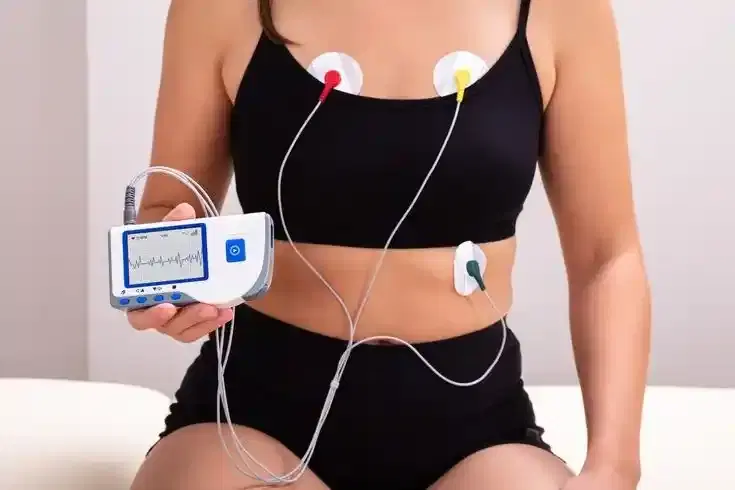
<div id="section-understanding">
<h3>Understanding Cardiac Electrophysiology Study (EPS)</h3>
<p>A Cardiac Electrophysiology Study (EPS) is a sophisticated diagnostic procedure essential for understanding the intricate electrical system of the heart. It's used to identify the root cause of various heart rhythm disorders, or arrhythmias, which can manifest as palpitations, dizziness, or fainting. By precisely mapping the heart's electrical pathways, EPS allows highly specialized cardiac electrophysiologists to diagnose complex conditions like atrial fibrillation, supraventricular tachycardia (SVT), and ventricular tachycardia (VT). DivinHeal ensures patients have access to accredited cardiac hospitals globally, offering advanced EPS procedures and subsequent therapeutic options, often paving the way for curative treatments like <a href="#">catheter ablation</a>.</p>
</div>
<div id="section-procedures">
<h3>The Cardiac Electrophysiology Study (EPS) Procedure</h3>
<h4>Diagnostic Approaches</h4>
<p>The Cardiac Electrophysiology Study (EPS) is primarily a diagnostic procedure, but it often directly informs therapeutic interventions. During the study, thin, flexible catheters are guided into the heart, typically through a vein in the groin. These catheters have electrodes that record electrical signals from different areas of the heart, creating a detailed electrical map. The electrophysiologist then uses programmed electrical stimulation – delivering tiny, controlled electrical pulses – to safely induce and evaluate the patient's arrhythmia. This allows them to precisely locate the abnormal electrical circuits or "short circuits" causing the irregular heartbeats. This detailed information is critical for accurate diagnosis and for planning the most effective treatment strategy, which may include medication adjustments or advanced interventions like radiofrequency or cryoablation.</p>
<h4>Related Therapeutic Modalities</h4>
<p>While the EPS itself is diagnostic, its findings often lead directly to therapeutic procedures. Often, if an arrhythmogenic focus is identified and suitable for treatment, a <a href="#">catheter ablation</a> procedure might be performed during the same session or scheduled shortly thereafter. Catheter ablation uses radiofrequency energy or cryotherapy to precisely destroy (ablate) the small area of heart tissue causing the arrhythmia, aiming for a permanent cure. Other therapeutic strategies informed by EPS include optimizing anti-arrhythmic medications or determining the need for implantable devices like pacemakers or implantable cardioverter-defibrillators (ICDs).</p>
</div>
<div id="section-cost-comparison">
<h3>Cost Comparison: Why Patients Choose India for Cardiac Electrophysiology Study (EPS)</h3>
<p>Seeking world-class cardiac care shouldn't come with an exorbitant price tag. Patients globally are increasingly choosing India for high-quality, affordable Cardiac Electrophysiology Study (EPS) procedures. India boasts state-of-the-art medical facilities, highly skilled cardiac electrophysiologists, and a significant cost advantage—often up to 70% less than Western countries—without compromising on patient safety or diagnostic accuracy. DivinHeal is committed to providing transparent pricing and connecting you with accredited hospitals in India, ensuring an uncompromised experience for your heart health.</p>
<table border="1" cellpadding="6">
<thead>
<tr>
<th>Country</th>
<th>Average Cardiac Electrophysiology Study (EPS) Cost (USD)</th>
</tr>
</thead>
<tbody>
<tr>
<td><strong>India</strong></td>
<td>$2,500 - $6,000</td>
</tr>
<tr>
<td>United States</td>
<td>$15,000 - $30,000</td>
</tr>
<tr>
<td>United Kingdom</td>
<td>$12,000 - $25,000</td>
</tr>
<tr>
<td>Singapore</td>
<td>$10,000 - $20,000</td>
</tr>
<td>UAE</td>
<td>$9,000 - $18,000</td>
</tbody>
</table>
</div>
<div id="section-support">
<h3>DivinHeal’s Comprehensive Support for Your Cardiac Electrophysiology Study (EPS) Journey</h3>
<p>At DivinHeal, we understand that navigating complex medical procedures like a Cardiac Electrophysiology Study (EPS) can be daunting. That's why we offer end-to-end, AI-driven care coordination, ensuring a seamless and supportive experience for every patient.
    <ul>
<li><strong>AI-Driven Hospital &amp; Specialist Matching:</strong> We connect you with top-tier cardiac hospitals and highly experienced electrophysiologists in India and across our global network, matching your specific medical needs and preferences.</li>
<li><strong>Transparent Cost Breakdowns:</strong> Say goodbye to hidden fees. DivinHeal provides clear, upfront cost estimates for your EPS procedure, including hospital stay, doctor's fees, and diagnostics, allowing you to plan with confidence.</li>
<li><strong>Travel &amp; Visa Assistance:</strong> Our dedicated team handles all logistics, from securing medical visas to arranging flights, accommodation, and local transport, making your international medical journey stress-free.</li>
<li><strong>Personalized Care Coordination:</strong> From your initial consultation to post-recovery follow-ups, a dedicated care coordinator will be your single point of contact, ensuring all your questions are answered and every aspect of your treatment is managed efficiently.</li>
<li><strong>Pre- &amp; Post-Procedure Support:</strong> We guide you through all necessary preparations before your EPS and provide comprehensive support during your recovery, including arranging virtual follow-ups with your specialist.</li>
<li><strong>Emotional Reassurance:</strong> We stand with you, offering hope, safety, and comfort throughout your journey, empowering you with information and compassionate support every step of the way.</li>
</ul>
</p>
</div>
<div id="section-recovery">
<h3>Recovery and Life After Cardiac Electrophysiology Study (EPS)</h3>
<p>The recovery process after a Cardiac Electrophysiology Study (EPS) is generally straightforward, designed for a swift return to your daily life.
    <ul>
<li><strong>Immediate Post-Procedure:</strong> You will be monitored in a recovery area, typically for 4-6 hours, to ensure the catheter insertion site (usually in the groin) is stable and to watch for any bleeding. You'll need to lie flat to minimize complications.</li>
<li><strong>Hospital Stay:</strong> Most patients are discharged on the same day or the morning after the procedure. You'll receive specific instructions regarding wound care and activity restrictions.</li>
<li><strong>At-Home Recovery (First Week):</strong>
<ul>
<li>Avoid strenuous activities, heavy lifting, and intense exercise for 3-5 days.</li>
<li>Keep the insertion site clean and dry; showering is generally allowed, but avoid baths for a few days.</li>
<li>Some bruising, swelling, or mild discomfort at the site is normal.</li>
<li>Do not drive for at least 24-48 hours due to the effects of sedation.</li>
</ul>
</li>
<li><strong>Long-Term Wellness:</strong> Your electrophysiologist will discuss the EPS findings and outline the next steps, which could include medication, lifestyle adjustments, or a recommendation for a <a href="#">catheter ablation</a>. DivinHeal's follow-up services ensure you stay connected with your care team, focusing on sustained heart health and optimal quality of life. We support you in managing your condition and embracing a healthy, active future.</li>
</ul>
</p>
</div>9f:T44b,A Cardiac Electrophysiology Study (EPS) begins with the patient lying on a procedure table in a specialized catheterization lab. After administering local anesthesia to the groin area and conscious sedation to ensure comfort, a small incision is made. Thin, flexible wires called catheters are then inserted into a vein (typically the femoral vein) and sometimes an artery. Using X-ray guidance (fluoroscopy), these catheters are carefully advanced through blood vessels to different chambers of the heart. Once in position, the catheters record the heart's electrical signals from various sites. The electrophysiologist then uses specialized equipment to deliver small electrical impulses to specific areas of the heart, attempting to induce and evaluate any arrhythmias. This 'programmed electrical stimulation' helps to map the electrical pathways and identify the precise origin of the irregular heart rhythm. If an arrhythmia is successfully induced and localized, this information is critical for planning future treatment, such as a catheter ablation. The procedure typically lasts 1-3 hours.a0:T475,Preparation for a Cardiac Electrophysiology Study (EPS) is crucial for a safe and effective procedure:
1.  **Fasting:** You will be instructed not to eat or drink anything for 6-8 hours before the procedure.
2.  **Medication Review:** Discuss all medications, supplements, and herbal remedies with your doctor. You may need to stop certain blood thinners or heart medications for a few days prior to the EPS. Do not stop any medication without your doctor's explicit instruction.
3.  **Allergies:** Inform your medical team about any allergies, especially to iodine, shellfish, X-ray dye, or local anesthetics.
4.  **Blood Tests &amp; ECG:** You will likely undergo pre-procedure blood tests, an electrocardiogram (ECG), and possibly a chest X-ray.
5.  **Hygiene:** You may be asked to shower with an antiseptic soap the night before or morning of the procedure.
6.  **Arrangement for Transport:** Due to sedation, you will not be able to drive yourself home after the procedure. Arrange for a friend or family member to pick you up.
7.  **Comfort:** Wear comfortable clothing to the hospital. Avoid jewelry, contact lenses, and nail polish.a1:T4b3,While Cardiac Electrophysiology Study (EPS) is generally safe, like any invasive procedure, it carries potential risks, though serious complications are rare:
1.  **Bleeding or Bruising:** At the catheter insertion site (usually the groin). This is the most common complication.
2.  **Infection:** At the insertion site.
3.  **Blood Vessel Damage:** Injury to the blood vessel where the catheter was inserted.
4.  **Heart Perforation:** Very rare, but a catheter could accidentally puncture the heart wall, potentially leading to fluid accumulation around the heart (cardiac tamponade).
5.  **Stroke:** Extremely rare, but blood clots could form on the catheters and travel to the brain.
6.  **Arrhythmia Induction:** While controlled, inducing an arrhythmia can sometimes be sustained, requiring medication or electrical shock (cardioversion) to restore normal rhythm.
7.  **Radiation Exposure:** Minimal exposure from X-ray guidance, but it's a consideration.
8.  **Allergic Reaction:** To contrast dye (if used), medications, or anesthesia.
9.  **Heart Attack:** A very rare complication.
Your electrophysiologist will discuss these risks with you and take all necessary precautions to minimize them.a2:T5c3,For diagnosing heart rhythm disorders, several alternatives or complementary diagnostic tools exist beyond a Cardiac Electrophysiology Study (EPS):
1.  **Electrocardiogram (ECG/EKG):** A simple, non-invasive test that records the heart's electrical activity at rest.
2.  **Holter Monitor:** A portable device worn for 24-48 hours (or longer) to continuously record the heart's electrical activity during daily routines.
3.  **Event Monitor/Loop Recorder:** A small, portable device worn for weeks or months, activated by the patient when symptoms occur, or automatically detects abnormal rhythms.
4.  **Implantable Loop Recorder (ILR):** A small device implanted under the skin to continuously monitor heart rhythm for up to three years, useful for infrequent symptoms.
5.  **Stress Test:** Evaluates how the heart performs under physical stress, sometimes revealing exercise-induced arrhythmias.
6.  **Echocardiogram:** An ultrasound of the heart that provides images of its structure and function, which can reveal underlying heart disease contributing to arrhythmias.
7.  **Cardiac MRI/CT Scan:** Provide detailed images of the heart's anatomy, useful for identifying structural issues.
While these tests are valuable, an EPS offers unique, precise diagnostic capabilities by directly mapping the heart's electrical pathways and actively provoking arrhythmias, which is often essential for definitive diagnosis and guiding interventional treatments like catheter ablation.a3:T8ba,<h2>Understanding Interventional Cardiology: A Detailed Insight</h2><p>Interventional cardiology is a rapidly advancing subspecialty of cardiology that utilizes specialized catheter-based techniques to diagnose and treat structural heart diseases, ischemic heart disease, and peripheral vascular disease. Unlike traditional open-heart surgery, interventional procedures are typically performed through small punctures in the skin (usually in the groin or wrist), leading to less pain, shorter hospital stays, and faster recovery times.</p><h3>Key Procedures in Interventional Cardiology:</h3><ul><li><strong>Coronary Angioplasty and Stenting:</strong> This procedure uses a balloon-tipped catheter to open blocked or narrowed coronary arteries, often followed by the placement of a stent (a small mesh tube) to keep the artery open, restoring blood flow to the heart muscle. It's a cornerstone for managing <a href="#">coronary artery disease treatment</a>.</li><li><strong>Transcatheter Aortic Valve Implantation (TAVI/TAVR):</strong> A revolutionary procedure for severe aortic stenosis, where a new valve is implanted without removing the old, damaged valve, usually via a catheter inserted through a leg artery.</li><li><strong>MitraClip Procedure:</strong> A minimally invasive option for patients with severe mitral regurgitation who are too high-risk for conventional surgery, where a clip is used to help the mitral valve close more completely.</li><li><strong>Closure of Atrial Septal Defect (ASD) and Patent Foramen Ovale (PFO):</strong> Catheter-based techniques to close holes in the heart that can lead to stroke or other complications.</li><li><strong>Peripheral Angioplasty and Stenting:</strong> Similar to coronary procedures but performed on arteries in the legs, arms, or kidneys.</li><li><strong>Carotid Artery Stenting:</strong> To prevent strokes by opening narrowed carotid arteries in the neck.</li></ul><p>These procedures are performed by highly skilled interventional cardiologists in state-of-the-art cath labs. DivinHeal partners with leading cardiac centers globally, offering access to these advanced <a href="#">interventional cardiology procedures and therapies</a> with exceptional success rates.</p>a4:T554,<h2>Interventional Cardiology Recovery Time and Tips</h2><p>Recovery after interventional cardiology varies based on the specific procedure and individual patient factors, but it is generally much quicker than traditional surgery. For common procedures like angioplasty and stenting, patients may be discharged within 1-2 days. Full recovery and return to normal activities typically take 1-2 weeks. <a href="#">Interventional cardiology recovery time and tips</a> include:</p><ul><li><strong>Initial Rest:</strong> Rest for 24-48 hours after discharge, especially at the access site (groin or wrist).</li><li><strong>Medication Adherence:</strong> Strictly follow prescribed medications, particularly antiplatelet drugs, to prevent clot formation.</li><li><strong>Lifestyle Modifications:</strong> Adopt a heart-healthy diet, regular light exercise (as advised by your doctor), quit smoking, and manage stress.</li><li><strong>Cardiac Rehabilitation:</strong> Participate in supervised exercise and education programs to strengthen your heart and improve overall health.</li><li><strong>Follow-up Appointments:</strong> Regular check-ups with your cardiologist are crucial to monitor progress and address any concerns.</li><li><strong>Avoid Heavy Lifting:</strong> For a few weeks, avoid strenuous activities or heavy lifting to protect the access site.</li></ul>a5:T1a6d,<h2>Interventional Cardiology Treatment: Procedures, Cost &amp; Recovery with DivinHeal</h2><div id="section-understanding"> <h3>Understanding Interventional Cardiology Treatment</h3> <p>Interventional cardiology is a critical medical subspecialty dedicated to diagnosing and treating a wide array of heart conditions using advanced, minimally invasive, catheter-based techniques. From addressing coronary artery blockages that cause heart attacks to repairing structural heart defects, these procedures offer profound hope and improved quality of life. DivinHeal provides unparalleled access to accredited cardiac hospitals in India, offering state-of-the-art facilities and world-class cardiac specialists, ensuring you receive the <a href="#">best hospitals for interventional cardiology</a> care with advanced therapeutic options.</p></div><div id="section-procedures"> <h3>Types of Interventional Cardiology Procedures</h3> <p>Interventional cardiology encompasses a broad spectrum of procedures designed to restore optimal heart function. These methods are preferred for their precision, reduced recovery times, and lower risks compared to traditional open-heart surgery.</p> <h4>Catheter-Based Interventions for Coronary Artery Disease</h4> <ul><li><strong>Coronary Angioplasty and Stenting:</strong> A widely performed procedure to open narrowed or blocked coronary arteries, often involving the placement of a stent to ensure the artery remains open. This is a cornerstone for <a href="#">interventional cardiology diagnosis and therapy options</a> for heart blockages.</li><li><strong>Atherectomy:</strong> Using a specialized catheter to remove plaque from the inside of an artery, often followed by stenting.</li><li><strong>Intracoronary Imaging (IVUS, OCT):</strong> Advanced imaging techniques used during interventions to gain a detailed view of the artery and plaque, guiding optimal stent placement.</li></ul> <h4>Structural Heart Interventions</h4> <ul><li><strong>Transcatheter Aortic Valve Implantation (TAVI/TAVR):</strong> A revolutionary procedure for severe aortic stenosis, replacing a diseased aortic valve via a catheter, avoiding open-heart surgery.</li><li><strong>MitraClip Procedure:</strong> A minimally invasive option to treat severe mitral regurgitation, where a clip is placed on the mitral valve leaflets to help them close more effectively.</li><li><strong>PFO/ASD Closure:</strong> Catheter-based procedures to close holes in the heart (Patent Foramen Ovale or Atrial Septal Defect) that can contribute to stroke risk.</li><li><strong>Left Atrial Appendage Occlusion (LAAO):</strong> Procedures like the Watchman device implantation to prevent stroke in patients with atrial fibrillation who cannot take blood thinners.</li></ul></div><div id="section-cost-comparison"> <h3>Cost Comparison: Why Patients Choose India for Interventional Cardiology</h3> <p>Choosing the right place for complex cardiac care often involves weighing quality against cost. India stands out as a beacon of <a href="#">affordable interventional cardiology packages</a>, delivering world-class medical excellence at a fraction of the cost found in Western countries. With DivinHeal, you gain access to transparent pricing and significant savings, making high-quality heart care accessible. Our commitment ensures that your focus remains on recovery, not financial burden. The <a href="#">interventional cardiology treatment cost comparison</a> below highlights India's unparalleled value.</p> <table border="1" cellpadding="6"> <thead> <tr> <th>Country</th> <th>Average Interventional Cardiology Treatment Cost (USD)</th> </tr> </thead> <tbody> <tr> <td><strong>India</strong></td> <td>$4,000 - $12,000</td> </tr> <tr> <td>United States</td> <td>$30,000 - $65,000</td> </tr> <tr> <td>United Kingdom</td> <td>$25,000 - $50,000</td> </tr> <tr> <td>Singapore</td> <td>$20,000 - $40,000</td> </tr> <tr> <td>UAE</td> <td>$18,000 - $35,000</td> </tr> </tbody> </table> <p><em>Note: These are estimated costs for common procedures like angioplasty with stenting, which can vary based on specific procedural complexity, hospital choice, and individual patient needs.</em></p></div><div id="section-support"> <h3>DivinHeal’s Comprehensive Support for Your Cardiac Journey</h3> <p>Navigating international medical travel for <a href="#">interventional cardiology treatment</a> can be complex, but with DivinHeal, you’re never alone. We provide AI-driven hospital matching to connect you with the <a href="#">best hospitals for interventional cardiology</a> and top cardiac specialists in India. Our end-to-end care coordination includes visa and travel assistance, transparent cost breakdowns, accommodation support, and dedicated case managers who guide you from initial consultation through post-recovery follow-ups. We prioritize your comfort, safety, and peace of mind at every step of your medical journey, offering truly <a href="#">affordable interventional cardiology packages</a>.</p></div><div id="section-recovery"> <h3>Recovery and Life After Interventional Cardiology Treatment</h3> <p>One of the significant advantages of interventional cardiology procedures is the relatively quick <a href="#">interventional cardiology recovery time and tips</a>. Most patients can expect to return to light activities within a few days to a week, with full recovery taking approximately 1-2 weeks. Your DivinHeal care team, in collaboration with your cardiac specialist, will provide a personalized recovery plan. This typically includes:</p> <ul><li><strong>Medication Management:</strong> Strict adherence to prescribed medications, especially antiplatelet drugs to prevent blood clots.</li><li><strong>Cardiac Rehabilitation:</strong> A structured program of supervised exercise, education, and counseling to help you regain strength, improve heart health, and adopt a heart-healthy lifestyle.</li><li><strong>Dietary Changes:</strong> Adopting a diet rich in fruits, vegetables, whole grains, and lean proteins, low in saturated fats and sodium.</li><li><strong>Physical Activity:</strong> Gradually increasing physical activity as advised, starting with gentle walks and progressing to moderate exercise.</li><li><strong>Regular Follow-ups:</strong> Essential appointments with your cardiologist to monitor your progress, adjust medications, and address any ongoing concerns.</li><li><strong>Emotional Support:</strong> Access to counseling and support groups to help manage any anxiety or depression related to heart conditions.</li></ul><p>Our goal is not just successful treatment but also ensuring a smooth and sustained return to a healthy, active life, supported by high <a href="#">interventional cardiology success rate</a> outcomes.</p></div>a6:T5f0,<h2>Understanding Cardiac Surgery and Its Impact</h2><p>Cardiac surgery represents a pinnacle of medical science, offering hope and extended life to individuals suffering from severe heart conditions. These procedures address structural abnormalities, blockages, or functional impairments within the heart and its major blood vessels. Advancements in medical technology and surgical techniques have dramatically improved the safety and efficacy of cardiac surgery treatment over the past decades.</p><h3>Why Cardiac Surgery is Essential</h3><p>For many patients, cardiac surgery is not merely an option but a critical intervention to alleviate severe symptoms like chest pain, shortness of breath, and fatigue, which significantly impact daily life. More importantly, it can prevent life-threatening events such as heart attacks, strokes, or sudden cardiac arrest, thereby prolonging life and improving its quality.</p><h3>The Role of Advanced Technology and Expertise</h3><p>Modern cardiac surgery leverages sophisticated diagnostic tools, advanced anesthetic techniques, and innovative surgical instruments, including robotic systems for minimally invasive procedures. Success rates are directly linked to the experience of the surgical team, the technological infrastructure of the hospital, and comprehensive post-operative care. DivinHeal partners with only the best hospitals for cardiac surgery in India, ensuring access to top cardiologists and state-of-the-art facilities for your cardiac surgery treatment.</p>a7:T442,Cardiac surgery recovery time varies depending on the specific procedure, patient's overall health, and adherence to post-operative instructions. Typically, hospital stay ranges from 5 to 10 days, followed by several weeks or months of home recovery. Key aspects include:<ul><li><strong>Initial Hospital Recovery:</strong> Patients spend a day or two in the ICU, then transition to a regular ward. Early mobilization is encouraged.</li><li><strong>Home Recovery:</strong> Gradual increase in activity, avoiding heavy lifting, and managing pain. Incision care is crucial to prevent infection.</li><li><strong>Cardiac Rehabilitation:</strong> A structured program involving supervised exercise, nutrition counseling, and psychological support is often recommended to strengthen the heart and aid full recovery.</li><li><strong>Lifestyle Modifications:</strong> Adopting a heart-healthy diet, regular exercise, smoking cessation, and stress management are vital for long-term health.</li></ul>DivinHeal provides comprehensive guidance on cardiac surgery recovery and tips for optimal outcomes.a8:T1b66,<h2>Cardiac Surgery Treatment: Procedures, Cost &amp; Recovery</h2><div id="section-understanding"> <h3>Understanding Cardiac Surgery</h3> <p>Cardiac surgery encompasses a variety of complex procedures performed on the heart and its major blood vessels to correct life-threatening conditions. These interventions are crucial for restoring heart function, alleviating severe symptoms, and significantly improving the prognosis for patients suffering from cardiovascular diseases. DivinHeal stands as a beacon of hope, offering access to accredited cardiology hospitals and advanced therapeutic options including state-of-the-art open-heart surgery, minimally invasive techniques, cutting-edge interventional cardiology, and comprehensive medical management. We ensure that every patient receives tailored cardiac surgery treatment plans backed by expert care.</p></div><div id="section-procedures"> <h3>Types of Cardiac Surgery Procedures</h3> <h4>Surgical Approaches</h4> <p>Modern cardiac surgery utilizes various approaches to address a wide array of heart conditions. DivinHeal's network provides access to surgeons proficient in all major types of cardiac surgery treatment:</p> <ul> <li><strong>Coronary Artery Bypass Grafting (CABG):</strong> Often referred to as bypass surgery, this procedure creates new pathways for blood to flow around blocked or narrowed coronary arteries, improving blood supply to the heart muscle.</li> <li><strong>Heart Valve Repair/Replacement:</strong> Addresses damaged or diseased heart valves (e.g., aortic, mitral), either by repairing them to function properly or replacing them with artificial or biological valves.</li> <li><strong>Aneurysm Repair:</strong> Surgical correction of weakened, bulging areas in the aorta or other major arteries to prevent rupture.</li> <li><strong>Congenital Heart Defect Correction:</strong> Procedures to repair structural abnormalities present at birth, such as Atrial Septal Defects (ASD) or Ventricular Septal Defects (VSD).</li> <li><strong>Arrhythmia Surgery (Maze Procedure):</strong> A surgical technique to create scar tissue patterns in the atria to block abnormal electrical signals causing atrial fibrillation.</li> </ul> <h4>Non-Surgical Therapies and Interventions</h4> <p>While the focus is on surgery, many patients benefit from non-surgical treatments that can precede or complement cardiac surgery treatment. These include:</p> <ul> <li><strong>Medical Management:</strong> Prescription medications to control blood pressure, cholesterol, blood sugar, and manage heart rhythm.</li> <li><strong>Lifestyle Modifications:</strong> Dietary changes, regular exercise, smoking cessation, and stress management are vital for heart health.</li> <li><strong>Interventional Cardiology Procedures:</strong> Less invasive treatments like Angioplasty and Stenting to open blocked arteries, Transcatheter Aortic Valve Implantation (TAVI) for valve replacement, and Electrophysiology procedures for rhythm disorders.</li> </ul></div><div id="section-cost-comparison"> <h3>Cost Comparison: Why Patients Choose India for Cardiac Surgery Treatment</h3> <p>India's reputation for providing high-quality, affordable cardiac surgery packages makes it a premier global destination for cardiac care. Patients worldwide increasingly choose India for its significant cost advantages, world-class medical expertise, advanced hospital infrastructure, and empathetic patient care. DivinHeal facilitates this access, offering transparent cost breakdowns and connecting you to accredited hospitals where quality is never compromised. Experience savings of up to 70% on your cardiac surgery treatment compared to Western countries.</p> <table border="1" cellpadding="6"> <thead> <tr> <th>Country</th> <th>Average Cardiac Surgery Treatment Cost (USD)</th> </tr> </thead> <tbody> <tr> <td><strong>India</strong></td> <td>$5,500 - $18,000</td> </tr> <tr> <td>United States</td> <td>$70,000 - $150,000</td> </tr> <tr> <td>United Kingdom</td> <td>$50,000 - $100,000</td> </tr> <tr> <td>Singapore</td> <td>$40,000 - $80,000</td> </tr> <tr> <td>UAE</td> <td>$35,000 - $75,000</td> </tr> </tbody> </table></div><div id="section-support"> <h3>DivinHeal’s Comprehensive Support for Your Cardiac Surgery Journey</h3> <p>DivinHeal is your dedicated partner in navigating the complexities of cardiac surgery treatment. Our AI-driven platform matches you with the best hospitals for cardiac surgery and top cardiologists globally. We offer end-to-end care coordination, including:</p> <ul> <li><strong>Personalized Hospital Matching:</strong> Connecting you with facilities renowned for high cardiac surgery success rates and cutting-edge technology.</li> <li><strong>Seamless Travel &amp; Visa Assistance:</strong> Guiding you through all necessary documentation for a smooth journey.</li> <li><strong>Transparent Cost Breakdowns:</strong> Providing clear, upfront pricing for your affordable cardiac surgery packages, eliminating hidden fees.</li> <li><strong>Dedicated Care Coordination:</strong> From initial consultation through treatment and follow-up, our team ensures every aspect of your care is managed efficiently and compassionately.</li> <li><strong>Post-Treatment Support:</strong> Ensuring you have resources and guidance for a successful recovery after cardiac surgery.</li> </ul></div><div id="section-recovery"> <h3>Cardiac Surgery Recovery Time and Tips for a Healthy Heart</h3> <p>Successfully undergoing cardiac surgery treatment is only part of the journey; a diligent recovery is crucial for long-term health. The typical cardiac surgery recovery time can range from a few weeks to several months, depending on the procedure and individual factors.</p> <ul> <li><strong>Immediate Post-Op Care:</strong> Expect to spend 1-3 days in the Intensive Care Unit (ICU), followed by 4-7 days in a regular hospital ward. Early mobilization with assistance is encouraged.</li> <li><strong>Home Recovery Guidelines:</strong> For 3-6 weeks post-discharge, limit strenuous activities, avoid heavy lifting, and manage pain as prescribed. Follow incision care instructions meticulously to prevent infection.</li> <li><strong>Cardiac Rehabilitation:</strong> Participating in a structured cardiac rehabilitation program is highly recommended. These programs involve supervised exercise, nutritional counseling, and stress management techniques, significantly improving recovery and long-term outcomes.</li> <li><strong>Lifestyle Modifications:</strong> Long-term wellness after cardiac surgery includes adopting a heart-healthy diet, regular physical activity as advised by your doctor, quitting smoking, and maintaining a healthy weight. These lifestyle changes are essential tips for sustaining a healthy heart.</li> <li><strong>Emotional Well-being:</strong> It's common to experience emotional fluctuations during recovery. Support groups, counseling, and open communication with your care team are vital for mental and emotional healing.</li> </ul></div>a9:T463,Cardiac surgery procedures vary widely, but a typical open-heart surgery, such as a Coronary Artery Bypass Graft (CABG), generally involves these steps: 1. **Anesthesia:** The patient is given general anesthesia to ensure they are unconscious and pain-free throughout the procedure. 2. **Incision:** A long incision is made down the center of the chest, and the sternum (breastbone) is carefully divided to expose the heart. 3. **Cardiopulmonary Bypass:** The heart is stopped, and a heart-lung machine takes over the functions of circulating and oxygenating the blood. This allows the surgeon to operate on a still, bloodless heart. 4. **Repair/Replacement:** The specific repair is performed, such as grafting new blood vessels onto the coronary arteries, repairing or replacing heart valves, or correcting congenital defects. 5. **Weaning from Bypass:** Once the repair is complete, the heart is restarted, and the patient is gradually weaned off the heart-lung machine. 6. **Closure:** The sternum is rejoined with wires, and the chest incision is closed with sutures or staples. Drains may be inserted to remove fluid.aa:T70e,<h2>Your Journey to a Healthier Heart with DivinHeal</h2><ul><li><h3>Initial Consultation &amp; Diagnosis</h3><p>Your journey begins with a comprehensive medical evaluation. Our AI-driven platform helps you connect with top cardiologists for an accurate diagnosis, often involving ECG, Holter monitoring, and echocardiograms to confirm the need for a pacemaker.</p></li><li><h3>Personalized Treatment Planning</h3><p>Based on your diagnosis, our medical specialists will outline the most suitable pacemaker type (single-chamber, dual-chamber, biventricular, or leadless) and explain the procedure. We provide transparent pacemaker treatment cost comparisons and affordable pacemaker packages tailored to your needs.</p></li><li><h3>Seamless Travel &amp; Accommodation</h3><p>DivinHeal's dedicated care coordinators assist with visa applications, travel logistics, and comfortable accommodation, ensuring a stress-free experience from your home country to India.</p></li><li><h3>Pacemaker Implantation &amp; Hospital Stay</h3><p>The pacemaker surgery is typically performed under local anesthesia. You'll usually have a short hospital stay (1-3 days) for recovery and initial device checks. Our partner hospitals for pacemaker implantation are equipped with state-of-the-art facilities.</p></li><li><h3>Post-Procedure Care &amp; Recovery</h3><p>After discharge, you'll receive detailed instructions for pacemaker recovery time and tips. DivinHeal facilitates follow-up appointments and remote monitoring, ensuring a smooth transition back to daily life.</p></li><li><h3>Long-Term Support &amp; Wellness</h3><p>We provide ongoing support for your long-term wellness, including guidance on lifestyle modifications and regular device checks to ensure optimal pacemaker success rate and longevity.</p></li></ul>ab:T440,<h2>Conditions Treated by Pacemaker Implantation</h2><ul><li><h3>Bradycardia</h3><p>A slow heart rate (fewer than 60 beats per minute) that can lead to fatigue, dizziness, and fainting. Pacemakers effectively regulate the heart's rhythm to prevent these symptoms.</p></li><li><h3>Sick Sinus Syndrome</h3><p>A condition where the heart's natural pacemaker (the sinus node) doesn't function properly, causing irregular or slow heartbeats.</p></li><li><h3>Heart Block</h3><p>Disruption in the electrical signals traveling from the atria to the ventricles, leading to a slow or skipped heartbeat. Various degrees of heart block can be treated with a pacemaker.</p></li><li><h3>Syncope of Unknown Origin</h3><p>Recurrent fainting spells where no other cause can be identified, often related to transient bradycardia.</p></li><li><h3>Cardiac Resynchronization Therapy (CRT)</h3><p>For some patients with heart failure and electrical conduction abnormalities, biventricular pacemakers (a type of pacemaker) can help synchronize heartbeats, improving the heart's pumping efficiency.</p></li></ul>ac:T858,<h2>Understanding Pacemaker Treatment</h2><h3>What is a Pacemaker?</h3><p>A pacemaker is a sophisticated medical device designed to correct an abnormal heart rhythm (arrhythmia), particularly bradycardia, where the heart beats too slowly. It consists of two main components: a pulse generator and one or more leads (insulated wires). The pulse generator, a small metal case containing a battery and electronic circuitry, sends electrical impulses. These impulses travel through the leads, which are threaded into the heart chambers, stimulating the heart muscle to contract at an appropriate rate.</p><h3>How Does a Pacemaker Work?</h3><p>The pacemaker constantly monitors your heart's electrical activity. If it detects that your heart is beating too slowly or skipping beats, it delivers a precise, low-energy electrical pulse to the heart, prompting it to beat. Modern pacemakers are 'on-demand,' meaning they only activate when needed, allowing your natural heart rhythm to take over when it's functioning correctly. This ensures your heart maintains a healthy and consistent rhythm, improving blood flow and reducing symptoms.</p><h3>Types of Pacemakers</h3><ul><li><strong>Single-Chamber Pacemaker:</strong> Uses one lead in either the right atrium or the right ventricle.</li><li><strong>Dual-Chamber Pacemaker:</strong> Uses two leads, one in the right atrium and one in the right ventricle, to coordinate contractions between the two chambers, mimicking the heart's natural rhythm more closely.</li><li><strong>Biventricular Pacemaker (CRT-P):</strong> Has three leads (one in the right atrium, one in the right ventricle, and one on the left ventricle's surface) and is used for Cardiac Resynchronization Therapy in certain heart failure patients.</li><li><strong>Leadless Pacemaker:</strong> A newer, miniature device implanted directly into the right ventricle without leads, offering a less invasive option for specific patient profiles.</li></ul><p>DivinHeal ensures access to the latest pacemaker technology and top cardiologists for pacemaker diagnosis and therapy options, guaranteeing the highest standard of care.</p>ad:T469,<h2>Benefits of Pacemaker Implantation</h2><ul><li><h3>Restored Normal Heart Rate</h3><p>The primary benefit is regulating a slow or irregular heart rate, ensuring consistent blood flow throughout the body.</p></li><li><h3>Alleviation of Symptoms</h3><p>Patients typically experience a significant reduction or complete elimination of symptoms such as dizziness, fatigue, shortness of breath, and fainting spells.</p></li><li><h3>Improved Quality of Life</h3><p>With symptoms relieved, patients can resume normal activities, regain energy, and enjoy a much-improved quality of life.</p></li><li><h3>Prevention of Complications</h3><p>A pacemaker can prevent serious complications associated with persistent bradycardia, including falls, injury, and more severe cardiac events.</p></li><li><h3>Enhanced Longevity</h3><p>For many, a pacemaker is a life-saving device that significantly extends lifespan by maintaining vital heart function.</p></li><li><h3>High Success Rate</h3><p>Modern pacemaker implantation boasts a very high pacemaker success rate, with immediate and lasting positive outcomes for most patients.</p></li></ul>ae:T5dd,<h2>Pacemaker Recovery Time and Tips</h2><ul><li><h3>Immediate Post-Procedure Care</h3><p>After your pacemaker surgery, you'll be monitored in the hospital for 1-3 days. You may experience some soreness, bruising, or swelling at the incision site, which is normal. Pain medication will be provided as needed.</p></li><li><h3>First Few Weeks (3-6 Weeks)</h3><p>During the initial pacemaker recovery time, it's crucial to avoid strenuous activities and heavy lifting (typically over 5-10 pounds) with the arm on the side of the implant. Keep the incision site clean and dry. You'll have follow-up appointments to check the incision and ensure the device is functioning correctly.</p></li><li><h3>Long-Term Recovery &amp; Lifestyle</h3><p>Most patients fully recover and return to their normal routines within a few weeks. However, it's important to be aware of electromagnetic interference (EMI) sources and follow your doctor's guidelines regarding cell phone use, certain electrical devices, and medical imaging (like MRIs, unless your pacemaker is MRI-safe). Regular follow-up appointments (often annually) with your cardiologist are essential to monitor your pacemaker's function and battery life (which typically lasts 5-15 years).</p></li><li><h3>Emotional and Psychological Support</h3><p>Adjusting to a pacemaker can sometimes involve emotional challenges. DivinHeal provides resources and support to help patients adapt, focusing on mental well-being as much as physical recovery.</p></li></ul>af:T1e7d,<h2>Pacemaker Treatment: Procedures, Cost &amp; Recovery</h2><div id="section-understanding"><h3>Understanding Pacemaker Treatment</h3><p>Pacemaker treatment involves the implantation of a small, sophisticated device designed to regulate abnormal heart rhythms, primarily bradycardia (a heart rate that is too slow). This condition can lead to debilitating symptoms such as chronic fatigue, dizziness, shortness of breath, and fainting spells, severely impacting a patient's quality of life. Timely and effective pacemaker treatment is crucial to restore normal heart function and prevent potentially serious cardiac events.</p><p>DivinHeal stands as a beacon of hope, offering access to accredited cardiology hospitals and advanced therapeutic options globally, especially in India. Our network comprises highly experienced cardiologists and electrophysiologists specializing in pacemaker implantation and comprehensive post-operative care, ensuring the best hospitals for pacemaker implantation are within your reach.</p></div><div id="section-procedures"><h3>Types of Pacemaker Implantation Procedures</h3><h4>Pacemaker Implantation Techniques</h4><p>The most common approach for pacemaker implantation is a minimally invasive surgical procedure. It involves creating a small incision, usually below the collarbone, to insert the pacemaker leads into a vein that leads to the heart. These leads are then carefully guided into the appropriate heart chambers using fluoroscopic (X-ray) guidance. Once in place, they are connected to the pulse generator, which is then tucked into a small pocket created under the skin or muscle.</p><ul><li><strong>Single-Chamber Pacemaker:</strong> Implants one lead into either the right atrium or the right ventricle, suitable for specific bradycardia types.</li><li><strong>Dual-Chamber Pacemaker:</strong> Utilizes two leads, one in the right atrium and one in the right ventricle, offering more precise heart rhythm management by coordinating the contractions of both chambers.</li><li><strong>Biventricular Pacemaker (CRT-P):</strong> Features three leads, used in Cardiac Resynchronization Therapy (CRT) for certain heart failure patients to improve pumping efficiency.</li><li><strong>Leadless Pacemaker:</strong> A revolutionary, miniature device implanted directly into the right ventricle without the need for leads or a surgical pocket, offering a less invasive option for selected patients and a quicker pacemaker recovery time.</li></ul><p>DivinHeal ensures you have access to institutions that offer these advanced pacemaker diagnosis and therapy options, performed by top cardiologists for pacemaker procedures.</p></div><div id="section-cost-comparison"><h3>Cost Comparison: Why Patients Choose India for Pacemaker Treatment</h3><p>For patients worldwide, the cost of advanced medical treatments, including pacemaker implantation, can be a significant barrier. DivinHeal is committed to making high-quality healthcare accessible and affordable without compromising on safety or outcomes. India has firmly established itself as a premier destination for medical tourism, particularly for cardiology procedures, due to its exceptional medical expertise, state-of-the-art infrastructure, and significantly lower costs.</p><p>When considering pacemaker treatment cost, India offers an unparalleled advantage. Patients can achieve savings of up to 70% compared to similar procedures performed in countries like the USA, UK, Singapore, or UAE. These substantial savings do not come at the expense of quality; Indian hospitals boast JCI and NABH accreditations, highly skilled cardiologists, and the latest medical technology. DivinHeal provides transparent pacemaker treatment cost breakdowns and affordable pacemaker packages, ensuring you receive world-class care and peace of mind. Our AI-driven platform facilitates seamless pacemaker surgery cost comparison, empowering you to make informed decisions for your health.</p><table border="1" cellpadding="6"><thead><tr><th>Country</th><th>Average Pacemaker Treatment Cost (USD)</th></tr></thead><tbody><tr><td><strong>India</strong></td><td>$3,000 - $8,000</td></tr><tr><td>United States</td><td>$20,000 - $50,000</td></tr><tr><td>United Kingdom</td><td>$18,000 - $40,000</td></tr><tr><td>Singapore</td><td>$15,000 - $30,000</td></tr><tr><td>UAE</td><td>$12,000 - $25,000</td></tr></tbody></table></div><div id="section-support"><h3>DivinHeal’s Comprehensive Support for Your Pacemaker Journey</h3><p>At DivinHeal, we understand that undergoing a medical procedure in a foreign country can be daunting. Our core mandate is to provide an end-to-end, AI-driven care coordination experience, focusing on hope, safety, affordability, and quality care. From the moment you inquire about pacemaker treatment, our dedicated team springs into action:</p><ul><li><strong>AI-Driven Hospital Matching:</strong> We match you with the best hospitals for pacemaker implantation and top cardiologists based on your specific medical needs and preferences.</li><li><strong>Transparent Cost Breakdowns:</strong> Receive clear, all-inclusive cost estimates for your pacemaker treatment cost, with no hidden fees. We help you explore affordable pacemaker packages.</li><li><strong>Visa &amp; Travel Assistance:</strong> Our team assists with all necessary documentation for medical visas, flight bookings, and comfortable accommodation.</li><li><strong>Dedicated Care Coordination:</strong> A personal care coordinator will be your single point of contact, managing all appointments, logistics, and communication with medical teams.</li><li><strong>Post-Treatment Support:</strong> We facilitate follow-up consultations, remote monitoring, and provide guidance for your pacemaker recovery time and tips, ensuring a smooth transition back home.</li></ul><p>With DivinHeal, you gain a trusted partner committed to your health and well-being every step of the way, ensuring a high pacemaker success rate.</p></div><div id="section-recovery"><h3>Recovery and Life After Pacemaker Implantation</h3><p>Understanding pacemaker recovery time and tips is vital for a successful outcome. The immediate recovery period usually involves a 1-3 day hospital stay for monitoring and to ensure the device is functioning optimally. Post-discharge, most patients experience a relatively swift recovery, although certain precautions are necessary for the first few weeks.</p><ul><li><strong>Incision Care:</strong> Keep the incision site clean and dry. Avoid submerging it in water (baths, swimming) until fully healed, typically 1-2 weeks.</li><li><strong>Activity Restrictions:</strong> For 4-6 weeks, avoid heavy lifting (usually more than 5-10 pounds), strenuous arm movements, and raising the arm on the implanted side above shoulder level to prevent lead dislodgement.</li><li><strong>Managing Discomfort:</strong> Mild pain or discomfort at the incision site is common and can be managed with over-the-counter pain relievers.</li><li><strong>Follow-up Appointments:</strong> Regular check-ups with your cardiologist are crucial. These appointments monitor the pacemaker's function, battery life, and ensure your heart rhythm remains stable. Modern devices often allow for remote monitoring.</li></ul><p>Life with a pacemaker is generally very normal and active. Most patients return to their previous activities, including work, hobbies, and exercise, with renewed energy. It's important to be aware of electromagnetic interference from certain devices, but daily activities like using cell phones, microwaves, and computers are typically safe. Your medical team will provide specific guidelines to ensure your long-term health and the optimal performance of your pacemaker, contributing to an excellent pacemaker success rate.</p></div>b0:T6de,<h2>Your Journey to Heart Health with DivinHeal</h2><ul><li><h3>Initial Consultation &amp; Diagnosis</h3><p>Begin with a comprehensive evaluation including echocardiograms, ECGs, and cardiac catheterization to accurately diagnose the mitral valve condition. DivinHeal facilitates teleconsultations with leading cardiologists for your mitral valve surgery diagnosis.</p></li><li><h3>Personalized Treatment Plan</h3><p>Based on your diagnosis, our affiliated experts design a tailored mitral valve surgery treatment plan, considering your specific condition, age, and overall health. We provide transparent information on repair vs. replacement options.</p></li><li><h3>Pre-operative Preparation</h3><p>DivinHeal assists with all logistics, including visa, travel, and accommodation. We ensure you receive detailed instructions for pre-surgery preparation, medical tests, and lifestyle adjustments for your mitral valve surgery.</p></li><li><h3>The Surgical Procedure</h3><p>Performed by highly skilled cardiac surgeons in accredited hospitals, the surgery addresses the valve issue. Our care coordinators provide updates to your family throughout the mitral valve surgery procedure.</p></li><li><h3>Post-operative Care &amp; Recovery</h3><p>Following mitral valve surgery, you will receive intensive post-operative care. Our support extends to guiding you through your hospital stay, rehabilitation, and long-term recovery, including follow-up appointments and lifestyle advice for a healthy heart.</p></li><li><h3>Ongoing Support</h3><p>DivinHeal remains your partner in health, offering continuous support and access to medical professionals even after your return home, ensuring a smooth and sustained recovery from your mitral valve surgery.</p></li></ul>b1:T457,<h2>Conditions Treated by Mitral Valve Surgery</h2><ul><li><h3>Mitral Regurgitation (Leaky Mitral Valve)</h3><p>A condition where the mitral valve does not close tightly, causing blood to flow backward into the left atrium with each heartbeat. This can lead to heart enlargement and heart failure if untreated.</p></li><li><h3>Mitral Stenosis (Narrowed Mitral Valve)</h3><p>Occurs when the mitral valve opening is narrowed, restricting blood flow from the left atrium to the left ventricle. Often caused by rheumatic fever, it can lead to pulmonary hypertension and shortness of breath.</p></li><li><h3>Mitral Valve Prolapse</h3><p>A condition where the valve's leaflets bulge (prolapse) into the left atrium during heart contraction. While often benign, severe cases can lead to significant regurgitation requiring intervention.</p></li><li><h3>Infective Endocarditis Affecting Mitral Valve</h3><p>Infection of the heart's inner lining, including the mitral valve, which can cause significant damage, leading to regurgitation or obstruction and often necessitating surgical repair or replacement.</p></li></ul>b2:Tb65,<h2>Understanding Mitral Valve Surgery: Repair vs. Replacement</h2><p>Mitral valve surgery is a critical procedure for patients suffering from severe mitral valve disease. The mitral valve plays a vital role in ensuring one-way blood flow through the heart, specifically from the left atrium to the left ventricle. When this valve malfunctions, it can lead to various symptoms and ultimately heart failure.</p><h3>Mitral Valve Repair (Valvuloplasty)</h3><ul><li><p><strong>Overview:</strong> Whenever possible, surgeons prefer to repair the existing valve. This preserves the patient's own valve tissue and often results in better long-term outcomes, including a lower risk of infection and typically avoids the need for lifelong anticoagulant medication (as with mechanical valves).</p></li><li><p><strong>Techniques:</strong> Common repair techniques include ring annuloplasty (where a ring is sewn around the base of the valve to support it), leaflet repair (trimming, reshaping, or reattaching leaflets), and chordal repair (replacing or shortening the chordae tendineae, the "heart strings" that support the valve).</p></li><li><p><strong>Benefits:</strong> Preserves ventricular function, lower risk of stroke and endocarditis, and often avoids blood thinners.</p></li></ul><h3>Mitral Valve Replacement</h3><ul><li><p><strong>Overview:</strong> If the valve is too damaged to be repaired, it is replaced with a new one. This can be a mechanical valve or a biological (tissue) valve.</p></li><li><p><strong>Mechanical Valves:</strong> These are highly durable, lasting 20-30 years or more. However, patients with mechanical valves require lifelong anticoagulant therapy (blood thinners) to prevent blood clots from forming on the valve, which carries a risk of bleeding complications.</p></li><li><p><strong>Biological (Tissue) Valves:</strong> Derived from animal tissue (porcine or bovine), these valves typically do not require lifelong anticoagulation, making them suitable for patients who cannot take blood thinners. Their durability is generally 10-15 years, meaning a future replacement might be necessary.</p></li><li><p><strong>Choice Factors:</strong> The decision between repair and replacement, and the type of replacement valve, is made in consultation with your surgeon, considering factors like age, lifestyle, medical history, and specific valve pathology.</p></li></ul><p>Both repair and replacement can be performed via traditional open-heart surgery (sternotomy) or minimally invasive approaches (small incisions between ribs). Minimally invasive mitral valve surgery offers benefits like smaller scars, less pain, and quicker recovery for suitable candidates.</p><p>DivinHeal partners with India's leading cardiac centers equipped with advanced surgical suites and experienced teams specializing in all forms of mitral valve interventions, ensuring high success rates and patient safety.</p>b3:T4fd,<h2>Benefits of Mitral Valve Surgery Treatment</h2><ul><li><h3>Improved Heart Function</h3><p>Successfully treated mitral valve ensures efficient blood flow, reducing strain on the heart and improving its overall pumping capability.</p></li><li><h3>Relief from Symptoms</h3><p>Patients typically experience significant reduction or elimination of symptoms like shortness of breath, fatigue, chest pain, and palpitations, leading to a greatly improved quality of life.</p></li><li><h3>Prevention of Heart Failure</h3><p>By correcting the valve dysfunction, the surgery helps prevent the progression of heart disease to severe conditions like congestive heart failure.</p></li><li><h3>Increased Longevity</h3><p>For patients with severe mitral valve disease, surgery can significantly extend lifespan and reduce the risk of sudden cardiac events.</p></li><li><h3>Enhanced Quality of Life</h3><p>Many patients report increased energy levels, improved exercise tolerance, and the ability to return to normal daily activities and hobbies.</p></li><li><h3>Minimally Invasive Options</h3><p>For eligible candidates, minimally invasive techniques offer benefits such as smaller incisions, less pain, reduced blood loss, and faster recovery times for mitral valve surgery.</p></li></ul>b4:T747,<h2>Recovery and Life After Mitral Valve Surgery</h2><p>Recovery from mitral valve surgery is a gradual process that varies for each individual, influenced by the type of surgery (open-heart vs. minimally invasive), age, and overall health. Here's what to expect regarding mitral valve surgery recovery time and tips:</p><ul><li><h3>Immediate Post-Operative Period (Hospital Stay)</h3><p>Typically 5-7 days for open-heart surgery, with the first 1-2 days in the ICU. Patients receive pain management, respiratory support, and gradual mobilization under medical supervision.</p></li><li><h3>First Few Weeks at Home (2-6 Weeks)</h3><p>Activity restrictions are crucial, especially for sternal precautions (avoiding heavy lifting, pushing, or pulling). Patients gradually increase walking and light activities. Fatigue is common, and proper wound care is essential.</p></li><li><h3>Cardiac Rehabilitation</h3><p>Many patients benefit from a structured cardiac rehab program, which includes supervised exercise, education on heart-healthy living, and emotional support. DivinHeal can guide you to appropriate rehabilitation programs.</p></li><li><h3>Full Recovery (2-3 Months to 6 Months)</h3><p>Full recovery can take 2-3 months for minimally invasive procedures and up to 6 months for open-heart surgery. Patients typically return to work and most normal activities during this period.</p></li><li><h3>Long-Term Wellness</h3><p>Adherence to medication (especially anticoagulants for mechanical valves), a heart-healthy diet, regular exercise, and avoiding smoking are crucial for long-term success. Regular follow-ups with a cardiologist are essential.</p></li><li><h3>Emotional Support</h3><p>It's normal to experience emotional fluctuations during recovery. DivinHeal offers resources for counseling and support groups to help navigate this journey.</p></li></ul>b5:T21df,<h2>Mitral Valve Surgery Treatment: Procedures, Cost &amp; Recovery</h2><div id="section-understanding"><h3>Understanding Mitral Valve Surgery</h3><p>Mitral valve disease affects millions globally, impacting the heart's ability to pump blood efficiently. Conditions like mitral regurgitation (a leaky valve) and mitral stenosis (a narrowed valve) can lead to severe symptoms such as shortness of breath, fatigue, and chest pain, eventually progressing to heart failure if left untreated. Mitral valve surgery is a definitive treatment to repair or replace the damaged valve, restoring normal heart function and significantly improving patient outcomes. DivinHeal connects you to India's leading accredited cardiac hospitals and top-tier cardiovascular surgeons specializing in advanced mitral valve repair and replacement techniques, ensuring you receive the best care available.</p></div><div id="section-procedures"><h3>Types of Mitral Valve Surgery Procedures</h3><h4>Open-Heart Mitral Valve Surgery</h4><ul><li><p><strong>Traditional Approach:</strong> Involves a median sternotomy (incision through the breastbone) to access the heart. This allows the surgeon a direct and comprehensive view of the mitral valve for complex repairs or replacements.</p></li><li><p><strong>Repair Techniques:</strong> Surgeons prioritize repairing the valve whenever possible, using techniques like annuloplasty (reshaping the valve's ring), leaflet repair, or chordal reconstruction. Repair often leads to better long-term outcomes and avoids the need for lifelong blood thinners.</p></li><li><p><strong>Replacement Options:</strong> If repair is not feasible, the damaged valve is replaced with either a mechanical valve (durable, requires lifelong anticoagulants) or a biological tissue valve (animal-derived, typically no lifelong anticoagulants, but less durable).</p></li></ul><h4>Minimally Invasive Mitral Valve Surgery</h4><ul><li><p><strong>Smaller Incisions:</strong> Performed through small incisions on the side of the chest, often between the ribs, avoiding the need to cut the breastbone. This technique uses specialized instruments and cameras.</p></li><li><p><strong>Benefits:</strong> Often results in less pain, reduced blood loss, smaller scars, and a potentially faster recovery compared to traditional open-heart surgery, making it an attractive option for suitable candidates.</p></li></ul><h4>Transcatheter Mitral Valve Interventions (Non-Surgical for High-Risk Patients)</h4><ul><li><p><strong>MitraClip Procedure:</strong> For patients with severe mitral regurgitation who are too high-risk for traditional surgery, a device is delivered via a catheter inserted through a vein in the leg to clip the mitral valve leaflets together, reducing leakage.</p></li><li><p><strong>Transcatheter Mitral Valve Replacement (TMVR):</strong> An evolving technique where a new valve is implanted via catheter. Currently used for very specific high-risk patients, often in clinical trials, offering a less invasive alternative to open surgery.</p></li></ul></div><div id="section-cost-comparison"><h3>Cost Comparison: Why Patients Choose India for Mitral Valve Surgery</h3><p>Choosing to undergo mitral valve surgery is a significant decision, both medically and financially. India has emerged as a global leader in providing world-class cardiac care at a fraction of the cost found in Western countries, without compromising on quality or expertise. Patients from across the globe are increasingly opting for India due to its highly skilled surgeons, state-of-the-art infrastructure, and advanced medical technology.</p><p>DivinHeal facilitates access to the best cardiac hospitals in India, offering comprehensive packages for mitral valve surgery that can result in savings of up to 70% compared to equivalent procedures in the USA, UK, Singapore, or UAE. Our transparent pricing ensures you understand all costs upfront, from pre-operative diagnostics to post-operative care.</p><table border="1" cellpadding="6"><thead><tr><th>Country</th><th>Average Mitral Valve Surgery Cost (USD)</th></tr></thead><tbody><tr><td><strong>India</strong></td><td>$8,000 - $15,000</td></tr><tr><td>United States</td><td>$45,000 - $80,000</td></tr><tr><td>United Kingdom</td><td>$35,000 - $60,000</td></tr><tr><td>Singapore</td><td>$30,000 - $50,000</td></tr><tr><td>UAE</td><td>$28,000 - $45,000</td></tr></tbody></table><p>These figures are estimates and can vary based on the complexity of the case, chosen hospital, surgeon's fees, type of valve (if replaced), and length of hospital stay. DivinHeal provides personalized cost estimates and ensures no hidden charges, making your medical journey predictable and stress-free.</p></div><div id="section-support"><h3>DivinHeal’s Comprehensive Support for Your Mitral Valve Surgery Journey</h3><p>At DivinHeal, we understand that undergoing a major heart procedure like mitral valve surgery can be daunting. That's why we offer an AI-driven, end-to-end care coordination system designed to make your medical journey seamless, affordable, and stress-free:</p><ul><li><p><strong>Expert Hospital &amp; Surgeon Matching:</strong> Our AI platform intelligently matches you with India's top JCI and NABH accredited cardiac hospitals and highly experienced cardiovascular surgeons specializing in mitral valve procedures, ensuring you receive world-class care.</p></li><li><p><strong>Transparent Cost Estimates:</strong> We provide detailed, upfront cost breakdowns for your entire mitral valve surgery treatment package, with no hidden fees, allowing you to plan your finances confidently.</p></li><li><p><strong>Visa &amp; Travel Assistance:</strong> Our dedicated team assists with medical visa applications, flight bookings, comfortable accommodation arrangements, and local transportation, ensuring a smooth arrival and stay in India.</p></li><li><p><strong>Dedicated Care Coordinator:</strong> A personal care manager is assigned to you, providing continuous support from your initial consultation through recovery, assisting with appointments, language interpretation, and any other needs.</p></li><li><p><strong>Post-Treatment Follow-up:</strong> Our support extends beyond your hospital stay. We facilitate post-operative consultations and guide you through your recovery journey, even after you return home.</p></li><li><p><strong>Emotional Reassurance:</strong> We focus on providing hope, safety, and quality care, ensuring you and your family feel supported and confident throughout your treatment with DivinHeal.</p></li></ul></div><div id="section-recovery"><h3>Recovery and Life After Mitral Valve Surgery</h3><p>Recovery from mitral valve surgery is a crucial phase towards regaining full heart health. While the general timeline is 2-6 months, individual experiences vary. DivinHeal provides guidance to optimize your recovery:</p><ul><li><p><strong>Hospital Stay:</strong> Typically 5-7 days, including time in the Intensive Care Unit (ICU) and a regular ward. Medical staff will monitor your vital signs, manage pain, and assist with early mobilization.</p></li><li><p><strong>Initial Home Recovery (First 6 Weeks):</strong> Focus on rest, proper wound care, and gradual increase in light activities like walking. Adhere strictly to sternal precautions (avoiding heavy lifting or twisting) if you had open-heart surgery. Fatigue is normal.</p></li><li><p><strong>Cardiac Rehabilitation:</strong> A structured program of supervised exercise, education on heart-healthy nutrition, and stress management is highly recommended to regain strength and reduce future cardiac risks. DivinHeal can help you locate suitable programs.</p></li><li><p><strong>Medication Adherence:</strong> Consistently take prescribed medications, especially blood thinners if you have a mechanical valve, to prevent complications. Understand your medications and their importance.</p></li><li><p><strong>Lifestyle Modifications:</strong> Embrace a heart-healthy diet (low in sodium, saturated fats), engage in regular physical activity as advised, maintain a healthy weight, and quit smoking. These are vital for long-term valve health and overall well-being.</p></li><li><p><strong>Emotional Support:</strong> It's common to experience anxiety or depression during recovery. Seeking support from family, friends, or professional counselors can be beneficial. DivinHeal ensures access to resources for mental and emotional well-being.</p></li></ul><p>With DivinHeal's comprehensive support and adherence to medical advice, you can look forward to a successful recovery and a significantly improved quality of life post-mitral valve surgery.</p></div>b6:T40a,Mitral valve surgery involves several key steps. For traditional open-heart surgery, a median sternotomy (an incision through the breastbone) is performed. The patient is then connected to a heart-lung machine, which takes over the functions of the heart and lungs, allowing the surgeon to work on a still heart. If repair is possible, the surgeon will use techniques such as annuloplasty (implanting a ring to reshape the valve opening), leaflet repair (removing or reshaping valve tissue), or chordal repair (repairing or replacing the "heart strings"). If the valve is too damaged, it is carefully excised, and a prosthetic valve (mechanical or biological) is sewn into place. Once the repair or replacement is complete, the heart is restarted, and the patient is weaned off the heart-lung machine. The sternum is then closed with wires, and the incision is sutured. Minimally invasive approaches use smaller incisions, often between the ribs, with specialized instruments and sometimes robotic assistance, avoiding the sternotomy.b7:T463,For patients who are not candidates for traditional open-heart surgery or prefer less invasive options, alternative or adjunct therapies may be considered, depending on the specific condition and patient health. These include: 1.  **Transcatheter Mitral Valve Repair (TMVR):** Procedures like MitraClip, where a clip is guided through a catheter to reduce mitral regurgitation without open surgery, primarily for high-risk patients. 2.  **Transcatheter Mitral Valve Replacement (TMVR):** Investigational procedures where a new valve is implanted via catheter without open-heart surgery, typically for very high-risk patients. 3.  **Medication Management:** For mild to moderate conditions, medications such as diuretics, ACE inhibitors, or beta-blockers can help manage symptoms and prevent disease progression, though they do not repair the valve itself. 4.  **Lifestyle Modifications:** Diet, exercise, and blood pressure control can support heart health but cannot correct structural valve defects. The most appropriate treatment approach will be determined by a multidisciplinary heart team after a thorough evaluation.b8:Ta10,<h2>Understanding Heart Valve Surgery: A Detailed Look</h2><h3>What are Heart Valves?</h3><p>Your heart has four valves – the aortic, mitral, tricuspid, and pulmonary valves – which act as one-way gates, ensuring blood flows in the correct direction through the heart. When these valves become damaged, they can either narrow (stenosis) or leak (regurgitation), significantly impacting the heart's ability to pump blood efficiently.</p><h3>Why is Heart Valve Surgery Needed?</h3><p>Over time, damaged heart valves can lead to serious health problems like heart failure, stroke, and other cardiovascular complications. Heart valve surgery is a critical intervention designed to correct these structural defects, restoring normal blood flow, alleviating symptoms, and improving long-term prognosis. Common causes of valve damage include congenital defects, age-related degeneration, rheumatic fever, and infective endocarditis.</p><h3>Types of Heart Valve Surgery</h3><ul><li><strong>Valve Repair:</strong> Whenever possible, surgeons prefer to repair the native valve. Techniques include annuloplasty (reshaping the valve annulus), valvuloplasty (widening a narrowed valve), or leaflet repair (fixing tears or holes). Repair often leads to better long-term outcomes as it preserves the patient's own tissue.</li><li><strong>Valve Replacement:</strong> If repair is not feasible, the damaged valve is replaced with a new one. This can be either a:<ul><li><strong>Mechanical Valve:</strong> Made from durable synthetic materials, mechanical valves last a lifetime but require lifelong anticoagulation therapy to prevent blood clots.</li><li><strong>Bioprosthetic (Tissue) Valve:</strong> Made from animal tissue (e.g., pig, cow), these valves typically do not require lifelong anticoagulation but may need to be replaced after 10-20 years.</li></ul></li><li><strong>Transcatheter Aortic Valve Replacement (TAVR/TAVI):</strong> A minimally invasive procedure primarily for aortic stenosis, where a new valve is delivered via a catheter, often through the leg, without open-heart surgery. This is often an option for patients who are high-risk for traditional surgery.</li></ul><h3>Our Approach at DivinHeal</h3><p>DivinHeal partners with leading hospitals in India that specialize in advanced cardiac care. Our network includes institutions with state-of-the-art facilities for diagnostics, traditional open-heart surgery, and minimally invasive techniques, ensuring that every patient receives the most appropriate and effective treatment for their heart valve condition.</p>b9:T1f91,<h2>heart valve surgery Treatment: Procedures, Cost &amp; Recovery</h2><div id="section-understanding"><h3>Understanding heart valve surgery</h3><p>Heart valve surgery is a critical medical procedure designed to correct issues with one or more of the heart's four valves: aortic, mitral, tricuspid, and pulmonary. These valves are essential for ensuring blood flows efficiently in one direction through the heart. When a valve becomes diseased, either by narrowing (stenosis) or leaking (regurgitation), it can severely impair the heart's ability to pump blood, leading to symptoms like shortness of breath, fatigue, and chest pain. If left untreated, severe valvular heart disease can lead to serious complications including heart failure, stroke, and even death.</p><p>At DivinHeal, we understand the importance of timely and effective intervention. We connect patients with accredited cardiovascular hospitals in India that are equipped with advanced diagnostic tools and state-of-the-art surgical theaters, offering a full spectrum of therapeutic options from valve repair to complex replacements, including minimally invasive techniques and transcatheter procedures.</p></div><div id="section-procedures"><h3>Types of heart valve surgery Procedures</h3><p>The choice of heart valve surgery procedure depends on the specific valve affected, the nature of the damage (stenosis or regurgitation), the patient's age, overall health, and lifestyle. Top cardiac surgeons evaluate all factors to recommend the best course of action.</p><h4>Surgical Approaches</h4><ul><li><strong>Open-Heart Valve Repair:</strong> Whenever possible, surgeons prefer to repair the native valve. This can involve techniques such as annuloplasty (tightening the ring around the valve), valvuloplasty (widening a narrowed valve), or leaflet repair (fixing tears or holes). Valve repair often results in better long-term outcomes and may avoid the need for lifelong anticoagulation.</li><li><strong>Open-Heart Valve Replacement:</strong> If a valve cannot be effectively repaired, it is replaced with an artificial valve. This can be a:<ul><li><strong>Mechanical Valve:</strong> Made from durable synthetic materials, offering long-term durability but requiring lifelong anticoagulant medication to prevent blood clots.</li><li><strong>Bioprosthetic (Tissue) Valve:</strong> Made from animal tissue, these valves typically do not require lifelong anticoagulation but may need to be replaced after 10-20 years.</li></ul></li><li><strong>Minimally Invasive Heart Valve Surgery:</strong> Performed through smaller incisions, these techniques can reduce pain, hospital stay, and recovery time. They are often suitable for mitral valve surgery and some aortic valve procedures.</li></ul><h4>Non-Surgical &amp; Transcatheter Therapies</h4><ul><li><strong>Transcatheter Aortic Valve Replacement (TAVR/TAVI):</strong> A revolutionary minimally invasive procedure for aortic stenosis, primarily for patients deemed high-risk for traditional open-heart surgery. A new valve is delivered via a catheter, often through an artery in the leg, without opening the chest. This is a key option for heart valve surgery diagnosis and therapy options for certain patient profiles.</li><li><strong>Balloon Valvuloplasty:</strong> A temporary measure, primarily for certain types of valve stenosis, where a balloon is inflated to widen a narrowed valve.</li></ul></div><div id="section-cost-comparison"><h3>Cost Comparison: Why Patients Choose India for heart valve surgery</h3><p>India's reputation as a hub for affordable, high-quality medical tourism is particularly strong in cardiovascular care. When considering heart valve surgery cost comparison globally, India stands out by offering world-class care at a fraction of the price found in many Western countries.</p><p>DivinHeal is committed to making affordable heart valve surgery packages accessible. We leverage our network of top hospitals and cardiac surgeons to provide transparent pricing, enabling savings of up to 70% compared to typical costs in the USA, UK, Singapore, and UAE, without ever compromising on the quality of care or the heart valve surgery success rate.</p><table border="1" cellpadding="6"><thead><tr><th>Country</th><th>Average Heart Valve Surgery Cost (USD)</th></tr></thead><tbody><tr><td><strong>India</strong></td><td>$8,500 - $16,000</td></tr><tr><td>United States</td><td>$55,000 - $100,000+</td></tr><tr><td>United Kingdom</td><td>$45,000 - $80,000</td></tr><tr><td>Singapore</td><td>$35,000 - $65,000</td></tr><tr><td>UAE</td><td>$30,000 - $55,000</td></tr></tbody></table><p>These averages include hospitalization, surgeon's fees, anesthesia, and basic post-operative care. Actual costs can vary based on the specific type of valve, associated complications, length of hospital stay, and choice of medical facility. DivinHeal provides detailed and transparent cost breakdowns for your personalized heart valve surgery treatment cost.</p></div><div id="section-support"><h3>DivinHeal’s Comprehensive Support for Your heart valve surgery Journey</h3><p>Navigating international medical travel can be complex, but with DivinHeal, you are never alone. Our AI-driven platform and dedicated care coordinators provide end-to-end support, ensuring a seamless experience from your initial inquiry to your full recovery. Our services include:</p><ul><li><strong>AI-driven Hospital Matching:</strong> Connecting you with the best hospitals for heart valve surgery and top cardiac surgeons in India, based on your specific medical needs and preferences.</li><li><strong>Transparent Cost Breakdowns:</strong> Providing clear, upfront estimates for your heart valve surgery treatment, with no hidden fees.</li><li><strong>Visa &amp; Travel Assistance:</strong> Helping with medical visa applications, flight bookings, and local transportation.</li><li><strong>Dedicated Care Coordination:</strong> A personal care manager to assist with appointments, hospital admissions, language interpretation, and all logistical needs.</li><li><strong>Post-operative Support:</strong> Guidance on heart valve surgery recovery time and tips, including follow-up care and rehabilitation options.</li><li><strong>Quality Assurance:</strong> Ensuring you receive care at JCI or NABH accredited hospitals with excellent clinical outcomes and patient safety standards.</li></ul></div><div id="section-recovery"><h3>Recovery and Life After heart valve surgery</h3><p>Understanding heart valve surgery recovery time and tips is crucial for a successful outcome. The recovery process varies significantly depending on the type of surgery performed. For traditional open-heart surgery, the typical hospital stay is 5-10 days, followed by a recovery period of 6-12 weeks at home.</p><h4>Key Aspects of Recovery:</h4><ul><li><strong>Cardiac Rehabilitation:</strong> A structured program of supervised exercise, education on heart-healthy eating, and stress management is highly recommended to regain strength and stamina.</li><li><strong>Pain Management:</strong> Your medical team will provide medication to manage post-surgical pain.</li><li><strong>Activity Restrictions:</strong> You will gradually increase your activity levels, avoiding heavy lifting and strenuous activities for several weeks.</li><li><strong>Wound Care:</strong> Proper care of the incision site is essential to prevent infection.</li><li><strong>Medication Management:</strong> Adherence to prescribed medications, especially anticoagulants for mechanical valves, is vital.</li><li><strong>Emotional Support:</strong> It's common to experience emotional ups and downs during recovery. Counseling and support groups can be very beneficial.</li></ul><p>DivinHeal's team will provide detailed guidance and resources to support your heart valve surgery recovery time and tips, helping you return to a fulfilling life after your procedure. With modern advances, most patients can expect a significant improvement in their quality of life and longevity after successful heart valve surgery.</p></div>ba:T6ea,<h2>Your Journey to a Healthier Heart with Off-Pump Bypass</h2><h3>DivinHeal's Coordinated Care for Off-Pump Bypass Treatment</h3><ul><li><strong>Initial Consultation &amp; Diagnosis:</strong> Begins with detailed diagnostic tests like angiography, echocardiogram, and stress tests to confirm coronary artery disease and assess suitability for off-pump bypass.</li><li><strong>Treatment Planning:</strong> Our expert cardiac team, in collaboration with leading cardiothoracic surgeons, reviews your case to develop a personalized treatment plan, explaining the benefits of off-pump bypass surgery.</li><li><strong>Pre-operative Preparation:</strong> Comprehensive medical evaluations, medication adjustments, and lifestyle guidance prepare you for surgery, ensuring optimal health outcomes.</li><li><strong>The Off-Pump Bypass Procedure:</strong> Performed by highly experienced surgeons in accredited hospitals, focusing on precision and patient safety while the heart continues to beat.</li><li><strong>Post-operative Care &amp; ICU:</strong> Immediate recovery in a specialized Cardiac ICU, where vital signs are closely monitored, and pain management is prioritized.</li><li><strong>Ward Recovery &amp; Rehabilitation:</strong> Transition to a regular ward for continued recovery, including early mobilization, wound care, and initial cardiac rehabilitation exercises.</li><li><strong>Discharge &amp; Follow-up:</strong> Patients are discharged with detailed instructions for home care, medication, and a structured follow-up schedule. DivinHeal ensures seamless post-treatment support.</li><li><strong>Long-term Wellness:</strong> Ongoing support for lifestyle modifications, diet, and regular check-ups to maintain heart health and prevent future issues.</li></ul>bb:T771,<h2>About Off-Pump Bypass Surgery (Beating-Heart CABG)</h2><h3>An Advanced Approach to Coronary Artery Bypass Grafting</h3><p>Coronary Artery Bypass Grafting (CABG) is a common surgery performed to improve blood flow to the heart in people with severe coronary artery disease. Off-pump bypass surgery is a specialized form of CABG that distinguishes itself by performing the bypass procedure on a beating heart, without the use of a cardiopulmonary bypass (heart-lung) machine. This technique requires exceptional surgical skill and specialized equipment.</p><h3>How Off-Pump Bypass Works</h3><p>During an off-pump procedure, the surgeon makes an incision in the chest, similar to traditional bypass surgery. Instead of stopping the heart and diverting blood through a machine, the surgeon uses tissue stabilizers to hold small sections of the beating heart still. This allows for precise attachment of new grafts (typically healthy blood vessels harvested from the leg or chest) to bypass the blocked coronary arteries. The heart continues to pump blood to the body throughout the operation, potentially reducing systemic inflammatory responses and the risk of certain neurological or kidney complications associated with the heart-lung machine.</p><h3>Who is a Candidate for Off-Pump Bypass?</h3><p>While off-pump bypass offers significant advantages for many, it's not universally suitable for all patients. Ideal candidates often include those with certain co-morbidities like advanced age, kidney dysfunction, lung disease, or a history of stroke, where the risks associated with the heart-lung machine are higher. A comprehensive evaluation by a cardiothoracic surgeon is crucial to determine if off-pump bypass is the safest and most effective option for your specific condition. DivinHeal connects you with top cardiac specialists who perform these advanced procedures with high success rates.</p>bc:T548,<h2>Off-Pump Bypass Recovery Time and Tips</h2><h3>A Smooth Path to Cardiac Wellness</h3><ul><li><strong>Hospital Stay:</strong> Typically 5-7 days, including 1-2 days in the Cardiac Intensive Care Unit (ICU) for close monitoring, followed by transfer to a regular ward.</li><li><strong>Initial Recovery (Weeks 1-2):</strong> Focus on pain management, wound care, and gradual increase in mobility. Patients are encouraged to walk short distances. Deep breathing exercises are crucial to prevent lung complications.</li><li><strong>Intermediate Recovery (Weeks 3-6):</strong> Most patients can manage daily activities like dressing, light cooking, and short walks. Driving is generally not permitted during this period. Cardiac rehabilitation sessions begin, focusing on supervised exercise and lifestyle education.</li><li><strong>Full Recovery (Months 2-3 and Beyond):</strong> Significant improvement in strength and stamina. Most can return to work and resume light recreational activities. Full chest bone healing can take up to 6-12 months, requiring continued caution with heavy lifting.</li><li><strong>Lifestyle Modifications:</strong> Adopting a heart-healthy diet, regular exercise, stress management, and strictly adhering to medication schedules are vital for long-term success. DivinHeal provides guidance for sustained wellness.</li></ul>bd:T1e43,<h2>Off-Pump Bypass Treatment: Procedures, Cost &amp; Recovery</h2><div id="section-understanding"> <h3>Understanding Off-Pump Bypass Surgery</h3> <p>Off-pump bypass surgery, also known as 'beating-heart surgery,' is an advanced form of Coronary Artery Bypass Grafting (CABG) performed to treat severe coronary artery disease. Unlike traditional bypass, it allows surgeons to operate without stopping the heart, thus avoiding the use of a heart-lung machine. This technique is often preferred for patients with certain co-morbidities like kidney issues or lung disease, as it may reduce the risk of associated complications. DivinHeal provides access to accredited cardiac hospitals in India, renowned for their advanced surgical techniques and expert cardiothoracic teams, offering state-of-the-art diagnostic and therapeutic options for complex heart conditions.</p></div><div id="section-procedures"> <h3>The Off-Pump Bypass Procedure: A Detailed Look</h3> <h4>Advanced Surgical Approaches in Beating-Heart Surgery</h4> <p>Off-pump bypass surgery involves the meticulous grafting of healthy blood vessels (typically from the patient's leg or chest) onto the coronary arteries to bypass areas of significant blockage. The procedure is performed while the heart continues to beat, requiring specialized surgical techniques and instruments to stabilize the specific area of the heart being operated on. This precision allows for the creation of new pathways for blood flow, restoring oxygen and nutrients to the heart muscle. Surgeons carefully select and harvest suitable grafts, then meticulously attach them to the coronary arteries beyond the point of obstruction, ensuring optimal blood flow and long-term patency. DivinHeal partners with hospitals equipped with the latest technology for these delicate procedures, ensuring high success rates for <b>off-pump bypass treatment</b>.</p> <h4>Pre-operative Assessment and Post-operative Care for Off-Pump Bypass</h4> <p>While off-pump bypass is a surgical intervention, the patient journey includes critical non-surgical phases. Pre-operative assessment involves comprehensive cardiac diagnostics (angiography, ECHO, stress tests) to determine the extent of coronary artery disease and assess suitability for beating-heart surgery. This also includes thorough medical history review, blood tests, and medication adjustments. Post-operative care is crucial for recovery, involving intensive care unit (ICU) monitoring, pain management, wound care, and early mobilization. Cardiac rehabilitation, including supervised exercise and lifestyle counseling, forms a vital part of long-term recovery after <b>off-pump bypass surgery</b>, guiding patients towards a healthier lifestyle.</p></div><div id="section-cost-comparison"> <h3>Cost Comparison: Why Patients Choose India for Off-Pump Bypass</h3> <p>When considering critical cardiac procedures like off-pump bypass surgery, the financial aspect is often a major concern for patients globally. India stands out as a beacon of affordability, offering world-class medical facilities and highly skilled cardiothoracic surgeons at a fraction of the cost found in Western countries. DivinHeal leverages its extensive network to provide transparent and competitive pricing, ensuring that quality cardiac care is accessible to everyone.</p> <p>Patients choosing India through DivinHeal can expect savings of up to 70% compared to equivalent procedures in the USA or UK, without compromising on the latest medical technology, patient safety standards, or post-operative care. Our comprehensive packages cover everything from initial consultations to rehabilitation, providing peace of mind and excellent value for your <b>off-pump bypass treatment cost</b>.</p> <table border="1" cellpadding="6"> <thead> <tr> <th>Country</th> <th>Average Treatment Cost (USD)</th> </tr> </thead> <tbody> <tr> <td><strong>India</strong></td> <td>$7,000 - $12,000</td> </tr> <tr> <td>United States</td> <td>$70,000 - $120,000</td> </tr> <tr> <td>United Kingdom</td> <td>$45,000 - $70,000</td> </tr> <tr> <td>Singapore</td> <td>$35,000 - $60,000</td> </tr> <tr> <td>UAE</td> <td>$30,000 - $55,000</td> </tr> </tbody> </table></div><div id="section-support"> <h3>DivinHeal’s Comprehensive Support for Your Off-Pump Bypass Journey</h3> <p>Navigating a complex medical procedure like off-pump bypass surgery can be daunting, but with DivinHeal, you're never alone. We offer an AI-driven, end-to-end care coordination system designed to make your journey seamless and stress-free. From the moment you inquire, our dedicated care team provides:</p> <ul> <li><strong>AI-driven Hospital Matching:</strong> Connecting you with the <b>best hospitals for off-pump bypass</b> surgery in India, accredited and renowned for cardiac excellence and high <b>off-pump bypass success rate</b>.</li> <li><strong>Transparent Cost Breakdowns:</strong> Clear and comprehensive understanding of your <b>off-pump bypass treatment cost</b>, including all related expenses, without hidden fees. We help you explore <b>affordable off-pump bypass packages</b>.</li> <li><strong>Visa &amp; Travel Assistance:</strong> Streamlined support for medical visas, flight bookings, and comfortable accommodation for you and your accompanying family.</li> <li><strong>Dedicated Care Coordination:</strong> A personal care manager to assist with appointments, consultations, language interpretation, and logistics from arrival to departure.</li> <li><strong>Post-treatment Follow-up:</strong> Ensuring continuity of care and support during your recovery and beyond, providing guidance for a complete and healthy recuperation.</li> <li><strong>Access to Top Cardiologists:</strong> Facilitating consultations with <b>top cardiothoracic surgeons for off-pump bypass</b>, experts in beating-heart surgery.</li> </ul> <p>DivinHeal is committed to providing hope, safety, affordability, and quality care for your cardiac health needs.</p></div><div id="section-recovery"> <h3>Off-Pump Bypass Recovery Time and Tips for a Healthy Heart</h3> <p>A successful off-pump bypass surgery is just the beginning of your journey to renewed heart health. Understanding the recovery process is key to a smooth and effective recuperation. The typical <b>off-pump bypass recovery time</b> involves:</p> <ul> <li><strong>Hospital Stay:</strong> Patients usually remain in the hospital for 5-7 days, with initial critical monitoring in the ICU, followed by care in a cardiac ward.</li> <li><strong>Early Home Recovery (Weeks 1-4):</strong> Focus on managing pain, proper wound care, and gradually increasing light activity like walking. Avoid heavy lifting and strenuous activities. Follow specific instructions for chest incision care.</li> <li><strong>Cardiac Rehabilitation:</strong> Essential for building strength and endurance. This supervised program includes exercise, education on heart-healthy living, and emotional support. DivinHeal emphasizes participation in these programs for optimal outcomes.</li> <li><strong>Return to Normal Activities:</strong> Most patients can resume driving within 3-6 weeks and return to work within 6-12 weeks, depending on the nature of their job and overall progress. Full chest bone healing can take longer.</li> <li><strong>Long-term Wellness:</strong> Adopting a heart-healthy diet, regular moderate exercise, stress management, and strict adherence to prescribed medications are vital. Our team provides ongoing guidance and resources for your long-term cardiac health and prevention strategies.</li> </ul> <p>DivinHeal ensures you receive comprehensive support and guidance, including personalized <b>off-pump bypass recovery tips</b>, to achieve a full and lasting recovery.</p></div>be:T750,<h2>Understanding Carotid Angioplasty and Stenting</h2><h3>What is Carotid Angioplasty?</h3><p><strong>Carotid angioplasty with stenting</strong> is a vital endovascular procedure designed to treat carotid artery stenosis, a condition where the carotid arteries in the neck, responsible for supplying blood to the brain, become narrowed or blocked by plaque buildup. This narrowing significantly increases the risk of stroke.</p><h3>Why is it Performed?</h3><p>The primary goal of <strong>carotid angioplasty treatment</strong> is to restore optimal blood flow to the brain and prevent future strokes. It's typically recommended for individuals who have experienced symptoms such as mini-strokes (TIAs) or actual strokes, and show significant carotid artery narrowing. It may also be considered for asymptomatic patients with severe stenosis who are at high risk for traditional surgery, making it a critical aspect of <strong>carotid angioplasty diagnosis and therapy options</strong>.</p><h3>The Procedure Explained</h3><p>During the procedure, a thin, flexible tube called a catheter is inserted, usually through an artery in the groin. Guided by real-time X-ray imaging, the catheter is advanced to the narrowed carotid artery. A small balloon at the tip of the catheter is inflated to compress the plaque against the artery walls, widening the vessel. Following this, a metal mesh tube, or stent, is typically deployed to keep the artery open and maintain proper blood flow, providing long-term structural support. A filter device is often used during the procedure to catch any dislodged plaque particles, preventing them from traveling to the brain and causing a stroke. This minimally invasive technique offers a critical option for stroke prevention, boasting a high <strong>carotid angioplasty success rate</strong> when performed by experienced specialists.</p>bf:T58c,<h2>Key Benefits of Carotid Angioplasty</h2><ul><li><h3>Stroke Prevention</h3><p>Significantly reduces the risk of future strokes or transient ischemic attacks (TIAs) by restoring proper blood flow to the brain, directly addressing the primary concern of carotid artery stenosis.</p></li><li><h3>Minimally Invasive</h3><p>Compared to traditional open surgery (carotid endarterectomy), <strong>carotid angioplasty treatment</strong> involves smaller incisions, less pain, and a shorter hospital stay, contributing to a better patient experience.</p></li><li><h3>Faster Recovery</h3><p>Patients typically experience a quicker return to normal activities, often within a week, thanks to the less invasive nature of the procedure and fewer post-operative complications, leading to a shorter <strong>carotid angioplasty recovery time</strong>.</p></li><li><h3>Improved Brain Function</h3><p>By alleviating arterial narrowing, it can improve blood supply to the brain, potentially enhancing cognitive function and reducing neurological symptoms associated with insufficient blood flow.</p></li><li><h3>High Success Rate</h3><p>Modern <strong>carotid angioplasty with stenting</strong> boasts a high success rate in opening stenosed arteries and preventing recurrent blockages, especially when performed by experienced vascular specialists in advanced medical centers, contributing to long-term stroke prevention.</p></li></ul>c0:T8d3,<h2>Carotid Angioplasty Recovery Time and Tips</h2><h3>Immediate Post-Procedure Care</h3><p>After <strong>carotid angioplasty treatment</strong>, you will typically spend 1-2 days in the hospital for monitoring. The access site (usually in the groin) will be closely observed for bleeding. You'll be advised to lie flat for several hours and avoid strenuous activity to allow the entry site to heal, ensuring a smooth start to your <strong>carotid angioplasty recovery time</strong>.</p><h3>Short-Term Recovery (First Week)</h3><ul><li><strong>Activity:</strong> Avoid heavy lifting, vigorous exercise, and sudden neck movements for at least a week. Light walking is usually encouraged.</li><li><strong>Medication:</strong> It's crucial to diligently take prescribed antiplatelet medications (e.g., aspirin, clopidogrel) to prevent blood clots from forming on the stent, a key aspect of preventing recurrence.</li><li><strong>Wound Care:</strong> Keep the access site clean and dry. Report any signs of infection, swelling, or excessive pain to your healthcare provider.</li></ul><h3>Long-Term Recovery and Lifestyle Adjustments</h3><p>Full recovery and integration into normal life usually occur within 1-2 weeks. However, long-term success hinges on lifestyle modifications and adherence to medical advice for sustained stroke prevention.</p><ul><li><strong>Follow-Up:</strong> Regular follow-up appointments, including duplex ultrasound scans, are essential to monitor the stent and carotid artery health and ensure the long-term <strong>carotid angioplasty success rate</strong>.</li><li><strong>Lifestyle Changes:</strong> Adopt a heart-healthy diet, engage in regular moderate exercise, quit smoking, and manage conditions like high blood pressure, diabetes, and high cholesterol to prevent further plaque buildup.</li><li><strong>Emotional Support:</strong> Some patients may experience anxiety post-procedure. DivinHeal provides access to counseling resources to support emotional well-being throughout recovery.</li></ul><p>Adhering to these guidelines is key to maximizing the long-term benefits of your <strong>carotid angioplasty</strong> and ensuring sustained stroke prevention and a successful <strong>carotid angioplasty recovery</strong>.</p>c1:T1ead,<h2>Carotid Angioplasty Treatment: Procedures, Cost &amp; Recovery</h2><div id="section-understanding"><h3>Understanding Carotid Angioplasty and Stenting</h3><p>Carotid angioplasty with stenting is a crucial minimally invasive procedure to treat carotid artery stenosis – a narrowing of the carotid arteries in the neck, primarily due to atherosclerosis (plaque buildup). These arteries are vital as they supply oxygen-rich blood to the brain. Untreated stenosis can lead to severe neurological events like Transient Ischemic Attacks (TIAs) or strokes, profoundly impacting quality of life. Timely intervention with advanced <strong>carotid angioplasty treatment</strong> is paramount for stroke prevention.</p><p>At DivinHeal, we connect patients to world-class hospitals equipped with state-of-the-art neurovascular and cardiovascular facilities. Our network includes highly accredited hospitals boasting advanced diagnostic capabilities and therapeutic options for stroke prevention, ensuring exceptional <strong>carotid angioplasty quality care</strong>.</p></div><div id="section-procedures"><h3>Types of Carotid Artery Procedures for Stroke Prevention</h3><h4>Carotid Angioplasty with Stenting</h4><p>This is the primary focus of this guide. <strong>Carotid angioplasty with stenting</strong> is an endovascular procedure where a catheter with a balloon is guided to the narrowed carotid artery. The balloon is inflated to open the artery, and then a metal mesh tube (stent) is deployed to keep the artery open, improving blood flow. A distal protection device (filter) is often used to prevent plaque from traveling to the brain during the procedure.</p><h4>Comparing Carotid Angioplasty to Carotid Endarterectomy (CEA)</h4><p>While <strong>carotid angioplasty</strong> is minimally invasive, the traditional open surgical approach is Carotid Endarterectomy (CEA). CEA involves making an incision in the neck to surgically remove the plaque from the artery. Both procedures aim to prevent stroke, and the choice depends on factors like the patient's overall health, anatomy of the stenosis, and the surgeon's recommendation. DivinHeal facilitates access to specialists who excel in both, ensuring personalized <strong>carotid angioplasty diagnosis and therapy options</strong>.</p></div><div id="section-cost-comparison"><h3>Carotid Angioplasty Cost Comparison: Why Patients Choose India for Affordable Care</h3><p>The cost of medical treatments, especially specialized procedures like <strong>carotid angioplasty</strong>, can vary drastically worldwide. India stands out as a global leader in providing high-quality, internationally accredited medical care at a fraction of the cost found in Western countries, without compromising on <strong>carotid angioplasty success rate</strong>. Patients seeking <strong>affordable carotid angioplasty packages</strong> find immense value in India's advanced facilities and expert surgeons.</p><p>DivinHeal offers unparalleled transparency in <strong>carotid angioplasty surgery cost comparison</strong>, helping you understand where your money goes. Our AI-driven platform ensures you get precise cost breakdowns and access to the <strong>best hospitals for carotid angioplasty</strong> in India, enabling savings of up to 70% compared to other leading medical destinations.</p><table border="1" cellpadding="6"><thead><tr><th>Country</th><th>Average Carotid Angioplasty Treatment Cost (USD)</th></tr></thead><tbody><tr><td><strong>India</strong></td><td>$4,000 - $9,000</td></tr><tr><td>United States</td><td>$20,000 - $45,000</td></tr><tr><td>United Kingdom</td><td>$18,000 - $38,000</td></tr><tr><td>Singapore</td><td>$15,000 - $30,000</td></tr><tr><td>UAE</td><td>$12,000 - $25,000</td></tr></tbody></table><p><em>Please note: These are estimated costs and can vary based on the hospital, type of stent used, length of stay, and individual patient's medical condition. DivinHeal provides personalized quotes for your specific needs.</em></p></div><div id="section-support"><h3>DivinHeal’s Comprehensive Support for Your Carotid Angioplasty Journey</h3><p>Navigating international medical travel can be complex. DivinHeal simplifies this with our end-to-end care coordination, offering peace of mind and demonstrating exceptional E-E-A-T (Experience, Expertise, Authoritativeness, Trustworthiness).</p><ul><li><strong>AI-Driven Hospital &amp; Specialist Matching:</strong> We utilize advanced AI to connect you with the <strong>top neurologists and vascular surgeons for carotid angioplasty</strong> and the best accredited hospitals that perfectly match your medical needs and budget.</li><li><strong>Transparent Cost Breakdowns:</strong> No hidden fees. We provide clear, comprehensive breakdowns of all costs associated with your <strong>carotid angioplasty treatment cost</strong>, including procedure fees, hospital charges, and accommodation.</li><li><strong>Visa &amp; Travel Assistance:</strong> Our dedicated team assists with visa applications, flight bookings, local transport, and comfortable accommodation, ensuring a smooth journey.</li><li><strong>Dedicated Care Coordination:</strong> From your initial consultation and second opinion to scheduling appointments, language support, and post-treatment follow-ups, your personal care coordinator is with you every step of the way.</li><li><strong>Post-Treatment Support:</strong> We ensure you have access to follow-up care, medication management, and guidance for your <strong>carotid angioplasty recovery time and tips</strong> even after you return home.</li></ul><p>Choose DivinHeal for a seamless, hopeful, and high-quality healthcare experience.</p></div><div id="section-recovery"><h3>Carotid Angioplasty Recovery Time and Life After Treatment</h3><p>Understanding the <strong>carotid angioplasty recovery time</strong> is crucial for patients and their families. While the procedure is minimally invasive, a structured recovery plan is vital for optimal long-term outcomes and sustained stroke prevention.</p><h4>Expected Recovery Timeline</h4><ul><li><strong>Hospital Stay:</strong> Typically 1-2 days post-procedure for monitoring.</li><li><strong>First Week:</strong> Most patients can resume light activities within 2-3 days. Avoid strenuous activity, heavy lifting, and sudden neck movements. Focus on keeping the access site clean and dry.</li><li><strong>Full Recovery:</strong> Generally, full resumption of normal activities is possible within 1-2 weeks, provided there are no complications.</li></ul><h4>Important Long-Term Wellness Aspects and Tips</h4><ul><li><strong>Medication Adherence:</strong> Strict adherence to antiplatelet medications (e.g., aspirin, clopidogrel) as prescribed by your doctor is critical to prevent clot formation on the stent.</li><li><strong>Lifestyle Modifications:</strong> Embrace a heart-healthy lifestyle. This includes a balanced diet low in saturated fats and cholesterol, regular moderate exercise (as advised by your physician), smoking cessation, and effective management of conditions like hypertension and diabetes.</li><li><strong>Regular Follow-ups:</strong> Schedule periodic check-ups with your vascular specialist, including regular duplex ultrasound scans, to monitor the stent and overall carotid artery health.</li><li><strong>Physical Therapy:</strong> In some cases, gentle physical activity or guided exercises might be recommended to help regain strength and mobility.</li><li><strong>Emotional Support:</strong> It's normal to experience anxiety or concerns post-procedure. DivinHeal can connect you with counseling resources or support groups to aid in your emotional well-being.</li></ul><p>DivinHeal is committed to supporting your entire healing journey, ensuring a successful <strong>carotid angioplasty recovery</strong> and a healthier future.</p></div>c2:T509,1. **Preparation:** The patient receives local anesthesia and sometimes mild sedation. The groin area, the usual access point, is prepped and sterilized. 2. **Catheter Insertion:** A thin, flexible catheter is inserted into an artery (typically the femoral artery in the groin) and carefully guided to the carotid artery in the neck using real-time X-ray imaging (fluoroscopy). 3. **Filter Placement:** A tiny, umbrella-like filter device is often deployed beyond the narrowed section of the carotid artery to catch any plaque debris that might be dislodged during the procedure, preventing it from traveling to the brain and causing a stroke. 4. **Balloon Angioplasty:** A balloon-tipped catheter is advanced to the narrowed segment. The balloon is then inflated, gently pushing the plaque against the artery walls and widening the vessel. 5. **Stent Placement:** After the artery is opened, a self-expanding or balloon-expandable metal mesh tube, called a stent, is deployed at the site of the narrowing. The stent acts as a scaffold to keep the artery open and maintain proper blood flow. 6. **Catheter Removal:** Once the stent is securely in place, the balloon catheter and the filter device are retrieved. Pressure is applied to the access site to achieve hemostasis (stop bleeding).c3:T6a9,<h2>Your Minimally Invasive CABG (MIDCAB) Journey with DivinHeal</h2><ul><li><h3>Initial Consultation &amp; Diagnosis</h3><p>Your journey begins with a comprehensive medical evaluation, including cardiac imaging (angiography, echocardiogram), stress tests, and blood work to confirm coronary artery disease and assess suitability for MIDCAB. Our AI-driven platform helps you connect with top cardiac surgeons for expert opinions.</p></li><li><h3>Pre-Operative Preparation</h3><p>Once MIDCAB is recommended, you'll undergo thorough pre-operative assessments. DivinHeal assists with travel logistics, visa arrangements, and hospital admissions, ensuring all preparations are smooth. You'll receive detailed instructions on medication adjustments and fasting.</p></li><li><h3>The MIDCAB Procedure</h3><p>The surgery is performed by highly skilled cardiac surgeons using advanced minimally invasive techniques. DivinHeal ensures you're treated at JCI-accredited hospitals equipped with state-of-the-art facilities, focusing on your safety and optimal outcomes.</p></li><li><h3>Post-Operative Care &amp; Recovery</h3><p>Following MIDCAB, you'll spend a few days in the hospital for monitoring and initial recovery. Our care coordinators provide ongoing support, including rehabilitation guidance, follow-up appointments, and accommodation arrangements, ensuring a comfortable recovery phase.</p></li><li><h3>Long-Term Wellness &amp; Follow-up</h3><p>DivinHeal's commitment extends beyond your hospital stay. We facilitate virtual consultations with your surgeon and assist with long-term cardiac rehabilitation plans and lifestyle modifications to ensure sustained heart health and full recovery.</p></li></ul>c4:T89d,<h2>About Minimally Invasive CABG (MIDCAB)</h2><p>Minimally Invasive Coronary Artery Bypass Grafting (MIDCAB) represents a significant advancement in cardiac surgery, offering an effective alternative to traditional open-heart bypass surgery for many patients. This procedure involves bypassing narrowed or blocked coronary arteries to improve blood flow to the heart muscle, thereby alleviating symptoms like chest pain (angina) and reducing the risk of heart attack.</p><h3>The MIDCAB Advantage</h3><p>Unlike conventional CABG, which requires a large incision down the center of the chest (sternotomy) and often the use of a heart-lung machine, MIDCAB is performed through a much smaller incision, typically 3-5 inches long, usually on the left side of the chest between the ribs. This approach avoids splitting the breastbone, leading to several benefits:</p><ul><li><strong>Reduced Trauma:</strong> Less surgical invasion means less pain and discomfort post-operation.</li><li><strong>Faster Recovery:</strong> Patients generally experience a shorter hospital stay and quicker return to daily activities, often within a few weeks compared to months for traditional CABG.</li><li><strong>Lower Risk of Complications:</strong> Reduced blood loss, lower risk of infection, and often avoids the complications associated with cardiopulmonary bypass.</li><li><strong>Improved Cosmesis:</strong> Smaller, less noticeable scars.</li></ul><h3>Procedure Details</h3><p>During a MIDCAB procedure, the surgeon makes a small incision and carefully accesses the heart. The internal mammary artery, a robust blood vessel located inside the chest wall, is commonly harvested and used as a graft to bypass the blocked coronary artery, most often the left anterior descending (LAD) artery. The procedure is typically performed while the heart is still beating (off-pump), eliminating the need for a heart-lung machine in many cases, which further contributes to a smoother recovery.</p><p>DivinHeal connects you with world-class cardiac surgeons and JCI-accredited hospitals in India renowned for their expertise in performing MIDCAB, ensuring you receive the highest standard of care with compassion and precision.</p>c5:T4ce,<h2>Benefits of Minimally Invasive CABG (MIDCAB)</h2><ul><li><h3>Reduced Pain and Discomfort</h3><p>Smaller incisions mean less post-operative pain and a reduced need for strong pain medication compared to traditional open-heart surgery.</p></li><li><h3>Faster Recovery Time</h3><p>Patients typically experience a shorter hospital stay (3-5 days) and can return to normal activities and work much quicker, often within 2-4 weeks.</p></li><li><h3>Lower Risk of Complications</h3><p>Avoiding a full sternotomy and often cardiopulmonary bypass leads to a decreased risk of infection, blood loss, stroke, and other bypass machine-related complications.</p></li><li><h3>Improved Cosmetic Outcome</h3><p>The smaller incision results in a less noticeable scar, enhancing patient satisfaction.</p></li><li><h3>High Success Rate</h3><p>MIDCAB offers excellent long-term outcomes for suitable candidates, effectively restoring blood flow and improving quality of life, similar to traditional CABG.</p></li><li><h3>Preservation of Sternum Integrity</h3><p>Since the breastbone is not split, there is no sternal healing period, which is crucial for patients with certain medical conditions or those needing quicker mobilization.</p></li></ul>c6:T628,<h2>Minimally Invasive CABG (MIDCAB) Recovery Timeline &amp; Tips</h2><ul><li><h3>Immediate Post-Operative Period (Hospital Stay)</h3><p>After MIDCAB, you will spend 1-2 days in the ICU for close monitoring, then move to a regular ward for another 2-3 days. During this time, nurses will assist with early mobilization, pain management, and wound care. You will be encouraged to start walking short distances.</p></li><li><h3>First 2-4 Weeks Post-Discharge (Home Recovery)</h3><p>At home, focus on gradual increase in activity. Avoid heavy lifting (over 5-10 lbs) and strenuous activities. Follow wound care instructions diligently. You can typically resume light daily activities, driving (once cleared by your surgeon), and light walking. Cardiac rehabilitation usually begins during this phase, helping you regain strength and stamina.</p></li><li><h3>2-3 Months Post-Surgery (Continued Rehabilitation)</h3><p>By this stage, most patients feel significantly better and stronger. Cardiac rehab will intensify, including supervised exercises and lifestyle counseling. You can gradually return to work and most recreational activities, always listening to your body and surgeon's advice.</p></li><li><h3>Long-Term Wellness</h3><p>Full recovery and adaptation to a heart-healthy lifestyle are ongoing. Regular follow-up appointments with your cardiologist are crucial. Adhere to medication schedules, maintain a balanced diet, engage in regular physical activity, and avoid smoking to ensure the long-term success of your MIDCAB and overall cardiovascular health.</p></li></ul>c7:T1c22,<h2>Minimally Invasive CABG (MIDCAB) Treatment: Procedures, Cost &amp; Recovery</h2><div id="section-understanding"><h3>Understanding Minimally Invasive CABG (MIDCAB)</h3><p>Minimally Invasive Coronary Artery Bypass Grafting (MIDCAB) is a modern surgical approach designed to treat coronary artery disease (CAD), a condition where plaque buildup narrows or blocks the heart's arteries. CAD affects millions globally, leading to symptoms like chest pain (angina) and increasing the risk of heart attack. MIDCAB offers a less invasive alternative to traditional open-heart bypass surgery, providing effective revascularization with a quicker recovery. DivinHeal connects you with JCI-accredited hospitals in India, renowned for their expertise in advanced cardiac surgery, offering state-of-the-art diagnostic and therapeutic options for optimal heart health.</p></div><div id="section-procedures"><h3>Types of Minimally Invasive CABG (MIDCAB) Procedures</h3><h4>MIDCAB: A Specialized Surgical Approach</h4><p>MIDCAB is a specific type of Coronary Artery Bypass Grafting (CABG) that focuses on bypassing blockages in one or two coronary arteries, most commonly the Left Anterior Descending (LAD) artery. This procedure is distinct because it avoids the need for a full sternotomy (splitting the breastbone) and often eliminates the use of a heart-lung machine (off-pump). Surgeons make a small incision (typically 3-5 inches) on the left side of the chest, between the ribs, to access the heart. The internal mammary artery is commonly used as a graft to create a new blood flow pathway, restoring circulation to the affected heart muscle. This less invasive technique leads to reduced pain, minimal scarring, and significantly faster recovery times.</p><h4>Compared to Traditional Open CABG</h4><p>While MIDCAB shares the goal of revascularization with traditional CABG, its methodology offers distinct advantages. Traditional CABG involves a larger incision, sternotomy, and often requires stopping the heart and using a heart-lung machine. MIDCAB's minimally invasive nature means less trauma to the body, lower risk of infection, reduced blood loss, and a shorter hospital stay, making it an attractive option for suitable patients.</p></div><div id="section-cost-comparison"><h3>Cost Comparison: Why Patients Choose India for Minimally Invasive CABG (MIDCAB)</h3><p>The cost of advanced cardiac procedures like Minimally Invasive CABG (MIDCAB) can be a significant barrier for patients in many Western countries. India stands out as a global leader in medical tourism, offering world-class healthcare infrastructure, highly skilled cardiac surgeons, and cutting-edge technology at unparalleled affordability. DivinHeal provides transparent, AI-driven cost breakdowns and end-to-end care coordination, ensuring international patients receive top-tier MIDCAB treatment in India at a fraction of the cost, often saving up to 70-80% compared to equivalent care in the USA, UK, or Singapore.</p><table border="1" cellpadding="6"><thead><tr><th>Country</th><th>Average MIDCAB Treatment Cost (USD)</th></tr></thead><tbody><tr><td><strong>India</strong></td><td>$7,000 - $12,000</td></tr><tr><td>United States</td><td>$70,000 - $120,000</td></tr><tr><td>United Kingdom</td><td>$50,000 - $90,000</td></tr><tr><td>Singapore</td><td>$45,000 - $80,000</td></tr><tr><td>UAE</td><td>$40,000 - $70,000</td></tr></tbody></table><p><em>Please note: These are estimated ranges. Actual costs may vary based on specific hospital, surgeon's fees, complexity of the case, length of hospital stay, and pre/post-operative requirements. DivinHeal provides personalized, all-inclusive package quotes.</em></p></div><div id="section-support"><h3>DivinHeal’s Comprehensive Support for Your MIDCAB Journey</h3><p>DivinHeal is your trusted partner for navigating Minimally Invasive CABG (MIDCAB) treatment abroad. Our comprehensive, AI-driven platform offers end-to-end care coordination, ensuring a seamless and stress-free experience. We provide:</p><ul><li><strong>AI-Driven Hospital &amp; Surgeon Matching:</strong> Connect with the best cardiac surgeons and JCI-accredited hospitals in India specializing in MIDCAB, tailored to your specific needs and preferences.</li><li><strong>Transparent Cost Breakdowns:</strong> Receive clear, all-inclusive cost estimates with no hidden fees, allowing for informed financial planning.</li><li><strong>Travel &amp; Visa Assistance:</strong> Our dedicated team assists with visa applications, flight bookings, airport transfers, and comfortable accommodation arrangements.</li><li><strong>Dedicated Care Coordination:</strong> From initial consultation to post-recovery follow-ups, a personal care coordinator supports you at every step, managing appointments, communication with medical teams, and local logistics.</li><li><strong>Post-Treatment &amp; Recovery Support:</strong> We facilitate rehabilitation guidance, virtual follow-up consultations, and ensure you have all the resources for a smooth and complete recovery after your MIDCAB procedure.</li></ul><p>With DivinHeal, you gain access to top-quality, affordable cardiac care with unparalleled support, offering hope and ensuring your safety throughout your healing journey.</p></div><div id="section-recovery"><h3>Recovery and Life After Minimally Invasive CABG (MIDCAB)</h3><p>One of the significant advantages of Minimally Invasive CABG (MIDCAB) is its comparatively faster and less painful recovery. While individual experiences vary, patients typically spend 3-5 days in the hospital, including a brief stay in the intensive care unit (ICU) for close monitoring. Early mobilization, such as sitting up and walking short distances, is encouraged soon after surgery to aid recovery.</p><h4>Key Recovery Aspects:</h4><ul><li><strong>Pain Management:</strong> Post-operative pain is managed effectively with medication, generally less severe than traditional CABG due to the smaller incision.</li><li><strong>Wound Care:</strong> Instructions will be provided for keeping the incision site clean and dry to prevent infection.</li><li><strong>Cardiac Rehabilitation:</strong> A structured rehabilitation program, often starting a few weeks post-surgery, is crucial. It includes supervised exercise, dietary counseling, and education to strengthen your heart and improve overall fitness.</li><li><strong>Return to Activities:</strong> Most patients can resume light daily activities within 2-4 weeks. Driving may be possible after 2-3 weeks, and return to work (depending on its physical demands) usually occurs within 3-6 weeks. Avoid heavy lifting and strenuous activities for several weeks as advised by your surgeon.</li><li><strong>Emotional Well-being:</strong> It's normal to experience emotional fluctuations during recovery. Support from family, friends, and possibly professional counseling can be beneficial. DivinHeal's network can help connect you with support resources.</li></ul><p>Embracing a heart-healthy lifestyle, including a balanced diet, regular exercise, and adherence to prescribed medications, is vital for long-term wellness and ensuring the sustained success of your MIDCAB procedure.</p></div>c8:T593,<h2>Your DivinHeal Cardiac MRI Journey</h2><ul><li><h3>Initial Consultation &amp; Medical Record Review</h3><p>Your journey begins with an expert review of your medical history and symptoms by DivinHeal's network of top cardiologists. We help you understand if a Cardiac MRI is the right diagnostic tool for your condition.</p></li><li><h3>Pre-Procedure Guidance &amp; Preparation</h3><p>Our care coordinators provide comprehensive instructions on how to prepare for your Cardiac MRI, including dietary advice, medication guidelines, and what to expect during the scan.</p></li><li><h3>The Cardiac MRI Procedure</h3><p>The scan itself is non-invasive and typically lasts 30-90 minutes. You'll lie comfortably on a table that slides into the MRI scanner. Our affiliated hospitals use state-of-the-art equipment for optimal image quality and patient comfort.</p></li><li><h3>Expert Interpretation &amp; Report Delivery</h3><p>Once the images are acquired, a highly experienced radiologist and cardiologist will interpret the results. DivinHeal ensures timely delivery of your detailed report, often with a second opinion from leading specialists.</p></li><li><h3>Post-Scan Consultation &amp; Next Steps</h3><p>Following your Cardiac MRI, we facilitate a consultation with your cardiologist to discuss the findings, understand their implications, and plan any necessary follow-up treatments or lifestyle adjustments.</p></li></ul>c9:T831,<h2>Understanding Cardiac MRI: The Gold Standard in Cardiac Imaging</h2><p>Cardiac MRI, also known as Cardiovascular Magnetic Resonance (CMR), stands as a cornerstone in non-invasive cardiac imaging. It provides unparalleled detailed anatomical, functional, and tissue characterization information of the heart and great vessels without the use of ionizing radiation. This makes it particularly valuable for patients requiring repeated imaging or those for whom radiation exposure is a concern, such as pregnant women (with specific precautions).</p><h3>How Cardiac MRI Works</h3><p>At its core, Cardiac MRI utilizes a powerful magnetic field to align the protons within the body's water molecules. Radiofrequency currents are then briefly pulsed, knocking these protons out of alignment. When the radiofrequency pulse is turned off, the protons relax back into alignment, releasing energy. This energy is detected by the MRI scanner and processed by a computer to create exquisitely detailed, cross-sectional images of the heart.</p><h3>Key Advantages of Cardiac MRI</h3><ul><li><strong>High Spatial Resolution:</strong> Provides clear, detailed images of heart structures.</li><li><strong>Tissue Characterization:</strong> Can differentiate between healthy and diseased heart tissue (e.g., fibrosis, edema, fat, iron overload).</li><li><strong>Functional Assessment:</strong> Precisely measures ventricular volumes, ejection fraction, and blood flow patterns.</li><li><strong>Radiation-Free:</strong> A major advantage, especially for children and those needing multiple scans.</li><li><strong>Comprehensive Evaluation:</strong> Can assess the entire cardiovascular system in a single study.</li></ul><h3>When is Cardiac MRI Recommended?</h3><p>Cardiologists often recommend a Cardiac MRI when other imaging tests (like echocardiography or CT scans) are inconclusive, or when more detailed information is needed to confirm a diagnosis, assess disease severity, plan treatment, or monitor disease progression. It's an indispensable tool in the modern management of complex cardiac conditions.</p>ca:T57b,<h2>Benefits of Undergoing a Cardiac MRI</h2><p>A Cardiac MRI offers numerous benefits, making it an invaluable diagnostic tool for cardiac health:</p><ul><li><strong>Highly Accurate Diagnosis:</strong> Provides clear, detailed images that help pinpoint the exact nature and extent of heart conditions, often surpassing other imaging modalities.</li><li><strong>Comprehensive Cardiac Assessment:</strong> Evaluates heart structure, function, blood flow, and tissue characteristics simultaneously.</li><li><strong>Non-Invasive and Radiation-Free:</strong> Safely performed without surgery or exposure to ionizing radiation, suitable for all ages and repeated scans.</li><li><strong>Early Detection:</strong> Can identify subtle changes in heart tissue or function before symptoms become severe, allowing for earlier intervention.</li><li><strong>Guides Treatment Planning:</strong> Crucial for cardiologists to determine the most effective treatment strategies, whether medical, interventional, or surgical.</li><li><strong>Monitors Disease Progression:</strong> Enables precise tracking of how heart conditions evolve over time and the effectiveness of ongoing therapies.</li><li><strong>Improved Patient Outcomes:</strong> By providing a definitive diagnosis, Cardiac MRI contributes significantly to better management and ultimately, improved health outcomes for patients with heart disease.</li></ul>cb:T501,<h2>Cardiac MRI: Immediate Post-Procedure &amp; Follow-up</h2><p>As a non-invasive diagnostic procedure, a Cardiac MRI typically involves minimal 'recovery' time. Most patients can resume their normal activities immediately after the scan. However, there are a few considerations:</p><ul><li><h3>Immediate Post-Scan</h3><p>If a contrast agent (gadolinium) was administered, you might be asked to drink extra fluids to help flush it out of your system. There are no restrictions on eating, drinking, or physical activity unless otherwise advised by your doctor.</p></li><li><h3>Results and Consultation</h3><p>The primary 'recovery' aspect involves waiting for the radiologist's report and discussing the findings with your cardiologist. DivinHeal ensures swift report delivery and facilitates prompt follow-up consultations to interpret your results and outline the next steps in your cardiac care journey.</p></li><li><h3>Emotional Reassurance</h3><p>Receiving diagnostic results can be an anxious time. Our care coordinators are available to provide support and connect you with resources, ensuring you feel informed and reassured throughout the process. Understanding your diagnosis is the first step towards effective management and recovery of your heart health.</p></li></ul>cc:T1ea9,<h2>Cardiac MRI Scan: Procedures, Cost &amp; What to Expect</h2><div id="section-understanding"><h3>Understanding Cardiac MRI</h3><p>Cardiac MRI (Magnetic Resonance Imaging) is a state-of-the-art, non-invasive diagnostic tool that provides incredibly detailed images of your heart's structure, function, and blood flow. Unlike X-rays or CT scans, it uses powerful magnets and radio waves, making it free from ionizing radiation. This advanced imaging is crucial for accurately diagnosing a wide range of cardiac conditions, from complex congenital heart defects to assessing heart muscle damage (myocardium) after a heart attack or due to inflammation.</p><p>At DivinHeal, we connect you with accredited cardiac hospitals equipped with the latest MRI technology and staffed by renowned cardiologists and radiologists. Our focus is on providing you access to advanced diagnostic capabilities, ensuring precise evaluation of your heart health for effective treatment planning.</p></div><div id="section-procedures"><h3>Applications and Types of Cardiac MRI Scans</h3><p>Cardiac MRI isn't a single procedure but a versatile diagnostic platform with various applications tailored to specific cardiac concerns:</p><h4>Structural and Functional Assessment</h4><ul><li><strong>Heart Chambers and Valves:</strong> Detailed visualization of heart chamber size, wall thickness, and valve function, critical for diagnosing conditions like hypertrophic cardiomyopathy, valvular heart disease, or congenital heart anomalies.</li><li><strong>Cardiac Function (Ejection Fraction):</strong> Precise measurement of the heart's pumping efficiency, an essential parameter for heart failure management.</li><li><strong>Stress Cardiac MRI:</strong> Used to evaluate blood flow to the heart muscle during stress (pharmacologically induced), identifying areas of ischemia (lack of blood flow) similar to a stress test but with superior soft tissue contrast.</li></ul><h4>Tissue Characterization and Blood Flow Analysis</h4><ul><li><strong>Myocardial Viability:</strong> Assesses areas of scarred or damaged heart muscle, distinguishing viable tissue that could benefit from revascularization from irreversibly damaged tissue. This often involves the use of contrast agents (gadolinium).</li><li><strong>Myocarditis and Cardiomyopathies:</strong> Highly effective in diagnosing inflammation of the heart muscle (myocarditis) or different types of cardiomyopathies by identifying tissue edema, fibrosis, or fat infiltration.</li><li><strong>Blood Flow Velocity:</strong> Quantifies blood flow in major vessels and across heart valves, aiding in the assessment of shunts, stenosis, or regurgitation.</li><li><strong>Cardiac Masses:</strong> Differentiates between benign and malignant heart tumors or thrombi based on their tissue characteristics.</li></ul><p>Each Cardiac MRI protocol is meticulously chosen by your cardiologist to answer specific clinical questions, ensuring you receive the most relevant and accurate diagnostic information.</p></div><div id="section-cost-comparison"><h3>Cost Comparison: Why Patients Choose India for Cardiac MRI</h3><p>The global disparity in healthcare costs is significant, and for essential diagnostic tools like Cardiac MRI, India stands out as a beacon of affordability without compromising on quality or advanced technology. Patients from around the world, particularly from Western countries where costs can be astronomical, are increasingly choosing India for their Cardiac MRI scans.</p><p>DivinHeal's network in India includes world-class hospitals equipped with cutting-edge 3T MRI machines and staffed by highly experienced cardiologists and radiologists. We offer transparent, all-inclusive packages for Cardiac MRI, providing you with unparalleled savings—often up to 70%—compared to the USA, UK, Singapore, or UAE. This means access to premium cardiac diagnostics becomes achievable and stress-free.</p><table border="1" cellpadding="6"><thead><tr><th>Country</th><th>Average Cardiac MRI Scan Cost (USD)</th></tr></thead><tbody><tr><td><strong>India</strong></td><td>$300 - $800</td></tr><tr><td>United States</td><td>$3,000 - $8,000</td></tr><tr><td>United Kingdom</td><td>$2,500 - $7,000</td></tr><tr><td>Singapore</td><td>$1,500 - $4,000</td></tr><tr><td>UAE</td><td>$1,200 - $3,500</td></tr></tbody></table><p>With DivinHeal, you gain access to not just affordable pricing, but a complete ecosystem of care that supports your diagnostic journey from start to finish, ensuring peace of mind and excellent value.</p></div><div id="section-support"><h3>DivinHeal’s Comprehensive Support for Your Cardiac MRI Journey</h3><p>Navigating international healthcare can be daunting, but with DivinHeal, you're never alone. We provide end-to-end, AI-driven care coordination designed to make your Cardiac MRI experience seamless and stress-free:</p><ul><li><strong>Personalized Hospital and Specialist Matching:</strong> Our AI-powered platform matches you with the best cardiologists and hospitals in India renowned for their advanced Cardiac MRI capabilities, based on your specific needs and medical history.</li><li><strong>Transparent Cost Breakdowns:</strong> Receive clear, upfront pricing for your Cardiac MRI scan, with no hidden fees, allowing you to plan your budget confidently.</li><li><strong>Travel and Visa Assistance:</strong> We assist with all logistics, including visa applications, flight bookings, and comfortable accommodation, ensuring a smooth arrival and stay.</li><li><strong>Dedicated Care Coordinator:</strong> A personal care manager will be your single point of contact, guiding you through every step – from initial consultation, scheduling your scan, to post-procedure follow-ups.</li><li><strong>Second Opinion Services:</strong> Access to leading experts for a second opinion on your scan results, providing additional reassurance and clarity.</li><li><strong>Post-Procedure Support:</strong> We ensure you understand your scan results and facilitate follow-up consultations with your cardiologist to discuss treatment pathways, recovery strategies, and ongoing cardiac wellness.</li></ul><p>DivinHeal is committed to making world-class, affordable cardiac diagnostics accessible to everyone, empowering you with the knowledge and care you need for optimal heart health.</p></div><div id="section-recovery"><h3>Understanding Your Results and Next Steps After Cardiac MRI</h3><p>Since Cardiac MRI is a diagnostic procedure, there's no traditional "recovery time" in the sense of physical healing. Instead, the focus shifts to understanding the results and planning your next steps in cardiac care. Most patients can resume normal activities immediately after the scan.</p><ul><li><h3>Receiving Your Report</h3><p>Your high-resolution Cardiac MRI images will be interpreted by a highly specialized radiologist and often reviewed by your cardiologist. DivinHeal prioritizes efficient report delivery, ensuring you receive comprehensive findings in a timely manner.</p></li><li><h3>Post-Scan Consultation</h3><p>We facilitate a detailed consultation with your cardiologist to thoroughly explain your Cardiac MRI results. This is a crucial step where you will understand the diagnosis, implications for your heart health, and discuss potential treatment options or lifestyle modifications.</p></li><li><h3>Long-Term Cardiac Wellness</h3><p>Armed with precise diagnostic information from your Cardiac MRI, your medical team can formulate a tailored plan. This might include medication, lifestyle changes, further diagnostic tests, or interventional procedures. DivinHeal supports you in accessing any subsequent care you may need, guiding you towards sustained cardiac health and improved quality of life. Our aim is not just diagnosis, but a pathway to hope and healing.</p></li></ul></div>cd:T934,<h2>Understanding Aortic Aneurysms and Their Repair</h2><p>An aortic aneurysm is a dangerous condition where a section of the aorta, the largest artery in the body, weakens and bulges. If left untreated, these aneurysms can rupture, leading to massive internal bleeding and often death. Aortic Aneurysm Repair (Open/Endovascular) is a life-saving intervention designed to prevent this catastrophic event, offering hope and safety to patients diagnosed with this condition.</p><h3>Why is Aortic Aneurysm Repair Necessary?</h3><p>The primary reason for intervention is to prevent rupture, especially when the aneurysm reaches a certain size or grows rapidly. Rupture carries a very high mortality rate. Repair stabilizes the weakened vessel, restoring its structural integrity and ensuring continued blood flow to vital organs.</p><h3>Open Aortic Aneurysm Repair</h3><p>This traditional surgical approach involves a significant incision to access the aorta. The surgeon clamps the aorta above and below the aneurysm, opens the bulging section, and sews a synthetic graft (usually Dacron) in place to replace the diseased segment. The native aortic wall is then wrapped around the graft. Open repair is highly effective and has been the gold standard for many years, often chosen for complex cases or when endovascular options are not suitable.</p><h3>Endovascular Aneurysm Repair (EVAR/TEVAR)</h3><p>EVAR (for abdominal) and TEVAR (for thoracic) are minimally invasive alternatives. Through small incisions in the groin, a catheter is guided to the aneurysm. A fabric-covered metal stent-graft is then deployed within the aorta, lining the aneurysm from the inside. This reinforces the vessel wall and redirects blood flow through the graft, effectively isolating the aneurysm from arterial pressure and preventing its rupture. EVAR typically offers faster recovery, less pain, and a shorter hospital stay compared to open surgery.</p><h3>Choosing the Right Approach</h3><p>The decision between open and endovascular repair depends on several factors, including the aneurysm's size, location, anatomy, the patient's overall health, and the expertise of the vascular surgical team. DivinHeal ensures access to leading vascular surgeons who specialize in both techniques, providing personalized, evidence-based treatment plans for optimal patient outcomes.</p>ce:T42f,<h2>Benefits of Aortic Aneurysm Repair (Open/Endovascular)</h2><ul><li><h3>Life-Saving Intervention:</h3> The most critical benefit is the prevention of a potentially fatal aortic rupture.</li><li><h3>Improved Quality of Life:</h3> Alleviates symptoms such as pain or discomfort related to the aneurysm, and provides peace of mind.</li><li><h3>High Success Rates:</h3> Modern surgical and endovascular techniques boast excellent success rates when performed by experienced vascular surgeons.</li><li><h3>Minimally Invasive Option (EVAR):</h3> Endovascular repair offers shorter hospital stays, less post-operative pain, smaller incisions, and faster recovery for suitable candidates.</li><li><h3>Long-Term Durability:</h3> Both open repair with synthetic grafts and stent-grafts in EVAR are designed for long-lasting structural integrity of the aorta.</li><li><h3>Access to Expert Care via DivinHeal:</h3> Connect with top vascular surgeons for Aortic Aneurysm Repair and state-of-the-art facilities globally, especially in India, ensuring world-class outcomes.</li></ul>cf:T7fd,<h2>Aortic Aneurysm Repair Recovery Time and Tips</h2><p>Recovery from Aortic Aneurysm Repair varies significantly between open surgery and endovascular repair (EVAR).</p><h3>Open Repair Recovery:</h3><ul><li><strong>Hospital Stay:</strong> Typically 5-10 days, including time in the ICU initially.</li><li><strong>Full Recovery:</strong> Can take 6-12 weeks, with gradual return to normal activities.</li><li><strong>Pain Management:</strong> Managed with medication, gradually decreasing over weeks.</li><li><strong>Activity Restrictions:</strong> Avoid heavy lifting and strenuous activity for several weeks to months.</li><li><strong>Wound Care:</strong> Incision site needs careful monitoring for infection.</li></ul><h3>EVAR Recovery:</h3><ul><li><strong>Hospital Stay:</strong> Typically 2-4 days, often without an ICU stay.</li><li><strong>Full Recovery:</strong> Often much faster, 2-4 weeks for most light activities.</li><li><strong>Pain Management:</strong> Generally less pain, managed with oral medication.</li><li><strong>Activity Restrictions:</strong> Lighter restrictions, but still advised to avoid heavy lifting for a few weeks.</li><li><strong>Wound Care:</strong> Small groin incisions require less intensive care.</li></ul><h3>General Recovery Tips:</h3><ul><li><strong>Follow Medical Advice:</strong> Adhere strictly to your surgeon’s post-operative instructions, medication regimen, and follow-up schedule.</li><li><strong>Gradual Activity:</strong> Slowly increase activity levels as tolerated, starting with short walks.</li><li><strong>Healthy Lifestyle:</strong> Adopt a heart-healthy diet, manage blood pressure, quit smoking, and maintain a healthy weight to support long-term aortic health.</li><li><strong>Regular Follow-ups:</strong> Essential for monitoring the repair and detecting any complications, especially after EVAR which requires periodic imaging.</li><li><strong>Emotional Support:</strong> Seek support from family, friends, or counseling services as needed during your recovery journey.</li></ul>d0:T14d5,<h2>Aortic Aneurysm Repair (Open/Endovascular) Treatment: Procedures, Cost &amp; Recovery</h2><div id="section-understanding"><h3>Understanding Aortic Aneurysm Repair (Open/Endovascular)</h3><p>This section provides a brief medical summary of aortic aneurysms, their risks, and the critical importance of timely intervention. It establishes DivinHeal's authority by mentioning access to accredited cardiac and vascular surgery hospitals and advanced therapeutic options including open surgical repair and minimally invasive endovascular aneurysm repair (EVAR). An aortic aneurysm is a serious condition where the main artery of the body, the aorta, develops a weak, bulging spot. If it ruptures, it can be life-threatening. Aortic Aneurysm Repair (Open/Endovascular) is a crucial treatment to prevent such a catastrophe, offering hope and a chance for a full life. DivinHeal connects you to world-class facilities and top vascular surgeons specializing in these complex procedures, ensuring safety and the highest quality of care.</p></div><div id="section-procedures"><h3>Types of Aortic Aneurysm Repair Procedures</h3><h4>Surgical Approaches: Open Aortic Aneurysm Repair</h4><p>The traditional open aortic aneurysm repair involves directly replacing the weakened segment of the aorta with a synthetic graft. This method is highly effective, durable, and often chosen for complex aneurysms or when endovascular options are not suitable. It requires a larger incision but allows for precise surgical control and is a proven, long-standing solution for aortic health.</p><h4>Endovascular Approaches: Minimally Invasive Aneurysm Repair (EVAR/TEVAR)</h4><p>Endovascular Aneurysm Repair (EVAR for abdominal, TEVAR for thoracic) is a less invasive technique. It involves deploying a stent-graft through small incisions, typically in the groin. This specialized device reinforces the aorta from the inside, redirecting blood flow through the graft and reducing pressure on the aneurysm wall. This advanced technique offers advantages such as shorter hospital stays, reduced pain, and a faster Aortic Aneurysm Repair recovery time compared to open surgery, making it a preferred option for many eligible patients.</p></div><div id="section-cost-comparison"><h3>Cost Comparison: Why Patients Choose India for Aortic Aneurysm Repair</h3><p>For patients considering Aortic Aneurysm Repair (Open/Endovascular), cost is often a significant factor alongside quality and expertise. India has emerged as a global leader in offering high-quality, advanced cardiovascular surgical care at a fraction of the cost found in Western countries or other developed nations. DivinHeal leverages this advantage, providing access to world-class hospitals and top vascular surgeons in India, ensuring exceptional value without compromising on safety or success rates. Patients can achieve savings of up to 70-80% on their treatment expenses, making life-saving procedures like aortic aneurysm repair accessible to more people globally.</p><p>Our transparent, AI-driven platform helps you compare Aortic Aneurysm Repair (Open/Endovascular) treatment cost and choose an affordable Aortic Aneurysm Repair (Open/Endovascular) package that fits your budget, all while receiving top-tier medical attention and comprehensive support.</p><table border="1" cellpadding="6"><thead><tr><th>Country</th><th>Average Treatment Cost (USD)</th></tr></thead><tbody><tr><td><strong>India</strong></td><td>$7,000 - $15,000</td></tr><tr><td>United States</td><td>$60,000 - $120,000</td></tr><tr><td>United Kingdom</td><td>$45,000 - $80,000</td></tr><tr><td>Singapore</td><td>$35,000 - $60,000</td></tr><tr><td>UAE</td><td>$30,000 - $50,000</td></tr></tbody></table></div><div id="section-support"><h3>DivinHeal’s Comprehensive Support for Aortic Aneurysm Repair</h3><p>DivinHeal is committed to making your Aortic Aneurysm Repair journey seamless and stress-free. We provide specific end-to-end services, including AI-driven hospital matching with top vascular surgeons for Aortic Aneurysm Repair in leading facilities. Our support extends to visa and travel assistance, transparent cost breakdowns (including Aortic Aneurysm Repair surgery cost comparison), and dedicated care coordination from your initial consultation through post-operative recovery and long-term follow-up. We ensure you receive the best possible care with peace of mind and affordability, making quality Aortic Aneurysm Repair (Open/Endovascular) treatment accessible.</p></div><div id="section-recovery"><h3>Aortic Aneurysm Repair Recovery Time and Tips</h3><p>Recovery from Aortic Aneurysm Repair varies significantly depending on whether you undergo open surgery or endovascular repair (EVAR). For open repair, the expected recovery timeline can be 6-12 weeks, involving a gradual return to normal activities. EVAR typically offers a faster recovery, often within 2-4 weeks. Important long-term wellness aspects include diligent physical rehabilitation, strict adherence to medication management, regular follow-up imaging (especially critical for EVAR surveillance), and significant lifestyle modifications such as maintaining a heart-healthy diet, controlling blood pressure, and quitting smoking. DivinHeal supports your holistic recovery for optimal long-term aortic health and well-being.</p></div>d1:T685,<h3>Open Aortic Aneurysm Repair:</h3><ol><li><strong>Anesthesia:</strong> General anesthesia is administered.</li><li><strong>Incision:</strong> A large incision is made in the abdomen or chest, depending on the aneurysm's location.</li><li><strong>Aorta Isolation:</strong> The diseased section of the aorta is exposed, and clamps are placed above and below the aneurysm to temporarily stop blood flow.</li><li><strong>Aneurysm Excision &amp; Graft Placement:</strong> The aneurysm is opened, and a synthetic graft (usually made of Dacron) is carefully sewn into place, replacing the weakened segment.</li><li><strong>Closure:</strong> The native aortic wall is often wrapped around the new graft, and the incision is closed with sutures or staples.</li></ol><h3>Endovascular Aneurysm Repair (EVAR/TEVAR):</h3><ol><li><strong>Anesthesia:</strong> Local, regional, or general anesthesia may be used.</li><li><strong>Access:</strong> Small incisions are made, typically in both groins, to access the femoral arteries.</li><li><strong>Catheter Guidance:</strong> Catheters and guidewires are inserted and carefully advanced under X-ray guidance to the site of the aneurysm.</li><li><strong>Stent-Graft Deployment:</strong> A compressed stent-graft is delivered through the catheter and precisely deployed within the aorta, spanning the aneurysm. The graft expands and adheres to the healthy aortic wall, creating a new pathway for blood flow and excluding the aneurysm.</li><li><strong>Confirmation &amp; Closure:</strong> Angiography is performed to confirm proper graft placement and ensure no leaks (endoleaks). The access sites in the groin are then closed.</li></ol>d2:T526,Preparation for Aortic Aneurysm Repair (Open/Endovascular) is thorough to ensure patient safety and optimize outcomes:<ul><li><strong>Comprehensive Medical Evaluation:</strong> This includes physical exams, blood tests, urine tests, and cardiac assessments (ECG, echocardiogram, stress tests) to evaluate overall health and fitness for surgery.</li><li><strong>Imaging Studies:</strong> Detailed CT scans with contrast are crucial to precisely map the aneurysm's size, shape, and location, guiding surgical planning.</li><li><strong>Medication Review:</strong> Your doctor will review all medications, potentially adjusting or stopping blood thinners, certain diabetes medications, or other drugs before surgery.</li><li><strong>Fasting:</strong> You will be instructed to fast for a specific period (usually 6-8 hours) before the procedure.</li><li><strong>Smoking Cessation:</strong> If you smoke, you will be strongly advised to quit several weeks before surgery to improve healing and reduce complication risks.</li><li><strong>Blood Transfusion Planning:</strong> Blood may be cross-matched in advance, especially for open repair, in case transfusions are needed.</li><li><strong>Education:</strong> You'll receive detailed instructions regarding the procedure, potential risks, and post-operative care.</li></ul>d3:T5b6,While Aortic Aneurysm Repair (Open/Endovascular) is generally safe and highly effective, like any major surgery, it carries potential risks and complications. These include:<ul><li><strong>Bleeding:</strong> During or after the procedure.</li><li><strong>Infection:</strong> At the surgical site or within the graft.</li><li><strong>Stroke or Transient Ischemic Attack (TIA):</strong> Due to plaque dislodgement during aortic manipulation.</li><li><strong>Kidney Injury:</strong> Especially from contrast dye used in imaging or decreased blood flow during surgery.</li><li><strong>Spinal Cord Ischemia:</strong> A rare but serious complication leading to paralysis, more common in extensive thoracic or thoracoabdominal repairs.</li><li><strong>Cardiac Complications:</strong> Heart attack, arrhythmia, or heart failure.</li><li><strong>Pulmonary Complications:</strong> Pneumonia, collapsed lung.</li><li><strong>Endoleak (specific to EVAR):</strong> Persistent blood flow into the aneurysm sac outside the stent-graft, which may require further intervention.</li><li><strong>Graft Migration or Fracture (specific to EVAR):</strong> The stent-graft moving or breaking over time.</li><li><strong>Bowel Ischemia:</strong> Reduced blood flow to the intestines, more common with open repair.</li><li><strong>Anesthetic Risks:</strong> Reactions to anesthesia.</li></ul>Your medical team will discuss these risks thoroughly and take all precautions to minimize them.5:[["$","script",null,{"id":"treatment-detail-jsonld","type":"application/ld+json","dangerouslySetInnerHTML":{"__html":"$2f"}}],["$","div",null,{"children":[["$","nav",null,{"aria-label":"Breadcrumb","className":"","children":["$","ul",null,{"className":"flex items-center py-3 px-6 gap-2  flex-wrap","children":[["$","$1","0",{"children":[["$","li",null,{"className":"flex items-center","children":"$L30"}],["$","li",null,{"className":"flex items-center","aria-hidden":"true","children":["$","svg",null,{"width":"14","height":"14","viewBox":"0 0 14 14","fill":"none","xmlns":"http://www.w3.org/2000/svg","className":"text-muted-400","children":["$","path",null,{"d":"M5.25 10.5L8.75 7L5.25 3.5","stroke":"currentColor","strokeLinecap":"round","strokeLinejoin":"round"}]}]}]]}],["$","$1","1",{"children":[["$","li",null,{"className":"flex items-center","children":"$L31"}],["$","li",null,{"className":"flex items-center","aria-hidden":"true","children":["$","svg",null,{"width":"14","height":"14","viewBox":"0 0 14 14","fill":"none","xmlns":"http://www.w3.org/2000/svg","className":"text-muted-400","children":["$","path",null,{"d":"M5.25 10.5L8.75 7L5.25 3.5","stroke":"currentColor","strokeLinecap":"round","strokeLinejoin":"round"}]}]}]]}],["$","$1","2",{"children":[["$","li",null,{"className":"flex items-center","children":["$","span",null,{"className":"text-primary font-medium truncate max-w-xs md:max-w-md lg:max-w-full","aria-current":"page","title":"Cardiac Care","children":"Cardiac Care"}]}],false]}]]}]}],["$","$L32",null,{}],["$","div",null,{"className":"space-y-4 mx-4 sm:mx-8 md:mx-12 lg:mx-20 xl:mx-25 mb-6","children":[["$","$L33",null,{"sections":[{"id":"overview","label":"OVERVIEW","content":"<p>Cardiac Care treatment focuses on restoring optimal heart function, alleviating debilitating symptoms, and preventing future cardiac events through a spectrum of state-of-the-art interventions. From life-saving angioplasties and bypass surgeries to innovative valve repairs and rhythm management, DivinHeal facilitates access to cutting-edge techniques precisely tailored to each patient's unique cardiac needs.</p>"},{"id":"procedure","label":"PROCEDURE","content":"$34"},{"id":"benefits","label":"BENEFITS","content":"$35"},{"id":"recovery","label":"RECOVERY","content":"$36"},{"id":"what-we-treat","label":"WHAT WE TREAT","content":"<h2>Conditions Treated Through Advanced Cardiac Care</h2><ul><li>Coronary Artery Disease (CAD)</li><li>Heart Valve Disorders (Stenosis, Regurgitation)</li><li>Arrhythmias (Irregular Heartbeats)</li><li>Congenital Heart Defects</li><li>Heart Failure</li><li>Peripheral Artery Disease</li><li>Aortic Aneurysms</li><li>Cardiomyopathy</li></ul><h3>Common Cardiac Procedures Facilitated by DivinHeal:</h3><ul><li>Coronary Angioplasty and Stenting</li><li>Coronary Artery Bypass Grafting (CABG)</li><li>Heart Valve Repair and Replacement (TAVR, MVR)</li><li>Pacemaker and ICD Implantation</li><li>Electrophysiology Studies and Ablation</li><li>Cardiac Catheterization</li><li>Minimally Invasive Cardiac Surgery</li></ul>"},{"id":"preparation","label":"PREPARATION","content":"<p>Preparation for Cardiac Care treatment involves several crucial steps to ensure the best possible outcome. Patients typically undergo a thorough pre-operative evaluation, which includes comprehensive blood tests, ECG, echocardiogram, chest X-ray, and sometimes a CT angiogram or cardiac MRI to assess heart health and identify any risks. Patients are advised to inform their medical team about all current medications, allergies, and existing health conditions. Smoking cessation is highly recommended several weeks before surgery. Specific instructions regarding fasting before the procedure and medication adjustments (especially blood thinners) will be provided by the cardiologist. Maintaining a healthy diet and moderate exercise can also contribute to a smoother recovery. Emotional preparation and understanding the procedure are also key aspects of readiness.</p>"},{"id":"risks","label":"RISKS","content":"<p>While Cardiac Care treatments offer significant life-saving benefits, as with any medical procedure, certain risks and potential complications exist. These can include: bleeding, infection at the incision site or within the heart, adverse reactions to anesthesia, blood clots leading to stroke or heart attack, kidney problems, irregular heart rhythms (arrhythmias), nerve damage, and in rare cases, death. Specific risks vary depending on the type and complexity of the procedure, as well as the patient's overall health and pre-existing conditions. Your cardiology team will conduct a thorough assessment and discuss all potential risks and benefits with you, ensuring you are fully informed to make empowered decisions about your treatment.</p>"},{"id":"journey","label":"JOURNEY","content":"<p>The DivinHeal patient journey for Cardiac Care is designed for unparalleled ease and reassurance. It commences with accurate diagnosis and a personalized treatment plan crafted by India's leading cardiologists. DivinHeal provides meticulous end-to-end support, covering initial virtual consultations, transparent cost breakdowns, seamless visa and travel logistics, hospital admission, treatment coordination, and dedicated post-operative recovery care, ensuring a stress-free and successful healing experience.</p>"},{"id":"outcomes","label":"OUTCOMES","content":"<h2>Expected Outcomes of Cardiac Care</h2><p>Successful Cardiac Care can lead to significantly improved heart function, reduced symptoms like chest pain and breathlessness, increased exercise tolerance, and a substantially enhanced quality of life. Patients often experience a renewed sense of well-being and longevity, with proper adherence to post-treatment guidelines.</p>"}],"enableTruncation":true,"maxCharacters":800}],["$","$L37",null,{"sections":[{"title":"Doctors For Treatment in Similar Locations","type":"PROGRAMMATIC","links":[{"name":"Best Cardiac Care Doctors in Bengaluru","href":"/cardiac-care-doctors-in-bengaluru","available_languages":["en","am","ar"]},{"name":"Best Cardiac Care Doctors in Chennai","href":"/cardiac-care-doctors-in-chennai","available_languages":["en","am"]},{"name":"Best Cardiac Care Doctors in Gurugram","href":"/cardiac-care-doctors-in-gurugram","available_languages":["en","am"]},{"name":"Best Cardiac Care Doctors in Hyderabad","href":"/cardiac-care-doctors-in-hyderabad","available_languages":["en","am","ar"]},{"name":"Best Cardiac Care Doctors in India","href":"/cardiac-care-doctors-in-india","available_languages":["en","am","ar"]},{"name":"Best Cardiac Care Doctors in Mumbai","href":"/cardiac-care-doctors-in-mumbai","available_languages":["en","am","ar"]},{"name":"Best Cardiac Care Doctors in New Delhi","href":"/cardiac-care-doctors-in-new-delhi","available_languages":["en","am","ar"]},{"name":"Best Cardiac Care Doctors in Pune","href":"/cardiac-care-doctors-in-pune","available_languages":["en","am","ar"]}]},{"title":"Best Hospital Near by for treatment","type":"PROGRAMMATIC","links":[{"name":"Best Cardiac Care Hospitals in Bengaluru","href":"/cardiac-care-hospitals-in-bengaluru","available_languages":["en"]},{"name":"Best Cardiac Care Hospitals in Chennai","href":"/cardiac-care-hospitals-in-chennai","available_languages":["en"]},{"name":"Best Cardiac Care Hospitals in Gurugram","href":"/cardiac-care-hospitals-in-gurugram","available_languages":["en"]},{"name":"Best Cardiac Care Hospitals in Hyderabad","href":"/cardiac-care-hospitals-in-hyderabad","available_languages":["en"]},{"name":"Best Cardiac Care Hospitals in India","href":"/cardiac-care-hospitals-in-india","available_languages":["en"]},{"name":"Best Cardiac Care Hospitals in Mumbai","href":"/cardiac-care-hospitals-in-mumbai","available_languages":["en"]},{"name":"Best Cardiac Care Hospitals in New Delhi","href":"/cardiac-care-hospitals-in-new-delhi","available_languages":["en"]},{"name":"Best Cardiac Care Hospitals in Pune","href":"/cardiac-care-hospitals-in-pune","available_languages":["en"]}]},{"title":"Related Links","type":"PROGRAMMATIC","links":[{"name":"Cardiac Care cost in Bengaluru","href":"/cardiac-care-cost-in-bengaluru","available_languages":["en"]},{"name":"Cardiac Care cost in Chennai","href":"/cardiac-care-cost-in-chennai","available_languages":["en"]},{"name":"Cardiac Care cost in Haryana","href":"/cardiac-care-cost-in-haryana","available_languages":["en"]},{"name":"Cardiac Care cost in Hyderabad","href":"/cardiac-care-cost-in-hyderabad","available_languages":["en"]},{"name":"Cardiac Care cost in India","href":"/cardiac-care-cost-in-india","available_languages":["en"]},{"name":"Cardiac Care cost in Mumbai","href":"/cardiac-care-cost-in-mumbai","available_languages":["en"]},{"name":"Cardiac Care cost in New Delhi","href":"/cardiac-care-cost-in-new-delhi","available_languages":["en"]},{"name":"Cardiac Care cost in Pune","href":"/cardiac-care-cost-in-pune","available_languages":["en"]},{"name":"Cardiac Care Success Rate in Bengaluru","href":"/cardiac-care-success-rate-in-bengaluru","available_languages":["en"]},{"name":"Cardiac Care Success Rate in Chennai","href":"/cardiac-care-success-rate-in-chennai","available_languages":["en"]},{"name":"Cardiac Care Success Rate in Haryana","href":"/cardiac-care-success-rate-in-haryana","available_languages":["en"]},{"name":"Cardiac Care Success Rate in Hyderabad","href":"/cardiac-care-success-rate-in-hyderabad","available_languages":["en"]},{"name":"Cardiac Care Success Rate in India","href":"/cardiac-care-success-rate-in-india","available_languages":["en"]},{"name":"Cardiac Care Success Rate in Mumbai","href":"/cardiac-care-success-rate-in-mumbai","available_languages":["en"]},{"name":"Cardiac Care Success Rate in New Delhi","href":"/cardiac-care-success-rate-in-new-delhi","available_languages":["en"]},{"name":"Cardiac Care Success Rate in Pune","href":"/cardiac-care-success-rate-in-pune","available_languages":["en"]}]},{"title":"Other Treatments Nearby","type":"PROGRAMMATIC","links":[{"name":"Cardiac Care Treatment in Bengaluru","href":"/cardiac-care-in-bengaluru","available_languages":["en"]},{"name":"Cardiac Care Treatment in Chennai","href":"/cardiac-care-in-chennai","available_languages":["en"]},{"name":"Cardiac Care Treatment in Haryana","href":"/cardiac-care-in-haryana","available_languages":["en"]},{"name":"Cardiac Care Treatment in Hyderabad","href":"/cardiac-care-in-hyderabad","available_languages":["en"]},{"name":"Cardiac Care Treatment in India","href":"/cardiac-care-in-india","available_languages":["en"]},{"name":"Cardiac Care Treatment in Mumbai","href":"/cardiac-care-in-mumbai","available_languages":["en"]},{"name":"Cardiac Care Treatment in New Delhi","href":"/cardiac-care-in-new-delhi","available_languages":["en"]},{"name":"Cardiac Care Treatment in Pune","href":"/cardiac-care-in-pune","available_languages":["en"]}]},{"title":"Treatments in India for Visitors","type":"PROGRAMMATIC","links":[{"name":"Cardiac Care Treatment in Bengaluru for Bangladesh","href":"/cardiac-care-in-bengaluru-for-bangladesh","available_languages":["en"]},{"name":"Cardiac Care Treatment in Bengaluru for Ethiopia","href":"/cardiac-care-in-bengaluru-for-ethiopia","available_languages":["en"]},{"name":"Cardiac Care Treatment in Bengaluru for Iraq","href":"/cardiac-care-in-bengaluru-for-iraq","available_languages":["en"]},{"name":"Cardiac Care Treatment in Bengaluru for Nigeria","href":"/cardiac-care-in-bengaluru-for-nigeria","available_languages":["en"]},{"name":"Cardiac Care Treatment in Bengaluru for UAE","href":"/cardiac-care-in-bengaluru-for-uae","available_languages":["en"]},{"name":"Cardiac Care Treatment in Chennai for Bangladesh","href":"/cardiac-care-in-chennai-for-bangladesh","available_languages":["en"]},{"name":"Cardiac Care Treatment in Chennai for Ethiopia","href":"/cardiac-care-in-chennai-for-ethiopia","available_languages":["en"]},{"name":"Cardiac Care Treatment in Chennai for Iraq","href":"/cardiac-care-in-chennai-for-iraq","available_languages":["en"]},{"name":"Cardiac Care Treatment in Chennai for Nigeria","href":"/cardiac-care-in-chennai-for-nigeria","available_languages":["en"]},{"name":"Cardiac Care Treatment in Chennai for UAE","href":"/cardiac-care-in-chennai-for-uae","available_languages":["en"]},{"name":"Cardiac Care Treatment in Gurugram for Bangladesh","href":"/cardiac-care-in-gurugram-for-bangladesh","available_languages":["en"]},{"name":"Cardiac Care Treatment in Gurugram for Ethiopia","href":"/cardiac-care-in-gurugram-for-ethiopia","available_languages":["en"]},{"name":"Cardiac Care Treatment in Gurugram for Iraq","href":"/cardiac-care-in-gurugram-for-iraq","available_languages":["en"]},{"name":"Cardiac Care Treatment in Gurugram for Nigeria","href":"/cardiac-care-in-gurugram-for-nigeria","available_languages":["en"]},{"name":"Cardiac Care Treatment in Gurugram for UAE","href":"/cardiac-care-in-gurugram-for-uae","available_languages":["en"]},{"name":"Cardiac Care Treatment in Hyderabad for Bangladesh","href":"/cardiac-care-in-hyderabad-for-bangladesh","available_languages":["en"]},{"name":"Cardiac Care Treatment in Hyderabad for Ethiopia","href":"/cardiac-care-in-hyderabad-for-ethiopia","available_languages":["en"]},{"name":"Cardiac Care Treatment in Hyderabad for Iraq","href":"/cardiac-care-in-hyderabad-for-iraq","available_languages":["en"]},{"name":"Cardiac Care Treatment in Hyderabad for Nigeria","href":"/cardiac-care-in-hyderabad-for-nigeria","available_languages":["en"]},{"name":"Cardiac Care Treatment in Hyderabad for UAE","href":"/cardiac-care-in-hyderabad-for-uae","available_languages":["en"]},{"name":"Cardiac Care Treatment in India for Bangladesh","href":"/cardiac-care-in-india-for-bangladesh","available_languages":["en"]},{"name":"Cardiac Care Treatment in India for Ethiopia","href":"/cardiac-care-in-india-for-ethiopia","available_languages":["en"]},{"name":"Cardiac Care Treatment in India for Iraq","href":"/cardiac-care-in-india-for-iraq","available_languages":["en"]},{"name":"Cardiac Care Treatment in India for Nigeria","href":"/cardiac-care-in-india-for-nigeria","available_languages":["en"]},{"name":"Cardiac Care Treatment in India for UAE","href":"/cardiac-care-in-india-for-uae","available_languages":["en"]},{"name":"Cardiac Care Treatment in Mumbai for Bangladesh","href":"/cardiac-care-in-mumbai-for-bangladesh","available_languages":["en"]},{"name":"Cardiac Care Treatment in Mumbai for Ethiopia","href":"/cardiac-care-in-mumbai-for-ethiopia","available_languages":["en"]},{"name":"Cardiac Care Treatment in Mumbai for Iraq","href":"/cardiac-care-in-mumbai-for-iraq","available_languages":["en"]},{"name":"Cardiac Care Treatment in Mumbai for Nigeria","href":"/cardiac-care-in-mumbai-for-nigeria","available_languages":["en"]},{"name":"Cardiac Care Treatment in Mumbai for UAE","href":"/cardiac-care-in-mumbai-for-uae","available_languages":["en"]},{"name":"Cardiac Care Treatment in New Delhi for Bangladesh","href":"/cardiac-care-in-new-delhi-for-bangladesh","available_languages":["en"]},{"name":"Cardiac Care Treatment in New Delhi for Ethiopia","href":"/cardiac-care-in-new-delhi-for-ethiopia","available_languages":["en"]},{"name":"Cardiac Care Treatment in New Delhi for Iraq","href":"/cardiac-care-in-new-delhi-for-iraq","available_languages":["en"]},{"name":"Cardiac Care Treatment in New Delhi for Nigeria","href":"/cardiac-care-in-new-delhi-for-nigeria","available_languages":["en"]},{"name":"Cardiac Care Treatment in New Delhi for UAE","href":"/cardiac-care-in-new-delhi-for-uae","available_languages":["en"]},{"name":"Cardiac Care Treatment in Pune for Bangladesh","href":"/cardiac-care-in-pune-for-bangladesh","available_languages":["en"]},{"name":"Cardiac Care Treatment in Pune for Ethiopia","href":"/cardiac-care-in-pune-for-ethiopia","available_languages":["en"]},{"name":"Cardiac Care Treatment in Pune for Iraq","href":"/cardiac-care-in-pune-for-iraq","available_languages":["en"]},{"name":"Cardiac Care Treatment in Pune for Nigeria","href":"/cardiac-care-in-pune-for-nigeria","available_languages":["en"]},{"name":"Cardiac Care Treatment in Pune for UAE","href":"/cardiac-care-in-pune-for-uae","available_languages":["en"]}]}]}],["$","$L38",null,{"treatments":[{"id":168,"name":"atrial fibrillation ablation","slug":"atrial-fibrillation-ablation","ranking":0,"updated_at":"2026-02-19T21:48:59.892722+05:30","parent":1,"is_active":true,"ai_context":"","available_languages":["en"],"meta_title":"Atrial Fibrillation Ablation Treatment in India: Costs, Success & Recovery","meta_description":"Explore affordable atrial fibrillation ablation treatment in India with DivinHeal. Discover top hospitals, success rates, recovery tips, and significant cost savings compared to USA, UK, Singapore, and UAE. Achieve a normal heart rhythm and improved quality of life.","meta_canonical":null,"duration":3,"cost":"7500.00","max_cost":"12000.00","image":null,"description":"Atrial fibrillation ablation is a minimally invasive interventional procedure performed by electrophysiologists to correct irregular heart rhythms (atrial fibrillation) by precisely creating small scars in the heart tissue. These scars block the faulty electrical signals responsible for AFib, offering a significant chance for restoring a normal heart rhythm and improving quality of life.","overview":"Atrial Fibrillation (AFib) ablation is a targeted interventional procedure designed to restore a normal heart rhythm (sinus rhythm) in patients suffering from AFib, a common type of arrhythmia. By strategically ablating (scarring) specific areas within the heart that generate or transmit abnormal electrical impulses, electrophysiologists can disrupt the faulty pathways responsible for AFib. This procedure is a cornerstone in managing AFib, especially when medications are ineffective or poorly tolerated, aiming to reduce symptoms, prevent AFib recurrence, and mitigate risks like stroke and heart failure. DivinHeal connects you to world-class cardiologists and state-of-the-art facilities for this life-changing treatment, focusing on your hope for a healthier future, safety, and access to quality, affordable care.","journey":"Your atrial fibrillation ablation journey with DivinHeal begins with a comprehensive consultation and diagnostic evaluation, including ECG, echocardiogram, and possibly an EP study, to confirm AFib and assess suitability for ablation. Once a personalized treatment plan is established by your chosen cardiologist, our AI-driven care coordinators assist with hospital matching, visa/travel assistance, transparent cost breakdowns, and dedicated care coordination from pre-procedure preparations through the ablation itself. Post-procedure, you'll undergo monitoring and receive detailed recovery instructions. DivinHeal ensures seamless follow-up care, connecting you with your cardiologist and providing support through rehabilitation and long-term wellness planning for sustained heart health. We manage every step, from initial inquiry to a healthy recovery, ensuring a safe and reassuring experience.","what_we_treat":"Atrial fibrillation ablation primarily treats Atrial Fibrillation (AFib), including paroxysmal (intermittent), persistent (continuous), and long-standing persistent forms. It is particularly effective for patients experiencing significant symptoms like palpitations, shortness of breath, fatigue, dizziness, or those who haven't responded well to antiarrhythmic medications. The procedure aims to reduce AFib episodes, improve symptom control, enhance quality of life, and decrease the risk of AFib-related complications like stroke and heart failure, offering a path to better cardiovascular health.","outcomes":"","about":"$39","benefits":"$3a","recovery":"$3b","content":"$3c","specialty":"Cardiology","procedure_type":"surgical","success_rate":"75.00","procedure_details":"Atrial fibrillation ablation is performed in a specialized electrophysiology (EP) lab. After administering local anesthesia and light sedation, thin, flexible catheters are inserted into blood vessels, typically in the groin, and meticulously guided to the heart using advanced imaging techniques such as fluoroscopy and 3D electro-anatomical mapping systems. The electrophysiologist identifies the specific areas within the atria responsible for generating or propagating the irregular electrical signals that cause AFib. Energy (either radiofrequency heat or cryoablation cold) is then precisely delivered through the catheter tip to create small, controlled scars. These scars effectively block these abnormal electrical pathways, electrically isolating the problematic areas, most commonly around the pulmonary veins. The entire procedure usually lasts 2-4 hours, with continuous monitoring of the patient's heart rhythm and vital signs for utmost safety.","preparation":"Preparation for atrial fibrillation ablation involves several crucial steps to ensure the procedure's safety and effectiveness. This includes a thorough medical evaluation, comprehensive blood tests, an electrocardiogram (ECG), an echocardiogram, and often a CT scan or MRI of the heart to map the cardiac anatomy. You will typically be advised to discontinue certain medications, especially blood thinners, for a few days prior to the procedure (under strict medical guidance). Fasting for 6-8 hours before the ablation is usually required. Additionally, you will need to arrange for transportation home, as you will not be able to drive after sedation. Your medical team will provide specific, personalized instructions tailored to your health condition, ensuring you are fully prepared for your atrial fibrillation ablation treatment.","risks":"While generally considered safe and highly effective, atrial fibrillation ablation carries potential risks, which will be thoroughly discussed with you by your cardiologist. These include: bleeding or bruising at the catheter insertion site (usually the groin); vascular complications such as artery damage; cardiac tamponade (a rare but serious condition where fluid accumulates around the heart, requiring drainage); a small risk of stroke (due to blood clots forming during the procedure, despite blood thinners); pulmonary vein stenosis (narrowing of the pulmonary veins); esophageal injury (a very rare complication due to proximity of the esophagus to the heart); heart block, which may necessitate a pacemaker; infection; and, in very rare circumstances, death. Measures are rigorously taken by the medical team to minimize these risks, focusing on your safety and well-being throughout the atrial fibrillation ablation treatment.","alternatives":"Alternatives to atrial fibrillation ablation treatment are available and are considered based on the individual's condition, symptoms, and preferences. These options include: antiarrhythmic medications, which aim to control the heart's rhythm; rate-controlling medications, designed to manage the heart rate rather than the rhythm; electrical cardioversion, a procedure using an electrical shock to reset the heart to a normal rhythm, though often temporary; left atrial appendage occlusion (LAAO) devices, which can be implanted to reduce stroke risk in patients who cannot tolerate long-term blood thinners; and lifestyle modifications, such as adopting a heart-healthy diet, regular exercise, weight management, and avoiding triggers like excessive alcohol and caffeine. For very persistent or complex cases of AFib, a surgical Maze procedure (open or minimally invasive) may also be considered as an alternative or in conjunction with catheter ablation.","use_in_programmatic_pages":true,"children":[]},{"id":1954,"name":"Cardiac Resynchronisation Therapy (CRT)","slug":"cardiac-resynchronisation-therapy-crt","ranking":0,"updated_at":"2026-05-08T15:50:18.471477+05:30","parent":1,"is_active":false,"ai_context":"","available_languages":["en"],"meta_title":null,"meta_description":null,"meta_canonical":null,"duration":0,"cost":"0.00","max_cost":"0.00","image":null,"description":"","overview":"","journey":"","what_we_treat":"","outcomes":"","about":"","benefits":"","recovery":"","content":"","specialty":"","procedure_type":"","success_rate":null,"procedure_details":"","preparation":"","risks":"","alternatives":"","use_in_programmatic_pages":false,"children":[]},{"id":1955,"name":"Echocardiography (2D / 3D / TEE)","slug":"echocardiography-2d-3d-tee","ranking":0,"updated_at":"2026-05-08T15:50:18.495072+05:30","parent":1,"is_active":false,"ai_context":"","available_languages":["en"],"meta_title":null,"meta_description":null,"meta_canonical":null,"duration":0,"cost":"0.00","max_cost":"0.00","image":null,"description":"","overview":"","journey":"","what_we_treat":"","outcomes":"","about":"","benefits":"","recovery":"","content":"","specialty":"","procedure_type":"","success_rate":null,"procedure_details":"","preparation":"","risks":"","alternatives":"","use_in_programmatic_pages":false,"children":[]},{"id":1956,"name":"Holter Monitoring","slug":"holter-monitoring","ranking":0,"updated_at":"2026-05-08T15:50:18.514973+05:30","parent":1,"is_active":false,"ai_context":"","available_languages":["en"],"meta_title":null,"meta_description":null,"meta_canonical":null,"duration":0,"cost":"0.00","max_cost":"0.00","image":null,"description":"","overview":"","journey":"","what_we_treat":"","outcomes":"","about":"","benefits":"","recovery":"","content":"","specialty":"","procedure_type":"","success_rate":null,"procedure_details":"","preparation":"","risks":"","alternatives":"","use_in_programmatic_pages":false,"children":[]},{"id":1957,"name":"Cardiac Stress Test (TMT)","slug":"cardiac-stress-test-tmt","ranking":0,"updated_at":"2026-05-08T15:50:18.537385+05:30","parent":1,"is_active":false,"ai_context":"","available_languages":["en"],"meta_title":null,"meta_description":null,"meta_canonical":null,"duration":0,"cost":"0.00","max_cost":"0.00","image":null,"description":"","overview":"","journey":"","what_we_treat":"","outcomes":"","about":"","benefits":"","recovery":"","content":"","specialty":"","procedure_type":"","success_rate":null,"procedure_details":"","preparation":"","risks":"","alternatives":"","use_in_programmatic_pages":false,"children":[]},{"id":164,"name":"ICD (Implantable Cardioverter Defibrillator) Implantation","slug":"icd-device","ranking":0,"updated_at":"2026-02-19T21:48:59.892722+05:30","parent":1,"is_active":false,"ai_context":"","available_languages":["en"],"meta_title":"ICD Device Treatment: Costs, Procedures & Recovery in India | DivinHeal","meta_description":"Explore affordable ICD device treatment in India with DivinHeal. Get transparent costs, understand procedures, and plan your recovery. Access world-class cardiac care and save up to 70% compared to USA, UK, Singapore, and UAE.","meta_canonical":null,"duration":3,"cost":"8500.00","max_cost":"15000.00","image":null,"description":"An ICD (Implantable Cardioverter-Defibrillator) device is a small, battery-powered unit placed in the chest to monitor heart rhythm and deliver electrical shocks to correct life-threatening arrhythmias, preventing sudden cardiac arrest.","overview":"ICD device treatment involves surgically implanting an advanced electronic device that continuously monitors the heart's electrical activity. Its primary goal is to detect and correct dangerously fast heart rhythms (ventricular tachycardia or ventricular fibrillation) by delivering a controlled electrical impulse or shock, thereby restoring a normal heart rhythm and safeguarding against sudden cardiac death.","journey":"The patient journey for ICD device implantation with DivinHeal begins with a thorough cardiac evaluation, including ECG, echocardiogram, and electrophysiology studies, to confirm the need for an ICD. Once approved, our care team assists with medical visa and travel. The procedure involves a short hospital stay for implantation, followed by careful monitoring and device programming. Post-discharge, DivinHeal supports follow-up care, device checks, and rehabilitation guidance, ensuring a smooth return to daily life.","what_we_treat":"ICD devices are primarily implanted to treat and prevent life-threatening ventricular arrhythmias, including:<ul><li>Ventricular Tachycardia (VT)</li><li>Ventricular Fibrillation (VF)</li><li>Prevention of Sudden Cardiac Arrest (SCA) in high-risk individuals with conditions like:<ul><li>Previous heart attack with poor heart function</li><li>Dilated cardiomyopathy</li><li>Hypertrophic cardiomyopathy</li><li>Long QT syndrome or Brugada syndrome</li><li>Survivors of sudden cardiac arrest caused by VT/VF</li></ul></li></ul>","outcomes":"","about":"$3d","benefits":"$3e","recovery":"$3f","content":"$40","specialty":"Cardiology, Electrophysiology","procedure_type":"surgical","success_rate":"98.00","procedure_details":"$41","preparation":"1. **Medical Evaluation:** Comprehensive cardiac assessment, including ECG, echocardiogram, stress test, and potentially electrophysiology studies.2. **Medication Review:** Discuss all current medications with your doctor; certain blood thinners or diabetes medications may need adjustment.3. **Fasting:** Typically, you will be asked to fast for 6-8 hours before the procedure.4. **Hygiene:** You may be asked to shower with an antiseptic soap the night before or the morning of the procedure.5. **Arrangements:** Arrange for someone to drive you home after discharge and assist with initial recovery.","risks":"1. **Infection:** At the incision site or within the device pocket.2. **Bleeding or Hematoma:** Bruising or collection of blood at the incision site.3. **Lead Complications:** Dislodgement, fracture, or insulation defect of the leads.4. **Pneumothorax/Hemothorax:** Collapsed lung or blood accumulation around the lung, rare but possible during lead insertion.5. **Arrhythmias:** New or worsening arrhythmias.6. **Device Malfunction:** Although rare, the device may fail to deliver therapy or deliver inappropriate shocks.7. **Allergic Reaction:** To medications or materials used during the procedure.8. **Psychological Impact:** Anxiety or depression related to living with an ICD.","alternatives":"1. **Medication Management:** Antiarrhythmic drugs to control heart rhythms, though less effective for life-threatening arrhythmias.2. **Pacemaker Implantation:** For slow heart rhythms (bradycardia), but does not treat ventricular tachycardia or fibrillation.3. **Catheter Ablation:** A procedure to destroy small areas of heart tissue causing arrhythmias, which can be an adjunct therapy or an alternative for some types of ventricular tachycardia.4. **Lifestyle Modifications:** Important for overall heart health but not a direct alternative for preventing sudden cardiac arrest in high-risk patients.5. **External Defibrillator:** Used in emergency situations but not for continuous protection like an ICD.","use_in_programmatic_pages":false,"children":[]},{"id":162,"name":"Ventricular Assist Device (VAD)","slug":"ventricular-assist-device","ranking":0,"updated_at":"2026-02-19T21:48:59.892722+05:30","parent":1,"is_active":false,"ai_context":"","available_languages":["en"],"meta_title":"Ventricular Assist Device (VAD) Treatment: Cost, Success & Recovery | DivinHeal India","meta_description":"Explore affordable Ventricular Assist Device (VAD) treatment with DivinHeal in India. Learn about VAD costs, recovery, and top hospitals for advanced heart failure care, ensuring quality and hope.","meta_canonical":null,"duration":15,"cost":"35000.00","max_cost":"70000.00","image":null,"description":"A Ventricular Assist Device (VAD) is a mechanical pump surgically implanted in the chest to support heart function and blood flow in people with weakened hearts. It is a critical treatment option for advanced heart failure, serving as a bridge to heart transplant or as destination therapy.","overview":"<h2>Ventricular Assist Device Treatment Overview</h2><p>Ventricular Assist Device (VAD) treatment is a life-saving intervention designed to improve the quality of life and extend survival for patients suffering from severe, end-stage heart failure. This advanced cardiac procedure involves surgically implanting a sophisticated mechanical pump that helps the heart circulate blood throughout the body. By reducing the workload on a failing heart, VADs alleviate debilitating symptoms like extreme fatigue and shortness of breath, enhancing organ function and restoring a semblance of normal activity. DivinHeal connects you with world-class cardiac surgeons and facilities, ensuring optimal outcomes with compassionate care.</p>","journey":"$42","what_we_treat":"<h2>Conditions Treated by Ventricular Assist Devices</h2><ul><li><h3>Advanced Heart Failure (NYHA Class III-IV)</h3><p>VADs are primarily indicated for patients with severe symptoms despite optimal medical therapy.</p></li><li><h3>End-Stage Heart Failure</h3><p>When the heart is no longer able to pump enough blood to meet the body's needs.</p></li><li><h3>Cardiogenic Shock</h3><p>A life-threatening condition where the heart suddenly cannot pump enough blood.</p></li><li><h3>Bridge to Heart Transplant</h3><p>For patients awaiting a suitable donor heart, VADs maintain circulatory support.</p></li><li><h3>Destination Therapy</h3><p>For patients who are not candidates for heart transplantation, VADs offer a long-term solution to improve quality of life and survival.</p></li></ul>","outcomes":"","about":"$43","benefits":"$44","recovery":"$45","content":"$46","specialty":"Cardiovascular Surgery","procedure_type":"surgical","success_rate":"80.00","procedure_details":"The Ventricular Assist Device (VAD) implantation is a complex open-heart surgery. After general anesthesia, an incision is made in the chest to access the heart. The VAD is typically implanted below the heart, with inflow cannulas connected to the left (or right) ventricle and outflow cannulas connected to the aorta (or pulmonary artery). The device's pump then takes over the function of the failing ventricle, circulating blood. A driveline exits the skin, connecting the internal pump to an external controller and battery pack. The chest is then closed.","preparation":"Preparation for VAD implantation involves a rigorous multi-disciplinary evaluation including comprehensive cardiac imaging (echocardiogram, MRI, CT), coronary angiography, right heart catheterization, and blood tests. Patients undergo psychological assessment, dental clearance, and extensive education about the device and post-operative care. Medical optimization of heart failure, kidney function, and other comorbidities is crucial. Patients are often hospitalized for several days prior to surgery for final assessments and stabilization.","risks":"Potential risks associated with Ventricular Assist Device (VAD) implantation include bleeding during or after surgery, infection (especially at the driveline exit site or within the device), stroke (due to blood clots), device malfunction, right heart failure (if only an LVAD is implanted), kidney failure, and hemolytic anemia. Regular monitoring and strict adherence to medical protocols, including anticoagulation, are vital to minimize these risks.","alternatives":"Alternatives to Ventricular Assist Device (VAD) treatment for advanced heart failure include optimal medical management (pharmacological therapy to improve heart function and manage symptoms), heart transplantation (the gold standard for end-stage heart failure, but limited by donor availability), and palliative care (focusing on symptom relief and comfort for patients not suitable for aggressive interventions). In some cases, other surgical procedures like coronary artery bypass grafting or valve repair/replacement may be considered if appropriate.","use_in_programmatic_pages":false,"children":[]},{"id":160,"name":"Aortic Valve Repair / Replacement","slug":"aortic-valve-surgery","ranking":0,"updated_at":"2026-02-19T21:48:59.892722+05:30","parent":1,"is_active":false,"ai_context":"","available_languages":["en"],"meta_title":"Aortic Valve Surgery Treatment: Cost, Recovery & Best Hospitals | DivinHeal","meta_description":"Explore affordable aortic valve surgery treatment options globally, with transparent pricing & high success rates in India. DivinHeal provides AI-driven care coordination, expert surgeons, and comprehensive support for aortic valve replacement & repair, ensuring a safe recovery. Find the best hospitals for aortic valve surgery and compare costs.","meta_canonical":null,"duration":7,"cost":"9000.00","max_cost":"18000.00","image":null,"description":"Aortic valve surgery is a life-saving procedure to repair or replace a diseased aortic valve, restoring proper blood flow from the heart to the body. It addresses conditions like aortic stenosis and regurgitation, improving heart function and patient quality of life.","overview":"<h2>Aortic Valve Surgery: Restoring Heart Health</h2><p>Aortic valve surgery aims to correct issues with the heart's aortic valve, which controls blood flow from the left ventricle to the aorta. The primary goals are to relieve symptoms, prevent further heart damage, and improve longevity.</p><p>Procedures range from traditional open-heart surgery (Aortic Valve Replacement, AVR) to less invasive options like Transcatheter Aortic Valve Implantation (TAVI/TAVR) or minimally invasive aortic valve surgery. These techniques either repair the existing valve or replace it with a prosthetic (mechanical or biological) valve, ensuring optimal cardiac function and patient safety.</p>","journey":"$47","what_we_treat":"<h2>Conditions Treated by Aortic Valve Surgery</h2><ul><li><h3>Aortic Stenosis:</h3><p>Narrowing of the aortic valve, restricting blood flow from the heart. This can lead to symptoms like chest pain, shortness of breath, and fainting.</p></li><li><h3>Aortic Regurgitation (Insufficiency):</h3><p>Leakage of the aortic valve, causing blood to flow backward into the heart, leading to increased workload and eventual heart failure.</p></li><li><h3>Congenital Aortic Valve Disease:</h3><p>Birth defects affecting the aortic valve, such as a bicuspid aortic valve, which can lead to stenosis or regurgitation over time.</p></li><li><h3>Infective Endocarditis:</h3><p>Severe infection of the aortic valve that can cause significant damage, often requiring surgical intervention for repair or replacement.</p></li></ul>","outcomes":"","about":"$48","benefits":"<h2>Key Benefits of Aortic Valve Surgery</h2><ul><li><h3>Improved Cardiac Function:</h3><p>Restores efficient blood flow, reducing strain on the heart and improving its pumping ability.</p></li><li><h3>Symptom Relief:</h3><p>Alleviates debilitating symptoms such as shortness of breath, chest pain, dizziness, and fatigue.</p></li><li><h3>Increased Longevity:</h3><p>Significantly improves life expectancy for patients with severe aortic valve disease.</p></li><li><h3>Enhanced Quality of Life:</h3><p>Allows patients to resume normal activities and enjoy a more active, healthier lifestyle.</p></li><li><h3>Reduced Risk of Heart Failure:</h3><p>Prevents or slows the progression of heart failure and other serious cardiac complications.</p></li><li><h3>Access to Advanced Techniques:</h3><p>Modern approaches like TAVR offer less invasive options with faster recovery for eligible patients.</p></li></ul>","recovery":"$49","content":"$4a","specialty":"Cardiovascular Surgery","procedure_type":"surgical","success_rate":"97.00","procedure_details":"$4b","preparation":"$4c","risks":"Like any major surgical procedure, aortic valve surgery carries potential risks, although severe complications are rare.\r\n1.  **Bleeding:** During or after surgery.\r\n2.  **Infection:** At the incision site or within the heart.\r\n3.  **Stroke:** Due to blood clots or air emboli.\r\n4.  **Heart Attack:** Damage to heart muscle.\r\n5.  **Arrhythmias:** Irregular heartbeats, often requiring a temporary or permanent pacemaker.\r\n6.  **Kidney Dysfunction:** Temporary or permanent.\r\n7.  **Respiratory Problems:** Pneumonia or difficulty breathing.\r\n8.  **Reaction to Anesthesia:** Allergic reactions or other complications.\r\n9.  **Valve Malfunction:** Rare, but the new valve could fail or leak.\r\n10. **Death:** A serious but rare complication, with rates varying based on patient health and surgical complexity.","alternatives":"$4d","use_in_programmatic_pages":false,"children":[]},{"id":151,"name":"MitraClip (Transcatheter Mitral Repair)","slug":"mitraclip","ranking":0,"updated_at":"2026-02-19T21:48:59.892722+05:30","parent":1,"is_active":false,"ai_context":"","available_languages":["en"],"meta_title":"MitraClip Treatment: Cost, Recovery & Best Hospitals in India | DivinHeal","meta_description":"Considering MitraClip treatment for mitral regurgitation? DivinHeal offers affordable, high-quality MitraClip procedures in India, with transparent costs, dedicated care coordination, and top cardiologists. Learn about recovery, success rates, and compare MitraClip treatment costs globally.","meta_canonical":null,"duration":3,"cost":"10000.00","max_cost":"18000.00","image":null,"description":"MitraClip is a minimally invasive, catheter-based procedure designed to treat severe mitral regurgitation (MR), a condition where the heart's mitral valve fails to close properly. By implanting a small clip to help the valve leaflets coapt more effectively, it reduces blood backflow, improving heart function and alleviating symptoms for patients unsuitable for open-heart surgery.","overview":"The MitraClip procedure aims to reduce severe mitral regurgitation in patients for whom open-heart surgery is deemed too risky. Using a catheter-based approach, a small clip is guided to the heart and precisely attached to the mitral valve leaflets, creating a double-orifice valve that lessens the backflow of blood. This improves the heart's pumping efficiency, alleviates symptoms like shortness of breath and fatigue, and enhances quality of life. DivinHeal connects you with leading interventional cardiologists specializing in this advanced technique, ensuring access to cutting-edge care.","journey":"The patient journey for MitraClip treatment typically begins with a thorough diagnostic evaluation, including echocardiograms and other advanced cardiac imaging, to assess the severity of mitral regurgitation and suitability for the procedure. Following consultation with a multidisciplinary heart team, the procedure is scheduled. Post-procedure, patients usually have a short hospital stay for monitoring and initial recovery. DivinHeal provides end-to-end support, from initial consultations and travel arrangements to post-operative follow-up and rehabilitation guidance, ensuring a smooth and stress-free experience centered on hope and quality care.","what_we_treat":"The MitraClip procedure is primarily used to treat severe primary (degenerative) mitral regurgitation (DMR) or severe secondary (functional) mitral regurgitation (FMR) in patients who are considered high-risk for conventional open-heart surgery. Symptoms alleviated include shortness of breath, fatigue, fluid retention, and reduced exercise tolerance, which are often associated with progressive heart failure due to severe MR.","outcomes":"","about":"$4e","benefits":"$4f","recovery":"$50","content":"$51","specialty":"Interventional Cardiology","procedure_type":"non_surgical","success_rate":"90.00","procedure_details":"$52","preparation":"$53","risks":"$54","alternatives":"$55","use_in_programmatic_pages":false,"children":[]},{"id":32,"name":"Left Atrial Appendage Closure (LAAC)","slug":"laac","ranking":0,"updated_at":"2026-02-19T21:48:59.892722+05:30","parent":1,"is_active":true,"ai_context":"","available_languages":["en"],"meta_title":"Left Atrial Appendage Closure (LAAC) Treatment | Stroke Prevention & Cost in India - DivinHeal","meta_description":"Explore Left Atrial Appendage Closure (LAAC) treatment for stroke prevention in AFib. Discover LAAC treatment cost, recovery time, and success rates. DivinHeal offers affordable, high-quality LAAC packages in top hospitals in India, ensuring safe and effective care.","meta_canonical":null,"duration":3,"cost":"12000.00","max_cost":"22000.00","image":"https://d3i4nlgesiiszd.cloudfront.net/resources/treatments/11_LeftAtrialAppendageClosure.jpg","description":"Left Atrial Appendage Closure (LAAC) is a minimally invasive procedure designed to reduce the risk of stroke in patients with atrial fibrillation (AFib) who cannot take long-term oral anticoagulants. By closing off the left atrial appendage, where most stroke-causing blood clots form, LAAC offers a vital alternative for stroke prevention. DivinHeal connects you with leading interventional cardiologists and state-of-the-art facilities for this life-saving procedure.","overview":"LAAC treatment primarily aims to prevent stroke in individuals with non-valvular atrial fibrillation who have a high risk of stroke but also a high risk of bleeding from standard anticoagulant therapy. The procedure typically involves implanting a permanent device (like Watchman™ or Amulet™) into the left atrial appendage via a catheter, effectively sealing it off from the rest of the left atrium. This prevents blood clots from forming in the LAA and migrating to the brain, offering a crucial alternative to lifelong blood thinners.","journey":"Your LAAC journey with DivinHeal begins with an AI-driven assessment to match you with the best interventional cardiologists in accredited hospitals. Following diagnosis of atrial fibrillation and evaluation for LAAC suitability, you'll undergo pre-procedural imaging (e.g., transesophageal echocardiogram - TEE) to map your LAA. The procedure itself is minimally invasive. Post-procedure, you'll have a short hospital stay (typically 1-3 days) for observation and receive guidance on a temporary anticoagulation regimen. DivinHeal provides end-to-end support, from visa assistance and travel logistics to ongoing care coordination and follow-up scheduling, ensuring a smooth and stress-free experience from consultation to full recovery.","what_we_treat":"Left Atrial Appendage Closure (LAAC) is specifically for patients diagnosed with non-valvular atrial fibrillation who are at increased risk of stroke and have contraindications to long-term oral anticoagulation, or a history of significant bleeding while on anticoagulants. This procedure offers a critical solution for individuals seeking to reduce their stroke risk without the continuous burden and dangers of blood-thinning medications.","outcomes":"Patients undergoing Left Atrial Appendage Closure (LAAC) can expect significantly reduced stroke risk, often allowing them to discontinue or reduce long-term blood thinner medications. This leads to improved safety, peace of mind, and an enhanced quality of life.","about":"$56","benefits":"$57","recovery":"$58","content":"$59","specialty":"Interventional Cardiology","procedure_type":"non_surgical","success_rate":"0.98","procedure_details":"The Left Atrial Appendage Closure (LAAC) procedure is performed in a cardiac catheterization lab under general anesthesia. A small incision is made, typically in the groin, to access the femoral vein. A guidewire and sheath are advanced through the vein, into the right atrium of the heart. A transseptal puncture is then performed to cross the septum into the left atrium. Through this access, a specialized delivery catheter is advanced into the left atrial appendage (LAA). Using imaging guidance, such as transesophageal echocardiography (TEE) and fluoroscopy, the LAAC device (e.g., Watchman, Amulet) is carefully deployed into the opening of the LAA. Once properly positioned and confirmed to effectively seal the LAA, the device is released, and the catheter is withdrawn. The incision site is then closed.","preparation":"Preparation for Left Atrial Appendage Closure (LAAC) typically involves several steps to ensure patient safety and optimal outcomes. This includes a thorough medical evaluation, review of your medical history, and a detailed discussion with your cardiologist regarding the benefits and risks. Pre-procedural tests may include an electrocardiogram (ECG), blood tests, chest X-ray, and a transesophageal echocardiogram (TEE) to precisely measure the LAA and rule out existing clots. You will likely be instructed to fast for several hours before the procedure and to adjust or temporarily stop certain medications, especially blood thinners, as advised by your doctor.","risks":"While Left Atrial Appendage Closure (LAAC) is generally safe, potential risks include bleeding at the access site, pericardial effusion (fluid around the heart), stroke, air embolism, device-related complications such as embolization or incomplete closure, infection, and rarely, death. Other potential complications include damage to blood vessels or heart structures. Your medical team will discuss all potential risks and benefits thoroughly before the procedure.","alternatives":"The primary alternative to Left Atrial Appendage Closure (LAAC) for stroke prevention in atrial fibrillation is long-term oral anticoagulation (blood thinners), such as Warfarin or novel oral anticoagulants (NOACs). For patients who cannot tolerate oral anticoagulants, there are limited other options. Surgical left atrial appendage exclusion (ligation or excision) may be performed during other open-heart surgeries, but it is not typically done as a standalone procedure. Lifestyle modifications, while important for overall heart health, are generally not sufficient on their own for stroke prevention in high-risk AFib patients.","use_in_programmatic_pages":true,"children":[]},{"id":167,"name":"heart failure surgery","slug":"heart-failure-surgery","ranking":0,"updated_at":"2026-02-19T21:48:59.892722+05:30","parent":1,"is_active":true,"ai_context":"","available_languages":["en"],"meta_title":"Heart Failure Surgery Treatment: Cost, Recovery & Best Hospitals via DivinHeal","meta_description":"Explore advanced heart failure surgery treatment with DivinHeal. Discover affordable packages in India, compare costs globally, and learn about recovery, success rates, and top cardiac hospitals for optimal care.","meta_canonical":null,"duration":7,"cost":"6000.00","max_cost":"15000.00","image":null,"description":"Heart failure surgery encompasses a range of advanced cardiac procedures designed to restore heart function, improve blood flow, and alleviate symptoms of severe heart failure. These treatments can include coronary artery bypass grafting (CABG), valve repair or replacement, ventricular assist device (VAD) implantation, and in some cases, heart transplantation. DivinHeal connects patients with world-class cardiac surgeons and facilities, ensuring access to life-saving interventions.","overview":"<h2>Overview of Heart Failure Surgery Treatment</h2><h3>Restoring Cardiac Function and Quality of Life</h3><p>Heart failure surgery treatment aims to address the underlying structural or functional issues causing the heart to fail in its pumping ability. Depending on the specific diagnosis, techniques can range from revascularization procedures like CABG to complex valve corrections, or the implantation of mechanical support devices (VADs) to aid a weakened heart. For end-stage heart failure, a heart transplant may be considered. Our goal is to enhance the heart's efficiency, reduce symptoms, and significantly improve a patient's longevity and quality of life.</p>","journey":"$5a","what_we_treat":"<h2>Conditions Treated by Heart Failure Surgery</h2><h3>Addressing the Roots of Cardiac Dysfunction</h3><ul><li><strong>Coronary Artery Disease (CAD):</strong> Severe blockages requiring Coronary Artery Bypass Grafting (CABG).</li><li><strong>Valvular Heart Disease:</strong> Stenosis (narrowing) or regurgitation (leaking) of mitral, aortic, tricuspid, or pulmonary valves necessitating repair or replacement.</li><li><strong>Dilated Cardiomyopathy:</strong> Weakening and enlargement of the heart muscle, sometimes requiring VADs or transplantation.</li><li><strong>Hypertrophic Cardiomyopathy (HCM):</strong> Thickening of heart muscle, often managed with septal myectomy.</li><li><strong>End-Stage Heart Failure:</strong> When conservative treatments are insufficient, leading to consideration of VADs or heart transplantation.</li><li><strong>Arrhythmias:</strong> Certain types of arrhythmias, sometimes requiring Maze procedures during other open-heart surgeries.</li></ul>","outcomes":"","about":"$5b","benefits":"$5c","recovery":"$5d","content":"$5e","specialty":"Cardiothoracic Surgery","procedure_type":"surgical","success_rate":"0.85","procedure_details":"$5f","preparation":"Preparation for heart failure surgery treatment is comprehensive and crucial for a successful outcome. It typically involves a series of diagnostic tests such as echocardiograms, angiograms, stress tests, blood tests, and lung function tests to assess overall health and cardiac suitability for surgery. Patients will undergo detailed consultations with cardiologists and cardiac surgeons to understand the procedure, potential risks, and expected outcomes. Medical optimization is key; this may include adjusting medications, managing blood pressure and diabetes, and smoking cessation. Patients are usually advised to fast for a certain period before surgery and may be asked to take specific medications. Dental check-ups are often recommended to rule out infections. Psychological preparedness and understanding the recovery process are also encouraged.","risks":"Like any major surgery, heart failure surgery treatment carries potential risks and complications, although significant advancements in medical technology and surgical techniques have greatly reduced their incidence. Potential risks include bleeding, infection at the surgical site or within the chest, adverse reactions to anesthesia, blood clots leading to stroke or pulmonary embolism, kidney dysfunction, lung complications (e.g., pneumonia, respiratory failure), heart rhythm disturbances (arrhythmias), heart attack, or in rare cases, death. Specific to certain procedures, risks can include graft failure (for CABG), prosthetic valve complications (for valve replacement), or rejection/infection (for VADs and heart transplants). Your medical team will discuss these risks thoroughly, assess your individual risk factors, and take all necessary precautions to minimize them.","alternatives":"For managing heart failure, several alternative or adjunct therapies exist, depending on the stage and cause of the condition. These include aggressive medical management with drugs such as ACE inhibitors, beta-blockers, diuretics, and SGLT2 inhibitors. Lifestyle modifications like dietary changes (low sodium), regular exercise, weight management, and smoking cessation are fundamental. For rhythm disturbances, implantable devices like pacemakers, implantable cardioverter-defibrillators (ICDs), or cardiac resynchronization therapy (CRT) devices may be used. In some cases, less invasive procedures like angioplasty and stenting can treat coronary artery blockages without open-heart surgery. These alternatives are often explored before surgery or used in conjunction with surgical interventions to optimize patient outcomes.","use_in_programmatic_pages":true,"children":[]},{"id":31,"name":"Cardiac Ablation for Arrhythmias","slug":"cardiac-ablation","ranking":0,"updated_at":"2026-02-19T21:48:59.892722+05:30","parent":1,"is_active":true,"ai_context":"","available_languages":["en"],"meta_title":"Cardiac Ablation for Arrhythmias Treatment: Cost, Success & Recovery | DivinHeal India","meta_description":"Explore affordable Cardiac Ablation for Arrhythmias treatment with DivinHeal. Discover best hospitals in India, success rates, recovery tips, and transparent procedure cost comparison for effective arrhythmia management.","meta_canonical":null,"duration":3,"cost":"8500.00","max_cost":"12500.00","image":"https://d3i4nlgesiiszd.cloudfront.net/resources/treatments/cardiac-ablation.jpg","description":"<h2>What is Cardiac Ablation for Arrhythmias?</h2><p>Cardiac Ablation for Arrhythmias is a minimally invasive medical procedure designed to correct irregular heart rhythms (arrhythmias). It involves precisely locating and destroying small areas of heart tissue that are causing the electrical malfunctions, restoring a normal heartbeat and significantly improving a patient's quality of life. This advanced therapy offers hope and a permanent solution for many who suffer from debilitating heart rhythm disorders.</p>","overview":"<h2>Overview of Cardiac Ablation for Arrhythmias Treatment</h2><p>The primary goal of Cardiac Ablation for Arrhythmias treatment is to eliminate or reduce the frequency of abnormal heartbeats, which can cause symptoms like palpitations, dizziness, fatigue, and shortness of breath. Utilizing advanced mapping technology, electrophysiologists identify the precise origin of the arrhythmia. Then, using catheters inserted through blood vessels, energy (radiofrequency heat or cryoablation cold) is delivered to create tiny scars, blocking the faulty electrical signals. DivinHeal connects patients with top-tier hospitals offering state-of-the-art facilities and experienced electrophysiology teams for this life-changing procedure.</p>","journey":"$60","what_we_treat":"$61","outcomes":"<h3>Expected Outcomes and Long-Term Prognosis</h3><p>Successful Cardiac Ablation for Arrhythmias significantly reduces or eliminates arrhythmia episodes, restoring a normal sinus rhythm. Patients often experience improved energy levels, reduced symptoms like palpitations and shortness of breath, and a decreased need for anti-arrhythmic medications. The long-term prognosis is generally excellent, with many patients enjoying a greatly enhanced quality of life free from the burden of their arrhythmia.</p>","about":"$62","benefits":"$63","recovery":"$64","content":"$65","specialty":"Cardiology, Electrophysiology","procedure_type":"surgical","success_rate":"0.85","procedure_details":"Cardiac Ablation for Arrhythmias typically begins with local anesthesia and sedation. Catheters are inserted into a vein, usually in the groin, and guided to the heart using X-ray imaging and 3D mapping systems. An electrophysiology study is performed to map the heart's electrical signals and pinpoint the precise source of the arrhythmia. Once identified, the ablation catheter delivers radiofrequency energy (heat) or cryoablation (cold) to create small scars in the problematic tissue, blocking the abnormal electrical pathways. The procedure duration varies but can take several hours. After confirming the elimination of the arrhythmia, the catheters are removed, and pressure is applied to the insertion site.","preparation":"Preparation for Cardiac Ablation for Arrhythmias involves several key steps. You will typically be asked to fast for 6-12 hours before the procedure. Your doctor will review all current medications, especially blood thinners, which may need to be adjusted or temporarily stopped. You may undergo pre-procedure tests such as blood work, an electrocardiogram (ECG), an echocardiogram, and possibly a transesophageal echocardiogram (TEE) to check for blood clots in the heart. It is crucial to inform your doctor about any allergies, especially to contrast dye. Arrange for someone to drive you home after the procedure.","risks":"While Cardiac Ablation for Arrhythmias is generally safe, potential risks include bleeding, bruising, or infection at the catheter insertion site. More serious, though rare, complications can include damage to blood vessels or heart tissue, perforation of the heart wall leading to cardiac tamponade, stroke, heart block requiring a pacemaker, or pulmonary vein stenosis (especially with AFib ablation). Your electrophysiologist will discuss these risks thoroughly and take precautions to minimize them.","alternatives":"Alternative or adjunct therapies for Cardiac Ablation for Arrhythmias include medication management with antiarrhythmic drugs to control heart rhythm or rate. Electrical cardioversion can temporarily reset the heart's rhythm using controlled electrical shocks. Lifestyle modifications, such as managing stress, reducing caffeine and alcohol intake, and maintaining a healthy weight, can also play a role in arrhythmia control. In very specific and complex cases, open-heart surgery (like the Maze procedure) may be considered, though it is far more invasive.","use_in_programmatic_pages":true,"children":[]},{"id":29,"name":"TAVR (Transcatheter Aortic Valve Replacement)","slug":"tavr","ranking":0,"updated_at":"2026-02-19T21:48:59.892722+05:30","parent":1,"is_active":true,"ai_context":"","available_languages":["en"],"meta_title":"TAVR (Transcatheter Aortic Valve Replacement) Treatment in India: Cost, Recovery & Top Hospitals","meta_description":"Seeking TAVR treatment? DivinHeal connects you to the best hospitals in India for Transcatheter Aortic Valve Replacement, offering affordable packages, high success rates, and world-class cardiac care. Understand the procedure, recovery, and cost comparisons.","meta_canonical":null,"duration":3,"cost":"20000.00","max_cost":"35000.00","image":"https://d3i4nlgesiiszd.cloudfront.net/resources/treatments/tavr.jpg","description":"<h3>What is TAVR?</h3><p>TAVR, or Transcatheter Aortic Valve Replacement, is a minimally invasive procedure to replace a narrowed aortic valve that fails to open properly (aortic valve stenosis). Unlike traditional open-heart surgery, TAVR involves implanting a new valve using a catheter, offering a less invasive alternative for many patients.</p>","overview":"<h2>TAVR: A Minimally Invasive Solution for Aortic Stenosis</h2><p>TAVR is a revolutionary treatment aimed at improving heart function and quality of life for patients with severe aortic stenosis. This advanced procedure replaces a diseased aortic valve with a new, artificial one without the need for open-heart surgery. It significantly reduces recovery time and associated risks compared to conventional methods, ensuring patients can return to their daily lives sooner. DivinHeal connects you with leading cardiac centers globally, specializing in cutting-edge TAVR procedures and comprehensive post-procedure care.</p>","journey":"$66","what_we_treat":"<h3>Conditions Treated by TAVR</h3><ul><li><h4>Severe Aortic Valve Stenosis</h4><p>TAVR is primarily used to treat severe symptomatic aortic valve stenosis, a condition where the aortic valve narrows, restricting blood flow from the heart to the rest of the body. This can lead to symptoms like chest pain, shortness of breath, and fainting.</p></li><li><h4>High-Risk Surgical Patients</h4><p>It is an ideal option for patients considered at intermediate or high risk for traditional open-heart surgical aortic valve replacement (SAVR) due to age, co-existing medical conditions, or other factors.</p></li><li><h4>Failing Bioprosthetic Aortic Valves (Valve-in-Valve)</h4><p>TAVR can also be performed as a \"valve-in-valve\" procedure to replace a previously implanted surgical bioprosthetic aortic valve that has degenerated.</p></li></ul>","outcomes":"Expected outcomes include significant improvement in symptoms like shortness of breath and chest pain, enhanced heart function, and a much-improved quality of life. The long-term prognosis for patients undergoing TAVR (Transcatheter Aortic Valve Replacement) is generally excellent, allowing a return to daily activities and greater well-being.","about":"$67","benefits":"$68","recovery":"$69","content":"$6a","specialty":"Cardiology, Interventional Cardiology","procedure_type":"surgical","success_rate":"0.95","procedure_details":"$6b","preparation":"$6c","risks":"$6d","alternatives":"$6e","use_in_programmatic_pages":true,"children":[]},{"id":152,"name":"structural heart","slug":"structural-heart","ranking":0,"updated_at":"2026-02-19T21:48:59.892722+05:30","parent":1,"is_active":false,"ai_context":"","available_languages":["en"],"meta_title":"Structural Heart Treatment: Procedures, Cost & Recovery | DivinHeal India","meta_description":"Explore advanced structural heart treatment options with DivinHeal. Discover affordable packages in India, compare global costs, and understand recovery. Access top cardiologists & world-class hospitals.","meta_canonical":null,"duration":5,"cost":"15000.00","max_cost":"25000.00","image":null,"description":"<p>Structural heart treatment focuses on repairing or replacing defects in the heart's valves, walls, or associated large blood vessels, without involving the coronary arteries. These advanced procedures, often minimally invasive or catheter-based, restore normal heart function and significantly improve quality of life for patients with conditions like aortic stenosis, mitral regurgitation, and congenital heart defects.</p>","overview":"<p>Structural heart disease encompasses a range of conditions affecting the heart's non-coronary structures. Treatment goals include correcting anatomical defects, alleviating symptoms, and preventing progressive heart damage. Modern techniques often involve catheter-based interventions (e.g., TAVI, MitraClip, PFO/ASD closure) that offer quicker recovery times compared to traditional open-heart surgery, ensuring safety and efficacy.</p>","journey":"$6f","what_we_treat":"<h2>Structural Heart Conditions We Treat</h2><ul><li><h3>Valvular Heart Disease</h3><ul><li>Aortic Stenosis (e.g., TAVI/TAVR)</li><li>Mitral Regurgitation (e.g., MitraClip, Tendyne)</li><li>Tricuspid Regurgitation</li><li>Pulmonic Stenosis</li></ul></li><li><h3>Congenital Heart Defects</h3><ul><li>Atrial Septal Defect (ASD) closure</li><li>Ventricular Septal Defect (VSD) closure</li><li>Patent Foramen Ovale (PFO) closure</li><li>Patent Ductus Arteriosus (PDA) closure</li></ul></li><li><h3>Other Structural Abnormalities</h3><ul><li>Left Atrial Appendage (LAA) Closure</li><li>Paravalvular Leak Repair</li><li>Hypertrophic Cardiomyopathy (Septal Ablation)</li></ul></li></ul>","outcomes":"","about":"$70","benefits":"<h2>Benefits of Modern Structural Heart Treatment</h2><ul><li><h3>Improved Quality of Life</h3><p>Alleviates symptoms like shortness of breath, fatigue, and chest pain, allowing patients to resume daily activities with renewed energy.</p></li><li><h3>Minimally Invasive Options</h3><p>Many procedures, such as TAVI and MitraClip, are catheter-based, meaning smaller incisions, less pain, reduced hospital stays, and faster recovery compared to open-heart surgery.</p></li><li><h3>High Success Rates</h3><p>Advanced techniques and expert cardiologists contribute to excellent clinical outcomes and improved long-term prognosis.</p></li><li><h3>Prevention of Further Complications</h3><p>Correcting structural defects reduces the risk of serious issues like heart failure, stroke, and other cardiovascular events.</p></li><li><h3>Personalized Care</h3><p>Treatment plans are tailored to individual patient needs, ensuring the most effective and safest approach for their specific condition.</p></li></ul>","recovery":"$71","content":"$72","specialty":"Cardiology","procedure_type":"surgical","success_rate":"0.95","procedure_details":"$73","preparation":"$74","risks":"While structural heart treatments are generally safe and effective, like any medical procedure, they carry potential risks:\n\n*   **Bleeding or Bruising:** At the catheter insertion site (e.g., groin).\n*   **Infection:** At the surgical or catheter site, or within the heart (endocarditis).\n*   **Stroke:** A rare but serious complication, especially with procedures involving valve manipulation.\n*   **Heart Attack:** Though uncommon.\n*   **Kidney Injury:** Due to contrast dye used during imaging.\n*   **Vascular Complications:** Damage to blood vessels during catheter insertion.\n*   **Arrhythmias:** Irregular heartbeats.\n*   **Valve Leakage or Malposition:** The treated valve or device may not function perfectly.\n*   **Need for Re-intervention:** In some cases, a second procedure may be required.\n*   **Allergic Reaction:** To medication or contrast dye.\n\nYour medical team will discuss these risks with you in detail and take all necessary precautions to minimize them.","alternatives":"$75","use_in_programmatic_pages":false,"children":[]},{"id":157,"name":"robotic cardiac surgery","slug":"robotic-cardiac-surgery","ranking":0,"updated_at":"2026-02-19T21:48:59.892722+05:30","parent":1,"is_active":false,"ai_context":"","available_languages":["en"],"meta_title":null,"meta_description":null,"meta_canonical":null,"duration":0,"cost":"0.00","max_cost":"0.00","image":null,"description":"","overview":"","journey":"","what_we_treat":"","outcomes":"","about":"","benefits":"","recovery":"","content":"","specialty":"","procedure_type":"","success_rate":null,"procedure_details":"","preparation":"","risks":"","alternatives":"","use_in_programmatic_pages":false,"children":[]},{"id":30,"name":"Minimally Invasive Coronary Artery Bypass Surgery (MICS CABG)","slug":"mics-cabg","ranking":0,"updated_at":"2026-02-19T21:48:59.892722+05:30","parent":1,"is_active":true,"ai_context":"","available_languages":["en"],"meta_title":"Minimally Invasive Coronary Artery Bypass Surgery (MICS CABG) Treatment | Cost & Recovery","meta_description":"Explore affordable Minimally Invasive Coronary Artery Bypass Surgery (MICS CABG) treatment in India with DivinHeal. Learn about procedures, success rates, recovery, and cost savings compared to USA, UK, Singapore, and UAE. Find top cardiac surgeons for safe, quality heart care.","meta_canonical":null,"duration":5,"cost":"7000.00","max_cost":"12000.00","image":"https://d3i4nlgesiiszd.cloudfront.net/resources/treatments/6731919d477b4b9293027ac1.jpg","description":"<h2>Minimally Invasive Coronary Artery Bypass Surgery (MICS CABG)</h2><p>Minimally Invasive Coronary Artery Bypass Surgery (MICS CABG) is an advanced surgical technique used to treat severe coronary artery disease. Unlike traditional open-heart surgery, MICS CABG involves smaller incisions, typically between the ribs, avoiding the need to cut through the breastbone. This approach leads to less pain, faster recovery, and reduced risk of complications, offering a highly effective solution for improving blood flow to the heart.</p>","overview":"<h2>MICS CABG: A Safer Approach to Heart Bypass</h2><p>MICS CABG aims to restore normal blood flow to the heart muscle by bypassing blocked coronary arteries using grafts (usually arteries from the chest wall or veins from the leg). The primary goal is to alleviate symptoms like chest pain (angina), reduce the risk of heart attack, and improve overall heart function and quality of life. This technique is preferred for its reduced invasiveness, quicker return to daily activities, and excellent long-term outcomes for suitable patients.</p>","journey":"$76","what_we_treat":"<h2>Conditions Treated by MICS CABG</h2><ul> <li><h3>Coronary Artery Disease (CAD)</h3><p>MICS CABG is primarily used to treat severe blockages in the coronary arteries that supply blood to the heart muscle, leading to angina, shortness of breath, or increased risk of heart attack.</p></li> <li><h3>Multi-vessel Disease</h3><p>Patients with blockages in multiple coronary arteries often benefit significantly from MICS CABG, as it effectively bypasses several diseased vessels.</p></li> <li><h3>Stenosis (Narrowing of Arteries)</h3><p>When arteries are significantly narrowed and cannot be effectively treated with angioplasty and stenting, MICS CABG provides a durable solution for restoring blood flow.</p></li></ul>","outcomes":"<p>Patients undergoing Minimally Invasive Coronary Artery Bypass Surgery (MICS CABG) often experience significant relief from angina, improved heart function, and enhanced quality of life. Long-term outcomes include increased life expectancy and reduced risk of future cardiac events, with a successful return to daily activities.</p>","about":"$77","benefits":"$78","recovery":"$79","content":"$7a","specialty":"Cardiac Surgery","procedure_type":"surgical","success_rate":"97.00","procedure_details":"Minimally Invasive Coronary Artery Bypass Surgery (MICS CABG) is performed under general anesthesia. The surgeon makes a small incision (typically 2-3 inches) on the left side of the chest, usually between the ribs, without cutting the breastbone. Specialized instruments and a high-definition camera are inserted through these small incisions. The internal mammary artery, or another suitable graft vessel, is carefully harvested. The surgeon then meticulously bypasses the blocked coronary arteries by connecting the graft vessel to the coronary artery beyond the blockage, restoring blood flow. This can often be done while the heart is still beating (off-pump), reducing the need for a heart-lung machine in selected cases. Once the bypasses are complete, the incisions are closed, and drainage tubes may be placed temporarily.","preparation":"Preparation for MICS CABG involves several critical steps to ensure patient safety and optimize outcomes. Patients undergo a thorough medical evaluation, including blood tests, ECG, chest X-ray, echocardiogram, and coronary angiogram to assess heart function and the extent of blockages. Medications may be adjusted or temporarily stopped (e.g., blood thinners). Patients are advised to stop smoking, avoid alcohol, and maintain a healthy diet. Specific instructions regarding fasting before surgery are provided. DivinHeal's care coordinators assist patients in understanding and completing all pre-operative requirements, liaising with the medical team for a seamless experience.","risks":"While MICS CABG is generally safe and associated with lower risks than traditional CABG, potential complications can include bleeding, infection at the incision site, blood clots, arrhythmias (irregular heartbeats), stroke, kidney problems, or, rarely, heart attack. There's also a small risk of issues related to anesthesia. The risk profile is carefully assessed by the surgical team based on the patient's overall health and specific cardiac condition. DivinHeal ensures patients are fully informed about all potential risks and benefits, connecting them with highly experienced surgeons who prioritize patient safety.","alternatives":"Alternatives to MICS CABG for coronary artery disease include:\n1.  **Traditional Coronary Artery Bypass Grafting (CABG):** Open-heart surgery requiring a sternotomy, often used for complex multi-vessel disease or when MICS CABG is not feasible.\n2.  **Percutaneous Coronary Intervention (PCI) / Angioplasty and Stenting:** A minimally invasive procedure where a catheter is used to open blocked arteries and place a stent. Suitable for less severe or single-vessel blockages.\n3.  **Medical Management:** For milder cases, lifestyle modifications, medications (e.g., anti-platelets, statins, beta-blockers) can manage symptoms and slow disease progression.\n4.  **Enhanced External Counterpulsation (EECP):** A non-invasive therapy for chronic angina that improves blood flow to the heart.","use_in_programmatic_pages":true,"children":[]},{"id":1060,"name":"Heart Valve Repair (Mitral/Tricuspid)","slug":"heart-valve-repair-mitraltricuspid","ranking":0,"updated_at":"2026-02-19T21:48:59.892722+05:30","parent":1,"is_active":false,"ai_context":"","available_languages":["en"],"meta_title":"Heart Valve Repair (Mitral/Tricuspid) Treatment | Affordable Cost & Best Hospitals in India","meta_description":"Seeking expert Heart Valve Repair (Mitral/Tricuspid) treatment? DivinHeal offers affordable, high-quality care in India with top cardiac surgeons, ensuring excellent success rates and comprehensive patient support.","meta_canonical":null,"duration":5,"cost":"8500.00","max_cost":"18000.00","image":null,"description":"Heart Valve Repair (Mitral/Tricuspid) is a surgical procedure to correct dysfunctional mitral or tricuspid heart valves, restoring normal blood flow and improving cardiac function. It's often preferred over replacement to preserve the patient's own valve tissue.","overview":"<h2>Overview of Heart Valve Repair</h2><p>Heart Valve Repair (Mitral/Tricuspid) is a life-changing cardiac surgical procedure aimed at correcting issues with the heart's mitral or tricuspid valves, which regulate blood flow between the heart chambers. Instead of replacing the damaged valve with an artificial one, repair techniques preserve the patient's native valve, often leading to better long-term outcomes and fewer complications like the need for lifelong anticoagulation.</p><p>At DivinHeal, we connect you with world-class cardiac surgeons and state-of-the-art facilities specializing in various <strong>Heart Valve Repair (Mitral/Tricuspid) treatment</strong> options, including annuloplasty, leaflet repair, and chordal repair. Our focus is on providing optimal care with superior <strong>Heart Valve Repair (Mitral/Tricuspid) success rate</strong>s, ensuring patient safety and peace of mind.</p>","journey":"$7b","what_we_treat":"<h2>Conditions Treated by Heart Valve Repair (Mitral/Tricuspid)</h2><ul><li><h3>Mitral Valve Conditions:</h3><ul><li><strong>Mitral Regurgitation:</strong> Leakage of blood backward through the mitral valve due to prolapse, annular dilation, or leaflet damage.</li><li><strong>Mitral Stenosis:</strong> Narrowing of the mitral valve opening, restricting blood flow.</li></ul></li><li><h3>Tricuspid Valve Conditions:</h3><ul><li><strong>Tricuspid Regurgitation:</strong> Leakage of blood backward through the tricuspid valve, often secondary to left-sided heart conditions or pulmonary hypertension.</li><li><strong>Tricuspid Stenosis:</strong> Rare narrowing of the tricuspid valve opening.</li></ul></li><li><h3>Associated Symptoms:</h3><p>Shortness of breath, fatigue, palpitations, swelling in legs and ankles, and reduced exercise tolerance.</p></li></ul>","outcomes":"","about":"$7c","benefits":"$7d","recovery":"$7e","content":"$7f","specialty":"Cardiology & Cardiovascular Surgery","procedure_type":"surgical","success_rate":"0.95","procedure_details":"Heart Valve Repair (Mitral/Tricuspid) typically involves general anesthesia. For open-heart surgery, a sternotomy (incision through the breastbone) is made. The patient is placed on a heart-lung bypass machine. The surgeon then accesses the affected valve. For mitral or tricuspid regurgitation, techniques like annuloplasty (repairing the valve's ring using a prosthetic band), leaflet repair (removing excess tissue, shortening or lengthening chords), or chordal replacement may be used. For stenosis, the valve may be widened. Once repaired, the heart is taken off bypass, and the chest is closed. Minimally invasive approaches use smaller incisions between the ribs, sometimes with robotic assistance, avoiding a full sternotomy and potentially reducing recovery time.","preparation":"Preparation for Heart Valve Repair (Mitral/Tricuspid) includes a thorough medical evaluation: blood tests, ECG, echocardiogram, chest X-ray, and sometimes cardiac catheterization. Patients must inform their doctor about all medications, especially blood thinners, which may need to be stopped prior to surgery. Fasting for several hours before the procedure is required. Smoking cessation is highly recommended. Pre-operative education will cover post-operative care, breathing exercises, and potential risks, ensuring the patient is well-informed and prepared.","risks":"Potential risks of Heart Valve Repair (Mitral/Tricuspid) include infection, bleeding, blood clots (leading to stroke or heart attack), abnormal heart rhythms (arrhythmias), kidney failure, pneumonia, complications from anesthesia, and the need for future re-intervention or valve replacement. While serious complications are rare, particularly with experienced surgical teams, they are important to discuss with your surgeon.","alternatives":"Alternatives to Heart Valve Repair (Mitral/Tricuspid) include heart valve replacement (using mechanical or biological valves), which is chosen if the valve damage is too extensive for repair. For certain cases of mitral regurgitation, transcatheter mitral valve repair (TMVR), such as MitraClip, offers a less invasive option. Medical management with medications may be used to control symptoms in patients who are not candidates for surgery or as a temporary measure, but it does not correct the underlying structural problem.","use_in_programmatic_pages":false,"children":[]},{"id":1058,"name":"ECMO Support (as service capability)","slug":"ecmo-support-as-service-capability","ranking":0,"updated_at":"2026-02-19T21:48:59.892722+05:30","parent":1,"is_active":false,"ai_context":"","available_languages":["en"],"meta_title":"ECMO Support Treatment Cost & Recovery in India | DivinHeal","meta_description":"Explore affordable ECMO Support treatment in India with DivinHeal. Access world-class critical care, understand costs, recovery, and success rates for advanced life support.","meta_canonical":null,"duration":30,"cost":"15000.00","max_cost":"40000.00","image":null,"description":"ECMO (Extracorporeal Membrane Oxygenation) is an advanced life support system that takes over the function of the heart and/or lungs, allowing these vital organs to rest and recover. It's used in critical conditions where conventional ventilation or medication is insufficient, often for severe respiratory or cardiac failure.","overview":"ECMO support involves circulating blood outside the body through an artificial lung (oxygenator) and back into the bloodstream, bypassing the patient's own failing heart or lungs. This provides crucial time for native organ recovery or acts as a bridge to further interventions like transplantation. DivinHeal connects patients to leading critical care units with expertise in managing complex ECMO cases, ensuring the highest standards of safety and care.","journey":"$80","what_we_treat":"$81","outcomes":"","about":"$82","benefits":"$83","recovery":"$84","content":"$85","specialty":"Critical Care, Cardio-Thoracic Surgery, Pulmonology","procedure_type":"therapy","success_rate":"0.40","procedure_details":"$86","preparation":"Preparation for ECMO Support is a critical, multidisciplinary process. It begins with meticulous patient selection based on strict criteria, ensuring the patient's condition warrants this advanced life support and has a reasonable chance of recovery. Comprehensive evaluation involves assessing underlying disease, previous treatments, and potential reversibility. Informed consent is obtained from the patient or their next-of-kin, detailing the procedure, risks, and expected outcomes. A dedicated ECMO team, including critical care physicians, cardiothoracic surgeons, perfusionists, and specialized nurses, is assembled. All necessary equipment, including cannulae, the ECMO circuit, oxygenator, and monitoring devices, are prepared and primed. Anticoagulation strategies are planned to prevent clot formation within the circuit. The patient is often stabilized on mechanical ventilation and optimized hemodynamically before ECMO initiation to ensure the safest possible transition.","risks":"While ECMO is a life-saving intervention, it carries significant risks due to its invasiveness and the patient's critical state. Common complications include bleeding, which can occur at cannulation sites or internally due to the required anticoagulation; infection, especially bloodstream infections or pneumonia; neurological complications such as stroke or seizures; limb ischemia or nerve damage at the cannulation site; and organ dysfunction, including kidney failure or liver damage, which may be exacerbated by critical illness or ECMO itself. Other risks include mechanical complications related to the ECMO circuit, such as cannula dislodgement, circuit clotting, or oxygenator failure, and systemic inflammatory response. The medical team continuously monitors for and proactively manages these potential risks.","alternatives":"Alternatives to ECMO Support are considered depending on the patient's specific condition and the severity of heart or lung failure. For severe respiratory failure, conventional mechanical ventilation strategies, including lung-protective ventilation, prone positioning, and inhaled nitric oxide, are primary alternatives. For severe cardiac failure, alternatives include aggressive pharmacological support with inotropes and vasopressors, intra-aortic balloon pump (IABP), or other mechanical circulatory support devices like ventricular assist devices (VADs) as a longer-term solution or bridge to transplant. For some patients, no viable alternatives exist, and ECMO remains the only option to provide temporary organ support while addressing the underlying cause. The decision for ECMO is made after careful consideration of all available alternatives and their likelihood of success.","use_in_programmatic_pages":false,"children":[]},{"id":1059,"name":"Heart Failure Program (Advanced HF Management)","slug":"heart-failure-program-advanced-hf-management","ranking":0,"updated_at":"2026-02-19T21:48:59.892722+05:30","parent":1,"is_active":false,"ai_context":"","available_languages":["en"],"meta_title":"Heart Failure Program (Advanced HF Management) Treatment, Cost & Recovery | DivinHeal","meta_description":"Explore DivinHeal's Advanced Heart Failure Management program. Access world-class care, cutting-edge therapies, and compassionate support at affordable costs in India. Your journey to better heart health starts here.","meta_canonical":null,"duration":7,"cost":"3500.00","max_cost":"8000.00","image":null,"description":"The Heart Failure Program (Advanced HF Management) offers comprehensive, multidisciplinary care for patients with advanced or refractory heart failure. This program focuses on optimizing medical therapies, evaluating for advanced device treatments (such as ICDs, CRTs, or LVADs), and managing complex symptoms to improve quality of life and prolong survival. DivinHeal connects you to leading cardiology centers in India specializing in cutting-edge heart failure treatments.","overview":"Our Advanced Heart Failure Management program aims to provide personalized care for individuals whose heart failure symptoms persist despite standard treatments. It encompasses detailed diagnostic evaluations, advanced pharmacological interventions, consideration of device therapies like pacemakers, defibrillators, or ventricular assist devices, and comprehensive cardiac rehabilitation. The goal is to stabilize the condition, alleviate symptoms, reduce hospital readmissions, and enhance overall patient well-being through a holistic approach.","journey":"The patient journey for Advanced Heart Failure Management typically begins with a thorough diagnostic assessment, including echocardiograms, ECGs, blood tests, and potentially cardiac MRI or catheterization to determine the extent and cause of heart failure. Following diagnosis, a personalized treatment plan is developed by a multidisciplinary team. This plan may involve optimizing medical therapies, evaluating for device implantation (e.g., ICD, CRT, LVAD), or even heart transplant assessment. Patients then undergo the chosen interventions, followed by intensive cardiac rehabilitation, lifestyle counseling, and continuous monitoring. DivinHeal ensures seamless coordination at every step, from initial consultation and travel logistics to post-treatment follow-up and emotional support.","what_we_treat":"This program treats various stages and types of heart failure, particularly advanced or refractory cases where conventional treatments are no longer sufficient. This includes patients with: <ul><li>Systolic heart failure (HFrEF) with severely reduced ejection fraction</li><li>Diastolic heart failure (HFpEF) with persistent symptoms</li><li>Dilated cardiomyopathy</li><li>Ischemic cardiomyopathy</li><li>Valvular heart disease leading to advanced heart failure</li><li>Arrhythmia-induced cardiomyopathy</li><li>Heart failure requiring evaluation for advanced therapies like LVAD or heart transplant</li></ul>","outcomes":"","about":"$87","benefits":"<ul><li>Significant improvement in heart failure symptoms, such as shortness of breath and fatigue.</li><li>Enhanced quality of life and increased functional capacity.</li><li>Reduced risk of hospital readmissions due to heart failure exacerbations.</li><li>Prolonged survival rates for patients with advanced heart failure.</li><li>Access to cutting-edge device therapies and novel pharmacological treatments.</li><li>Personalized care plans tailored to individual patient needs and disease progression.</li><li>Comprehensive cardiac rehabilitation to regain strength and independence.</li><li>Expert care from multidisciplinary teams of renowned cardiologists and specialists.</li></ul>","recovery":"Recovery in advanced heart failure management is an ongoing process focused on stabilization and long-term well-being rather than a complete 'cure.' Post-intervention (e.g., device implantation), initial recovery might involve a hospital stay of 5-10 days. Patients will then enter a phase of cardiac rehabilitation, which can last several weeks to months, focusing on monitored exercise, education, and lifestyle modifications. Long-term recovery involves consistent adherence to medication regimens, regular follow-up appointments, diligent symptom monitoring, and maintaining a heart-healthy lifestyle. DivinHeal provides ongoing support and coordinates follow-up care to ensure sustained benefits.","content":"$88","specialty":"Cardiology","procedure_type":"therapy","success_rate":"75.00","procedure_details":"$89","preparation":"Preparation for the Heart Failure Program (Advanced HF Management) typically involves: 1. **Detailed Medical History &amp; Physical Exam:** Review of existing conditions, medications, and lifestyle. 2. **Extensive Diagnostic Tests:** ECG, echocardiogram, blood tests (e.g., BNP levels, kidney function), chest X-ray, and potentially cardiac MRI or CT scan. 3. **Medication Review:** Optimization or adjustment of current heart medications. 4. **Lifestyle Modifications:** Patients may be advised to start dietary changes (low sodium, fluid restriction), smoking cessation, and light physical activity, as appropriate. 5. **Patient Education:** Understanding the condition, treatment options, potential risks, and the importance of adherence to the treatment plan. 6. **Psychosocial Assessment:** Evaluation of support systems and mental well-being to provide comprehensive care. DivinHeal's care coordinators assist in arranging all necessary pre-treatment evaluations.","risks":"While advanced heart failure management significantly improves outcomes, potential risks and complications can include: 1. **Medication Side Effects:** Dizziness, fatigue, kidney dysfunction, or electrolyte imbalances. 2. **Device-Related Complications:** Infection at the implant site, device malfunction, lead displacement, or bleeding (for ICD/CRT/LVAD). 3. **Arrhythmias:** Despite device therapy, new arrhythmias can occur. 4. **Disease Progression:** Heart failure is chronic, and progression can occur despite optimal management. 5. **Renal Impairment:** Heart failure can worsen kidney function. 6. **Emotional Distress:** Anxiety, depression, or stress related to living with a chronic condition. 7. **Surgical Risks (for LVAD/Transplant Evaluation):** Bleeding, infection, stroke, or anesthesia-related complications.","alternatives":"Alternatives or adjunct therapies for Heart Failure Program (Advanced HF Management) include: 1. **Standard Heart Failure Management:** Initial management with diuretics, beta-blockers, ACE inhibitors/ARBs/ARNI, and aldosterone antagonists. 2. **Lifestyle Modifications Alone:** For very early stages, strict adherence to diet, exercise, and avoiding risk factors may suffice. 3. **Palliative Care:** Focused on symptom relief and quality of life, which can be integrated with active heart failure treatment. 4. **Heart Transplant:** The definitive treatment for end-stage heart failure, evaluated when other advanced therapies are insufficient. 5. **Coronary Revascularization:** For ischemic cardiomyopathy, procedures like angioplasty or bypass surgery can improve heart function.","use_in_programmatic_pages":false,"children":[]},{"id":1055,"name":"CT Coronary Angiography","slug":"ct-coronary-angiography","ranking":0,"updated_at":"2026-02-19T21:48:59.892722+05:30","parent":1,"is_active":false,"ai_context":"","available_languages":["en"],"meta_title":"CT Coronary Angiography Treatment: Cost, Recovery & Best Hospitals in India | DivinHeal","meta_description":"Explore CT Coronary Angiography treatment for accurate heart disease diagnosis. Learn about affordable CT Coronary Angiography treatment cost in India, recovery time, and access top hospitals with DivinHeal's AI-driven care.","meta_canonical":null,"duration":0,"cost":"250.00","max_cost":"800.00","image":null,"description":"<h3>What is CT Coronary Angiography?</h3><p>CT Coronary Angiography is a non-invasive diagnostic imaging test that uses X-rays to visualize the arteries that supply blood to the heart (coronary arteries). A special dye (contrast material) is injected into a vein, and then a CT scanner captures detailed images to check for blockages, narrowing, or other abnormalities that could indicate coronary artery disease (CAD).</p>","overview":"<h3>Overview of CT Coronary Angiography</h3><p>This advanced diagnostic procedure is crucial for detecting coronary artery disease (CAD) early and assessing its severity. It offers a detailed, 3D view of the heart's blood vessels, helping physicians plan treatment or further diagnostic steps. DivinHeal connects you with world-class hospitals in India offering state-of-the-art CT Coronary Angiography, ensuring accurate diagnosis, safety, and affordability. It's a key tool in preventive cardiology and for evaluating chest pain of unclear origin.</p>","journey":"$8a","what_we_treat":"<h3>Conditions Evaluated by CT Coronary Angiography</h3><ul><li><b>Coronary Artery Disease (CAD):</b> Identifying plaque buildup and narrowing in the coronary arteries.</li><li><b>Chest Pain Assessment:</b> Determining if chest pain is related to heart blockages, especially in patients with intermediate risk.</li><li><b>Evaluation of Stents or Bypass Grafts:</b> Checking the patency of previously placed stents or surgical bypass grafts.</li><li><b>Anomalous Coronary Arteries:</b> Detecting congenital abnormalities in the coronary arteries.</li><li><b>Pre-Procedural Planning:</b> Assisting in planning for procedures like TAVI (Transcatheter Aortic Valve Implantation) or other cardiac surgeries.</li><li><b>Cardiac Risk Stratification:</b> For patients with risk factors but no overt symptoms.</li></ul>","outcomes":"","about":"$8b","benefits":"<h3>Benefits of CT Coronary Angiography</h3><ul><li><b>Non-Invasive:</b> Unlike conventional angiography, it does not require arterial puncture, reducing risks.</li><li><b>High Accuracy:</b> Provides highly detailed images of coronary arteries, detecting even small plaques.</li><li><b>Early Detection:</b> Allows for early diagnosis of coronary artery disease, enabling timely intervention.</li><li><b>Quick Procedure:</b> The scan itself is typically very fast, minimizing patient discomfort.</li><li><b>Comprehensive Information:</b> Can assess not only the lumen of the arteries but also the vessel walls and surrounding structures.</li><li><b>Risk Stratification:</b> Helps in accurately assessing a patient's risk for future cardiac events.</li><li><b>Affordable CT Coronary Angiography packages:</b> Especially in India, offering world-class care at a fraction of the cost in Western countries.</li></ul>","recovery":"$8c","content":"$8d","specialty":"Cardiology","procedure_type":"diagnostic","success_rate":"95.00","procedure_details":"CT Coronary Angiography involves lying on a movable table that slides into a large, donut-shaped CT scanner. An intravenous line (IV) will be inserted into a vein in your arm to administer the contrast dye. You might feel a warm flush as the dye is injected. The technologist will provide instructions, such as holding your breath for short intervals. Electrodes will be placed on your chest to monitor your heart's electrical activity (ECG) and synchronize the imaging. The scanner will rotate around you, capturing multiple X-ray images, which are then processed by a computer to create detailed 3D views of your coronary arteries.","preparation":"You will typically be asked to fast for 4-6 hours before the procedure, avoiding food and caffeine. Inform your doctor about any allergies (especially to iodine or contrast dyes), kidney problems, diabetes, or medications you are taking. You may be advised to stop certain medications (like metformin) temporarily. Hydration is encouraged before the fast. You might also be given a beta-blocker to slow your heart rate, as a slower heart rate helps obtain clearer images.","risks":"Potential risks include allergic reactions to the contrast dye (ranging from mild rash to severe anaphylaxis), temporary kidney dysfunction due to the contrast, and exposure to ionizing radiation. While the radiation dose is generally low and optimized, it's a consideration, especially for repeated scans. Inform your doctor if you are pregnant or suspect you might be.","alternatives":"Alternatives to CT Coronary Angiography include conventional invasive coronary angiography (gold standard for direct visualization and intervention), stress tests (exercise stress test, nuclear stress test, stress echocardiography), cardiac MRI, and calcium scoring (a non-invasive CT scan to detect calcified plaque). The choice depends on the patient's symptoms, risk factors, and clinical indications.","use_in_programmatic_pages":false,"children":[]},{"id":166,"name":"congenital heart surgery","slug":"congenital-heart-surgery","ranking":0,"updated_at":"2026-02-19T21:48:59.892722+05:30","parent":1,"is_active":false,"ai_context":"","available_languages":["en"],"meta_title":"Congenital Heart Surgery Treatment: Hope, Cost & Recovery | DivinHeal","meta_description":"Seeking congenital heart surgery treatment? DivinHeal offers affordable, high-quality care in India, with transparent costs, top cardiac surgeons, and comprehensive support. Explore recovery tips, success rates, and global cost comparisons.","meta_canonical":null,"duration":7,"cost":"8500.00","max_cost":"18000.00","image":null,"description":"Congenital heart surgery treats structural abnormalities of the heart present at birth. These procedures aim to correct defects, improve heart function, and enhance the patient's quality of life. DivinHeal connects you to world-class cardiac centers and expert surgeons.","overview":"Congenital heart surgery encompasses a range of intricate procedures designed to repair congenital heart defects (CHDs), which can affect heart walls, valves, or blood vessels. The goal is to restore normal blood flow, prevent complications like heart failure or pulmonary hypertension, and ensure healthy development. Techniques vary from minimally invasive catheter-based interventions to complex open-heart surgeries, tailored to each patient's unique condition and age.","journey":"$8e","what_we_treat":"<h3>Conditions Treated by Congenital Heart Surgery</h3><ul><li><strong>Septal Defects:</strong> Atrial Septal Defect (ASD), Ventricular Septal Defect (VSD), Patent Foramen Ovale (PFO).</li><li><strong>Obstructive Defects:</strong> Aortic Stenosis, Pulmonary Stenosis, Coarctation of the Aorta.</li><li><strong>Cyanotic Heart Defects:</strong> Tetralogy of Fallot (TOF), Transposition of the Great Arteries (TGA), Tricuspid Atresia, Hypoplastic Left Heart Syndrome (HLHS).</li><li><strong>Valvular Abnormalities:</strong> Ebstein's Anomaly, Mitral Valve defects.</li><li><strong>Vascular Defects:</strong> Patent Ductus Arteriosus (PDA), Anomalous Pulmonary Venous Return (APVR).</li><li><strong>Complex Single Ventricle Defects:</strong> Requiring staged palliation procedures like the Fontan procedure.</li></ul>","outcomes":"","about":"$8f","benefits":"<h3>Benefits of Congenital Heart Surgery</h3><ul><li><strong>Improved Heart Function:</strong> Correction of defects restores normal blood flow and pumping efficiency.</li><li><strong>Enhanced Quality of Life:</strong> Reduced symptoms like breathlessness, fatigue, and cyanosis, leading to increased activity levels.</li><li><strong>Prevention of Complications:</strong> Minimizes risks of heart failure, pulmonary hypertension, stroke, and developmental delays.</li><li><strong>Increased Life Expectancy:</strong> For many defects, surgery offers a chance for a normal lifespan.</li><li><strong>Better Growth and Development:</strong> Especially crucial for infants and children, ensuring they meet developmental milestones.</li><li><strong>Reduced Medication Dependency:</strong> Successful surgery can often decrease the need for ongoing heart medications.</li></ul>","recovery":"$90","content":"$91","specialty":"Pediatric Cardiology & Cardiothoracic Surgery","procedure_type":"surgical","success_rate":"0.90","procedure_details":"Congenital heart surgery procedures vary greatly based on the specific defect. For open-heart surgery, an incision is made in the chest (often through the breastbone), and the patient is placed on a heart-lung bypass machine to maintain blood circulation and oxygenation while the surgeon repairs the heart. This can involve patching holes (e.g., VSD, ASD closure), widening narrowed vessels (e.g., coarctation repair), replacing or repairing valves, or rerouting blood vessels (e.g., Tetralogy of Fallot repair, arterial switch for TGA). Minimally invasive techniques or catheter-based interventions may involve smaller incisions or catheters inserted through blood vessels to access the heart. After repair, the heart-lung machine is removed, and the chest is closed. Post-procedure, patients are transferred to ICU for critical monitoring.","preparation":"Preparation for congenital heart surgery involves a thorough medical evaluation, including echocardiograms, ECG, chest X-rays, blood tests, and sometimes cardiac catheterization or MRI/CT scans. Patients may be advised on dietary restrictions, medication adjustments, and infection prevention. For infants, ensuring optimal nutrition and managing any existing infections are critical. Families receive detailed information about the procedure and recovery, and psychological counseling may be offered to ease anxiety.","risks":"While modern congenital heart surgery is highly successful, risks include bleeding, infection, adverse reaction to anesthesia, blood clots, arrhythmias (irregular heartbeats), kidney problems, stroke, and the need for reoperation. Specific risks vary depending on the complexity of the defect, the patient's age and overall health, and the type of procedure. Long-term complications can include residual defects, pulmonary hypertension, or future valve issues.","alternatives":"In some less severe cases, or as a bridge to surgery, medical management with medications (e.g., diuretics, ACE inhibitors) may be used to manage symptoms. Catheter-based interventions (e.g., balloon valvuloplasty, stent placement, device closure of septal defects or PDA) offer less invasive alternatives for certain types of defects, especially in infants and children. These are often considered as complementary or initial therapies before open-heart surgery.","use_in_programmatic_pages":false,"children":[]},{"id":145,"name":"angiography","slug":"angiography","ranking":0,"updated_at":"2026-02-19T21:48:59.892722+05:30","parent":1,"is_active":false,"ai_context":"","available_languages":["en"],"meta_title":"Angiography Treatment: Cost, Recovery, & Best Hospitals in India | DivinHeal","meta_description":"Explore affordable angiography treatment with DivinHeal. Get expert care in top hospitals in India, understand angiography cost, recovery, and success rates. Compare global prices & find quality care.","meta_canonical":null,"duration":1,"cost":"1500.00","max_cost":"4000.00","image":null,"description":"<p>Angiography is a medical imaging technique used to visualize the inside, or lumen, of blood vessels and organs of the body, with a particular focus on arteries, veins, and the heart chambers. It typically involves injecting a contrast agent into the bloodstream and using X-ray imaging (fluoroscopy) to observe its flow. This diagnostic procedure helps identify blockages, narrowings, aneurysms, or malformations.</p>","overview":"<p>The primary goal of angiography is to accurately diagnose vascular conditions affecting the heart, brain, kidneys, and limbs. It's crucial for planning interventions like angioplasty or stent placement. Techniques involve inserting a thin catheter, usually through the groin or wrist, guiding it to the target vessel, and releasing a dye visible under X-ray, providing real-time images of blood flow and vessel structure. DivinHeal connects you with highly experienced interventional cardiologists and radiologists for safe and precise angiography.</p>","journey":"$92","what_we_treat":"<h3>Conditions Diagnosed and Treated by Angiography</h3><ul><li><strong>Coronary Artery Disease (CAD):</strong> Identifying blockages or narrowings in the arteries supplying the heart.</li><li><strong>Peripheral Artery Disease (PAD):</strong> Diagnosing reduced blood flow to the limbs.</li><li><strong>Cerebral Aneurysms or Stenosis:</strong> Visualizing blood vessels in the brain to detect abnormalities or blockages.</li><li><strong>Renal Artery Stenosis:</strong> Identifying narrowing of arteries supplying the kidneys.</li><li><strong>Deep Vein Thrombosis (DVT) &amp; Pulmonary Embolism (PE):</strong> Though often diagnosed by other means, venography (a type of angiography) can visualize venous clots.</li><li><strong>Gastrointestinal Bleeding:</strong> Locating the source of internal bleeding.</li><li><strong>Tumor Vascularity:</strong> Mapping blood supply to tumors before surgery or for embolization.</li></ul>","outcomes":"","about":"$93","benefits":"$94","recovery":"$95","content":"$96","specialty":"Cardiology, Interventional Radiology","procedure_type":"diagnostic","success_rate":"95.00","procedure_details":"$97","preparation":"$98","risks":"<h3>Potential Risks and Complications of Angiography</h3><p>While angiography is generally safe, it carries potential risks:</p><ul><li><strong>Bleeding or Bruising:</strong> At the catheter insertion site.</li><li><strong>Infection:</strong> At the puncture site.</li><li><strong>Allergic Reaction:</strong> To the contrast dye.</li><li><strong>Kidney Damage:</strong> From the contrast dye, especially in patients with pre-existing kidney conditions.</li><li><strong>Blood Clots:</strong> Potentially leading to stroke or heart attack (rare).</li><li><strong>Artery Damage:</strong> Injury to the artery.</li><li><strong>Arrhythmias:</strong> Irregular heartbeats.</li><li><strong>Radiation Exposure:</strong> Minimal exposure to X-rays.</li></ul><p>Your medical team will discuss these <a href=\"#\" target=\"_blank\">angiography risks</a> and take precautions to minimize them.</p>","alternatives":"<h3>Alternatives and Adjuncts to Angiography</h3><p>Several alternative or adjunct diagnostic methods can be considered:</p><ul><li><strong>Computed Tomography Angiography (CTA):</strong> Uses CT scans with contrast for detailed 3D vessel images, less invasive.</li><li><strong>Magnetic Resonance Angiography (MRA):</strong> Utilizes MRI, avoids X-ray radiation.</li><li><strong>Duplex Ultrasound:</strong> Non-invasive, uses sound waves to image vessels and measure blood flow.</li><li><strong>Echocardiography:</strong> Uses sound waves to image the heart's structure and function.</li><li><strong>Stress Tests:</strong> Assesses heart performance under stress to identify blockages indirectly.</li><li><strong>Electrocardiogram (ECG/EKG):</strong> Records heart's electrical activity.</li></ul><p>These <a href=\"#\" target=\"_blank\">angiography alternatives</a> may be used for screening or when angiography is contraindicated.</p>","use_in_programmatic_pages":false,"children":[]},{"id":1056,"name":"Cardiac Electrophysiology Study (EPS)","slug":"cardiac-electrophysiology-study-eps","ranking":0,"updated_at":"2026-02-19T21:48:59.892722+05:30","parent":1,"is_active":false,"ai_context":"","available_languages":["en"],"meta_title":"Cardiac Electrophysiology Study (EPS) Treatment: Cost, Recovery & Best Hospitals | DivinHeal","meta_description":"Discover affordable Cardiac Electrophysiology Study (EPS) treatment with DivinHeal. Gain hope with world-class care, transparent costs, and expert cardiac electrophysiologists. Compare EPS costs in India vs. USA, UK, Singapore, UAE and ensure your heart's health.","meta_canonical":null,"duration":1,"cost":"2500.00","max_cost":"6000.00","image":null,"description":"A Cardiac Electrophysiology Study (EPS) is a specialized diagnostic procedure used to evaluate the heart's electrical activity and identify the cause of irregular heartbeats (arrhythmias). By precisely mapping electrical signals, EPS helps top cardiac electrophysiologists diagnose complex rhythm disorders and guide effective treatment strategies, including catheter ablation. DivinHeal connects you to leading hospitals offering this crucial diagnostic tool with advanced technology and exceptional care.","overview":"<h2>Understanding Cardiac Electrophysiology Study (EPS)</h2><p>A Cardiac Electrophysiology Study (EPS) is a minimally invasive procedure performed by a cardiac electrophysiologist to understand the heart's electrical system. Thin, flexible wires (catheters) are guided through blood vessels to the heart, where they record electrical signals and can stimulate the heart to induce and evaluate arrhythmias. The primary goal of an EPS is to accurately diagnose the type and origin of an arrhythmia, assess the risk of future heart problems, and determine the most appropriate course of treatment, often paving the way for curative procedures like catheter ablation. DivinHeal ensures access to cutting-edge facilities where these studies are performed with utmost precision and patient safety.</p>","journey":"$99","what_we_treat":"$9a","outcomes":"","about":"$9b","benefits":"$9c","recovery":"$9d","content":"$9e","specialty":"Cardiology, Electrophysiology","procedure_type":"diagnostic","success_rate":"0.95","procedure_details":"$9f","preparation":"$a0","risks":"$a1","alternatives":"$a2","use_in_programmatic_pages":false,"children":[]},{"id":144,"name":"interventional cardiology","slug":"interventional-cardiology","ranking":0,"updated_at":"2026-02-19T21:48:59.892722+05:30","parent":1,"is_active":false,"ai_context":"","available_languages":["en"],"meta_title":"Interventional Cardiology Treatment: Cost, Recovery & Best Hospitals with DivinHeal","meta_description":"Explore affordable interventional cardiology treatment with DivinHeal. Discover top hospitals, high success rates, speedy recovery tips, and compare costs in India vs. global. Hope, Safety, Quality care guaranteed.","meta_canonical":null,"duration":3,"cost":"4500.00","max_cost":"12000.00","image":null,"description":"Interventional cardiology treatment involves minimally invasive, catheter-based procedures to diagnose and treat various cardiovascular diseases, including coronary artery disease, heart valve conditions, and structural heart defects. These procedures aim to restore blood flow, repair heart structures, and improve overall cardiac function without traditional open-heart surgery.","overview":"Interventional cardiology focuses on using advanced catheterization techniques to effectively manage complex heart conditions. The primary goal is to open blocked arteries, repair dysfunctional valves, or close congenital heart defects, thereby preventing heart attacks, strokes, and improving patient quality of life. DivinHeal connects you with world-class cardiac specialists and state-of-the-art facilities for optimal outcomes.","journey":"The patient journey for interventional cardiology typically begins with a thorough diagnostic evaluation, including imaging and stress tests. This is followed by a personalized treatment plan, the interventional procedure itself (e.g., angioplasty, stenting), a short hospital stay, and a structured recovery period involving medication, lifestyle adjustments, and cardiac rehabilitation. DivinHeal provides end-to-end coordination, ensuring a seamless experience from initial consultation to post-procedure follow-up.","what_we_treat":"<h2>Conditions Treated by Interventional Cardiology</h2><ul><li>Coronary Artery Disease (CAD) and Acute Myocardial Infarction (Heart Attack)</li><li>Coronary Artery Blockages (stenosis) requiring Angioplasty and Stenting</li><li>Heart Valve Diseases (Aortic Stenosis, Mitral Regurgitation) treatable by TAVI/TAVR or MitraClip</li><li>Congenital Heart Defects such as Atrial Septal Defect (ASD) and Patent Foramen Ovale (PFO)</li><li>Peripheral Artery Disease (PAD) affecting blood vessels outside the heart</li><li>Carotid Artery Disease for stroke prevention</li></ul>","outcomes":"","about":"$a3","benefits":"<h2>Benefits of Interventional Cardiology Treatment</h2><ul><li><strong>Minimally Invasive:</strong> Most procedures involve small incisions, leading to less pain and scarring.</li><li><strong>Faster Recovery:</strong> Patients often experience shorter hospital stays and quicker return to daily activities compared to open-heart surgery. See <a href=\"#\">interventional cardiology recovery time and tips</a> for more.</li><li><strong>High Success Rates:</strong> Advanced techniques and skilled cardiologists lead to excellent outcomes in restoring heart function. Refer to <a href=\"#\">interventional cardiology success rate</a> for details.</li><li><strong>Improved Quality of Life:</strong> Alleviates symptoms like chest pain, shortness of breath, and fatigue, significantly enhancing patient well-being.</li><li><strong>Prevention of Future Cardiac Events:</strong> Effectively treats blockages and defects, reducing the risk of heart attacks and strokes.</li></ul>","recovery":"$a4","content":"$a5","specialty":"Cardiology","procedure_type":"surgical","success_rate":"93.00","procedure_details":"A typical interventional cardiology procedure, such as coronary angioplasty and stenting, begins with the patient receiving local anesthesia at the access site (usually the groin or wrist). A thin, flexible guide wire is then inserted into an artery and carefully threaded up to the heart. A catheter with a balloon at its tip is advanced over the guide wire to the narrowed section of the coronary artery. The balloon is inflated to compress the plaque against the artery walls, widening the artery. In most cases, a stent (a small mesh tube) is then deployed to keep the artery open. The balloon and catheter are removed, leaving the stent in place. The access site is then closed, and pressure is applied to prevent bleeding.","preparation":"Preparation for interventional cardiology treatment typically involves: fasting for several hours before the procedure; informing your doctor about all medications you are taking, especially blood thinners, as some may need to be stopped temporarily; undergoing blood tests, ECG, and possibly other imaging scans (like echocardiogram or CT angiogram) to assess heart condition; and arranging for someone to drive you home after discharge.","risks":"While generally safe, interventional cardiology procedures carry some potential risks, including: bleeding or bruising at the catheter insertion site; allergic reaction to contrast dye; damage to the blood vessel; kidney problems from contrast dye; irregular heartbeats (arrhythmias); rare but serious complications like heart attack, stroke, or emergency bypass surgery; and infection. Your medical team will discuss these risks thoroughly.","alternatives":"Alternatives to interventional cardiology procedures include: conservative medical management with lifestyle changes and medications to control symptoms and risk factors; coronary artery bypass grafting (CABG) surgery for more extensive or complex blockages; and for certain valve conditions, traditional open-heart valve repair or replacement surgery.","use_in_programmatic_pages":false,"children":[]},{"id":143,"name":"cardiac surgery","slug":"cardiac-surgery","ranking":0,"updated_at":"2026-02-19T21:48:59.892722+05:30","parent":1,"is_active":false,"ai_context":"","available_languages":["en"],"meta_title":"Cardiac Surgery Treatment: Best Hospitals, Cost & Recovery | DivinHeal India","meta_description":"Explore affordable cardiac surgery treatment in India with DivinHeal. Access top cardiologists, compare costs (India vs USA/UK), understand recovery, and find quality care for complex heart conditions. Your trusted partner for safe, effective, and budget-friendly cardiac care.","meta_canonical":null,"duration":7,"cost":"5500.00","max_cost":"18000.00","image":null,"description":"Cardiac surgery refers to any surgical procedure performed on the heart or great vessels. It's often necessary to treat conditions such as coronary artery disease, heart valve disease, aortic aneurysms, and congenital heart defects. These life-saving interventions aim to restore normal heart function, relieve symptoms, and significantly improve a patient's quality of life and longevity. DivinHeal connects you to world-class facilities offering advanced cardiac surgery treatment.","overview":"Cardiac surgery involves a range of complex procedures designed to correct structural heart problems, improve blood flow, and repair damaged heart tissue. The primary goals of cardiac surgery are to alleviate debilitating symptoms, prevent life-threatening complications, and enhance the overall health and longevity of patients. Techniques vary from traditional open-heart surgery, requiring a sternotomy, to minimally invasive approaches and even robotic-assisted procedures, offering reduced recovery times and smaller scars. DivinHeal provides access to leading cardiac surgeons and state-of-the-art technology for every type of cardiac surgery treatment.","journey":"The cardiac surgery patient journey with DivinHeal is meticulously coordinated for your peace of mind. It begins with a thorough diagnosis, often involving advanced imaging and diagnostic tests, followed by a personalized treatment plan developed by top cardiologists. Pre-operative care includes detailed consultations and health optimization. The procedure itself is performed by experienced cardiac surgeons in accredited hospitals. Post-surgery, patients receive intensive care monitoring, followed by hospital recovery and a structured cardiac rehabilitation program. DivinHeal ensures seamless logistics, from visa assistance to follow-up care, making your cardiac surgery treatment journey smooth and stress-free.","what_we_treat":"DivinHeal facilitates cardiac surgery treatment for a broad spectrum of heart conditions, including:<ul><li>Coronary Artery Disease (requiring Coronary Artery Bypass Grafting - CABG)</li><li>Heart Valve Diseases (e.g., aortic valve stenosis/regurgitation, mitral valve prolapse/regurgitation requiring repair or replacement)</li><li>Aortic Aneurysms and Dissections</li><li>Congenital Heart Defects (e.g., Atrial Septal Defect - ASD, Ventricular Septal Defect - VSD, Tetralogy of Fallot)</li><li>Cardiac Arrhythmias (requiring maze procedure or pacemaker/ICD implantation)</li><li>Heart Failure (requiring ventricular assist devices or heart transplantation)</li></ul>","outcomes":"","about":"$a6","benefits":"The benefits of cardiac surgery treatment are profound, offering a new lease on life for many patients:<ul><li><strong>Significant Symptom Relief:</strong> Alleviates chest pain (angina), shortness of breath, and fatigue, allowing for a more active lifestyle.</li><li><strong>Improved Heart Function:</strong> Restores normal blood flow, repairs damaged valves, or corrects structural defects, enhancing the heart's pumping efficiency.</li><li><strong>Increased Longevity:</strong> Reduces the risk of heart attacks, strokes, and heart failure, potentially extending life expectancy.</li><li><strong>Enhanced Quality of Life:</strong> Enables patients to return to their daily activities, hobbies, and enjoy a better overall well-being.</li><li><strong>Prevention of Future Complications:</strong> Addresses underlying issues that could lead to more severe health problems if left untreated.</li></ul>","recovery":"$a7","content":"$a8","specialty":"Cardiovascular Surgery","procedure_type":"surgical","success_rate":"0.95","procedure_details":"$a9","preparation":"Preparation for cardiac surgery treatment is extensive and crucial for a successful outcome. It typically includes: 1. **Medical Evaluations:** Comprehensive blood tests, electrocardiogram (ECG), echocardiogram, chest X-ray, and sometimes cardiac catheterization or CT scans to assess heart function and overall health. 2. **Medication Review:** Your doctor will review all current medications. Some, like blood thinners, may need to be stopped several days or weeks before surgery. 3. **Lifestyle Adjustments:** Patients are often advised to stop smoking, avoid alcohol, and maintain a healthy diet. Exercise may be encouraged if medically appropriate. 4. **Pre-operative Education:** Understanding the procedure, recovery process, and potential risks helps patients prepare mentally. 5. **Fasting:** Typically, patients must not eat or drink anything for several hours before surgery.","risks":"While cardiac surgery treatment has a high success rate, it carries potential risks, like any major surgery. These can include: 1. **Bleeding:** Excessive bleeding during or after surgery. 2. **Infection:** At the incision site or internally. 3. **Blood Clots:** Leading to deep vein thrombosis (DVT), pulmonary embolism, or stroke. 4. **Heart Attack or Stroke:** Although rare, these can occur during or after surgery. 5. **Arrhythmias:** Irregular heartbeats. 6. **Kidney Failure:** Temporary or permanent. 7. **Respiratory Problems:** Pneumonia or difficulty breathing. 8. **Adverse Reaction to Anesthesia:** Allergic reactions or other complications. 9. **Cognitive Impairment:** Temporary memory loss or difficulty concentrating.","alternatives":"For some cardiac conditions, alternatives to invasive cardiac surgery treatment may be available, depending on the severity and specific diagnosis: 1. **Medical Management:** Lifestyle changes (diet, exercise, smoking cessation) combined with medications (e.g., blood thinners, beta-blockers, ACE inhibitors) to manage symptoms and slow disease progression. 2. **Interventional Cardiology Procedures:** Less invasive procedures performed via catheters inserted into blood vessels. Examples include angioplasty and stenting for blocked arteries, transcatheter aortic valve implantation (TAVI) for valve replacement, and ablations for arrhythmias. 3. **External Counterpulsation (ECP):** A non-invasive treatment for chronic angina that may improve blood flow to the heart. 4. **Cardiac Rehabilitation:** A structured program of supervised exercise, education, and counseling, often used as a standalone therapy or post-surgery to improve heart health.","use_in_programmatic_pages":false,"children":[]},{"id":163,"name":"Pacemaker Implantation","slug":"pacemaker","ranking":0,"updated_at":"2026-02-19T21:48:59.892722+05:30","parent":1,"is_active":false,"ai_context":"","available_languages":["en"],"meta_title":"Pacemaker Treatment Cost & Recovery in India | Global Guide by DivinHeal","meta_description":"Seeking affordable pacemaker treatment? DivinHeal offers transparent, AI-driven care coordination for high-quality pacemaker implantation in India. Compare costs globally, understand recovery, and access top cardiologists for superior outcomes and significant savings.","meta_canonical":null,"duration":2,"cost":"3000.00","max_cost":"8000.00","image":null,"description":"<p>A pacemaker is a small, battery-powered device implanted under the skin, usually near the collarbone, to help regulate abnormal heart rhythms. It delivers tiny electrical pulses to stimulate the heart to beat at a normal rate, effectively treating conditions like bradycardia (slow heart rate) and improving the quality of life for patients experiencing symptoms such as dizziness, fatigue, and fainting.</p>","overview":"<p>Pacemaker treatment aims to restore a normal heart rate and rhythm, alleviating symptoms caused by electrical conduction disorders of the heart. The procedure involves surgically implanting a pulse generator and leads into the heart, ensuring consistent and effective heart function. DivinHeal connects patients with leading cardiac centers and top cardiologists globally, emphasizing precise diagnosis and personalized therapy options for pacemaker implantation and follow-up care.</p>","journey":"$aa","what_we_treat":"$ab","outcomes":"","about":"$ac","benefits":"$ad","recovery":"$ae","content":"$af","specialty":"Cardiology","procedure_type":"surgical","success_rate":"98.00","procedure_details":"Pacemaker implantation is typically performed under local anesthesia with sedation. An incision, usually 2-3 inches long, is made in the skin near the shoulder or collarbone. The cardiologist then identifies a major vein, often the subclavian vein, through which one or more insulated leads are guided using fluoroscopy (X-ray imaging) into the appropriate chambers of the heart. The tips of the leads are anchored to the heart muscle. Once the leads are in place and tested to ensure proper signal transmission, they are connected to the pulse generator. The pulse generator is then placed in a small pocket created under the skin, usually below the collarbone. Finally, the incision is closed with sutures.","preparation":"Before pacemaker implantation, you will typically undergo several diagnostic tests, including an electrocardiogram (ECG), echocardiogram, and possibly Holter monitoring, to assess your heart's electrical activity and structure. You will be advised to fast for several hours before the procedure and to inform your doctor about all medications you are taking, especially blood thinners, as these may need to be adjusted or temporarily stopped. Blood tests will also be performed to check your overall health.","risks":"While pacemaker implantation is generally safe, potential risks include infection at the implant site, bleeding or bruising, pneumothorax (collapsed lung) during lead placement, lead dislodgement requiring repositioning, allergic reaction to materials, and very rarely, damage to the heart or blood vessels. Device malfunction or battery depletion are long-term considerations addressed through regular follow-up checks. DivinHeal's network hospitals prioritize patient safety and adhere to stringent protocols to minimize these risks.","alternatives":"For many patients with symptomatic bradycardia or significant heart block, a pacemaker is the most effective and often the only definitive treatment. However, in some less severe cases, lifestyle modifications or medications may temporarily manage symptoms. For certain types of arrhythmias or heart conditions, alternative implantable devices like an Implantable Cardioverter-Defibrillator (ICD) or Cardiac Resynchronization Therapy (CRT-D) devices may be considered, particularly if there's a risk of rapid, life-threatening heart rhythms or severe heart failure. These are distinct from pacemakers but fall under the broader category of cardiac device therapy. Your cardiologist will determine the most appropriate therapy based on your specific condition and needs.","use_in_programmatic_pages":false,"children":[]},{"id":161,"name":"mitral valve surgery","slug":"mitral-valve-surgery","ranking":0,"updated_at":"2026-02-19T21:48:59.892722+05:30","parent":1,"is_active":false,"ai_context":"","available_languages":["en"],"meta_title":"Mitral Valve Surgery Treatment Cost & Recovery in India | DivinHeal","meta_description":"Seeking affordable and high-quality mitral valve surgery treatment? DivinHeal connects you to top cardiac surgeons in India, offering transparent costs, end-to-end support, and excellent care for conditions like mitral regurgitation and stenosis.","meta_canonical":null,"duration":5,"cost":"8000.00","max_cost":"15000.00","image":null,"description":"<p>Mitral valve surgery is a cardiac surgical procedure performed to repair or replace a diseased or damaged mitral valve in the heart. This critical procedure helps restore normal blood flow, alleviating symptoms like shortness of breath, fatigue, and chest pain, and preventing severe complications such as heart failure.</p>","overview":"<h2>Overview of Mitral Valve Surgery Treatment</h2><p>Mitral valve surgery aims to correct issues with the heart's mitral valve, which controls blood flow between the left atrium and left ventricle. Whether through repair (valvuloplasty) or replacement (using mechanical or biological valves), the goal is to improve the heart's pumping efficiency, relieve symptoms, and significantly enhance a patient's quality of life and longevity. DivinHeal connects you with top cardiovascular surgeons and state-of-the-art facilities for optimal outcomes in mitral valve surgery treatment.</p>","journey":"$b0","what_we_treat":"$b1","outcomes":"","about":"$b2","benefits":"$b3","recovery":"$b4","content":"$b5","specialty":"Cardiovascular Surgery","procedure_type":"surgical","success_rate":"95.00","procedure_details":"$b6","preparation":"Preparation for mitral valve surgery typically begins weeks before the scheduled date. This includes a thorough medical evaluation, including blood tests, ECG, echocardiogram, chest X-ray, and sometimes cardiac catheterization, to assess the heart's function and overall health. Patients are usually advised to stop certain medications, especially blood thinners, several days prior to surgery. Smoking cessation is strongly recommended. You will receive detailed instructions regarding fasting before the procedure. It's also important to arrange for post-operative support, including transportation home and assistance during the initial recovery period.","risks":"Like any major cardiac surgery, mitral valve surgery carries potential risks, although serious complications are rare. These include bleeding, infection, adverse reaction to anesthesia, blood clots (which can lead to stroke or heart attack), kidney problems, respiratory issues, irregular heart rhythms (arrhythmias), and rarely, death. For mechanical valve recipients, there's a lifelong risk of bleeding due to anticoagulant medication. For biological valve recipients, the primary long-term risk is valve degeneration over time, potentially requiring future surgery. Your surgical team will discuss these risks in detail and take all precautions to minimize them.","alternatives":"$b7","use_in_programmatic_pages":false,"children":[]},{"id":159,"name":"heart valve surgery","slug":"heart-valve-surgery","ranking":0,"updated_at":"2026-02-19T21:48:59.892722+05:30","parent":1,"is_active":false,"ai_context":"","available_languages":["en"],"meta_title":"Heart Valve Surgery Treatment in India: Expert Guide, Cost & Recovery | DivinHeal","meta_description":"Seeking heart valve surgery treatment? DivinHeal offers affordable, high-quality heart valve repair & replacement in India. Explore costs, recovery, and connect with top cardiac surgeons. Your trusted global healthcare partner.","meta_canonical":null,"duration":7,"cost":"8500.00","max_cost":"16000.00","image":null,"description":"Heart valve surgery involves repairing or replacing diseased heart valves to restore normal blood flow and improve heart function. Conditions like stenosis (narrowing) or regurgitation (leaking) of the aortic, mitral, tricuspid, or pulmonary valves can be addressed.","overview":"Heart valve surgery aims to correct structural issues with the heart's valves, ensuring efficient blood circulation. Techniques range from traditional open-heart surgery to minimally invasive procedures and transcatheter approaches, tailored to the patient's specific condition and overall health. DivinHeal connects you to world-class cardiac centers offering comprehensive diagnostic and therapeutic options.","journey":"The patient journey for heart valve surgery typically begins with diagnosis through echocardiography and other imaging. Following a thorough evaluation by a multidisciplinary cardiac team, a personalized treatment plan is developed. DivinHeal assists with pre-operative consultations, seamless hospital admission, surgical coordination, and post-operative care planning, including rehabilitation and follow-up, ensuring a smooth transition from diagnosis to full recovery.","what_we_treat":"This procedure treats various valvular heart diseases including aortic stenosis, mitral regurgitation, tricuspid valve disease, pulmonary stenosis, and infective endocarditis causing valve damage. Whether it's valve repair, mechanical valve replacement, or bioprosthetic valve replacement, our network hospitals offer solutions for all types of heart valve conditions.","outcomes":"","about":"$b8","benefits":"<ul><li>Improved heart function and blood circulation.</li><li>Relief from symptoms like shortness of breath, fatigue, and chest pain.</li><li>Reduced risk of heart failure, stroke, and sudden cardiac death.</li><li>Enhanced quality of life and increased longevity.</li><li>Potential for a return to normal activities and improved exercise tolerance.</li><li>For valve repair, preservation of natural valve tissue and potentially avoiding lifelong anticoagulation.</li></ul>","recovery":"Recovery from heart valve surgery varies depending on the type of procedure (open-heart vs. minimally invasive) and individual patient factors. Generally, hospital stay ranges from 5-10 days. Full recovery can take 6-12 weeks for open-heart surgery, involving a gradual return to normal activities. Patients are encouraged to participate in cardiac rehabilitation, which includes supervised exercise, education on heart-healthy living, and emotional support. Post-operative care involves regular follow-ups, medication management, and lifestyle modifications for optimal long-term health. DivinHeal provides comprehensive guidance for your recovery journey.","content":"$b9","specialty":"Cardiovascular Surgery","procedure_type":"surgical","success_rate":"95.00","procedure_details":"Heart valve surgery, whether repair or replacement, is typically performed under general anesthesia. For traditional open-heart surgery, the surgeon makes an incision in the chest and may connect the patient to a heart-lung bypass machine, which temporarily takes over the heart's function. The damaged valve is then either repaired using techniques like annuloplasty or leaflet reconstruction, or it is removed and replaced with a mechanical or bioprosthetic valve. After the procedure, the patient is weaned off the bypass machine, and the chest incision is closed. Minimally invasive approaches involve smaller incisions and specialized instruments, while transcatheter procedures (like TAVR) involve inserting a catheter through an artery, usually in the groin, to deliver and deploy a new valve without major incisions.","preparation":"Preparation for heart valve surgery involves a thorough medical evaluation, including blood tests, ECG, chest X-ray, and echocardiogram. Patients will be advised to stop certain medications, such as blood thinners, a week or so before surgery. A strict fasting period is required before the procedure. Patients will also receive instructions on pre-operative hygiene and might meet with a cardiac rehabilitation specialist to prepare for recovery.","risks":"As with any major surgery, heart valve surgery carries risks, including bleeding, infection, blood clots, stroke, heart attack, arrhythmia (irregular heartbeat), kidney dysfunction, and adverse reactions to anesthesia. Specific risks depend on the valve affected, type of surgery, and individual health factors. Mechanical valves require lifelong anticoagulation, which carries its own bleeding risks. Bioprosthetic valves may eventually degenerate and require re-operation. Your medical team will discuss these risks in detail.","alternatives":"While surgery is often the definitive treatment for severe valvular heart disease, alternatives or adjunctive therapies include medication to manage symptoms (e.g., diuretics, beta-blockers), lifestyle modifications, and in some cases, less invasive transcatheter procedures like TAVR or balloon valvuloplasty, particularly for high-risk patients. These alternatives are determined based on the severity of the condition, specific valve affected, and patient's overall health.","use_in_programmatic_pages":false,"children":[]},{"id":156,"name":"off pump bypass","slug":"off-pump-bypass","ranking":0,"updated_at":"2026-02-19T21:48:59.892722+05:30","parent":1,"is_active":false,"ai_context":"","available_languages":["en"],"meta_title":"Off-Pump Bypass Surgery: Cost, Recovery & Top Hospitals in India | DivinHeal","meta_description":"Seeking off-pump bypass treatment? DivinHeal offers affordable, high-quality surgery in India with transparent pricing. Compare costs globally, understand recovery, and access expert cardiac care.","meta_canonical":null,"duration":6,"cost":"7500.00","max_cost":"12000.00","image":null,"description":"Off-pump bypass surgery, also known as 'beating-heart surgery,' is an advanced cardiac procedure to restore blood flow to the heart without stopping it. It involves grafting healthy blood vessels to bypass blocked coronary arteries, offering a potentially safer option for certain patients by avoiding the heart-lung machine.","overview":"<h2>Overview of Off-Pump Bypass Surgery</h2><h3>Goals and Techniques of Beating-Heart Bypass</h3><p>Off-pump bypass surgery aims to revascularize the heart, improving blood supply to the cardiac muscle by bypassing narrowed or blocked coronary arteries. Unlike traditional bypass surgery, this procedure is performed while the heart continues to beat, eliminating the need for a heart-lung machine. This technique can reduce the risk of certain complications, particularly for patients with specific health considerations. Surgeons use specialized instruments to stabilize small sections of the heart where the grafts are attached, ensuring precision and safety throughout the operation.</p>","journey":"$ba","what_we_treat":"<h2>Conditions Treated by Off-Pump Bypass Surgery</h2><h3>Addressing Coronary Artery Disease with Advanced Techniques</h3><ul><li><strong>Severe Coronary Artery Disease (CAD):</strong> Primarily targets severe blockages in multiple coronary arteries, especially when angioplasty or stenting is not feasible or effective.</li><li><strong>Multi-vessel Disease:</strong> Ideal for patients with blockages in several major heart arteries requiring extensive revascularization.</li><li><strong>High-Risk Patients:</strong> Often considered for patients with pre-existing conditions such as chronic kidney disease, severe lung disease, or a history of stroke, where avoiding the heart-lung machine might reduce complication risks.</li><li><strong>Diffuse Coronary Artery Disease:</strong> When blockages are widespread and not amenable to less invasive interventions.</li></ul>","outcomes":"","about":"$bb","benefits":"<h2>Benefits of Off-Pump Bypass Surgery</h2><h3>Advantages of Beating-Heart Bypass for Patient Outcomes</h3><ul><li><strong>Reduced Risk of Complications:</strong> Avoiding the heart-lung machine can lower the risk of stroke, acute kidney injury, and neurocognitive dysfunction, especially in elderly patients or those with pre-existing conditions.</li><li><strong>Faster Recovery:</strong> Many patients experience a shorter hospital stay, quicker return to normal activities, and reduced need for blood transfusions.</li><li><strong>Less Systemic Inflammation:</strong> The absence of the cardiopulmonary bypass machine can lead to less overall inflammation in the body.</li><li><strong>Improved Outcomes for Specific Patients:</strong> Particularly beneficial for individuals with compromised lung function, kidney issues, or carotid artery disease.</li><li><strong>Lower Cost:</strong> Often associated with a more cost-effective treatment pathway due to potentially shorter ICU stays and fewer complications.</li></ul>","recovery":"$bc","content":"$bd","specialty":"Cardiology and Cardiothoracic Surgery","procedure_type":"surgical","success_rate":"97.50","procedure_details":"Off-pump bypass surgery begins with general anesthesia. A sternotomy (incision down the center of the chest) is typically made to access the heart, though minimally invasive approaches can also be used. The surgeon then harvests healthy blood vessels, usually the internal mammary artery from the chest wall and saphenous veins from the leg, to be used as grafts. Using specialized stabilizing devices, the surgeon immobilizes a small section of the beating heart where the bypass will be performed. The harvested graft is then meticulously sutured onto the coronary artery beyond the blockage, creating a new pathway for blood flow. This process is repeated for each blocked artery. Once all grafts are in place and blood flow is confirmed, the chest incision is closed.","preparation":"Preparation for off-pump bypass surgery involves a comprehensive medical evaluation, including a thorough physical examination, blood tests, electrocardiogram (ECG), echocardiogram, and coronary angiography to map the blockages. Patients must inform their doctor about all medications, supplements, and herbal remedies they are taking, as some may need to be stopped several days or weeks before surgery (e.g., blood thinners). Smoking cessation, diet modifications, and exercise may be recommended. Patients will receive detailed instructions regarding fasting before the procedure and what to expect during their hospital stay.","risks":"While off-pump bypass surgery aims to reduce certain risks, it still carries potential complications. These include bleeding, infection at the incision site, blood clots, stroke, heart attack, kidney dysfunction, arrhythmias (irregular heartbeats), and potential need for re-operation. Some patients may experience temporary memory issues or confusion. The specific risks depend on the individual's overall health and the complexity of their condition. The surgical team will discuss all potential risks and benefits in detail before the procedure.","alternatives":"Alternatives to off-pump bypass surgery include conventional on-pump coronary artery bypass grafting (CABG) where the heart is stopped and a heart-lung machine is used. Percutaneous coronary intervention (PCI), which includes angioplasty and stent placement, is another less invasive option for treating coronary artery blockages, especially single-vessel disease. For very early-stage or less severe blockages, medical management with lifestyle changes and medications (e.g., antiplatelets, statins, beta-blockers) can be considered to manage symptoms and slow disease progression. The choice of treatment depends on the number and location of blockages, patient's overall health, and severity of symptoms.","use_in_programmatic_pages":false,"children":[]},{"id":153,"name":"carotid angioplasty","slug":"carotid-angioplasty","ranking":0,"updated_at":"2026-02-19T21:48:59.892722+05:30","parent":1,"is_active":false,"ai_context":"","available_languages":["en"],"meta_title":"Carotid Angioplasty Treatment Cost, Recovery & Best Hospitals in India | DivinHeal","meta_description":"Explore affordable carotid angioplasty treatment options with DivinHeal. Compare carotid angioplasty cost in India vs USA, UK & find top hospitals. Get expert care, understand recovery time & success rates for stroke prevention.","meta_canonical":null,"duration":2,"cost":"4000.00","max_cost":"9000.00","image":null,"description":"Carotid angioplasty is a minimally invasive procedure to open narrowed carotid arteries in the neck, which supply blood to the brain. This helps prevent strokes caused by plaque buildup.","overview":"Carotid angioplasty with stenting aims to restore proper blood flow to the brain by widening narrowed carotid arteries, often caused by atherosclerosis. It involves inserting a balloon-tipped catheter to expand the artery, followed by placing a stent to keep it open, significantly reducing stroke risk. This advanced <strong>carotid angioplasty treatment</strong> is crucial for stroke prevention.","journey":"The patient journey for <strong>carotid angioplasty treatment</strong> typically begins with neurological and vascular assessment, including imaging like duplex ultrasound or angiography, to diagnose carotid artery stenosis. Pre-procedure medical optimization is crucial. The procedure itself is performed under local anesthesia, followed by a brief hospital stay for monitoring. Post-discharge, patients undergo recovery, medication management (antiplatelets), and regular follow-up appointments to ensure optimal long-term outcomes and stroke prevention. DivinHeal assists at every step, from initial consultation to post-recovery support, ensuring seamless care and transparent <strong>carotid angioplasty treatment cost</strong>.","what_we_treat":"Carotid angioplasty primarily treats carotid artery stenosis, a narrowing of the carotid arteries, often due to plaque buildup (atherosclerosis). This condition can lead to transient ischemic attacks (TIAs) or strokes. It's often recommended for symptomatic patients with significant stenosis or high-risk asymptomatic patients to improve blood flow and reduce stroke risk.","outcomes":"","about":"$be","benefits":"$bf","recovery":"$c0","content":"$c1","specialty":"Vascular Surgery, Interventional Cardiology, Neurology, Interventional Radiology","procedure_type":"surgical","success_rate":"95.00","procedure_details":"$c2","preparation":"Before <strong>carotid angioplasty treatment</strong>, you will undergo comprehensive evaluations, including blood tests, ECG, and advanced imaging (carotid ultrasound, CTA, or MRA) to precisely assess the severity and location of your carotid artery stenosis. You may need to stop certain medications, particularly blood thinners, for a few days prior to the procedure as advised by your vascular specialist. You will receive specific instructions regarding fasting and medication adjustments. It is crucial to openly discuss all current medications, allergies, and your complete medical history with your healthcare team to ensure the safest possible procedure.","risks":"While generally safe and effective, <strong>carotid angioplasty with stenting</strong> carries potential risks. These can include: stroke (due to dislodged plaque particles during the procedure, though filters are used to mitigate this), transient ischemic attack (TIA), bleeding, bruising, or infection at the catheter insertion site (usually the groin), damage to the carotid artery, allergic reaction to contrast dye, kidney problems (rare), and restenosis (re-narrowing of the artery within the stent over time). Your medical team will thoroughly discuss these risks, the high <strong>carotid angioplasty success rate</strong>, and how they are managed to ensure your informed consent.","alternatives":"Alternative treatments for carotid artery stenosis, alongside <strong>carotid angioplasty</strong>, include: 1. **Carotid Endarterectomy (CEA):** This is a traditional open surgical procedure where an incision is made in the neck, and the plaque is surgically removed directly from the carotid artery. It has a long history of effectiveness. 2. **Medical Management:** For milder stenosis or patients who are not suitable candidates for interventional procedures, this involves a regimen of medications (such as antiplatelets, statins, and blood pressure-lowering drugs) coupled with aggressive lifestyle modifications (diet, exercise, smoking cessation) to control risk factors and prevent stroke progression. The choice between these options depends on the severity of stenosis, patient symptoms, overall health, and the expertise of the medical team, offering comprehensive <strong>carotid angioplasty diagnosis and therapy options</strong>.","use_in_programmatic_pages":false,"children":[]},{"id":1061,"name":"Minimally Invasive CABG / MIDCAB","slug":"minimally-invasive-cabg-midcab","ranking":0,"updated_at":"2026-02-19T21:48:59.892722+05:30","parent":1,"is_active":false,"ai_context":"","available_languages":["en"],"meta_title":"Minimally Invasive CABG (MIDCAB) Treatment: Cost, Recovery & Best Hospitals | DivinHeal","meta_description":"Explore Minimally Invasive CABG / MIDCAB treatment with DivinHeal. Discover affordable costs in India, advanced surgical techniques, quick recovery, and top cardiac care. Get end-to-end support for your heart health journey.","meta_canonical":null,"duration":4,"cost":"7000.00","max_cost":"12000.00","image":null,"description":"<h2>Minimally Invasive CABG / MIDCAB Treatment</h2><p>Minimally Invasive Coronary Artery Bypass Grafting (MIDCAB) is a specialized surgical procedure to treat coronary artery disease (CAD). Unlike traditional open-heart surgery, MIDCAB uses smaller incisions, often between the ribs, to bypass blocked arteries, leading to less pain, faster recovery, and reduced hospital stay. It offers a highly effective solution for patients seeking an alternative to conventional CABG.</p>","overview":"<h2>Overview of Minimally Invasive CABG (MIDCAB)</h2><p>MIDCAB aims to restore blood flow to the heart muscle by bypassing narrowed or blocked coronary arteries using grafts, typically from the internal mammary artery. The procedure is performed through a small incision, usually on the left side of the chest, without requiring a sternotomy (splitting the breastbone) or often, cardiopulmonary bypass (heart-lung machine). This approach significantly reduces surgical trauma, minimizes blood loss, and accelerates the patient's return to normal activities, making it a preferred option for suitable candidates.</p>","journey":"$c3","what_we_treat":"<h2>Conditions Treated by Minimally Invasive CABG (MIDCAB)</h2><ul><li><h3>Coronary Artery Disease (CAD)</h3><p>MIDCAB is primarily performed to treat severe blockages in one or two coronary arteries, particularly those affecting the left anterior descending (LAD) artery, which supplies blood to the front of the heart.</p></li><li><h3>Angina Pectoris</h3><p>Patients experiencing persistent or debilitating chest pain (angina) due to CAD, unresponsive to medication, can find significant relief through MIDCAB by improving blood flow to the heart muscle.</p></li><li><h3>Myocardial Ischemia</h3><p>The procedure addresses reduced blood flow to the heart muscle (ischemia) caused by arterial blockages, preventing further damage and reducing the risk of heart attack.</p></li></ul>","outcomes":"","about":"$c4","benefits":"$c5","recovery":"$c6","content":"$c7","specialty":"Cardiothoracic Surgery","procedure_type":"surgical","success_rate":"0.98","procedure_details":"Minimally Invasive Coronary Artery Bypass Grafting (MIDCAB) is typically performed under general anesthesia. The surgeon makes a small incision (usually 3-5 inches) on the left side of the chest, often between the ribs, accessing the heart without splitting the breastbone. The internal mammary artery (IMA) is carefully harvested from inside the chest wall. This artery, being naturally resistant to atherosclerosis, is then connected to the coronary artery beyond the blockage, creating a new pathway for blood flow. The procedure is usually performed on a beating heart (off-pump), meaning a heart-lung machine is often not required, further reducing surgical impact. Once the bypass is complete and blood flow is confirmed, the incision is closed with sutures or staples. Patients are then transferred to the intensive care unit for initial recovery and monitoring.","preparation":"Preparation for Minimally Invasive CABG (MIDCAB) involves a series of diagnostic tests and lifestyle adjustments. Patients will undergo comprehensive cardiac evaluations, including angiography to precisely map coronary blockages, echocardiograms, stress tests, and blood work. It is crucial to inform your doctor about all medications, supplements, and allergies. You may be advised to stop certain medications, such as blood thinners, several days before the surgery. Fasting for a specified period (usually 8-12 hours) before the procedure is mandatory. You will also receive instructions on pre-operative hygiene, such as special antiseptic washes, to minimize the risk of infection. Quitting smoking and avoiding alcohol weeks before surgery is strongly recommended to optimize recovery.","risks":"While Minimally Invasive CABG (MIDCAB) is a safe and effective procedure, like any surgery, it carries potential risks. These can include bleeding, infection at the incision site, blood clots, abnormal heart rhythms (arrhythmias), stroke, heart attack (though rare during bypass), kidney problems, and adverse reactions to anesthesia. Specific to MIDCAB, there's a small risk of conversion to traditional open-heart surgery if complications arise. Post-operative pain, though less severe than traditional CABG, and fatigue are common. Your surgical team will discuss these risks in detail and take all necessary precautions to minimize them.","alternatives":"Alternatives to Minimally Invasive CABG (MIDCAB) for treating coronary artery disease include medical management with lifestyle changes and medications (e.g., anti-platelets, statins, beta-blockers) to control symptoms and slow disease progression. Another common interventional option is Percutaneous Coronary Intervention (PCI), which involves angioplasty and stent placement to open blocked arteries. For multi-vessel disease or more complex blockages, traditional Coronary Artery Bypass Grafting (CABG) remains an option. The choice of treatment depends on the number and severity of blockages, overall health, and patient preferences, as determined by a multidisciplinary heart team.","use_in_programmatic_pages":false,"children":[]},{"id":1057,"name":"Cardiac MRI","slug":"cardiac-mri","ranking":0,"updated_at":"2026-02-19T21:48:59.892722+05:30","parent":1,"is_active":false,"ai_context":"","available_languages":["en"],"meta_title":"Cardiac MRI Scan: Cost, Benefits & Why Choose DivinHeal India","meta_description":"Discover affordable Cardiac MRI options through DivinHeal in India. Get expert diagnoses, transparent costs, and end-to-end care coordination for advanced heart imaging. Compare prices globally!","meta_canonical":null,"duration":0,"cost":"300.00","max_cost":"800.00","image":null,"description":"Cardiac MRI (Magnetic Resonance Imaging) is a non-invasive, advanced imaging technique used to create detailed pictures of the heart and major blood vessels. It provides crucial information about heart structure, function, blood flow, and tissue characteristics, aiding in the accurate diagnosis and management of various cardiac conditions.","overview":"<h2>Cardiac MRI: A Comprehensive Overview</h2><h3>Goals of Cardiac MRI</h3><ul><li>Accurate diagnosis of heart diseases, including coronary artery disease, cardiomyopathy, myocarditis, and congenital heart defects.</li><li>Assessment of heart function (ejection fraction, ventricular volumes).</li><li>Evaluation of myocardial viability and scar tissue.</li><li>Guidance for surgical planning and interventional procedures.</li></ul><h3>Cardiac MRI Techniques</h3><p>Cardiac MRI uses strong magnetic fields and radio waves to generate detailed images. Unlike X-rays or CT scans, it does not use ionizing radiation. Contrast agents, such as gadolinium, may be used to enhance image quality and provide more specific information about blood flow and tissue characteristics.</p>","journey":"$c8","what_we_treat":"<h2>Conditions Evaluated by Cardiac MRI</h2><p>Cardiac MRI is a powerful tool for diagnosing and monitoring a wide range of cardiovascular conditions, including:</p><ul><li>Coronary Artery Disease (CAD) and its complications (e.g., myocardial infarction, ischemia)</li><li>Cardiomyopathies (dilated, hypertrophic, restrictive, arrhythmogenic right ventricular)</li><li>Myocarditis (inflammation of the heart muscle)</li><li>Pericardial diseases (e.g., pericarditis, constrictive pericarditis)</li><li>Congenital Heart Defects (e.g., septal defects, complex anomalies)</li><li>Valvular Heart Disease (assessing severity and impact on heart function)</li><li>Cardiac Tumors and masses</li><li>Aortic diseases (aneurysms, dissections, coarctation)</li><li>Assessment of heart failure etiology and progression</li></ul>","outcomes":"","about":"$c9","benefits":"$ca","recovery":"$cb","content":"$cc","specialty":"Cardiology","procedure_type":"diagnostic","success_rate":"0.95","procedure_details":"A Cardiac MRI involves lying on a movable table that slides into a large, tunnel-like scanner. You will be asked to lie still and may receive instructions via an intercom to hold your breath for short periods to ensure clear images. Electrodes will be placed on your chest to monitor your heart's electrical activity during the scan (ECG gating). An intravenous line may be started in your arm if a contrast agent is needed. The scanner produces loud knocking or buzzing noises, for which earplugs or headphones are provided. A trained technologist will monitor you throughout the entire procedure from an adjacent control room.","preparation":"Preparation for a Cardiac MRI typically includes informing your doctor about any allergies (especially to contrast agents), kidney problems, or medical implants (pacemakers, defibrillators, cochlear implants, certain metal clips or prosthetics), as these may be contraindications or require special precautions. You might be asked to avoid caffeine or certain medications for a period before the scan. Depending on the specific protocol, you may need to fast for a few hours. Remove all metal objects, including jewelry, hairpins, watches, and removable dental work, before entering the MRI room. Wear loose, comfortable clothing.","risks":"Cardiac MRI is generally very safe. Risks are rare but can include allergic reaction to the gadolinium contrast agent (e.g., hives, itching, shortness of breath), which are usually mild. For patients with severe kidney disease, gadolinium contrast can rarely lead to a serious condition called Nephrogenic Systemic Fibrosis (NSF). Patients with certain metallic implants (e.g., older pacemakers, specific aneurysm clips) may not be eligible for an MRI due to the strong magnetic field. The loud noise of the machine can be uncomfortable, but ear protection is provided. Claustrophobia can be managed with open MRI machines or mild sedation if necessary.","alternatives":"Alternative diagnostic methods to Cardiac MRI for evaluating heart conditions include Echocardiography (ultrasound of the heart), Cardiac Computed Tomography (CT) scans, Nuclear Stress Tests, Electrocardiograms (ECGs), and Invasive Cardiac Catheterization. Each method offers different information and has specific indications, advantages, and limitations. Often, these tests are used in conjunction with Cardiac MRI to provide a comprehensive picture of heart health.","use_in_programmatic_pages":false,"children":[]},{"id":1054,"name":"Aortic Aneurysm Repair (Open/Endovascular)","slug":"aortic-aneurysm-repair-openendovascular","ranking":0,"updated_at":"2026-02-19T21:48:59.892722+05:30","parent":1,"is_active":false,"ai_context":"","available_languages":["en"],"meta_title":"Aortic Aneurysm Repair (Open/Endovascular): Cost, Success & Recovery - DivinHeal","meta_description":"Seeking Aortic Aneurysm Repair? DivinHeal connects you with top vascular surgeons for open or endovascular treatment in India, offering transparent costs, high success rates, and seamless care.","meta_canonical":null,"duration":7,"cost":"7000.00","max_cost":"15000.00","image":null,"description":"Aortic Aneurysm Repair (Open/Endovascular) is a critical surgical procedure aimed at treating a weakened, bulging section of the aorta, the body's main artery. This can involve traditional open surgery with a synthetic graft or a less invasive endovascular aneurysm repair (EVAR) using a stent-graft, both designed to prevent life-threatening rupture.","overview":"Aortic Aneurysm Repair focuses on stabilizing or replacing the aneurysmal segment of the aorta to avert its potentially fatal rupture. Treatment goals include preventing complications, restoring normal blood flow, and ensuring long-term aortic health. Techniques range from complex open surgery, which involves directly replacing the damaged section with a synthetic graft, to advanced endovascular procedures (EVAR or TEVAR) where a stent-graft is deployed minimally invasively through catheters to reinforce the vessel wall.","journey":"The patient journey for Aortic Aneurysm Repair typically begins with diagnosis through imaging (CT scan, MRI, ultrasound) often discovered incidentally. Following diagnosis, comprehensive pre-operative evaluation includes cardiac assessment, blood tests, and detailed surgical planning by a vascular specialist. The procedure itself is carefully performed, followed by a hospital stay for recovery and monitoring. Post-discharge, patients undergo a structured rehabilitation plan, medication management, and regular follow-up imaging to ensure the long-term success of the repair.","what_we_treat":"DivinHeal facilitates treatment for various types of aortic aneurysms requiring repair, including:<ul><li>Abdominal Aortic Aneurysm (AAA)</li><li>Thoracic Aortic Aneurysm (TAA)</li><li>Thoracoabdominal Aortic Aneurysm (TAAA)</li><li>Aortic Dissection (in specific stable cases requiring repair of chronic dissection or re-intervention)</li><li>Peripheral Artery Aneurysms (less common but also managed)</li></ul>","outcomes":"","about":"$cd","benefits":"$ce","recovery":"$cf","content":"$d0","specialty":"Cardiovascular and Vascular Surgery","procedure_type":"surgical","success_rate":"93.00","procedure_details":"$d1","preparation":"$d2","risks":"$d3","alternatives":"For small, stable aortic aneurysms that do not meet criteria for immediate repair, conservative management is often the primary alternative:<ul><li><strong>Watchful Waiting (Surveillance):</strong> Regular monitoring with imaging scans (ultrasound, CT scan) to track aneurysm size and growth. This is suitable for smaller aneurysms with low risk of rupture.</li><li><strong>Medical Management:</strong> Aggressive control of risk factors such as high blood pressure (with anti-hypertensive medications), high cholesterol (with statins), and diabetes. Smoking cessation is paramount. This aims to slow aneurysm growth and reduce the risk of rupture.</li><li><strong>Lifestyle Modifications:</strong> Adopting a heart-healthy diet, regular moderate exercise (as advised by a physician), and maintaining a healthy weight.</li></ul>For larger or symptomatic aneurysms, intervention (either open or endovascular repair) is generally recommended over these alternatives due to the high risk of rupture.","use_in_programmatic_pages":false,"children":[]}],"sectionTitle":"Related Treatments","sectionDescription":""}],["$","$Ld4",null,{"hospitals":[{"id":62,"name":"Hisar Intercontinental Hospital","slug":"hisar-intercontinental-hospital","image":"https://d3i4nlgesiiszd.cloudfront.net/resources/hospitals/hisat.webp","type":null,"features":[],"address":"Saray Mah. Siteyolu Cad. No:7, Umraniye, 34768, Istanbul, Turkey"},{"id":63,"name":"Medical Park Group, Istanbul","slug":"medical-park-group-istanbul-turkey","image":"https://d3i4nlgesiiszd.cloudfront.net/resources/hospitals/Medical_Park_Group_Istanbul.webp","type":null,"features":[],"address":"Fahrettin Kerim Gokay Cad. Tıbbiye Cd., Kadikoy, Istanbul, Turkey"},{"id":64,"name":"Emsey Hospital, Pendik, Istanbul","slug":"emsey-hospital-pendik-istanbul","image":"https://d3i4nlgesiiszd.cloudfront.net/resources/hospitals/Emsey_Hospital_Istanbul.webp","type":null,"features":[],"address":"Çamlık, Selçuklu Cd. No:22, 34912 Pendik/İstanbul, Türkiye"},{"id":65,"name":"LIV Hospital, Istanbul","slug":"liv-hospital","image":"https://d3i4nlgesiiszd.cloudfront.net/resources/hospitals/LIV_Hospital.webp","type":null,"features":[],"address":null},{"id":66,"name":"American Hospital, Istanbul","slug":"american-hospital-istanbul","image":"https://d3i4nlgesiiszd.cloudfront.net/resources/hospitals/American_Hospital_Istanbul.webp","type":null,"features":[],"address":"Guzelbahce Sk. No:20, 34365, Nisantasi, Istanbul, Turkey"},{"id":67,"name":"Memorial Hospitals Group","slug":"memorial-hospitals-group-istanbul","image":"https://d3i4nlgesiiszd.cloudfront.net/resources/hospitals/memorail_hospital.webp","type":null,"features":[],"address":"Burhaniye, Nagehan Sokağı No:4/A D:1, 34676 Üsküdar/İstanbul, Türkiye"},{"id":68,"name":"Florence Nightingale Hospital Istanbul","slug":"florence-nightingale-hospital-Istanbul","image":"https://d3i4nlgesiiszd.cloudfront.net/resources/hospitals/Florence_Nightingale_Hospital_Istanbul.webp","type":null,"features":[],"address":"Abide-i Hürriyet Cd No:166, 34381 Sisli, Istanbul"},{"id":69,"name":"Medicana International Hospital, Istanbul","slug":"medicana-international-hospital-istanbul","image":"https://d3i4nlgesiiszd.cloudfront.net/resources/hospitals/Medicana_International_Hospital_Istanbul.webp","type":null,"features":[],"address":"Halit Ziya Turkkani Mah. Medikal Park Cd. No:1, Beylikdüzü, İstanbul"},{"id":70,"name":"Okan University Hospital Istanbul","slug":"okan-university-hospital-istanbul","image":"https://d3i4nlgesiiszd.cloudfront.net/resources/hospitals/Okan_University_Hospital_Istanbul.webp","type":null,"features":[],"address":"Icmeler Mah. Aydınlıyolu Cd. No:2, 34947 Icmeler-Tuzla, Istanbul"},{"id":71,"name":"Kolan International Hospital, Istanbul","slug":"kolan-international-hospital-istanbul","image":"https://d3i4nlgesiiszd.cloudfront.net/resources/hospitals/Kolan_International_Hospital_Istanbul.webp","type":null,"features":[],"address":"Kaptanpasa Mah. Okmeydan Kavsagi, Darulaceze Cd. No:14, 34384 Sisli, Istanbul"}]}],["$","$Ld5",null,{"doctors":[{"id":12,"name":"Anjana Kharbanda","slug":"dr-anjana-kharbanda","image":"https://d3i4nlgesiiszd.cloudfront.net/resources/doctors/dr-dr-anjana-kharbanda_tiafS6J.jpg","designation":"Sr. Consultant - Emergency","specialization":"Emergency & Trauma Services","locations":[],"experience_years":22,"hospitals":[{"name":"Artemis Hospital","slug":"artemis-hospital","image":"https://d3i4nlgesiiszd.cloudfront.net/resources/hospitals/hospital-img.jpg","mobile_image":null,"address":"Sector 51, Gurugram, Haryana, India","number_of_treatments":40,"number_of_doctor":400,"type":"Super Speciality Hospital & Trauma Centre","features":["Private, semi-private, deluxe, and suite rooms","High-quality beds, Wi-Fi, personal TVs","Prayer rooms for different faiths","On-site pharmacy and diagnostics","Visa invitation letters and documentation","Airport pickup and drop","3 Tesla MRI, PET-CT","Interventional Radiology"],"stats":[{"label":"Doctors","value":"400+"},{"label":"Specialities","value":"40+"},{"label":"Center of Excellence","value":"12"},{"label":"Beds","value":"750+"}],"available_languages":["en","hi","am","ar"],"speciality":[]}]},{"id":335,"name":"Chandragouda Dodagoudar","slug":"dr-chandragouda-dodagoudar","image":"https://d3i4nlgesiiszd.cloudfront.net/resources/doctors/Dr_Chandragouda_Dodagoudar_d4f6d91976.jpg","designation":"Consultant","specialization":"Cardiology","locations":[],"experience_years":14,"hospitals":[]},{"id":59,"name":"Dr. Abhinandan","slug":"dr-abhinandan-mukhopadhyay","image":"https://d3i4nlgesiiszd.cloudfront.net/resources/doctors/dr-dr-abhinandan-mukhopadhyay_qJ2AVxI.jpg","designation":"Sr. Consultant - Urology & Kidney Transplant Program (Unit I)","specialization":"Organ Transplant, Urology","locations":[],"experience_years":8,"hospitals":[{"name":"Artemis Hospital","slug":"artemis-hospital","image":"https://d3i4nlgesiiszd.cloudfront.net/resources/hospitals/hospital-img.jpg","mobile_image":null,"address":"Sector 51, Gurugram, Haryana, India","number_of_treatments":40,"number_of_doctor":400,"type":"Super Speciality Hospital & Trauma Centre","features":["Private, semi-private, deluxe, and suite rooms","High-quality beds, Wi-Fi, personal TVs","Prayer rooms for different faiths","On-site pharmacy and diagnostics","Visa invitation letters and documentation","Airport pickup and drop","3 Tesla MRI, PET-CT","Interventional Radiology"],"stats":[{"label":"Doctors","value":"400+"},{"label":"Specialities","value":"40+"},{"label":"Center of Excellence","value":"12"},{"label":"Beds","value":"750+"}],"available_languages":["en","hi","am","ar"],"speciality":[]}]},{"id":397,"name":"Dr. Abhishek Gupta","slug":"dr-abhishek-gupta","image":"https://d3i4nlgesiiszd.cloudfront.net/resources/doctors/Dr_Abhishek_Gupta_Consultant_Nuclear_Medicine_ef69bab565.jpg","designation":"Consultant - Internal Medicine","specialization":"Internal Medicine","locations":[],"experience_years":12,"hospitals":[]},{"id":221,"name":"Dr. Ajay Kumar","slug":"dr-ajay-kumar","image":"https://d3i4nlgesiiszd.cloudfront.net/resources/doctors/Dr_Ajay_Kumar_596bc3cfd4.jpg","designation":"Chairman - Gastroenterology & Hepatology - Pan Max and HOD - BLK Institute for Digestive & Liver Diseases","specialization":"Gastroenterology, Hepatology & Endoscopy","locations":[],"experience_years":38,"hospitals":[{"name":"Max Hospital,Gurgaon","slug":"max-hospitalgurgaon","image":null,"mobile_image":null,"address":"","number_of_treatments":0,"number_of_doctor":0,"type":null,"features":[],"stats":[],"available_languages":["en","hi","am","ar"],"speciality":[]}]},{"id":400,"name":"Dr. Ajay Kumar Gupta","slug":"dr-ajay-kumar-gupta","image":"https://d3i4nlgesiiszd.cloudfront.net/resources/doctors/Ajay_Kumar_Gupta_9a01d02e51.jpg","designation":"Principal Consultant, Internal Medicine","specialization":"Internal Medicine","locations":[],"experience_years":25,"hospitals":[]},{"id":36,"name":"Dr Amit Jassal","slug":"amit-jassal","image":"https://d3i4nlgesiiszd.cloudfront.net/resources/doctors/dr-dr-amit-jassal.jpg","designation":"Principal Consultant - Anaesthesia","specialization":"Anaesthesia","locations":[],"experience_years":0,"hospitals":[{"name":"Artemis Hospital","slug":"artemis-hospital","image":"https://d3i4nlgesiiszd.cloudfront.net/resources/hospitals/hospital-img.jpg","mobile_image":null,"address":"Sector 51, Gurugram, Haryana, India","number_of_treatments":40,"number_of_doctor":400,"type":"Super Speciality Hospital & Trauma Centre","features":["Private, semi-private, deluxe, and suite rooms","High-quality beds, Wi-Fi, personal TVs","Prayer rooms for different faiths","On-site pharmacy and diagnostics","Visa invitation letters and documentation","Airport pickup and drop","3 Tesla MRI, PET-CT","Interventional Radiology"],"stats":[{"label":"Doctors","value":"400+"},{"label":"Specialities","value":"40+"},{"label":"Center of Excellence","value":"12"},{"label":"Beds","value":"750+"}],"available_languages":["en","hi","am","ar"],"speciality":[]}]},{"id":8,"name":"Dr. Amit Kumar Chaurasia","slug":"dr-amit-kumar-chaurasia","image":"https://d3i4nlgesiiszd.cloudfront.net/resources/doctors/dr-dr-amit-kumar-chaurasia_wUFV1sy.jpg","designation":"Chief Cath Lab & TAVI (Unit I), Director TAVI/TAVR and Structural Heart Disease and Senior Consultant Cardiology","specialization":"Cardiology, Interventional Cardiology, TAVI / TAVR & Structural Heart Diseases","locations":[],"experience_years":16,"hospitals":[{"name":"Artemis Hospital","slug":"artemis-hospital","image":"https://d3i4nlgesiiszd.cloudfront.net/resources/hospitals/hospital-img.jpg","mobile_image":null,"address":"Sector 51, Gurugram, Haryana, India","number_of_treatments":40,"number_of_doctor":400,"type":"Super Speciality Hospital & Trauma Centre","features":["Private, semi-private, deluxe, and suite rooms","High-quality beds, Wi-Fi, personal TVs","Prayer rooms for different faiths","On-site pharmacy and diagnostics","Visa invitation letters and documentation","Airport pickup and drop","3 Tesla MRI, PET-CT","Interventional Radiology"],"stats":[{"label":"Doctors","value":"400+"},{"label":"Specialities","value":"40+"},{"label":"Center of Excellence","value":"12"},{"label":"Beds","value":"750+"}],"available_languages":["en","hi","am","ar"],"speciality":[]}]},{"id":317,"name":"Dr. Anand Kumar Saxena","slug":"dr-anand-kumar-saxena","image":"https://d3i4nlgesiiszd.cloudfront.net/resources/doctors/small_Dr_Anand_Kumar_Saxena_c08a1871a9.JPG","designation":"Director - CTVS","specialization":"Cardiac Surgery","locations":[],"experience_years":27,"hospitals":[]},{"id":419,"name":"Dr. Anil Kumar Kansal","slug":"dr-anil-kumar-kansal","image":"https://d3i4nlgesiiszd.cloudfront.net/resources/doctors/small_Dr_Anil_Kumar_Kansal_0d1ece3636.jpg","designation":"Director","specialization":"Cardiology","locations":[],"experience_years":24,"hospitals":[]}]}]]}]]}],["$","$Ld6",null,{}],["$","$Ld7",null,{"faq":[{"question":"Are there financing options available for treatment?","answer":"We offer flexible payment plans, EMI options, and financial counseling services. Medical loans and insurance financing are available through partner financial institutions to make treatment accessible"},{"question":"What emergency cardiac services are available?","answer":"All our partner hospitals provide 24/7 cardiac emergency services including emergency angioplasty, cardiac surgery, mechanical support devices, and intensive care. Emergency protocols ensure immediate access to life-saving treatments."},{"question":"What is included in the treatment cost estimates?","answer":"Comprehensive packages include surgeon fees, hospital charges, ICU care, medications, diagnostic tests, and basic follow-up. Additional costs may apply for extended stays, complications, or premium room categories."},{"question":"How long do I need to stay in India for cardiac treatment?","answer":"Stay duration varies by procedure: Angioplasty (3-5 days), bypass surgery (7-10 days), valve surgery (10-14 days), heart transplant (4-8 weeks). We provide detailed timelines during consultation and arrange extended stay facilities as needed."},{"question":"Are minimally invasive cardiac procedures available in India?","answer":"es, we offer comprehensive minimally invasive options including keyhole cardiac surgery, robotic procedures, transcatheter valve interventions, and catheter-based treatments. These result in shorter recovery times, less pain, and minimal scarring."},{"question":"Do you accept international health insurance?","answer":"Yes, we accept major international insurance providers including Cigna, Aetna, GeoBlue, Healix International, and others. Our team assists with pre-authorization and claim processing to ensure smooth financial transactions."}]}]]
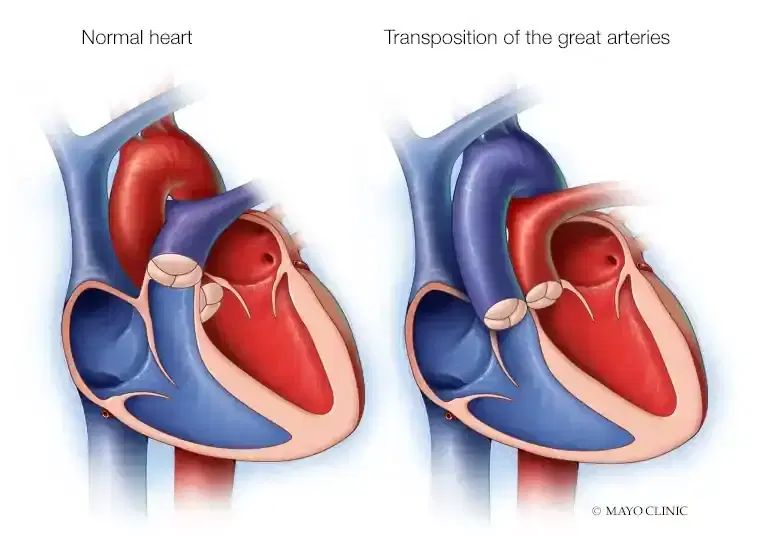
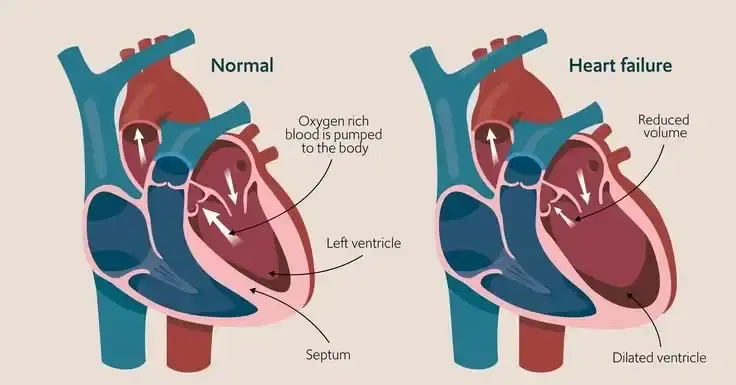
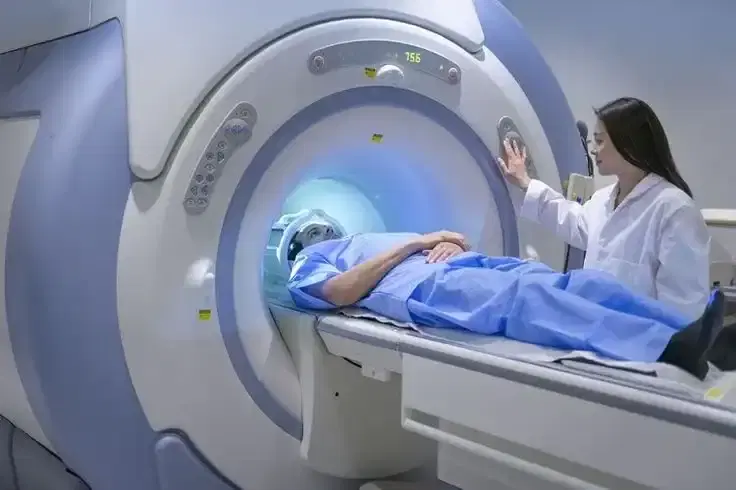

30:["$","$L2e",null,{"ref":"$undefined","href":"/en","locale":"$undefined","localeCookie":"$21:props:localeCookie","className":"text-muted-500 hover:text-muted-700 transition-colors duration-200 truncate  max-w-xs md:max-w-md lg:max-w-full","title":"Home","children":"Home"}]
31:["$","$L2e",null,{"ref":"$undefined","href":"/en/treatments","locale":"$undefined","localeCookie":"$21:props:localeCookie","className":"text-muted-500 hover:text-muted-700 transition-colors duration-200 truncate  max-w-xs md:max-w-md lg:max-w-full","title":"Treatments","children":"Treatments"}]