
Robotic Kidney Transplant Treatment in Gurugram for Bangladesh
Need Personalized Advice?
Our medical experts are ready to answer your questions and guide you through your treatment options.
About
Robotic Kidney Transplant in Gurugram for Bangladesh Patients
For many patients in Bangladesh facing kidney failure, the idea of a Robotic Kidney Transplant can bring both hope and uncertainty. The search for advanced, reliable, and accessible surgical options often leads to questions about where to find the best care and what the journey might involve outside their home country.
Patients considering complex surgeries like kidney transplants often look to established medical destinations. Gurugram stands out as a preferred choice, known for its concentration of world-class hospitals and a medical infrastructure designed to support international patients with seamless coordination and high standards of care.
Trust in Gurugram's healthcare ecosystem is built on its network of accredited hospitals, leading urologists, nephrologists, and robotic surgeons. The city offers comprehensive services, from initial consultations to post-operative follow-ups, ensuring a complete and well-supported treatment experience for every patient.
Gurugram provides advanced care and specialized expertise for Robotic Kidney Transplant procedures.
What is a Robotic Kidney Transplant?
A Robotic Kidney Transplant is an advanced surgical procedure to replace a diseased or failing kidney with a healthy donor kidney using robotic assistance. This minimally invasive technique involves a surgeon controlling robotic arms equipped with tiny instruments and a high-definition 3D camera. The robot provides enhanced precision, dexterity, and visualization, allowing for smaller incisions, reduced blood loss, quicker recovery, and less post-operative pain compared to traditional open surgery. It effectively treats end-stage renal disease, restoring kidney function and improving a patient's quality of life.
Approaches to Kidney Transplant
While the core procedure of implanting a donor kidney remains consistent, the approaches often differ based on the donor source and timing:
- Living-Donor Kidney Transplant: A healthy kidney is donated by a living person, often a family member or close friend. This is frequently performed robotically, benefiting both donor and recipient with minimally invasive techniques.
- Deceased-Donor Kidney Transplant: A kidney is obtained from a recently deceased donor whose family has consented to organ donation. The transplant procedure itself can still utilize robotic assistance for the recipient.
- Pre-emptive Kidney Transplant: This occurs before a patient needs dialysis, offering better long-term outcomes. Both living and deceased donor kidneys can be used in a pre-emptive setting, with robotic techniques potentially employed for the recipient surgery.
When is This Treatment Required?
- End-stage renal disease (ESRD) from various causes like diabetes or high blood pressure.
- Chronic kidney disease (CKD) that has progressed to irreversible kidney failure.
- Glomerulonephritis, polycystic kidney disease, or other genetic kidney disorders.
- Severe kidney damage from recurrent infections or autoimmune diseases.
- When dialysis treatment is no longer sufficiently managing kidney function.
Pre-Transplant Evaluation for Recipients
- Comprehensive blood tests including blood count, kidney function, and liver function.
- Tissue typing and cross-matching to assess compatibility with potential donors.
- Urine analysis and 24-hour urine collection to assess kidney function.
- Imaging studies such as ultrasound, CT scan, or MRI of the abdomen and pelvis.
- Cardiac evaluation, including EKG, echocardiogram, and stress test.
- Pulmonary function tests and chest X-ray.
- Dental examination and screenings for infections.
- Psychological evaluation to assess mental readiness for the transplant journey.
How the Robotic Kidney Transplant is Performed
The precise steps of a Robotic Kidney Transplant depend on the individual patient's condition, the type of donor, and the surgical plan.
Pre-operative Preparation
Before surgery, the patient receives anesthesia. The surgical site is cleaned, and small incisions (ports) are made for the robotic instruments and camera.
Robotic Surgical Technique
The robotic system is docked, and the surgeon controls its arms from a console. The robot facilitates a highly magnified 3D view and precise instrument movements. The surgeon prepares the recipient's pelvic area, making space for the new kidney and preparing the blood vessels (iliac artery and vein) for connection.
Kidney Placement and Connections
The donor kidney is introduced through a slightly larger incision. The robotic arms assist in carefully positioning the kidney and meticulously connecting its renal artery and vein to the recipient's iliac artery and vein. Next, the donor kidney's ureter (tube carrying urine) is connected to the recipient's bladder.
Closure and Post-Operative Care
Once the connections are secure and blood flow is established to the new kidney, the incisions are closed. The patient is then moved to recovery for close monitoring.
Recovery Process After Robotic Kidney Transplant
Recovery from a Robotic Kidney Transplant involves several stages. Patients typically stay in the hospital for about 5 to 7 days, allowing doctors to monitor the new kidney's function and manage initial immunosuppressant medication. Post-discharge, recovery continues at home, with restrictions on heavy lifting and strenuous activities for several weeks. Regular follow-up appointments, blood tests, and strict adherence to medication schedules are crucial to prevent rejection and ensure optimal kidney function. Dietary modifications and gradual return to normal activities are part of the long-term recovery plan.
Risks and Success Rates of Robotic Kidney Transplant
- Surgical Complications: Potential for bleeding, infection, blood clots, or injury to surrounding organs.
- Kidney Rejection: The recipient's immune system may attack the new kidney, requiring medication adjustments.
- Medication Side Effects: Immunosuppressant drugs can have various side effects, including increased risk of infection, diabetes, or high blood pressure.
- Urological Issues: Complications related to the ureter connection, such as leakage or stricture.
- Delayed Graft Function: The new kidney may take some time to start working effectively.
Success rates for Robotic Kidney Transplants are generally very high, often comparable to open surgery, with the added benefits of a minimally invasive approach. For living-donor transplants, one-year graft survival rates often exceed 95%, and five-year rates are typically around 80-85%. Outcomes vary based on factors like donor match, patient's overall health, adherence to post-transplant care, and the skill of the surgical team. Long-term success is significantly improved with consistent follow-up and lifelong immunosuppression.
Understanding Robotic Kidney Transplant Costs in Gurugram
The cost of a Robotic Kidney Transplant in Gurugram is influenced by several factors. These include the specific hospital chosen (its accreditation, facilities, and technology), the experience and fees of the surgical team, the duration of hospital stay, required pre-operative investigations, post-operative care, and the cost of immunosuppressant medications. Any complications arising during or after surgery can also impact the overall expense.
A Robotic Kidney Transplant in Gurugram typically ranges from INR 10,00,000 to INR 18,00,000.
Gurugram vs. International Robotic Kidney Transplant Costs
Gurugram offers a highly competitive and often more affordable option for Robotic Kidney Transplants compared to many Western countries, without compromising on quality or advanced medical care.
| Location | Estimated Cost (USD) |
|---|---|
| Gurugram, India | $12,000 - $22,000 |
| United States | $150,000 - $300,000 |
| United Kingdom | $80,000 - $120,000 |
| Singapore | $70,000 - $100,000 |
| Turkey | $30,000 - $50,000 |
Support Services for Your Treatment Journey
- Dedicated patient coordinator to assist with all aspects of your medical travel.
- Assistance with visa applications and travel arrangements for Bangladesh patients.
- Airport pick-up and drop-off services upon arrival and departure.
- Arrangement of comfortable accommodation options near the hospital.
- Language interpretation services to ensure clear communication with medical staff.
- Guidance for local transportation and logistical support during your stay.
- Facilitation of post-discharge follow-up care and medication procurement.
Essential Medical Documents for Your Visit
- Current passport and valid Indian medical visa.
- All medical reports, test results, and diagnostic scans related to kidney disease.
- Doctor's referral letters and a summary of your medical history.
- Identification and medical records of the potential kidney donor, if applicable.
- Any previous prescription details for medications you are currently taking.
- Proof of address and emergency contact information.
Preparing for Your Robotic Kidney Transplant
- Undergo all recommended pre-operative tests and evaluations thoroughly.
- Follow any dietary or medication restrictions advised by your medical team.
- Ensure all necessary documents and financial arrangements are in order before travel.
- Plan for a support person to accompany you during your treatment and initial recovery.
- Understand the post-operative recovery process and adhere to all instructions.
Healing and Support After Your Transplant
- Strictly follow the prescribed immunosuppressant medication regimen without fail.
- Attend all scheduled follow-up appointments and blood tests for kidney function monitoring.
- Maintain a healthy diet and stay hydrated as advised by your healthcare provider.
- Avoid strenuous activities and heavy lifting for the initial recovery period.
- Be vigilant for any signs of infection or rejection and report them immediately to your doctor.
- Engage in gentle, progressive physical activity as cleared by your medical team.
Take Your Next Step Toward Better Health
Embarking on a Robotic Kidney Transplant journey is a significant decision. With Gurugram's advanced facilities and expert care, you can find the comprehensive support needed for a successful outcome.
Hospitals Offering this treatment
India offers premium medical procedures at affordable prices. Discover our most popular treatments, delivered by the country's finest doctors.
Meet Our Doctors
Meet our team of highly qualified and experienced medical professionals dedicated to providing the best healthcare services.
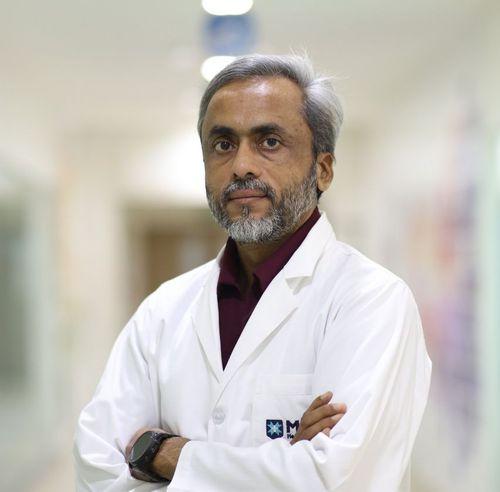
Dr Anshuman Kumar
Principal Director & Unit Head – Surgical Oncology
Surgical Oncology
New Delhi
19+ Years
Experience
Max Hospital,Gurgaon
Hospital
1500
Fees

Dr. Asit Arora
Senior Director, Head of Department - Urology, Uro-Oncology, Robotics and Renal Transplant
Urology, Uro-Oncology, Robotics and Renal Transplant
New Delhi
25+ Years
Experience
Apolo Delhi
Hospital
1500
Fees
Related Links
Recent Blogs
Other Treatment related Information
Ready To Start Your Healing Journey?
Get Personalized Medical Treatment Options From India's Top Hospitals. Our Medical Experts Are Ready To Assist You Every Step Of The Way.