
TURP (Transurethral Resection of Prostate) Treatment in Gurugram for Nigeria
Need Personalized Advice?
Our medical experts are ready to answer your questions and guide you through your treatment options.
Our medical experts are ready to answer your questions and guide you through your treatment options.
Many Nigerian patients facing prostate health issues often feel uncertain about where to find the most advanced care. The decision to undergo TURP, a significant procedure for an enlarged prostate, brings questions about medical expertise, available technology, and overall patient experience, especially when seeking treatment abroad. It’s natural to seek reassurance and clarity before such an important journey.
Gurugram has emerged as a preferred destination, particularly for those looking beyond their home country for specialized medical treatment. This modern city offers a sophisticated healthcare environment where medical facilities, specialist urologists, and patient support systems are thoughtfully designed to provide a seamless experience for international visitors. Its focus on medical tourism makes it highly appealing.
Patients can confidently place their trust in Gurugram's advanced hospitals and renowned urology specialists. These institutions are known for their unwavering commitment to patient safety and delivering effective outcomes. The city's medical infrastructure supports comprehensive care, including streamlined follow-ups, ensuring continued well-being and peace of mind after your treatment.
Is Gurugram the right choice for your TURP procedure and recovery?
TURP, or Transurethral Resection of Prostate, is a surgical procedure specifically designed to treat benign prostatic hyperplasia (BPH), commonly known as an enlarged prostate. This condition frequently causes bothersome urinary symptoms, such as frequent urination, difficulty initiating urine flow, or a weak, interrupted stream. During the TURP procedure, a specialized urologist removes the excess prostate tissue that is obstructing the flow of urine. This is achieved by carefully inserting a thin, lighted instrument called a resectoscope through the urethra and into the prostate gland, eliminating the need for any external incisions. The resectoscope uses an electrical wire loop to precisely cut and vaporize the obstructing tissue, which then allows for significantly improved urine flow and lasting relief from uncomfortable symptoms. The primary goal of TURP is to substantially enhance a patient’s quality of life by restoring more normal urinary function.
When addressing an enlarged prostate (BPH), several treatment approaches are available, tailored to the severity of symptoms and patient health:
The specific steps for a TURP procedure are meticulously planned based on your individual prostate condition and the urologist's expert assessment.
Typically, the procedure unfolds as follows:
Anesthesia: You will receive either spinal anesthesia, which numbs the lower half of your body, or general anesthesia, which puts you to sleep. The choice depends on your health and doctor’s recommendation.
Resectoscope Insertion: The urologist carefully inserts a resectoscope, a thin, rigid scope with a light, camera, and an electrical loop, into the urethra and advances it until it reaches the prostate gland.
Tissue Removal: Using the electrical loop, the urologist precisely cuts away small pieces of the obstructing prostate tissue, piece by piece. These removed pieces are flushed into the bladder.
Irrigation and Removal: A continuous flow of sterile fluid is used to irrigate the bladder, washing out the removed prostate tissue fragments. These fragments are then suctioned out at the end of the procedure.
Catheter Placement: After the procedure, a catheter is inserted into the bladder to drain urine and flush out any blood clots, helping the bladder heal and reducing swelling.
The recovery process following TURP typically involves a hospital stay of one to three days, allowing medical staff to monitor your initial healing. During this period, a urinary catheter will remain in place to help drain urine and continuously flush out any potential blood clots. Patients are strongly encouraged to drink substantial amounts of fluids to aid in bladder irrigation. After discharge, it is common to experience some blood in the urine, discomfort, or increased urinary urgency for several weeks. Strenuous physical activities, heavy lifting, and sexual activity should be meticulously avoided for approximately four to six weeks to ensure proper internal healing. Regular follow-up appointments with your Gurugram urologist are essential to monitor your progress, remove the catheter if still present, and address any concerns. Full recovery and significant symptom improvement usually take several weeks to a few months, varying by individual.
TURP boasts a high success rate in relieving symptoms of benign prostatic hyperplasia, with many patients experiencing significant improvement in urinary flow and a reduction in discomfort. The outcome ranges for symptom improvement typically fall between 80-90%. However, individual results can vary based on factors such as the initial size of the prostate, the patient's overall health, and the presence of any other bladder conditions. Long-term expectations generally involve sustained relief for many years, though a small percentage of patients may require additional treatment in the future due to prostate regrowth or other developments.
Connect with a Gurugram specialist today to get personalized advice and a treatment plan tailored for you.
Contact us to schedule a consultation.
The cost of TURP in Gurugram varies depending on several critical factors, including the specific hospital chosen, the urologist's experience level, the type of TURP procedure performed (e.g., traditional monopolar TURP vs. newer bipolar TURP), and the overall length of your hospital stay. Any additional services, pre-operative investigations, or management of unexpected complications can also influence the final expense. Gurugram is recognized for offering highly competitive pricing for advanced medical procedures while consistently maintaining high international standards of medical care and patient safety.
| Location | Estimated Cost Range (USD) |
|---|---|
| Gurugram, India | $2,500 - $4,000 |
| United States | $8,000 - $15,000 |
| United Kingdom | $7,000 - $12,000 |
| Singapore | $6,000 - $10,000 |
| United Arab Emirates | $5,000 - $8,000 |
Taking the first confident step towards better prostate health in Gurugram is simpler and more supported than you might imagine.
Reach out to our patient support team for comprehensive assistance with your TURP treatment planning in Gurugram.
Enquire now for a free consultation.
India offers premium medical procedures at affordable prices. Discover our most popular treatments, delivered by the country's finest doctors.
Meet our team of highly qualified and experienced medical professionals dedicated to providing the best healthcare services.

Sr. Consultant - Urology & Kidney Transplant Program (Unit I)
Urology, Kidney Transplant, Urological Cancers
Haryana
8+ Years
Experience
Artemis Hospital
Hospital
1500
Fees

Consultant
Paediatric Neurology
Haryana
9+ Years
Experience
Artemis Hospital
Hospital
1500
Fees
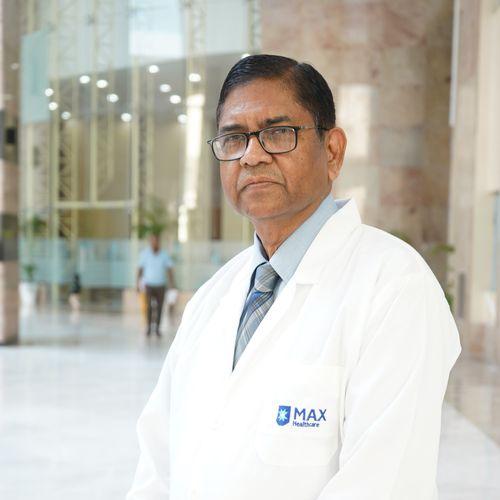
Chairman - Cardiology
Cardiology
New Delhi
41+ Years
Experience
Max Hospital,Gurgaon
Hospital
1500
Fees
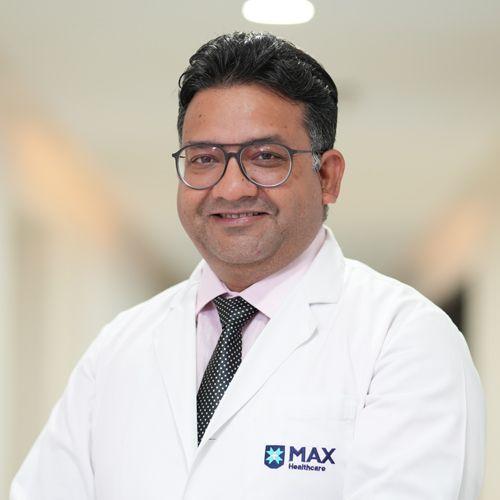
Principal Consultant
Urology, Uro-Oncology, Renal Transplant
New Delhi
30+ Years
Experience
Apolo Delhi
Hospital
1500
Fees
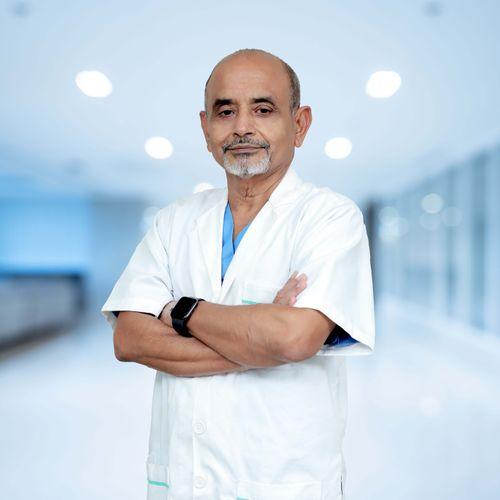
Senior Director - Urology, Uro-Oncology, Robotics & Kidney Transplant
Urology
New Delhi
30+ Years
Experience
Apolo Delhi
Hospital
1500
Fees
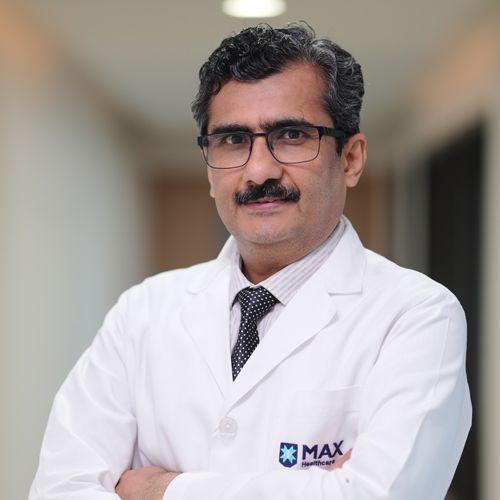
Senior Director - Urology & Kidney Transplant
Urology, Kidney Transplant
New Delhi
24+ Years
Experience
Apolo Delhi
Hospital
1500
Fees
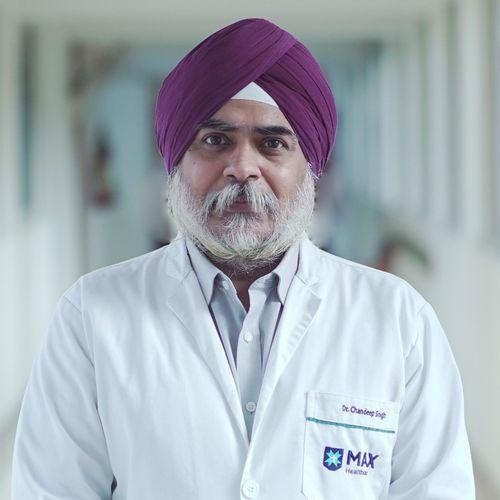
Director
Urology
New Delhi
15+ Years
Experience
Apolo Delhi
Hospital
1500
Fees
Get Personalized Medical Treatment Options From India's Top Hospitals. Our Medical Experts Are Ready To Assist You Every Step Of The Way.