
Is a Hair Transplant Permanent?

Written by DivinHeal Editorial Contributor, Rahul Kumar, Embryologist | Medically Reviewed by Dr Indu Priya, Gynecologist(MD) Published on: 2026-10-01
Plan My Journey
Tell us your condition and budget - our AI matches the right destination, hospital and doctor and visa pathway
Cost Calculator
I know my treatment - show me cost from 3 hospitals
Recommended Article

Written by DivinHeal Editorial Contributor, Rahul Kumar, Embryologist | Medically Reviewed by Dr Indu Priya, Gynecologist(MD) Published on: 2026-10-01
Plan My Journey
Tell us your condition and budget - our AI matches the right destination, hospital and doctor and visa pathway
Cost Calculator
I know my treatment - show me cost from 3 hospitals
Booking With DIVINHEAL
Get a free consultation to understand your treatment options
Recommended Article
From Consultation to Recovery,
Step by Step
Expert Specialist Matching
Connecting you with the world's top-rated medical experts.
Accredited Hospital Network
Access to JCI & NABH certified healthcare facilities.
Complete Travel Coordination
Hassle-free visa, stay, and local transport assistance.
24/7 Personal Care
Dedicated patient advisors supporting you at every step.
Journey Guidance
Full guidance from start to end of the patient treatment journey.
Expert Specialist Matching
Connecting you with the world's top-rated medical experts.
Everything you
need to know today
Browse through these common inquiries to better understand our patient-focused medical platform.
The transplanted follicles themselves are permanent for the vast majority of patients, with graft survival rates of 85 to 95% or higher in experienced hands. The reason is donor dominance. Follicles taken from the DHT-resistant safe zone at the back and sides of the scalp keep their genetic resistance to DHT after being moved. What is not "permanent" is your overall scalp appearance over decades. The surrounding native hair keeps responding to your genetics and can keep thinning if you have progressive androgenetic alopecia.
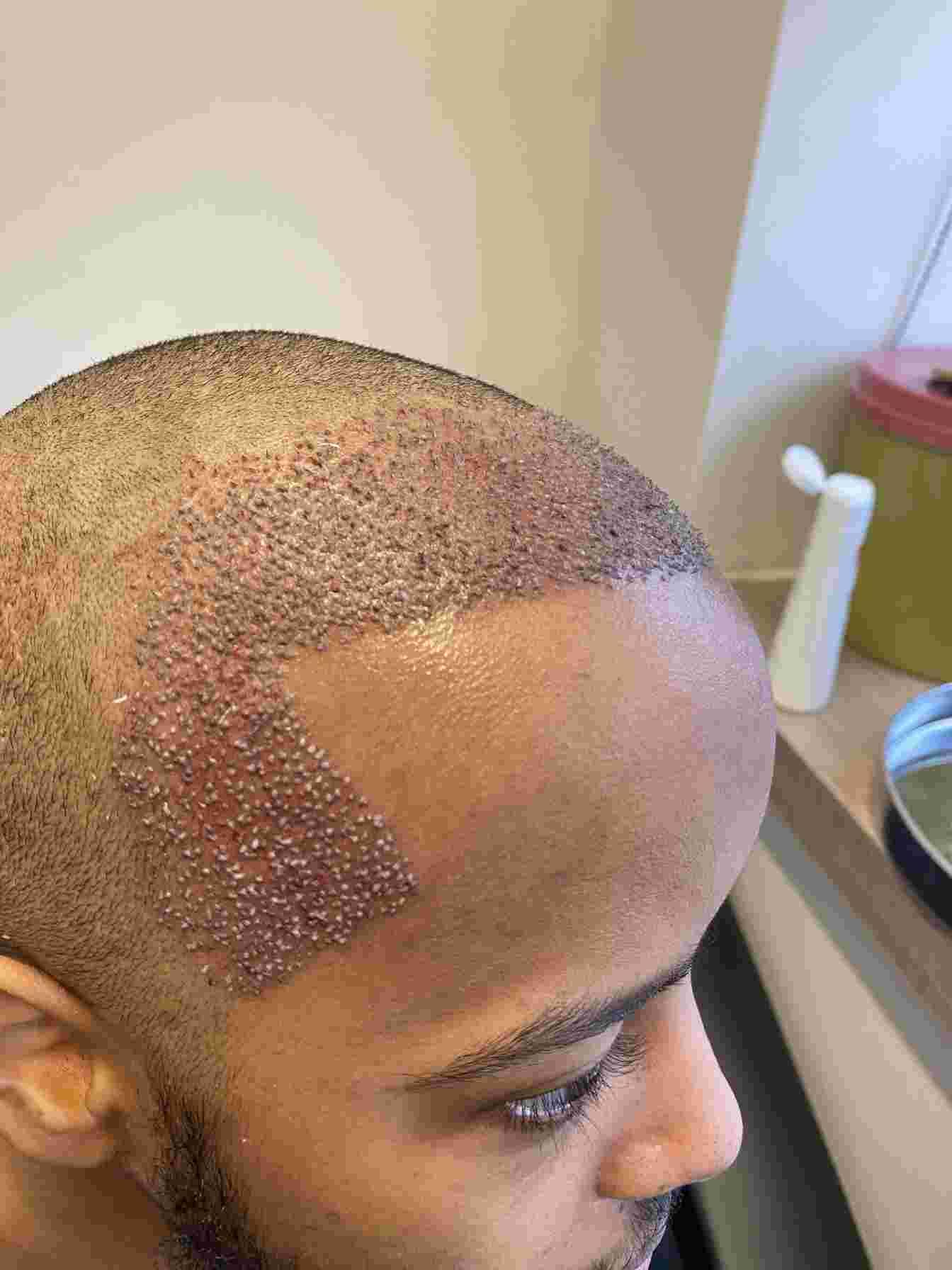
Temporary shedding of the transplanted hair (shock loss) commonly occurs at roughly 2 to 8 weeks after the procedure. This is a normal part of the growth cycle. Regrowth typically follows from 3 to 4 months onwards. Long-term, the transplanted follicles themselves should not fall out permanently because they carry DHT resistance with them. If a person has diffuse unpatterned alopecia (DUPA), the donor area itself thins over time. Transplanted grafts can then be less durable. This is why proper donor-area assessment before surgery matters.
The most common reason is not graft failure but continued native hair loss around the transplanted area. Androgenetic alopecia is progressive and lifelong, so the non-transplanted hair around the graft can keep miniaturising even while the transplanted follicles stay dense. Over years, this can create a pattern where the transplanted area is dense but the surrounding hair has thinned. Pairing the transplant with long-term hair-loss medication (finasteride, minoxidil, or both) is the most common way to slow this and protect the overall look.
Many patients do. Reasons include increasing density in the original area. Or addressing further recession of native hair over the years. Or covering additional areas not treated at the first session. Multi-session planning is a normal part of long-term hair-restoration strategy, not a sign that the first surgery failed. A good surgeon will discuss whether a single session or a staged plan makes more sense for your case at the initial consultation.
Still have more questions?
Book a call with our friendly team to learn how DivineHeal simplifies your healthcare journey.