
heart failure surgery Treatment in Chennai for Nigeria
ግላዊ ምክር ይፈልጋሉ?
የእኛ የህክምና ባለሙያዎች ጥያቄዎችዎን ለመመለስ እና የህክምና አማራጮችዎን እንዲያውቁ ለመምራት ዝግጁ ናቸው።
የእኛ የህክምና ባለሙያዎች ጥያቄዎችዎን ለመመለስ እና የህክምና አማራጮችዎን እንዲያውቁ ለመምራት ዝግጁ ናቸው።
Nigerian patients considering heart failure surgery often face complex decisions. Understanding the procedure's intricacies and finding trusted, high-quality care abroad can be a significant worry for them and their families.
Many patients from Nigeria choose Chennai, India, recognizing its specialized cardiac centers. The city offers an environment where advanced medical infrastructure meets coordinated patient support, easing the journey for international visitors.
Chennai's leading hospitals house experienced cardiac surgeons and dedicated teams. This focus ensures comprehensive pre-surgical assessments, precise interventions, and structured post-operative follow-ups within the city for complex heart conditions.
Chennai provides a reliable and accessible option for advanced heart failure surgery.
Heart failure surgery refers to a range of surgical procedures performed to treat severe heart failure, a condition where the heart cannot pump enough blood to meet the body's needs. These surgeries aim to improve the heart's function, alleviate symptoms, and enhance quality of life, often when medical management alone is no longer sufficient. The specific approach depends on the underlying cause of heart failure and the patient's overall health. It can involve repairing or replacing heart valves, bypassing blocked arteries, or implanting devices to assist the heart.
Heart failure surgery encompasses several distinct procedures, each addressing different aspects of the condition:
The exact surgical procedure depends entirely on the patient's specific heart condition and the chosen treatment plan.
During CABG, a healthy blood vessel (graft) from another part of the body, such as the leg or chest, is used to create a new path for blood to flow around a blocked coronary artery. This restores blood flow to the heart muscle, improving function and reducing symptoms. It is performed under general anesthesia, usually through an open-chest approach.
Damaged heart valves are either repaired or replaced. Repair involves techniques like annuloplasty (tightening the ring around the valve) or valvuloplasty (widening a narrowed valve). Replacement involves removing the damaged valve and implanting a prosthetic valve, which can be mechanical or biological. This also typically requires an open-chest approach.
A VAD is surgically implanted to assist a failing heart. The device's pump connects to the heart and the aorta, taking over some of the heart's pumping action. A small cable extends through the skin to an external battery and controller. This procedure is complex and involves careful surgical placement and connection to the circulatory system.
This is a major surgery where a diseased, failing heart is removed and replaced with a healthy donor heart. The patient is placed on a heart-lung bypass machine during the procedure. The new heart's blood vessels are carefully connected, and the patient's own arteries and veins are reattached to the donor heart. It requires extensive pre-operative matching and post-operative immunosuppression.
Recovery from heart failure surgery is a gradual process requiring patience and diligent adherence to medical advice. Immediately after surgery, patients spend time in the intensive care unit (ICU) for close monitoring, typically for several days, followed by a stay in a regular hospital ward. The total hospital stay varies based on the procedure, but it often ranges from one to three weeks. Physical therapy and cardiac rehabilitation begin early to aid mobility and heart strengthening. Restrictions on lifting, driving, and certain activities are common for several weeks to months. Follow-up appointments are crucial to monitor healing, adjust medications, and manage any complications. Full recovery and return to normal activities can take anywhere from a few months to a year.
The success rates for heart failure surgery vary significantly depending on the specific procedure, the patient's overall health, and the severity of their heart failure. For procedures like CABG or valve repair, success rates in improving symptoms and survival are generally high. Heart transplants offer excellent long-term survival for carefully selected patients, with 5-year survival rates often exceeding 75%. VADs significantly improve quality of life and survival for patients awaiting transplant or as permanent therapy. Outcomes vary based on age, co-existing conditions, and adherence to post-operative care and rehabilitation programs. Long-term management and lifestyle changes are essential for maintaining the benefits of surgery.
The cost of heart failure surgery in Chennai is influenced by several factors, including the specific type of surgery (e.g., bypass, valve replacement, VAD, transplant), the chosen hospital's facilities, the specialist surgeon's experience, and the duration of hospital stay, including any intensive care requirements. Additional costs may arise from pre-operative tests, post-operative medications, and rehabilitation.
Generally, the cost for heart failure surgery in Chennai can range from approximately INR 4,00,000 to INR 25,00,000, depending on the complexity of the procedure.
Patients from Nigeria often find Chennai offers significant cost advantages for advanced cardiac procedures without compromising on quality or outcomes.
| Location | Estimated Cost for Heart Failure Surgery (USD) |
|---|---|
| Chennai, India | $5,000 - $30,000 |
| United States | $80,000 - $250,000+ |
| United Kingdom | $45,000 - $120,000 |
| Singapore | $40,000 - $100,000 |
| South Africa | $20,000 - $60,000 |
Reach out today to compare treatment plans and receive personalized cost estimates from Chennai's leading cardiac centers.
Our team is here to provide guidance and connect you with top heart specialists in Chennai. Begin your journey to better health today.
Choosing the right path for heart failure surgery is a significant decision, and expert guidance can make all the difference.
India offers premium medical procedures at affordable prices. Discover our most popular treatments, delivered by the country's finest doctors.
Meet our team of highly qualified and experienced medical professionals dedicated to providing the best healthcare services.

Consultant
Paediatric Neurology
Haryana
9+ Years
Experience
Artemis Hospital
Hospital
1500
Fees
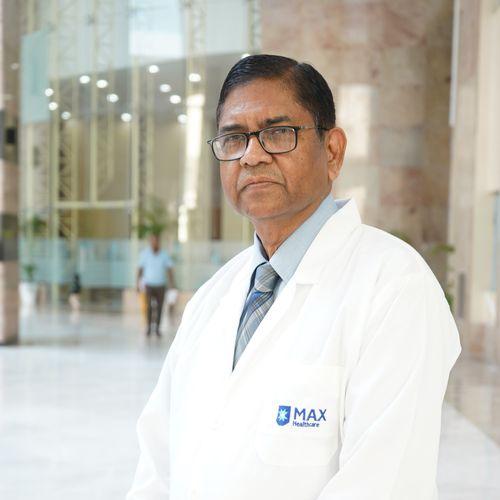
Chairman - Cardiology
Cardiology
New Delhi
41+ Years
Experience
Max Hospital,Gurgaon
Hospital
1500
Fees
ከህንድ ምርጥ ሆስፒታሎች የግል የህክምና ህክምና አማራጮችን ያግኙ። የእኛ የህክምና ባለሙያዎች በእያንዳንዱ እርምጃ ላይ እርስዎን ለመርዳት ዝግጁ ናቸው።