
Hip Resurfacing Treatment in Mumbai for Ethiopia
Need Personalized Advice?
Our medical experts are ready to answer your questions and guide you through your treatment options.
About
Hip Resurfacing in Mumbai for Ethiopian Patients | Costs & Care
Ethiopian patients considering advanced hip resurfacing often face significant concerns regarding access to high-quality medical care, specialist expertise, and the overall treatment cost. Navigating these crucial choices while seeking a lasting solution for chronic hip pain can feel incredibly challenging.
Mumbai has firmly established itself as a premier destination for complex orthopedic procedures such as hip resurfacing. Its modern medical facilities, state-of-the-art technology, and a roster of highly experienced orthopedic surgeons provide a compelling alternative for those looking beyond their home country for specialized care.
Within Mumbai's advanced medical ecosystem, patients can access dedicated international patient services that streamline every step of their medical journey. From initial consultation to post-operative follow-ups, the city's hospitals offer a supportive environment focused on achieving optimal surgical outcomes and patient comfort.
Could Mumbai be the right city for your specialized hip resurfacing needs?
What is Hip Resurfacing?
Hip resurfacing is a specialized surgical procedure designed to preserve more natural bone compared to a traditional total hip replacement. Instead of removing the entire femoral head (ball) and replacing it with a prosthetic stem, only the damaged surface of the femoral head is reshaped and capped with a smooth metal or ceramic implant. A matching implant lines the acetabulum (socket) in the pelvis. This procedure aims to reduce pain, restore mobility, and improve the quality of life for suitable candidates, particularly younger, active patients with good bone density.
Treatment Options for Hip Conditions
When addressing persistent hip pain or degenerative hip conditions, various treatment pathways are considered, depending on the severity and patient profile. Hip resurfacing is one of several important options:
- Conservative Management: This initial approach often includes medication, physical therapy, lifestyle modifications, and activity adjustments to manage pain and improve function without surgery.
- Injections: For localized pain relief, corticosteroid injections or hyaluronic acid injections can be administered directly into the hip joint to reduce inflammation and provide temporary comfort.
- Hip Resurfacing Arthroplasty: This bone-preserving surgical option is primarily for younger, active individuals with end-stage hip arthritis. It involves reshaping and capping the joint surfaces rather than replacing the entire joint.
- Total Hip Replacement (THR): A more common surgical procedure where both the femoral head and the acetabulum are completely removed and replaced with prosthetic components. This is often recommended for older patients or those with more severe bone damage.
- Minimally Invasive Surgery: Some early-stage hip conditions, like femoroacetabular impingement, can be treated with arthroscopic techniques to repair cartilage or trim bone spurs.
When is Hip Resurfacing Required?
- Severe and persistent hip pain that significantly limits daily activities.
- Diagnosis of advanced osteoarthritis or other forms of degenerative arthritis affecting the hip joint.
- Avascular necrosis (AVN) of the femoral head, where blood supply to the bone is compromised, leading to its collapse.
- Failed or insufficient relief from non-surgical treatments like medication, physical therapy, and injections.
- Typically indicated for younger (under 60), active individuals with strong bone quality.
- Patients who prefer a bone-preserving alternative to total hip replacement.
Pre-Treatment Evaluation for Hip Resurfacing
- Comprehensive physical examination to assess hip movement, strength, and pain levels.
- Detailed medical history review, including past surgeries, medications, and existing health conditions.
- Imaging studies such as X-rays, MRI scans, and CT scans to evaluate the extent of joint damage and bone quality.
- Blood tests, including complete blood count, kidney and liver function tests, and inflammatory markers.
- Electrocardiogram (ECG) and other cardiac assessments to ensure suitability for anesthesia.
- Urine analysis to rule out any underlying infections.
How Hip Resurfacing is Performed
The procedure for hip resurfacing is a precise surgical undertaking, with specific steps tailored to the individual patient's condition and the chosen surgical plan.
Surgical Steps:
- Anesthesia: The patient receives either general anesthesia to be fully asleep, or spinal/epidural anesthesia to numb the lower body while remaining awake.
- Incision: The surgeon makes an incision, typically on the side or front of the hip, to access the joint.
- Femoral Head Preparation: The damaged cartilage and a small amount of bone from the femoral head are removed, and the head is reshaped to fit the cap-like implant.
- Acetabular Preparation: The damaged cartilage within the acetabulum (hip socket) is removed, and the socket is prepared to receive the shell-shaped implant.
- Implant Placement: The metal or ceramic cap is securely fitted onto the reshaped femoral head, and the corresponding shell is placed into the acetabulum.
- Joint Reduction and Closure: The reshaped femoral head with its new cap is carefully seated into the new socket, restoring the joint. The incision is then closed with sutures or staples.
Recovery Process After Hip Resurfacing
The recovery process after hip resurfacing typically involves an initial hospital stay of three to five days, followed by a structured rehabilitation program. Pain management is crucial in the immediate post-operative period. Physical therapy begins almost immediately, focusing on gentle range-of-motion exercises and gradual weight-bearing, often with the aid of crutches or a walker. Patients will receive specific instructions regarding activity restrictions to protect the healing joint. Full recovery, including a return to most activities, can take anywhere from six to twelve months, with regular follow-up appointments essential to monitor progress and ensure optimal healing.
Potential Risks and Success Rates
- Infection: Though rare, any surgical procedure carries a risk of infection at the surgical site.
- Blood Clots: Deep vein thrombosis (DVT) in the leg or pulmonary embolism (PE) in the lungs can occur.
- Dislocation: While less common with resurfacing than total hip replacement, the hip joint can dislocate.
- Femoral Neck Fracture: A fracture in the remaining bone of the femoral neck is a specific risk to hip resurfacing.
- Metal Ion Sensitivity: For metal-on-metal implants, there is a small risk of metal ion release, which can lead to adverse reactions in some patients.
- Nerve or Blood Vessel Damage: Injury to surrounding nerves or blood vessels is a rare but possible complication.
Hip resurfacing generally boasts high success rates, with studies indicating that 90-95% of implants are still functioning well after 10 years in carefully selected patients. The long-term outcome can vary based on individual factors such as age, activity level, bone quality, and the surgeon's experience. Most patients experience significant pain relief and improved mobility, allowing them to return to a more active lifestyle, often including sports or strenuous activities.
Cost of Hip Resurfacing in Mumbai
The cost of hip resurfacing in Mumbai is influenced by several factors, including the chosen hospital's reputation, the surgeon's expertise, the type of implant materials used, the duration of hospital stay, and the need for any additional rehabilitation services. Mumbai offers a competitive advantage with advanced care at a fraction of Western costs.
In Mumbai, the estimated cost for Hip Resurfacing can range approximately from INR 4,50,000 to INR 8,00,000.
Comparing Hip Resurfacing Costs: Mumbai vs. Global
Patients from Ethiopia seeking hip resurfacing often find Mumbai to be a significantly more affordable option compared to many developed nations, without compromising on the quality of care or the expertise of orthopedic specialists.
| Location | Estimated Cost Range (USD) |
|---|---|
| Mumbai, India | $5,500 - $9,500 |
| United States | $35,000 - $60,000 |
| United Kingdom | $15,000 - $25,000 |
| Germany | $16,500 - $27,500 |
| Thailand | $10,000 - $18,000 |
Considering hip resurfacing in Mumbai? Get a personalized treatment plan and cost estimate from leading specialists.
Reach out to our patient support team today!
Comprehensive Patient Support in Mumbai
- Assistance with medical visa applications and necessary travel documentation.
- Coordination of airport transfers and comfortable local accommodation.
- Dedicated patient care managers to guide you through every stage of treatment.
- Language interpretation services to ensure clear communication with medical staff.
- Arrangement of convenient follow-up appointments and post-operative care plans.
- Guidance for local sightseeing and cultural experiences during your stay.
Essential Papers for Your Medical Journey
- A valid passport with at least six months validity remaining.
- Medical visa for India, obtained from the Indian embassy or consulate in Ethiopia.
- Copies of all relevant medical reports, X-rays, MRI scans, and diagnostic results.
- A referral letter from your local doctor, if available.
- Proof of sufficient funds for your medical treatment and stay.
- Travel insurance documents, if applicable.
Preparing for Your Hip Resurfacing in Mumbai
- Adhere strictly to any dietary or medication instructions provided by your surgeon.
- Arrange for a companion to travel with you, especially for post-operative support.
- Discuss potential accommodation options for your recovery period.
- Ensure all necessary travel and medical documents are organized and easily accessible.
- Plan your finances to cover treatment costs, accommodation, and personal expenses.
- Mentally prepare for the surgery and understand the recovery timeline.
Guidance for Your Recovery and Aftercare
- Follow the prescribed pain management regimen diligently.
- Actively participate in your physical therapy sessions as advised by the physiotherapist.
- Adhere to all weight-bearing and activity restrictions to protect the healing joint.
- Keep the surgical incision clean and dry, monitoring for any signs of infection.
- Attend all scheduled follow-up appointments with your surgeon in Mumbai.
- Plan for a comfortable return journey and continued rehabilitation in Ethiopia.
Ready to Rediscover Pain-Free Movement?
Take the first step towards a healthier, more active life. Your journey to effective hip resurfacing in Mumbai starts here.
Connect with Mumbai's top orthopedic hospitals and specialists for hip resurfacing.
Request a free consultation and personalized treatment plan.
Hospitals Offering this treatment
India offers premium medical procedures at affordable prices. Discover our most popular treatments, delivered by the country's finest doctors.
Meet Our Doctors
Meet our team of highly qualified and experienced medical professionals dedicated to providing the best healthcare services.

Dr Aditi Dixit
Sr. Consultant – Women Imaging
Radiology
New Delhi
15+ Years
Experience
Artemis Hospital
Hospital
1500
Fees

Dr Chandrima Misra M
Co-Head Psychological Services
Mental Health and Behavioural Sciences
New Delhi
15+ Years
Experience
Artemis Hospital
Hospital
1500
Fees
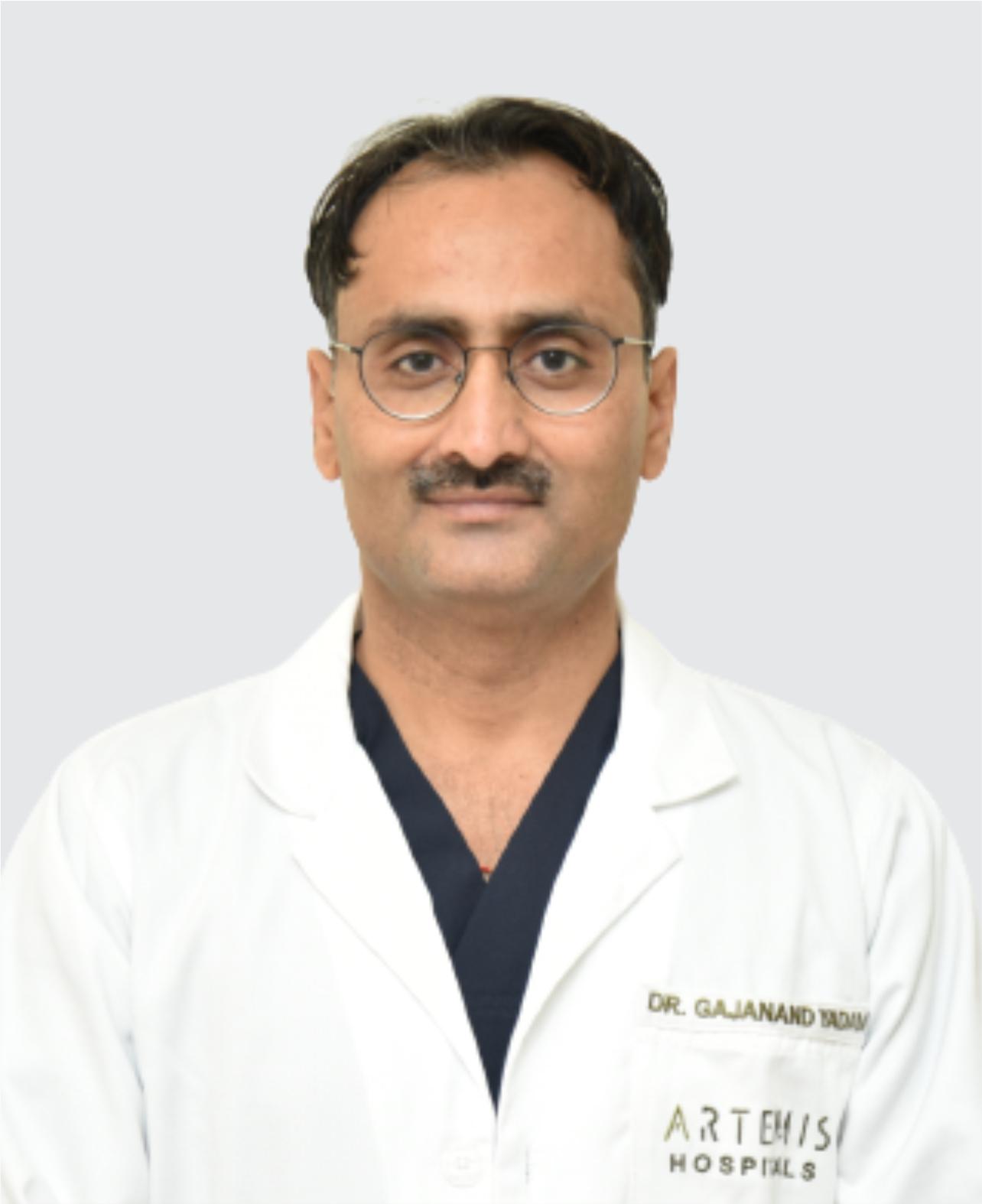
Dr. Gajanand Yadav
Consultant - Orthopaedics and Hip and Knee Arthroplasty
Orthopaedics, Hip and Knee Arthroplasty, Joint Replacement, Sports Medicine
New Delhi
12+ Years
Experience
Artemis Hospital
Hospital
1500
Fees

Dr. Nutan Agarwal
Head of Department - Gynae Endocrinology & DNB Program Director - Obs & Gynae
Gynaecological Endocrinology, Maternity, Obstetrics & Gynaecology
New Delhi
35+ Years
Experience
Artemis Hospital
Hospital
1500
Fees

Dr. Poonam Gautam
Senior Consultant - ENT
ENT and Head & Neck Surgery
New Delhi
24+ Years
Experience
Artemis Hospital
Hospital
1500
Fees
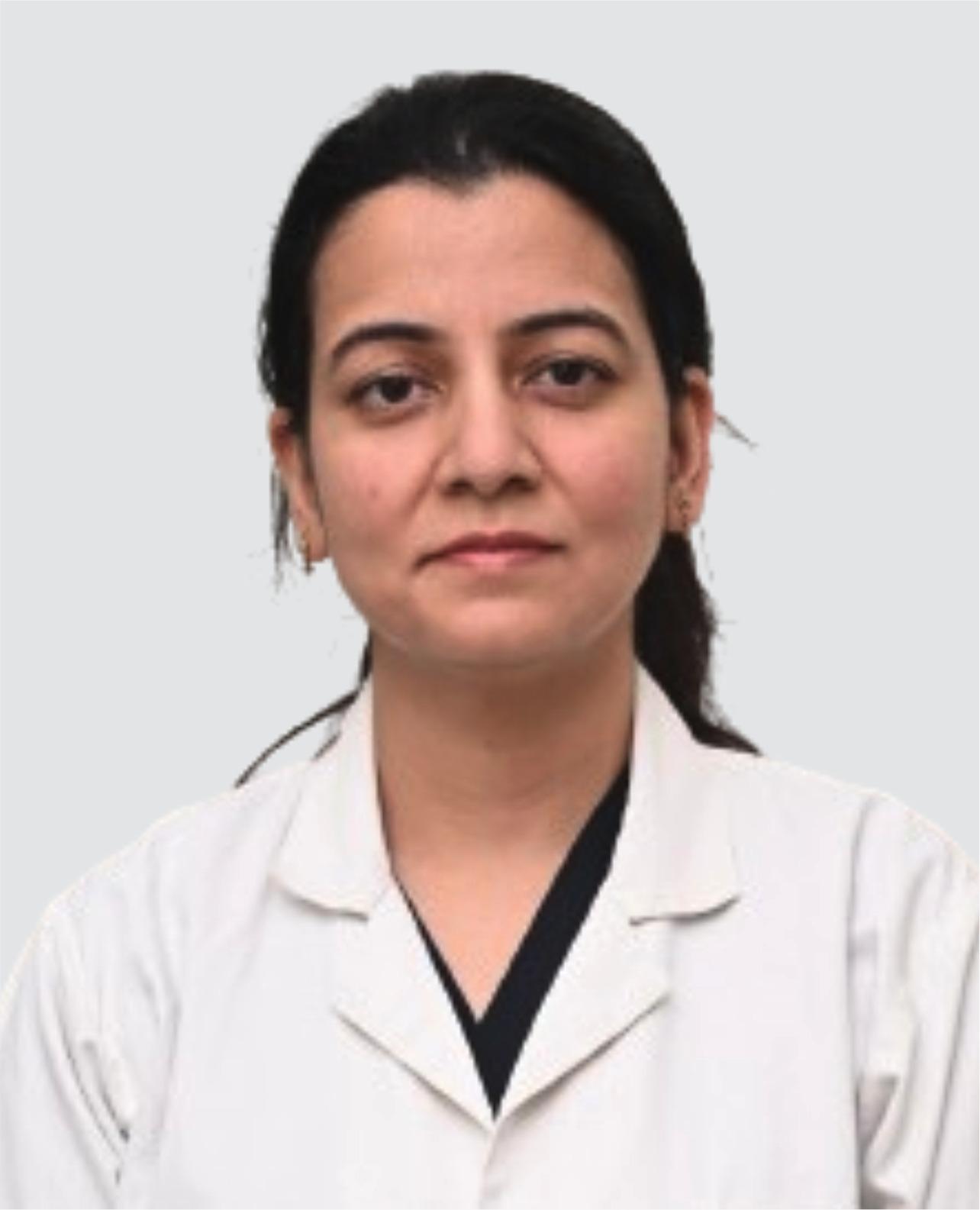
Dr. Priyanka Raina
Consultant (Head & Neck Surgery) - Surgical Oncology
Head and Neck Surgical Oncology
New Delhi
10+ Years
Experience
Artemis Hospital
Hospital
1500
Fees

Dr. Rahul Naithani
Chief - Hematology, Oncology & Bone Marrow Transplant
Clinical Hematology, Hematologic Oncology, Bone Marrow Transplantation
New Delhi
15+ Years
Experience
Artemis Hospital
Hospital
1500
Fees

Dr. Rajiv Chhabra
Chief
Paediatric
New Delhi
15+ Years
Experience
Artemis Hospital
Hospital
1500
Fees
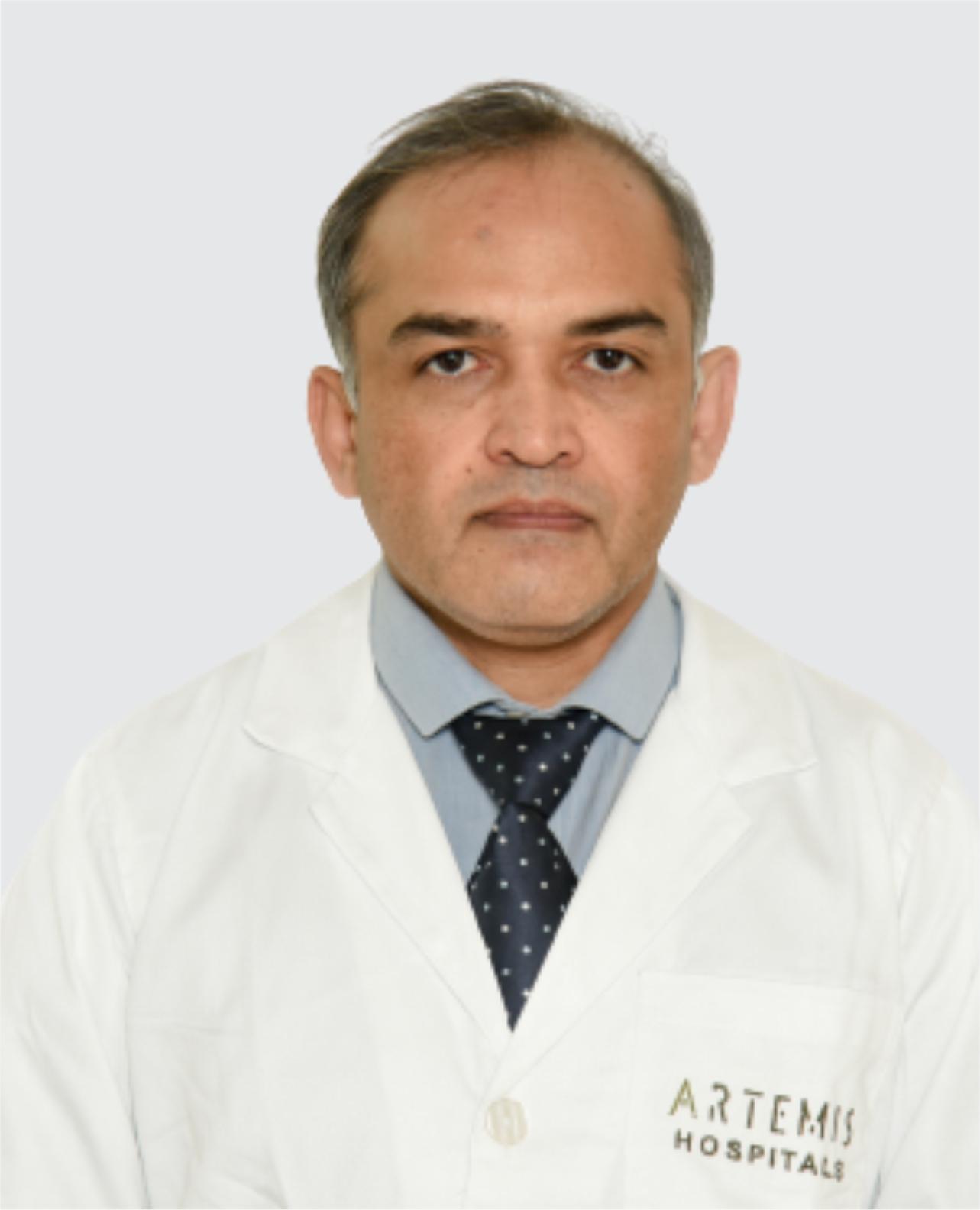
Dr. Rajiv Yadav
Chairperson Urology & Head, Urologic Oncology & Robotic Surgery (Unit I)
Robotic Surgery, Urology
New Delhi
20+ Years
Experience
Artemis Hospital
Hospital
1500
Fees

Dr. Rakesh Durkhure
Head - General, MI & Bariatric Surgery (Unit IV)
General & Minimally Invasive Surgery
New Delhi
25+ Years
Experience
Artemis Hospital
Hospital
1500
Fees
Related Links
Recent Blogs
Other Treatment related Information
- Hip Resurfacing cost in Mumbai
- Hip Resurfacing cost in India
- Hip Resurfacing cost in Chennai
- Hip Resurfacing cost in New Delhi
- Hip Resurfacing cost in Pune
- Hip Resurfacing cost in Bengaluru
- Hip Resurfacing cost in Hyderabad
- Hip Resurfacing cost in Haryana
- Hip Resurfacing Success Rate in Mumbai
- Hip Resurfacing Success Rate in New Delhi
- Hip Resurfacing Success Rate in Haryana
- Hip Resurfacing Success Rate in India
- Hip Resurfacing Success Rate in Chennai
- Hip Resurfacing Success Rate in Hyderabad
- Hip Resurfacing Success Rate in Bengaluru
- Hip Resurfacing Success Rate in Pune
- Best Hip Resurfacing Doctors in Hyderabad
- Best Hip Resurfacing Doctors in New Delhi
Ready To Start Your Healing Journey?
Get Personalized Medical Treatment Options From India's Top Hospitals. Our Medical Experts Are Ready To Assist You Every Step Of The Way.