
Hip Resurfacing Treatment in India
Access high-quality treatment through JCI & NABH-accredited hospitals, renowned specialists, and end-to-end medical travel support designed around your healing journey.
Plan My Journey
Tell us your condition and budget - our AI matches the right destination, hospital and doctor and visa pathway
Cost calculator
I know my treatment - show me cost from 3 hospitals
5K+ International Patients Treated
40+ Source Countries Served
500+ Accredited Partner Hospitals
98% Patient Satisfaction
80% Average Savings vs USA
10K+ Doctors
NABH, JCI Accredited Hospitals
Free Treatment Plan
Free Consultation with Doctor
5+ Destinations Covered

Written by DivinHeal Editorial Contributor, DivinHeal Medical Team, Healthcare Advisory Team Published on: February 19, 2026
About
Hip Resurfacing Treatment in India | Medical Scope & Care
Hip resurfacing is a bone-conserving alternative to total hip replacement. It addresses debilitating hip pain and mobility loss. This procedure involves reshaping the damaged surfaces of the femoral head and acetabulum. Custom-fitted metal caps are then placed over these prepared surfaces. The goal is to restore smooth joint function. It is particularly suitable for active, younger patients. They seek to maintain a high level of physical activity.
Patients from various countries choose India for hip resurfacing. These include the UK, USA, Canada, and countries across the Middle East and Africa. Many are drawn by the significant cost savings compared to their home nations. They also benefit from high-quality medical expertise. India offers advanced surgical techniques and world-class hospital infrastructure. This combination provides a compelling option for complex orthopedic care.
India’s healthcare system boasts a large pool of highly trained orthopedic surgeons. Many have international experience and fellowships. Hospitals are equipped with state-of-the-art diagnostic and surgical technology. This ensures precise pre-operative planning and execution. The scale of healthcare delivery in India allows for efficient patient pathways. These systems contribute to excellent patient outcomes and comprehensive care.
Cost of Hip Resurfacing in India
The cost of Hip Resurfacing Treatment in India offers substantial value. It varies based on hospital choice, surgeon fees, and implant type. India provides a cost-effective solution without compromising quality. This makes advanced orthopedic care accessible to many international patients.
| Procedure | Average Cost in India (USD) | Comparison (e.g., USA, UK) (USD) |
|---|---|---|
| Hip Resurfacing (Unilateral) | $8,000 - $15,000 | $25,000 - $50,000+ |
| Associated Medical Stay | Included in package for 7-10 days | Billed separately, often higher |
Medical Indications and Eligibility for Hip Resurfacing
- Moderate to severe hip pain not relieved by conservative methods.
- Degenerative joint disease affecting the hip (e.g., osteoarthritis).
- Avascular necrosis (AVN) of the femoral head.
- Post-traumatic arthritis.
- Inflammatory arthritis, such as rheumatoid arthritis.
- Younger, active patients (typically under 60-65 years).
- Good bone quality in the femoral head and acetabulum.
- Absence of severe osteopenia or osteoporosis.
Types of Hip Resurfacing Approaches
The primary type of Hip Resurfacing currently used is metal-on-metal (MoM) resurfacing. This involves using two metal components. A metal cap covers the femoral head. A metal shell lines the acetabulum. Modern designs aim to minimize metal ion release. Surgeons select specific implant designs based on patient anatomy. Patient-specific factors guide material choice. The goal is long-term durability and function.
Diagnostic and Clinical Evaluation
- Comprehensive physical examination and medical history review.
- X-rays of the hip to assess joint damage and bone quality.
- MRI or CT scans for detailed bone and soft tissue imaging.
- Blood tests to check overall health and screen for infections.
- Consultation with an orthopedic surgeon specializing in hip surgery.
- Assessment of bone density to rule out osteoporosis.
- Review of patient activity levels and lifestyle expectations.
The Hip Resurfacing Procedure
Hip resurfacing is performed under general or spinal anesthesia. The surgeon makes an incision to access the hip joint. The damaged cartilage on the femoral head is removed. The bone is reshaped to fit a metal cap. Similarly, the acetabulum (hip socket) is prepared. A metal shell is then cemented or press-fitted into place. The new joint surfaces are tested for smooth movement. The incision is then closed. The procedure typically takes 1 to 2 hours.
Recovery Expectations
Post-surgery, patients usually stay in the hospital for 3-5 days. Pain management is crucial during this period. Physical therapy begins almost immediately. Early mobilization is encouraged to prevent stiffness. Weight-bearing restrictions vary based on surgeon protocol. Most patients require crutches or a walker for several weeks. Full recovery and return to normal activities can take 3 to 6 months. Adherence to rehabilitation exercises is vital.
Potential Risks
- Infection at the surgical site.
- Blood clots (deep vein thrombosis).
- Dislocation of the hip joint.
- Fracture of the femoral neck during or after surgery.
- Nerve or blood vessel damage.
- Persistent pain or stiffness.
- Allergic reaction to metal components (metal hypersensitivity).
- Component loosening over time.
Hip Resurfacing Success Rates
The Hip Resurfacing success rate in India is comparable to global standards. It often exceeds 90% for well-selected patients at ten years. Factors influencing success include patient age and activity level. Surgical technique and implant choice also play a role. Young, active males with good bone quality tend to have the best outcomes. Long-term studies demonstrate durable results for appropriate candidates.
Finding Specialists for Hip Resurfacing in India
India has many highly skilled specialists for Hip Resurfacing in India. These orthopedic surgeons possess extensive experience. They often train at renowned international institutions. Many are members of prestigious global orthopedic associations. When seeking the best Hip Resurfacing Surgery in India, look for surgeons with specific expertise. Consider their track record in hip preservation and resurfacing procedures. Advanced facilities and multidisciplinary care teams support their work.
Hip Resurfacing Treatment in India provides a compelling solution for many. It offers excellent medical expertise, advanced technology, and significant cost advantages. Patients considering this procedure should thoroughly research their options. Understanding the medical context and care standards in India is key. India's commitment to high-quality healthcare makes it a trusted destination.
Hospitals
NABH & JCI Accredited Hospitals in India,Turkey, Thailand & UAE.
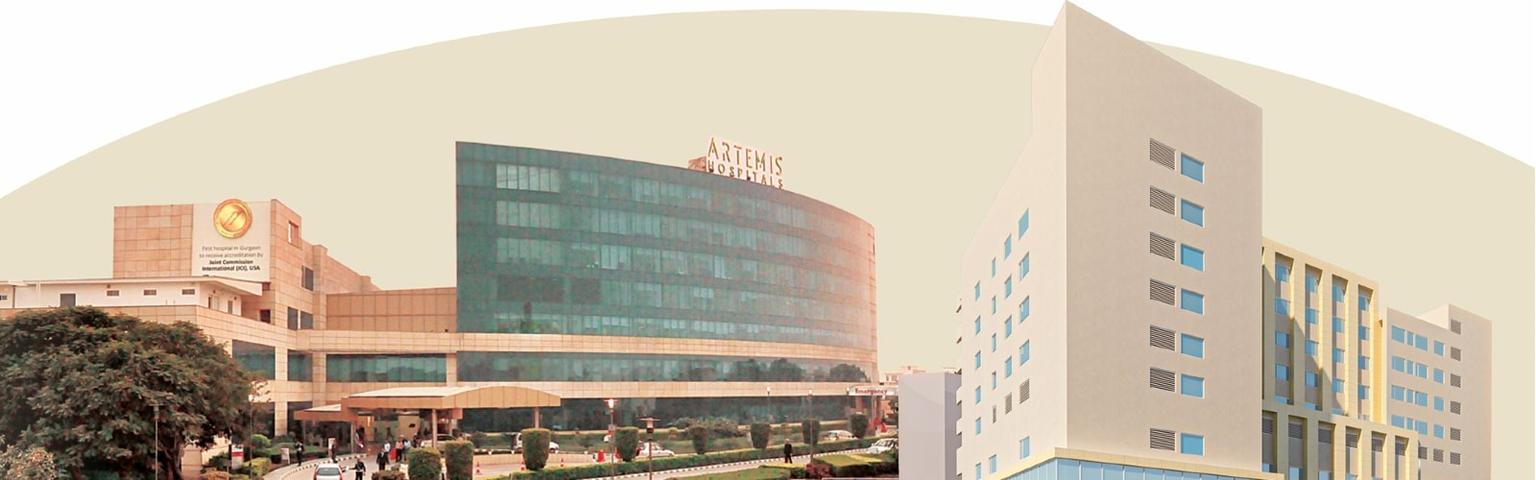
Artemis Hospital
Sector 51, Gurugram, Haryana, India
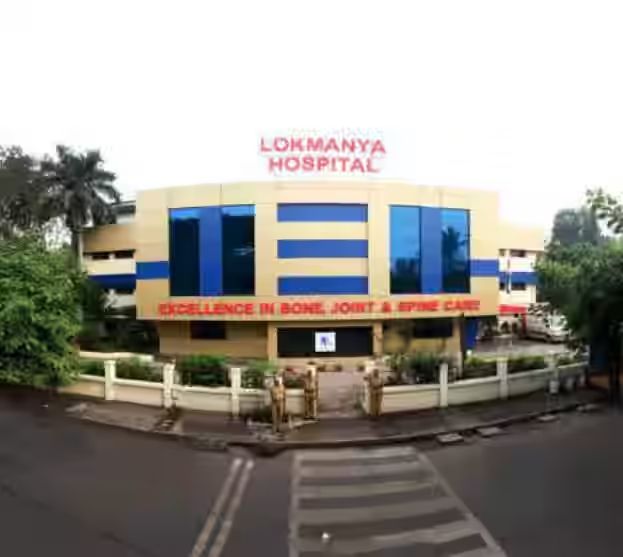
Lokmanya Hospitals
Not Specified

White Lotus Hospital
766, SFS 3145, SFS Road, 7th Sector, HSR Layout, Bengaluru, Karnataka 560102, India
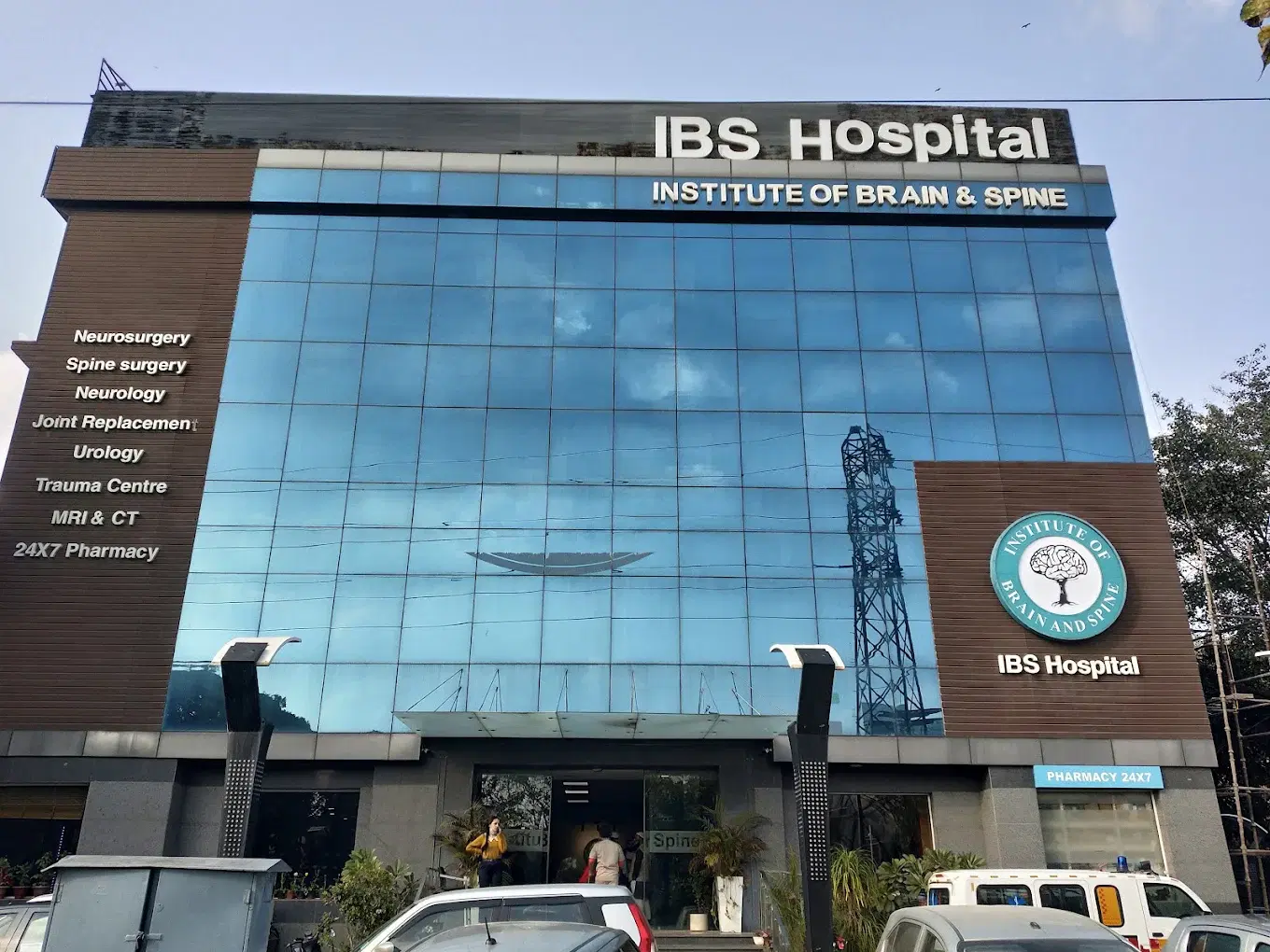
Institute of Brain and Spine (IBS Hospital)
Not Specified
Meet Our Medical Specialists




Sr. Consultant - Urology & Kidney Transplant Program (Unit I)
Dr. Abhinandan Mukhopadhyay
MBBS, MD
India

Sr. Consultant - Urology & Kidney Transplant Program (Unit I)
Dr. Abhinandan Mukhopadhyay
MBBS, MD
India
How DivinHeal Helps
We simplify your medical journey by providing comprehensive support and access to world-class healthcare.
Expert Specialist Matching
Connecting you with the world's top-rated medical experts.
Accredited Hospital Network
Access to JCI & NABH certified healthcare facilities.
Complete Travel Coordination
Hassle-free visa, stay, and local transport assistance.
24/7 Personal Care
Dedicated patient advisors supporting you at every step.
Journey Guidance
Full guidance from start to end of the patient treatment journey.
Expert Specialist Matching
Connecting you with the world's top-rated medical experts.
Everything you
need to know today
Browse through these common inquiries to better understand our patient-focused medical platform.
Yes, we work with a variety of insurance providers. Contact our team to verify your coverage.
Yes, we provide secure online consultations with experienced specialists.
Our care coordinators help match you with the most suitable specialist.
Absolutely. Your medical information is protected according to healthcare privacy standards.
Look at six things: accreditation (JCI or NABH), specialty depth, doctor credentials and experience, procedure-specific success rates, international patient support, and technology. DivinHeal's AI-driven matching evaluates every hospital in our accredited partner network on these dimensions and shortlists the best-fit options for your condition, budget, and country.
JCI (Joint Commission International) is the US-based global gold standard for hospital quality, recognised worldwide. NABH is India's national accreditation — accredited by ISQua, the same body that accredits JCI. Both signal independently verified safety and quality. Most of India's leading hospitals hold both.
Yes. All three welcome international patients through structured medical visa programs. India is the most established, treating patients from Africa, the Middle East, and South Asia at 60–80% lower cost. Thailand leads in cosmetic and dental care. The UAE is emerging in oncology and reproductive medicine.
Most patients save 50–80% on treatment costs. Heart bypass costs US $7,000–9,000 in India compared to $70,000–150,000 in the US. IVF costs $3,000–4,500 compared to $12,000–20,000 in the UK. Even after flights, visa, and accommodation, total savings remain 60–70%.
DivinHeal manages your entire non-medical journey: visa invitation letters, medical visa guidance, doctor appointments, teleconsultations, airport pickup, hospital-vetted accommodation for you and your attendant, language interpreters, local transport, cuisine preferences, and post-treatment follow-up — one dedicated coordinator from first enquiry to final follow-up.
You need a valid passport (6+ months validity), a medical visa (M-Visa for India — DivinHeal provides the hospital invitation letter), return flight tickets, recent medical reports and a doctor's referral, current prescription list, and proof of financial means. Any accompanying attendant needs their own passport and MX-Visa.
Still have more questions?
Book a call with our friendly team to learn how DivineHeal simplifies your healthcare journey.