
Hip Resurfacing Treatment in Pune for Ethiopia
Need Personalized Advice?
Our medical experts are ready to answer your questions and guide you through your treatment options.
About
Hip Resurfacing in Pune for Ethiopian Patients | Costs & Care
Patients from Ethiopia grappling with debilitating hip pain often feel trapped by limited mobility. The constant discomfort and reliance on medication can severely impact daily life, making simple tasks a challenge. Finding a lasting solution like hip resurfacing becomes a pressing need, but where to turn for advanced care?
This often leads individuals to seek specialized medical care beyond their borders. Pune, India, stands out as a preferred destination, renowned for its excellent healthcare infrastructure and a patient-centric approach that appeals to international visitors seeking quality treatment.
Within Pune, a network of world-class hospitals and highly experienced orthopedic specialists offers advanced hip resurfacing procedures. Patients benefit from coordinated care, state-of-the-art facilities, and dedicated support, ensuring a smooth medical journey and focused recovery right here in the city.
How can Pune specifically enhance your journey to renewed hip health?
What Is Hip Resurfacing?
Hip resurfacing is a bone-preserving surgical procedure designed to alleviate chronic hip pain and restore function. Unlike a total hip replacement, which removes the entire femoral head (ball) and replaces it with a prosthetic, hip resurfacing involves reshaping only the damaged surfaces of the femoral head and the acetabulum (socket). These reshaped surfaces are then fitted with smooth, durable metal or ceramic caps. This technique aims to preserve more of the natural bone structure, making it a suitable option for younger, active patients with certain hip conditions.
Understanding Hip Resurfacing and Alternatives
While "Hip Resurfacing" refers to a specific technique, understanding its context alongside other hip treatments is helpful. The primary goal is always to relieve pain and improve mobility.
- Traditional Hip Resurfacing: This involves placing a metal cap on the femoral head and a corresponding metal liner in the acetabulum. Modern advancements also include ceramic-on-ceramic options for specific patient profiles. It is chosen for its bone-preserving nature and potentially easier revision surgery later in life.
- Total Hip Replacement (THR): This is a more extensive procedure where both the femoral head and the acetabulum are completely removed and replaced with artificial components. THR is a highly effective treatment for severe arthritis and is suitable for a broader range of patients, including older individuals.
- Partial Hip Replacement (Hemiarthroplasty): Less common for arthritis, this procedure replaces only the femoral head, leaving the natural acetabulum intact. It is usually performed for certain types of hip fractures.
- Non-Surgical Management: For less severe conditions, initial treatments might include pain medication, physical therapy, lifestyle modifications, and injections to manage symptoms before surgery is considered.
The choice between hip resurfacing and total hip replacement depends on various factors, including the patient's age, activity level, bone quality, and the extent of joint damage. Your orthopedic specialist in Pune will recommend the most appropriate procedure after a thorough evaluation.
When Is Hip Resurfacing Required?
- Persistent, severe hip pain that limits daily activities, unresponsive to conservative treatments.
- Advanced osteoarthritis of the hip joint.
- Avascular necrosis (AVN) of the femoral head in its early stages.
- Post-traumatic arthritis causing significant pain and loss of function.
- Inflammatory arthritis, such as rheumatoid arthritis, affecting the hip.
- Patients who are younger and more active, seeking a bone-preserving option.
- Individuals with good bone quality in the femoral head and acetabulum.
Pre-Treatment Evaluation for Hip Resurfacing
- Comprehensive Medical History: Reviewing past medical conditions, surgeries, and current medications.
- Physical Examination: Assessing hip mobility, strength, and identifying areas of pain.
- Imaging Studies: X-rays, MRI, or CT scans to visualize the hip joint, assess bone quality, and determine the extent of cartilage damage.
- Blood Tests: Routine blood work including complete blood count, kidney and liver function tests, and blood clotting profiles.
- Cardiac Evaluation: An electrocardiogram (ECG) and potentially an echocardiogram to ensure heart health is suitable for surgery.
- Urinalysis: To rule out any urinary tract infections.
- Dental Check-up: Ensuring no active dental infections that could potentially lead to surgical complications.
How Is Hip Resurfacing Performed?
The hip resurfacing procedure is a highly specialized surgery, typically performed under general anesthesia. The exact steps may vary slightly depending on the surgeon's approach and the patient's specific anatomy.
Surgical Steps
- Incision: The surgeon makes an incision, usually on the side or back of the hip, to access the joint.
- Femoral Head Preparation: The damaged cartilage and a small amount of bone are carefully removed from the surface of the femoral head. The head is then precisely reshaped to fit the resurfacing component.
- Acetabular Preparation: The damaged cartilage within the hip socket (acetabulum) is removed, and the bone is prepared to accept the acetabular component.
- Implant Placement: A metal or ceramic cap is securely fitted over the reshaped femoral head. A corresponding metal or ceramic liner is then implanted into the acetabulum, creating a new, smooth articulating surface.
- Closure: The joint is checked for stability and range of motion. The incision is then closed with sutures or staples.
The Recovery Process After Hip Resurfacing
Recovery from hip resurfacing is a gradual process requiring dedication and adherence to medical advice. Patients typically begin walking with assistance within a day or two after surgery. A physical therapy program starts immediately, focusing on strengthening the hip muscles, improving range of motion, and restoring gait. Weight-bearing restrictions may be in place initially, progressing as tolerated. Most patients can return to light activities within 6-8 weeks, with full recovery and return to more strenuous activities taking 6-12 months. Regular follow-up appointments with the orthopedic surgeon in Pune are crucial to monitor healing and ensure optimal results.
Potential Risks and Success Rates
- Infection at the surgical site.
- Blood clots (deep vein thrombosis).
- Dislocation of the hip components.
- Fracture of the femoral neck.
- Loosening or wear of the implant over time.
- Heterotopic ossification (abnormal bone growth).
- Nerve or blood vessel damage.
- Metal ion release (for metal-on-metal implants), requiring monitoring.
Hip resurfacing boasts high success rates, particularly in carefully selected patients. Studies show that over 90-95% of hip resurfacing procedures last for 10-15 years, and many continue to function well beyond that. Success rates can vary based on factors such as patient age, bone quality, adherence to rehabilitation, and the surgeon's experience. Long-term outcomes are generally very positive, providing significant pain relief and improved quality of life.
Cost of Hip Resurfacing in Pune
The cost of hip resurfacing in Pune is significantly more affordable compared to many Western countries, without compromising on quality of care. Several factors influence the total expense, including the choice of hospital (private vs. corporate), the surgeon's fees, the type and brand of implant used, the duration of hospital stay, and any additional rehabilitation services required. Advanced facilities and specialized care are available across a range of price points.
In Pune, the estimated cost for Hip Resurfacing typically ranges from INR 4,50,000 to INR 7,50,000.
Pune Hip Resurfacing Cost vs. Global Averages
Patients from Ethiopia will find Pune offers exceptional value for advanced orthopedic procedures. Here is a comparison of hip resurfacing costs in Pune against other major global medical hubs.
| Location | Estimated Cost (USD) |
|---|---|
| Pune, India | $5,500 - $9,000 |
| United States | $25,000 - $55,000 |
| United Kingdom | $18,000 - $30,000 |
| Germany | $15,000 - $25,000 |
| Thailand | $10,000 - $16,000 |
Considering Hip Resurfacing in Pune?
Our team can provide a personalized cost estimate and connect you with top orthopedic specialists. Get clarity on your treatment plan and financial options today.
Guiding Your Medical Journey in Pune
- Dedicated patient coordinators assisting with all aspects of your visit.
- Visa and travel assistance, including invitation letters for medical visas.
- Airport pickup and drop-off services for convenience upon arrival and departure.
- Arrangement of comfortable accommodation options near the hospital.
- Language interpretation services to ensure clear communication with medical staff.
- Assistance with local transportation for appointments and errands.
- Facilitation of post-treatment recovery and rehabilitation planning.
Essential Paperwork for Your Treatment
- Valid passport and medical visa for India.
- All relevant medical reports, imaging scans (X-rays, MRI, CT), and diagnostic test results.
- Doctor's referral letter or recommendation for hip resurfacing.
- A list of current medications with dosages.
- Proof of financial capability or medical insurance details.
- Contact information for your primary care physician back home.
- Copies of any previous surgical records or medical history relevant to your hip condition.
Steps to Prepare for Your Arrival
- Consult with your local doctor to ensure you are medically fit for travel.
- Complete all necessary pre-operative tests as advised by your Pune specialist.
- Arrange for a travel companion or family member if required for support during your stay.
- Pack comfortable, loose-fitting clothing suitable for post-operative recovery.
- Inform your financial institution of your travel plans to avoid issues with card usage.
- Familiarize yourself with the local climate and customs of Pune.
- Ensure all necessary documents are organized and easily accessible for travel.
Ensuring a Smooth Recovery Journey
- Adhere strictly to your surgeon's post-operative instructions for wound care and medication.
- Actively participate in the prescribed physical therapy program to regain strength and mobility.
- Maintain a healthy diet and stay hydrated to support the healing process.
- Avoid activities that place excessive strain on your new hip joint as advised.
- Schedule and attend all follow-up appointments with your Pune medical team.
- Arrange for continued rehabilitation or follow-up care upon your return to Ethiopia.
- Be patient with your recovery; healing takes time and consistent effort.
Ready for a New Chapter of Mobility?
Pune offers a pathway to regaining comfort and mobility through advanced hip resurfacing. Connect with leading orthopedic experts today and take the first step towards a healthier, more active life.
Connect with Pune's Top Orthopedic Surgeons
Our network includes highly skilled specialists ready to discuss your hip resurfacing options. Start your consultation and plan your treatment with confidence.
Hospitals Offering this treatment
India offers premium medical procedures at affordable prices. Discover our most popular treatments, delivered by the country's finest doctors.
Meet Our Doctors
Meet our team of highly qualified and experienced medical professionals dedicated to providing the best healthcare services.

Dr Aditi Dixit
Sr. Consultant – Women Imaging
Radiology
New Delhi
15+ Years
Experience
Artemis Hospital
Hospital
1500
Fees

Dr Chandrima Misra M
Co-Head Psychological Services
Mental Health and Behavioural Sciences
New Delhi
15+ Years
Experience
Artemis Hospital
Hospital
1500
Fees
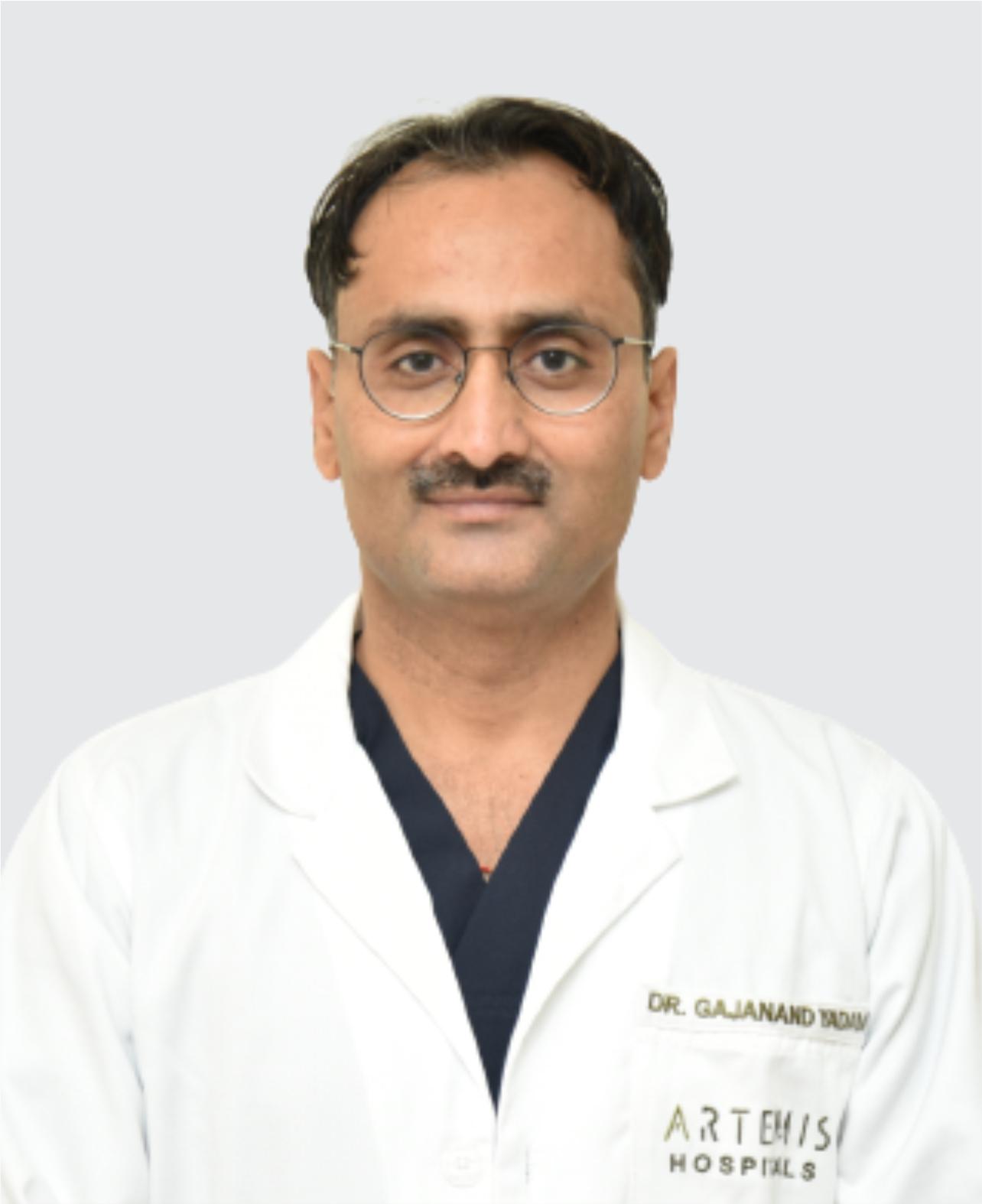
Dr. Gajanand Yadav
Consultant - Orthopaedics and Hip and Knee Arthroplasty
Orthopaedics, Hip and Knee Arthroplasty, Joint Replacement, Sports Medicine
New Delhi
12+ Years
Experience
Artemis Hospital
Hospital
1500
Fees

Dr. Nutan Agarwal
Head of Department - Gynae Endocrinology & DNB Program Director - Obs & Gynae
Gynaecological Endocrinology, Maternity, Obstetrics & Gynaecology
New Delhi
35+ Years
Experience
Artemis Hospital
Hospital
1500
Fees

Dr. Poonam Gautam
Senior Consultant - ENT
ENT and Head & Neck Surgery
New Delhi
24+ Years
Experience
Artemis Hospital
Hospital
1500
Fees

Dr. Priyanka Raina
Consultant (Head & Neck Surgery) - Surgical Oncology
Head and Neck Surgical Oncology
New Delhi
10+ Years
Experience
Artemis Hospital
Hospital
1500
Fees

Dr. Rahul Naithani
Chief - Hematology, Oncology & Bone Marrow Transplant
Clinical Hematology, Hematologic Oncology, Bone Marrow Transplantation
New Delhi
15+ Years
Experience
Artemis Hospital
Hospital
1500
Fees

Dr. Rajiv Chhabra
Chief
Paediatric
New Delhi
15+ Years
Experience
Artemis Hospital
Hospital
1500
Fees
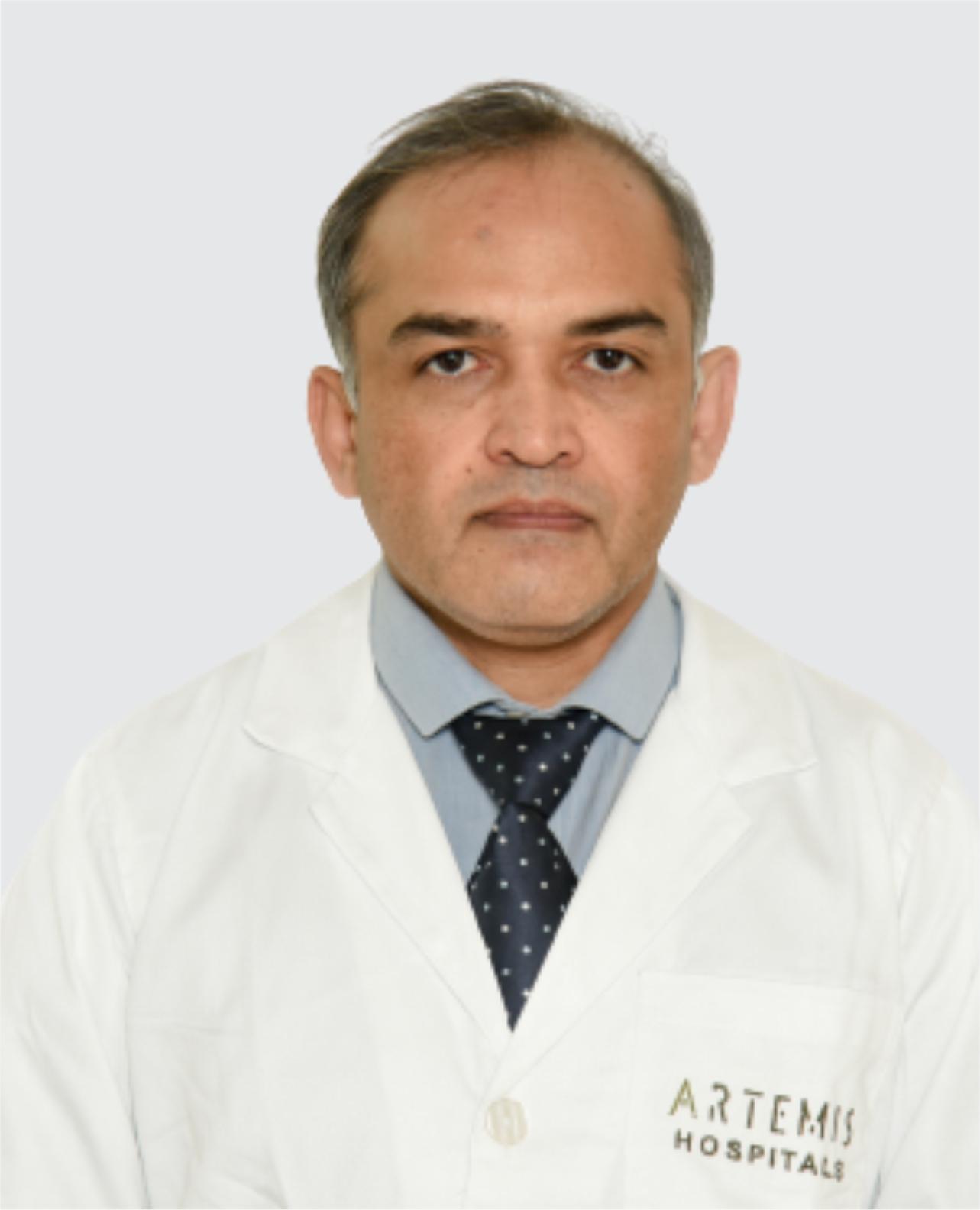
Dr. Rajiv Yadav
Chairperson Urology & Head, Urologic Oncology & Robotic Surgery (Unit I)
Robotic Surgery, Urology
New Delhi
20+ Years
Experience
Artemis Hospital
Hospital
1500
Fees

Dr. Rakesh Durkhure
Head - General, MI & Bariatric Surgery (Unit IV)
General & Minimally Invasive Surgery
New Delhi
25+ Years
Experience
Artemis Hospital
Hospital
1500
Fees
Related Links
Recent Blogs
Other Treatment related Information
- Hip Resurfacing cost in Mumbai
- Hip Resurfacing cost in India
- Hip Resurfacing cost in Chennai
- Hip Resurfacing cost in New Delhi
- Hip Resurfacing cost in Pune
- Hip Resurfacing cost in Bengaluru
- Hip Resurfacing cost in Hyderabad
- Hip Resurfacing cost in Haryana
- Hip Resurfacing Success Rate in Mumbai
- Hip Resurfacing Success Rate in New Delhi
- Hip Resurfacing Success Rate in Haryana
- Hip Resurfacing Success Rate in India
- Hip Resurfacing Success Rate in Chennai
- Hip Resurfacing Success Rate in Hyderabad
- Hip Resurfacing Success Rate in Bengaluru
- Hip Resurfacing Success Rate in Pune
- Best Hip Resurfacing Doctors in Hyderabad
- Best Hip Resurfacing Doctors in New Delhi
Ready To Start Your Healing Journey?
Get Personalized Medical Treatment Options From India's Top Hospitals. Our Medical Experts Are Ready To Assist You Every Step Of The Way.