
ICSI (Intracytoplasmic Sperm Injection) Success Rate in New Delhi
ግላዊ ምክር ይፈልጋሉ?
የእኛ የህክምና ባለሙያዎች ጥያቄዎችዎን ለመመለስ እና የህክምና አማራጮችዎን እንዲያውቁ ለመምራት ዝግጁ ናቸው።
የእኛ የህክምና ባለሙያዎች ጥያቄዎችዎን ለመመለስ እና የህክምና አማራጮችዎን እንዲያውቁ ለመምራት ዝግጁ ናቸው።
Understanding the ICSI success rate is vital for couples considering fertility treatment. Outcomes depend heavily on individual patient profiles, the underlying causes of infertility, and the specific protocols used. New Delhi has emerged as a key destination, with its clinics reviewed for their adherence to international standards and data-driven approaches to reproductive health.
Evaluating ICSI outcomes in New Delhi involves reviewing aggregated clinical data from various reputable centers. These assessments help compare local performance against broader trends. Different treatment methods and patient characteristics significantly influence results, supporting informed healthcare decisions for aspiring parents.
For Intracytoplasmic Sperm Injection (ICSI), 'success' encompasses multiple milestones, from successful fertilization in the lab to a viable embryo transfer, clinical pregnancy, and ultimately, a live birth. Short-term success might refer to fertilization or embryo development, while long-term success signifies the birth of a healthy baby. The ICSI recovery rate in New Delhi considers these comprehensive outcomes, reflecting the journey from treatment to parenthood.
Success rates vary depending on treatment approach and patient factors. Examining the stage wise ICSI survival rate in New Delhi further clarifies outcomes at different critical junctures of the treatment process.
| Treatment Type / Category | Typical Use Case | Success Rate Range (%) | What Success Indicates |
|---|---|---|---|
| Embryo Fertilization | Male factor infertility, low sperm count/motility | 70%–85% | Formation of viable embryos post-injection |
| Embryo Implantation | High-quality embryos transferred to uterus | 35%–55% | Clinical pregnancy confirmed by ultrasound |
| Clinical Pregnancy | All ICSI cycles aiming for gestation | 30%–45% | Detection of fetal heartbeat |
| Live Birth Rate | Final outcome of a successful ICSI cycle | 25%–40% | Birth of a healthy child |
ICSI outcomes, particularly for female patients, are significantly influenced by age, mirroring trends observed globally. While the ICSI survival rate by age in New Delhi aligns with international benchmarks, understanding these age-related variations helps manage expectations. Leading fertility centers here adopt protocols consistent with global best practices, ensuring high standards of care.
| Age Group / Patient Category | Treatment Method | Success Rate Range (%) |
|---|---|---|
| Women under 35 | Standard ICSI cycle | 40%–55% |
| Women 35-37 | Standard ICSI cycle | 30%–40% |
| Women 38-40 | Standard ICSI cycle | 20%–30% |
| Women over 40 | Standard ICSI cycle | 10%–20% |
| Male Factor Infertility (all ages) | Standard ICSI cycle | 35%–50% |
Success rates for ICSI in New Delhi are comparable with international standards when similar protocols, advanced technology, and patient selection criteria are applied. Many clinics in the region adhere to globally recognized guidelines, contributing to competitive outcomes for patients seeking fertility solutions.
| Country | Treatment Success Rate Range (%) |
|---|---|
| India | 35%–45% |
| USA | 40%–50% |
| UK | 35%–45% |
| Australia | 38%–48% |
| Spain | 35%–45% |
| Singapore | 30%–40% |
These success rates are indicative and can vary significantly based on individual patient conditions, clinic expertise, and specific treatment approaches. They are not a guarantee of outcomes.
Making confident decisions for ICSI requires understanding comprehensive data. Focus on evidence-based information and consult specialists to align expectations with realistic outcomes for your fertility journey.
India offers premium medical procedures at affordable prices. Discover our most popular treatments, delivered by the country's finest doctors.
Meet our team of highly qualified and experienced medical professionals dedicated to providing the best healthcare services.

Sr. Consultant - Urology & Kidney Transplant Program (Unit I)
Urology, Kidney Transplant, Urological Cancers
Haryana
8+ Years
Experience
Artemis Hospital
Hospital
1500
Fees
Sr. Consultant - Anaesthesia, Critical Care & Pain Management
Anaesthesia, Critical Care, Pain Management
New Delhi
15+ Years
Experience
Artemis Hospital
Hospital
1500
Fees
Chairperson - Neurosurgery & CNS Radiosurgery & Co-Chief - Cyberknife Centre
Neurosurgery
New Delhi
32+ Years
Experience
Artemis Hospital
Hospital
1500
Fees

Chief - Emergency
Emergency & Trauma Services
New Delhi
25+ Years
Experience
Artemis Hospital
Hospital
1500
Fees

Chief - Breast Surgery & Sr. Consultant : Surgical Oncology
Breast Surgery, Oncology
New Delhi
15+ Years
Experience
Artemis Hospital
Hospital
1500
Fees

Attending Consultant – Geriatric Medicine
Geriatric Medicine, Geriatric Surgery
New Delhi
3+ Years
Experience
Artemis Hospital
Hospital
1500
Fees
Sr. Consultant - Surgical Oncology, Robotics, GI & HPB, Gynae & Peritoneal Surface Oncology
Oncology, Robotic Surgery
New Delhi
15+ Years
Experience
Artemis Hospital
Hospital
1500
Fees
Head - Kidney Transplant & Associate Chief - Uro-Oncology & Robotic Surgery (Unit I)
Nephrology, Organ Transplant, Robotic Surgery, Urology
New Delhi
15+ Years
Experience
Artemis Hospital
Hospital
1500
Fees
Sr. Consultant
Paediatric Surgery
New Delhi
10+ Years
Experience
Artemis Hospital
Hospital
1500
Fees
Chairperson Emeritus and DNB Teacher - Urology
Urology
New Delhi
15+ Years
Experience
Artemis Hospital
Hospital
1500
Fees
Director & Head
Nephrology & Renal Transplantation
New Delhi
12+ Years
Experience
Artemis Hospital
Hospital
1500
Fees
Chairman, Cardiac Sciences, Cardiac Surgery (CTVS)
Cardiothoracic and Vascular Surgery (CTVS), Cardiac Sciences
New Delhi
46+ Years
Experience
Max Hospital,Gurgaon
Hospital
1500
Fees
Principal Director & HOD
Paediatrics (Ped)
New Delhi
30+ Years
Experience
Max Hospital,Gurgaon
Hospital
1500
Fees
Principal Director & Unit Head – Surgical Oncology
Surgical Oncology
New Delhi
19+ Years
Experience
Max Hospital,Gurgaon
Hospital
1500
Fees
Principal Director (Obstetrics & Gynaecology) & Head of Unit
Obstetrics & Gynaecology, Gynaecologic Laparoscopy, High-Risk Obstetrics
New Delhi
42+ Years
Experience
Max Hospital,Gurgaon
Hospital
1500
Fees
Senior Consultant - Obstetrics and Gynaecology
Obstetrics and Gynaecology
New Delhi
24+ Years
Experience
Apolo Delhi
Hospital
1500
Fees
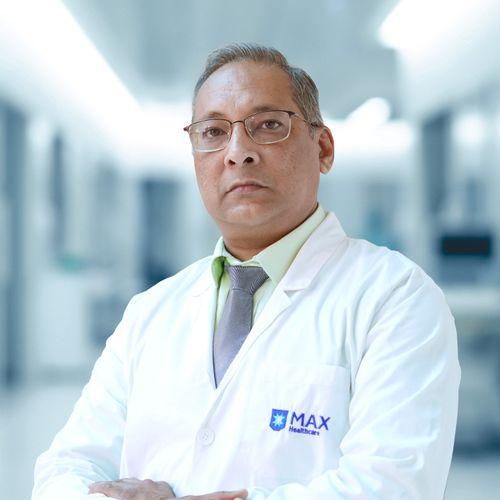
Principal Consultant
Urology
New Delhi
32+ Years
Experience
Apolo Delhi
Hospital
1500
Fees
Senior Director, Head of Department - Urology, Uro-Oncology, Robotics and Renal Transplant
Urology, Uro-Oncology, Robotics and Renal Transplant
New Delhi
25+ Years
Experience
Apolo Delhi
Hospital
1500
Fees
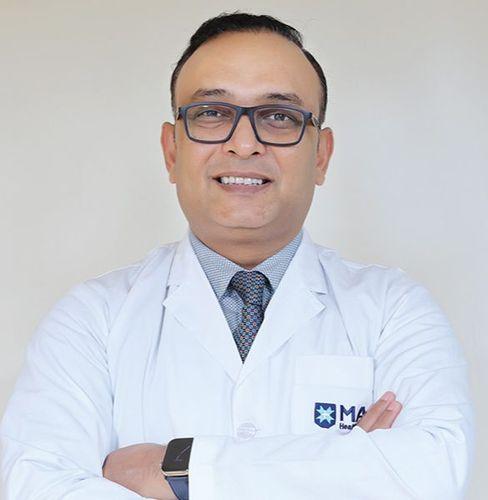
Senior Consultant, Urology & Kidney Transplant
Urology
New Delhi
17+ Years
Experience
Apolo Delhi
Hospital
1500
Fees
Associate Director - Urology and Renal Transplant
Urology
New Delhi
27+ Years
Experience
Apolo Delhi
Hospital
1500
Fees
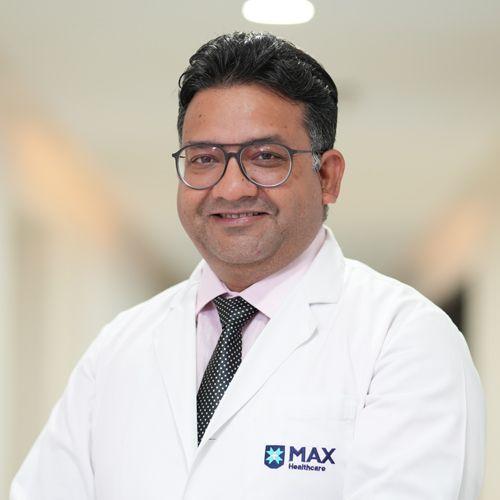
Principal Consultant
Urology, Uro-Oncology, Renal Transplant
New Delhi
30+ Years
Experience
Apolo Delhi
Hospital
1500
Fees
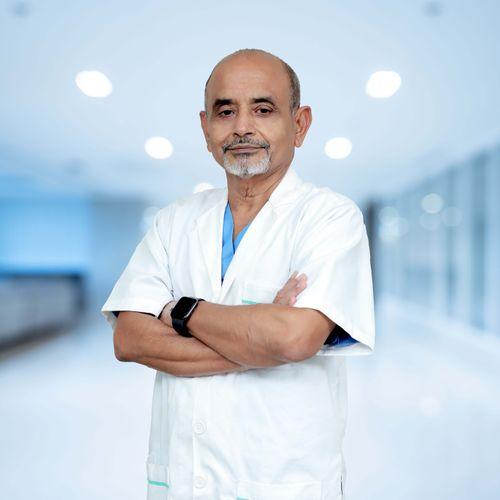
Senior Director - Urology, Uro-Oncology, Robotics & Kidney Transplant
Urology
New Delhi
30+ Years
Experience
Apolo Delhi
Hospital
1500
Fees
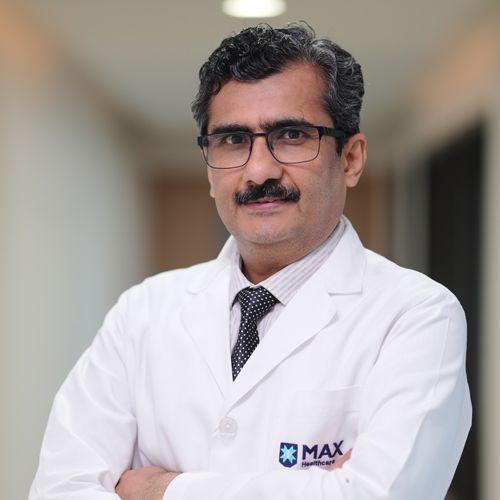
Senior Director - Urology & Kidney Transplant
Urology, Kidney Transplant
New Delhi
24+ Years
Experience
Apolo Delhi
Hospital
1500
Fees
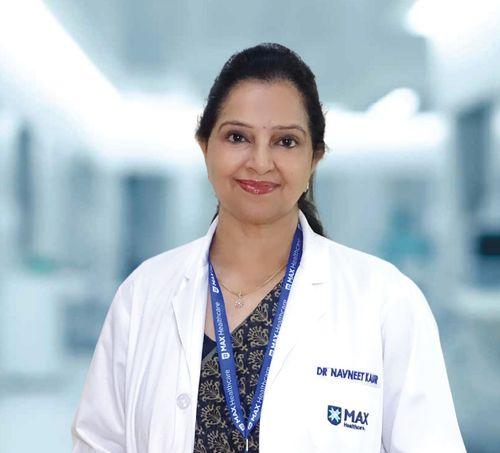
Director - Obstetrics & Gynaecology
Obstetrics & Gynaecology
New Delhi
23+ Years
Experience
Apolo Delhi
Hospital
1500
Fees
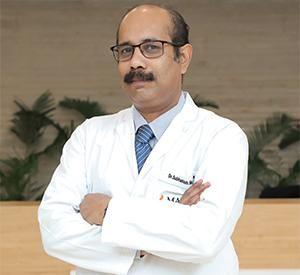
Director
Nephrology & Renal Transplant
New Delhi
15+ Years
Experience
Apolo Delhi
Hospital
1500
Fees
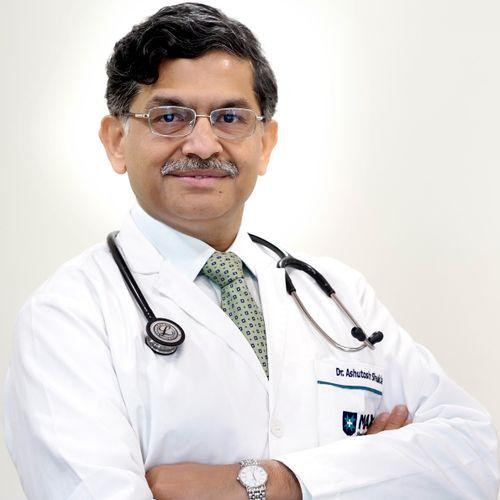
Senior Consultant
Nephrology
New Delhi
14+ Years
Experience
Apolo Delhi
Hospital
1500
Fees
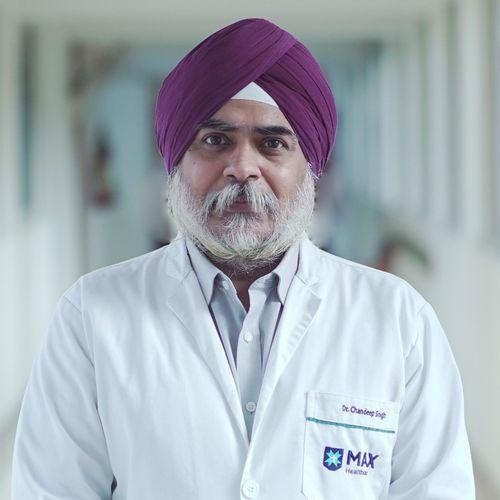
Director
Urology
New Delhi
15+ Years
Experience
Apolo Delhi
Hospital
1500
Fees
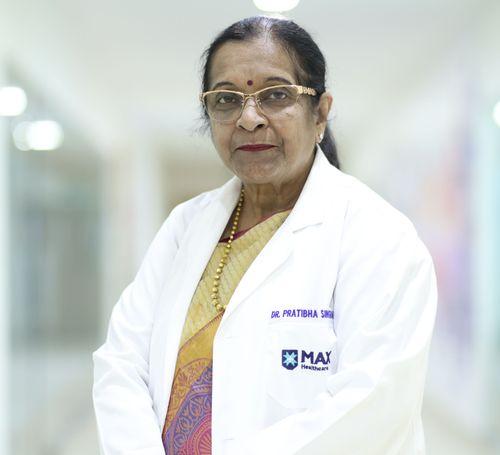
Director & Chief of Service - Obstetrics & Gynaecology
Obstetrics & Gynaecology
New Delhi
24+ Years
Experience
Apolo Delhi
Hospital
1500
Fees
ከህንድ ምርጥ ሆስፒታሎች የግል የህክምና ህክምና አማራጮችን ያግኙ። የእኛ የህክምና ባለሙያዎች በእያንዳንዱ እርምጃ ላይ እርስዎን ለመርዳት ዝግጁ ናቸው።