
Interventional Radiology Procedures Treatment in Pune for Iraq
Need Personalized Advice?
Our medical experts are ready to answer your questions and guide you through your treatment options.
Our medical experts are ready to answer your questions and guide you through your treatment options.
For patients in Iraq considering advanced medical care, the thought of needing interventional radiology procedures can bring uncertainty. You might be seeking effective, minimally invasive treatment options, but have concerns about accessibility, quality, and the overall experience of care outside your home country.
Many international patients from Iraq look towards Indian cities like Pune for specialized treatments. This decision often comes from Pune's growing reputation for modern medical infrastructure, skilled professionals, and a supportive environment for those traveling for health needs, ensuring a focused and coordinated treatment journey.
Pune stands out with its established network of hospitals and highly experienced interventional radiologists. The city offers a continuum of care, from initial consultation through advanced procedures and essential follow-ups, all within a well-organized medical framework that prioritizes patient comfort and successful outcomes.
Is Pune the right choice for your interventional radiology needs?
Interventional radiology (IR) involves a range of minimally invasive procedures performed using image guidance like X-rays, CT scans, ultrasound, or MRI. These techniques allow specialists to diagnose and treat diseases in nearly every organ system without traditional open surgery. By making small incisions, often just a pinhole, interventional radiologists can navigate inside the body with catheters and wires to address various conditions, leading to less pain, shorter recovery times, and reduced risks compared to conventional surgery. This approach covers everything from treating blockages in blood vessels to targeting tumors.
These include angioplasty and stenting for narrowed or blocked arteries, embolization to stop bleeding or reduce blood flow to tumors, and varicose vein treatments.
Treatments like tumor embolization, chemoembolization (TACE), radiofrequency ablation (RFA), microwave ablation (MWA), and cryoablation are used to target and destroy cancerous cells.
This category covers uterine fibroid embolization (UFE), prostatic artery embolization (PAE) for enlarged prostate, and treatment of kidney stones or blockages.
Procedures such as bile duct drainage and stenting, transjugular intrahepatic portosystemic shunt (TIPS) for liver disease, and percutaneous transhepatic cholangiography (PTC) are performed.
Image-guided injections for back pain, nerve blocks, and vertebroplasty/kyphoplasty for spinal fractures fall under this type of intervention.
These involve draining fluid collections or abscesses from various parts of the body using image guidance.
The exact method for interventional radiology procedures varies based on the specific condition being treated and the patient's individual treatment plan.
Upon arrival, patients are typically given local anesthesia at the entry site, often supplemented with conscious sedation to ensure comfort throughout the procedure. The skin is thoroughly cleaned and draped to maintain a sterile field.
Using real-time imaging (such as fluoroscopy, ultrasound, or CT), the interventional radiologist carefully guides a fine needle, catheter, or wire through a small incision in the skin, typically into a blood vessel or directly to the target area.
Once the catheter or device reaches the precise location, various tools can be deployed. This might involve injecting medicines, placing stents to open blocked vessels, embolizing a bleeding vessel, ablating a tumor, or draining fluid collections. The imaging guidance ensures extreme precision, minimizing damage to surrounding healthy tissue.
After the procedure, the instruments are removed, and pressure is applied to the small entry site to prevent bleeding. Most IR procedures are outpatient or require only a short hospital stay, with patients often able to return home the same day or within 24 hours.
Recovery from interventional radiology procedures is generally quicker and less arduous than traditional surgery. Patients usually rest for a few hours post-procedure, often needing to keep the access limb still. Discomfort at the entry site is common but manageable with medication. Restrictions on strenuous activity or heavy lifting are typically advised for a few days to a week. Follow-up appointments are crucial to monitor healing and assess the success of the treatment. Many patients can resume light daily activities within a day or two, with full recovery varying depending on the procedure and individual health.
The success rates for interventional radiology procedures are generally very high, often exceeding 85-95%, depending on the specific treatment and the patient's condition. Outcomes can vary based on the complexity of the disease, the patient's overall health, and adherence to post-procedure care. Long-term expectations usually involve significant improvement in symptoms, disease control, or even a cure for many conditions, offering a less invasive path to better health.
The cost of interventional radiology procedures in Pune is influenced by several factors, including the specific type and complexity of the procedure, the hospital chosen, the experience of the specialist, the technology utilized, and the duration of hospital stay, if any. Ancillary services like pre-operative tests and post-operative care also contribute to the final cost.
For most Interventional Radiology Procedures, patients can expect costs in Pune to range from approximately INR 1,50,000 to INR 6,00,000.
Pune offers a significant cost advantage for interventional radiology procedures while maintaining high standards of medical care. Below is a comparison of average costs for similar procedures. Please note these are estimates and actual costs may vary.
| Location | Average Cost (USD) |
|---|---|
| Pune, India | $2,000 - $8,000 |
| United States | $15,000 - $40,000 |
| United Kingdom | $10,000 - $25,000 |
| Singapore | $8,000 - $20,000 |
| Germany | $9,000 - $22,000 |
Choosing Pune for your interventional radiology procedures means opting for quality care, advanced techniques, and a compassionate medical journey.
India offers premium medical procedures at affordable prices. Discover our most popular treatments, delivered by the country's finest doctors.
Meet our team of highly qualified and experienced medical professionals dedicated to providing the best healthcare services.

Sr. Consultant – Women Imaging
Radiology (Specializing in Women's Imaging)
Haryana
15+ Years
Experience
Artemis Hospital
Hospital
1500
Fees
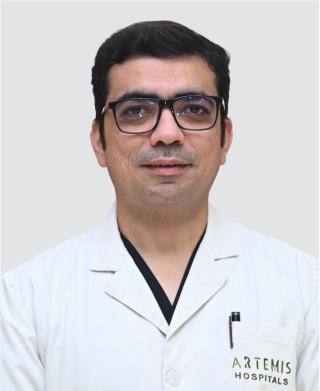
Director & Chief
Neurointerventional Surgery
New Delhi
15+ Years
Experience
Artemis Hospital
Hospital
1500
Fees
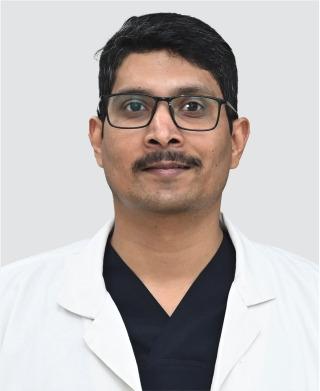
Additional Consultant - Neuro Interventional Surgery
Neurointerventional Surgery
New Delhi
20+ Years
Experience
Artemis Hospital
Hospital
1500
Fees

Chief - Liver Transplant & Sr. Consultant - GI & HPB Surgery
Liver and Biliary Sciences, Organ Transplant
New Delhi
15+ Years
Experience
Artemis Hospital
Hospital
1500
Fees
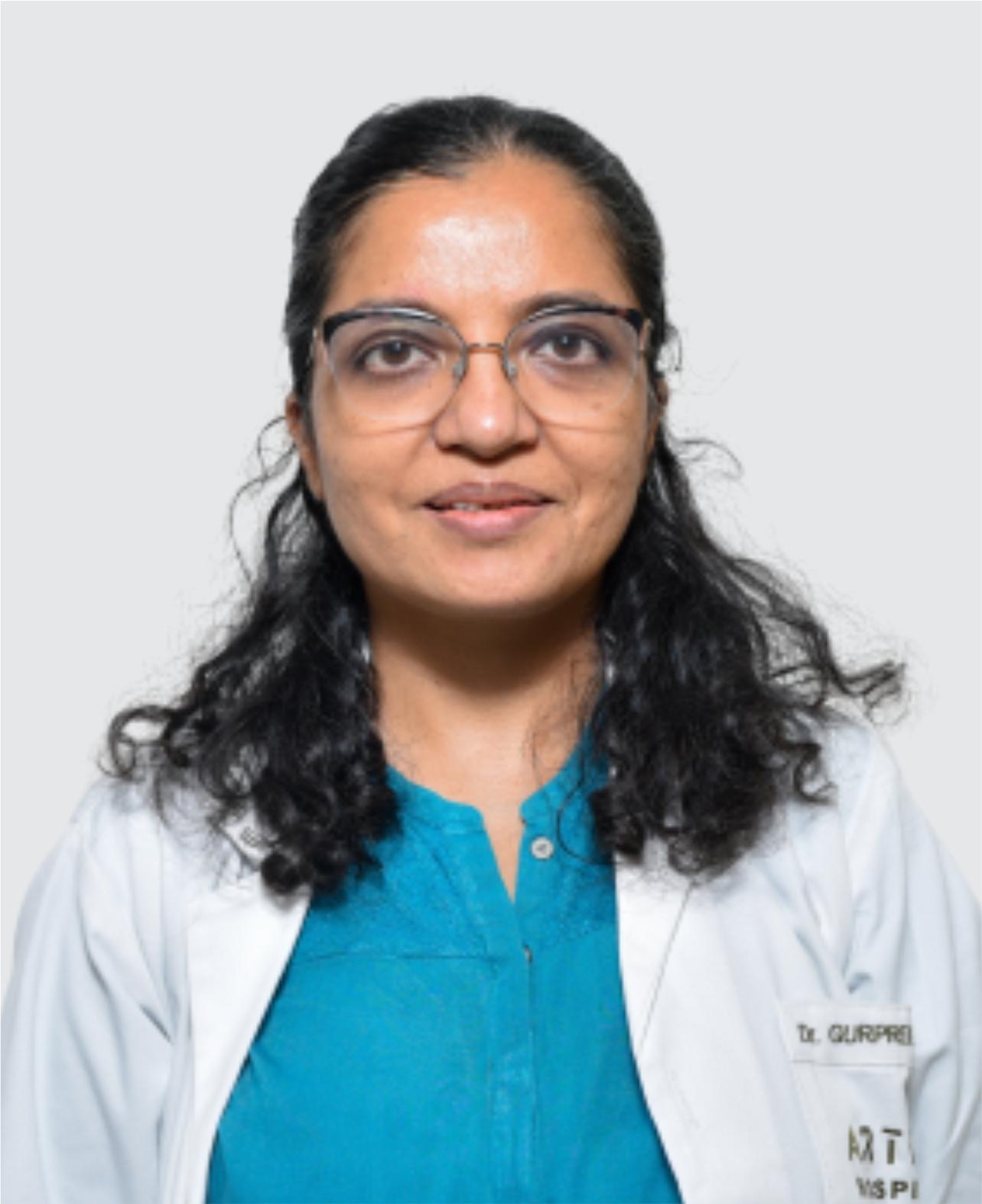
Head Imaging & Chief DNB Program
Radiology
New Delhi
19+ Years
Experience
Artemis Hospital
Hospital
1500
Fees
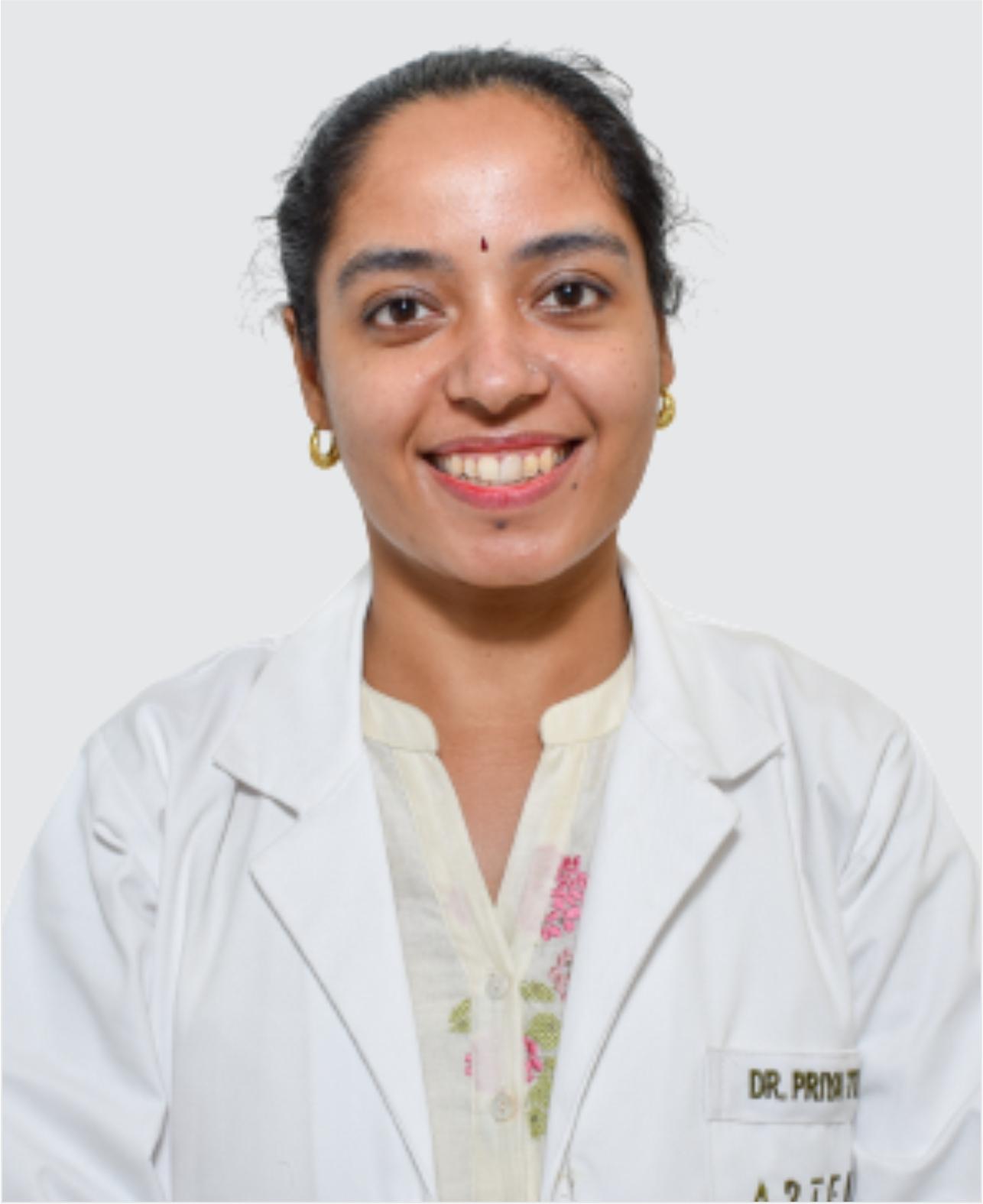
Sr. Consultant
Radiology
New Delhi
12+ Years
Experience
Artemis Hospital
Hospital
1500
Fees
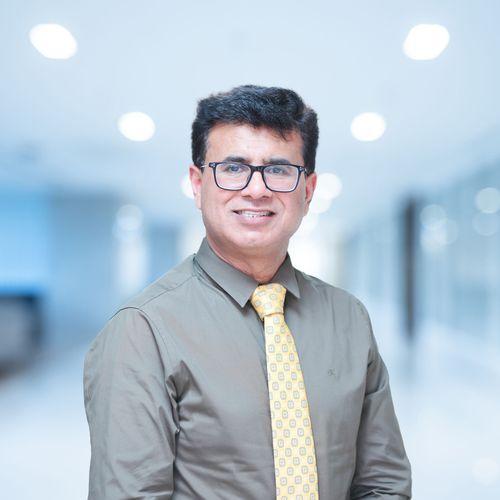
Vice Chairman, Cardiac Sciences, Cardiology, Interventional Cardiology, Cardiac Electrophysiology-Pacemaker & Director & HOD (Interventional Cardiology) at Max Super Speciality Hospital, Shalimar Bagh, Delhi
Interventional Cardiology
New Delhi
26+ Years
Experience
Max Hospital,Gurgaon
Hospital
1500
Fees
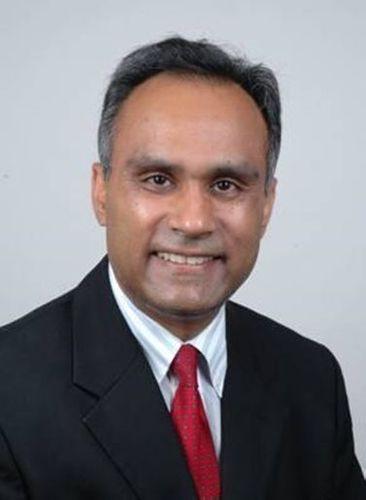
Associate Director
Pulmonology
New Delhi
20+ Years
Experience
Apolo Delhi
Hospital
1500
Fees
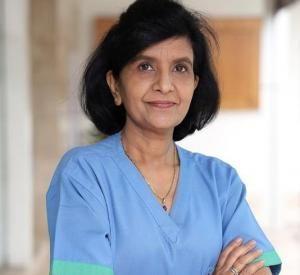
Associate Director
Pulmonology
New Delhi
22+ Years
Experience
Apolo Delhi
Hospital
1500
Fees
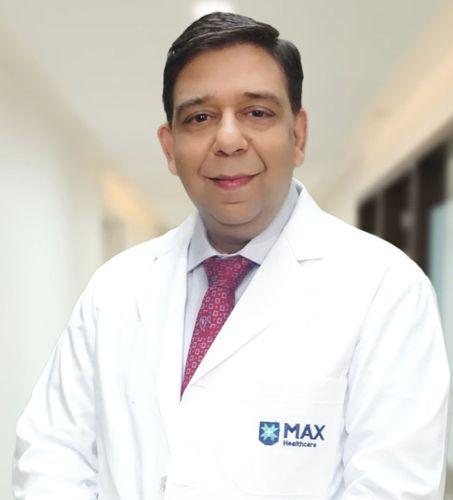
Senior Consultant
Cardiac Sciences, Interventional Cardiology
New Delhi
25+ Years
Experience
Apolo Delhi
Hospital
1500
Fees
Get Personalized Medical Treatment Options From India's Top Hospitals. Our Medical Experts Are Ready To Assist You Every Step Of The Way.