Interventional Radiology Procedures Treatment in India
Need Personalized Advice?
Our medical experts are ready to answer your questions and guide you through your treatment options.
About
Interventional Radiology Procedures Treatment in India | Medical Scope & Care
Interventional Radiology Procedures represent a modern medical approach. These minimally invasive treatments target various conditions. They use real-time imaging guidance. This allows for precise diagnosis and effective therapy. Patients benefit from smaller incisions and faster recovery times. This specialized field offers alternatives to traditional surgery.
Patients from countries like Kenya, Nigeria, Oman, Bangladesh, and Afghanistan frequently seek Interventional Radiology Procedures Treatment in India. They find advanced medical technology and highly skilled specialists. The cost-effectiveness of care here is also a significant draw. These patients receive world-class treatment without high expenses. India's medical infrastructure attracts many international visitors seeking quality care.
India has emerged as a global hub for advanced medical care. Its healthcare system features state-of-the-art facilities. Experienced interventional radiologists lead these specialized teams. High patient volumes allow for extensive expertise development. India maintains high patient care standards. This ensures safety and optimal outcomes.
Indications for Interventional Radiology Procedures
- Treating liver or kidney tumors through embolization or ablation.
- Managing uterine fibroids with uterine fibroid embolization (UFE).
- Opening blocked arteries in peripheral artery disease (PAD).
- Addressing deep vein thrombosis (DVT) and pulmonary embolism.
- Eliminating varicose veins using minimally invasive techniques.
- Performing image-guided biopsies for accurate diagnosis.
- Providing targeted pain relief with nerve blocks or vertebroplasty.
- Draining fluid collections or abscesses effectively.
- Resolving biliary obstructions with stent placement.
- Treating vertebral compression fractures.
Types of Interventional Radiology Procedures
Interventional Radiology Procedures encompass a broad range of therapies. These procedures are categorized by the systems they treat. Vascular interventions include angioplasty and stenting for blocked vessels. Oncologic interventions focus on tumor treatment. This involves embolization or ablation techniques. Musculoskeletal procedures target pain and fractures. Urological interventions address kidney and urinary tract issues. Neurological procedures manage conditions affecting the brain and spine. Each type utilizes advanced imaging for precision.
Specific examples include radiofrequency ablation (RFA) for tumors. Microwave ablation (MWA) also serves this purpose. Chemoembolization delivers targeted chemotherapy. Uterine artery embolization (UAE) treats fibroids effectively. Varicocele embolization addresses male infertility. Image-guided biopsies offer accurate tissue sampling. These diverse procedures highlight the versatility of IR.
Clinical Evaluation for Interventional Radiology Procedures
- A thorough review of the patient's medical history.
- A comprehensive physical examination is conducted.
- Blood tests assess overall health and organ function.
- Coagulation profiles ensure safe procedure execution.
- Advanced imaging like CT, MRI, and ultrasound are used.
- Specialized angiography provides detailed vessel views.
- Consultation with an experienced interventional radiologist.
- Discussion of patient symptoms and treatment goals.
- Multidisciplinary team review for complex cases.
How Interventional Radiology Procedures are Performed
Interventional Radiology Procedures are typically minimally invasive. They involve small skin incisions, often just a few millimeters. A thin catheter or needle is guided by real-time imaging. Imaging modalities include fluoroscopy, CT scans, or ultrasound. Local anesthesia is commonly used at the access site. Sometimes, conscious sedation provides comfort. The specialist maneuvers instruments precisely to the target area. This approach minimizes trauma to surrounding tissues. The goal is to treat the condition with high accuracy. These procedures generally result in less pain and faster recovery compared to open surgery.
Recovery After Interventional Radiology Procedures
Recovery following Interventional Radiology Procedures is typically swift. Patients often experience shorter hospital stays. Many procedures are outpatient or require just an overnight stay. Post-procedure pain is usually minimal and manageable. Most individuals can resume normal activities quickly. Specific recovery timelines vary by procedure type. Rest and monitoring are important in the initial hours. Patients receive clear instructions for at-home care. Follow-up appointments ensure proper healing.
Potential Risks of Interventional Radiology Procedures
- Minor bleeding or bruising at the access site.
- Risk of infection, though carefully minimized.
- Allergic reaction to contrast material or medications.
- Potential for minimal radiation exposure.
- Rarely, damage to adjacent organs or tissues.
- Formation of blood clots, sometimes requiring intervention.
- Uncommon complications related to the specific procedure.
Interventional Radiology Procedures Success Rates in India
The Interventional Radiology Procedures success rate in India is notably high. For many common procedures, rates exceed 90-95%. This impressive outcome reflects advanced technology and expert skills. Patient selection plays a crucial role. The complexity of the condition also influences results. India's experienced specialists contribute significantly to these positive outcomes. Patients often achieve successful symptom resolution. Improved quality of life is a common benefit.
Cost of Interventional Radiology Procedures in India
The cost of Interventional Radiology Procedures in India offers significant value. It is notably lower compared to Western countries. Yet, it maintains international quality standards. Prices vary based on the specific procedure. Hospital choice and patient-specific needs also influence the total cost.
| Procedure | India (USD) | Western Countries (USD) |
| Uterine Fibroid Embolization (UFE) | $3,500 - $7,000 | $10,000 - $25,000 |
| Peripheral Angioplasty/Stenting | $4,000 - $8,000 | $15,000 - $30,000 |
| Tumor Embolization (e.g., Liver) | $5,000 - $10,000 | $20,000 - $45,000 |
| Image-Guided Biopsy | $800 - $2,000 | $3,000 - $8,000 |
India stands as a premier destination for Interventional Radiology Procedures. It offers a blend of advanced medical technology and skilled specialists. Patients receive comprehensive, patient-focused care. The cost-effectiveness of these treatments is a major advantage. Considering Interventional Radiology Procedures Treatment in India provides access to world-class medical solutions. It is a smart choice for many international patients seeking quality healthcare.
Hospitals Offering this treatment
India offers premium medical procedures at affordable prices. Discover our most popular treatments, delivered by the country's finest doctors.
Meet Our Doctors
Meet our team of highly qualified and experienced medical professionals dedicated to providing the best healthcare services.

Aditi Dixit
Sr. Consultant – Women Imaging
Radiology (Specializing in Women's Imaging)
Haryana
15+ Years
Experience
Artemis Hospital
Hospital
1500
Fees
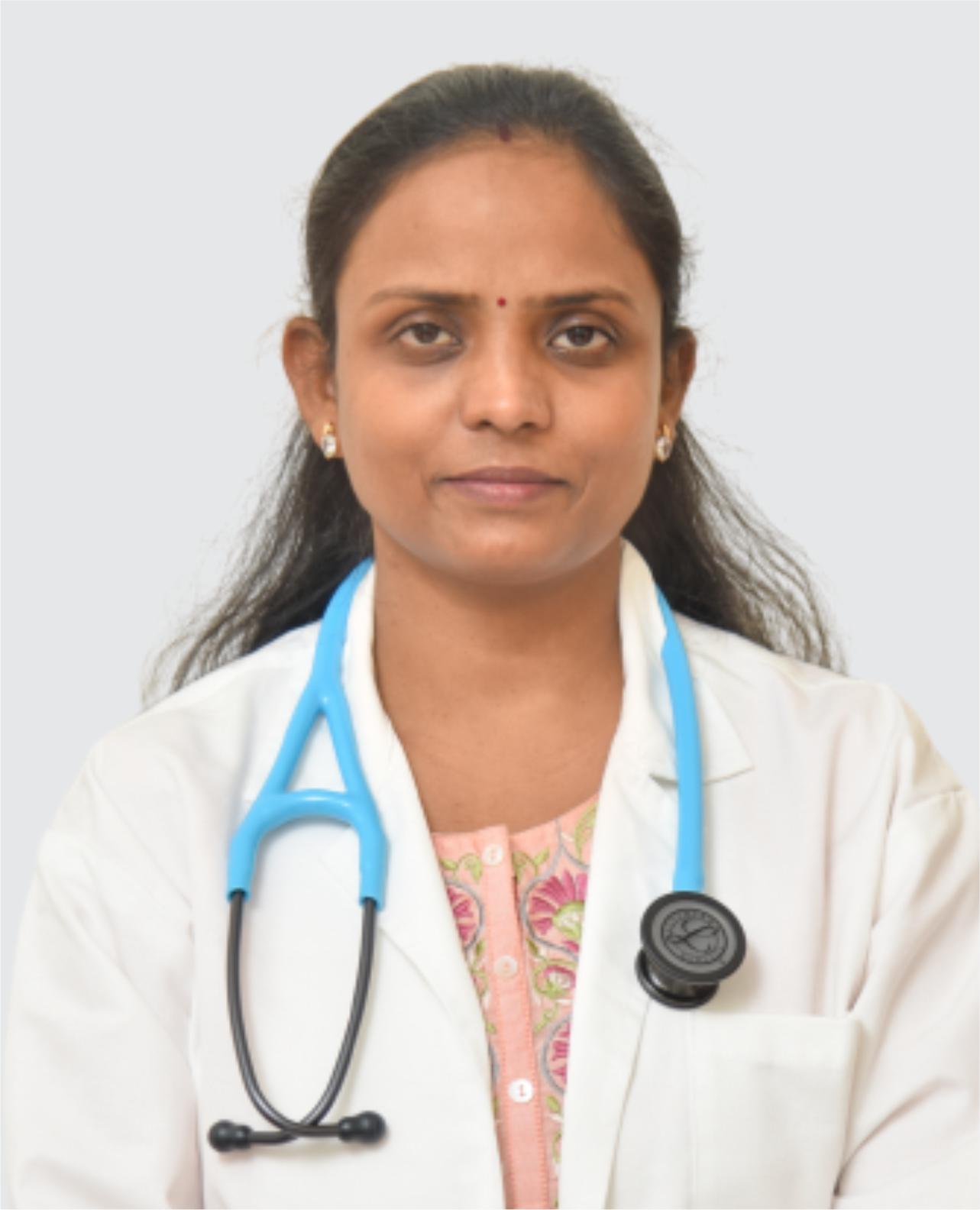
Dr. Anju Singh
Consultant - Pediatric Rheumatology
Pediatric Rheumatology
New Delhi
13+ Years
Experience
Artemis Hospital
Hospital
1500
Fees
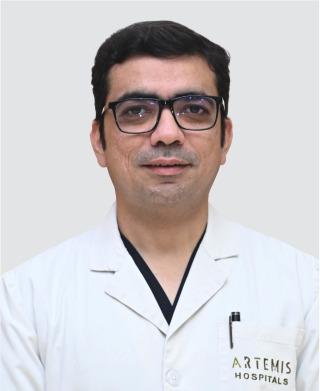
Dr. Tariq Matin
Director & Chief
Neurointerventional Surgery
New Delhi
15+ Years
Experience
Artemis Hospital
Hospital
1500
Fees

Dr. Deepa Maheshwari
Unit Head
Maternity, Obstetrics & Gynaecology
New Delhi
20+ Years
Experience
Artemis Hospital
Hospital
1500
Fees
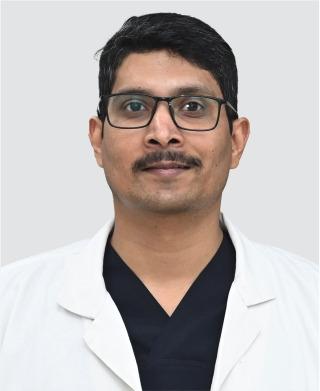
Dr. Mukesh Kumar
Additional Consultant - Neuro Interventional Surgery
Neurointerventional Surgery
New Delhi
20+ Years
Experience
Artemis Hospital
Hospital
1500
Fees
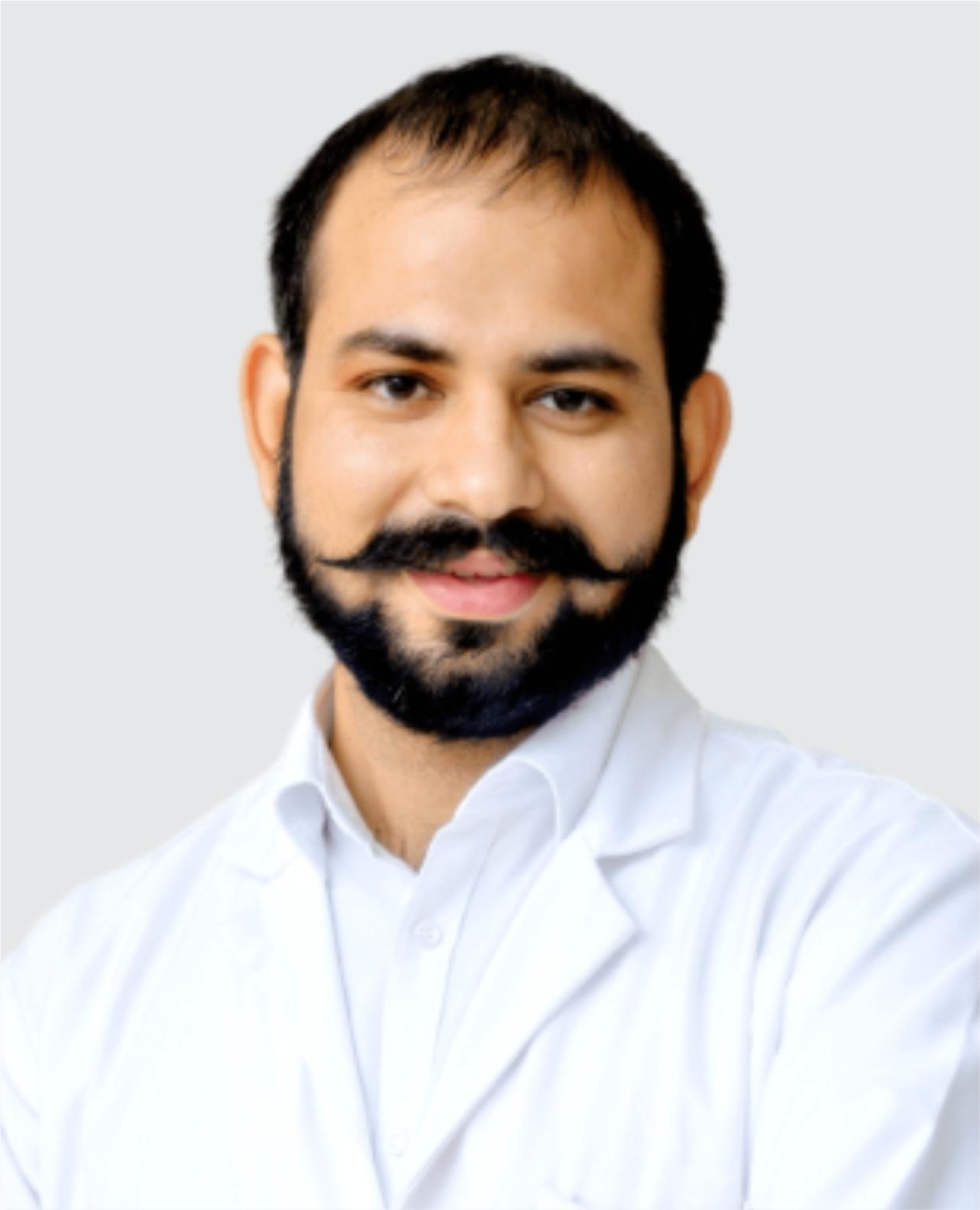
Dr. Sachin Sethi
Principal Lead - Physiotherapy
Physiotherapy and Rehabilitation
New Delhi
13+ Years
Experience
Artemis Hospital
Hospital
1500
Fees
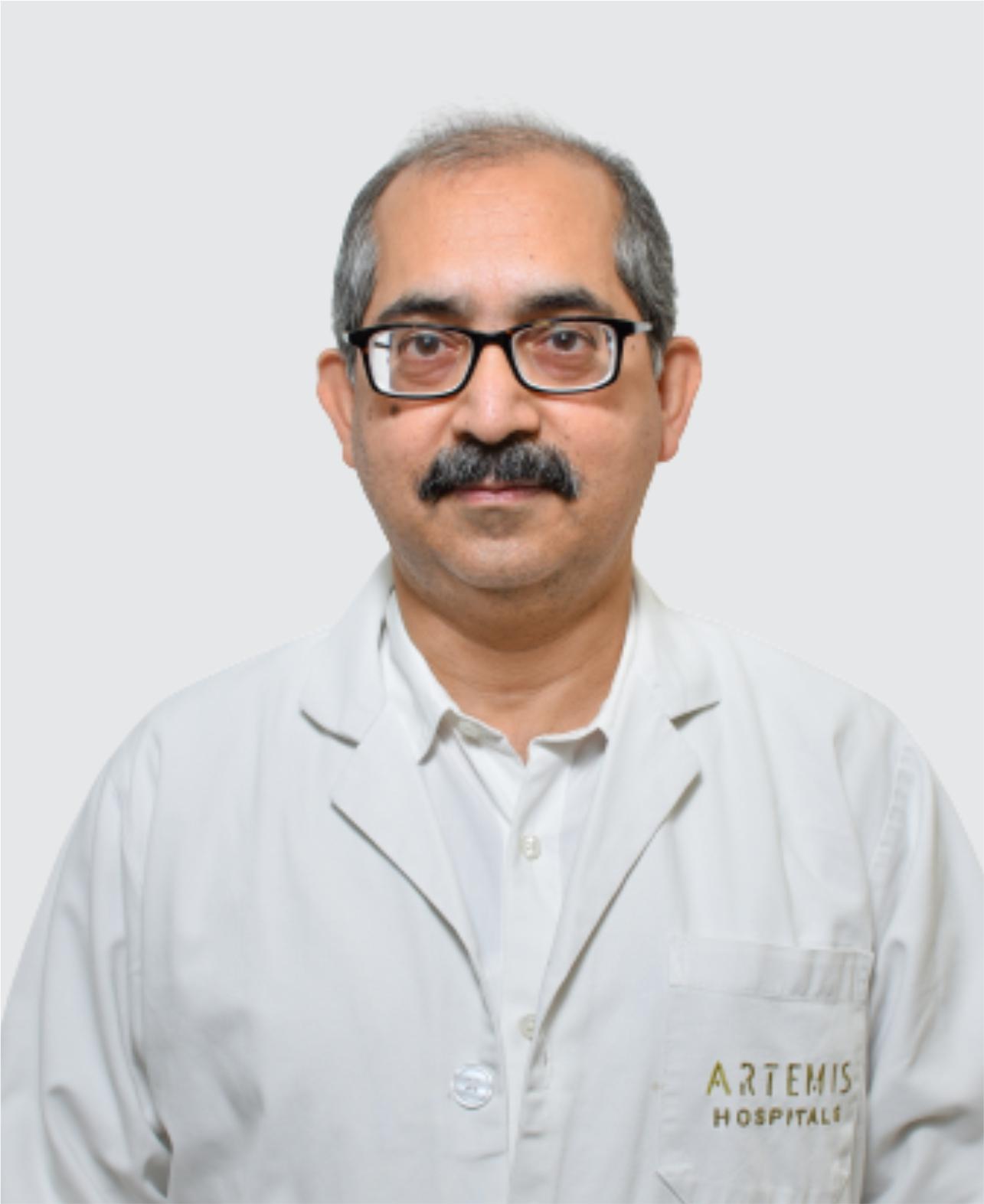
Dr. Sanjay Mehta
Chairperson
Radiology
New Delhi
28+ Years
Experience
Artemis Hospital
Hospital
1500
Fees
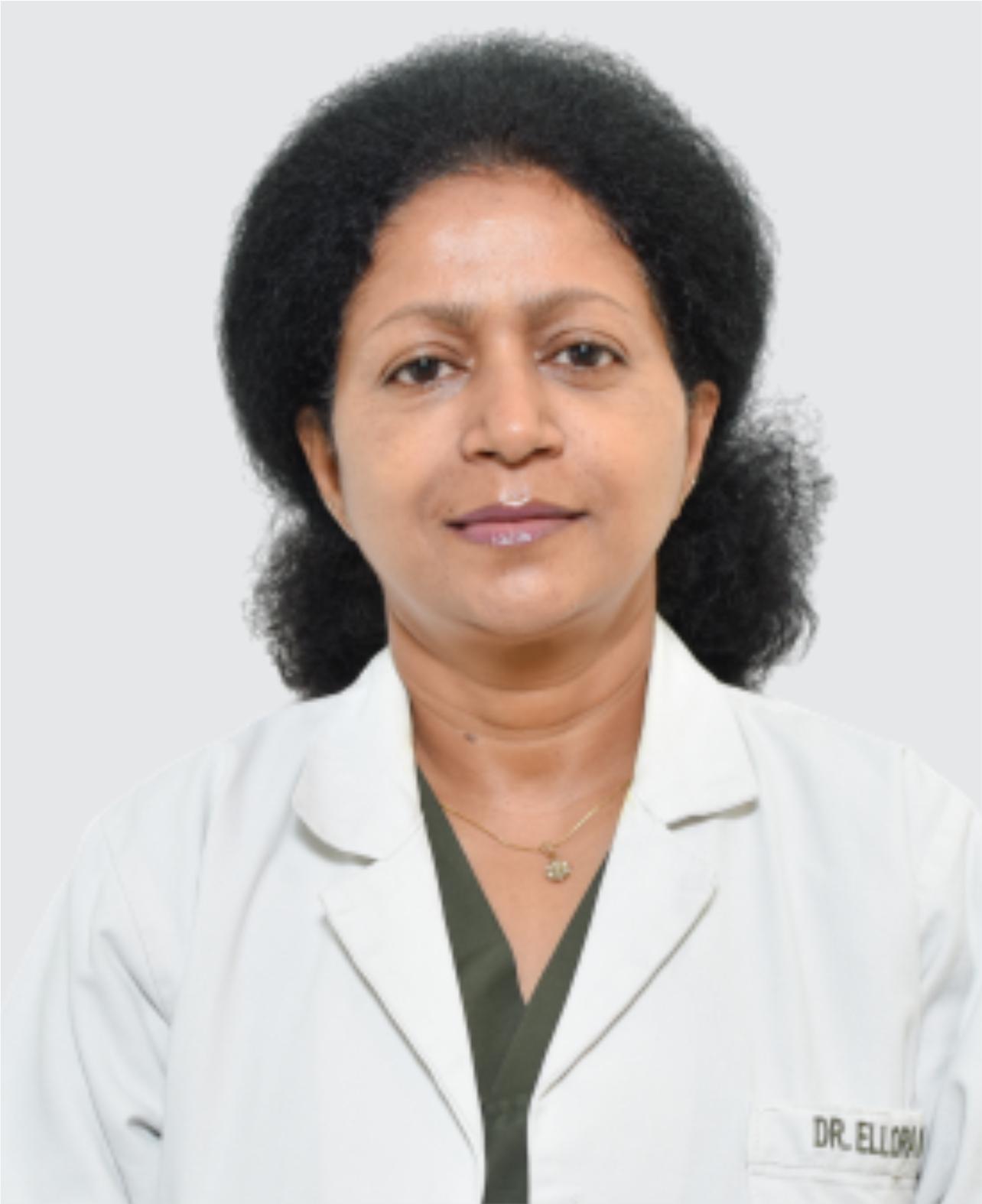
Dr. Ellora Nanda
Admin Head - Emergency
Emergency & Trauma Services
New Delhi
25+ Years
Experience
Artemis Hospital
Hospital
1500
Fees
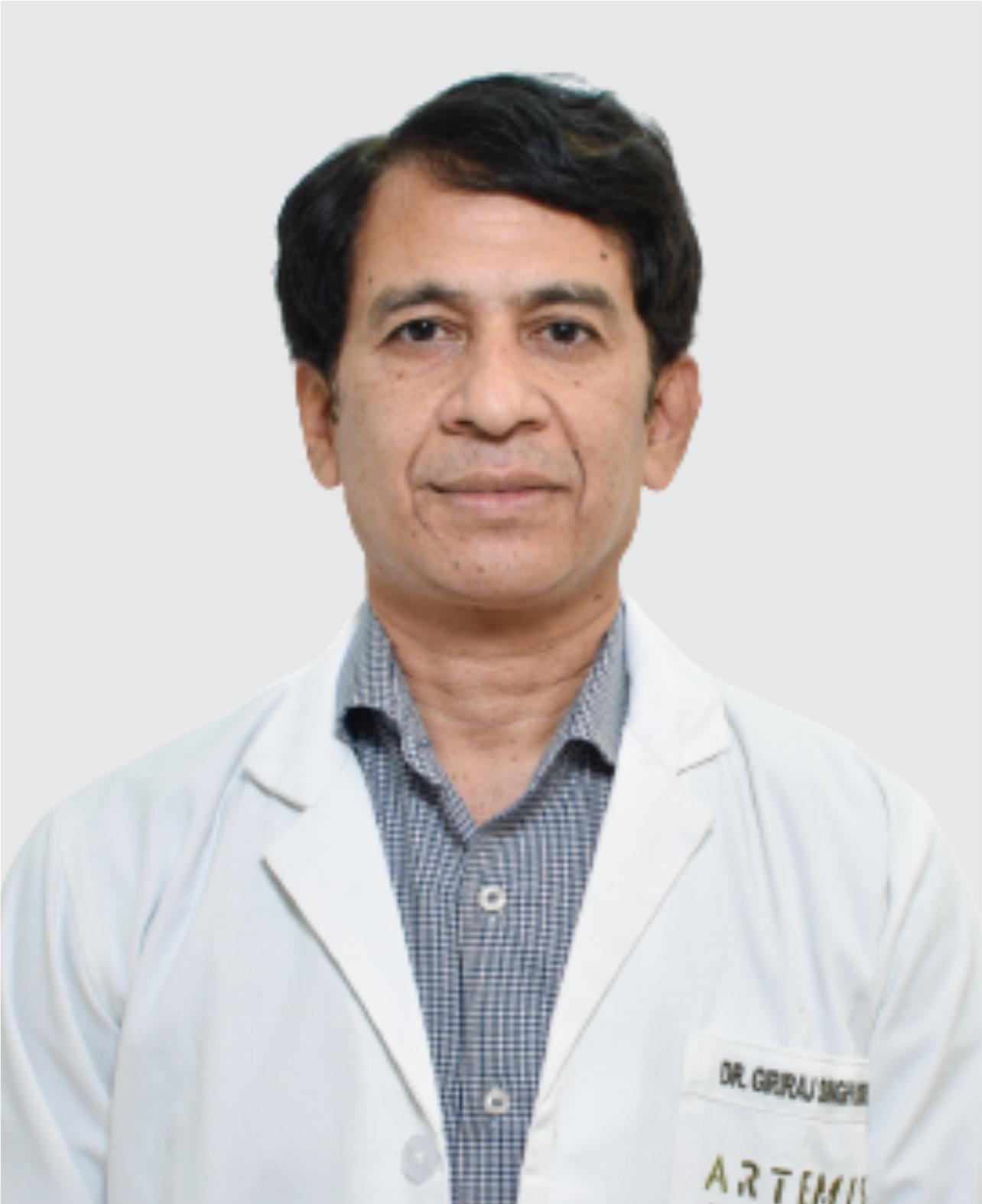
Dr. Giriraj Bora
Chief - Liver Transplant & Sr. Consultant - GI & HPB Surgery
Liver and Biliary Sciences, Organ Transplant
New Delhi
15+ Years
Experience
Artemis Hospital
Hospital
1500
Fees

Gurpreet Makkar
Head Imaging & Chief DNB Program
Radiology
New Delhi
19+ Years
Experience
Artemis Hospital
Hospital
1500
Fees
Related Links
Other Treatment related Information
International Patient Visiting India
- Interventional Radiology Procedures Treatment in India for UAE
- Interventional Radiology Procedures Treatment in India for Nigeria
- Interventional Radiology Procedures Treatment in India for Bangladesh
- Interventional Radiology Procedures Treatment in India for Iraq
- Interventional Radiology Procedures Treatment in India for Ethiopia
Ready To Start Your Healing Journey?
Get Personalized Medical Treatment Options From India's Top Hospitals. Our Medical Experts Are Ready To Assist You Every Step Of The Way.