
Minimally Invasive Coronary Artery Bypass Surgery (MICS CABG) Success Rate in India
Need Personalized Advice?
Our medical experts are ready to answer your questions and guide you through your treatment options.
Our medical experts are ready to answer your questions and guide you through your treatment options.
Patients considering Minimally Invasive Coronary Artery Bypass Surgery (MICS CABG) often prioritize understanding potential outcomes. Evaluating the Minimally Invasive Coronary Artery Bypass Surgery (MICS CABG) success rate in India is crucial for making informed healthcare decisions. In India, a recognized destination for advanced cardiac care, MICS CABG success hinges on various factors, including patient health, disease complexity, and surgical expertise, underscoring the importance of detailed inquiry.
Data from leading cardiac centers across India helps in evaluating MICS CABG outcomes. These aggregated clinical results provide insights into the procedure's efficacy. Understanding success rates requires appreciating how they can vary significantly based on the specific surgical approach, the stage of coronary artery disease, and individual patient characteristics.
For Minimally Invasive Coronary Artery Bypass Surgery (MICS CABG), success typically signifies effective revascularization, sustained graft patency, and significant relief from symptoms like angina. It aims to improve cardiac function, enhance the patient's quality of life, and ensure long-term survival free from major adverse cardiac events, reflecting both immediate recovery and durable outcomes.
Success rates vary depending on treatment approach and patient factors. Understanding the stage wise Minimally Invasive Coronary Artery Bypass Surgery (MICS CABG) survival rate in India offers crucial insight into outcomes based on disease complexity.
| Patient Profile / Case Complexity | Typical Use Case | Success Rate Range (%) | What Success Indicates |
|---|---|---|---|
| Elective MICS CABG (low-risk, non-emergent) | Patients with stable angina, single or double-vessel disease, good overall health. | 97%–99% | Excellent graft patency, complete symptom resolution, rapid recovery. |
| Multi-vessel disease (moderate-risk, elective) | Patients requiring multiple grafts, stable but with more extensive blockages. | 95%–97% | Effective revascularization, sustained functional improvement, symptom control. |
| Complex cases / Higher-risk patients (with comorbidities) | Individuals with diabetes, kidney issues, or previous cardiac interventions. | 90%–95% | Significant improvement in cardiac function and symptom management. |
Outcomes for Minimally Invasive Coronary Artery Bypass Surgery (MICS CABG) exhibit variations influenced by patient age and overall health status, aligning with internationally observed clinical trends in cardiac surgery. Minimally Invasive Coronary Artery Bypass Surgery (MICS CABG) survival rate by age in India is an crucial consideration for patient counseling.
| Age Group | Overall Health Profile | Success Rate Range (%) |
|---|---|---|
| Younger Adults (<60 years) | Generally good health, fewer comorbidities. | 96%–98% |
| Middle-aged Adults (60-75 years) | Moderate comorbidities, stable health. | 93%–96% |
| Older Adults (>75 years) | Higher prevalence of comorbidities, carefully selected cases. | 88%–93% |
Success rates for Minimally Invasive Coronary Artery Bypass Surgery (MICS CABG) in India are comparable with international standards when similar protocols, technology, and patient selection are applied. Indian institutions consistently strive for excellent patient outcomes in complex cardiac procedures.
| Country | Treatment Success Rate Range (%) |
|---|---|
| India | 90%–98% |
| United States | 92%–98% |
| United Kingdom | 91%–97% |
| Germany | 91%–97% |
| Singapore | 90%–96% |
| Thailand | 89%–95% |
| South Korea | 90%–96% |
These success rates are illustrative and not guarantees. Individual patient outcomes vary based on specific health conditions, chosen treatment protocols, and overall clinical response.
Understanding MICS CABG outcome metrics empowers patients to engage meaningfully with their healthcare providers. This knowledge supports confident, informed decisions about treatment pathways and realistic expectations.
India offers premium medical procedures at affordable prices. Discover our most popular treatments, delivered by the country's finest doctors.

Sector 51, Gurugram, Haryana, India
Artemis Hospital
Meet our team of highly qualified and experienced medical professionals dedicated to providing the best healthcare services.
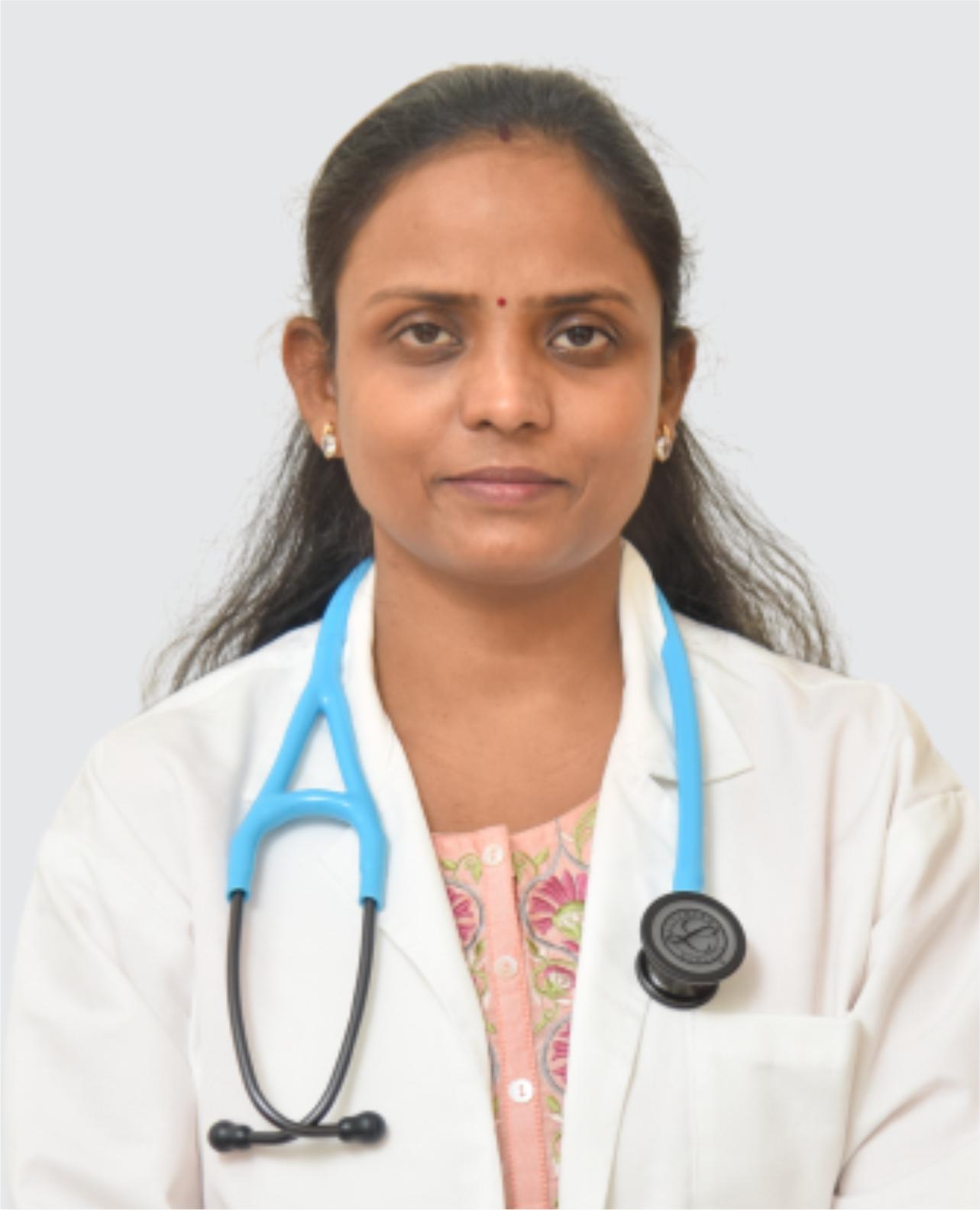
Consultant - Pediatric Rheumatology
Pediatric Rheumatology
New Delhi
13+ Years
Experience
Artemis Hospital
Hospital
1500
Fees

Unit Head
Maternity, Obstetrics & Gynaecology
New Delhi
20+ Years
Experience
Artemis Hospital
Hospital
1500
Fees

Sr. Consultant - Urology & Kidney Transplant Program (Unit I)
Organ Transplant, Urology
New Delhi
8+ Years
Experience
Artemis Hospital
Hospital
1500
Fees

Sr. Consultant
Internal Medicine
New Delhi
12+ Years
Experience
Artemis Hospital
Hospital
1500
Fees

Chief and Unit Head - Orthopaedics (Unit III)
Orthopaedic Surgery, Orthopaedics, Robotic Surgery
New Delhi
20+ Years
Experience
Artemis Hospital
Hospital
1500
Fees

Principal Lead - Physiotherapy
Physiotherapy and Rehabilitation
New Delhi
13+ Years
Experience
Artemis Hospital
Hospital
1500
Fees

Chairperson
Radiology
New Delhi
28+ Years
Experience
Artemis Hospital
Hospital
1500
Fees

Chairperson, Adult Cardiac Surgery & Heart - Lung Transplant
Cardio Thoracic and Vascular Surgery, Vascular Surgery
New Delhi
34+ Years
Experience
Artemis Hospital
Hospital
1500
Fees
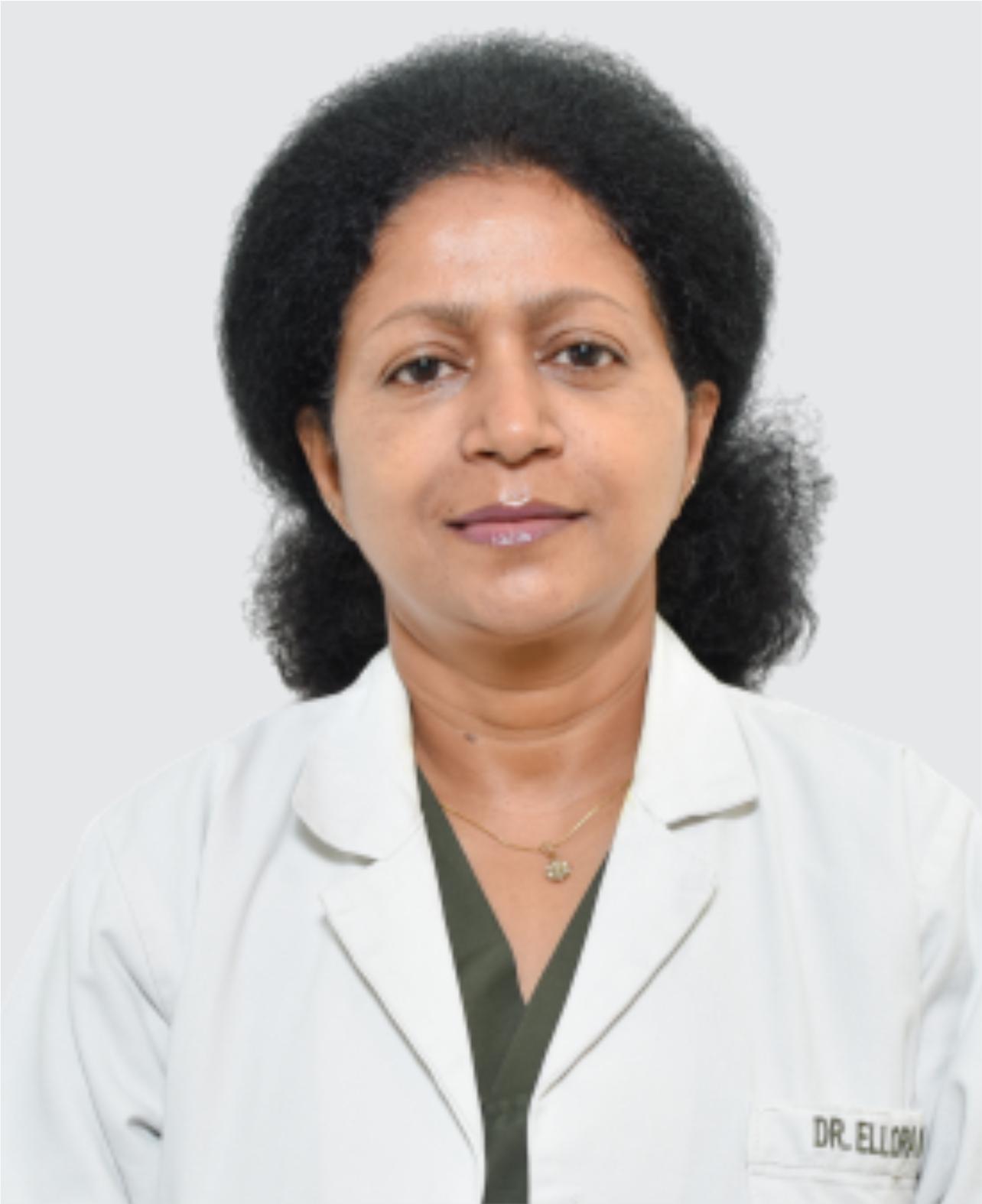
Admin Head - Emergency
Emergency & Trauma Services
New Delhi
25+ Years
Experience
Artemis Hospital
Hospital
1500
Fees
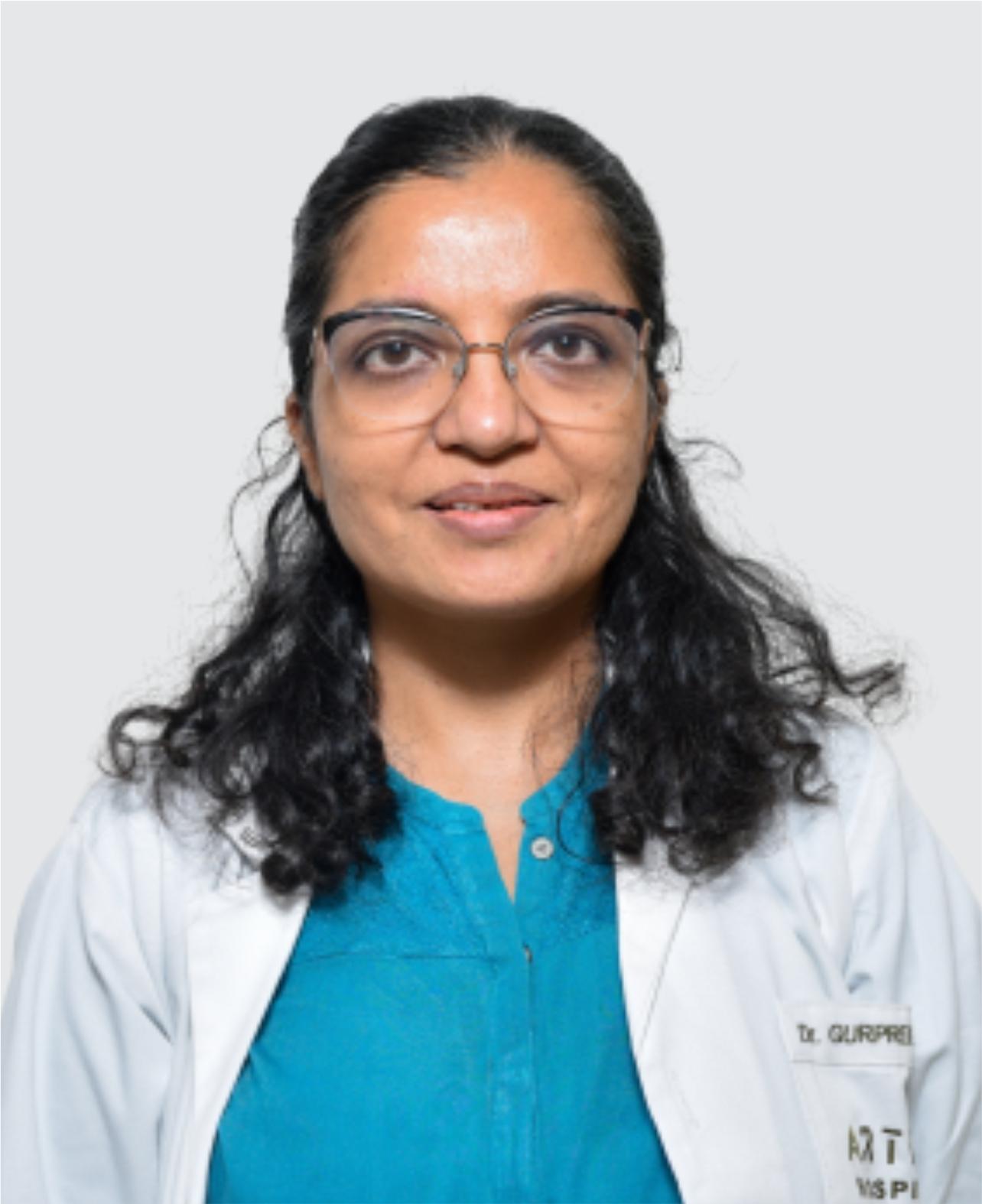
Head Imaging & Chief DNB Program
Radiology
New Delhi
19+ Years
Experience
Artemis Hospital
Hospital
1500
Fees
Get Personalized Medical Treatment Options From India's Top Hospitals. Our Medical Experts Are Ready To Assist You Every Step Of The Way.