
Spinal Cord Stimulation Treatment in Chennai for Iraq
Need Personalized Advice?
Our medical experts are ready to answer your questions and guide you through your treatment options.
Our medical experts are ready to answer your questions and guide you through your treatment options.
Iraqi patients facing persistent, debilitating pain often look for advanced care that is both effective and accessible. The prospect of undergoing a specialized procedure like Spinal Cord Stimulation abroad can bring questions about treatment quality, recovery pathways, and overall patient experience in an unfamiliar setting.
For many seeking relief, Chennai emerges as a leading choice for complex medical treatments. The city provides a structured and supportive healthcare environment, combining leading-edge medical technology with highly skilled specialists, all within a framework designed to accommodate international patients efficiently.
Chennai's medical reputation is built on its network of world-class hospitals and a dedicated team of neurosurgeons and pain management experts. Patients choosing Chennai benefit from comprehensive care, clear follow-up protocols, and an integrated system focused on ensuring a smooth treatment and recovery journey within the city.
Is Chennai the suitable destination for your spinal cord stimulation treatment?
Spinal Cord Stimulation (SCS) is an advanced treatment designed to manage chronic pain, particularly neuropathic pain that has not responded to other therapies. It involves implanting a small device under the skin, usually in the abdomen or buttock, which delivers mild electrical pulses to the spinal cord. These pulses interfere with the pain signals traveling to the brain, replacing pain sensations with a tingling feeling (paresthesia) or, with newer systems, no sensation at all. This therapy aims to significantly reduce pain, improve functional abilities, and enhance the patient's quality of life.
Different types of SCS systems and programming approaches exist, tailored to individual patient needs and pain profiles:
The Spinal Cord Stimulation procedure typically involves two main stages: a trial period followed by permanent implantation if the trial is successful.
During the trial, thin insulated wires (leads) are temporarily placed in the epidural space near the spinal cord, usually under local anesthesia and mild sedation. The leads are connected to an external stimulator worn on a belt. This phase typically lasts for 5-7 days, allowing the patient to assess the level of pain relief and improvement in function. If the trial results in a significant reduction in pain (typically 50% or more), the patient may proceed to permanent implantation.
If the trial is successful, the permanent SCS system is implanted. This involves surgically placing the leads in the epidural space, similar to the trial. The leads are then connected to a small, battery-powered neurostimulator (IPG - Internal Pulse Generator) that is implanted under the skin, usually in the lower back, abdomen, or buttock. The procedure is performed under general anesthesia. The neurostimulator is programmed externally by the medical team to deliver specific electrical pulses that optimize pain relief for the patient.
Following spinal cord stimulator implantation, patients typically spend one to two nights in the hospital. Recovery involves careful incision site management, avoiding strenuous activities, lifting, or twisting for several weeks to allow the leads to settle and prevent dislodgement. Patients will receive instructions on how to manage their device and typically have follow-up appointments for programming adjustments to optimize pain relief. Physical therapy may be recommended to help regain strength and mobility. The full recovery period and return to normal activities can vary but generally takes a few months, with ongoing support from the medical team.
The success rate for Spinal Cord Stimulation in providing significant pain relief typically ranges from 50% to 70%, meaning a substantial reduction in chronic pain and improved quality of life. However, outcomes can vary widely based on the underlying condition, the patient's individual response, the type of SCS system used, and adherence to post-procedure care. Long-term success also depends on realistic expectations and ongoing management with the medical team.
The cost of Spinal Cord Stimulation in Chennai is influenced by several factors, including the specific type of stimulator chosen (e.g., conventional, high-frequency, DRG), the brand and technology of the device, the hospital's infrastructure, the surgeon's experience, and the duration of hospitalization. Pre-operative evaluations, medications, and post-operative follow-up care also contribute to the overall expenditure.
The estimated cost for Spinal Cord Stimulation in Chennai can range from approximately INR 10,00,000 to INR 25,00,000, depending on the complexity and chosen device.
Comparing the cost of Spinal Cord Stimulation in Chennai with other international locations highlights the significant affordability advantages without compromising on quality of care.
| Location | Estimated Cost (USD) |
|---|---|
| Chennai, India | $12,000 - $30,000 |
| United States | $40,000 - $80,000 |
| United Kingdom | $35,000 - $65,000 |
| Germany | $30,000 - $55,000 |
| Singapore | $25,000 - $45,000 |
| Turkey | $18,000 - $35,000 |
Choosing Spinal Cord Stimulation in Chennai means opting for world-class care designed to help you regain comfort and improve your quality of life.
India offers premium medical procedures at affordable prices. Discover our most popular treatments, delivered by the country's finest doctors.
Meet our team of highly qualified and experienced medical professionals dedicated to providing the best healthcare services.
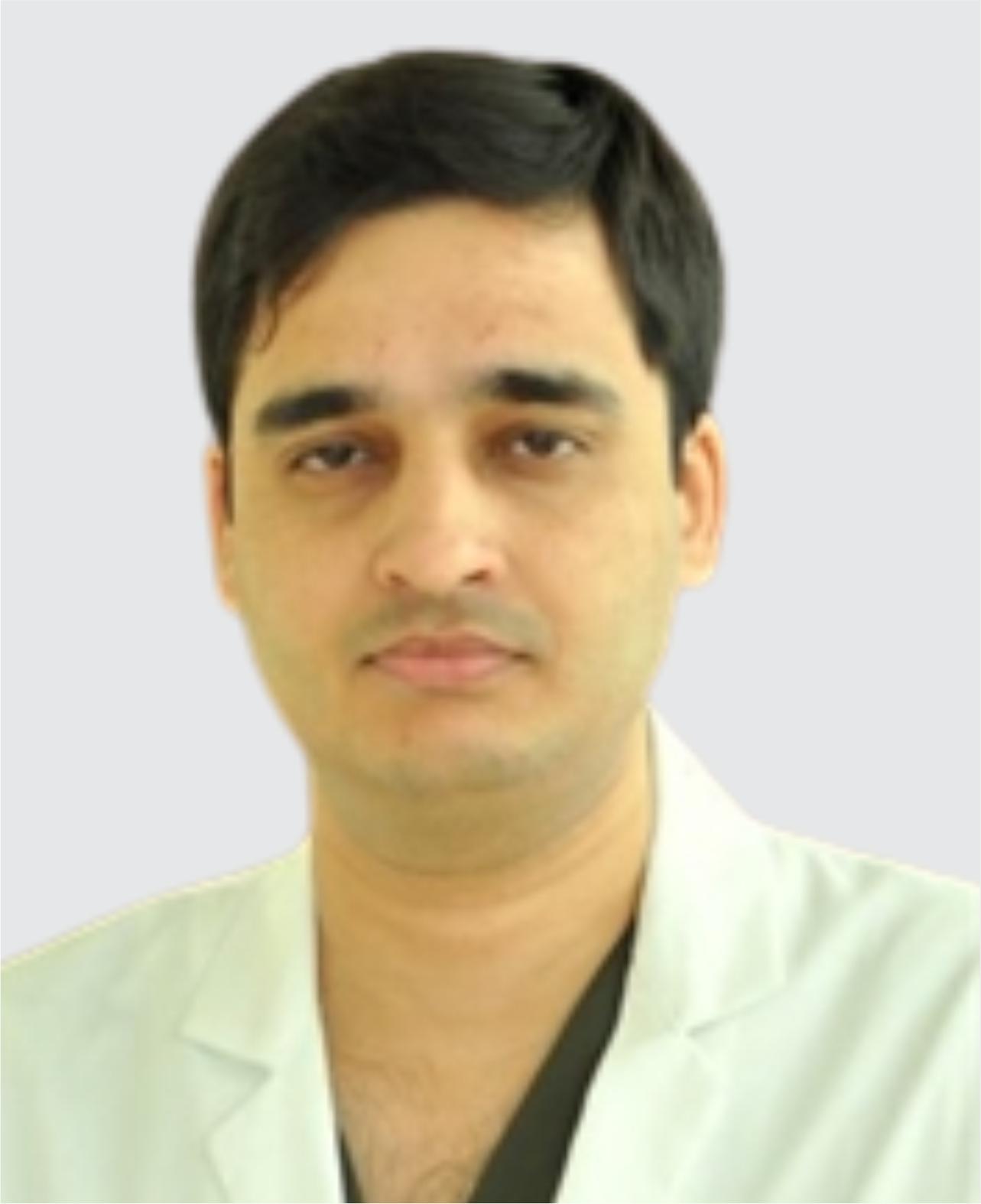
Sr. Consultant - Anaesthesia, Critical Care & Pain Management
Anaesthesia, Critical Care, Pain Management
New Delhi
15+ Years
Experience
Artemis Hospital
Hospital
1500
Fees
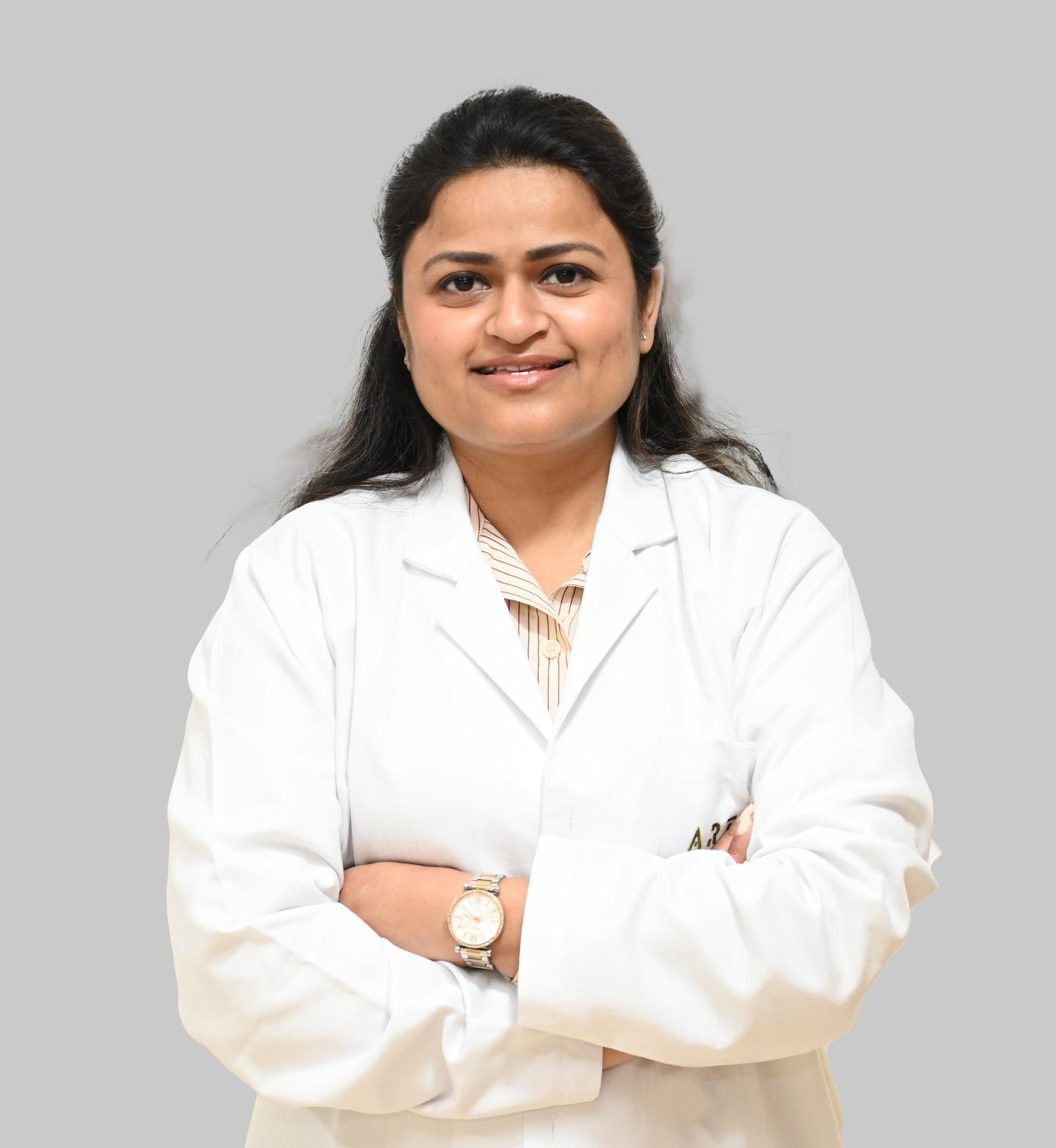
Consultant - Physiotherapy and Rehabilitation Centre
Physiotherapy and Rehabilitation Centre
New Delhi
10+ Years
Experience
Artemis Hospital
Hospital
1500
Fees
Principal Director - Pulmonology
Pulmonology
New Delhi
40+ Years
Experience
Max Hospital,Gurgaon
Hospital
1500
Fees
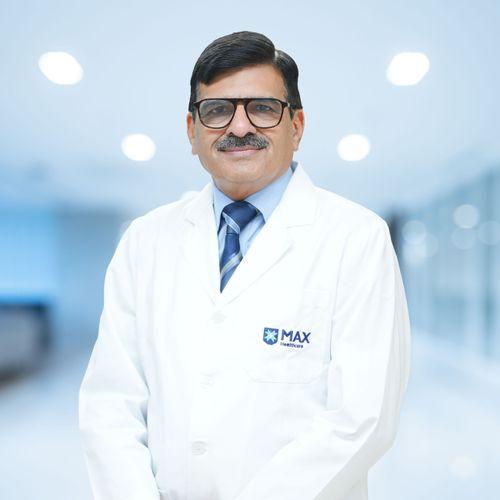
Director
Neurosciences
New Delhi
14+ Years
Experience
Apolo Delhi
Hospital
1500
Fees
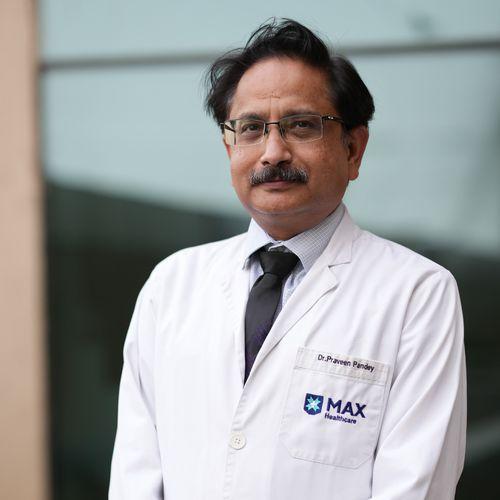
Director
Neuroscience
New Delhi
17+ Years
Experience
Apolo Delhi
Hospital
1500
Fees
Get Personalized Medical Treatment Options From India's Top Hospitals. Our Medical Experts Are Ready To Assist You Every Step Of The Way.