Centres Of Excellence
Our Centres of Excellence bring together multidisciplinary teams to deliver precise diagnosis, advanced treatments, and superior outcomes across a wide spectrum of medical specialties.
OVERVIEW
Spinal Cord Stimulation aims to alleviate chronic, intractable pain, especially neuropathic pain, by implanting a small device that delivers electrical impulses to the spinal cord. It's a reversible procedure that offers a significant improvement in quality of life for suitable patients after a successful trial period. DivinHeal connects you to world-class neurosurgeons and pain management specialists.
PROCEDURE
SCS Trial (Temporary Implant)
This is a crucial diagnostic step. Under local anesthesia and often light sedation, the pain specialist inserts one or two thin, flexible leads (electrodes) into the epidural space near the spinal cord, typically through a needle. The leads are connected to an external stimulator worn on a belt. Patients go home with the trial stimulator for 5-7 days to evaluate its effectiveness in reducing pain during daily activities. If pain relief of 50% or more is achieved, the trial is considered successful, indicating a strong likelihood of long-term benefit from permanent implantation.
Permanent SCS Implant
If the trial is successful, the permanent system is implanted in a surgical procedure, usually under general anesthesia. The leads are carefully advanced into the epidural space and anchored to prevent migration. The neurostimulator (IPG), a small battery-powered device, is then implanted in a 'pocket' created under the skin, usually in the buttock or abdomen. The leads are tunneled under the skin and connected to the IPG. The incisions are closed, and the patient is typically monitored for a day or two. After implantation, the device is programmed wirelessly by the pain specialist to deliver optimal pain relief, with patients using a remote control to adjust settings as needed within prescribed parameters. Modern SCS devices offer various stimulation patterns, including tonic, burst, and high-frequency, tailored to individual patient needs.
BENEFITS
Benefits of Spinal Cord Stimulation
- Significant reduction in chronic neuropathic pain, often leading to improved quality of life and functionality.
- Decreased reliance on oral pain medications, including opioids, reducing associated side effects and risks of dependency.
- Improved ability to perform daily activities, engage in physical therapy, and return to work or hobbies.
- The procedure is reversible; the device can be removed if desired without permanent changes to the spinal cord.
- Adjustable therapy settings, allowing for personalized pain relief that can be fine-tuned over time.
- Many patients experience improved sleep, mood, and overall well-being.
- A successful trial period allows patients to experience the therapy's effectiveness before permanent implantation.
RECOVERY
Spinal Cord Stimulation Recovery Time and Tips
Immediate Post-Procedure
After the permanent SCS implant, patients typically stay in the hospital for 1-2 days for monitoring and initial programming. There might be some soreness at the incision sites, managed with prescribed pain medication. During the temporary trial, patients are usually discharged the same day, with instructions for careful movement to prevent lead displacement.
Long-Term Recovery and Rehabilitation
- Activity Restrictions: For 6-8 weeks post-implantation, patients are advised to avoid strenuous activities, heavy lifting, excessive twisting, or bending to allow the leads to anchor securely and prevent migration.
- Device Programming: Several follow-up appointments will be scheduled for fine-tuning the SCS device. The pain specialist will work closely with the patient to adjust stimulation settings to achieve optimal pain relief. This iterative process is key to long-term success.
- Physical Therapy: Often recommended to regain strength, flexibility, and function, complementing the pain relief provided by SCS. This helps integrate the reduced pain into improved mobility.
- Psychological Support: Chronic pain can have significant psychological impacts. Counseling or support groups can be beneficial in addressing the emotional aspects of living with chronic pain and adjusting to the SCS device.
- Long-Term Management: Regular follow-ups with the pain specialist are necessary to monitor the device, manage battery life, and address any changes in pain patterns or effectiveness. Battery replacement for non-rechargeable devices typically occurs every 5-10 years, while rechargeable systems require regular charging by the patient.
- Lifestyle Adjustments: Patients receive guidance on safely using their SCS device during everyday activities, including magnetic field precautions and device care.
WHAT WE TREAT
- Refractory Back Pain (Failed Back Surgery Syndrome - FBSS)
- Complex Regional Pain Syndrome (CRPS)
- Neuropathic pain conditions (e.g., painful diabetic neuropathy, postherpetic neuralgia, post-surgical neuropathic pain)
- Radicular pain (sciatica, nerve root compression)
- Arachnoiditis
- Pain from peripheral vascular disease
PREPARATION
- Comprehensive Medical Evaluation: This includes a thorough review of medical history, physical examination, neurological assessment, and psychological evaluation to confirm suitability for SCS and identify any contraindications.
- Diagnostic Imaging Studies: MRI or CT scans of the spine may be performed to identify anatomical considerations, previous surgical sites, or potential issues that could impact lead placement.
- Medication Review: Patients will need to discuss all current medications with their doctor. Specific instructions will be given regarding stopping certain medications, especially blood thinners or anti-platelet agents, several days or a week before the procedure to minimize bleeding risks.
- Fasting: Patients are typically required to fast for a specified period (usually 6-8 hours) before the procedure, especially if general anesthesia or sedation is used.
- Hygiene Protocols: Instructions for bathing with an antiseptic soap (e.g., chlorhexidine) may be given for several days prior to the procedure to reduce the risk of infection.
- Arrangements for Support: Patients should arrange for transportation to and from the hospital and have someone assist them at home, particularly during the initial recovery period after the trial and permanent implant.
- Psychological Screening: A psychological evaluation is often part of the preparation to ensure patients have realistic expectations and good coping mechanisms for managing chronic pain.
RISKS
- Infection: At the incision sites or around the implanted device, potentially requiring antibiotic treatment or device removal.
- Lead Migration or Fracture: Leads can move from their intended position, leading to reduced pain relief or requiring revision surgery to reposition or replace them.
- Hardware Malfunction: Device failure, battery depletion (requiring replacement), or connection issues between leads and the IPG.
- Bleeding or Hematoma: At the surgical sites, which can sometimes require drainage.
- Spinal Cord Injury: Although rare, direct damage to the spinal cord during lead placement can occur, potentially leading to neurological deficits.
- Cerebrospinal Fluid (CSF) Leak: Can cause headaches and may require further intervention to seal the leak.
- Pain at Implant Site: Discomfort, bruising, or chronic pain where the IPG is placed, which may require local treatment or revision.
- Lack of Efficacy: The therapy may not provide sufficient or sustained pain relief for some individuals, even after a successful trial.
- Allergic Reaction: To materials used in the device components or surgical adhesives.
- Epidural Hematoma/Abscess: Rare but serious complications that can put pressure on the spinal cord.
JOURNEY
The patient journey for Spinal Cord Stimulation typically begins with a thorough diagnostic evaluation by a pain specialist. This includes identifying the type and cause of chronic pain, often involving imaging and nerve conduction studies. If SCS is deemed a suitable option, patients undergo a temporary trial period, usually 5-7 days, where external leads are placed to assess pain reduction. A successful trial leads to the permanent implantation of the SCS system. Post-surgery, programming and fine-tuning of the device are crucial for optimal pain relief, followed by physical therapy and ongoing pain management to maximize recovery and long-term benefits. DivinHeal coordinates every step, from initial consultation, visa and travel assistance, to post-operative follow-up and care.
OUTCOMES
<p>Patients typically experience significant reduction in chronic pain, leading to improved functional ability, reduced reliance on pain medication, and a better quality of life. Long-term outcomes often include enhanced mobility and participation in daily activities.</p>
Related Links
Doctors For Treatment in Similar Locations
- Best Spinal Cord Stimulation Doctors in Bengaluru
- Best Spinal Cord Stimulation Doctors in Chennai
- Best Spinal Cord Stimulation Doctors in Gurugram
- Best Spinal Cord Stimulation Doctors in Hyderabad
- Best Spinal Cord Stimulation Doctors in India
- Best Spinal Cord Stimulation Doctors in Mumbai
- Best Spinal Cord Stimulation Doctors in New Delhi
- Best Spinal Cord Stimulation Doctors in Pune
Best Hospital Near by for treatment
- Best Spinal Cord Stimulation Hospitals in Bengaluru
- Best Spinal Cord Stimulation Hospitals in Chennai
- Best Spinal Cord Stimulation Hospitals in Gurugram
- Best Spinal Cord Stimulation Hospitals in Hyderabad
- Best Spinal Cord Stimulation Hospitals in India
- Best Spinal Cord Stimulation Hospitals in Mumbai
- Best Spinal Cord Stimulation Hospitals in New Delhi
- Best Spinal Cord Stimulation Hospitals in Pune
Hospitals Offering this treatment
India offers premium medical procedures at affordable prices. Discover our most popular treatments, delivered by the country's finest doctors.
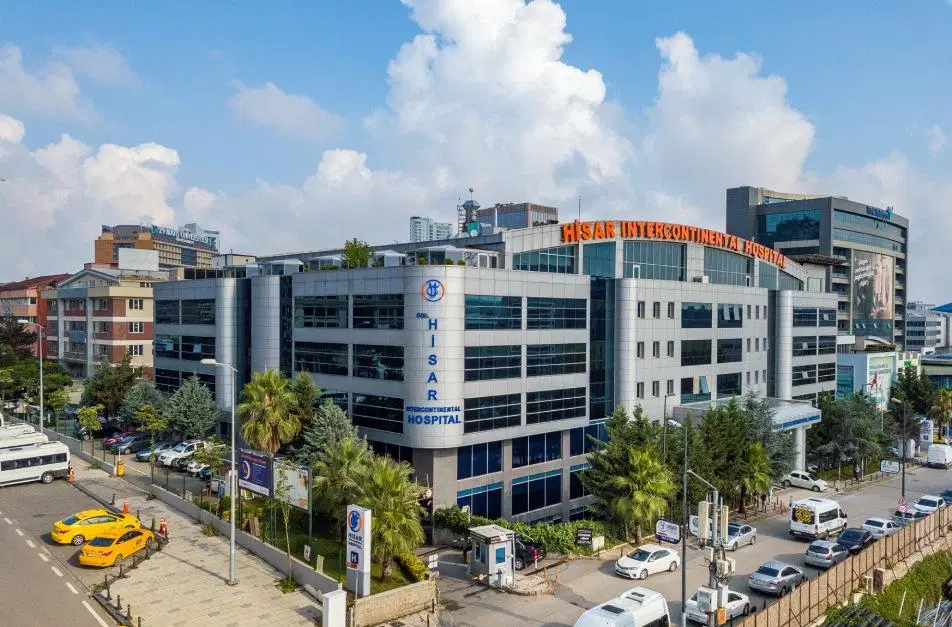
Hisar Intercontinental Hospital
Saray Mah. Siteyolu Cad. No:7, Umraniye, 34768, Istanbul, Turkey
Hisar Intercontinental Hospital
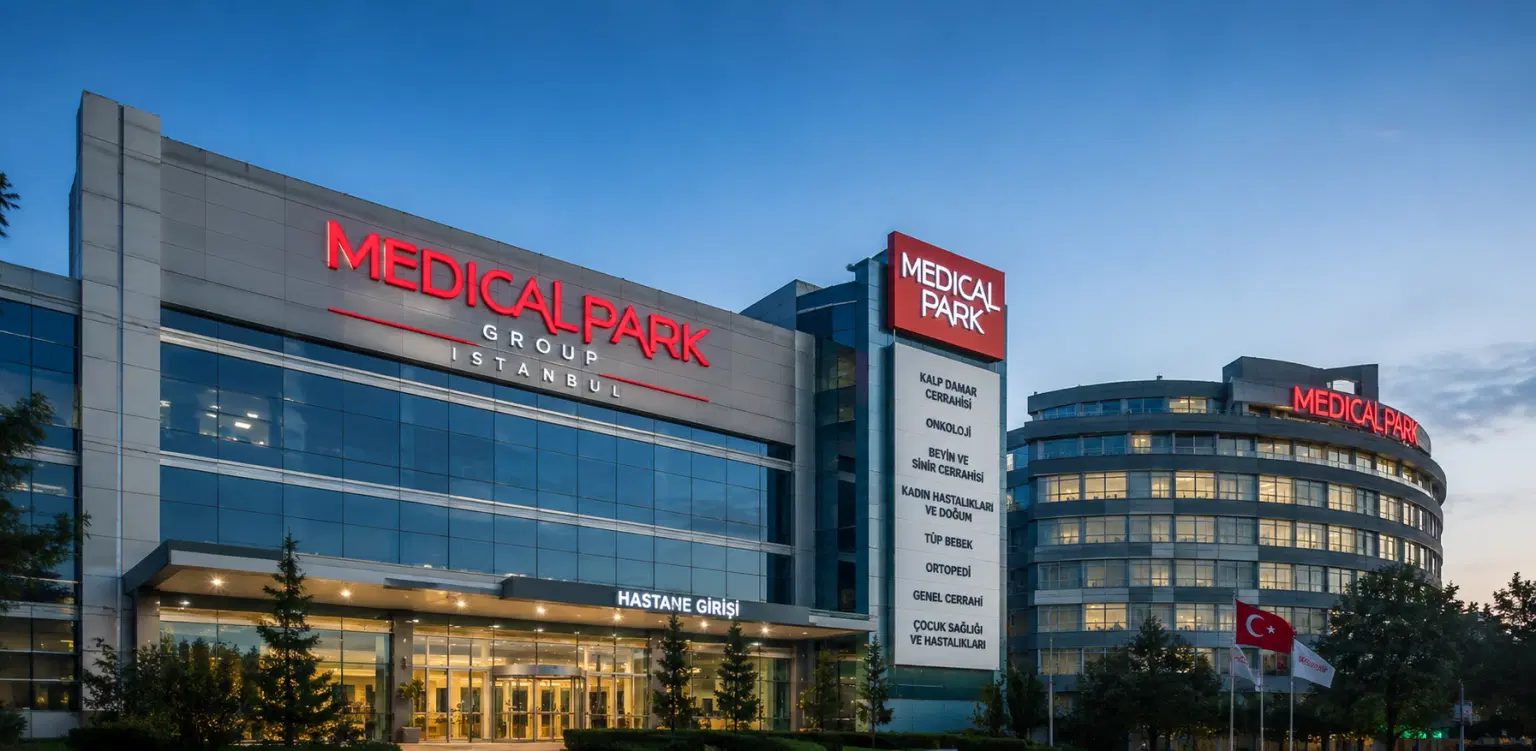
Medical Park Group, Istanbul
Fahrettin Kerim Gokay Cad. Tıbbiye Cd., Kadikoy, Istanbul, Turkey
Medical Park Group, Istanbul
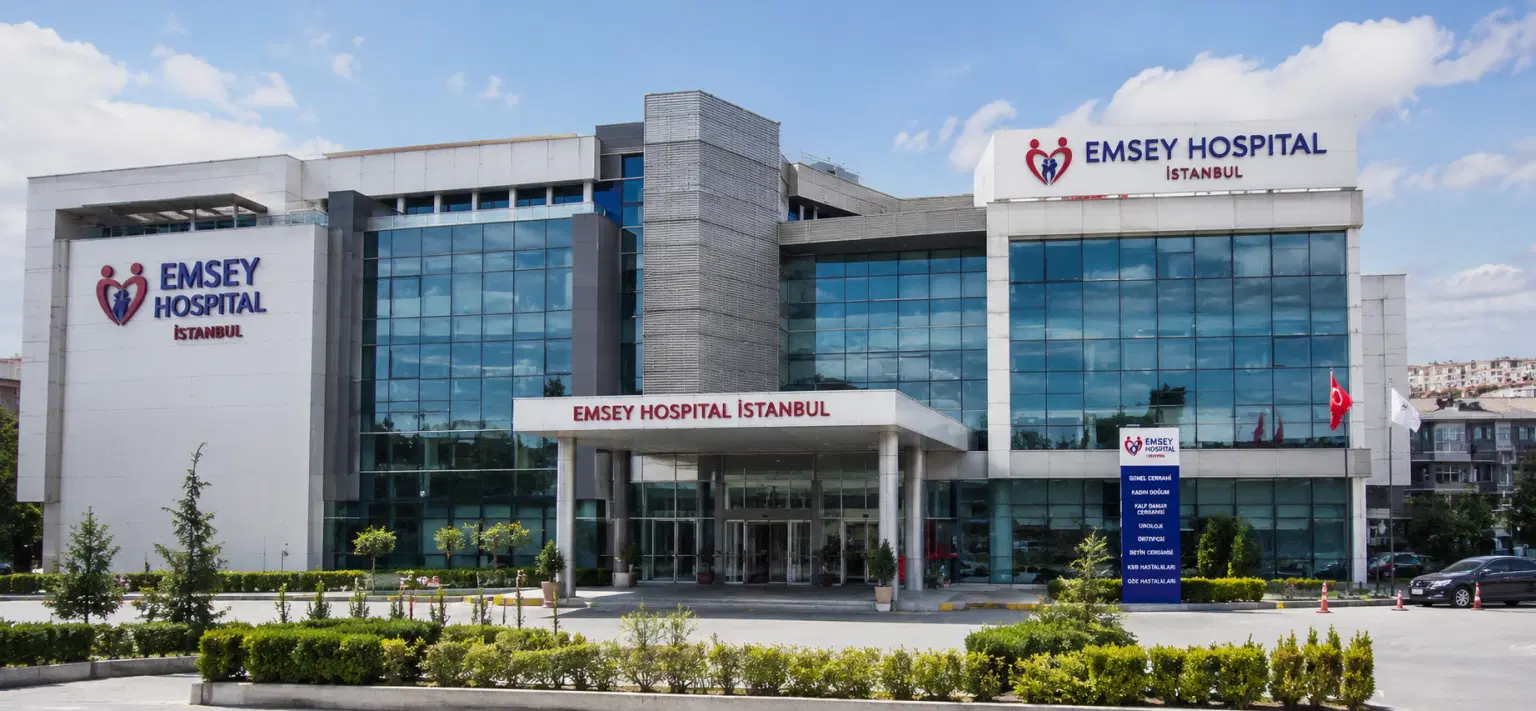
Emsey Hospital, Pendik, Istanbul
Çamlık, Selçuklu Cd. No:22, 34912 Pendik/İstanbul, Türkiye
Emsey Hospital, Pendik, Istanbul
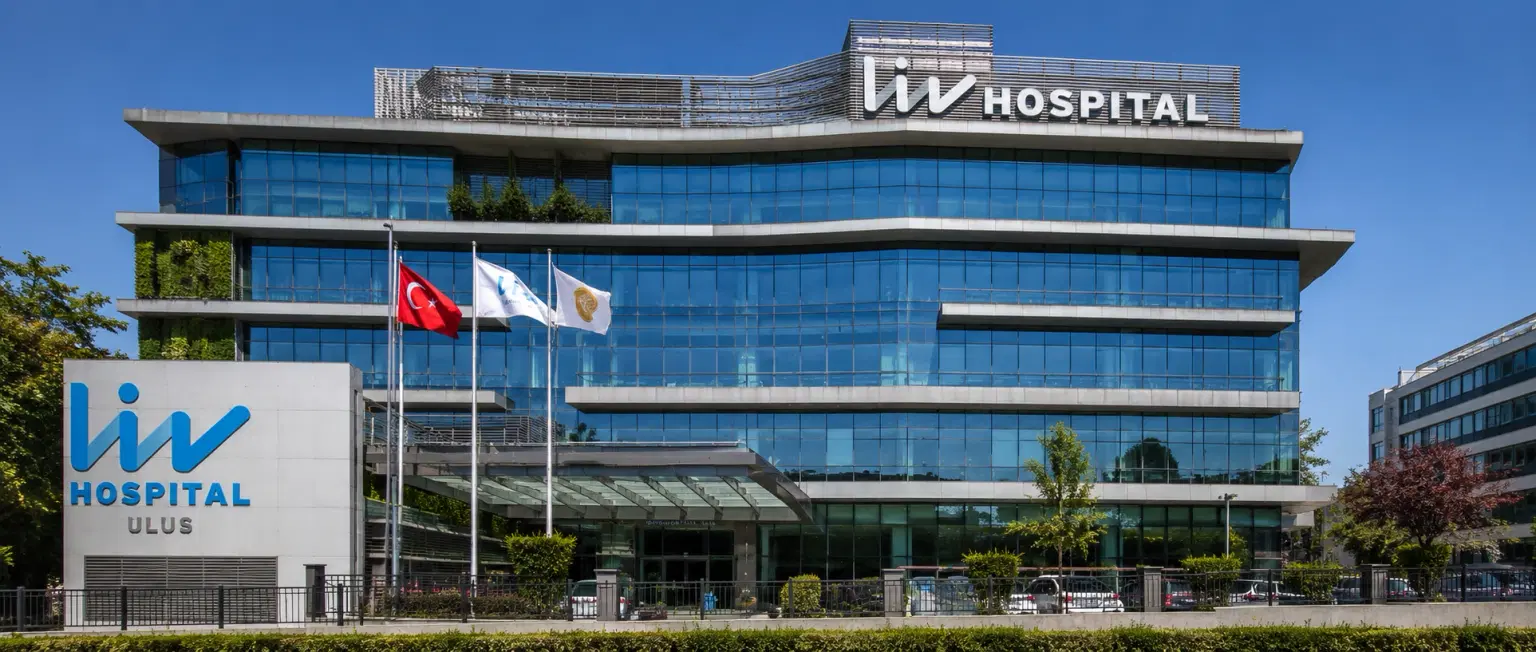
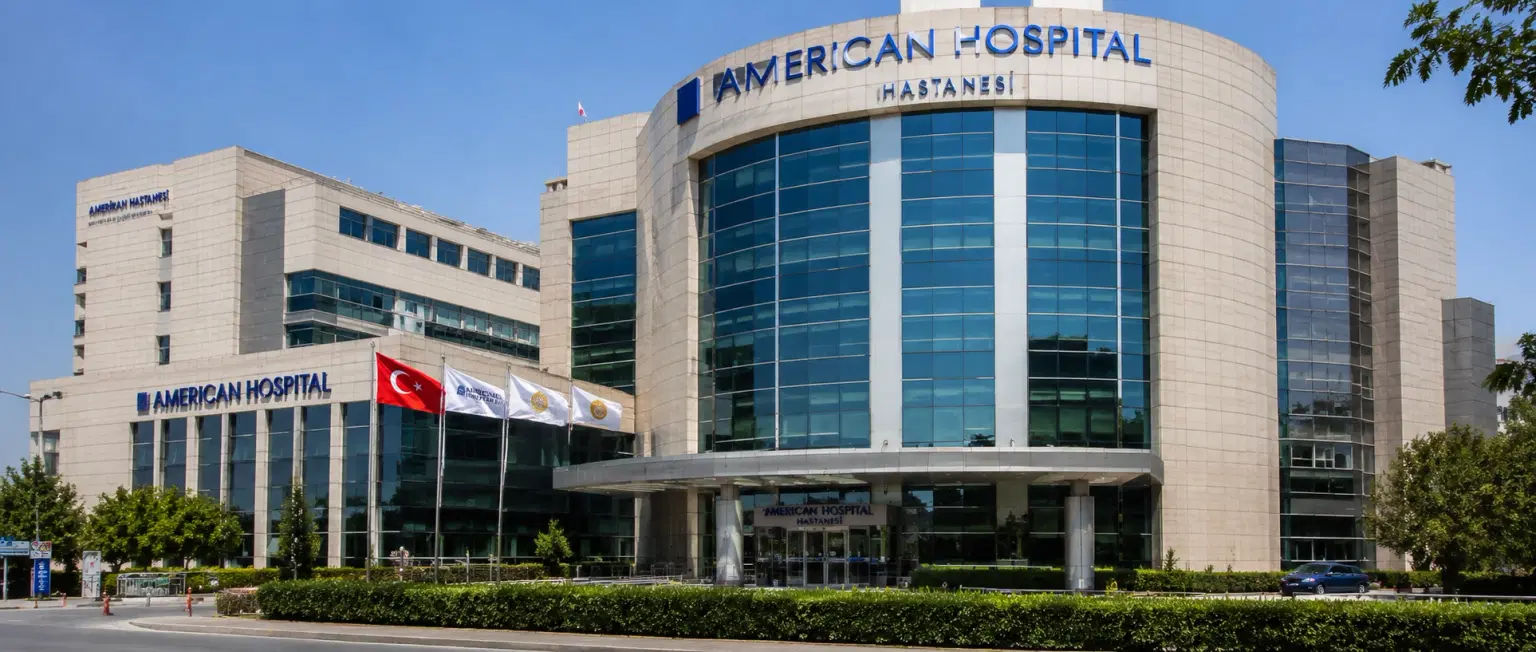
American Hospital, Istanbul
Guzelbahce Sk. No:20, 34365, Nisantasi, Istanbul, Turkey
American Hospital, Istanbul

Memorial Hospitals Group
Burhaniye, Nagehan Sokağı No:4/A D:1, 34676 Üsküdar/İstanbul, Türkiye
Memorial Hospitals Group
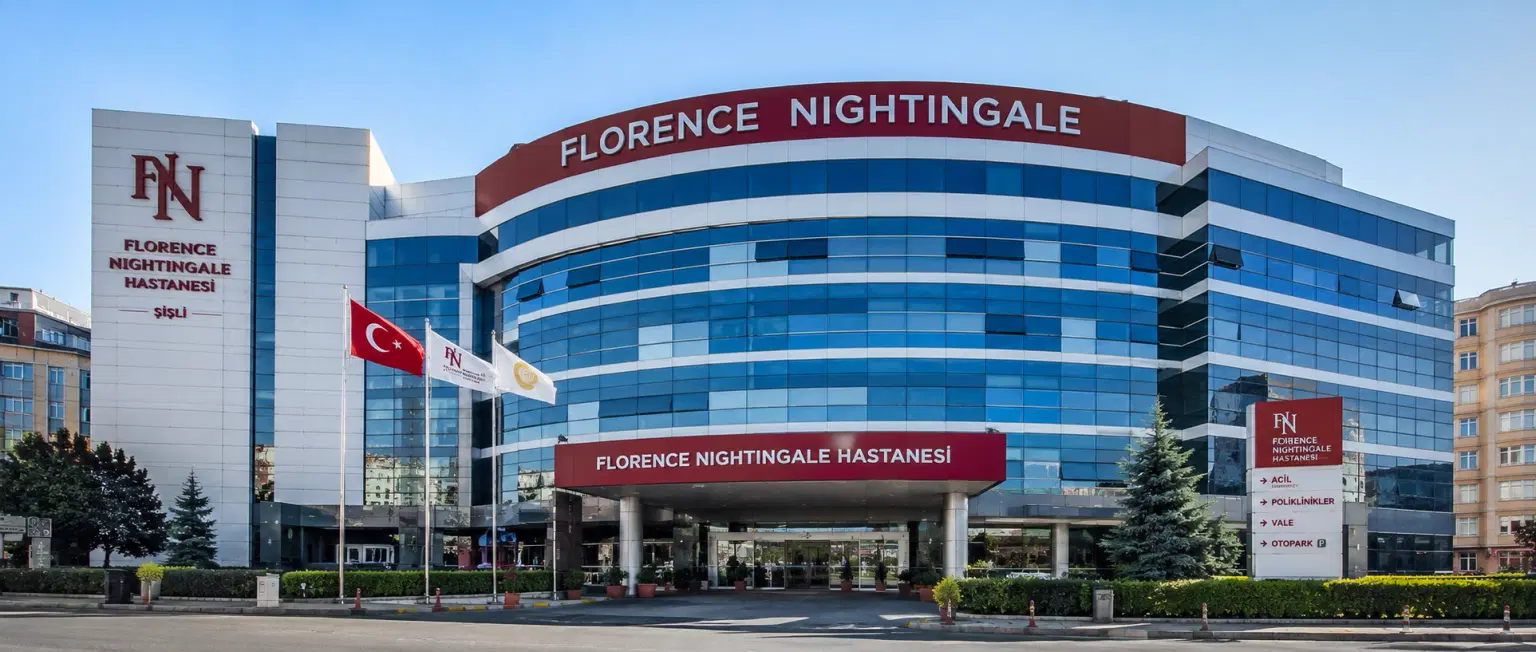
Florence Nightingale Hospital Istanbul
Abide-i Hürriyet Cd No:166, 34381 Sisli, Istanbul
Florence Nightingale Hospital Istanbul
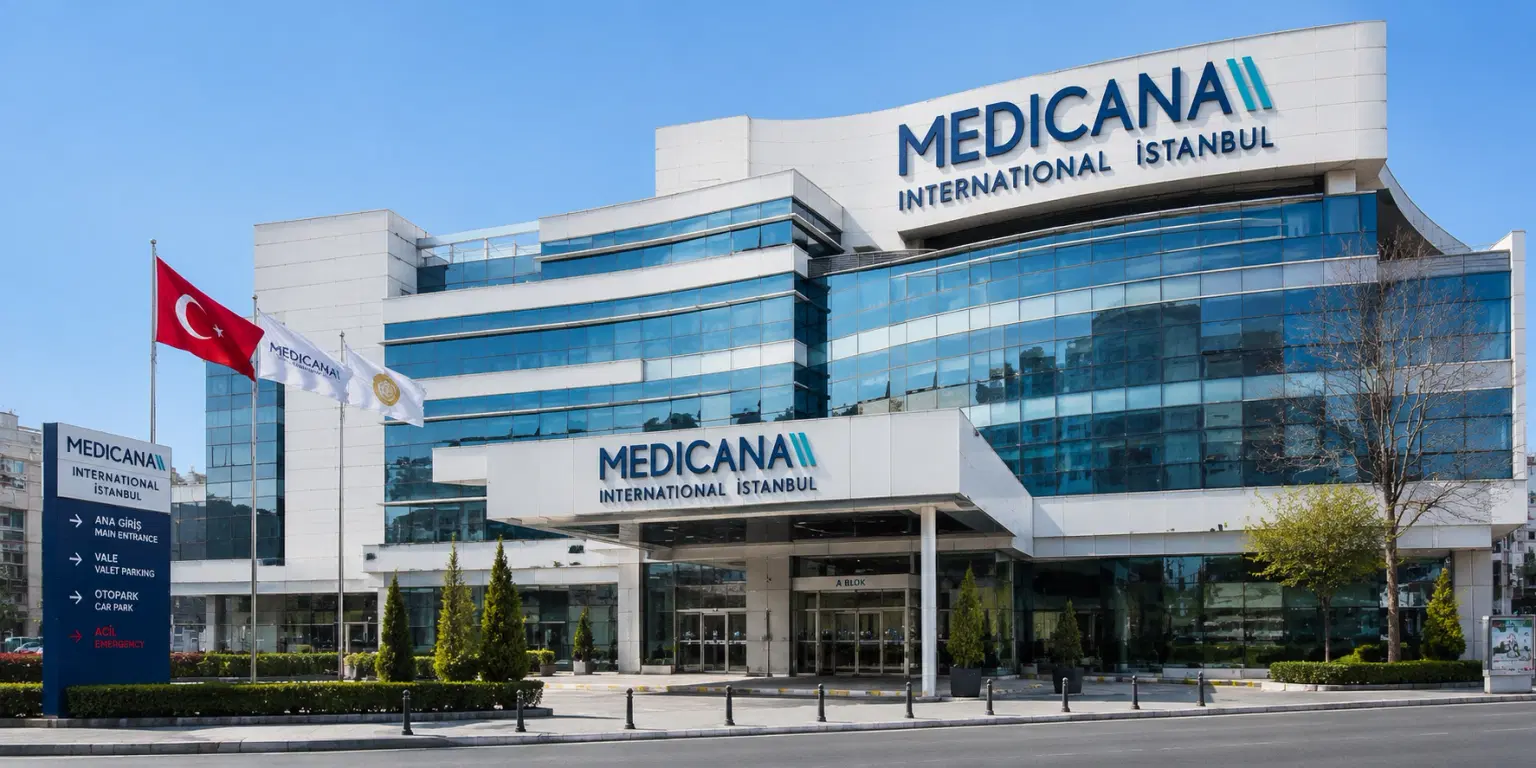
Medicana International Hospital, Istanbul
Halit Ziya Turkkani Mah. Medikal Park Cd. No:1, Beylikdüzü, İstanbul
Medicana International Hospital, Istanbul
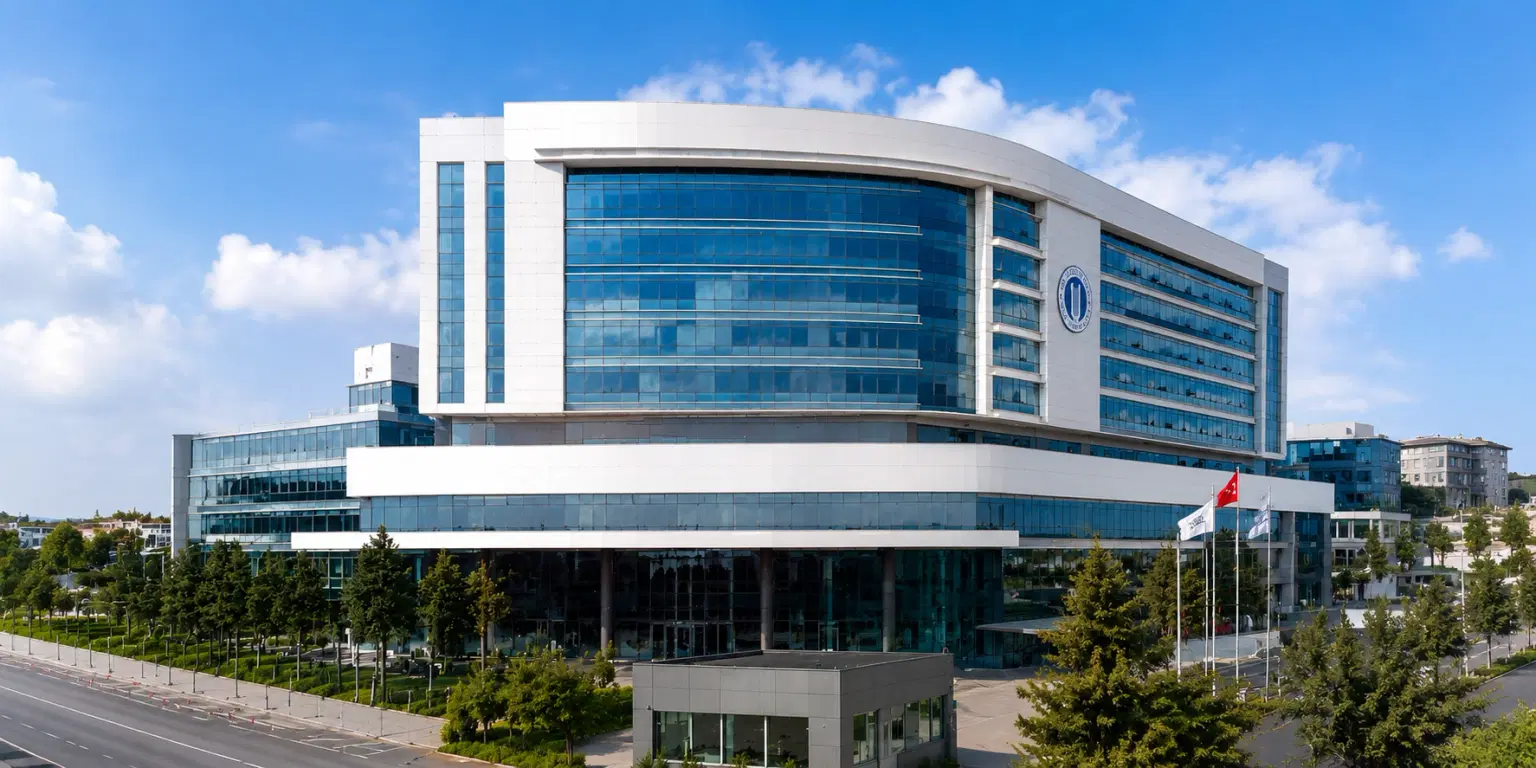
Okan University Hospital Istanbul
Icmeler Mah. Aydınlıyolu Cd. No:2, 34947 Icmeler-Tuzla, Istanbul
Okan University Hospital Istanbul
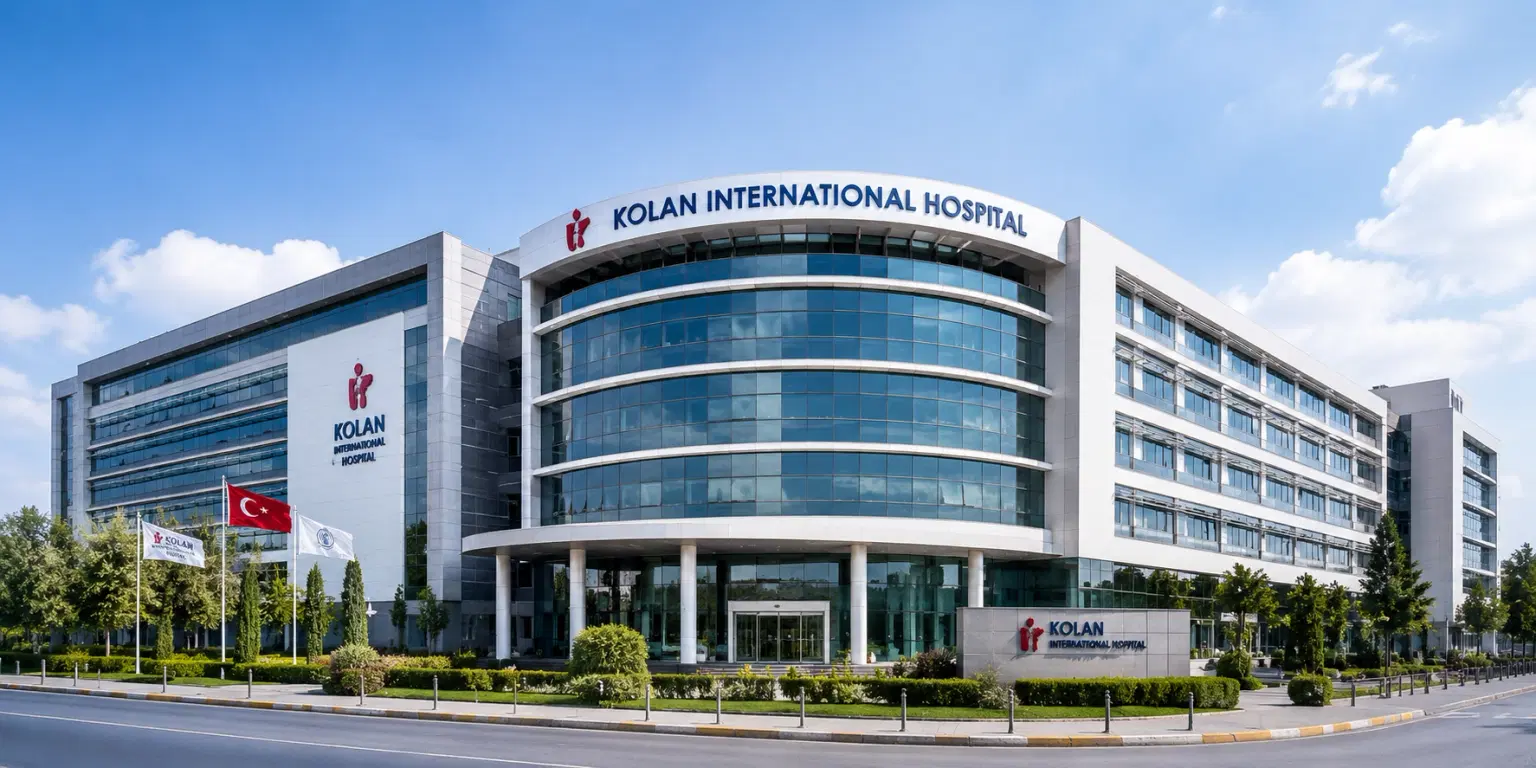
Kolan International Hospital, Istanbul
Kaptanpasa Mah. Okmeydan Kavsagi, Darulaceze Cd. No:14, 34384 Sisli, Istanbul
Kolan International Hospital, Istanbul
Meet Our Doctors
Meet our team of highly qualified and experienced medical professionals dedicated to providing the best healthcare services.
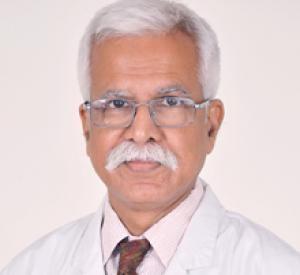
Dr. Ajay Lall
Principal Director - Pulmonology
Pulmonology
New Delhi
40+ Years
Experience
Max Hospital,Gurgaon
Hospital
1500
Fees
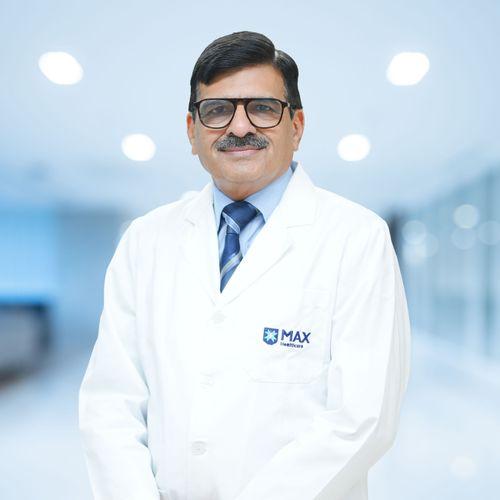
Dr. Alok Joshi
Director
Neurosciences
New Delhi
14+ Years
Experience
Apolo Delhi
Hospital
1500
Fees
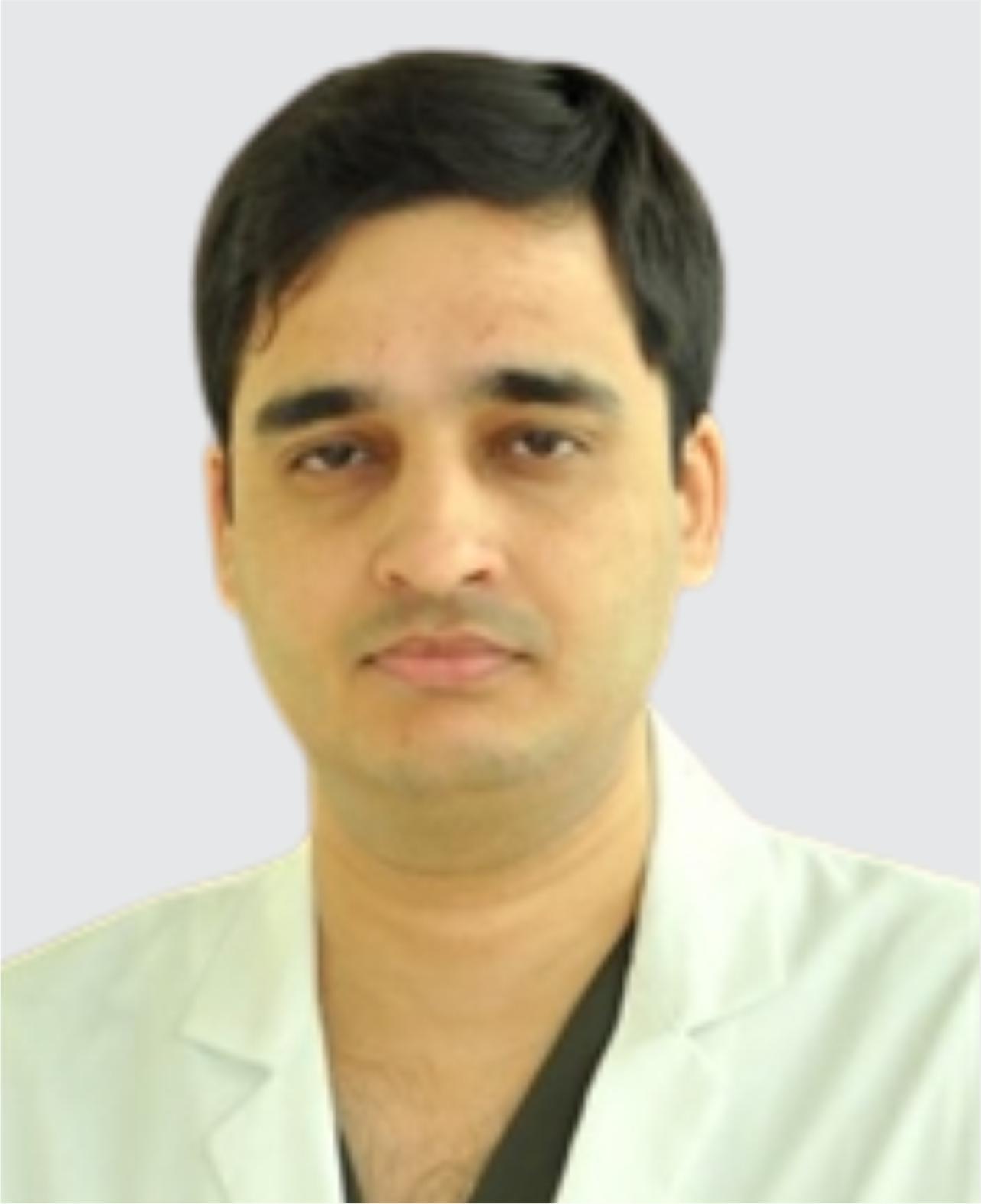
Dr. Amit Kalsotra
Sr. Consultant - Anaesthesia, Critical Care & Pain Management
Anaesthesia, Critical Care, Pain Management
New Delhi
15+ Years
Experience
Artemis Hospital
Hospital
1500
Fees
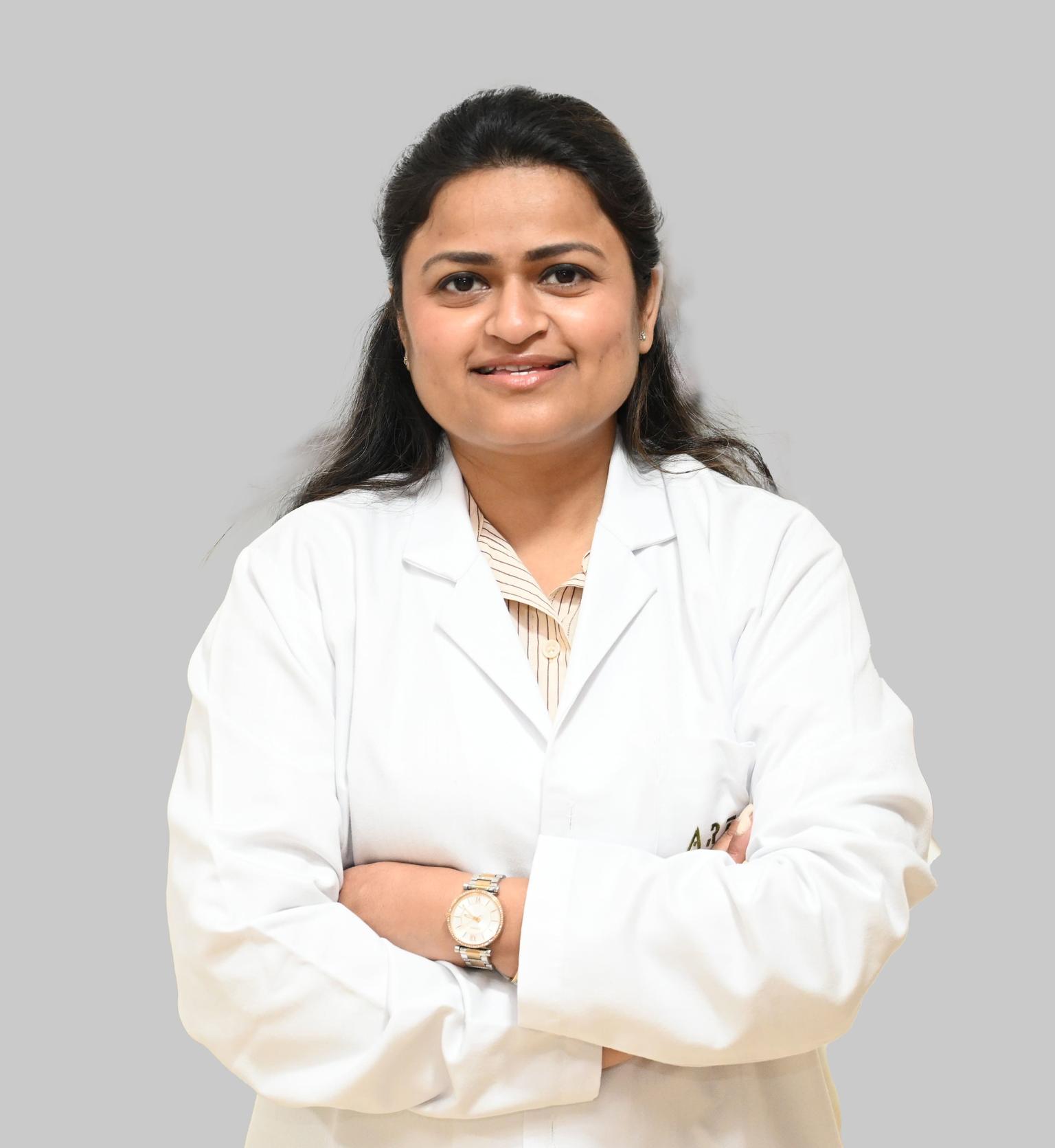
Dr. Anjali Vaish
Consultant - Physiotherapy and Rehabilitation Centre
Physiotherapy and Rehabilitation Centre
New Delhi
10+ Years
Experience
Artemis Hospital
Hospital
1500
Fees
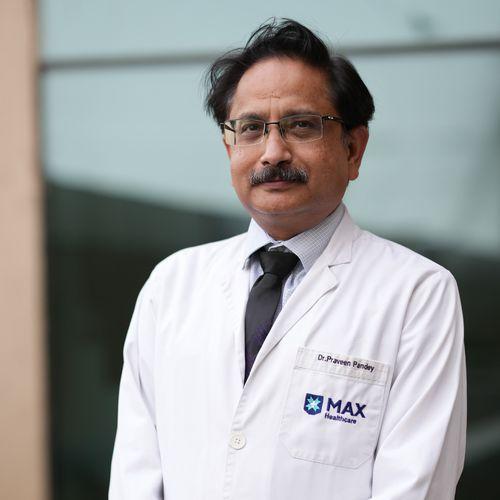
Dr. Praveen Kumar Pandey
Director
Neuroscience
New Delhi
17+ Years
Experience
Apolo Delhi
Hospital
1500
Fees
Booking With DIVINHEAL
Get a free consultation to understand your treatment options