
Spinal Cord Stimulation Treatment in Hyderabad for Iraq
Need Personalized Advice?
Our medical experts are ready to answer your questions and guide you through your treatment options.
Our medical experts are ready to answer your questions and guide you through your treatment options.
For many patients in Iraq enduring chronic, relentless pain, finding an effective long-term solution becomes a primary concern. The possibility of spinal cord stimulation offers hope, but uncertainties about where to seek advanced care and achieve lasting relief often arise.
Hyderabad has emerged as a preferred destination for such specialized treatments. The city provides a comprehensive medical ecosystem, ensuring coordinated care from initial consultation through recovery, making the patient journey smoother for those traveling from abroad.
Trust in Hyderabad's hospitals and neuro-specialists is well-established, drawing on years of experience with international patients. The city offers state-of-the-art facilities and experienced teams dedicated to ensuring patient comfort and successful outcomes, including seamless follow-up planning.
Could Hyderabad be the right choice for your pain management needs?
Spinal Cord Stimulation (SCS) is an advanced treatment designed to manage chronic pain, particularly neuropathic pain, when other therapies have not provided sufficient relief. It involves implanting a small device under the skin, usually in the abdomen or buttock, which sends mild electrical pulses to the spinal cord. These pulses interfere with pain signals traveling to the brain, replacing pain with a tingling sensation or, in newer systems, no sensation at all, effectively reducing the perception of chronic discomfort. It does not cure the underlying condition but significantly improves quality of life by modifying pain signals.
There are several types of SCS systems, each offering different approaches to pain management:
The spinal cord stimulation procedure typically involves two main phases: a trial period followed by a permanent implantation, depending on the patient's response and specific condition.
This temporary phase is performed first to evaluate if SCS effectively reduces your pain. Thin wires (leads) are carefully inserted near the spinal cord through a needle, usually in the epidural space. These leads are connected to an external generator worn on a belt. You will test the device for several days, reporting your pain relief and comfort levels. If significant pain reduction is achieved (typically 50% or more), you may be considered a candidate for permanent implantation.
If the trial is successful, a minor surgical procedure is scheduled. The leads are permanently implanted near the spinal cord, similar to the trial, and then connected to a small battery-powered generator. This generator is typically placed under the skin in the buttock or abdominal area. The device is then programmed by a specialist to deliver optimal electrical pulses tailored to your pain pattern. The procedure is usually performed under local anesthesia with sedation, or sometimes general anesthesia.
Recovery from spinal cord stimulation surgery involves a period of healing and careful management. Immediately after implantation, you will need to limit certain movements like twisting, bending, and heavy lifting for several weeks to prevent lead migration. Pain at the incision site is common and managed with medication. Initial programming adjustments for your device will be made by your medical team, and further refinements may occur over several months. Regular follow-up appointments are essential to monitor your progress, adjust stimulation settings, and ensure the device is functioning optimally. Physical therapy may be recommended to help regain strength and flexibility as you adapt to reduced pain.
Success rates for Spinal Cord Stimulation vary, with many patients experiencing a 50% or greater reduction in their chronic pain. Outcomes largely depend on careful patient selection, the underlying pain condition, and meticulous device programming. SCS is not a cure but a significant pain management tool. Long-term expectations should be realistic, aiming for improved quality of life, reduced reliance on oral pain medications, and enhanced functional ability rather than complete pain eradication.
The cost of Spinal Cord Stimulation in Hyderabad is influenced by several factors, including the type of SCS system implanted (conventional, high-frequency, burst), the specific hospital and specialist chosen, the duration of your hospital stay, and any additional pre- or post-operative care required. Hyderabad offers competitive pricing for advanced medical procedures.
Generally, the cost of Spinal Cord Stimulation in Hyderabad can range from approximately ₹12,50,000 to ₹25,00,000 INR, depending on the complexity and system chosen.
Patients from Iraq considering Spinal Cord Stimulation will find Hyderabad offers a significant cost advantage compared to many Western countries, without compromising on medical standards or technology.
| Location | Estimated Cost (USD) |
|---|---|
| Hyderabad, India | $15,000 - $30,000 |
| United States | $50,000 - $100,000+ |
| United Kingdom | $40,000 - $80,000 |
| Turkey | $25,000 - $50,000 |
| Singapore | $35,000 - $70,000 |
| UAE | $30,000 - $60,000 |
Taking the step towards Spinal Cord Stimulation in Hyderabad can offer a renewed outlook on managing chronic pain. Our team is here to support you at every stage, providing clarity and compassionate care.
India offers premium medical procedures at affordable prices. Discover our most popular treatments, delivered by the country's finest doctors.
Meet our team of highly qualified and experienced medical professionals dedicated to providing the best healthcare services.
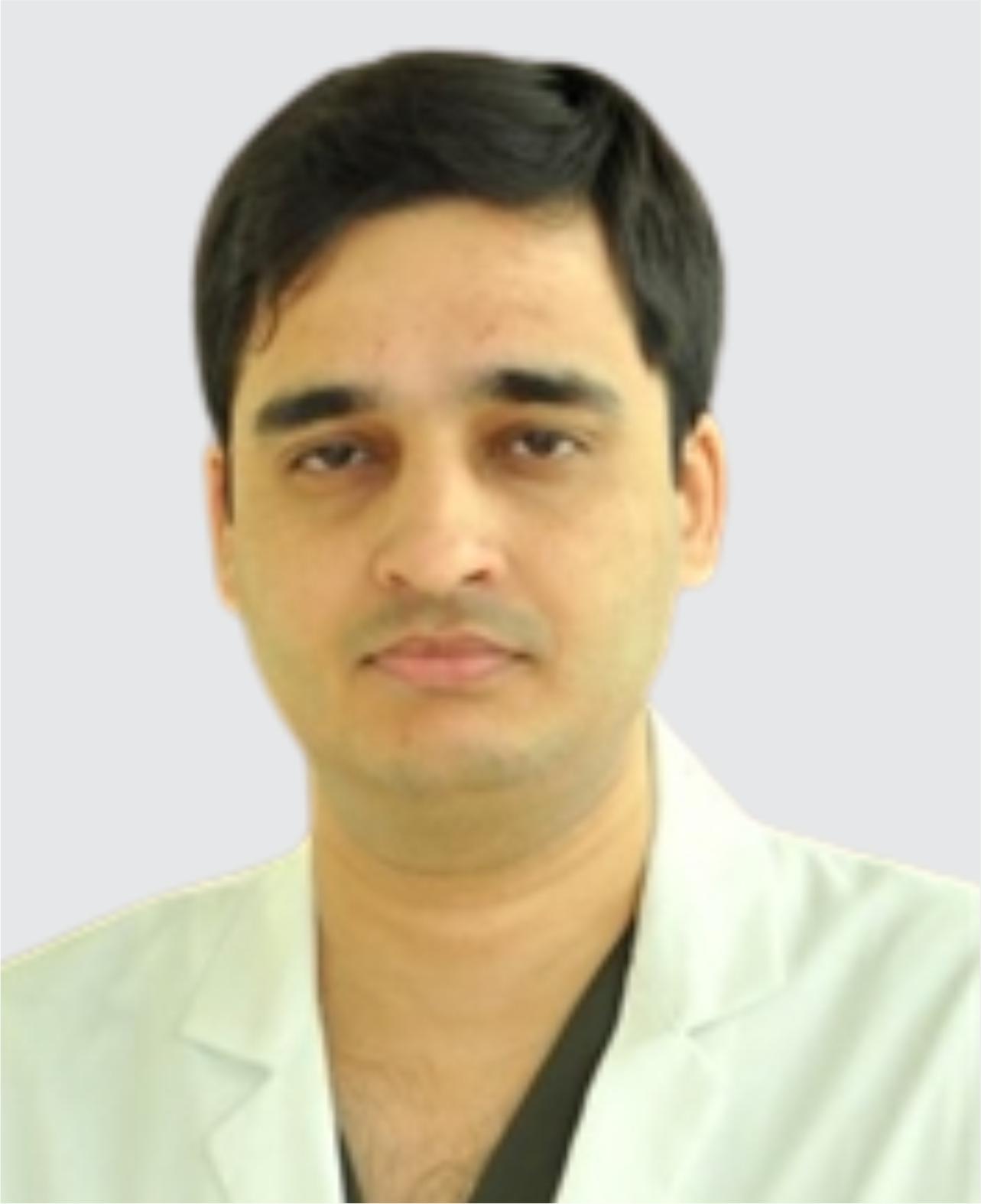
Sr. Consultant - Anaesthesia, Critical Care & Pain Management
Anaesthesia, Critical Care, Pain Management
New Delhi
15+ Years
Experience
Artemis Hospital
Hospital
1500
Fees
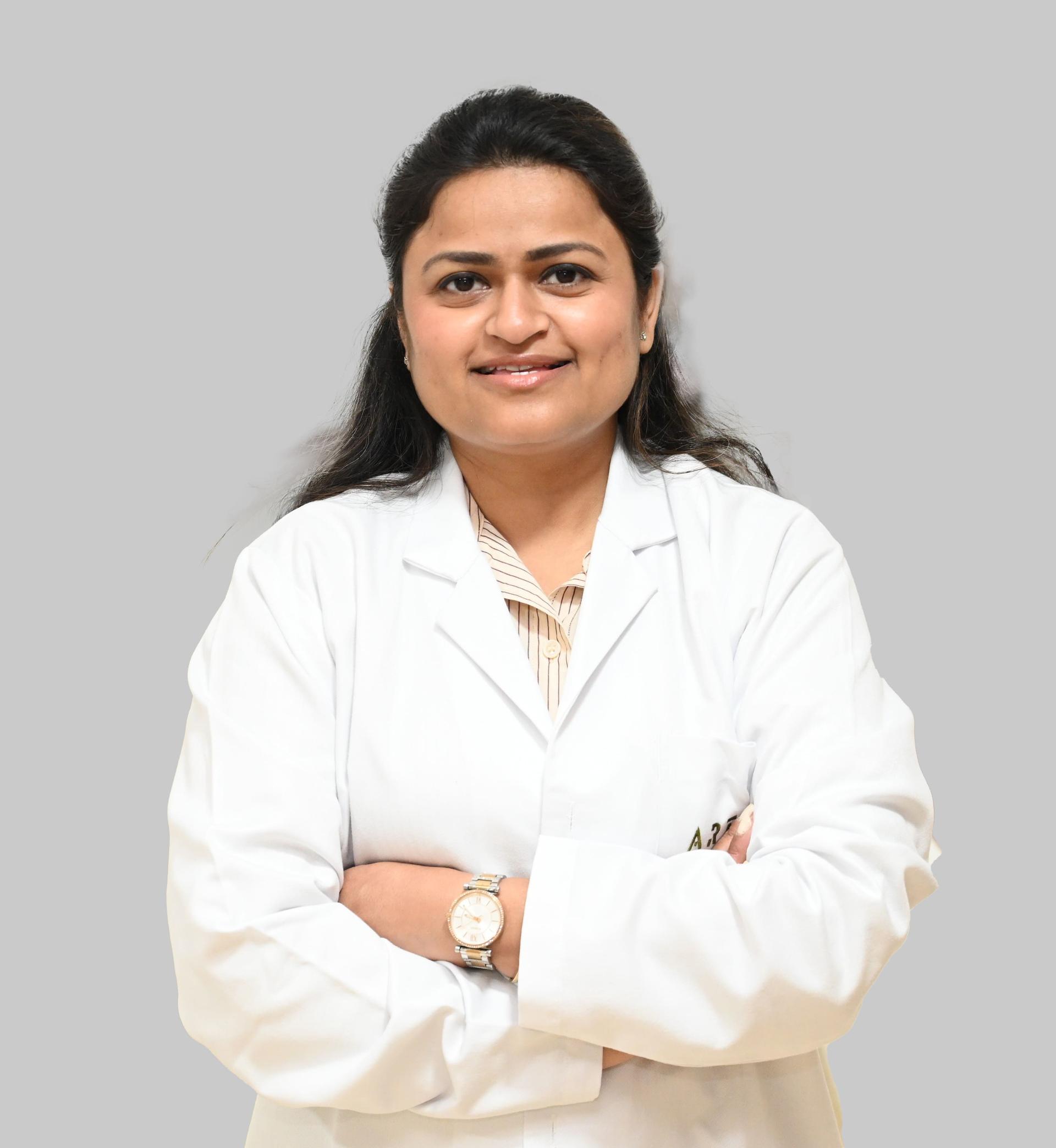
Consultant - Physiotherapy and Rehabilitation Centre
Physiotherapy and Rehabilitation Centre
New Delhi
10+ Years
Experience
Artemis Hospital
Hospital
1500
Fees
Principal Director - Pulmonology
Pulmonology
New Delhi
40+ Years
Experience
Max Hospital,Gurgaon
Hospital
1500
Fees
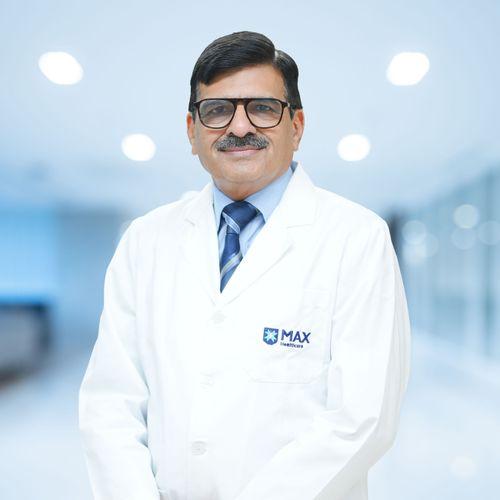
Director
Neurosciences
New Delhi
14+ Years
Experience
Apolo Delhi
Hospital
1500
Fees
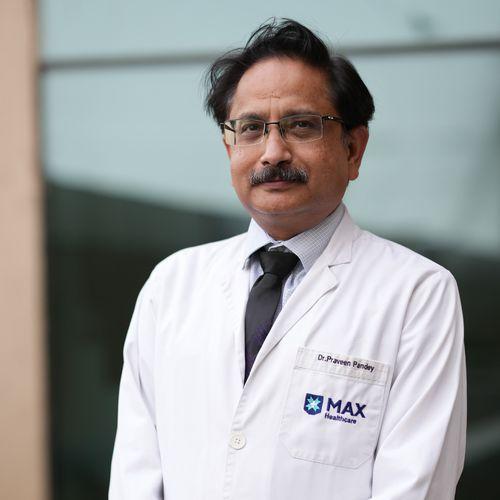
Director
Neuroscience
New Delhi
17+ Years
Experience
Apolo Delhi
Hospital
1500
Fees
Get Personalized Medical Treatment Options From India's Top Hospitals. Our Medical Experts Are Ready To Assist You Every Step Of The Way.