
Immunotherapy & CAR-T Cell Therapy Success Rate in India
Need Personalized Advice?
Our medical experts are ready to answer your questions and guide you through your treatment options.
Our medical experts are ready to answer your questions and guide you through your treatment options.
Understanding the Immunotherapy & CAR-T Cell Therapy success rate in India is crucial for patients navigating complex treatment choices. These advanced therapies offer significant hope for various cancers, yet outcomes depend heavily on factors like cancer type, stage, and individual patient health. India has emerged as a key destination for these innovative treatments.
Success rates in India are continuously reviewed, aligning with international standards and clinical trial data. Outcomes reflect aggregated patient data and treatment-level evaluations, highlighting the variability influenced by specific therapeutic approaches and patient profiles. This information supports informed healthcare decisions.
For Immunotherapy and CAR-T Cell Therapy, "success" encompasses various patient outcomes, including complete remission, partial response, stable disease, and improved quality of life. It signifies a meaningful clinical benefit, potentially extending survival or achieving long-term disease control. Differentiating between short-term responses and sustained long-term recovery is essential for understanding overall treatment efficacy. The Immunotherapy & CAR-T Cell Therapy survival rate in India is often considered across these varying definitions.
Success rates vary depending on treatment approach, cancer type, and patient factors.
| Treatment Type / Category | Typical Use Case | Success Rate Range (%) | What Success Indicates |
|---|---|---|---|
| CAR-T Cell Therapy (CD19-targeted) | Relapsed/refractory B-cell lymphomas and acute lymphoblastic leukemia | 40%–70% | Complete or partial remission, leading to extended survival |
| Immune Checkpoint Inhibitors (PD-1/PD-L1) | Melanoma, lung cancer, kidney cancer, specific lymphomas | 20%–50% | Tumor shrinkage, disease stabilization, or sustained response |
| Immune Checkpoint Inhibitors (CTLA-4) | Advanced melanoma, some renal cell carcinomas | 15%–35% | Durable responses for a subset of patients |
| Combinatorial Immunotherapy | Various advanced cancers where single agents are insufficient | 25%–60% | Enhanced anti-tumor activity and improved outcomes |
Outcomes for Immunotherapy and CAR-T Cell Therapy can vary significantly based on the cancer stage and patient's age. Early-stage diagnosis generally correlates with more favorable results, reflecting trends observed globally. The stage wise Immunotherapy & CAR-T Cell Therapy survival rate in India often shows better prognosis for less advanced disease, consistent with international clinical data. Similarly, a patient's overall health status and age can influence their response to these potent treatments. The Immunotherapy & CAR-T Cell Therapy recovery rate in India is thus a complex interplay of multiple clinical variables.
| Patient Category / Condition | Key Influencing Factors | Outcome Variability |
|---|---|---|
| Younger Adults (18-60 years) | Generally robust immune system, fewer comorbidities | Potentially higher response and durability for suitable candidates |
| Older Adults (>60 years) | Variable immune response, increased comorbidities, performance status | Outcomes can be comparable to younger adults for fit patients, but may require careful management |
| Early Stage Disease | Lower tumor burden, potentially less aggressive disease biology | Typically better response rates and prolonged survival |
| Advanced/Metastatic Disease | Higher tumor burden, potential for resistance mechanisms | Responses are often seen, but durability can be more challenging |
Understanding the Immunotherapy & CAR-T Cell Therapy survival rate by age in India helps in setting realistic expectations. Comprehensive evaluations consider individual patient factors beyond just age or stage to predict potential outcomes.
Success rates for Immunotherapy & CAR-T Cell Therapy in India are increasingly comparable with international standards. When employing similar evidence-based protocols, advanced technology, and rigorous patient selection criteria, outcomes align closely with leading global centers. Leading centers such as AIIMS, Tata Memorial Centre, and major institutes follow evidence-based protocols, contributing to these positive trends.
| Country/Region | Immunotherapy & CAR-T Cell Therapy Success Rate Range (%) |
|---|---|
| India | Varies significantly, often within 20%–70% depending on specific therapy and cancer type |
| United States | Typically 25%–75%, influenced by diverse research and clinical settings |
| United Kingdom | Generally 20%–65%, reflecting similar clinical applications and patient cohorts |
| Germany | Comparable to Western Europe, often 25%–70% across various indications |
| Singapore | Strong outcomes, often 20%–65%, due to advanced healthcare infrastructure |
| South Korea | Consistent with global benchmarks, typically 20%–60% for eligible patients |
| Thailand | Emerging strong outcomes, often 15%–55%, particularly in specialized centers |
These ranges are indicative and not guaranteed; actual success varies based on individual patient condition, disease progression, and the precise treatment approach utilized.
Understanding the nuances of advanced therapy outcomes empowers patients to make data-based choices. Focusing on individual prognosis and comprehensive care pathways remains paramount.
India offers premium medical procedures at affordable prices. Discover our most popular treatments, delivered by the country's finest doctors.
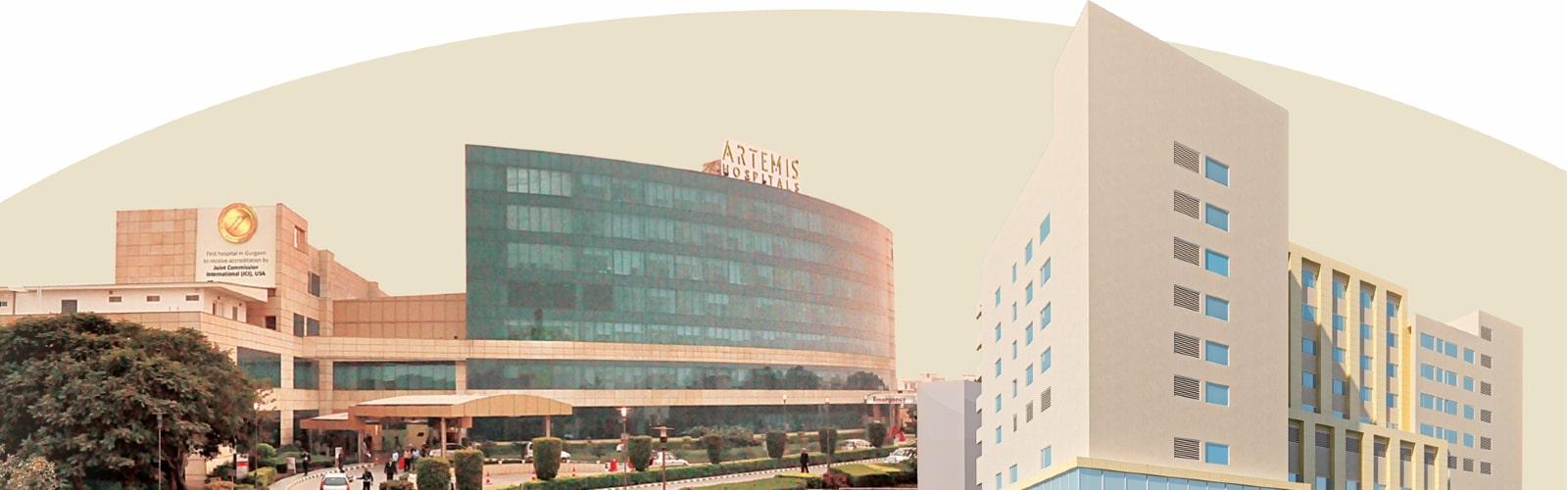
Sector 51, Gurugram, Haryana, India
Artemis Hospital
Meet our team of highly qualified and experienced medical professionals dedicated to providing the best healthcare services.

Consultant - Pediatric Rheumatology
Pediatric Rheumatology
New Delhi
13+ Years
Experience
Artemis Hospital
Hospital
1500
Fees
Unit Head
Maternity, Obstetrics & Gynaecology
New Delhi
20+ Years
Experience
Artemis Hospital
Hospital
1500
Fees

Principal Lead - Physiotherapy
Physiotherapy and Rehabilitation
New Delhi
13+ Years
Experience
Artemis Hospital
Hospital
1500
Fees
Chairperson
Radiology
New Delhi
28+ Years
Experience
Artemis Hospital
Hospital
1500
Fees
Admin Head - Emergency
Emergency & Trauma Services
New Delhi
25+ Years
Experience
Artemis Hospital
Hospital
1500
Fees
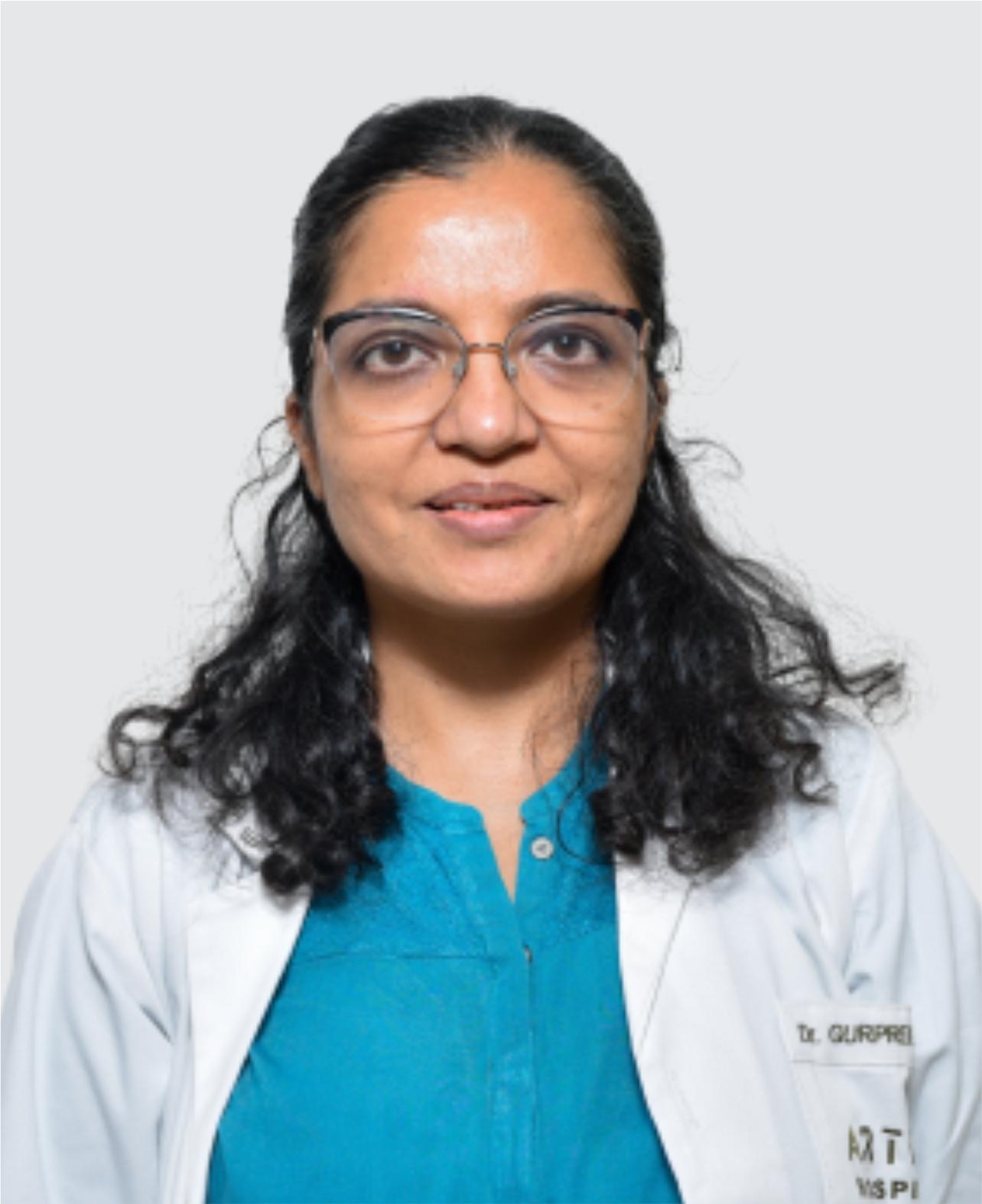
Head Imaging & Chief DNB Program
Radiology
New Delhi
19+ Years
Experience
Artemis Hospital
Hospital
1500
Fees
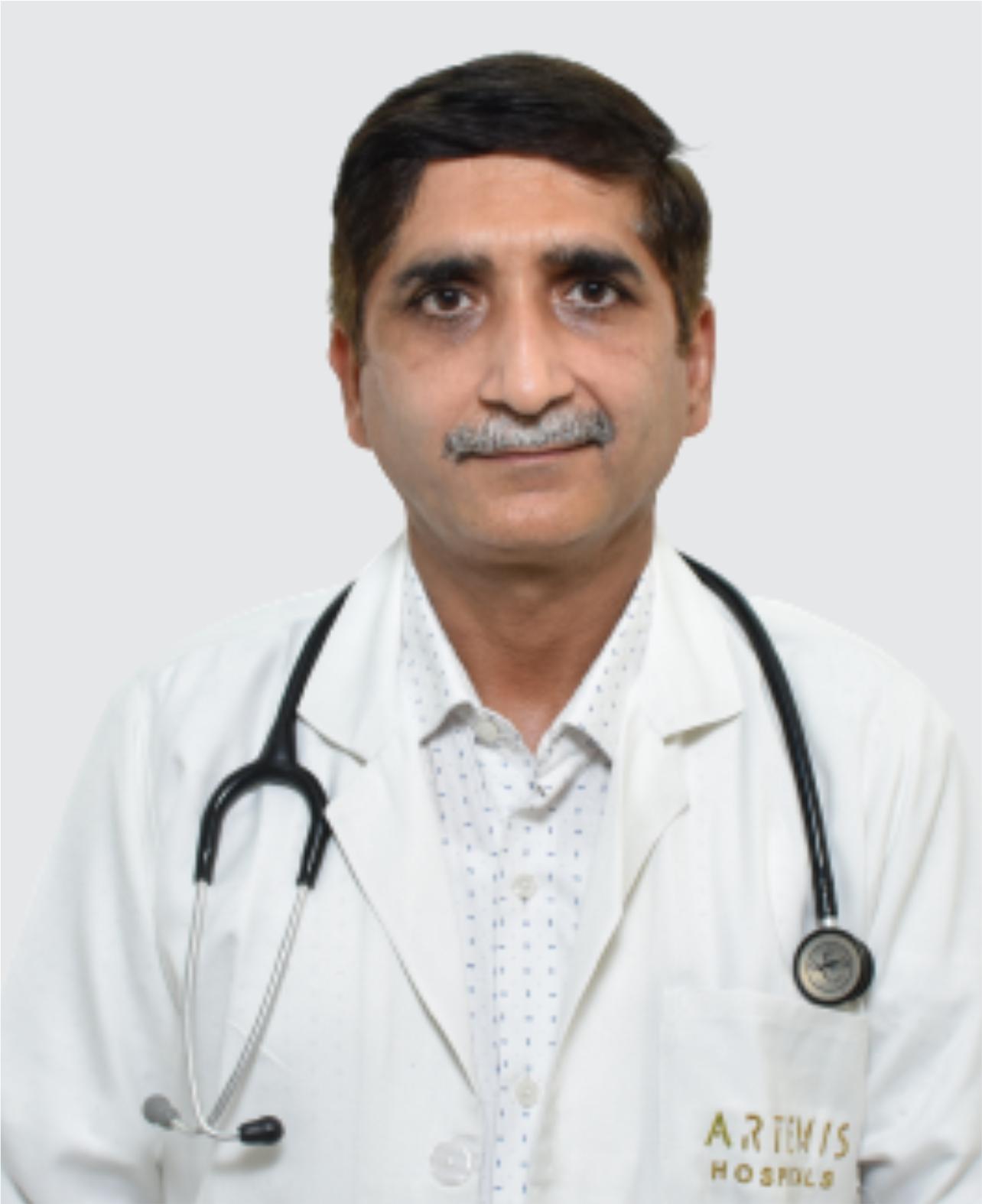
Sr. Consultant - Paediatrics & Head - Medical Services and Medical Superintendent
Paediatric
New Delhi
10+ Years
Experience
Artemis Hospital
Hospital
1500
Fees
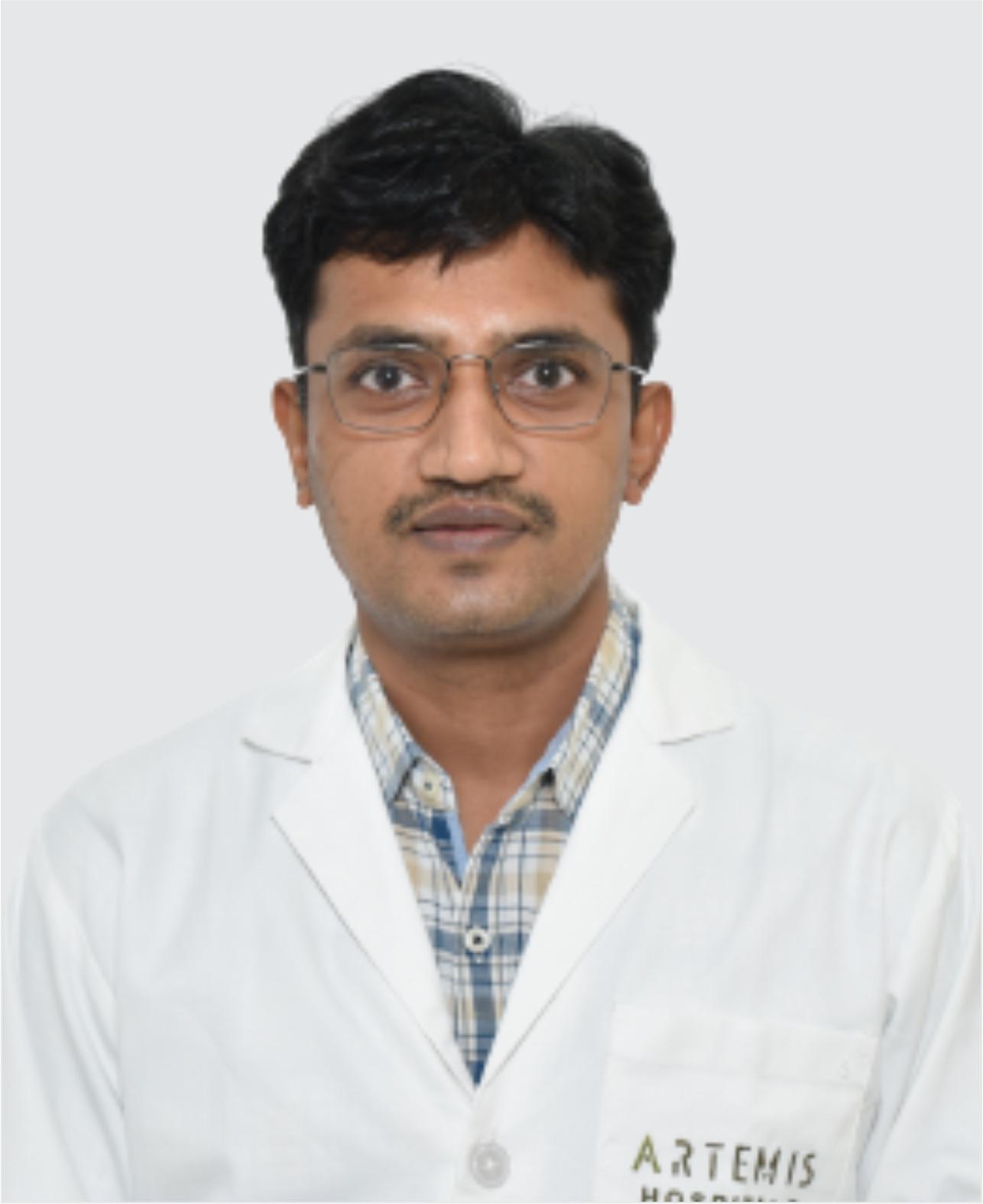
Sr. Consultant
Paediatric Surgery
New Delhi
10+ Years
Experience
Artemis Hospital
Hospital
1500
Fees
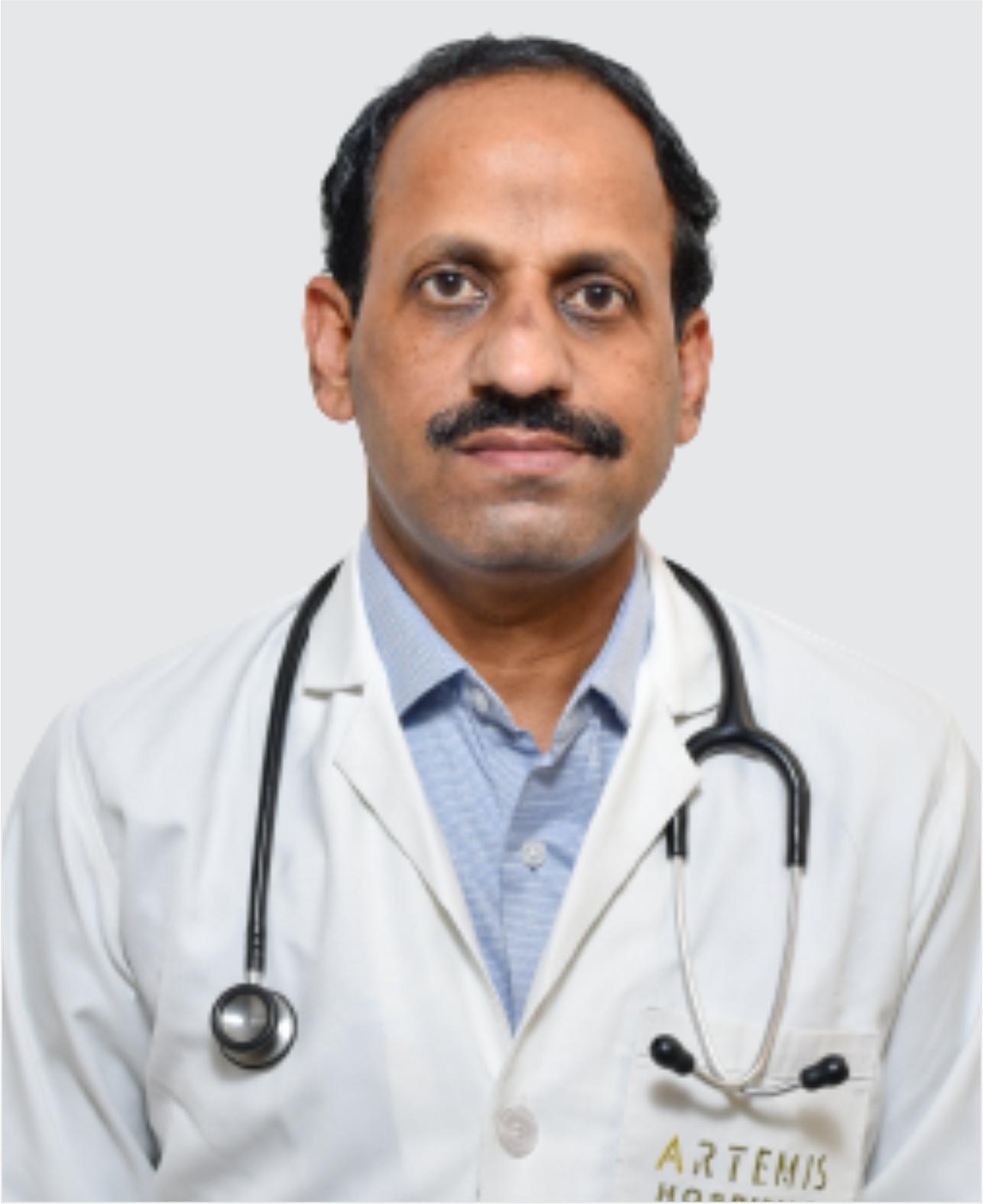
Consultant
Paediatric
New Delhi
15+ Years
Experience
Artemis Hospital
Hospital
1500
Fees

Director
Neonatology
New Delhi
11+ Years
Experience
Artemis Hospital
Hospital
1500
Fees
Get Personalized Medical Treatment Options From India's Top Hospitals. Our Medical Experts Are Ready To Assist You Every Step Of The Way.