


Immunotherapy & CAR-T Cell Therapy
5K+ International Patients Treated
40+ Source Countries Served
500+ Accredited Partner Hospitals
98% Patient Satisfaction
80% Average Savings vs USA
10K+ Doctors
NABH, JCI Accredited Hospitals
Free Treatment Plan
Free Consultation with Doctor
5+ Destinations Covered
About Immunotherapy & CAR-T Cell Therapy
Immunotherapy & CAR-T Cell Therapy Treatment: Procedures, Cost & Recovery
Understanding Immunotherapy & CAR-T Cell Therapy
Immunotherapy and CAR-T Cell Therapy represent the pinnacle of modern oncology, harnessing the body's immune system to combat cancer. These innovative approaches are transforming outcomes for patients with various advanced and difficult-to-treat malignancies. At DivinHeal, we understand the profound impact of a cancer diagnosis and the importance of accessing leading-edge care. We connect you with accredited oncology hospitals and specialized centers in India, renowned for their expertise in advanced therapeutic options, including Immunotherapy & CAR-T Cell Therapy, alongside traditional treatments like surgery, chemotherapy, radiation therapy, and targeted therapies. Our commitment is to offer hope through access to world-class medical excellence.
Types of Immunotherapy & CAR-T Cell Therapy Procedures
Immunotherapy Approaches
Immunotherapy encompasses a range of strategies designed to boost the immune system's ability to fight cancer. These include:
- Immune Checkpoint Inhibitors: Medications (e.g., anti-PD-1, anti-PD-L1, anti-CTLA-4) that block 'brakes' on immune cells, allowing them to recognize and attack cancer.
- Monoclonal Antibodies: Lab-produced proteins that target specific cancer markers, either killing cells directly or flagging them for immune destruction.
- Oncolytic Viruses: Genetically modified viruses that infect and destroy cancer cells while stimulating an immune response.
- Cytokines: Proteins that enhance the activity of immune cells.
These treatments are typically administered intravenously over cycles, with the duration and frequency tailored to the specific cancer and patient response. DivinHeal helps patients find the optimal Immunotherapy & CAR-T Cell Therapy diagnosis and therapy options based on their unique molecular profile.
CAR-T Cell Therapy
CAR-T Cell Therapy is a highly specialized, personalized treatment that involves:
- T-cell Collection (Apheresis): Patient's T-cells are extracted from their blood.
- Genetic Engineering: These T-cells are modified in a lab to produce Chimeric Antigen Receptors (CARs) that specifically target cancer cells.
- Expansion: The modified CAR-T cells are grown to large numbers.
- Lymphodepleting Chemotherapy: A short course of chemotherapy prepares the patient's body for the CAR-T cells.
- Infusion: The engineered CAR-T cells are infused back into the patient, ready to identify and destroy cancer.
This complex process requires specialized facilities and expertise, available through DivinHeal's network of best hospitals for Immunotherapy & CAR-T Cell Therapy.
Cost Comparison: Why Patients Choose India for Immunotherapy & CAR-T Cell Therapy
The financial burden of advanced cancer treatments like Immunotherapy & CAR-T Cell Therapy can be immense. India offers a compelling solution, providing world-class medical care and access to top oncologists for Immunotherapy & CAR-T Cell Therapy at a significantly lower cost. Patients consistently achieve savings of up to 70-80% compared to Western countries, without any compromise on quality or outcomes. This remarkable affordability, combined with India's reputation for medical expertise, makes it a preferred global healthcare destination.
| Country | Average Immunotherapy & CAR-T Cell Therapy Treatment Cost (USD) |
|---|---|
| India | $40,000 - $150,000 |
| United States | $150,000 - $700,000+ |
| United Kingdom | $120,000 - $550,000 |
| Singapore | $100,000 - $450,000 |
| UAE | $90,000 - $400,000 |
The Immunotherapy & CAR-T Cell Therapy treatment cost in India covers comprehensive packages, often including diagnostics, hospital stays, physician consultations, and post-treatment follow-up, offering transparent and predictable expenses. This value proposition ensures that patients can access vital, life-saving care that might otherwise be out of reach.
DivinHeal’s Comprehensive Support for Your Immunotherapy & CAR-T Cell Therapy Journey
Navigating advanced cancer treatment abroad can be daunting, but DivinHeal is here to provide seamless, end-to-end care coordination. Our AI-driven platform efficiently matches you with the best hospitals for Immunotherapy & CAR-T Cell Therapy and top oncologists based on your specific needs and budget.
- Personalized Hospital Matching: AI-powered recommendations for leading hospitals specializing in Immunotherapy & CAR-T Cell Therapy treatment.
- Visa & Travel Assistance: Comprehensive support for medical visa applications, flight bookings, and local transportation.
- Transparent Cost Breakdowns: Clear, upfront information on Immunotherapy & CAR-T Cell Therapy treatment cost, including affordable Immunotherapy & CAR-T Cell Therapy packages, eliminating hidden fees.
- Dedicated Care Coordination: A personal care manager guides you from the initial consultation through diagnosis, treatment, and Immunotherapy & CAR-T Cell Therapy recovery time and tips.
- Post-Treatment Support: Assistance with follow-up appointments, medication management, and resources for long-term wellness, ensuring continuous support even after returning home.
With DivinHeal, you gain a trusted partner committed to your hope, safety, affordability, and access to quality care at every step.
Recovery and Life After Immunotherapy & CAR-T Cell Therapy
The journey after Immunotherapy & CAR-T Cell Therapy is a critical phase, focusing on recovery and reintegration into daily life. The Immunotherapy & CAR-T Cell Therapy recovery time and tips vary, but DivinHeal ensures you are well-prepared and supported throughout.
- Expected Recovery Timeline: While immunotherapy often involves outpatient infusions, CAR-T Cell Therapy typically requires a hospital stay of 2-4 weeks for close monitoring of immediate side effects. Full recovery from major side effects can take several weeks to months.
- Managing Side Effects: Patients may experience fatigue, flu-like symptoms, and specific immune-related adverse events or neurotoxicity. Your care team will provide detailed guidance on managing these.
- Long-Term Wellness Aspects:
- Physical Therapy: Essential for regaining strength and mobility, especially after extended hospital stays.
- Emotional Counseling: Support for mental and emotional well-being is crucial during and after cancer treatment.
- Lifestyle Modifications: Adopting a healthy diet, regular gentle exercise, and sufficient rest are vital for optimal recovery.
- Regular Follow-ups: Continuous monitoring with your oncologist is necessary to track progress and manage any late-onset side effects.
DivinHeal provides resources and connections for ongoing support, empowering you to embrace life after Immunotherapy & CAR-T Cell Therapy with renewed hope and vitality.
Booking With DIVINHEAL
Get a free consultation to understand your treatment options
Cost Calculator
I know my treatment - show me cost from 3 hospitals
Plan My Journey
Tell us your condition and budget - our AI matches the right destination, hospital and doctor and visa pathway
Recommended Article

Booking With DIVINHEAL
Get a free consultation to understand your treatment options
Cost Calculator
I know my treatment - show me cost from 3 hospitals
Plan My Journey
Tell us your condition and budget - our AI matches the right destination, hospital and doctor and visa pathway
Recommended Article
Our Speciality and Treatments
oculoplastic surgery
Macular Degeneration Treatment (AMD)
Pediatric Ophthalmology
Squint / Strabismus Surgery (Adult)
ICL / Phakic IOL Implantation
LASIK / SMILE / PRK (Refractive Surgery)
Keratoconus Treatment (CXL / Rings)
Corneal Transplant (Keratoplasty)
Pediatric Squint Surgery
Diabetic Retinopathy Laser / Anti-VEGF Injections
Vitrectomy
Retinal Detachment Repair
Pterygium Surgery
Glaucoma Surgery (Trabeculectomy / MIGS)
Cataract Surgery (Phaco with IOL)






Meet Our Medical Specialists

Hospitals
NABH & JCI Accredited Hospitals in India,Turkey, Thailand & UAE.
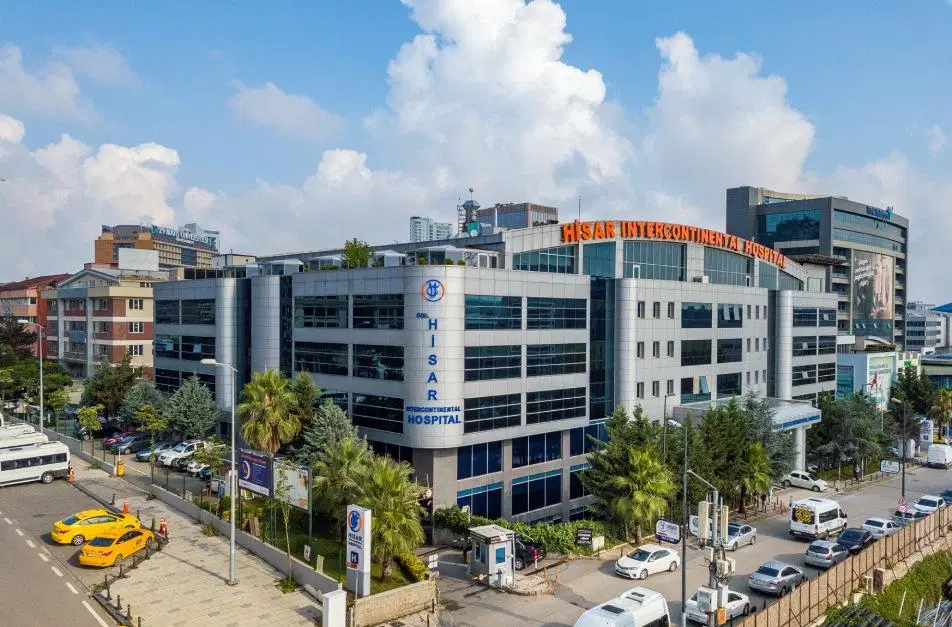
Hisar Intercontinental Hospital
Saray Mah. Siteyolu Cad. No:7, Umraniye, 34768, Istanbul, Turkey
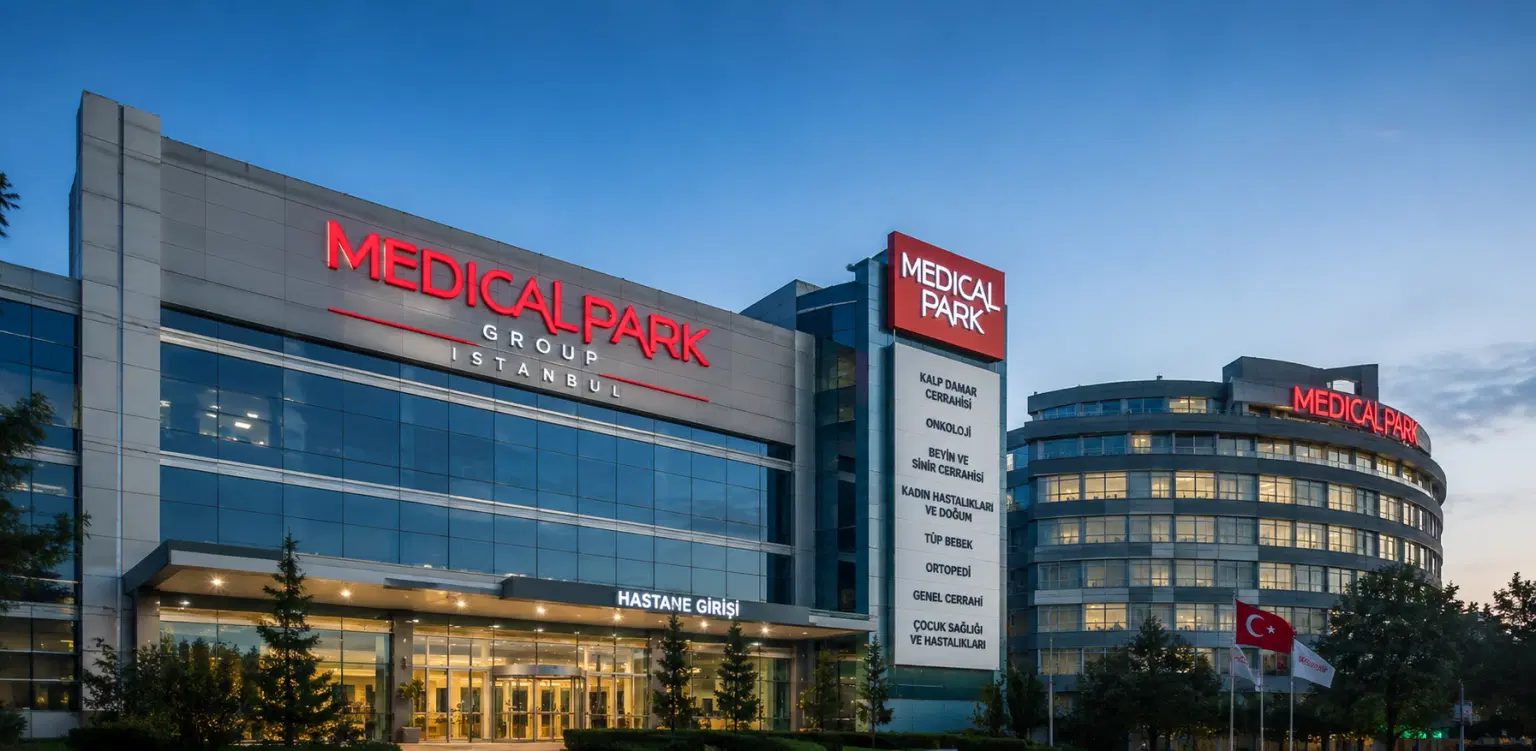
Medical Park Group, Istanbul
Fahrettin Kerim Gokay Cad. Tıbbiye Cd., Kadikoy, Istanbul, Turkey
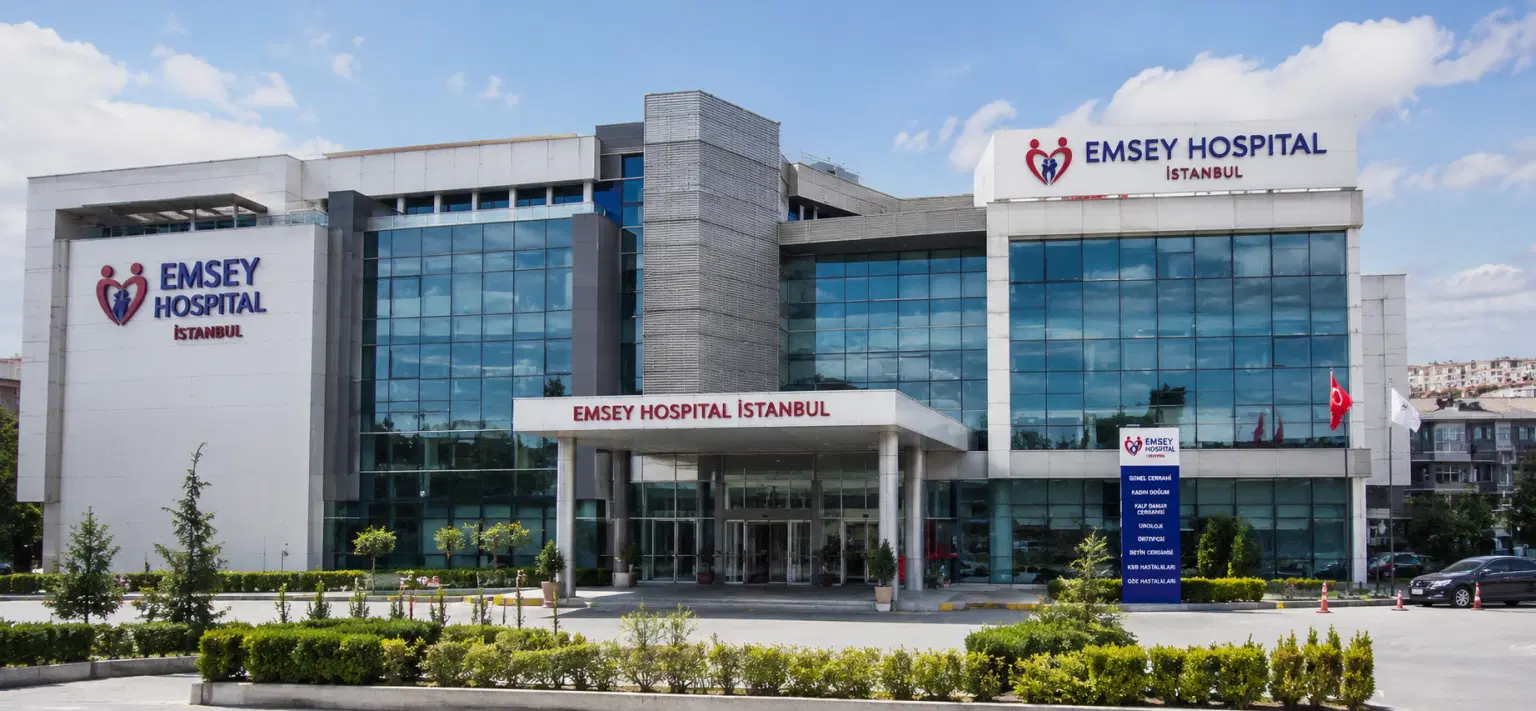
Emsey Hospital, Pendik, Istanbul
Çamlık, Selçuklu Cd. No:22, 34912 Pendik/İstanbul, Türkiye
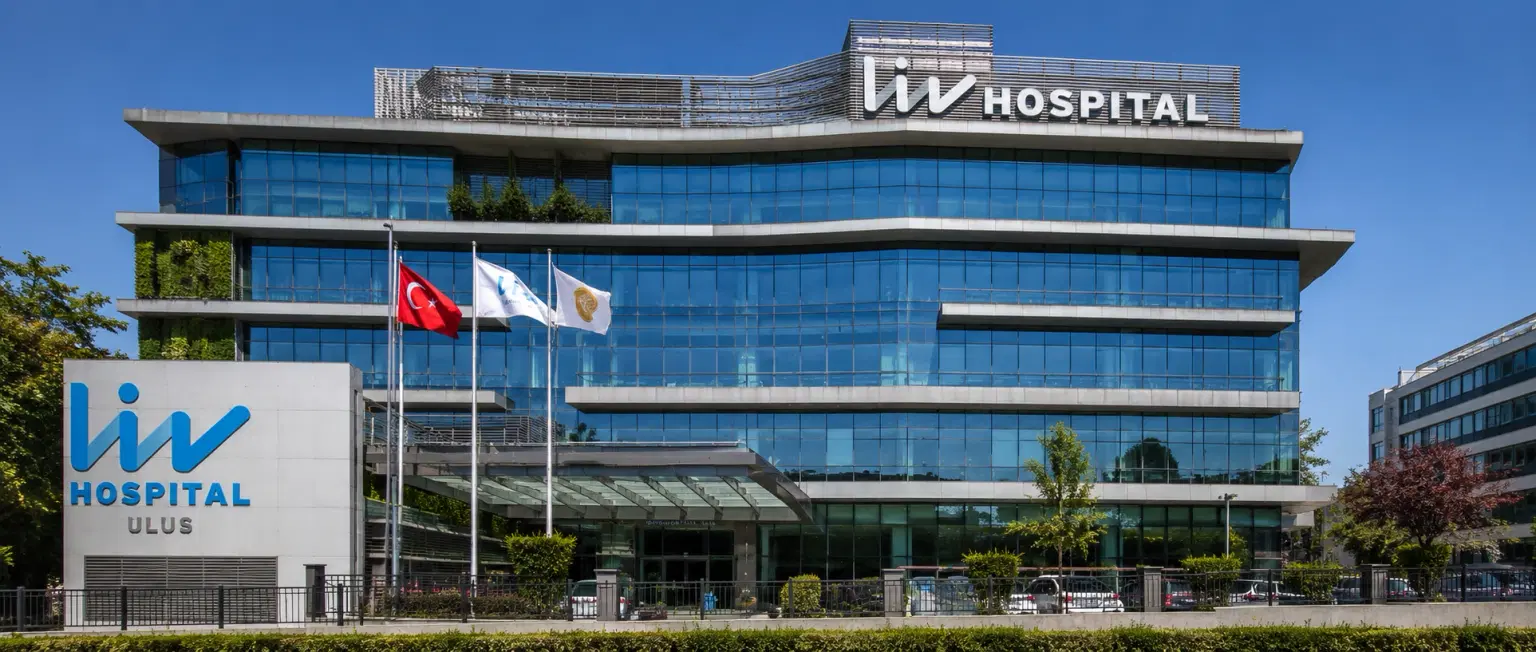
LIV Hospital, Istanbul
How DivinHeal Helps
We simplify your medical journey by providing comprehensive support and access to world-class healthcare.
Expert Specialist Matching
Connecting you with the world's top-rated medical experts.
Accredited Hospital Network
Access to JCI & NABH certified healthcare facilities.
Complete Travel Coordination
Hassle-free visa, stay, and local transport assistance.
24/7 Personal Care
Dedicated patient advisors supporting you at every step.
Journey Guidance
Full guidance from start to end of the patient treatment journey.
Expert Specialist Matching
Connecting you with the world's top-rated medical experts.
Everything you
need to know today
Browse through these common inquiries to better understand our patient-focused medical platform.
Yes, we work with a variety of insurance providers. Contact our team to verify your coverage.
Yes, we provide secure online consultations with experienced specialists.
Our care coordinators help match you with the most suitable specialist.
Absolutely. Your medical information is protected according to healthcare privacy standards.
Look at six things: accreditation (JCI or NABH), specialty depth, doctor credentials and experience, procedure-specific success rates, international patient support, and technology. DivinHeal's AI-driven matching evaluates every hospital in our accredited partner network on these dimensions and shortlists the best-fit options for your condition, budget, and country.
JCI (Joint Commission International) is the US-based global gold standard for hospital quality, recognised worldwide. NABH is India's national accreditation — accredited by ISQua, the same body that accredits JCI. Both signal independently verified safety and quality. Most of India's leading hospitals hold both.
Yes. All three welcome international patients through structured medical visa programs. India is the most established, treating patients from Africa, the Middle East, and South Asia at 60–80% lower cost. Thailand leads in cosmetic and dental care. The UAE is emerging in oncology and reproductive medicine.
Most patients save 50–80% on treatment costs. Heart bypass costs US $7,000–9,000 in India compared to $70,000–150,000 in the US. IVF costs $3,000–4,500 compared to $12,000–20,000 in the UK. Even after flights, visa, and accommodation, total savings remain 60–70%.
DivinHeal manages your entire non-medical journey: visa invitation letters, medical visa guidance, doctor appointments, teleconsultations, airport pickup, hospital-vetted accommodation for you and your attendant, language interpreters, local transport, cuisine preferences, and post-treatment follow-up — one dedicated coordinator from first enquiry to final follow-up.
You need a valid passport (6+ months validity), a medical visa (M-Visa for India — DivinHeal provides the hospital invitation letter), return flight tickets, recent medical reports and a doctor's referral, current prescription list, and proof of financial means. Any accompanying attendant needs their own passport and MX-Visa.
Still have more questions?
Book a call with our friendly team to learn how DivineHeal simplifies your healthcare journey.