
Cerebral Palsy Success Rate in India
Need Personalized Advice?
Our medical experts are ready to answer your questions and guide you through your treatment options.
Our medical experts are ready to answer your questions and guide you through your treatment options.
Understanding the potential outcomes of Cerebral Palsy management is vital for families navigating healthcare decisions. "Success rate" for Cerebral Palsy typically refers to the degree of functional improvement, symptom management, and enhanced quality of life achieved through various interventions. These outcomes depend heavily on the specific treatment methods employed, the individual's condition, and their overall patient profile. India serves as a destination where these outcomes are carefully reviewed.
Cerebral Palsy outcomes in India are assessed through aggregated clinical data and multi-disciplinary treatment evaluations. Healthcare providers track patient progress, aiming for significant improvements in motor skills, communication, and independence. These outcome trends are influenced by factors such as the type and severity of Cerebral Palsy, the patient's age at diagnosis, and the consistency of therapeutic interventions.
For Cerebral Palsy, "success" is defined by achieving specific developmental milestones, improving functional abilities, managing associated symptoms, and enhancing overall quality of life. This can include better mobility, communication skills, reduced spasticity, pain management, and increased independence in daily activities. Success is often measured through long-term gains in functional capacity rather than a complete reversal of the condition.
Functional improvement rates for Cerebral Palsy vary depending on the chosen treatment approach and individual patient factors.
| Treatment Type / Category | Typical Use Case | Functional Improvement Range (%) | What Success Indicates |
|---|---|---|---|
| Physical & Occupational Therapy | Enhancing motor skills, daily living activities | 65%–85% | Improved mobility, coordination, independence |
| Speech & Communication Therapy | Addressing speech, swallowing, and communication | 60%–80% | Clearer speech, safer swallowing, effective communication |
| Medication Management | Reducing spasticity, managing seizures/pain | 50%–75% | Reduced symptoms, improved comfort and function |
| Orthopedic Surgeries | Correcting deformities, improving gait | 70%–90% | Enhanced walking ability, reduced pain, better posture |
| Selective Dorsal Rhizotomy (SDR) | Severely spasticity in lower limbs | 75%–95% | Significant reduction in spasticity, improved gait and sitting balance |
Outcomes for Cerebral Palsy interventions vary significantly with the patient's age and the timing of therapy initiation. Early intervention during critical developmental windows typically yields more substantial improvements, a trend consistent with international clinical observations. In India, specialized pediatric centers focus on age-appropriate strategies to maximize neuroplasticity and functional gains across different age groups.
| Age Group / Patient Category | Focus of Intervention | Functional Improvement Rate (%) | Long-term Outlook |
|---|---|---|---|
| Early Childhood (0-3 years) | Maximizing neuroplasticity, preventing secondary complications | 70%–90% | Significant developmental gains, better long-term function |
| Childhood (4-12 years) | Skill acquisition, mobility, independence | 60%–80% | Improved school performance, social participation |
| Adolescence (13-18 years) | Transition to adulthood, vocational skills, self-care | 50%–70% | Enhanced independence, preparation for adult life |
| Adulthood (18+ years) | Maintaining function, managing secondary conditions, pain | 40%–60% | Sustained mobility, improved comfort, maintained quality of life |
The Cerebral Palsy success rate in India, particularly concerning functional improvements and quality of life, is increasingly comparable with global standards. Leading medical institutions in India leverage advanced diagnostic tools and comprehensive rehabilitation programs, aligning their protocols with internationally accepted best practices. Consequently, the Cerebral Palsy recovery rate in India reflects similar positive trends in functional gains observed worldwide when similar patient profiles and intervention strategies are considered. Furthermore, the Cerebral Palsy survival rate in India for individuals with the condition often aligns with international figures, especially with access to supportive care.
| Country | Focus of Care | Functional Outcome Improvement Range (%) |
|---|---|---|
| India | Integrated multidisciplinary rehabilitation | 60%–85% |
| United States | Advanced neuro-rehabilitation, adaptive technologies | 65%–90% |
| United Kingdom | Evidence-based therapy, community support | 60%–85% |
| Canada | Inclusive care models, early intervention programs | 60%–88% |
| Australia | Research-led therapies, family-centered care | 62%–87% |
| Germany | Specialized rehabilitation clinics, high-tech aids | 65%–89% |
These ranges are indicative and subject to individual patient circumstances, severity of the condition, and specific treatment modalities utilized. Outcomes are not guaranteed and can vary based on numerous factors.
Understanding Cerebral Palsy outcomes is fundamental for informed decision-making. Patients and families are encouraged to discuss these insights with medical professionals to establish realistic expectations and plan personalized care pathways confidently.
India offers premium medical procedures at affordable prices. Discover our most popular treatments, delivered by the country's finest doctors.
Meet our team of highly qualified and experienced medical professionals dedicated to providing the best healthcare services.

Consultant
Paediatric Neurology
Haryana
9+ Years
Experience
Artemis Hospital
Hospital
1500
Fees
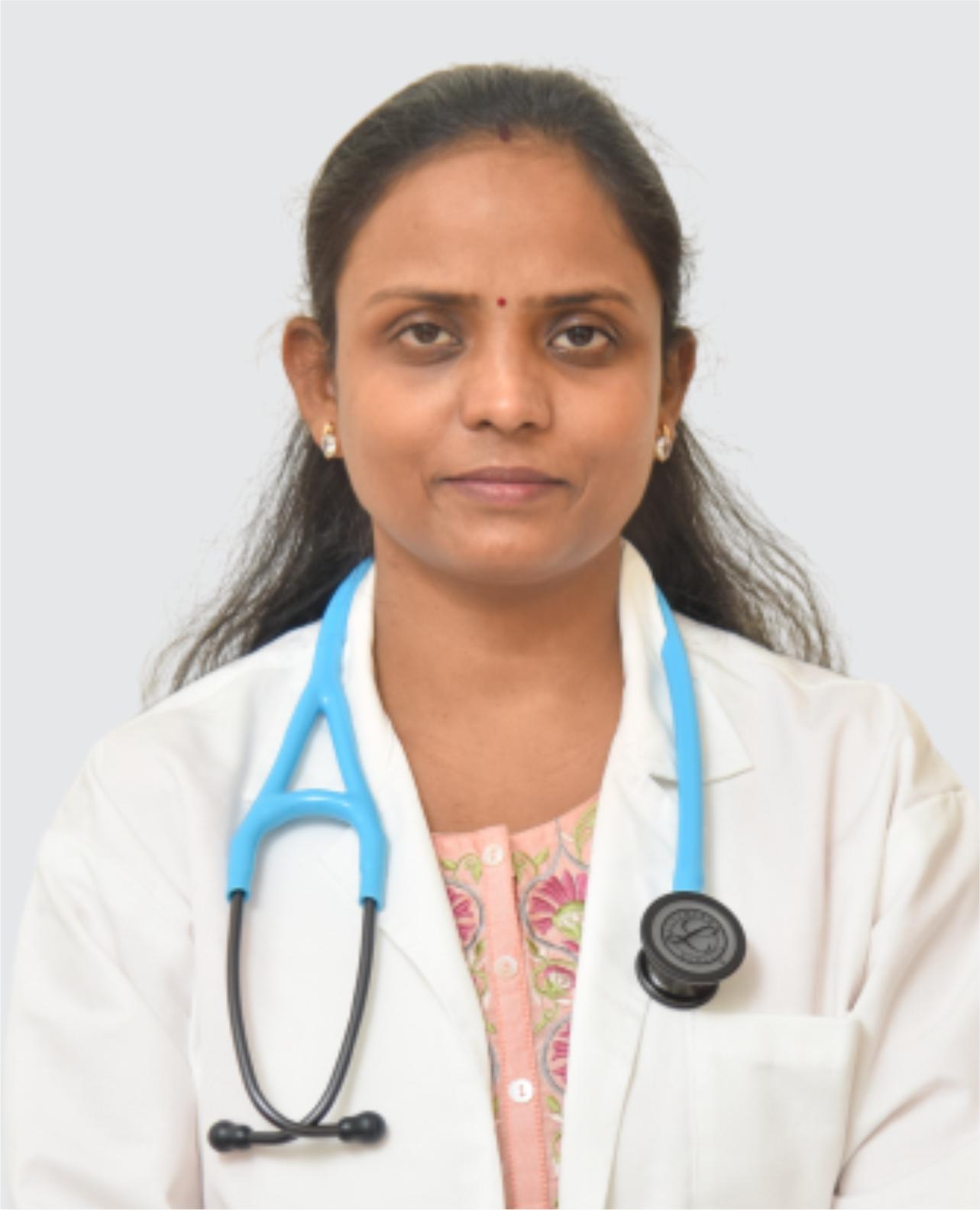
Consultant - Pediatric Rheumatology
Pediatric Rheumatology
New Delhi
13+ Years
Experience
Artemis Hospital
Hospital
1500
Fees

Unit Head
Maternity, Obstetrics & Gynaecology
New Delhi
20+ Years
Experience
Artemis Hospital
Hospital
1500
Fees

Principal Lead - Physiotherapy
Physiotherapy and Rehabilitation
New Delhi
13+ Years
Experience
Artemis Hospital
Hospital
1500
Fees

Chairperson
Radiology
New Delhi
28+ Years
Experience
Artemis Hospital
Hospital
1500
Fees
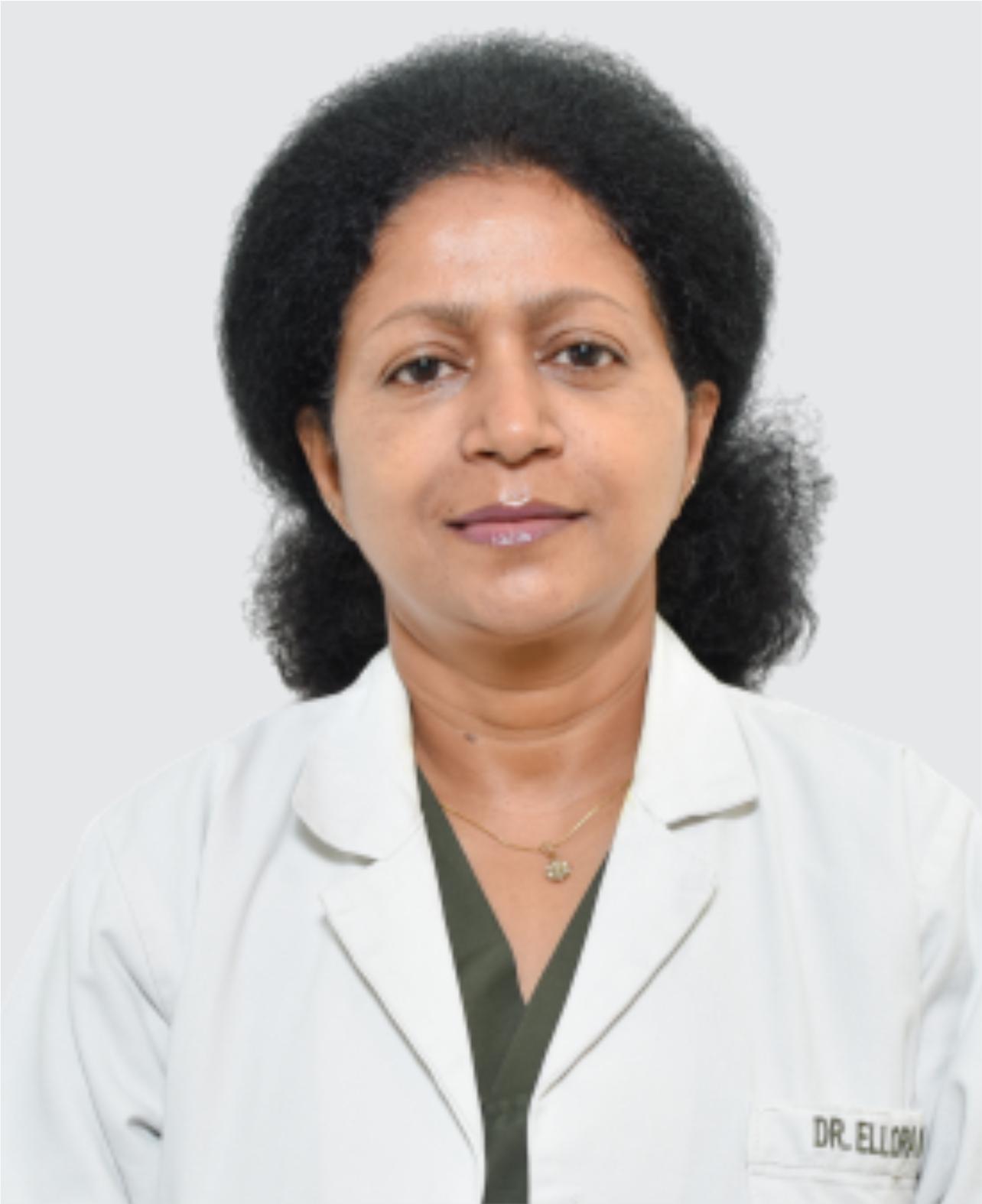
Admin Head - Emergency
Emergency & Trauma Services
New Delhi
25+ Years
Experience
Artemis Hospital
Hospital
1500
Fees
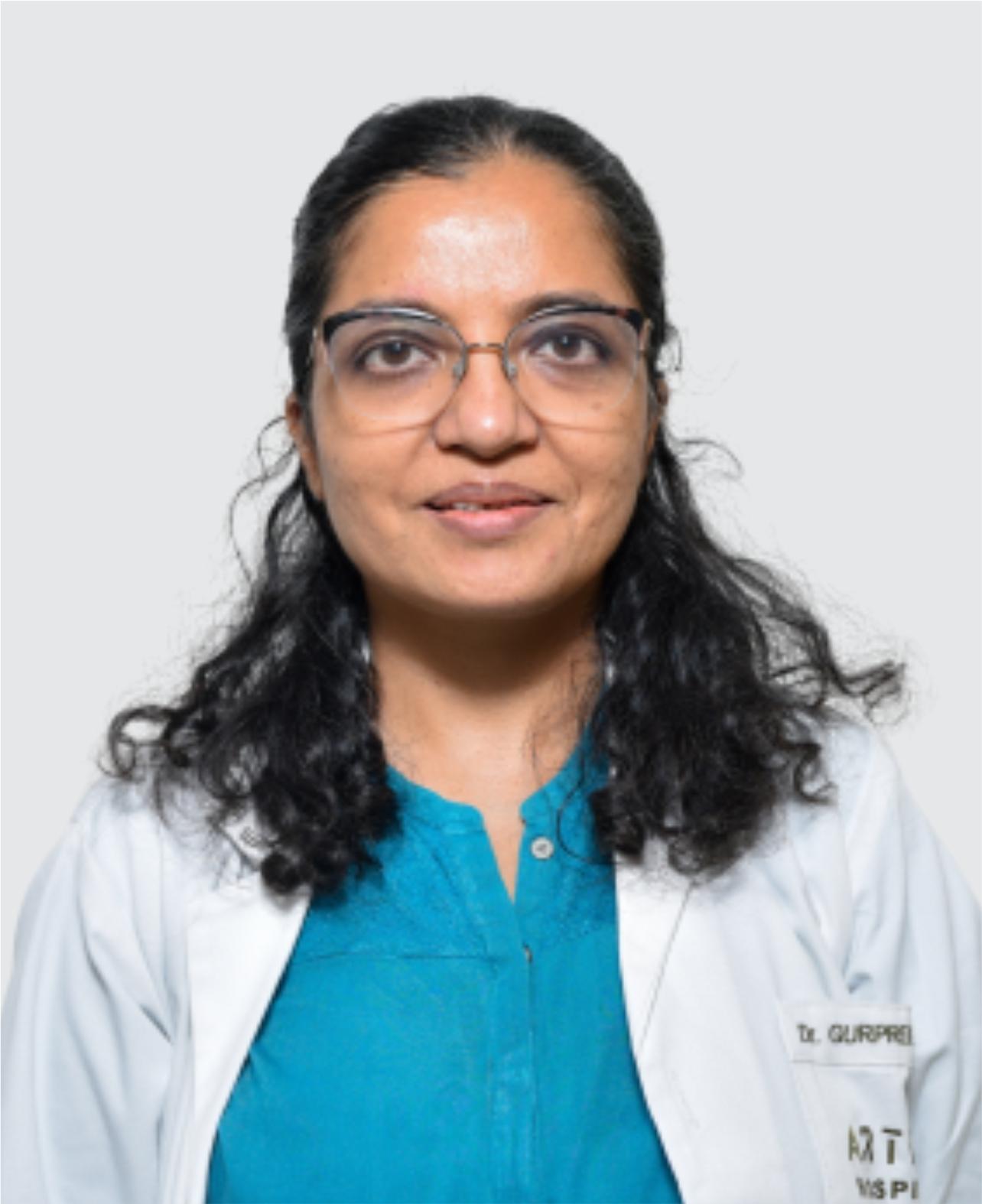
Head Imaging & Chief DNB Program
Radiology
New Delhi
19+ Years
Experience
Artemis Hospital
Hospital
1500
Fees
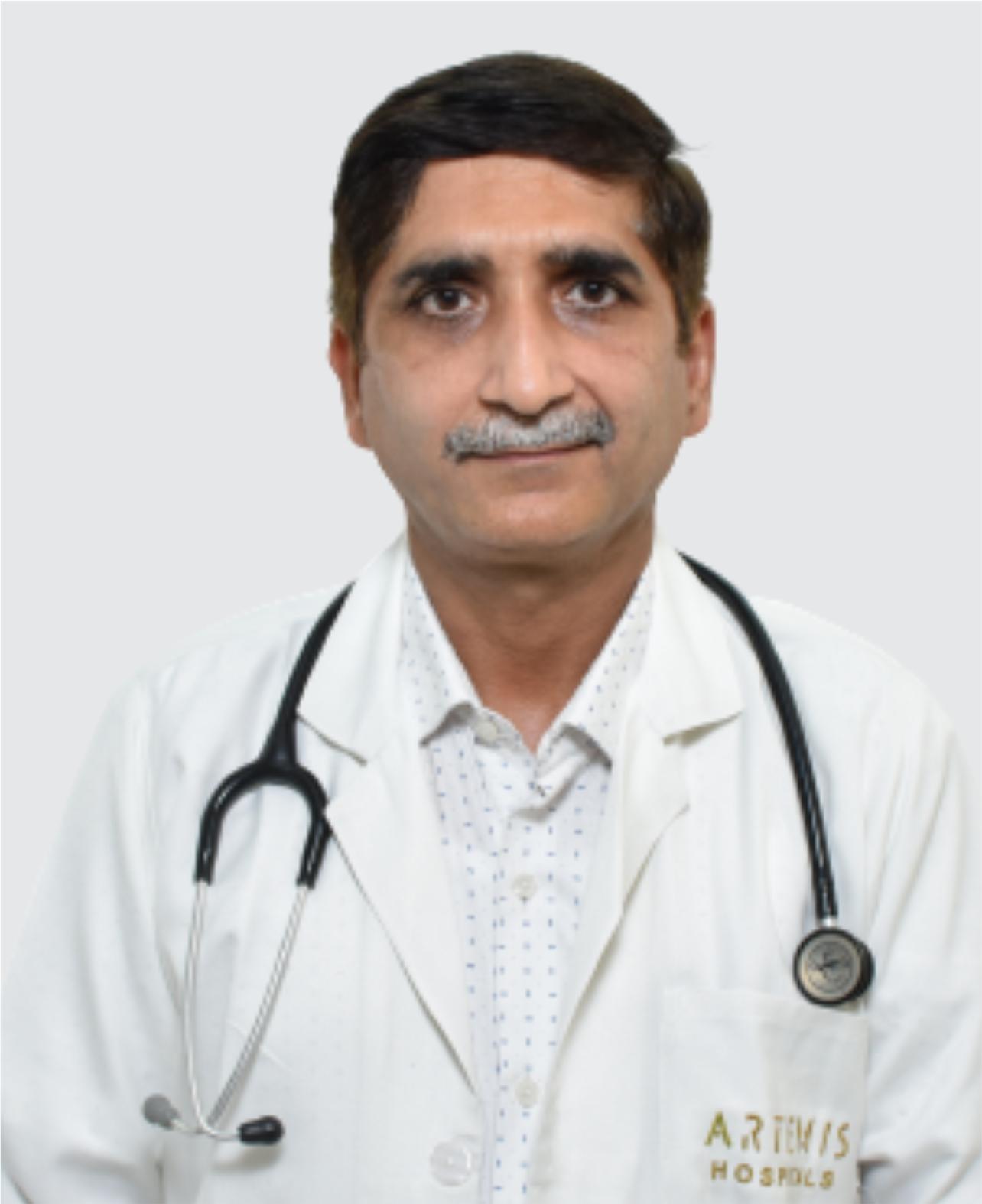
Sr. Consultant - Paediatrics & Head - Medical Services and Medical Superintendent
Paediatric
New Delhi
10+ Years
Experience
Artemis Hospital
Hospital
1500
Fees
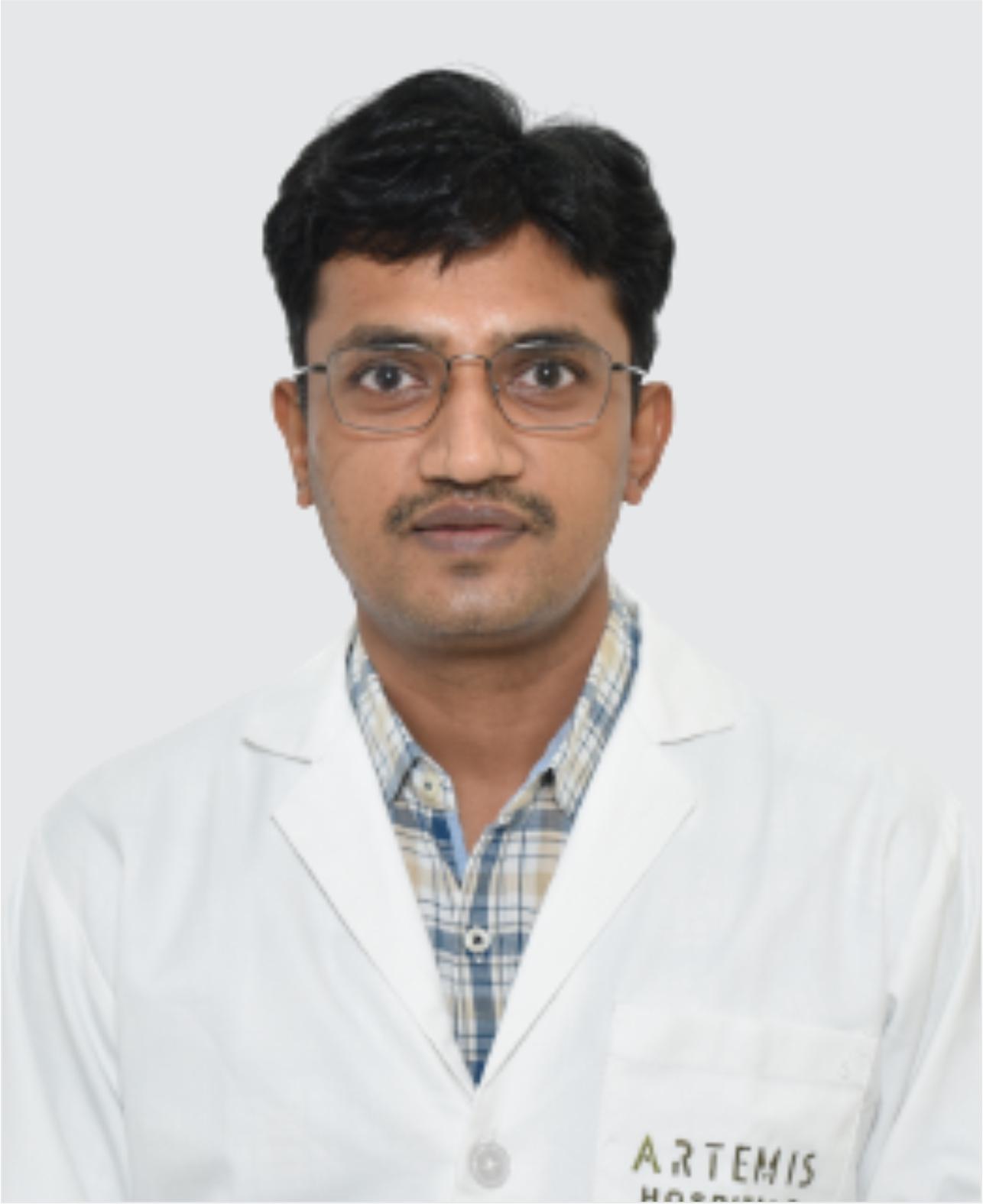
Sr. Consultant
Paediatric Surgery
New Delhi
10+ Years
Experience
Artemis Hospital
Hospital
1500
Fees
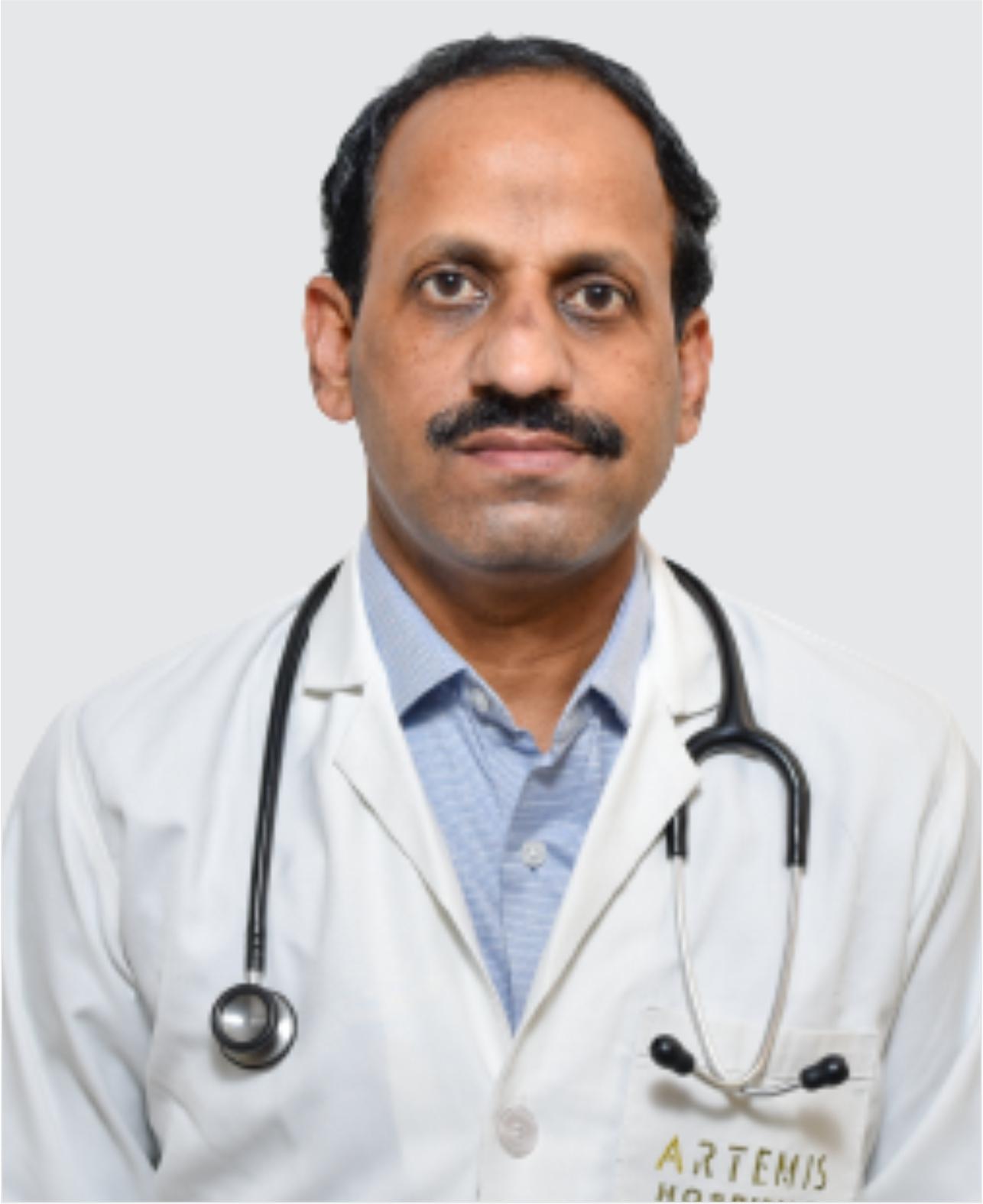
Consultant
Paediatric
New Delhi
15+ Years
Experience
Artemis Hospital
Hospital
1500
Fees
Get Personalized Medical Treatment Options From India's Top Hospitals. Our Medical Experts Are Ready To Assist You Every Step Of The Way.