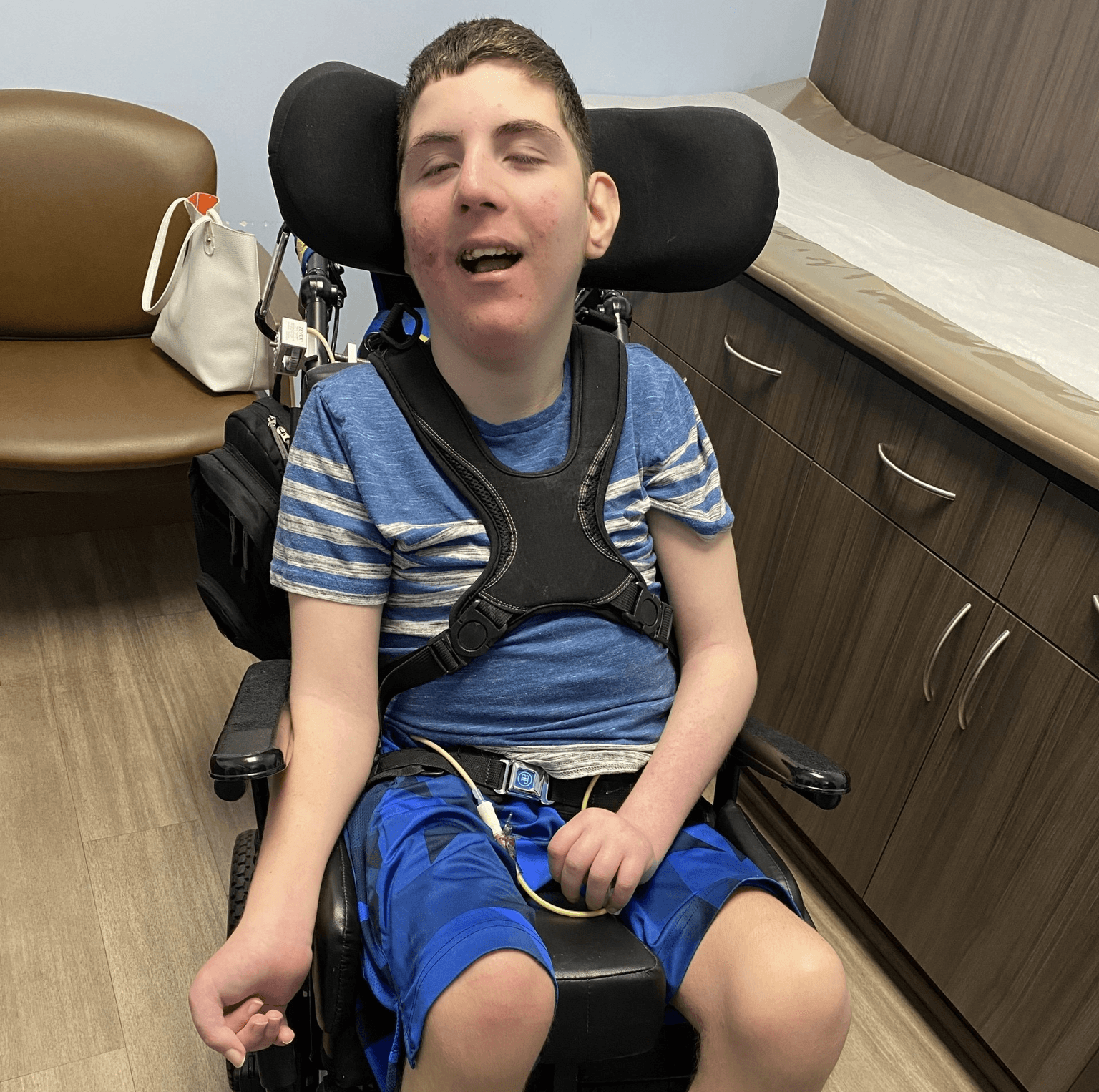
Cerebral Palsy
5K+ International Patients Treated
40+ Source Countries Served
500+ Accredited Partner Hospitals
98% Patient Satisfaction
80% Average Savings vs USA
10K+ Doctors
NABH, JCI Accredited Hospitals
Free Treatment Plan
Free Consultation with Doctor
5+ Destinations Covered
About Cerebral Palsy
Cerebral Palsy Treatment: Procedures, Cost & Recovery
Understanding Cerebral Palsy
Cerebral Palsy (CP) is a complex neurological disorder affecting movement, muscle tone, and posture, caused by brain damage that occurs before, during, or shortly after birth. It's a non-progressive condition, but its effects can change over time. Early and comprehensive intervention is paramount for managing symptoms and maximizing developmental potential. DivinHeal connects you with accredited hospitals in India boasting advanced therapeutic options, including specialized rehabilitation programs, medication management, and cutting-edge surgical interventions like Selective Dorsal Rhizotomy (SDR) and orthopedic corrections, all designed to enhance mobility and improve quality of life for those with Cerebral Palsy.
Types of Cerebral Palsy Treatment Procedures
Surgical Approaches
Surgical interventions are considered for specific cases of Cerebral Palsy, primarily to reduce spasticity, correct deformities, or manage associated complications. These procedures are typically recommended when non-surgical methods are insufficient to achieve desired functional improvements.
- Selective Dorsal Rhizotomy (SDR): A neurosurgical procedure that precisely identifies and cuts specific sensory nerve rootlets in the spinal cord, responsible for sending abnormal signals that cause spasticity in the legs. This can significantly reduce severe spasticity, improve gait, and make physical therapy more effective. It is one of the most sought-after Cerebral Palsy surgical treatments.
- Orthopedic Surgeries: These procedures address musculoskeletal problems common in CP, such as joint contractures, bone deformities, and dislocated hips. Examples include tendon lengthening (e.g., Achilles tendon), osteotomies (reshaping bones to improve alignment), and joint fusions. These surgeries aim to improve mobility, reduce pain, and correct alignment issues.
- Baclofen Pump Implantation: For individuals with severe, generalized spasticity that doesn't respond well to oral medications, a small pump can be surgically implanted under the skin to continuously deliver Baclofen directly into the spinal fluid, providing targeted and effective spasticity control.
Non-Surgical Therapies
Non-surgical therapies form the cornerstone of Cerebral Palsy treatment, focusing on improving function, preventing complications, and supporting overall development. These are often initiated early and continued throughout life.
- Physical Therapy (PT): A crucial component of Cerebral Palsy treatment, focusing on exercises to improve muscle strength, flexibility, balance, posture, and coordination. Techniques include stretching, strengthening exercises, gait training, and use of specialized equipment.
- Occupational Therapy (OT): Helps individuals develop or regain skills for daily living activities such as feeding, dressing, bathing, and writing. OT also works on fine motor skills, sensory integration, and using adaptive equipment.
- Speech and Language Therapy (SLT): Addresses communication challenges (e.g., articulation, fluency, voice), swallowing difficulties (dysphagia), and provides strategies for augmentative and alternative communication (AAC) devices when needed.
- Medication Management: Oral medications like Baclofen, Diazepam, or Dantrolene are used to relax muscles and reduce spasticity. Botulinum toxin (Botox) injections can be given directly into specific spastic muscles to provide temporary relief, allowing for improved movement and therapeutic gains. Anti-seizure medications may also be prescribed for associated epilepsy.
- Assistive Technology and Devices: Use of orthoses (braces, splints), walkers, wheelchairs, standers, and adaptive equipment to support mobility, posture, and independence.
Cost Comparison: Why Patients Choose India for Cerebral Palsy Treatment
India has emerged as a beacon of hope for families seeking high-quality and affordable Cerebral Palsy treatment. DivinHeal connects you with top-tier hospitals and specialists in India, offering comprehensive care packages that are significantly more budget-friendly than those in Western countries. This affordability does not come at the expense of quality; Indian medical facilities are equipped with state-of-the-art technology, abide by international standards, and house highly experienced medical professionals.
Choosing India for Cerebral Palsy treatment through DivinHeal means you can expect savings of up to 70% or more, allowing for extended therapy durations or access to advanced interventions that might be financially prohibitive elsewhere. Our transparent, AI-driven platform ensures you understand all aspects of the Cerebral Palsy treatment cost, from initial consultation to recovery.
| Country | Average Comprehensive Treatment Cost (USD) |
|---|---|
| India | $6,000 - $18,000 |
| United States | $50,000 - $100,000+ |
| United Kingdom | $40,000 - $80,000 |
| Singapore | $35,000 - $70,000 |
| UAE | $30,000 - $60,000 |
*Please note: These figures are estimates for a comprehensive treatment package, which may include intensive therapy, specific surgical interventions (e.g., SDR), medication, and initial rehabilitation. Actual costs can vary based on individual needs, type of CP, chosen hospital, and duration of stay. DivinHeal provides personalized, transparent cost estimates for Cerebral Palsy treatment.
DivinHeal’s Comprehensive Support for Cerebral Palsy Treatment
DivinHeal is committed to being your trusted partner throughout the entire Cerebral Palsy treatment journey. We understand the unique challenges families face and offer an unparalleled suite of end-to-end services, ensuring a seamless and stress-free experience from your home country to India and back.
- AI-Driven Hospital and Specialist Matching: Our intelligent platform analyzes your specific medical needs, preferences, and budget to connect you with the best hospitals and top specialists for Cerebral Palsy treatment in India.
- Transparent Cost Breakdowns: We provide detailed, upfront cost estimates, eliminating hidden fees and ensuring you have a clear understanding of all expenses associated with your Cerebral Palsy treatment cost.
- Visa & Travel Assistance: Our dedicated team assists with visa applications, flight bookings, accommodation arrangements, and local transportation, ensuring a smooth journey for you and your family.
- Dedicated Care Coordination: From your initial online consultation to hospital admission, treatment, and follow-up, a personal care coordinator will be with you every step of the way, handling all logistics and providing emotional support.
- Language and Cultural Support: We ensure easy communication with doctors and staff, and help you navigate cultural nuances during your stay in India.
- Post-Treatment Follow-up: Our support extends beyond your hospital stay, including coordinating virtual follow-ups with your treating physicians and guiding you on long-term rehabilitation plans.
Recovery and Life After Cerebral Palsy Treatment
The journey with Cerebral Palsy treatment is ongoing, with 'recovery' referring to continuous progress in functional abilities and quality of life. The immediate post-treatment phase, particularly after surgery like SDR or an intensive therapy block, often involves dedicated rehabilitation. For surgical patients, the expected recovery timeline typically spans 3-6 weeks for initial healing and intensive rehabilitation, followed by months of ongoing therapy to maximize gains.
- Intensive Rehabilitation: Post-treatment, particularly after surgical interventions, patients will engage in intensive physical, occupational, and sometimes speech therapy. This is crucial for strengthening muscles, improving range of motion, and retraining the brain to utilize new movement patterns.
- Home Therapy Programs: Caregivers receive detailed instructions and training to continue therapy exercises and stretches at home, ensuring sustained progress and preventing regression.
- Emotional Counseling and Support: Living with Cerebral Palsy can be challenging for both patients and families. DivinHeal can facilitate access to counseling services and support groups to help cope with emotional aspects, develop resilience, and foster a positive outlook.
- Lifestyle Modifications: Encouraging regular physical activity tailored to individual abilities, maintaining a healthy diet, and ensuring adequate rest are vital for overall well-being and managing energy levels.
- Adaptive Equipment: Continued use and adjustment of orthotics, walkers, wheelchairs, and communication devices are integral to supporting independence and participation in daily life.
- Long-Term Follow-up: Regular follow-up appointments with pediatric neurologists, rehabilitation specialists, and orthopedic surgeons are essential to monitor progress, address any new challenges, and adjust the long-term management plan as needed.
DivinHeal remains dedicated to supporting patients and their families throughout this lifelong journey, ensuring access to ongoing care and resources for a life of greater independence and joy.
Booking With DIVINHEAL
Get a free consultation to understand your treatment options
Cost Calculator
I know my treatment — show me cost from 3 hospitals
Plan My Journey
Tell us your condition and budget — our AI matches the right destination, hospital and doctor and visa pathway
Recommended Article

Best In Vitro Fertilization (IVF) Doctors in Hyderabad
Doctors for Nephrology: Find Kidney Care Specialists
Doctors in Chennai: Find Medical Specialists in India
Best Embryo Freezing Hospitals in Hyderabad: Care Guide
Hospitals for reproductive surgery: Compare options
Hospitals in Gurugram: Guide to Quality Facilities
IVF Treatment in Haryana | Cost, Hospitals & Doctors
TAVR (Transcatheter Aortic Valve Replacement) cost in New Delhi
Tonsillectomy & Adenoidectomy Success Rate in Mumbai
Facelift & Anti-Aging Procedures in Chennai for Ethiopia Patients | Cost, Hospitals
Booking With DIVINHEAL
Get a free consultation to understand your treatment options
Cost Calculator
I know my treatment — show me cost from 3 hospitals
Plan My Journey
Tell us your condition and budget — our AI matches the right destination, hospital and doctor and visa pathway
Recommended Article
Best In Vitro Fertilization (IVF) Doctors in Hyderabad
Doctors for Nephrology: Find Kidney Care Specialists
Doctors in Chennai: Find Medical Specialists in India
Best Embryo Freezing Hospitals in Hyderabad: Care Guide
Hospitals for reproductive surgery: Compare options
Hospitals in Gurugram: Guide to Quality Facilities
IVF Treatment in Haryana | Cost, Hospitals & Doctors
TAVR (Transcatheter Aortic Valve Replacement) cost in New Delhi
Tonsillectomy & Adenoidectomy Success Rate in Mumbai
Facelift & Anti-Aging Procedures in Chennai for Ethiopia Patients | Cost, Hospitals
Our Speciality and Treatments
Genetic Disorder Diagnosis & Counselling
Pediatric Laparoscopic Surgery
Pediatric Kidney Transplant
Pediatric Cardiac Surgery
Down Syndrome Comprehensive Care
Vaccination Program
Newborn Care Package
Pediatric Intensive Care (PICU)
Pediatric Urology (incl. Hypospadias)
Pediatric Orthopedics
Pediatric Gastroenterology
Pediatric Pulmonology
Pediatric Endocrinology
Pediatric Cardiology (non-surgical)
Pediatric Oncology
Neonatal Intensive Care (NICU)
pediatric neurosurgery


Meet Our Medical Specialists




Sr. Consultant - Urology & Kidney Transplant Program (Unit I)
Dr. Abhinandan Mukhopadhyay
MBBS, MD
India

Sr. Consultant - Urology & Kidney Transplant Program (Unit I)
Dr. Abhinandan Mukhopadhyay
MBBS, MD
India
Hospitals
NABH & JCI Accredited Hospitals in India,Turkey, Thailand & UAE.

Artemis Hospital
Sector 51, Gurugram, Haryana, India

Lokmanya Hospitals
Not Specified

White Lotus Hospital
766, SFS 3145, SFS Road, 7th Sector, HSR Layout, Bengaluru, Karnataka 560102, India

Institute of Brain and Spine (IBS Hospital)
Not Specified
How DivinHeal Helps
We simplify your medical journey by providing comprehensive support and access to world-class healthcare.
Expert Specialist Matching
Connecting you with the world's top-rated medical experts.
Accredited Hospital Network
Access to JCI & NABH certified healthcare facilities.
Complete Travel Coordination
Hassle-free visa, stay, and local transport assistance.
24/7 Personal Care
Dedicated patient advisors supporting you at every step.
Journey Guidance
Full guidance from start to end of the patient treatment journey.
Expert Specialist Matching
Connecting you with the world's top-rated medical experts.
Everything you
need to know today
Browse through these common inquiries to better understand our patient-focused medical platform.
Yes, we work with a variety of insurance providers. Contact our team to verify your coverage.
Yes, we provide secure online consultations with experienced specialists.
Our care coordinators help match you with the most suitable specialist.
Absolutely. Your medical information is protected according to healthcare privacy standards.
Look at six things: accreditation (JCI or NABH), specialty depth, doctor credentials and experience, procedure-specific success rates, international patient support, and technology. DivinHeal's AI-driven matching evaluates every hospital in our accredited partner network on these dimensions and shortlists the best-fit options for your condition, budget, and country.
JCI (Joint Commission International) is the US-based global gold standard for hospital quality, recognised worldwide. NABH is India's national accreditation — accredited by ISQua, the same body that accredits JCI. Both signal independently verified safety and quality. Most of India's leading hospitals hold both.
Yes. All three welcome international patients through structured medical visa programs. India is the most established, treating patients from Africa, the Middle East, and South Asia at 60–80% lower cost. Thailand leads in cosmetic and dental care. The UAE is emerging in oncology and reproductive medicine.
Most patients save 50–80% on treatment costs. Heart bypass costs US $7,000–9,000 in India compared to $70,000–150,000 in the US. IVF costs $3,000–4,500 compared to $12,000–20,000 in the UK. Even after flights, visa, and accommodation, total savings remain 60–70%.
DivinHeal manages your entire non-medical journey: visa invitation letters, medical visa guidance, doctor appointments, teleconsultations, airport pickup, hospital-vetted accommodation for you and your attendant, language interpreters, local transport, cuisine preferences, and post-treatment follow-up — one dedicated coordinator from first enquiry to final follow-up.
You need a valid passport (6+ months validity), a medical visa (M-Visa for India — DivinHeal provides the hospital invitation letter), return flight tickets, recent medical reports and a doctor's referral, current prescription list, and proof of financial means. Any accompanying attendant needs their own passport and MX-Visa.
Still have more questions?
Book a call with our friendly team to learn how DivineHeal simplifies your healthcare journey.