
Dental Implants Treatment in Pune for Ethiopia
Need Personalized Advice?
Our medical experts are ready to answer your questions and guide you through your treatment options.
Our medical experts are ready to answer your questions and guide you through your treatment options.
For many patients from Ethiopia considering dental implants, the prospect of restoring a healthy, confident smile can be met with questions about quality, accessibility, and affordability. The decision to seek advanced dental care often involves looking beyond national borders to find specialized treatments that meet high standards while remaining within budget.
Pune has emerged as a preferred destination for international patients, particularly for dental procedures like implants. The city's medical infrastructure combines modern facilities with experienced dental professionals, offering a conducive environment for those seeking comprehensive and well-coordinated care. Patients choose Pune for its reputation in clinical excellence and patient-focused services.
Trust in Pune's dental clinics and hospitals is built on a foundation of skilled oral surgeons, prosthodontists, and state-of-the-art diagnostic and treatment technologies. The city provides a seamless experience for patients, including pre-treatment consultations, the procedure itself, and careful post-operative follow-ups, ensuring continuity of care within its medical ecosystem.
Pune offers a reliable and advanced solution for dental implant needs.
Dental implants are artificial tooth roots, typically made of titanium, that are surgically placed into the jawbone beneath the gum line. These implants fuse with the bone over time, providing a strong foundation for replacement teeth. They are designed to mimic the natural function and appearance of real teeth, offering a permanent solution for missing teeth. Implants help restore chewing ability, improve speech, and enhance facial aesthetics, preventing bone loss that often occurs when teeth are lost.
Endosteal Implants: These are the most common type, surgically placed directly into the jawbone. They are typically shaped like small screws, cylinders, or plates.
Subperiosteal Implants: These are placed on top of the jawbone, under the gum tissue. They are used for patients who cannot wear conventional dentures and have minimal bone height.
All-on-4/6 Implants: This technique uses four or six implants to support a full arch of permanent replacement teeth, often allowing for a full set of teeth to be fitted on the same day as implant placement.
Mini Dental Implants (MDIs): These are smaller in diameter than traditional implants and are primarily used to stabilize lower dentures. They require a less invasive procedure.
Zygomatic Implants: These are longer implants anchored in the cheekbone (zygoma) and are used for patients with severe bone loss in the upper jaw, avoiding the need for extensive bone grafting.
The dental implant procedure is typically performed in several stages, tailored to the individual patient's needs and oral health.
Initial Consultation and Planning: This involves a thorough examination, imaging, and discussion with your dental surgeon to create a personalized treatment plan, including the number and type of implants needed.
Tooth Extraction (if necessary): Any damaged or diseased teeth in the area where the implant will be placed are removed. Sometimes, bone grafting might be performed if there isn't sufficient jawbone density.
Implant Placement: The dental implant, a small titanium post, is surgically inserted into the jawbone at the site of the missing tooth. This is done under local anesthesia. The gum tissue is then closed over the implant.
Osseointegration (Healing Period): Over the next few months, the implant gradually fuses with the jawbone in a process called osseointegration. This creates a stable and strong anchor for the new tooth. This period can range from 3 to 6 months.
Abutment Placement: Once osseointegration is complete, a small connector post called an abutment is attached to the implant. This post will hold the new crown. Sometimes, the abutment is placed at the same time as the implant.
Crown Attachment: After the gums have healed around the abutment, impressions of your mouth are taken to create a custom-made crown, bridge, or denture. This restoration is then securely attached to the abutment, completing your new smile.
Connect with top dental specialists in Pune for a personalized consultation and treatment plan.
The recovery process after dental implant surgery involves an initial healing phase followed by the osseointegration period. Immediately after surgery, you might experience mild swelling, bruising, and discomfort, which can be managed with prescribed pain medication. A soft diet is recommended for the first few days. Good oral hygiene, including gentle brushing and rinsing, is crucial. Smoking cessation is advised as it can impair healing. Regular follow-up appointments with your Pune dentist will monitor the healing and integration of the implant, ensuring a successful outcome and long-term stability.
Dental implants boast a high success rate, often exceeding 95% over 10 years when placed by experienced professionals in suitable candidates. The outcome varies based on the patient's overall health, bone quality, oral hygiene practices, and the skill of the dental surgeon. With proper care and regular check-ups, dental implants can last a lifetime, providing a durable and functional solution.
The cost of dental implants in Pune varies based on several factors, including the type of implant, the number of implants required, the material of the crown, any additional procedures like bone grafting or extractions, and the specific dental clinic or surgeon chosen. Advanced technology and specialized expertise can also influence the final price.
For a single dental implant (implant screw only) in Pune, the estimated cost typically ranges from INR 25,000 to INR 65,000. This excludes the crown and abutment, which are additional costs.
Patients from Ethiopia often find Pune to be a highly cost-effective option for quality dental implants without compromising on medical standards. Here is a general comparison of estimated costs for a single dental implant (excluding crown/abutment) in Pune versus other global locations:
| Location | Estimated Cost (USD) |
|---|---|
| Pune, India | $300 - $800 |
| USA | $1,500 - $3,000 |
| UK | $1,200 - $2,500 |
| Australia | $1,800 - $3,500 |
| UAE | $1,000 - $2,000 |
| Singapore | $1,000 - $2,200 |
Start your journey to a lasting smile. Reach out to our team to arrange your visit for dental implants.
Pune offers a comprehensive and supportive environment for Ethiopian patients seeking high-quality dental implant solutions.
India offers premium medical procedures at affordable prices. Discover our most popular treatments, delivered by the country's finest doctors.
Meet our team of highly qualified and experienced medical professionals dedicated to providing the best healthcare services.
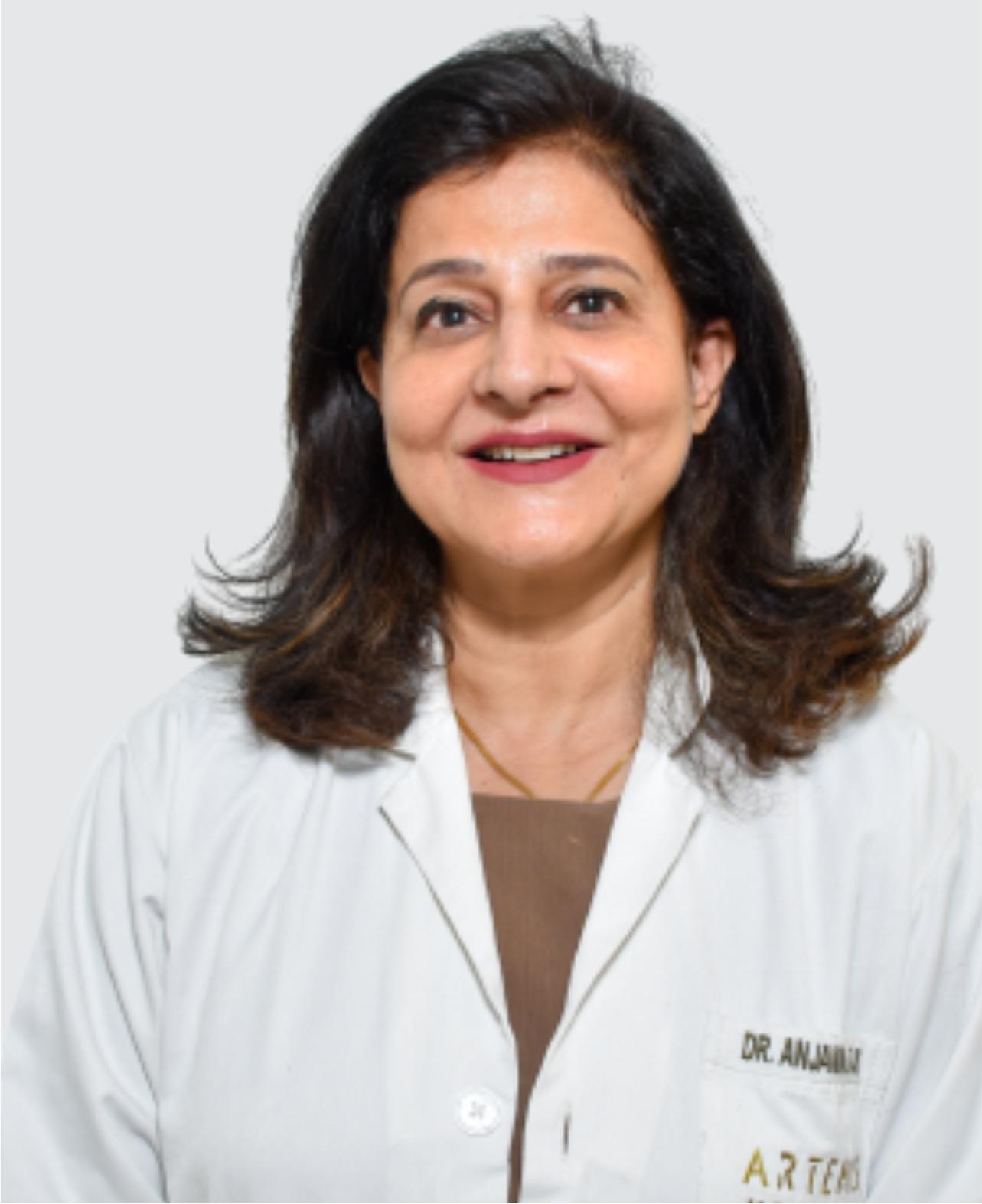
Head - Dentistry
Dentistry
New Delhi
20+ Years
Experience
Artemis Hospital
Hospital
1500
Fees
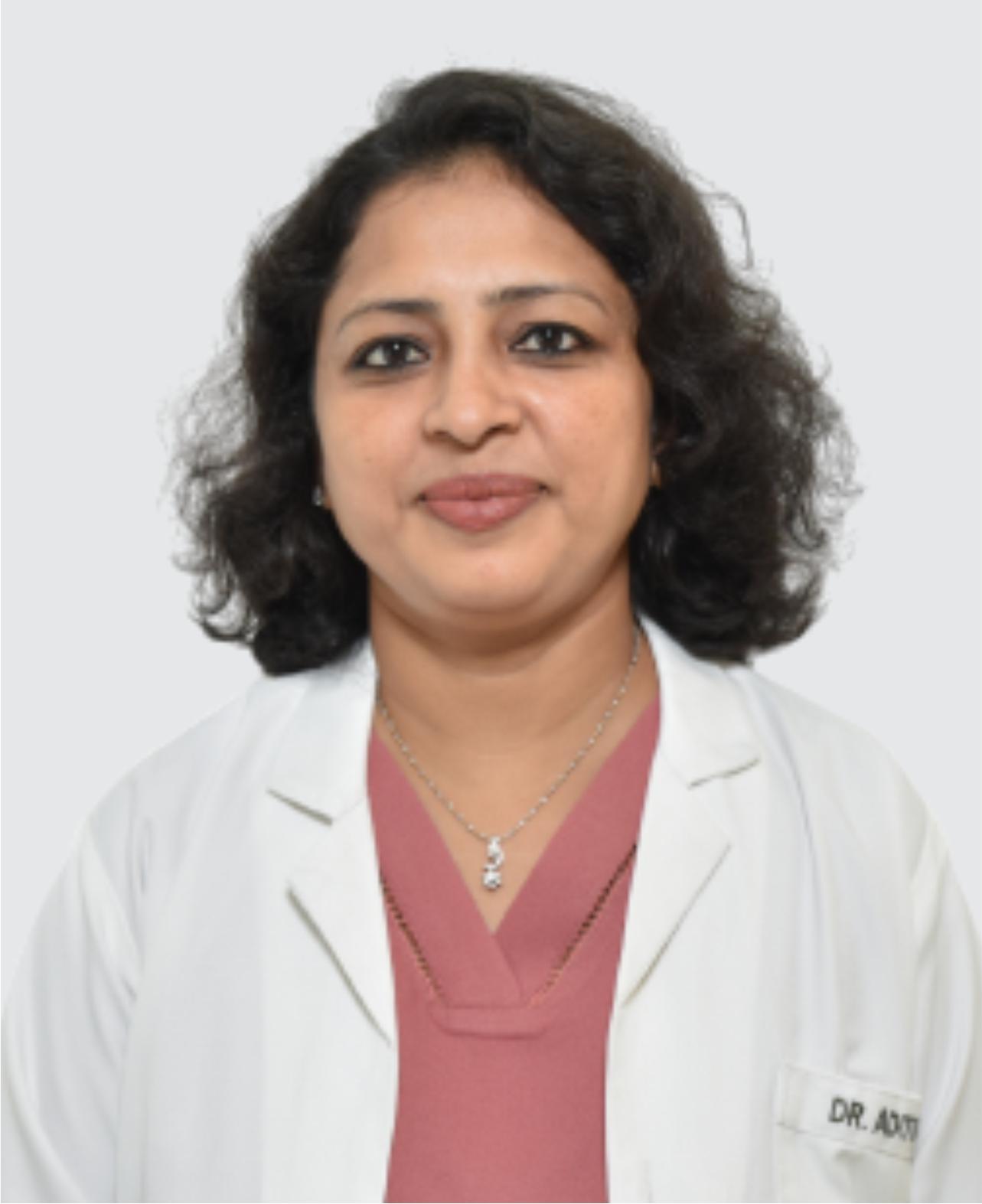
Sr. Consultant – Women Imaging
Radiology
New Delhi
15+ Years
Experience
Artemis Hospital
Hospital
1500
Fees

Co-Head Psychological Services
Mental Health and Behavioural Sciences
New Delhi
15+ Years
Experience
Artemis Hospital
Hospital
1500
Fees

Head of Department - Gynae Endocrinology & DNB Program Director - Obs & Gynae
Gynaecological Endocrinology, Maternity, Obstetrics & Gynaecology
New Delhi
35+ Years
Experience
Artemis Hospital
Hospital
1500
Fees

Senior Consultant - ENT
ENT and Head & Neck Surgery
New Delhi
24+ Years
Experience
Artemis Hospital
Hospital
1500
Fees
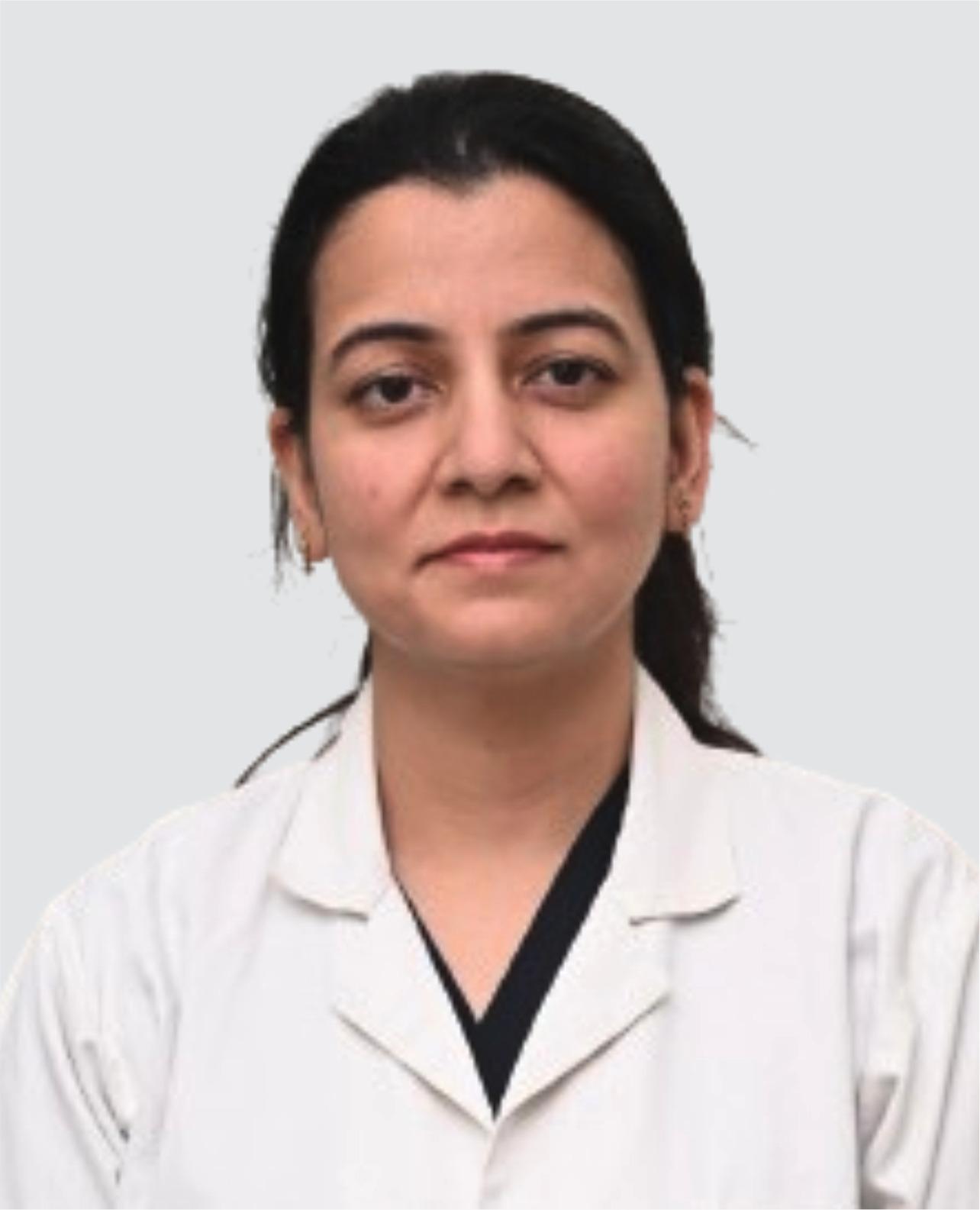
Consultant (Head & Neck Surgery) - Surgical Oncology
Head and Neck Surgical Oncology
New Delhi
10+ Years
Experience
Artemis Hospital
Hospital
1500
Fees
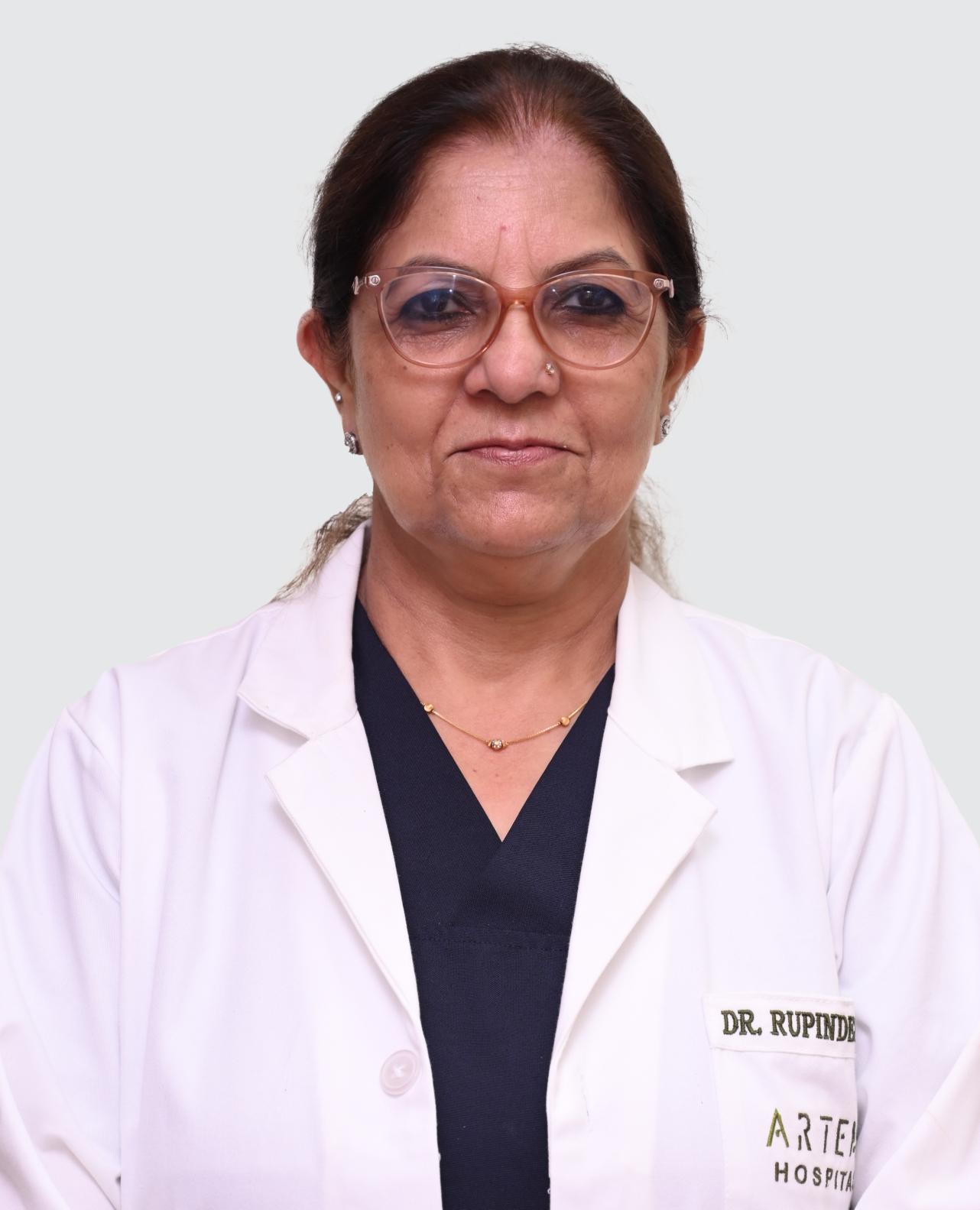
Chairperson - Gynae Oncology
Gynaecological Oncology
New Delhi
16+ Years
Experience
Artemis Hospital
Hospital
1500
Fees
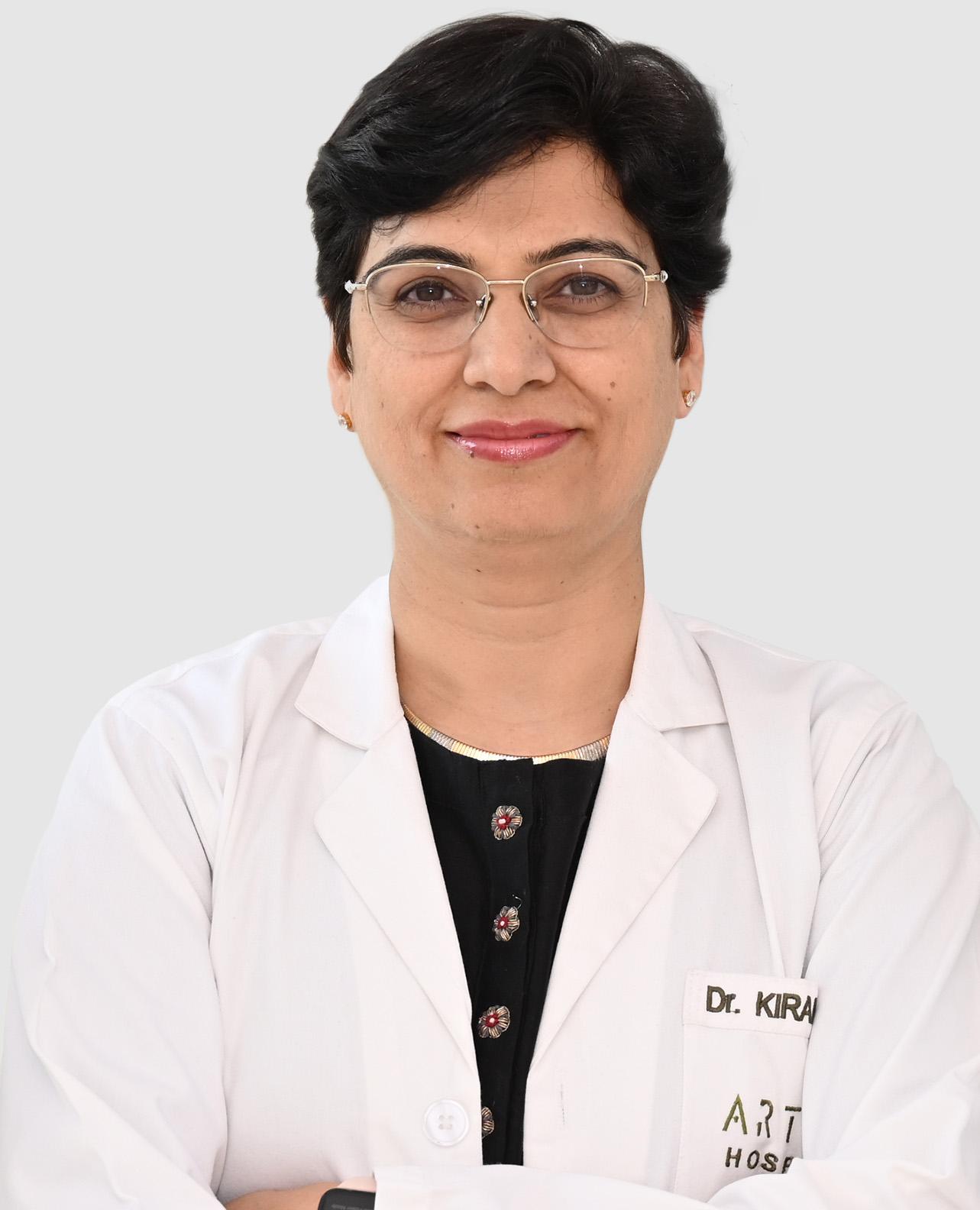
Unit Head - Reproductive Medicine (Unit II)
IVF, Reproductive Medicine, Obstetrics & Gynecology
New Delhi
20+ Years
Experience
Artemis Hospital
Hospital
1500
Fees
Sr. Consultant - Obs & Gynae
Maternity, Obstetrics & Gynaecology
New Delhi
15+ Years
Experience
Artemis Hospital
Hospital
1500
Fees

Unit Head - Obs & Gynae
Maternity, Obstetrics & Gynaecology
New Delhi
19+ Years
Experience
Artemis Hospital
Hospital
1500
Fees
Get Personalized Medical Treatment Options From India's Top Hospitals. Our Medical Experts Are Ready To Assist You Every Step Of The Way.