Centres Of Excellence
Our Centres of Excellence bring together multidisciplinary teams to deliver precise diagnosis, advanced treatments, and superior outcomes across a wide spectrum of medical specialties.
OVERVIEW
Dental Implants treatment aims to restore the full function and aesthetics of a missing tooth or multiple teeth. This involves surgically embedding a biocompatible titanium implant into the jawbone, which then fuses with the bone (osseointegration). After healing, a custom-made crown, bridge, or denture is securely attached, providing a stable, long-lasting replacement.
PROCEDURE
Dental Implants placement is a multi-step surgical procedure. First, after administering local anesthesia, the surgeon makes a small incision in the gum to expose the jawbone. A pilot hole is then precisely drilled into the bone at the planned site. This hole is gradually widened to accommodate the implant post. The titanium implant is carefully screwed into the prepared bone socket. In some cases, a healing cap is placed over the implant, and the gum is sutured closed, allowing the implant to heal beneath the gum line. In other cases, an abutment may be attached immediately (one-stage procedure). After the osseointegration period (typically 3-6 months), if a healing cap was used, the gum is reopened, and the abutment is attached. Finally, impressions are taken, and a custom-made crown, bridge, or denture is fabricated and cemented or screwed onto the abutment.
BENEFITS
Key Benefits of Dental Implants
Natural Look and Feel
Implants are designed to blend seamlessly with your natural teeth, offering superior aesthetics and comfort.
Improved Chewing and Speech
Restore full chewing ability and clear speech, allowing you to enjoy all your favorite foods and communicate confidently.
Durability and Longevity
With proper care, dental implants can last a lifetime, making them a highly cost-effective long-term solution.
Bone Preservation
Implants stimulate the jawbone, preventing bone loss and maintaining facial structure, which often occurs with missing teeth.
No Harm to Adjacent Teeth
Unlike traditional bridges, implants do not require altering or grinding down healthy adjacent teeth for support.
Enhanced Self-Confidence
A complete and beautiful smile can significantly boost self-esteem and quality of life.
RECOVERY
Dental Implants Recovery Time and Tips
The initial recovery from Dental Implants surgery typically involves a few days to a week of mild discomfort, swelling, and bruising. Most patients can return to normal activities within 1-2 days. The crucial phase is osseointegration, where the implant fuses with the jawbone, which takes 3 to 6 months. During this period, it’s vital to follow specific care instructions:
Immediate Post-Operative Care
Manage pain with prescribed medication, apply ice packs to reduce swelling, and consume soft foods. Avoid strenuous activities for the first few days.
Oral Hygiene
Maintain excellent oral hygiene with gentle brushing around the surgical site and using an antiseptic mouthwash as recommended by your surgeon.
Dietary Restrictions
Stick to soft foods for several weeks, gradually reintroducing harder foods as healing progresses. Avoid chewing directly on the implant site.
Avoid Smoking and Alcohol
Smoking and excessive alcohol consumption can significantly impede healing and increase the risk of implant failure.
Regular Follow-ups
Attend all scheduled appointments with your dental surgeon to monitor healing and ensure the success of the osseointegration process.
WHAT WE TREAT
Missing Single Teeth
Replacing one lost tooth without affecting adjacent healthy teeth.
Multiple Missing Teeth
Supporting a dental bridge or individual crowns for several lost teeth.
Full Arch Tooth Loss
Providing a stable foundation for full dentures (All-on-4/6) or fixed bridges, eliminating the need for removable appliances.
Jawbone Deterioration Prevention
Stimulating the jawbone to prevent bone loss that typically occurs after tooth extraction.
Improving Denture Stability
Anchoring loose dentures for enhanced comfort and chewing efficiency.
PREPARATION
Thorough preparation is crucial for the success of Dental Implants. This includes a comprehensive dental examination, full-mouth X-rays, and often 3D CT scans to evaluate bone quality and quantity, as well as the proximity of nerves and sinuses. A detailed medical history is taken to rule out any contraindications. Patients may need to stop smoking, manage existing chronic conditions like diabetes, and take antibiotics prior to surgery. Oral hygiene instructions will be provided, and any existing dental issues like gum disease or cavities must be treated before implant placement.
RISKS
While Dental Implants have a high success rate, potential risks include infection at the implant site, nerve damage (leading to numbness or tingling in the lips, gums, or tongue), sinus perforation (if implants are placed in the upper jaw near the sinus cavity), implant failure (due to lack of osseointegration, excessive force, or poor oral hygiene), and damage to surrounding teeth or blood vessels.
JOURNEY
Your DivinHeal Dental Implants Journey
Initial Consultation & Diagnostics
Detailed oral examination, X-rays, and 3D CT scans to assess bone density and suitability for implants. Discussion of treatment goals and options.
Treatment Planning
Our expert dental surgeons and prosthodontists develop a personalized plan, including the number and placement of implants, and any necessary preparatory procedures like bone grafting.
Implant Placement Surgery
A minor surgical procedure where titanium posts are carefully placed into the jawbone. This is typically done under local anesthesia.
Healing Period (Osseointegration)
A crucial phase lasting 3-6 months, during which the implants fuse with the jawbone, providing a strong foundation.
Abutment Placement
Once osseointegration is complete, a small connector (abutment) is attached to the implant, extending above the gum line.
Restoration Placement
Impressions are taken to create your custom crown, bridge, or denture, which is then securely fitted onto the abutment, completing your new smile.
Post-Treatment Care & Follow-up
Guidance on oral hygiene and regular check-ups to ensure the longevity and health of your dental implants.
OUTCOMES
Patients can expect restored chewing ability, improved speech, and a natural-looking smile that enhances self-confidence. With proper care, dental implants boast a high success rate and can last a lifetime, significantly improving overall oral health and quality of life.
Hospitals Offering this treatment
India offers premium medical procedures at affordable prices. Discover our most popular treatments, delivered by the country's finest doctors.
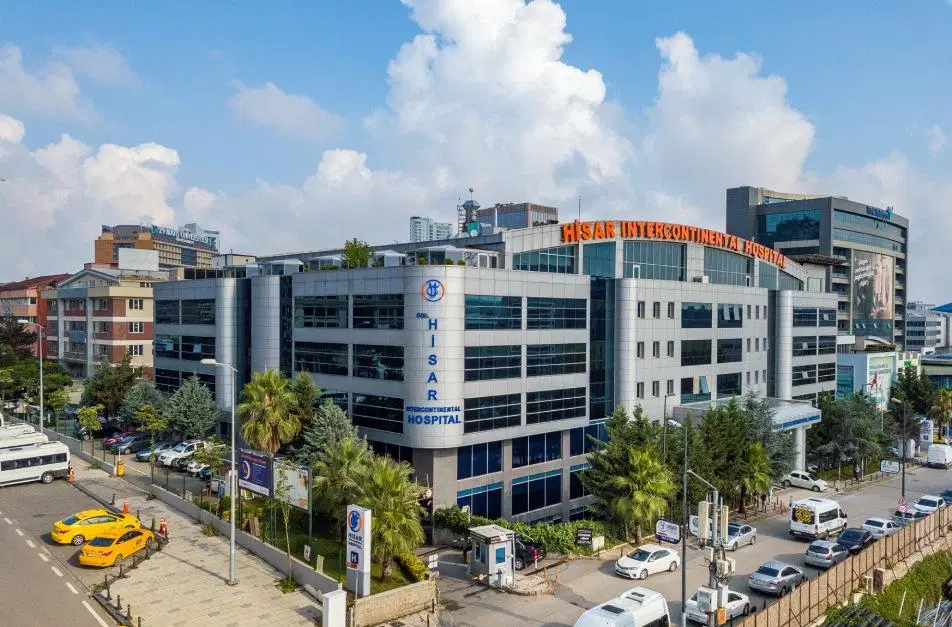
Hisar Intercontinental Hospital
Saray Mah. Siteyolu Cad. No:7, Umraniye, 34768, Istanbul, Turkey
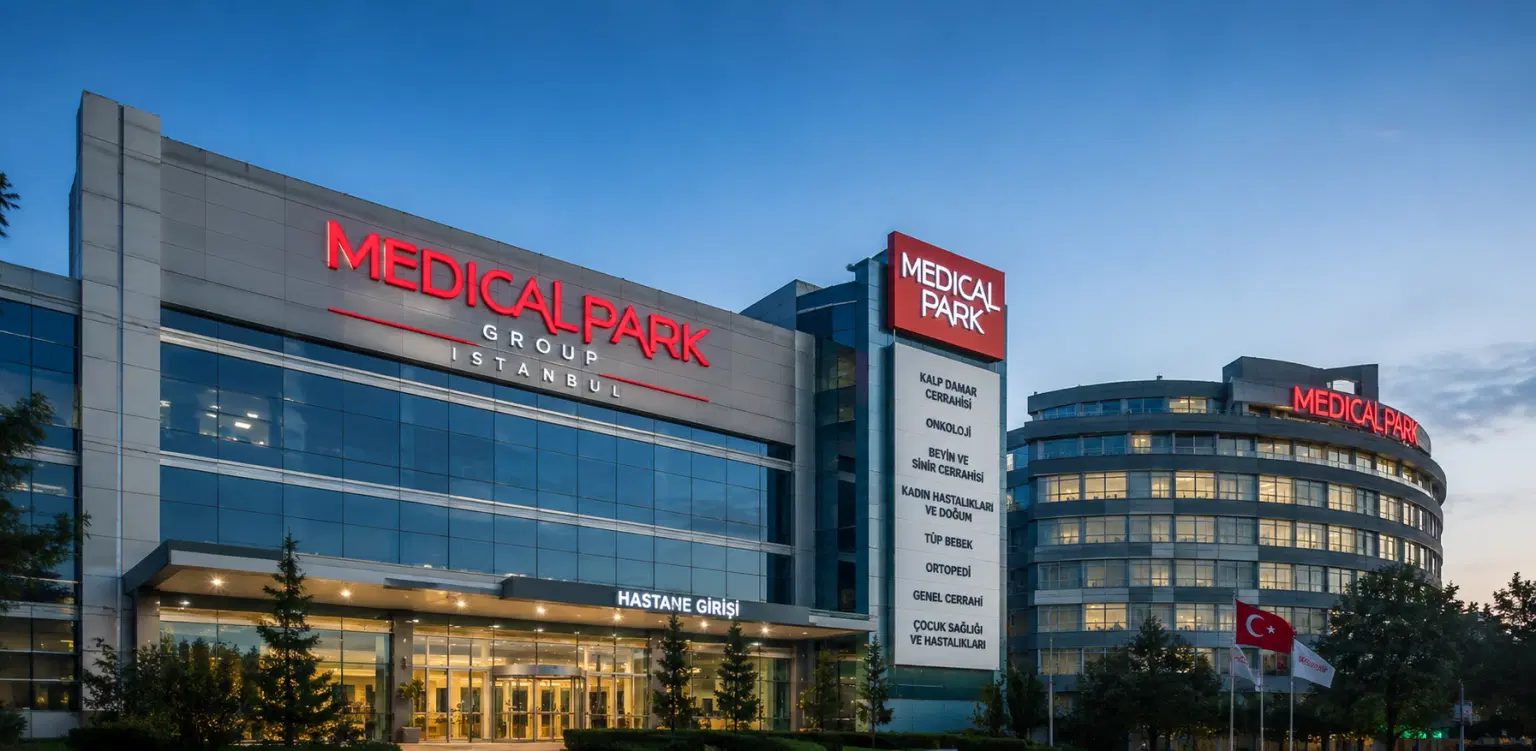
Medical Park Group, Istanbul
Fahrettin Kerim Gokay Cad. Tıbbiye Cd., Kadikoy, Istanbul, Turkey
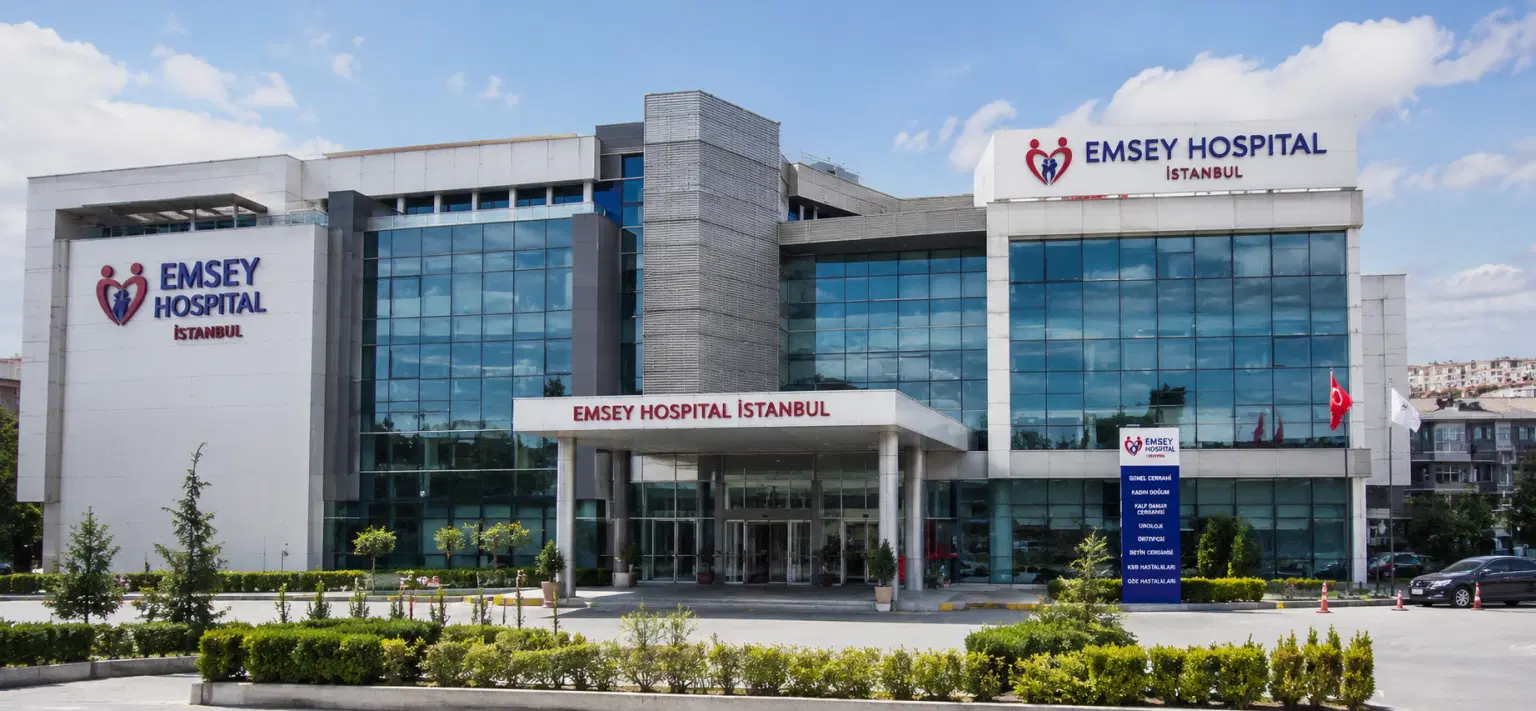
Emsey Hospital, Pendik, Istanbul
Çamlık, Selçuklu Cd. No:22, 34912 Pendik/İstanbul, Türkiye
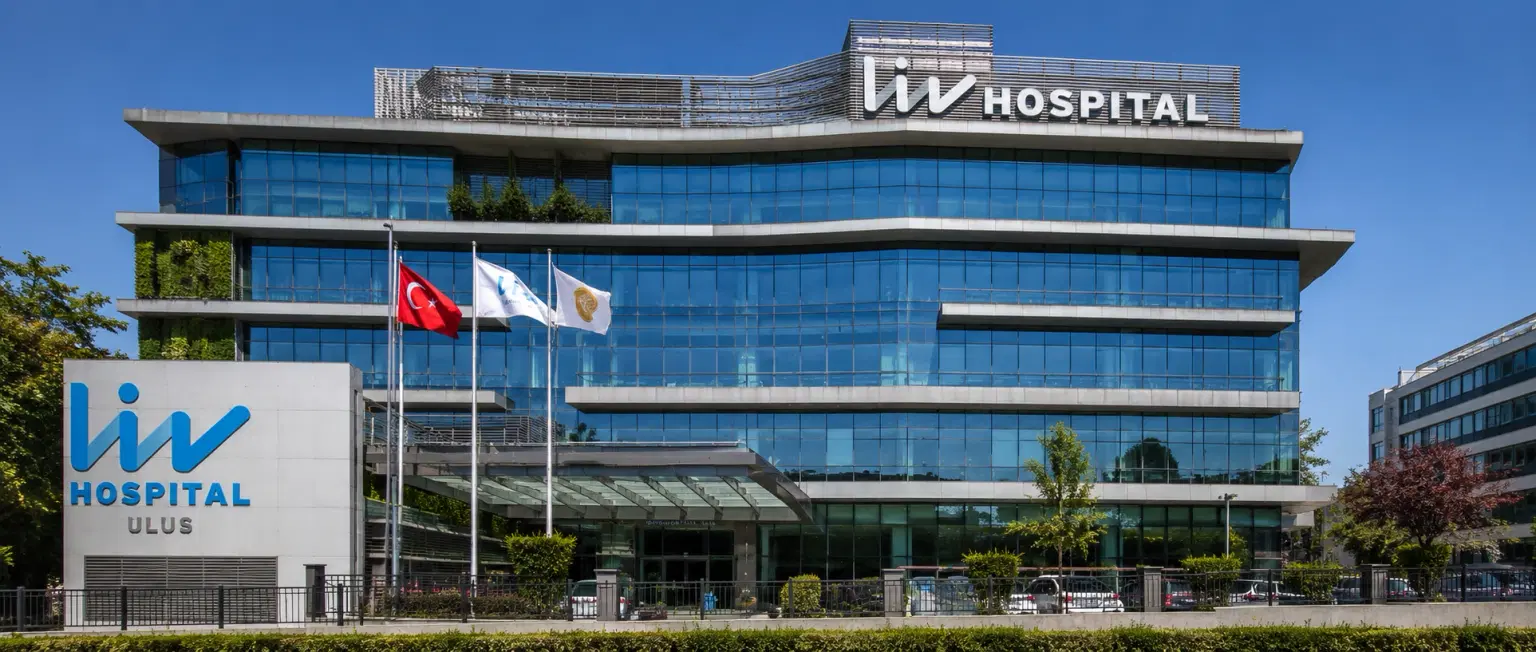
LIV Hospital, Istanbul
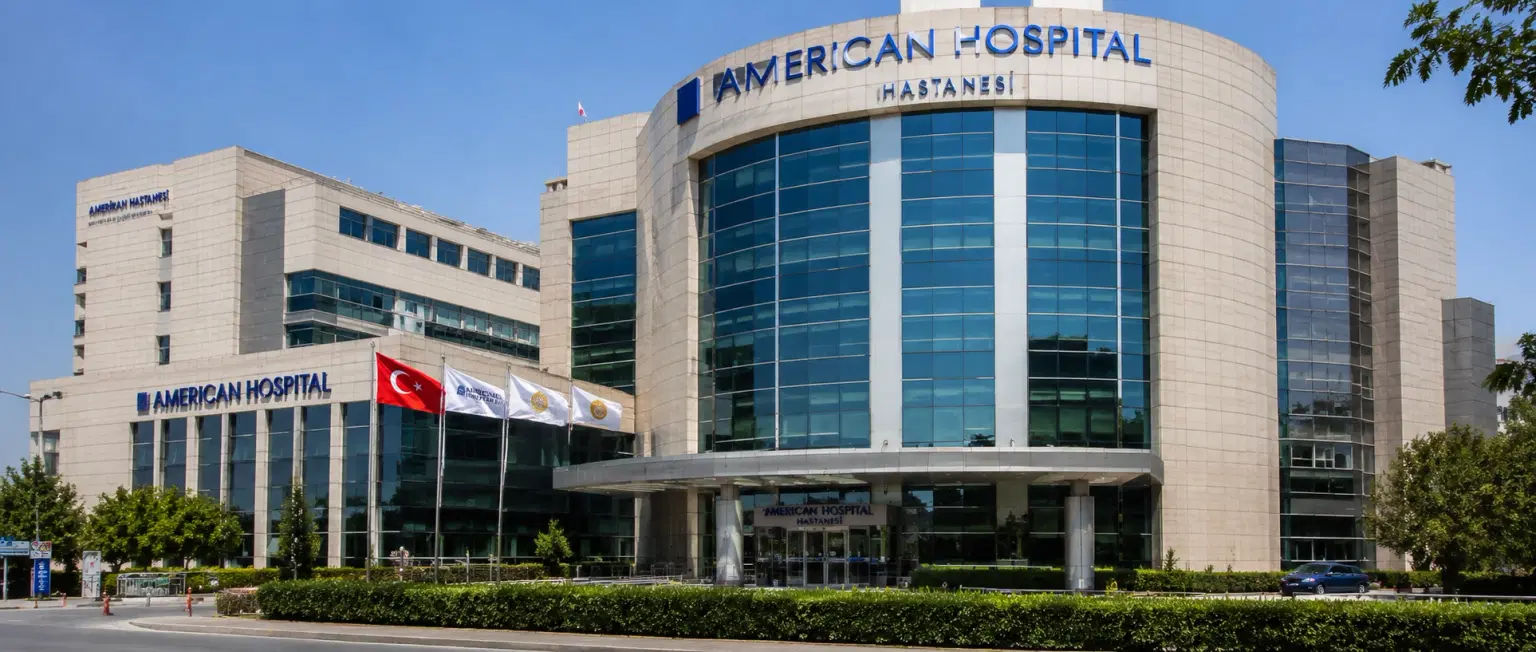
American Hospital, Istanbul
Guzelbahce Sk. No:20, 34365, Nisantasi, Istanbul, Turkey
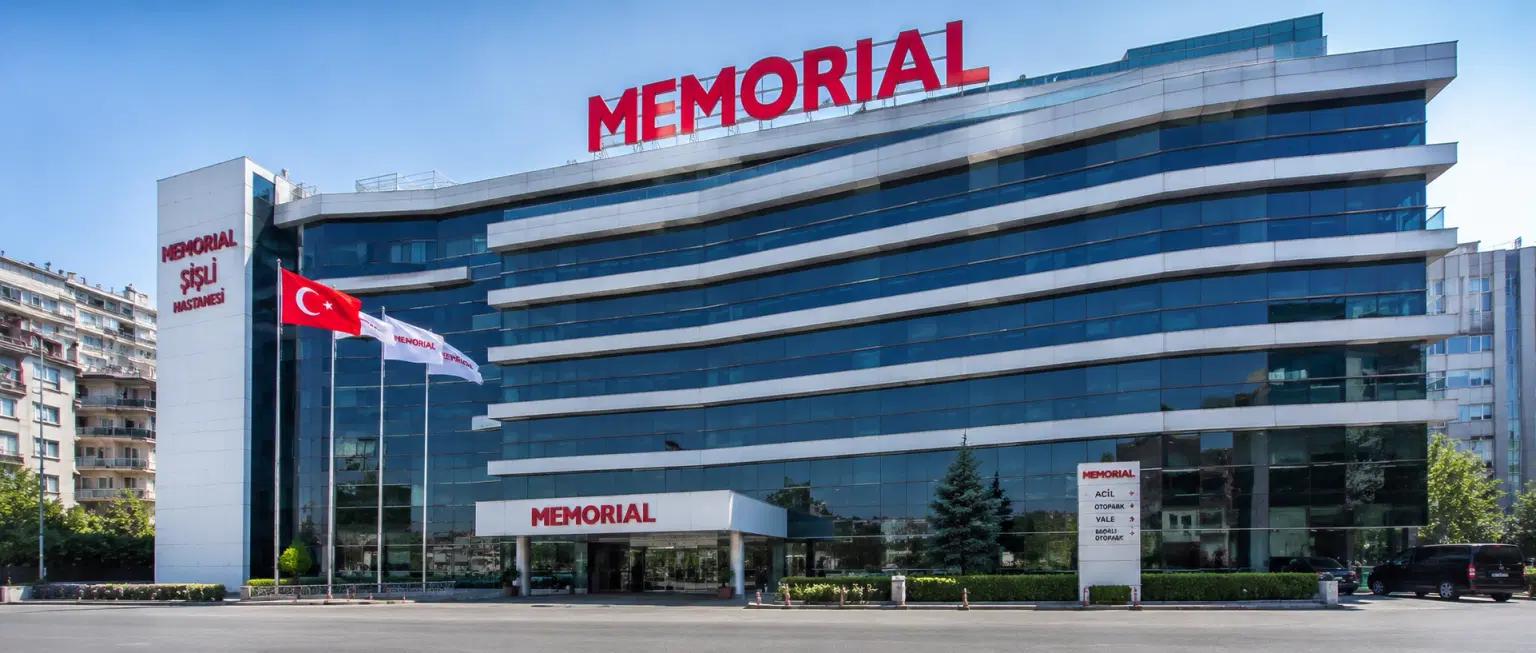
Memorial Hospitals Group
Burhaniye, Nagehan Sokağı No:4/A D:1, 34676 Üsküdar/İstanbul, Türkiye
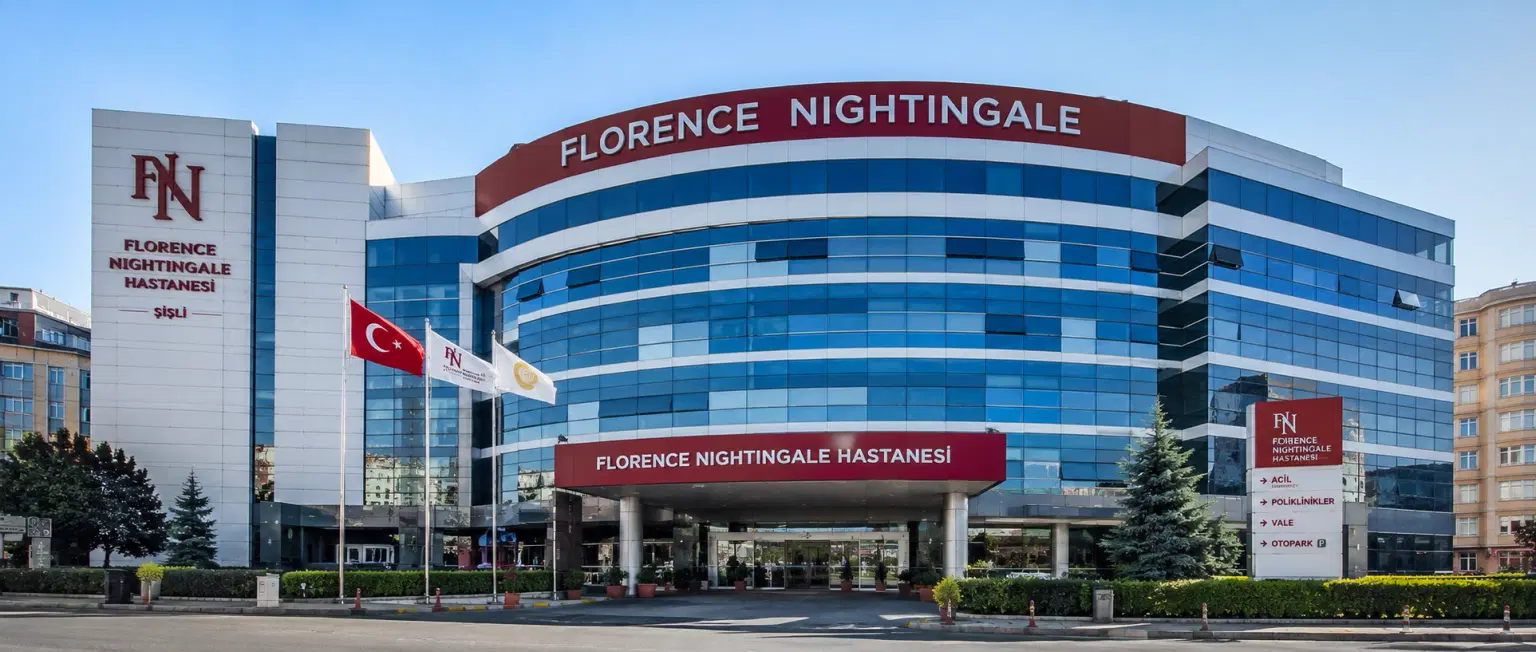
Florence Nightingale Hospital Istanbul
Abide-i Hürriyet Cd No:166, 34381 Sisli, Istanbul
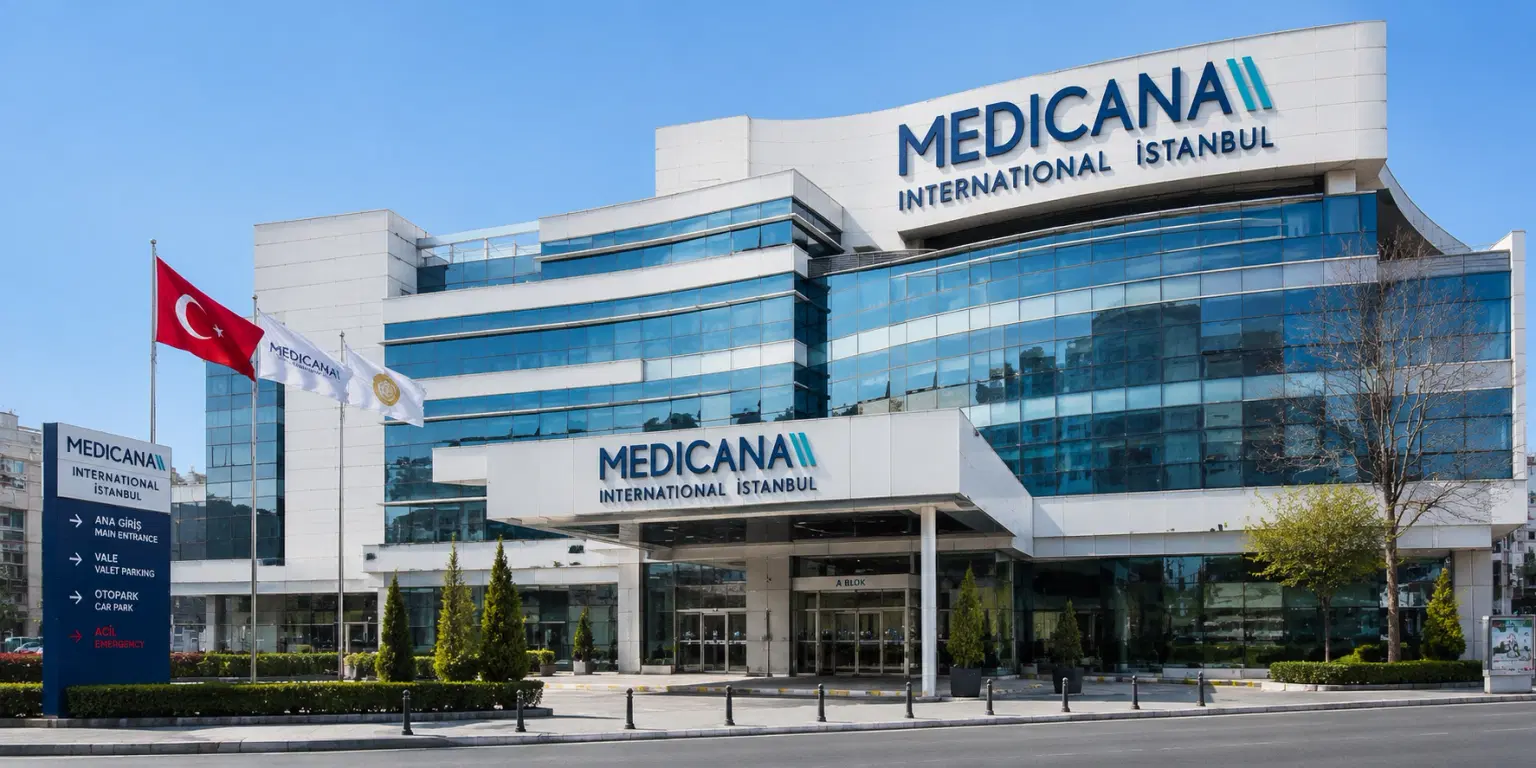
Medicana International Hospital, Istanbul
Halit Ziya Turkkani Mah. Medikal Park Cd. No:1, Beylikdüzü, İstanbul
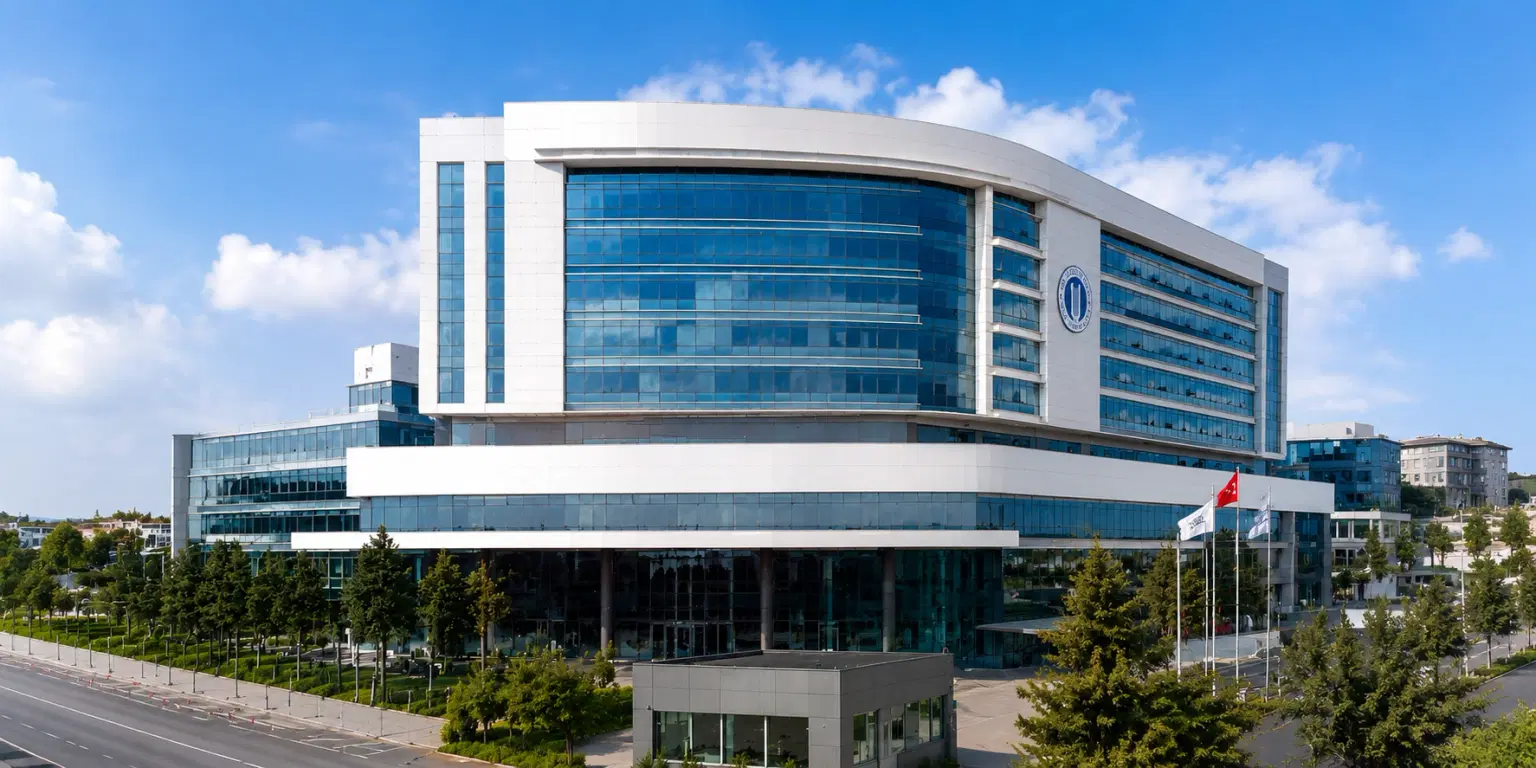
Okan University Hospital Istanbul
Icmeler Mah. Aydınlıyolu Cd. No:2, 34947 Icmeler-Tuzla, Istanbul
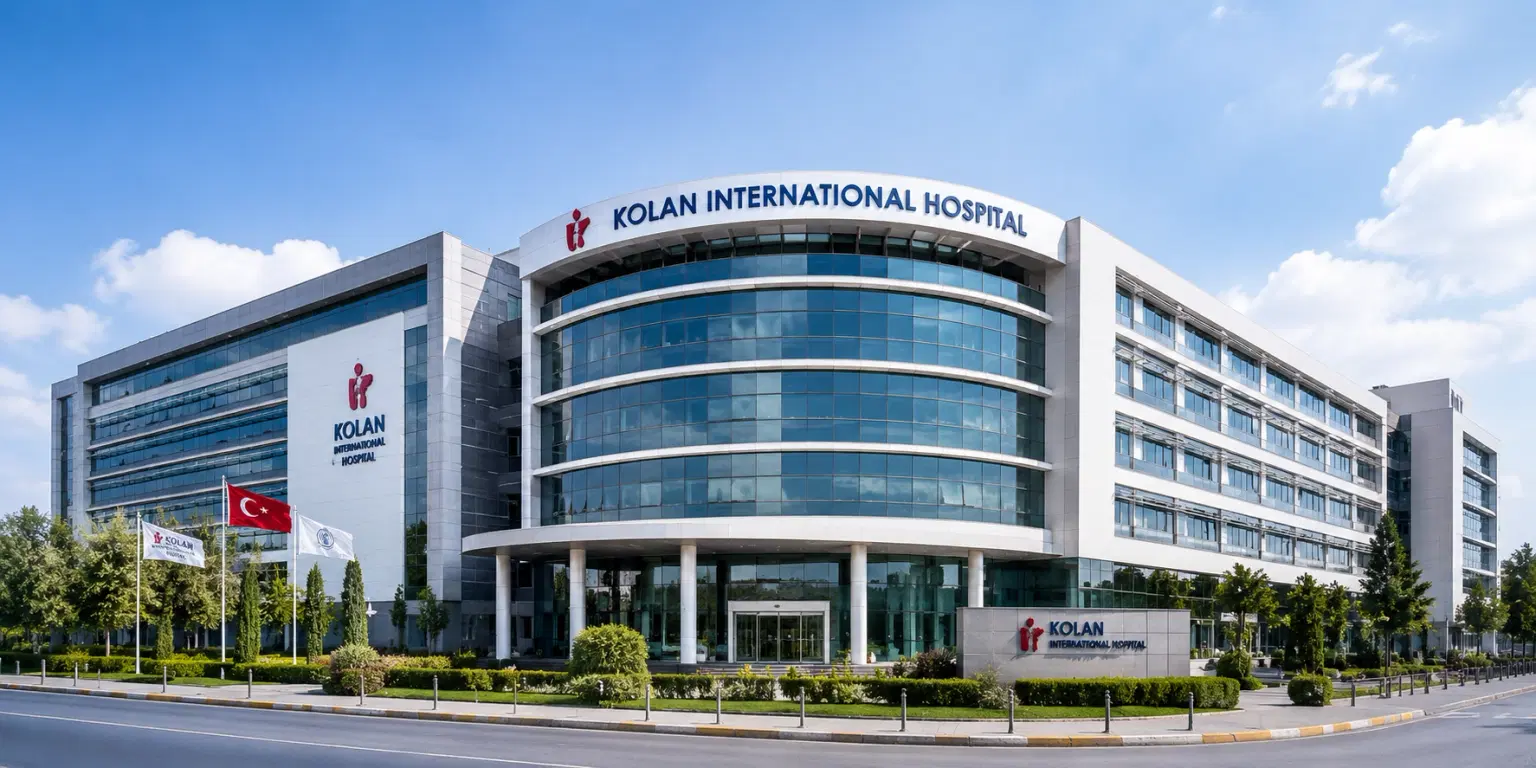
Kolan International Hospital, Istanbul
Kaptanpasa Mah. Okmeydan Kavsagi, Darulaceze Cd. No:14, 34384 Sisli, Istanbul
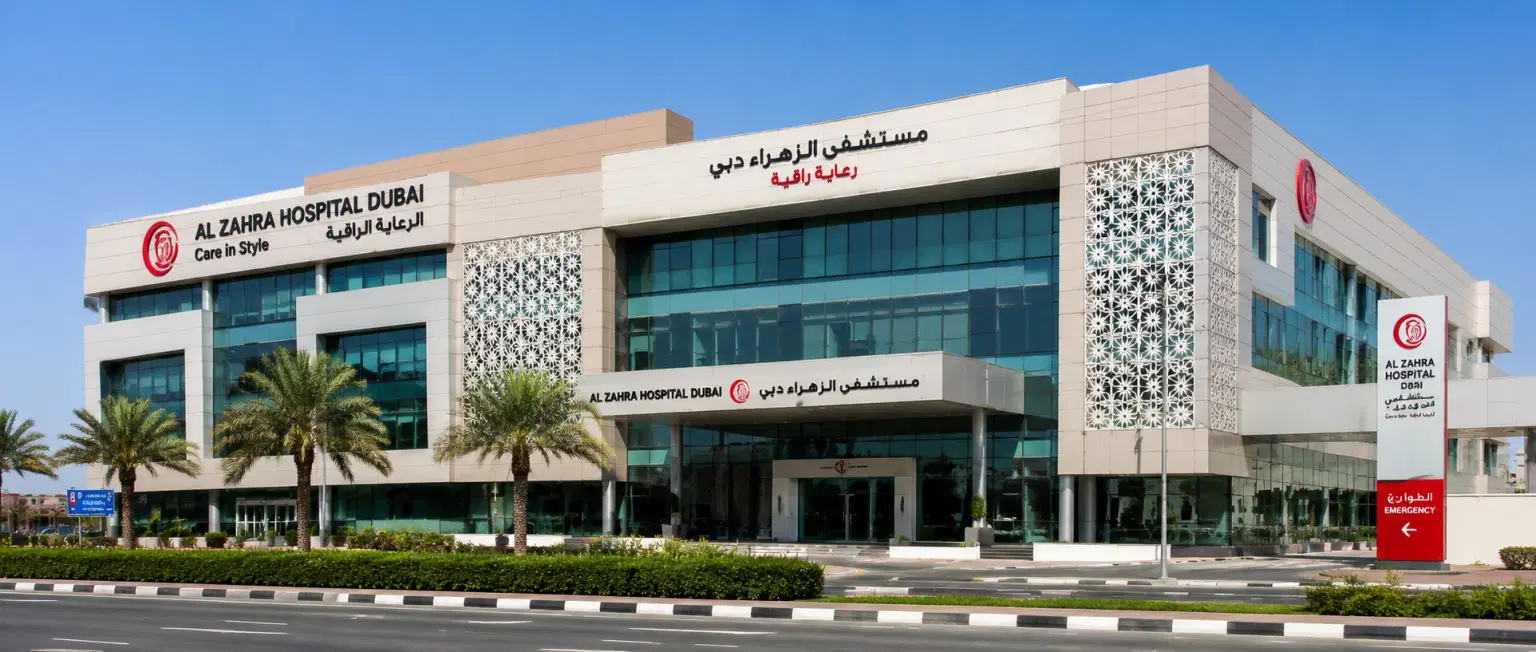
Al Zahra Hospital, Dubai
Sheikh Zayed Road, Al Barsha 1, Dubai, UAE
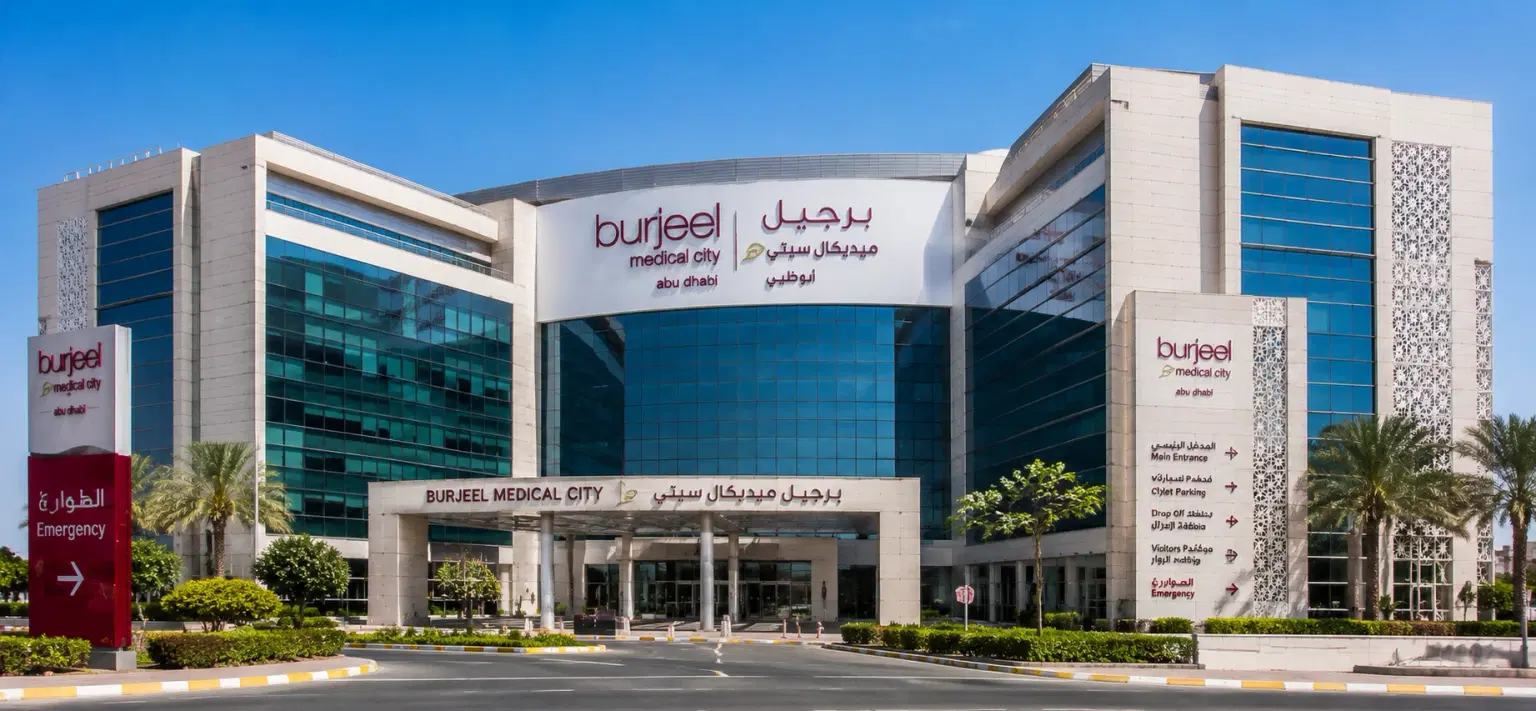
Burjeel Medical City, Abu Dhabi
28th Street, Mohammed Bin Zayed City, Abu Dhabi, UAE
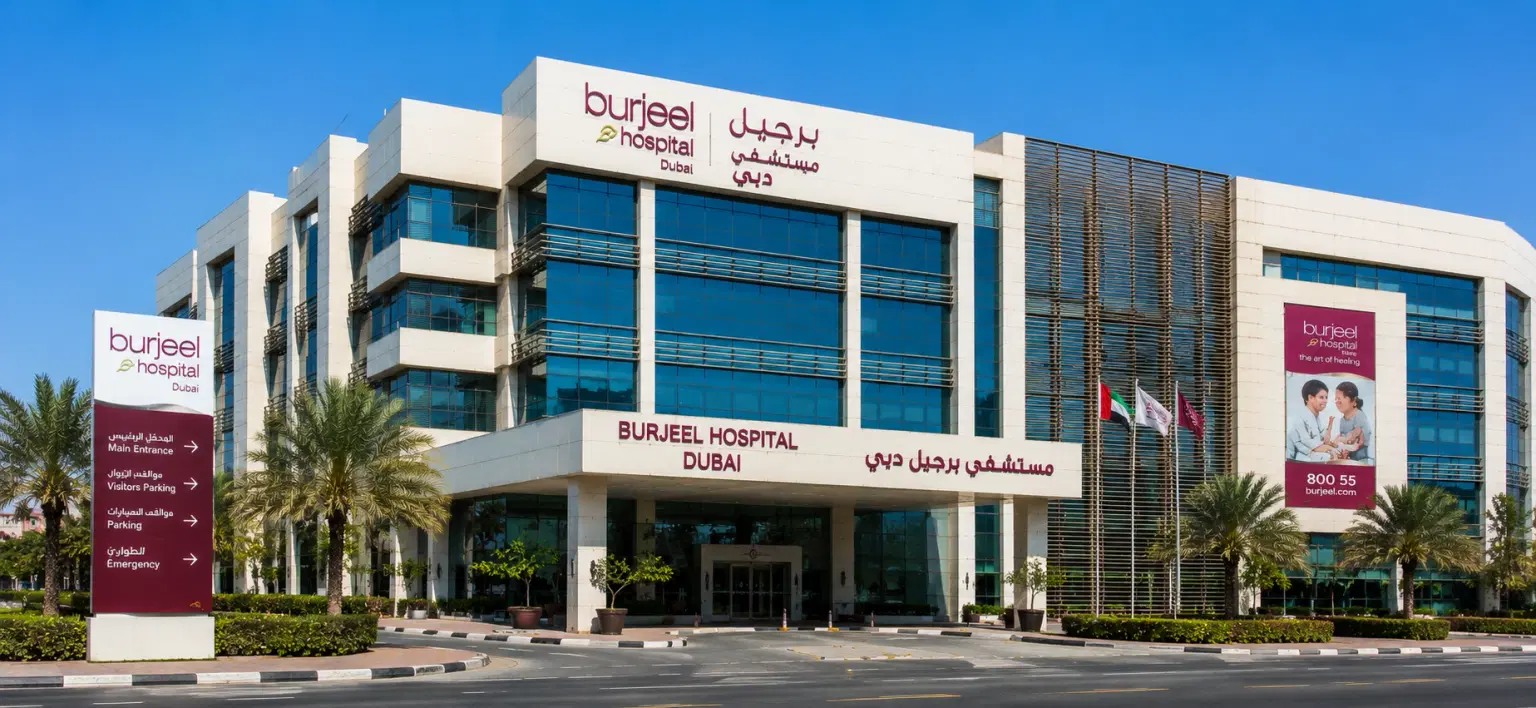
Burjeel Hospital, Dubai
Dubai, UAE (part of Burjeel Holdings network)
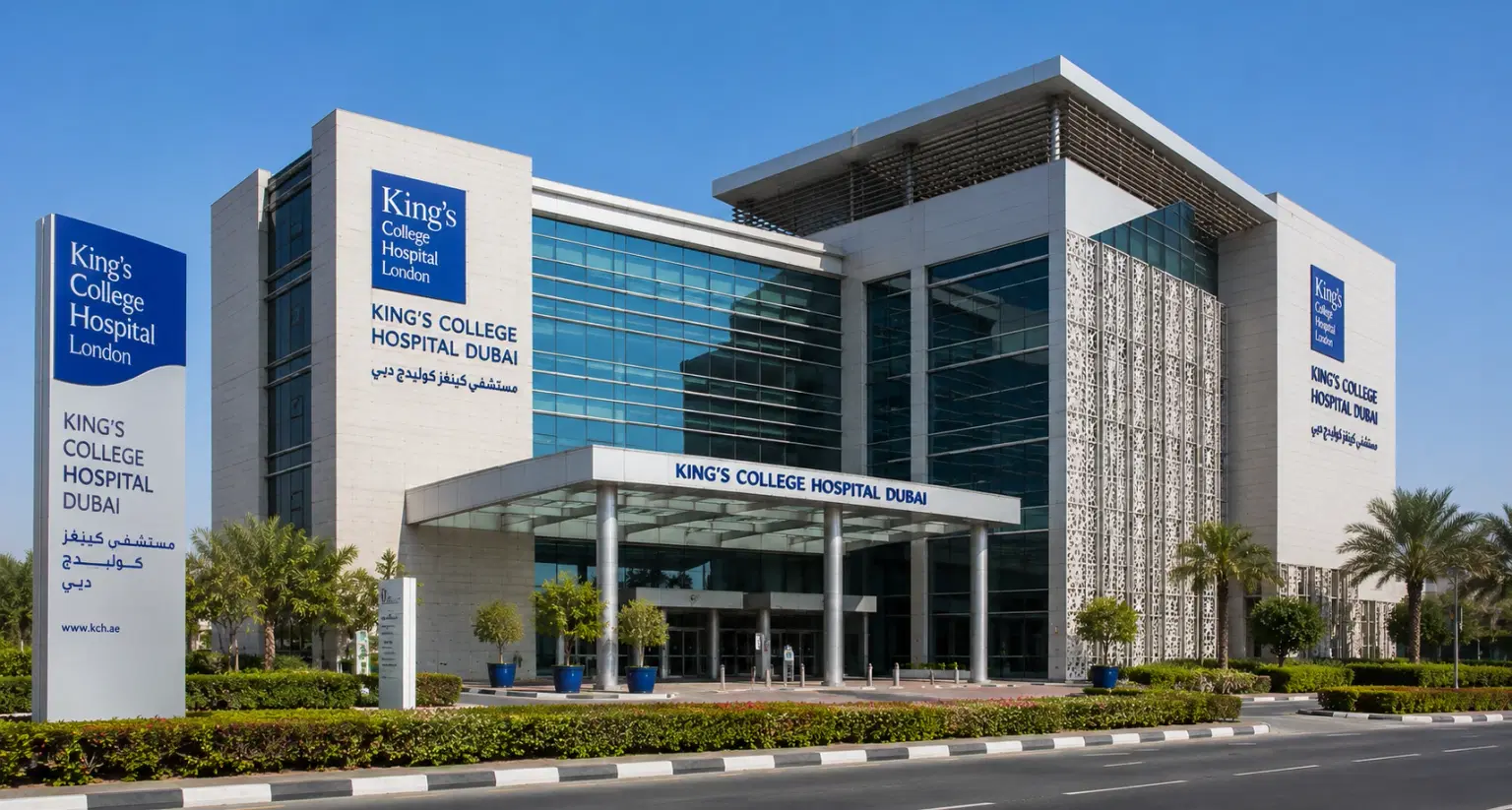
King's College Hospital, Dubai
Dubai Hills, Mohammed Bin Rashid City, Dubai, UAE
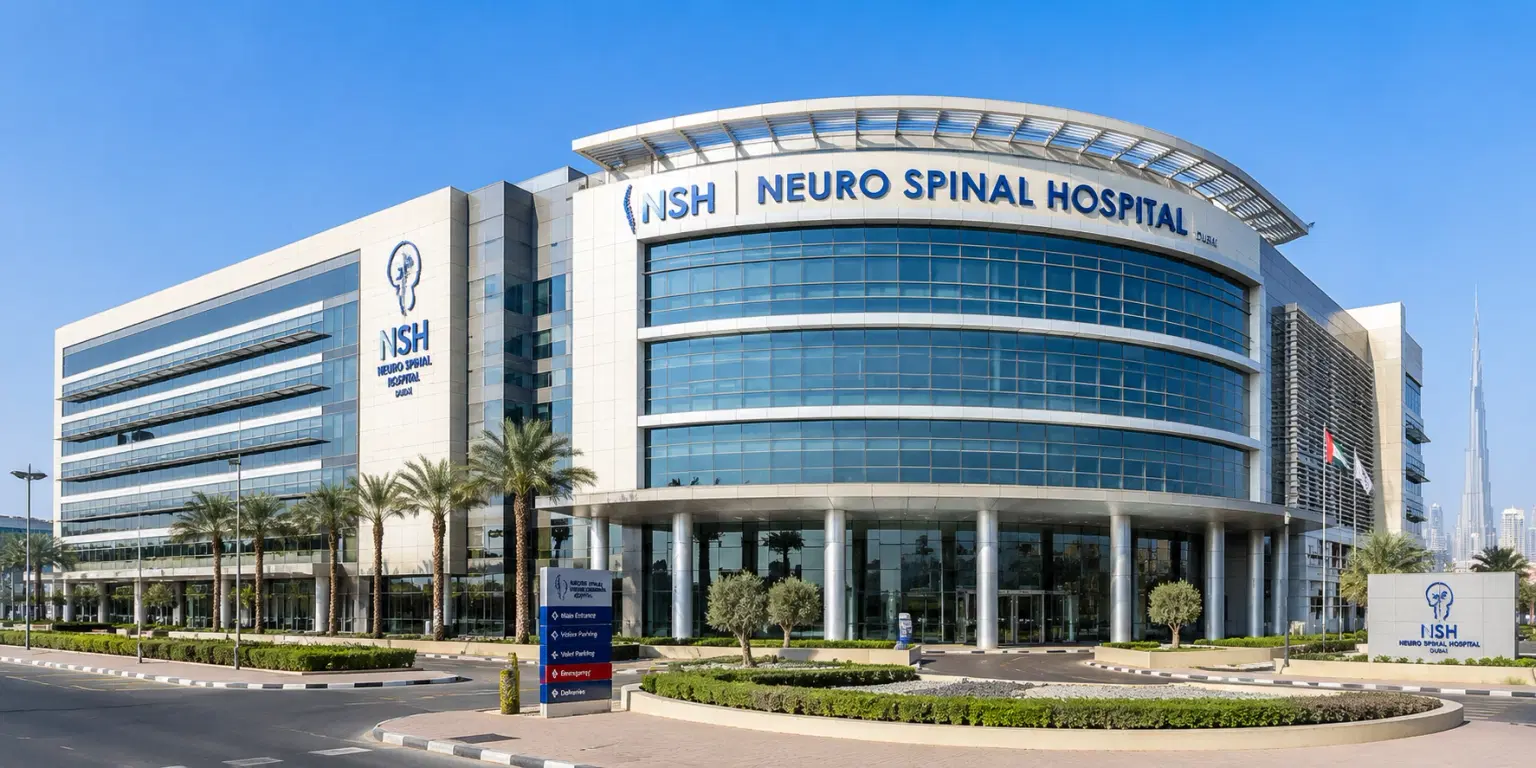
Neuro Spinal Hospital (NSH), Dubai
Dubai Science Park, Umm Suqeim St, Al Barsha South, Dubai, UAE
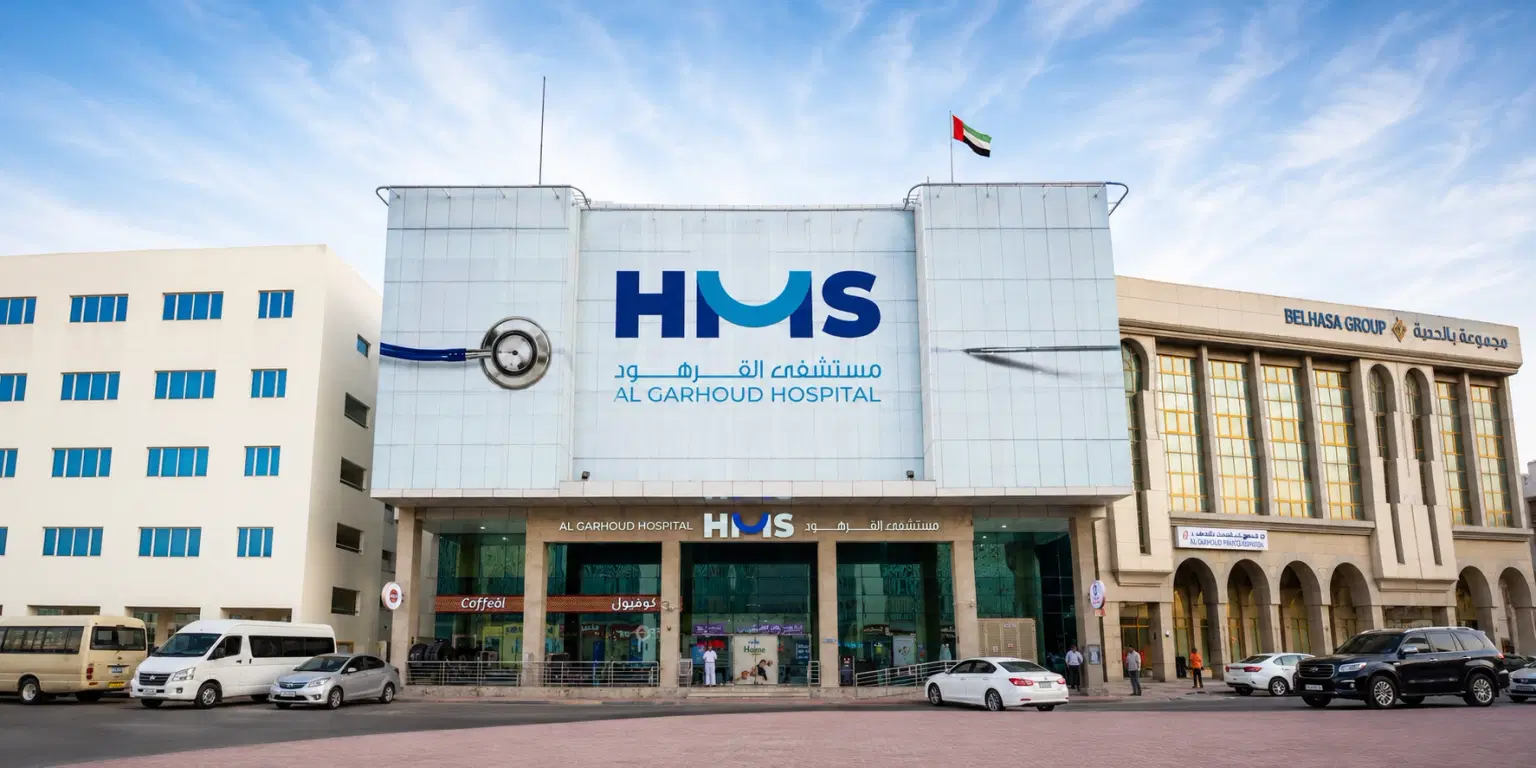
HMS Al Garhoud Hospital, Dubai
Al Garhoud Street, Al Garhoud, Dubai, UAE
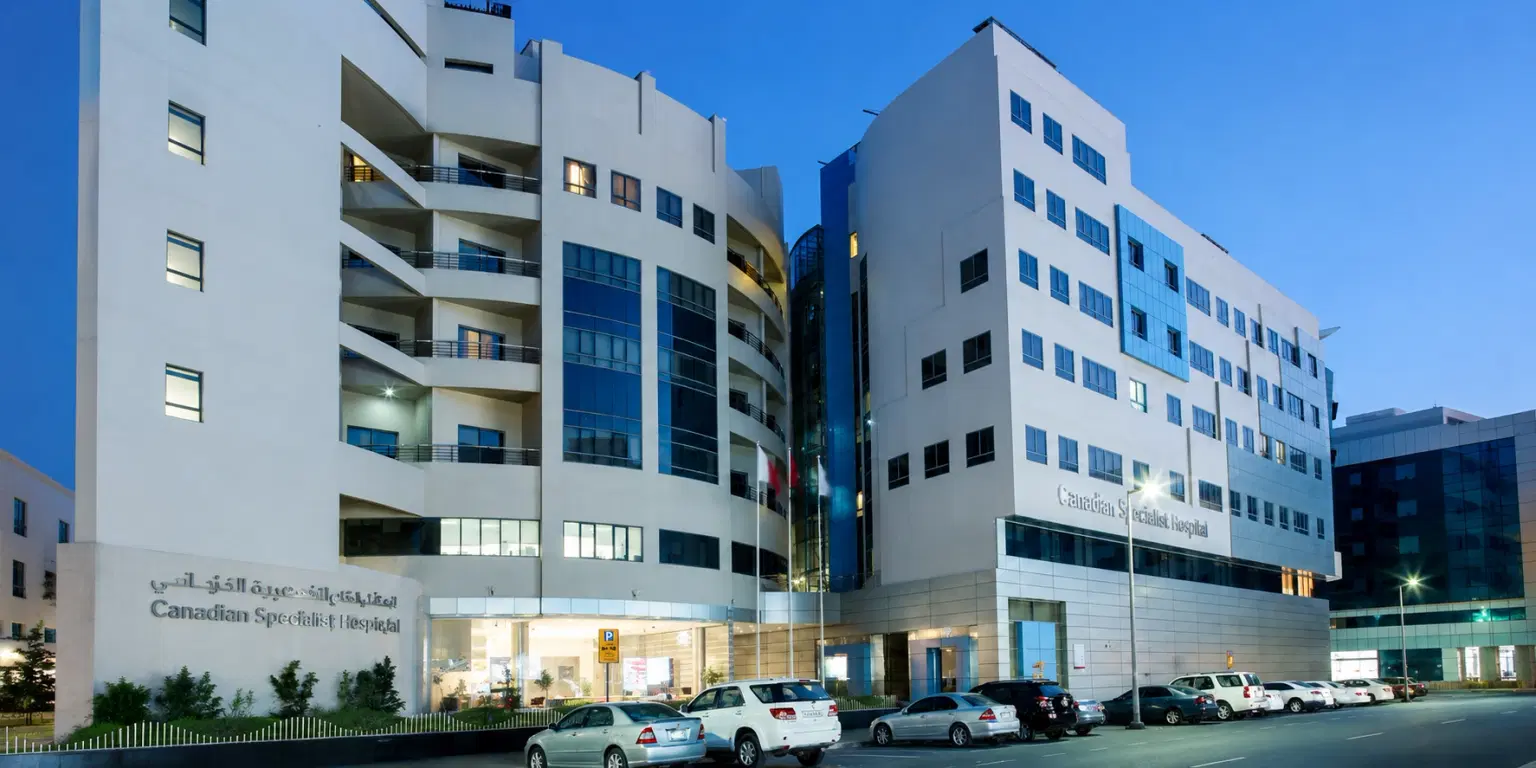
Canadian Specialist Hospital, Dubai
Abu Hail Street 269/1, Canadian Specialist Hospital Building, Hor Al Anz East, Deira, Dubai, UAE
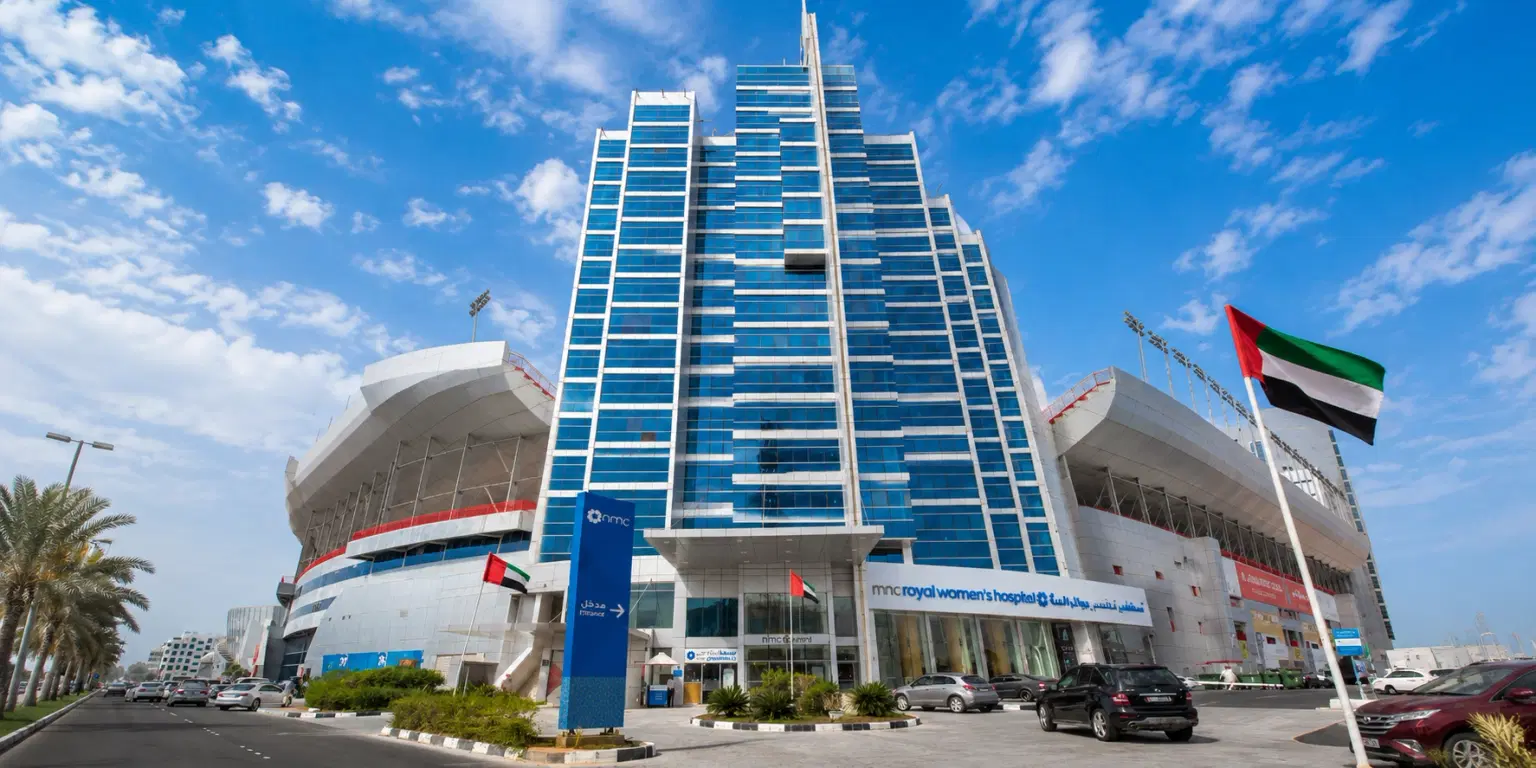
NMC Royal Women's Hospital, Abu Dhabi
Tower B, Mohammed bin Zayed Stadium, Al Jazira Club, Opposite Dusit Thani, Muroor Road, Abu Dhabi, UAE
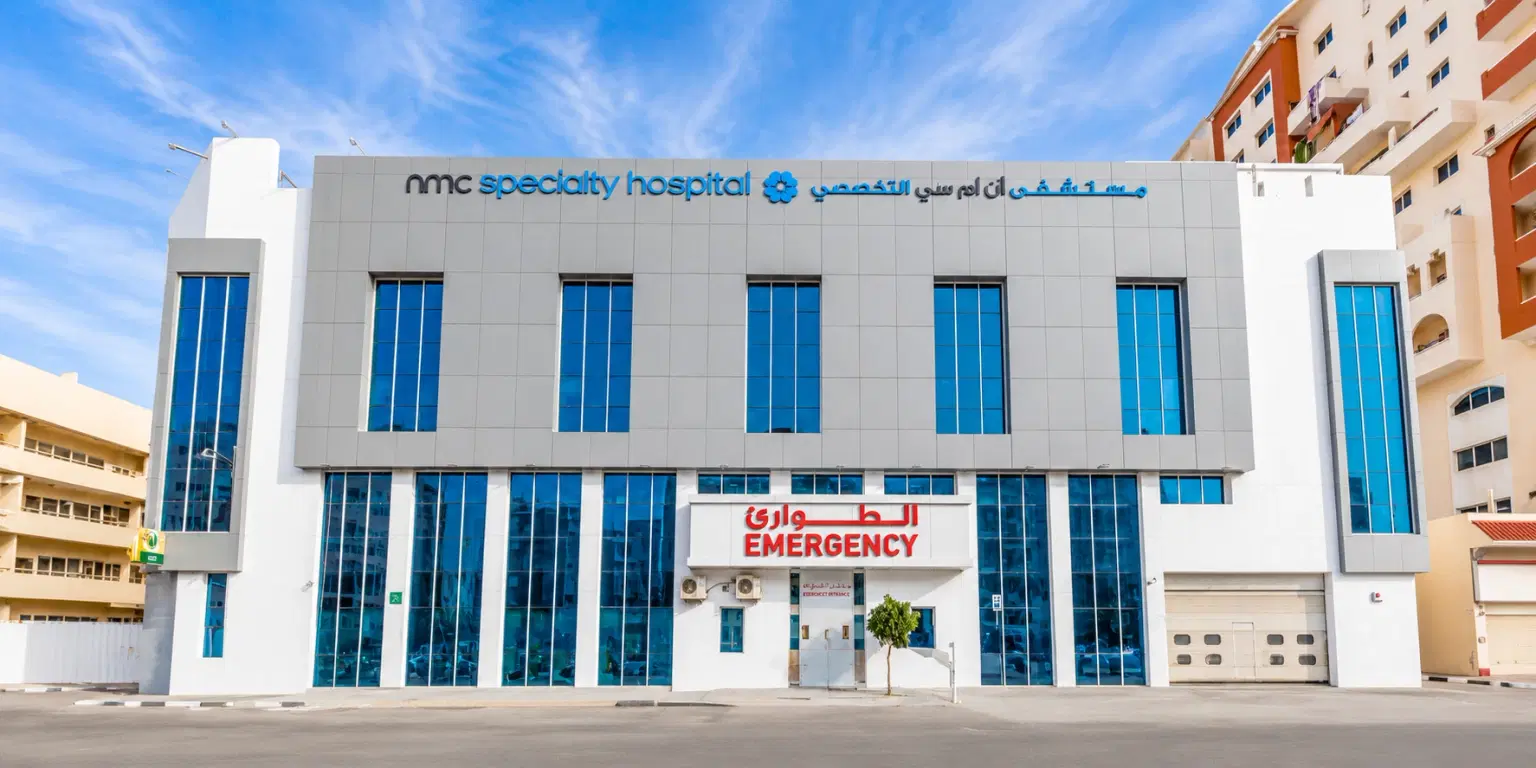
NMC Specialty Hospital, Al Nahda, Dubai
7A St, Al Qusais, Al Nahda 2, next to Bait Al Khair Building, Dubai
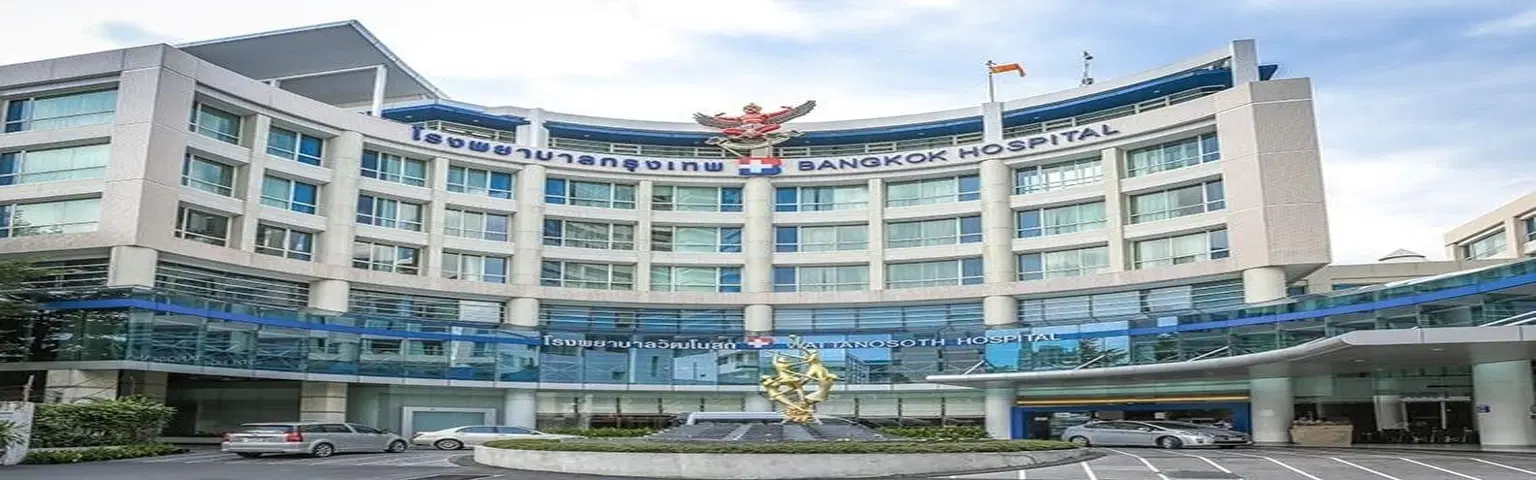
Bangkok Hospital, Thailand
2 Soi Soonvijai 7, New Petchburi Road, Huay Khwang, Bangkok 10310, Thailand
Meet Our Doctors
Meet our team of highly qualified and experienced medical professionals dedicated to providing the best healthcare services.
Booking With DIVINHEAL
Get a free consultation to understand your treatment options