
Hip Resurfacing Treatment in Bengaluru for UAE
Need Personalized Advice?
Our medical experts are ready to answer your questions and guide you through your treatment options.
Our medical experts are ready to answer your questions and guide you through your treatment options.
For many patients in the UAE experiencing persistent hip pain, the prospect of finding effective, affordable hip resurfacing can feel overwhelming. Dealing with limited mobility and the constant discomfort of a damaged hip joint often leads to questions about the best path forward for long-term relief and an active lifestyle.
As a major hub for medical tourism, Bengaluru stands out as a preferred destination. Patients specifically look to this city for its advanced medical infrastructure, renowned specialists, and the comprehensive care environment it offers for complex orthopedic procedures like hip resurfacing.
Trust in Bengaluru’s medical institutions is built on a foundation of cutting-edge technology, highly skilled orthopedic surgeons, and dedicated support staff. The city's hospitals are well-equipped to provide seamless care coordination, from initial consultation to post-operative recovery, ensuring a smooth experience for international patients.
Is Bengaluru the right choice for your hip resurfacing journey?
Hip resurfacing is an orthopedic surgical procedure designed to alleviate chronic hip pain and improve joint function, primarily in younger, more active patients. Unlike a traditional total hip replacement, which removes the entire femoral head (ball) and replaces it with a prosthetic stem, hip resurfacing preserves more of the patient’s natural bone. In this procedure, only the damaged surfaces of the femoral head and the acetabulum (hip socket) are reshaped and capped with smooth metal implants. The goal is to restore the natural mechanics of the hip, allowing for a broader range of motion and a more active lifestyle post-surgery.
While the core concept remains the same, variations in hip resurfacing often relate to implant materials and surgical techniques:
The hip resurfacing procedure involves carefully reshaping the damaged bone surfaces in the hip joint to prepare them for new implants.
The surgery begins with the administration of general anesthesia, ensuring you are comfortable and pain-free throughout the procedure.
A specialized surgical incision is made, typically on the side or back of the hip, to access the joint while minimizing muscle disruption.
The surgeon carefully dislocates the hip joint. The damaged cartilage and bone on the femoral head are precisely reshaped, creating a smooth, spherical surface. This prepared surface is then fitted with a metallic cap, which is usually cemented or press-fitted onto the bone.
The hip socket (acetabulum) is also prepared. Damaged cartilage is removed, and the socket is reamed to a precise size and shape. A metal shell is then implanted into the acetabulum, providing a new, smooth surface for the femoral cap to articulate with.
Once both components are securely in place, the femoral cap is carefully reduced into the new acetabular shell, restoring the hip joint’s function.
The incision is then closed layer by layer, and a sterile dressing is applied. Patients are typically monitored in a recovery room before being moved to their hospital room.
Connect with Bengaluru's leading orthopedic specialists. Get a personalized evaluation and understand your treatment options.
Recovery from hip resurfacing typically involves an initial hospital stay of 3-5 days. Pain management is carefully controlled with medication. Physical therapy begins almost immediately, focusing on gentle movements and weight-bearing exercises as tolerated. Patients will learn specific precautions to protect the healing joint. Upon discharge, ongoing physical therapy is crucial, either at a rehabilitation center or at home, for several weeks or months. Full recovery, including a return to most normal activities, can take 3 to 6 months, with consistent adherence to rehabilitation protocols. Regular follow-up appointments with your surgeon are essential to monitor progress and ensure proper healing.
Hip resurfacing boasts high success rates for suitable candidates, with many studies showing excellent long-term outcomes for pain relief, improved mobility, and return to an active lifestyle. Success rates typically range from 85% to over 95% at 10-year follow-ups, particularly in younger, male patients. Outcomes can vary based on individual patient factors, surgeon experience, and adherence to post-operative care. Patients often achieve significant reduction in pain and can resume activities like jogging and sports, which might be more challenging after a traditional total hip replacement.
The cost of hip resurfacing in Bengaluru is influenced by several factors, including the chosen hospital (multi-specialty vs. boutique orthopedic center), the experience of the orthopedic surgeon, the specific type and brand of implant used, the duration of hospital stay, and the extent of post-operative rehabilitation required.
Hip resurfacing in Bengaluru typically ranges from INR 4,50,000 to INR 7,50,000.
Patients from the UAE often find significant cost advantages when considering hip resurfacing in Bengaluru, without compromising on quality or advanced medical facilities. The transparent pricing and high standards make Bengaluru an attractive option.
| Location | Estimated Cost (USD) |
|---|---|
| Bengaluru, India | $5,500 - $9,000 |
| United States | $25,000 - $45,000 |
| United Kingdom | $18,000 - $30,000 |
| Singapore | $15,000 - $25,000 |
| Germany | $12,000 - $20,000 |
Explore your options for Hip Resurfacing in Bengaluru. Our team is here to guide UAE patients through every step.
Bengaluru offers a clear path to recovery with advanced care and dedicated support for your hip resurfacing journey.
India offers premium medical procedures at affordable prices. Discover our most popular treatments, delivered by the country's finest doctors.
Meet our team of highly qualified and experienced medical professionals dedicated to providing the best healthcare services.
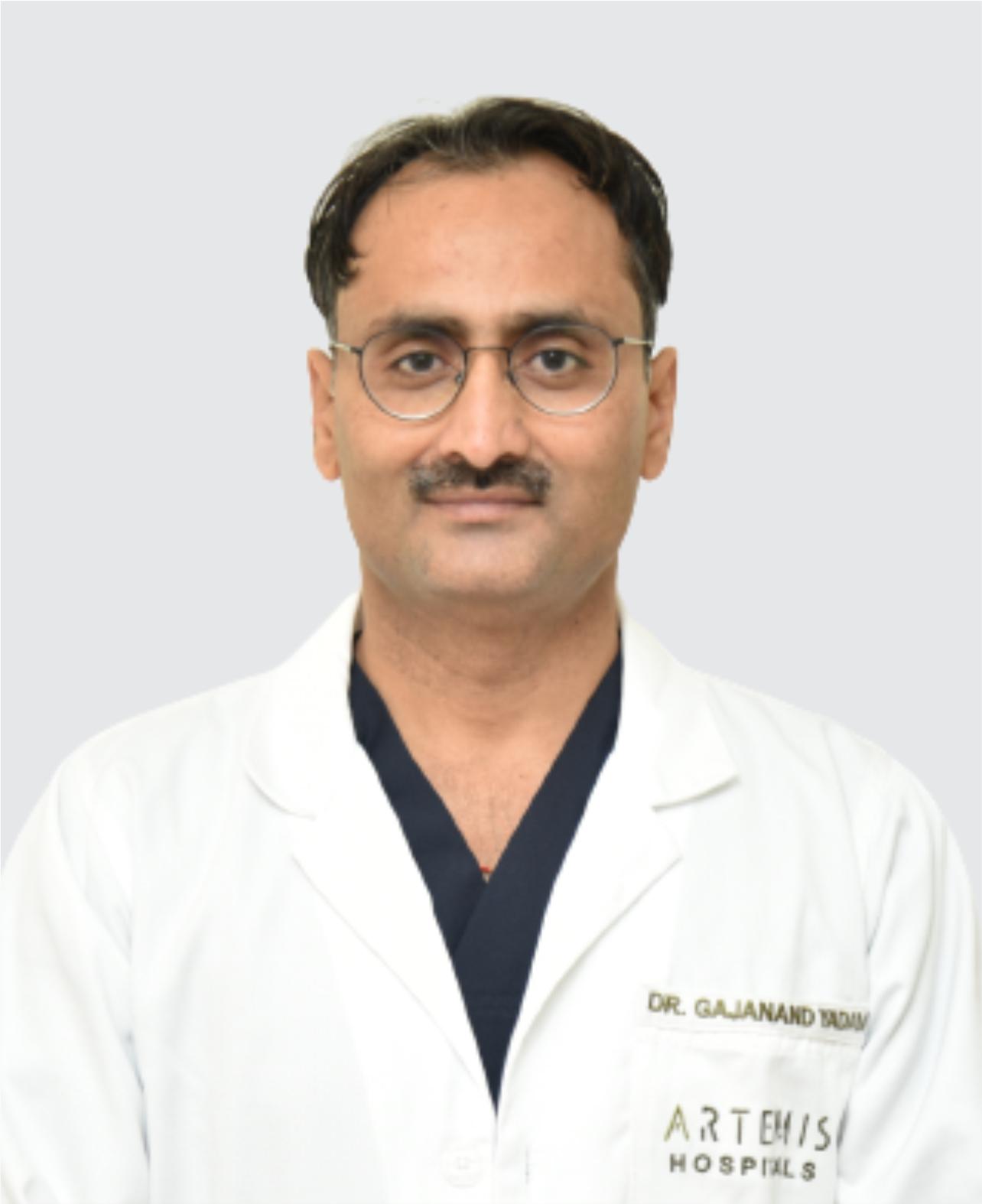
Consultant - Orthopaedics and Hip and Knee Arthroplasty
Orthopaedics, Hip and Knee Arthroplasty, Joint Replacement, Sports Medicine
New Delhi
12+ Years
Experience
Artemis Hospital
Hospital
1500
Fees
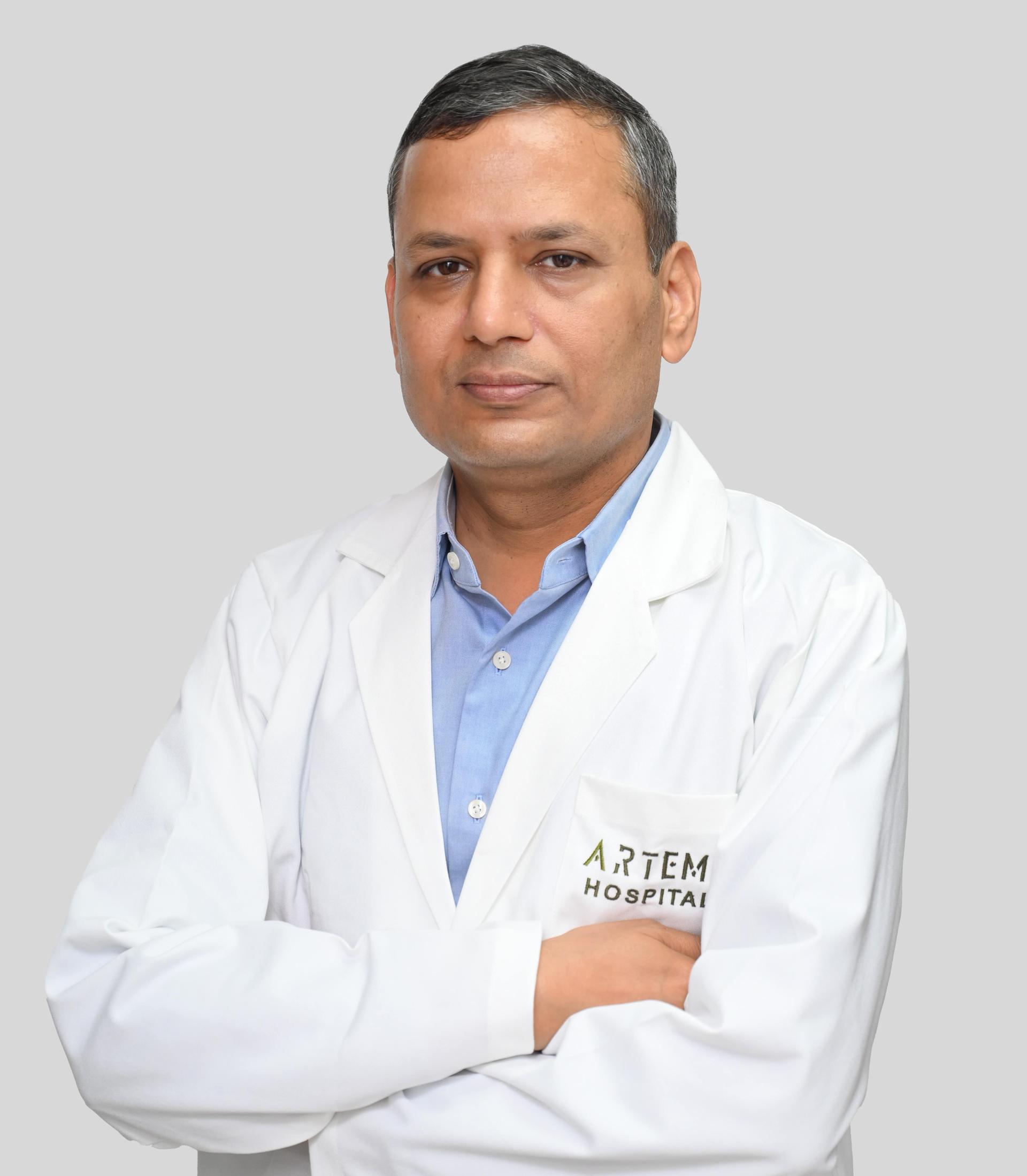
Chief - Hematology, Oncology & Bone Marrow Transplant
Clinical Hematology, Hematologic Oncology, Bone Marrow Transplantation
New Delhi
15+ Years
Experience
Artemis Hospital
Hospital
1500
Fees
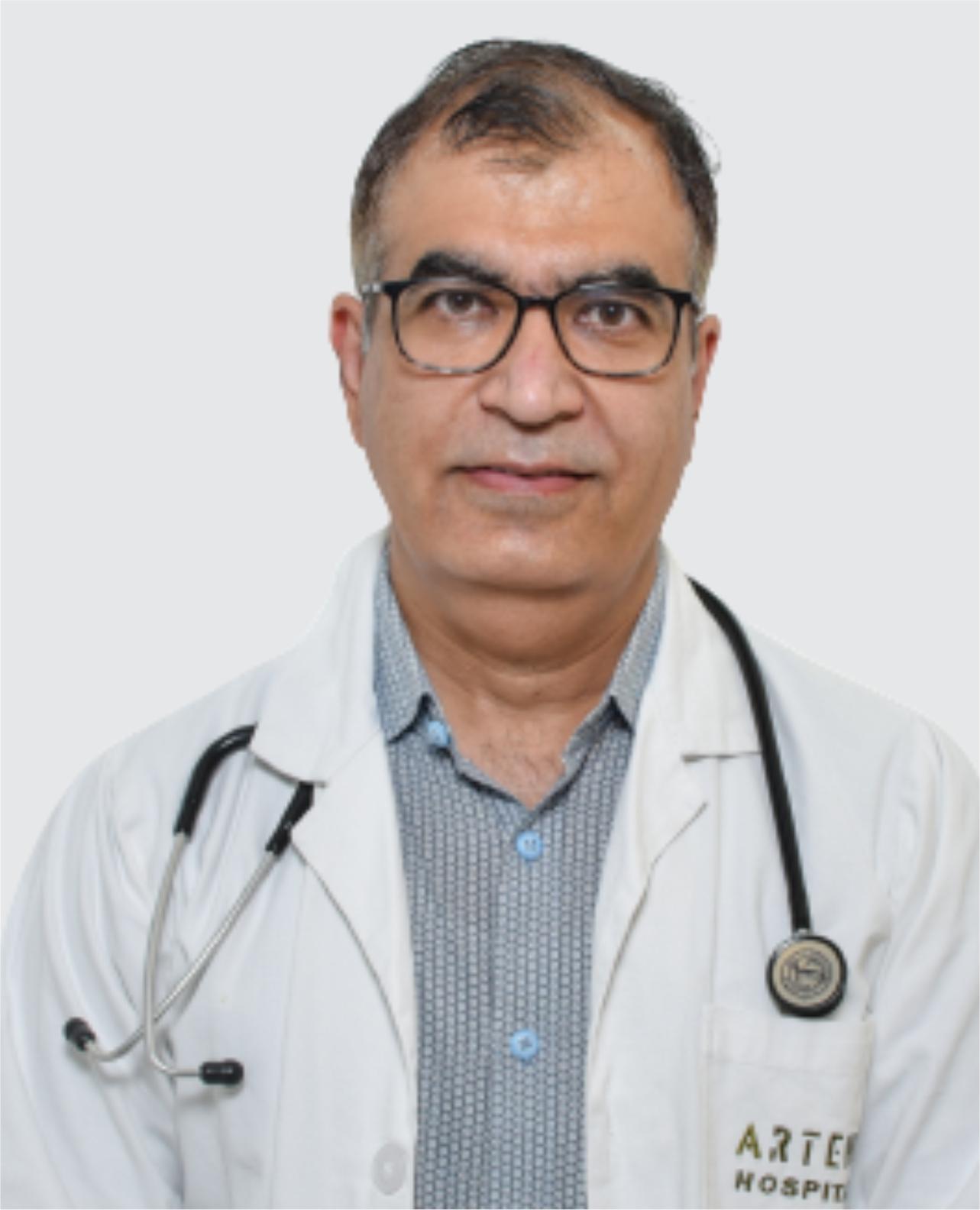
Chief
Paediatric
New Delhi
15+ Years
Experience
Artemis Hospital
Hospital
1500
Fees
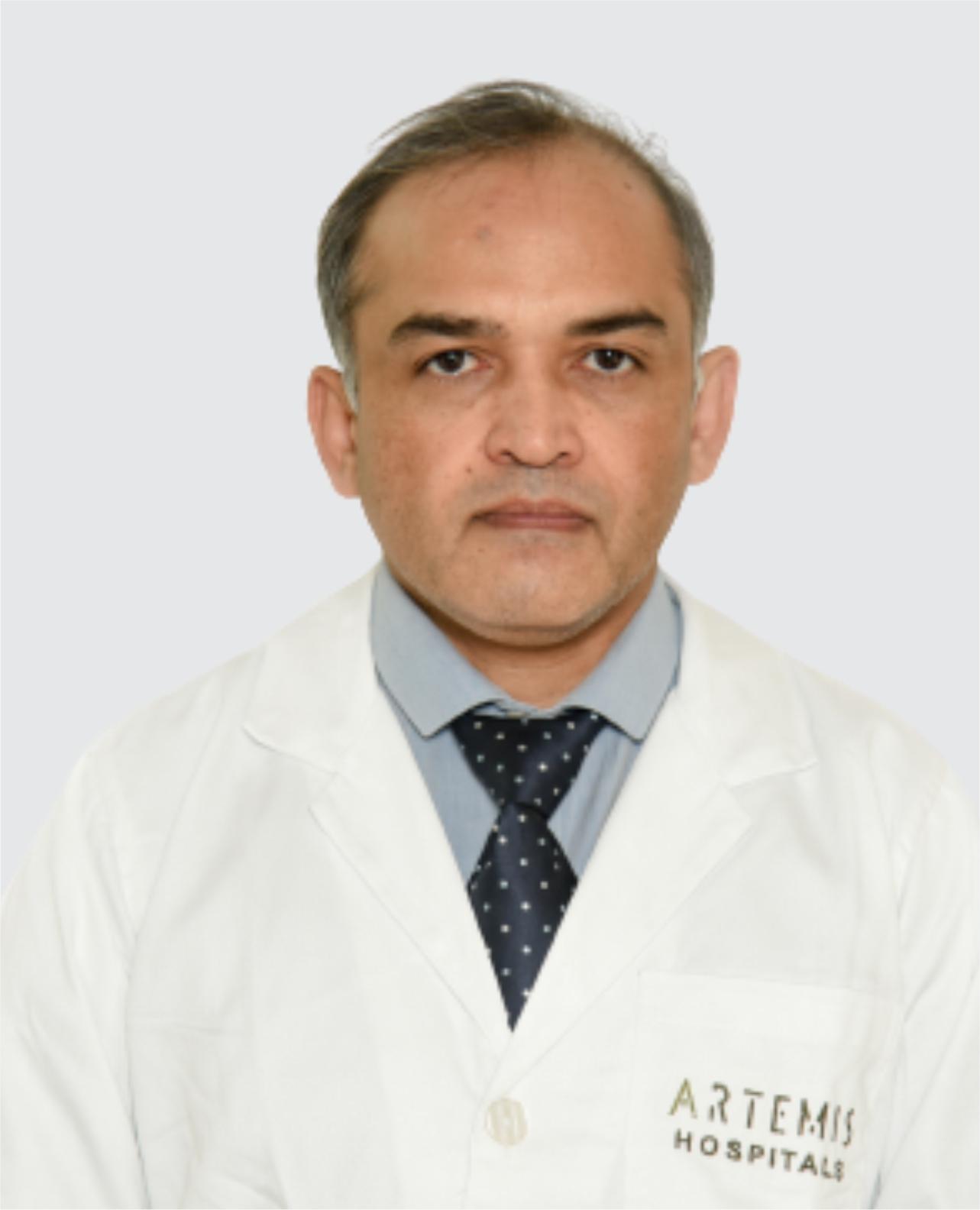
Chairperson Urology & Head, Urologic Oncology & Robotic Surgery (Unit I)
Robotic Surgery, Urology
New Delhi
20+ Years
Experience
Artemis Hospital
Hospital
1500
Fees
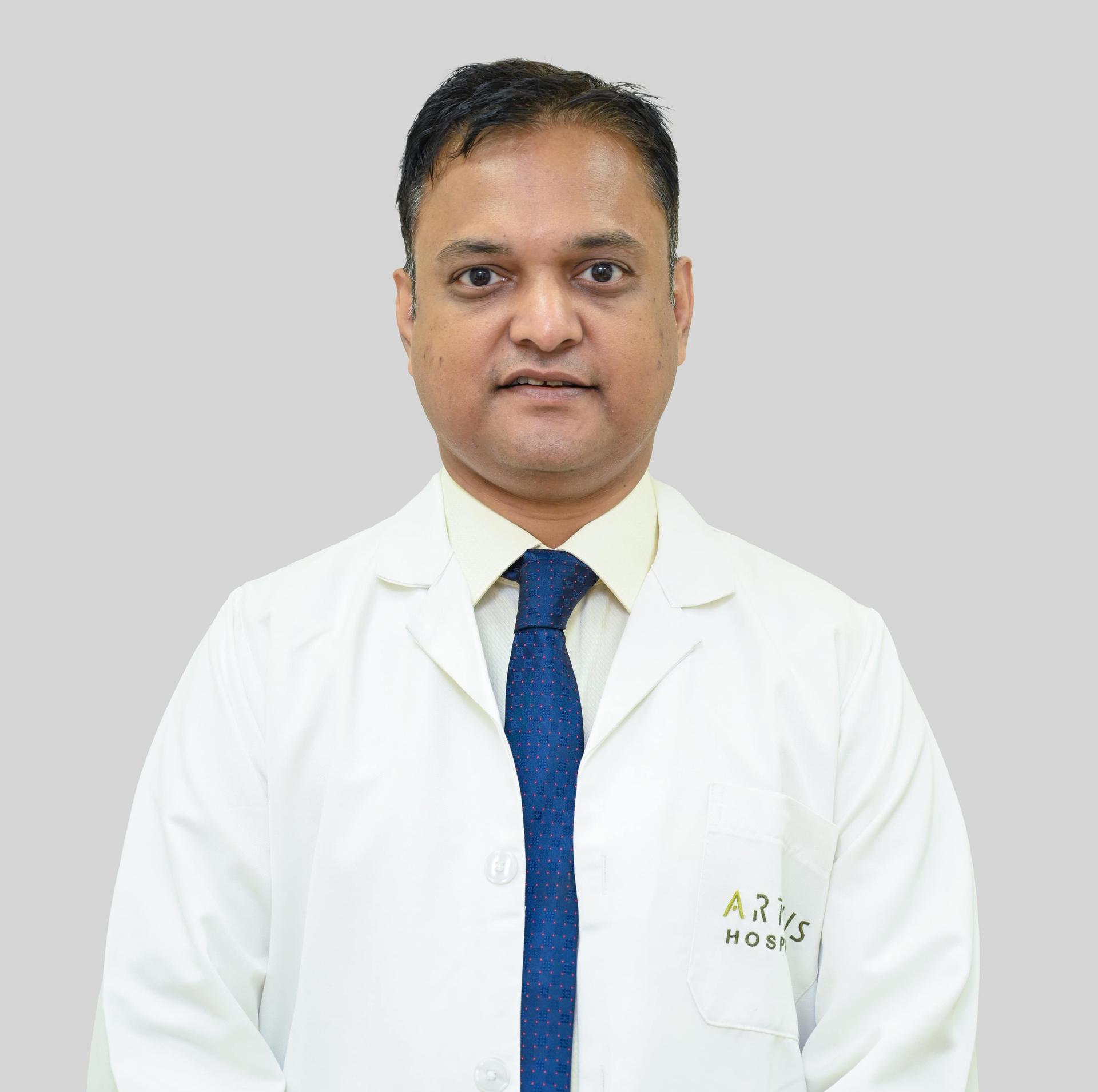
Head - General, MI & Bariatric Surgery (Unit IV)
General & Minimally Invasive Surgery
New Delhi
25+ Years
Experience
Artemis Hospital
Hospital
1500
Fees
Unit Chief - Interventional Cardiology & Electrophysiology
Cardiology, Electrophysiology, Interventional Cardiology
New Delhi
15+ Years
Experience
Artemis Hospital
Hospital
1500
Fees
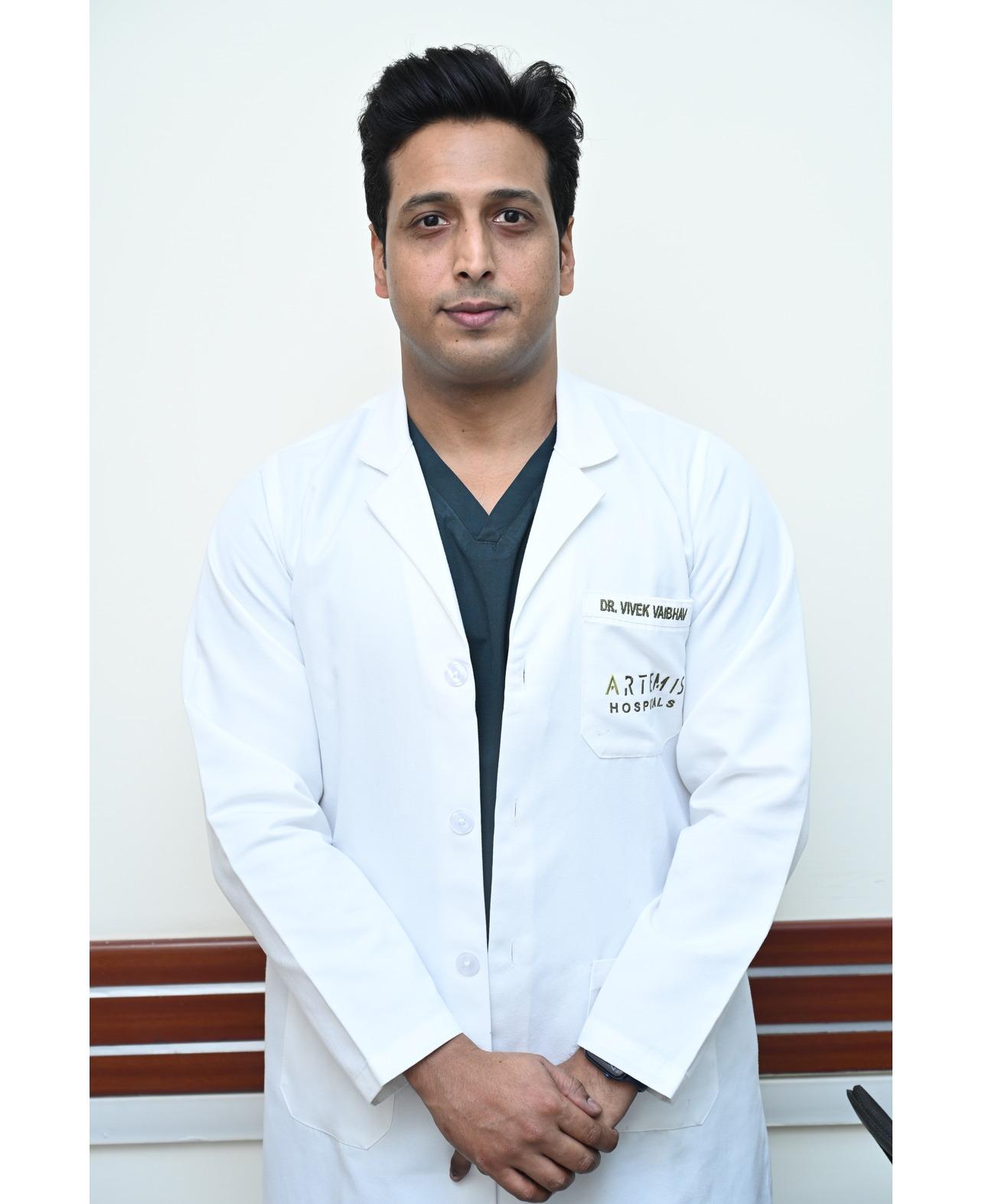
Consultant
Orthopaedic Surgery, Orthopaedics
New Delhi
10+ Years
Experience
Artemis Hospital
Hospital
1500
Fees

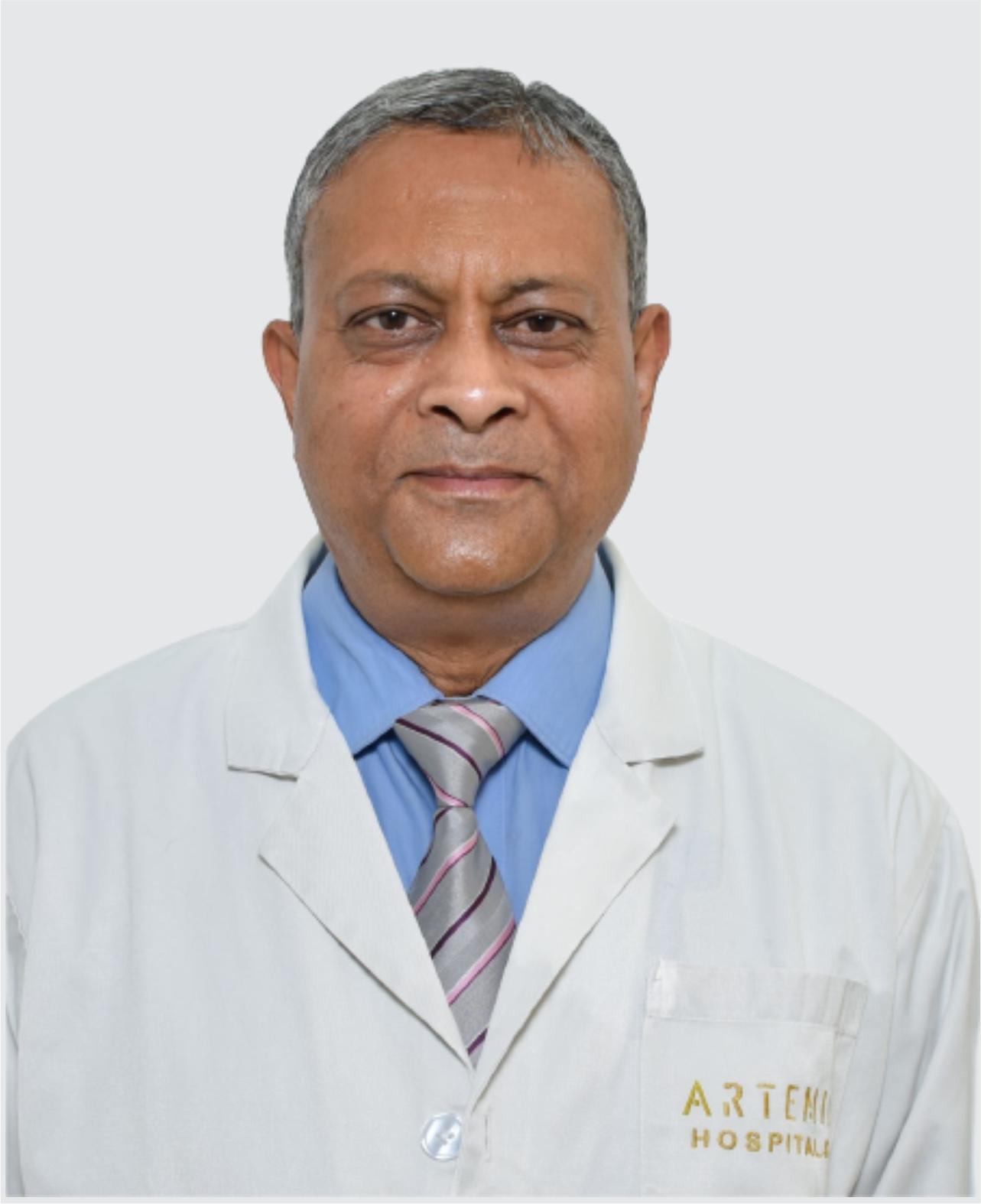
Chairperson - Orthopaedics Program & Chief – Robotic Joint Replacement & Arthroscopy Surgery
Orthopaedics, Robotic Surgery
New Delhi
15+ Years
Experience
Artemis Hospital
Hospital
1500
Fees
Chief - Nephrology (Unit II)
Kidney Transplant, Nephrology
New Delhi
15+ Years
Experience
Artemis Hospital
Hospital
1500
Fees
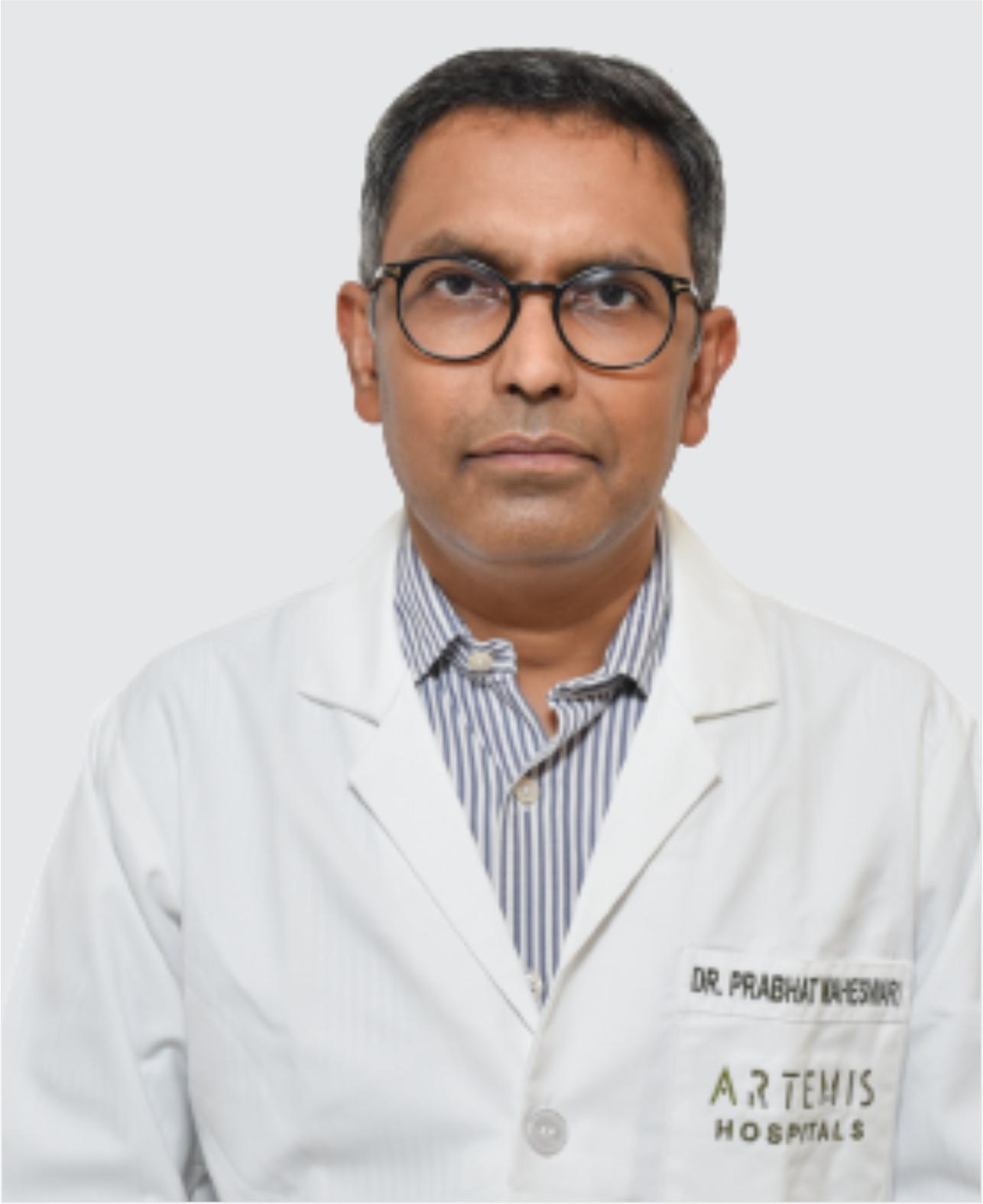
Director - Orthopaedics & Joint Replacement
Orthopaedics & Joint Replacement
New Delhi
24+ Years
Experience
Artemis Hospital
Hospital
1500
Fees
Get Personalized Medical Treatment Options From India's Top Hospitals. Our Medical Experts Are Ready To Assist You Every Step Of The Way.