
Hip Resurfacing Treatment in Chennai for Bangladesh
Need Personalized Advice?
Our medical experts are ready to answer your questions and guide you through your treatment options.
Our medical experts are ready to answer your questions and guide you through your treatment options.
For many patients from Bangladesh experiencing debilitating hip pain and restricted movement, finding an effective, lasting solution like hip resurfacing is a priority. The uncertainty of navigating international medical options while seeking high-quality care can be a significant concern for those looking to regain their active lifestyle.
Patients often look beyond their borders to Chennai for advanced medical procedures. This Indian city has established itself as a hub for orthopedic care, drawing international patients due to its blend of cutting-edge technology, experienced specialists, and a supportive environment tailored for medical tourists seeking complex treatments.
Trust in Chennai's medical ecosystem stems from its network of JCI and NABH accredited hospitals, which house renowned orthopedic surgeons specializing in hip resurfacing. These facilities offer comprehensive care, ensuring smooth coordination from initial consultation to post-operative follow-ups within the city's robust healthcare infrastructure.
Chennai provides a reliable destination for advanced hip resurfacing procedures.
Hip resurfacing is an orthopedic surgical procedure designed to alleviate hip pain and improve mobility, primarily for younger and more active patients. Unlike a total hip replacement, which removes and replaces both the ball (femoral head) and socket (acetabulum), hip resurfacing involves reshaping the femoral head and capping it with a smooth metal surface. A corresponding metal cup is then placed in the acetabulum. This technique preserves more of the patient's natural bone, potentially allowing for a greater range of motion and a more active lifestyle compared to traditional hip replacements. It is often considered for individuals with significant hip joint damage due to conditions like osteoarthritis.
While hip resurfacing itself is a specific surgical technique, related treatment pathways and alternatives exist:
The hip resurfacing procedure is a detailed surgical intervention tailored to the patient's specific condition and overall treatment plan.
The surgery typically involves several key stages:
The patient receives either general anesthesia, putting them to sleep, or spinal/epidural anesthesia, numbing the lower half of the body. The choice is made based on patient health and surgeon preference.
An incision is made, usually on the side or back of the hip, to access the hip joint. The muscles and tissues are carefully moved aside to expose the femoral head and acetabulum.
The surgeon carefully reshapes the damaged femoral head, preserving as much natural bone as possible. This involves removing only a thin layer of damaged cartilage and bone, preparing it to fit the metallic cap.
The acetabulum (hip socket) is prepared by removing damaged cartilage and bone, then reaming it to create a precise fit for the new metallic cup component.
The metallic cap is cemented or pressed onto the reshaped femoral head, and the metallic cup is similarly fixed into the acetabulum. The surgeon ensures the implants are securely in place and articulate smoothly.
Once the components are in place and stability is confirmed, the hip joint is carefully closed. The muscles and tissues are repositioned, and the incision is sutured, often with drains placed temporarily to manage fluid buildup.
The recovery process following hip resurfacing typically involves an initial hospital stay of a few days. During this time, pain management is provided, and patients are encouraged to begin light movement with assistance. Physical therapy starts almost immediately to restore strength and range of motion. Patients will learn exercises and safe ways to move. Restrictions on weight-bearing and certain movements will be advised to protect the healing joint. Full recovery can take several months, with ongoing physical therapy and adherence to a home exercise program. Regular follow-up appointments with the surgeon are crucial to monitor progress and ensure proper healing.
Hip resurfacing generally boasts high success rates, with many studies reporting excellent outcomes for suitable candidates. Patients often experience significant pain relief and improved functional mobility, allowing a return to many pre-surgical activities. Success largely depends on patient selection, surgical technique, and adherence to post-operative rehabilitation. The implants are designed for longevity, often lasting 15-20 years or more, especially in younger, active individuals. Outcomes vary, and while most achieve significant improvement, some may experience residual stiffness or require revision surgery in the distant future.
The cost of hip resurfacing in Chennai is influenced by several factors, including the chosen hospital's accreditation and facilities, the surgeon's experience and fees, the type and brand of implant used, the duration of hospital stay, and the extent of post-operative care and rehabilitation required. These elements collectively determine the final expenditure for the procedure.
For international patients seeking hip resurfacing, the estimated cost in Chennai typically ranges from INR 3,50,000 to INR 6,00,000.
Chennai offers a significantly more affordable option for hip resurfacing while maintaining high medical standards when compared to many Western countries. This cost-effectiveness makes it an attractive destination for patients seeking quality care without excessive financial strain.
| Location | Estimated Cost (USD) |
|---|---|
| Chennai, India | $4,200 - $7,200 |
| United States | $25,000 - $45,000 |
| United Kingdom | $18,000 - $30,000 |
| Singapore | $15,000 - $25,000 |
| Thailand | $9,000 - $15,000 |
Connect with leading orthopedic specialists in Chennai for personalized treatment plans and detailed cost estimates. Take the first step towards regaining your mobility.
Embark on your journey to improved hip health and a pain-free life. Chennai’s advanced medical facilities and expert orthopedic surgeons are prepared to provide the quality care you deserve.
Receive tailored information on hospitals, specialist profiles, and transparent cost breakdowns for your treatment in Chennai.
India offers premium medical procedures at affordable prices. Discover our most popular treatments, delivered by the country's finest doctors.
Meet our team of highly qualified and experienced medical professionals dedicated to providing the best healthcare services.
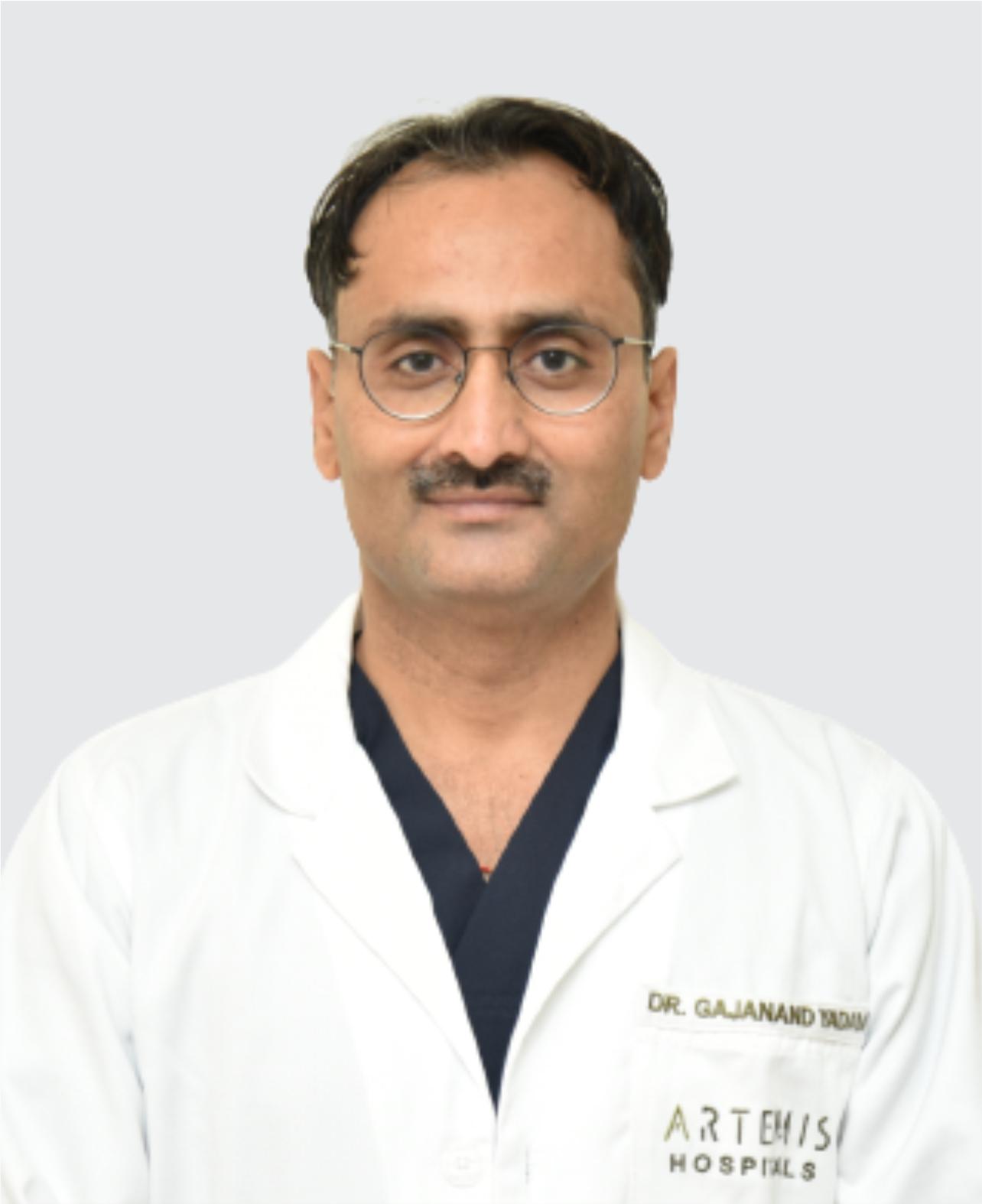
Consultant - Orthopaedics and Hip and Knee Arthroplasty
Orthopaedics, Hip and Knee Arthroplasty, Joint Replacement, Sports Medicine
New Delhi
12+ Years
Experience
Artemis Hospital
Hospital
1500
Fees
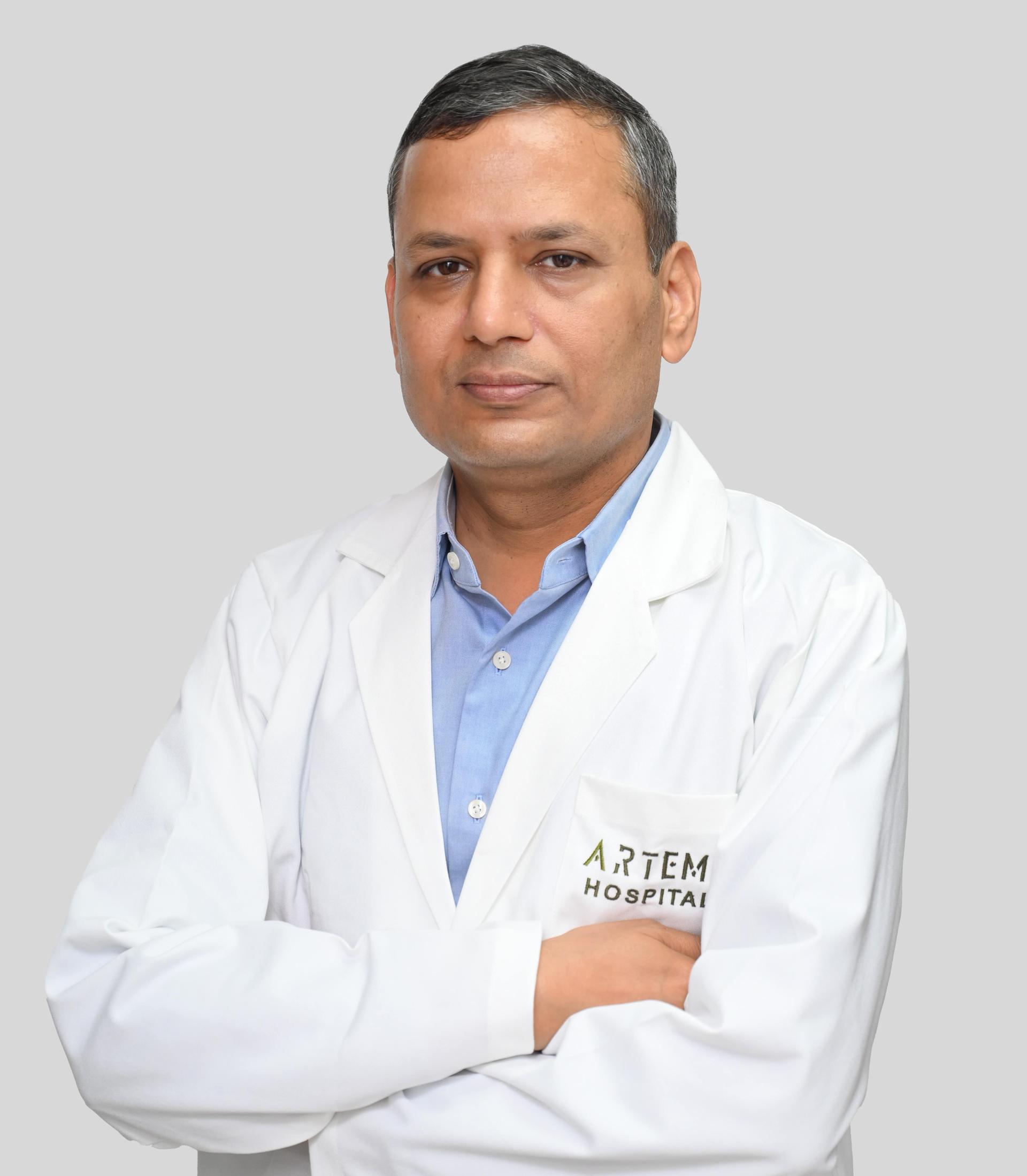
Chief - Hematology, Oncology & Bone Marrow Transplant
Clinical Hematology, Hematologic Oncology, Bone Marrow Transplantation
New Delhi
15+ Years
Experience
Artemis Hospital
Hospital
1500
Fees
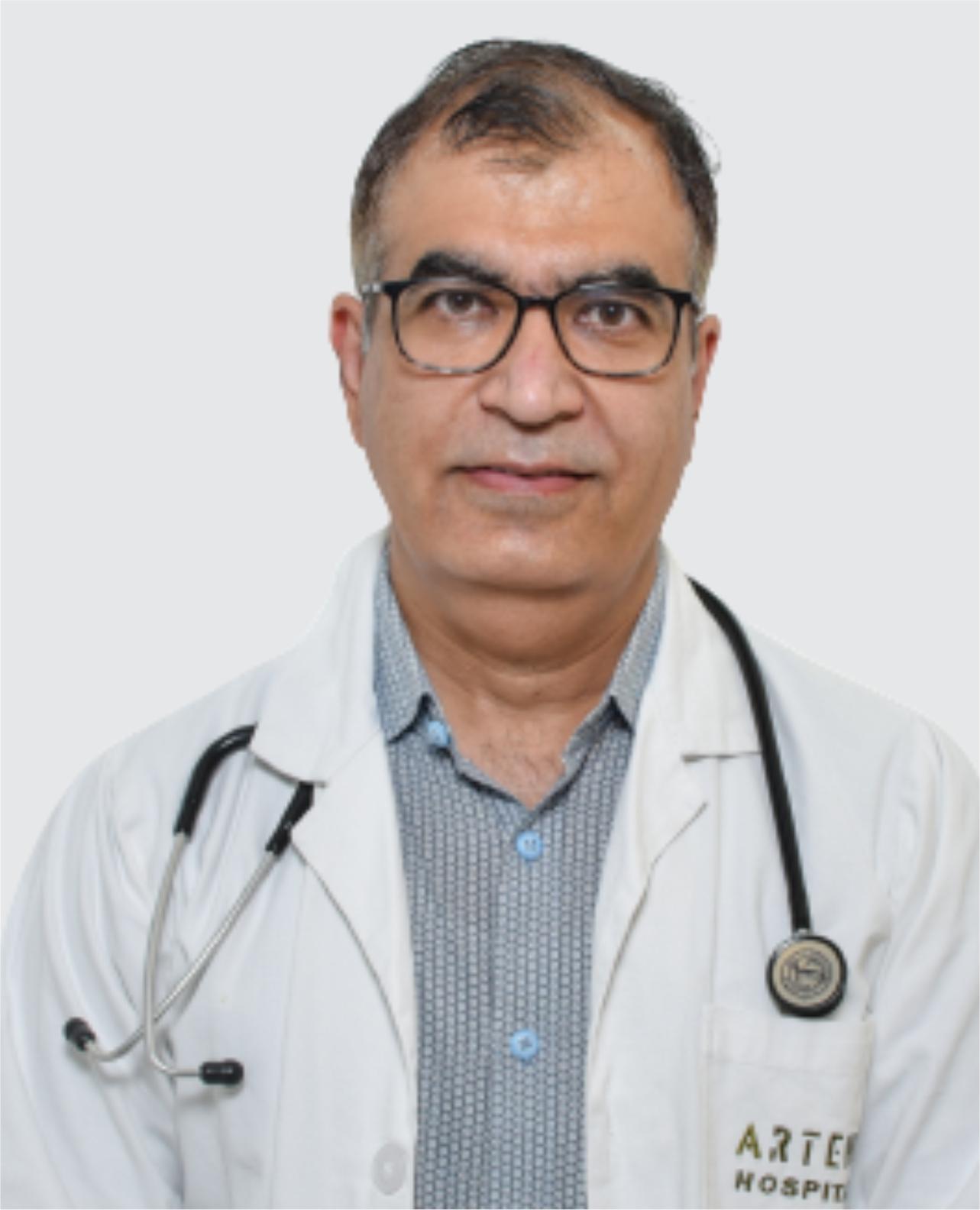
Chief
Paediatric
New Delhi
15+ Years
Experience
Artemis Hospital
Hospital
1500
Fees
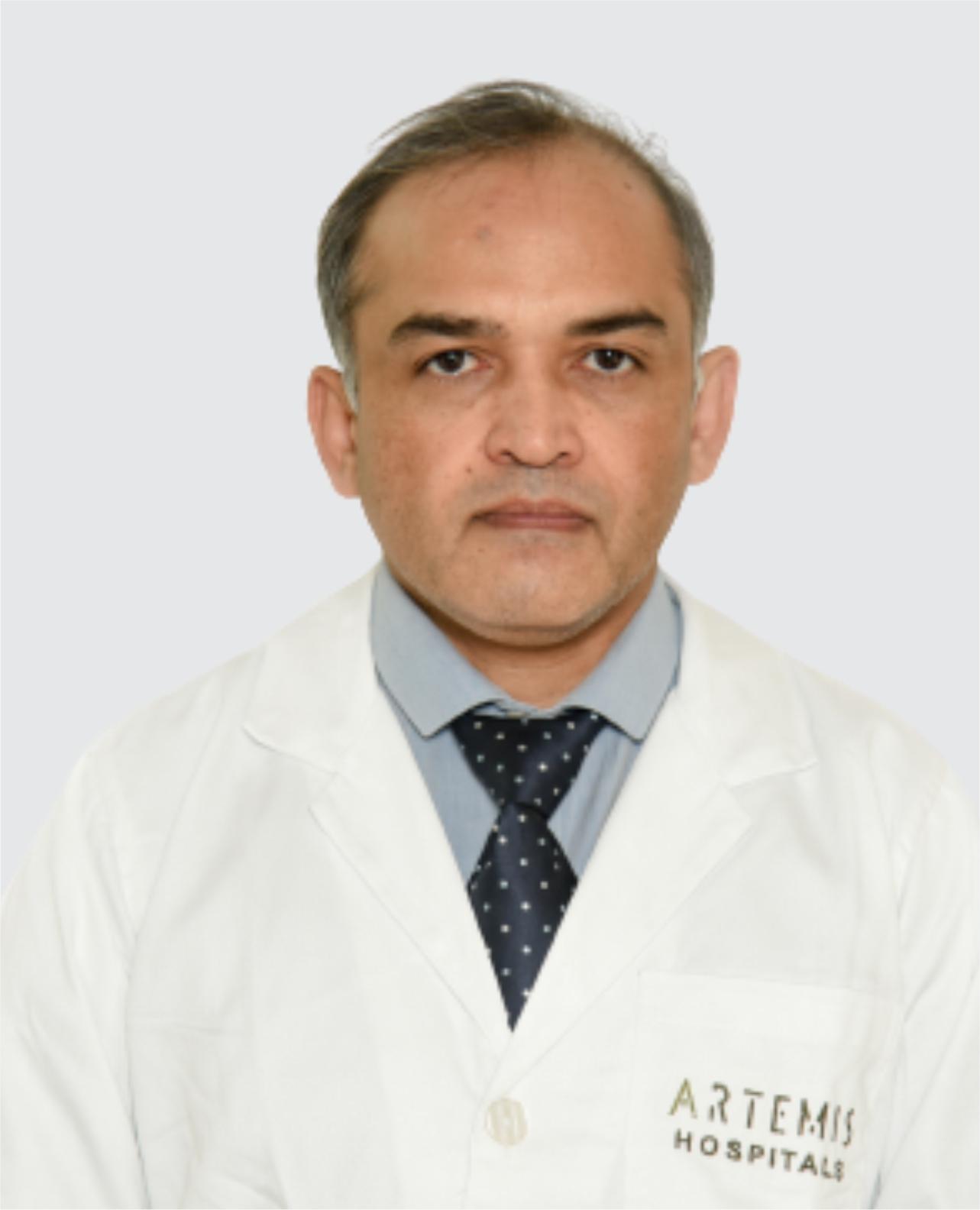
Chairperson Urology & Head, Urologic Oncology & Robotic Surgery (Unit I)
Robotic Surgery, Urology
New Delhi
20+ Years
Experience
Artemis Hospital
Hospital
1500
Fees
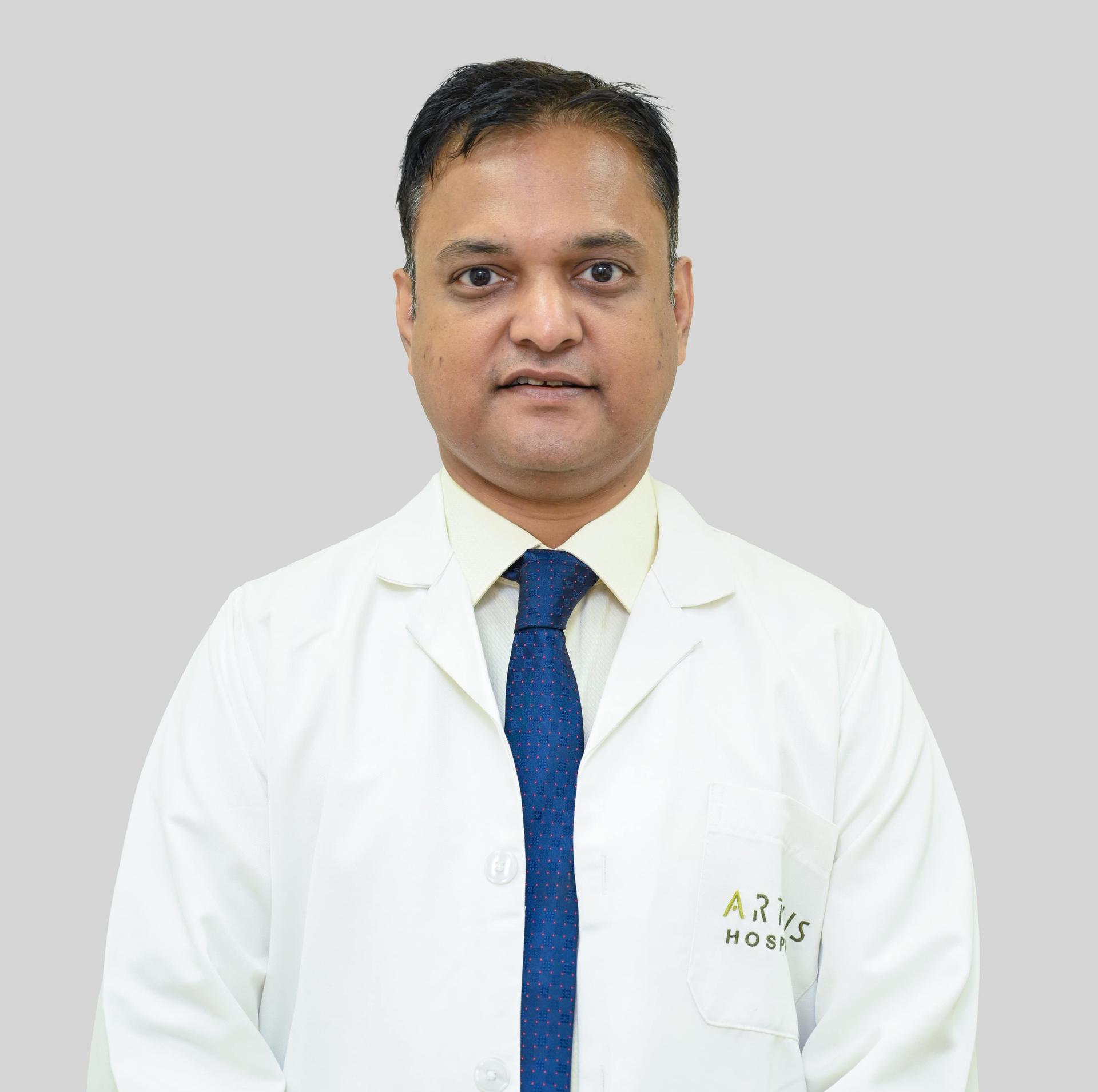
Head - General, MI & Bariatric Surgery (Unit IV)
General & Minimally Invasive Surgery
New Delhi
25+ Years
Experience
Artemis Hospital
Hospital
1500
Fees
Unit Chief - Interventional Cardiology & Electrophysiology
Cardiology, Electrophysiology, Interventional Cardiology
New Delhi
15+ Years
Experience
Artemis Hospital
Hospital
1500
Fees
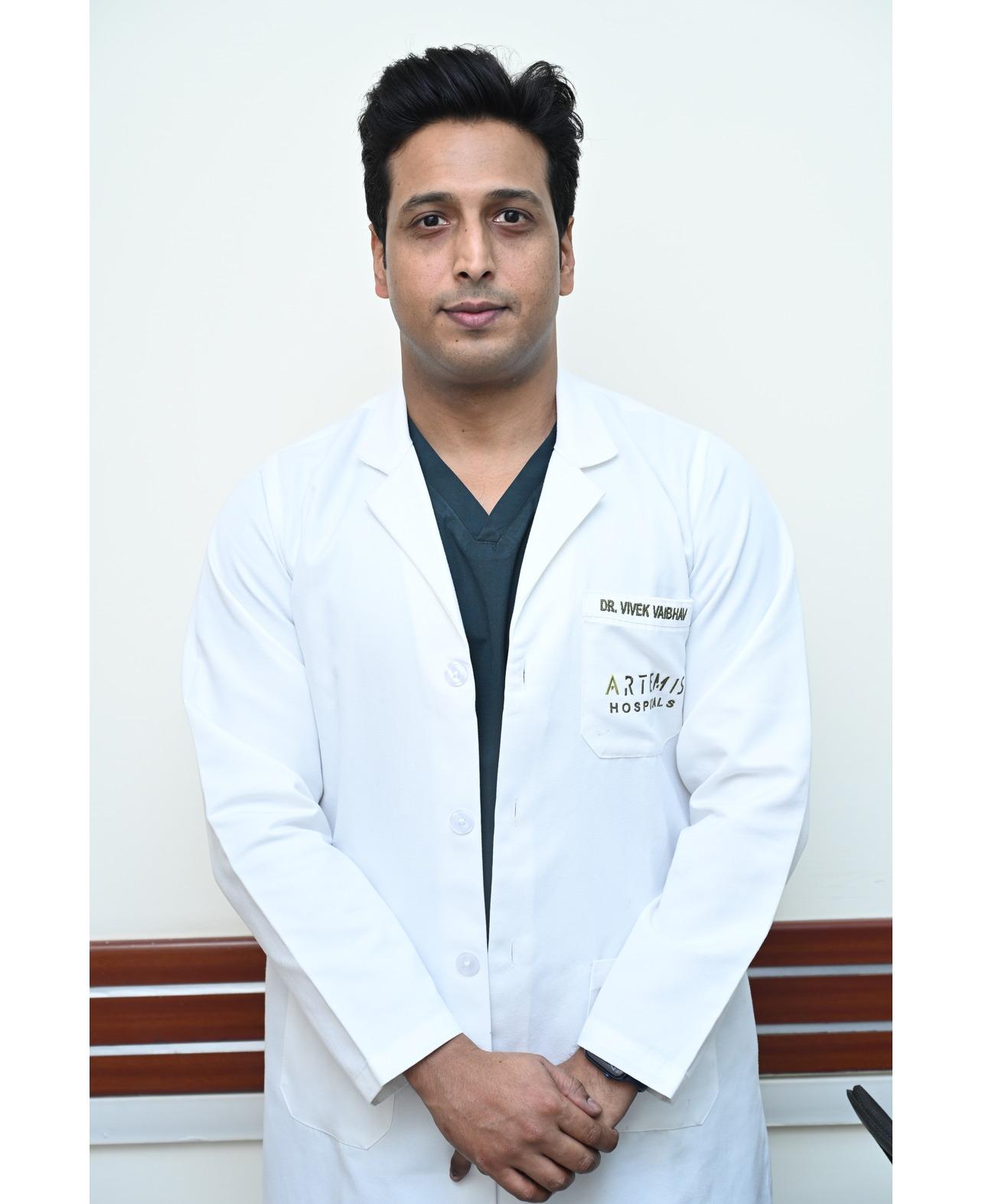
Consultant
Orthopaedic Surgery, Orthopaedics
New Delhi
10+ Years
Experience
Artemis Hospital
Hospital
1500
Fees

Chairperson - Orthopaedics Program & Chief – Robotic Joint Replacement & Arthroscopy Surgery
Orthopaedics, Robotic Surgery
New Delhi
15+ Years
Experience
Artemis Hospital
Hospital
1500
Fees
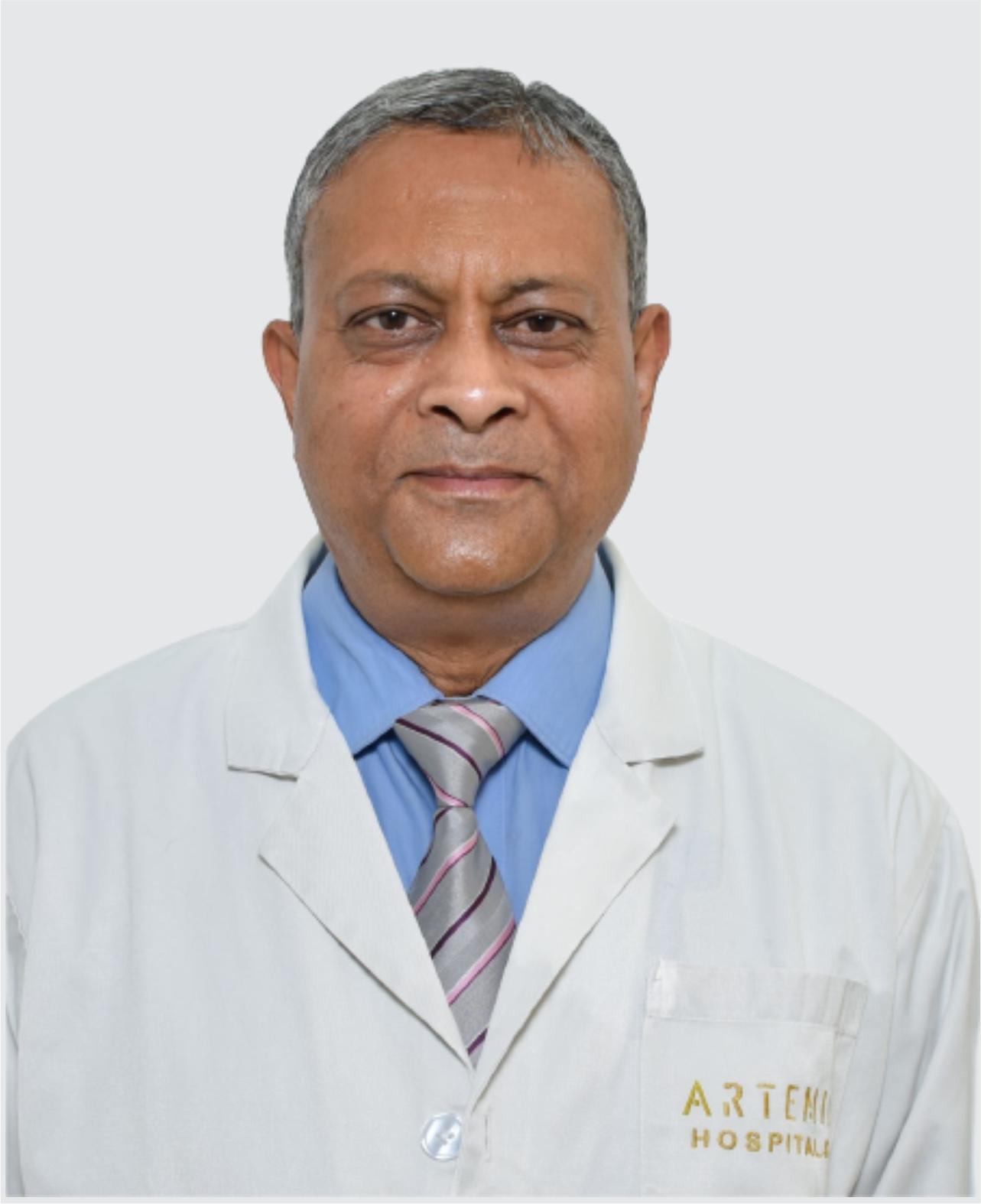
Chief - Nephrology (Unit II)
Kidney Transplant, Nephrology
New Delhi
15+ Years
Experience
Artemis Hospital
Hospital
1500
Fees
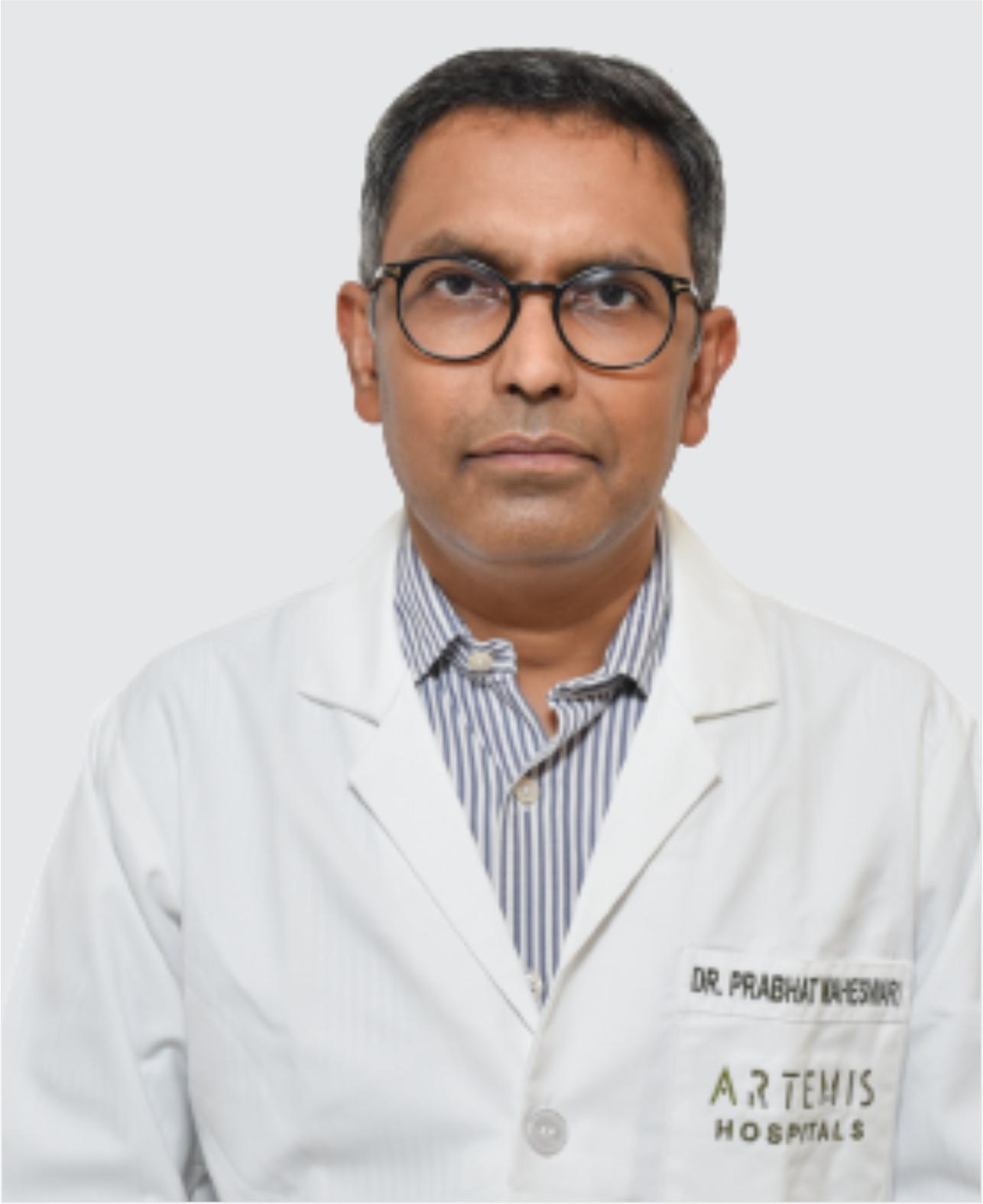
Director - Orthopaedics & Joint Replacement
Orthopaedics & Joint Replacement
New Delhi
24+ Years
Experience
Artemis Hospital
Hospital
1500
Fees
Get Personalized Medical Treatment Options From India's Top Hospitals. Our Medical Experts Are Ready To Assist You Every Step Of The Way.