
Hip Resurfacing Treatment in Chennai for UAE
Need Personalized Advice?
Our medical experts are ready to answer your questions and guide you through your treatment options.
Our medical experts are ready to answer your questions and guide you through your treatment options.
For patients in the UAE experiencing debilitating hip pain, the thought of undergoing a major surgery like hip resurfacing can bring many questions. Concerns about finding expert care, understanding the procedure, and managing the recovery journey are natural.
Many choose to explore medical care beyond their borders, and Chennai has emerged as a preferred destination. Its reputation for specialized orthopedic centers and a well-coordinated patient care environment attracts individuals seeking quality treatment.
Chennai's medical ecosystem offers access to highly skilled orthopedic surgeons and modern hospitals equipped for hip resurfacing procedures. Patients benefit from comprehensive pre-operative planning and dedicated post-operative support within the city.
Understanding your options for hip resurfacing in Chennai can guide your path to improved mobility.
Hip resurfacing is an advanced procedure for hip joint pain, primarily for active patients. It reshapes the damaged femoral head and lines both the ball and socket with metal caps, preserving more natural bone than a total hip replacement.
While the core hip resurfacing procedure is consistent, variations concern implant materials (e.g., metal-on-metal) and specific surgical techniques. The optimal choice is determined by individual patient factors like bone health.
The procedure, performed by an orthopedic surgeon under anesthesia, focuses on meticulous bone preservation while replacing damaged surfaces.
An incision provides joint access. The femoral head is carefully reshaped, removing damaged cartilage, then fitted with a metal cap.
Next, the hip socket (acetabulum) is prepared, and a matching metal shell is implanted. The capped femoral head is then placed into the new shell, restoring smooth movement. Surgeon confirms stability before closing.
Considering Hip Resurfacing in Chennai? Connect with our experts today for personalized guidance.
Get a Free Consultation
Recovery includes a short hospital stay, followed by weeks of rehabilitation. Patients begin weight-bearing early with aids. Physical therapy is crucial. Follow all restrictions. Regular surgeon follow-ups monitor healing. Full recovery can take 6-12 months.
Hip resurfacing shows high success rates, with significant pain relief and improved mobility for suitable patients. Outcomes vary by individual factors and surgical precision, but long-term implant durability is generally expected.
The cost of hip resurfacing in Chennai is significantly lower than in many Western nations, while maintaining high care standards. Price factors include hospital facility, surgeon expertise, implant type, and hospital stay duration.
In Chennai, the estimated cost for Hip Resurfacing typically ranges from INR 3,50,000 to INR 6,00,000.
Chennai offers a compelling cost advantage for hip resurfacing. Below is a comparison of typical costs in Chennai against select international destinations.
| Location | Estimated Cost (USD) |
|---|---|
| Chennai, India | $4,500 - $7,500 |
| United States | $25,000 - $45,000 |
| United Kingdom | $18,000 - $30,000 |
| Singapore | $15,000 - $25,000 |
| Germany | $12,000 - $20,000 |
Ready to explore advanced Hip Resurfacing options in Chennai? Contact us for a detailed treatment plan.
Enquire About Hip Resurfacing
Choosing hip resurfacing in Chennai offers a pathway to regaining comfort and an active lifestyle with world-class medical expertise and comprehensive support.
India offers premium medical procedures at affordable prices. Discover our most popular treatments, delivered by the country's finest doctors.
Meet our team of highly qualified and experienced medical professionals dedicated to providing the best healthcare services.
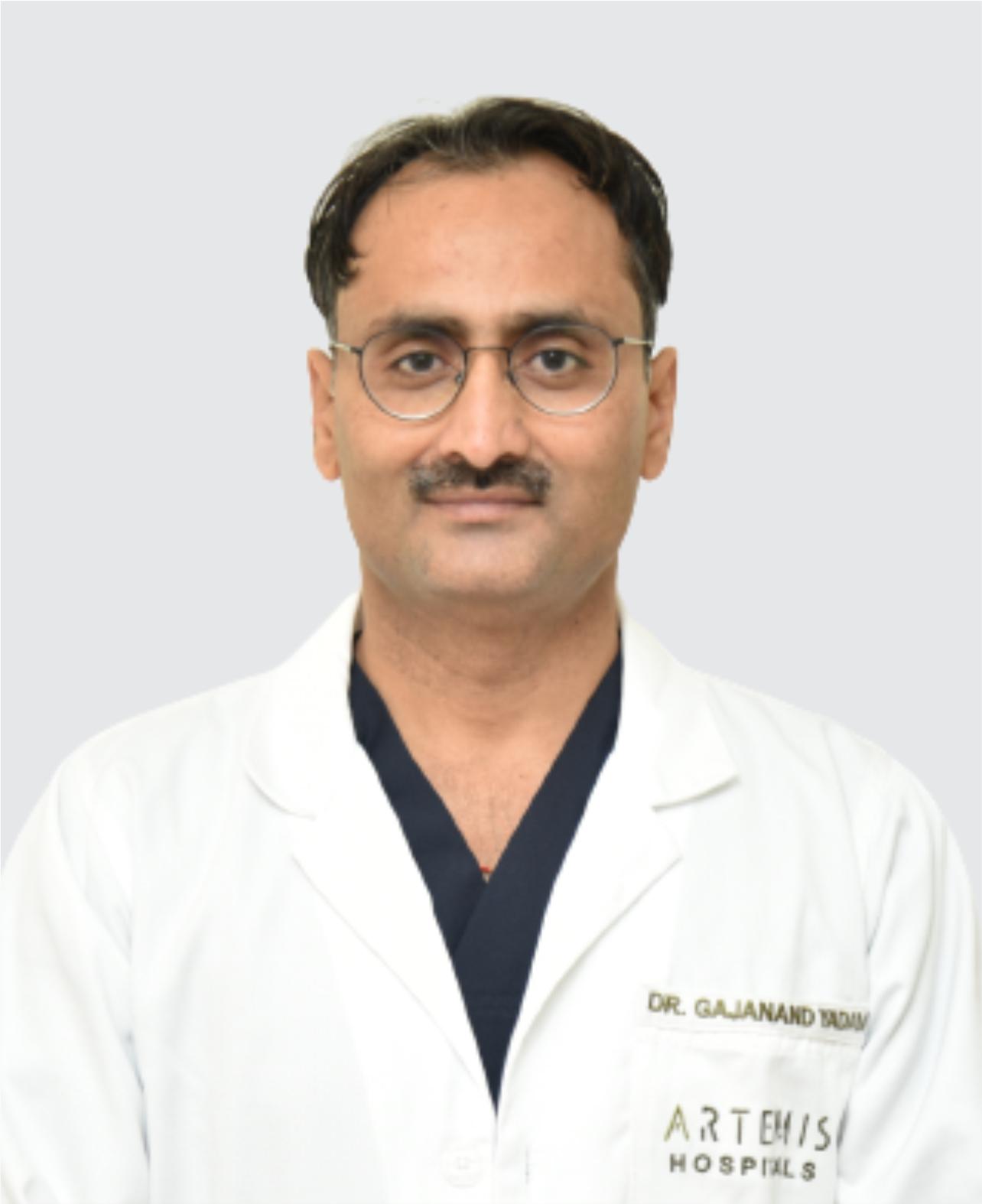
Consultant - Orthopaedics and Hip and Knee Arthroplasty
Orthopaedics, Hip and Knee Arthroplasty, Joint Replacement, Sports Medicine
New Delhi
12+ Years
Experience
Artemis Hospital
Hospital
1500
Fees
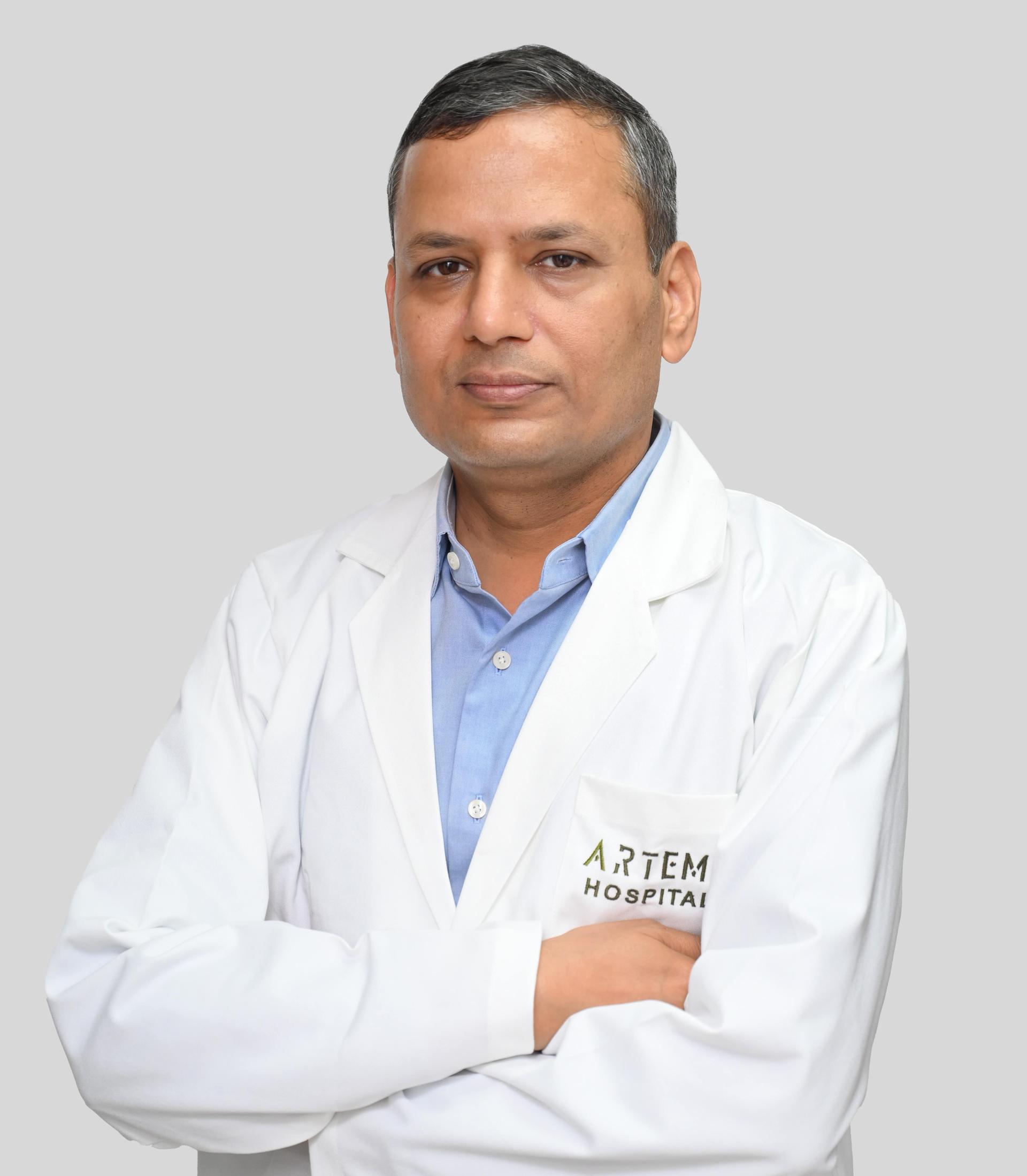
Chief - Hematology, Oncology & Bone Marrow Transplant
Clinical Hematology, Hematologic Oncology, Bone Marrow Transplantation
New Delhi
15+ Years
Experience
Artemis Hospital
Hospital
1500
Fees
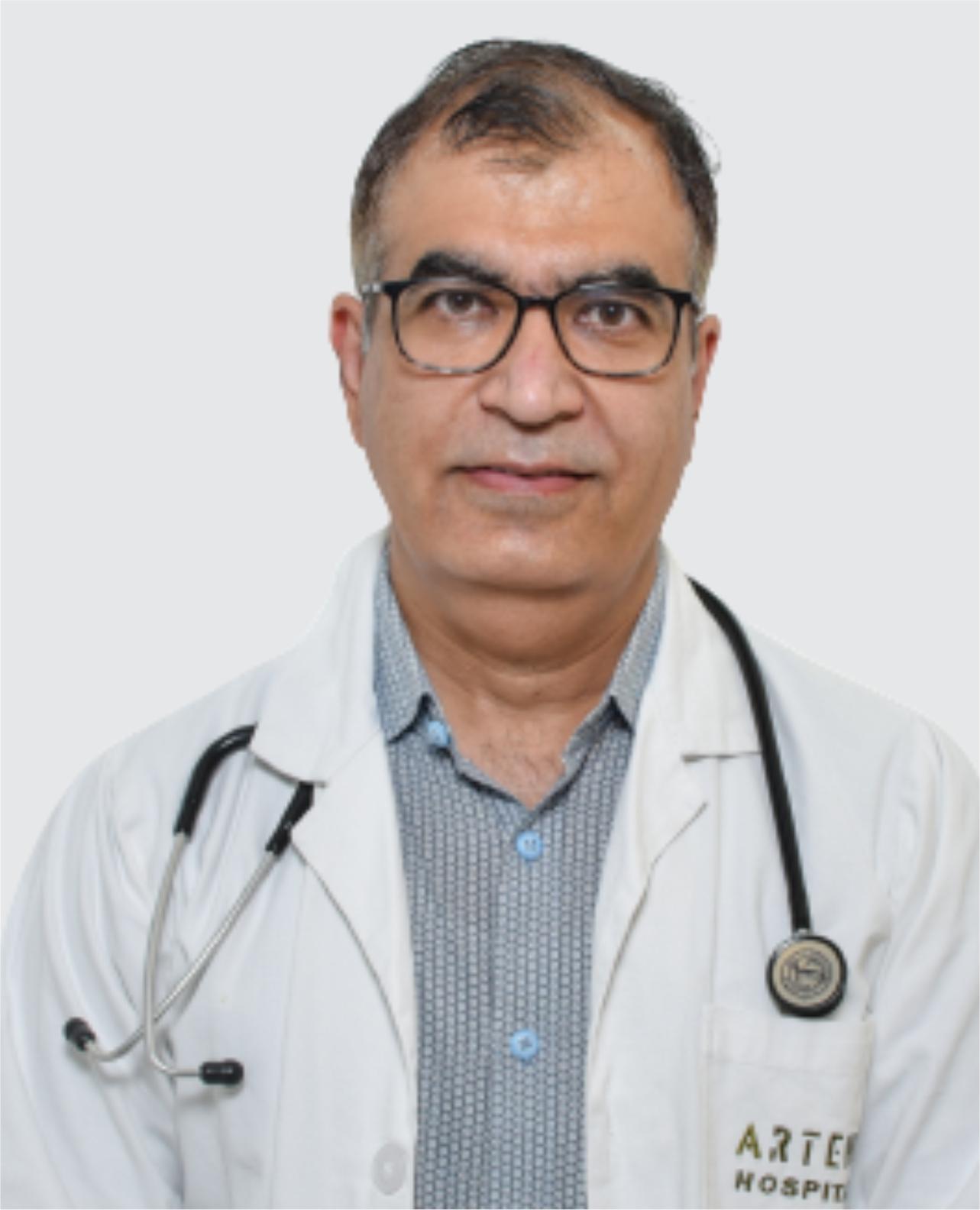
Chief
Paediatric
New Delhi
15+ Years
Experience
Artemis Hospital
Hospital
1500
Fees
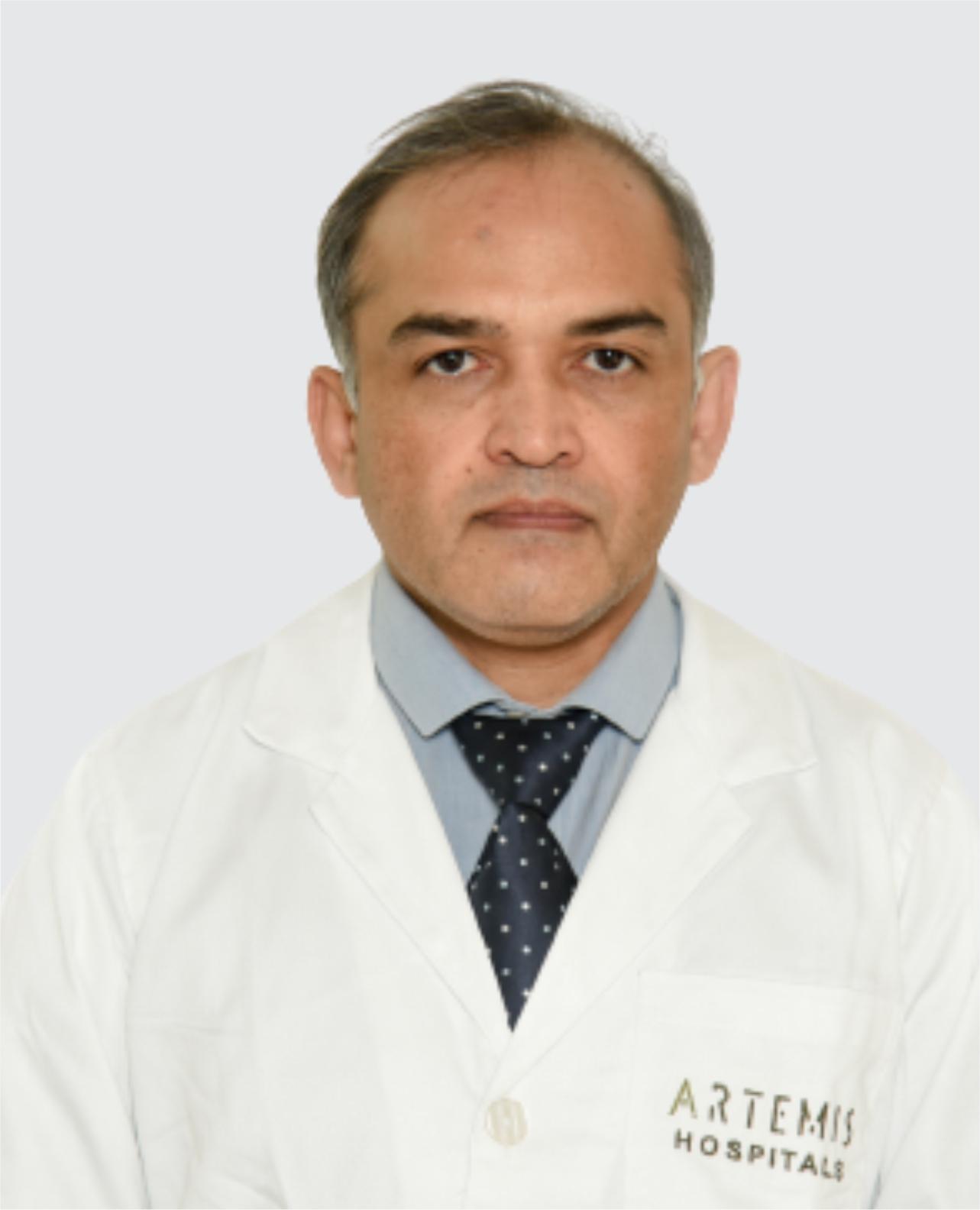
Chairperson Urology & Head, Urologic Oncology & Robotic Surgery (Unit I)
Robotic Surgery, Urology
New Delhi
20+ Years
Experience
Artemis Hospital
Hospital
1500
Fees
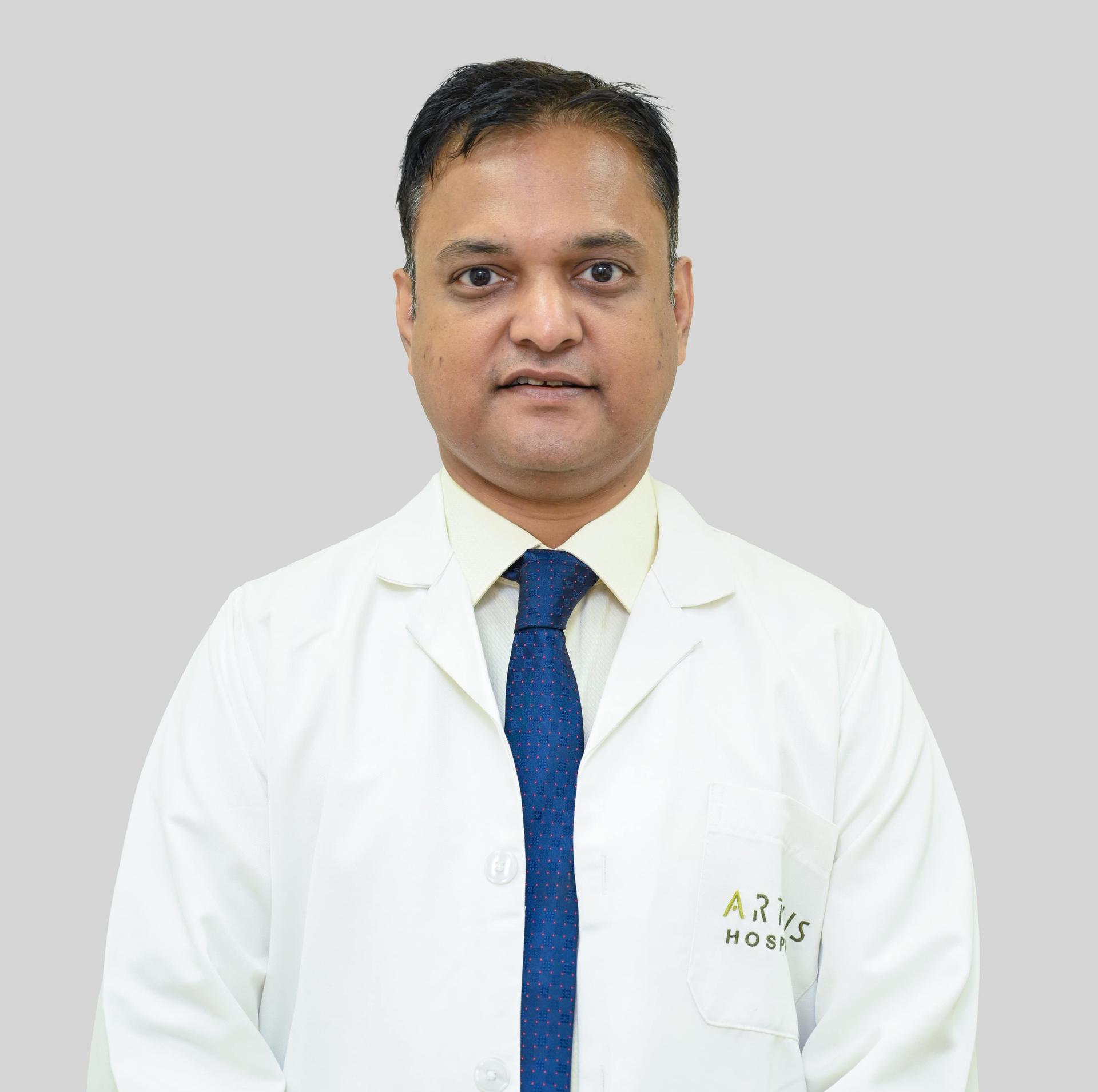
Head - General, MI & Bariatric Surgery (Unit IV)
General & Minimally Invasive Surgery
New Delhi
25+ Years
Experience
Artemis Hospital
Hospital
1500
Fees
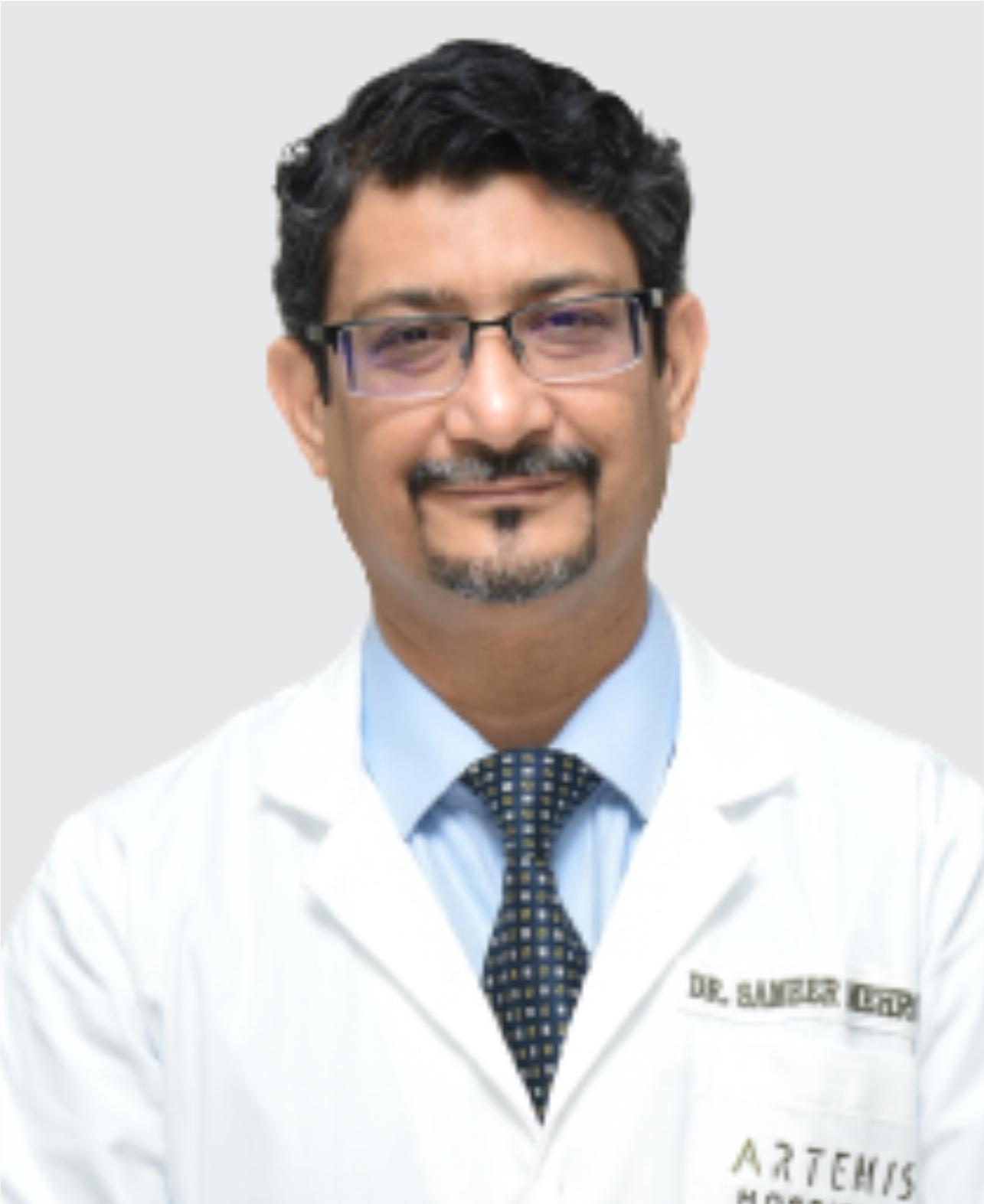
Unit Chief - Interventional Cardiology & Electrophysiology
Cardiology, Electrophysiology, Interventional Cardiology
New Delhi
15+ Years
Experience
Artemis Hospital
Hospital
1500
Fees
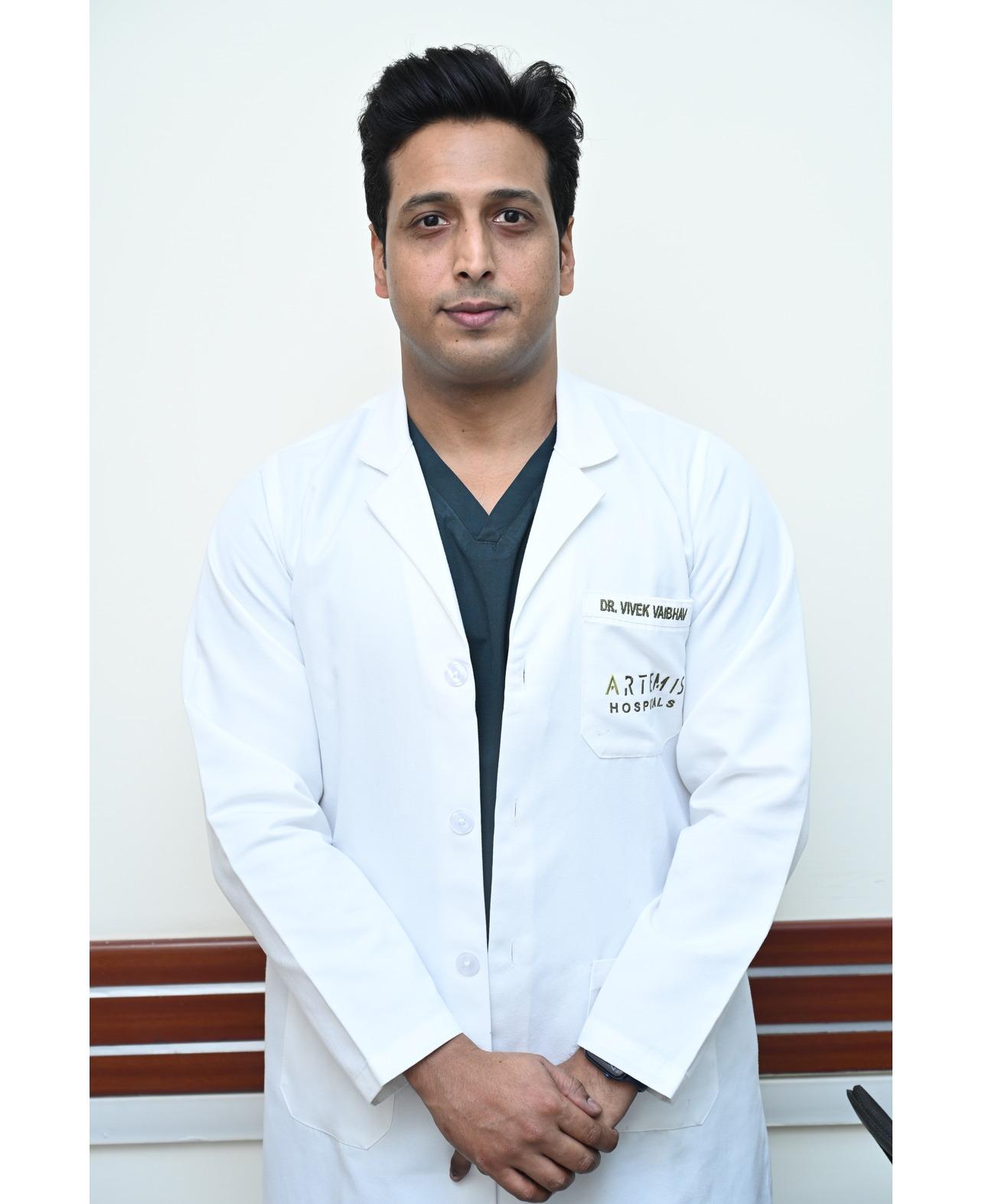
Consultant
Orthopaedic Surgery, Orthopaedics
New Delhi
10+ Years
Experience
Artemis Hospital
Hospital
1500
Fees

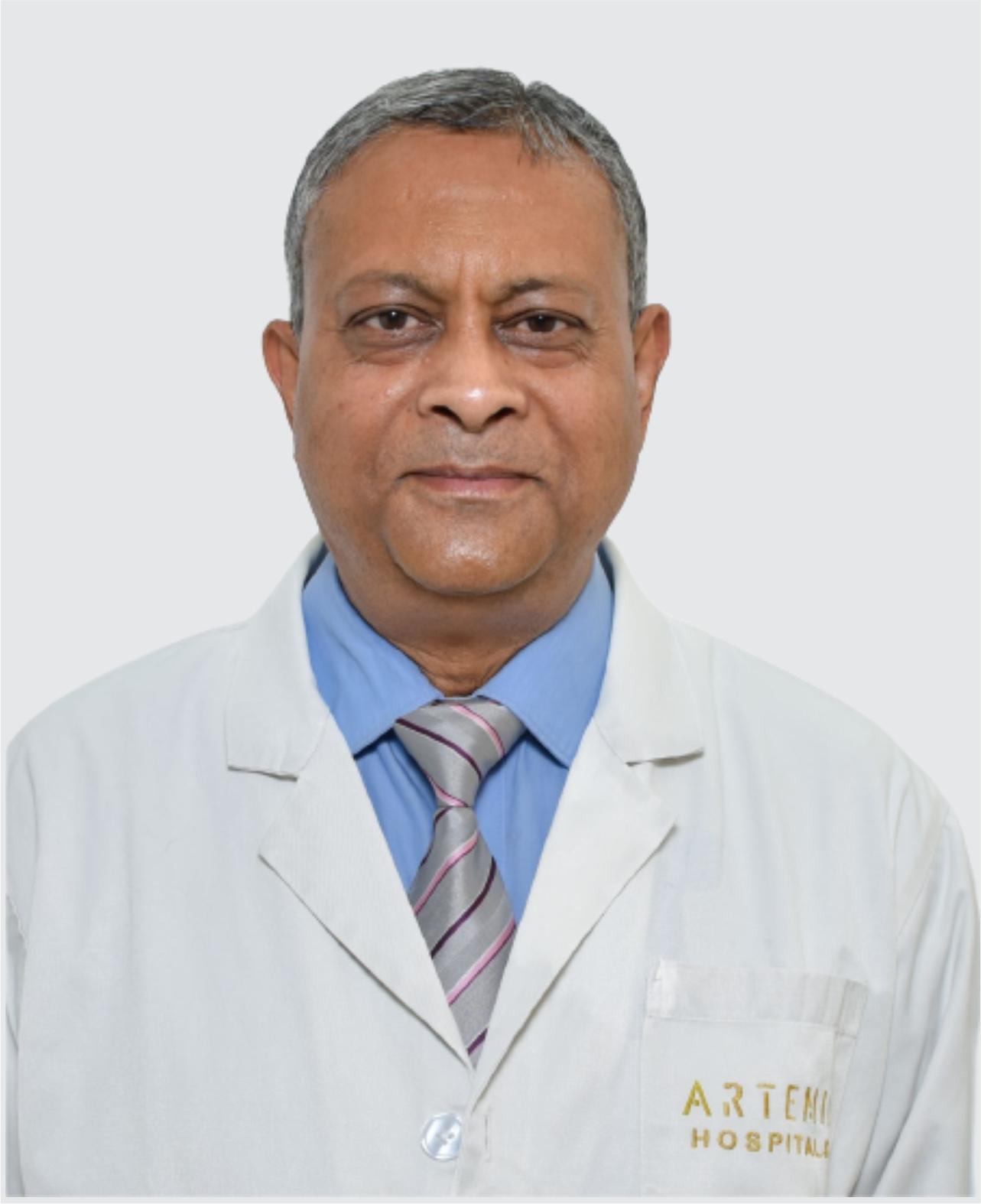
Chairperson - Orthopaedics Program & Chief – Robotic Joint Replacement & Arthroscopy Surgery
Orthopaedics, Robotic Surgery
New Delhi
15+ Years
Experience
Artemis Hospital
Hospital
1500
Fees
Chief - Nephrology (Unit II)
Kidney Transplant, Nephrology
New Delhi
15+ Years
Experience
Artemis Hospital
Hospital
1500
Fees
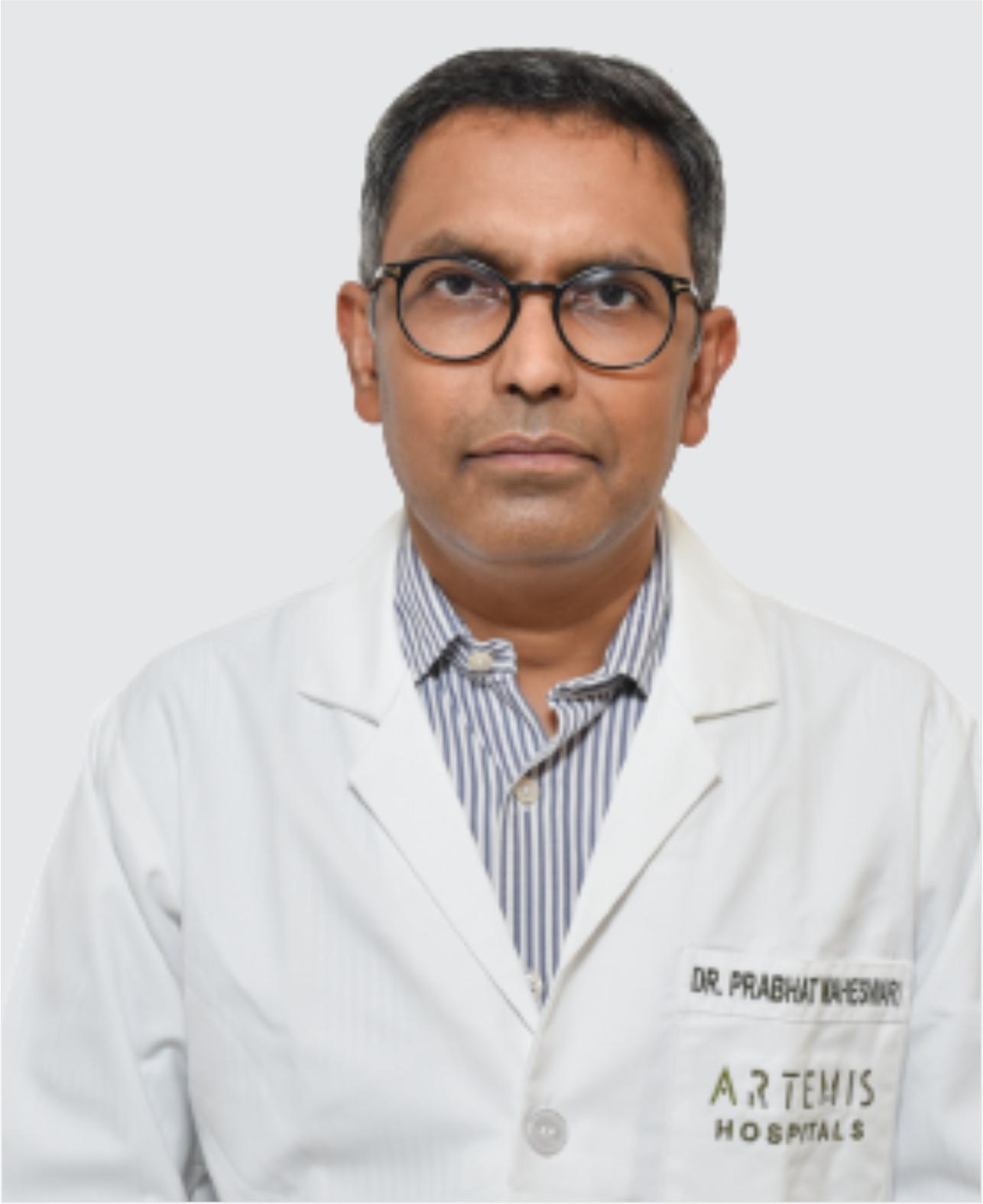
Director - Orthopaedics & Joint Replacement
Orthopaedics & Joint Replacement
New Delhi
24+ Years
Experience
Artemis Hospital
Hospital
1500
Fees
Get Personalized Medical Treatment Options From India's Top Hospitals. Our Medical Experts Are Ready To Assist You Every Step Of The Way.