
Hip Resurfacing Treatment in Gurugram for Iraq
Need Personalized Advice?
Our medical experts are ready to answer your questions and guide you through your treatment options.
Our medical experts are ready to answer your questions and guide you through your treatment options.
Many patients from Iraq experience the debilitating effects of chronic hip pain, limiting their daily activities and quality of life. The prospect of surgery, especially hip resurfacing, often brings concerns about finding expert care, modern facilities, and understandable costs. You might be weighing your options and seeking a reliable solution for enduring comfort and mobility.
When considering advanced orthopedic procedures like hip resurfacing, patients often look beyond their home country for specialized care. Gurugram, India, has emerged as a preferred destination, known for its focused medical hubs that attract international patients. The city's healthcare ecosystem offers a coordinated environment, ensuring patients receive comprehensive attention from arrival to recovery.
Trust in Gurugram's medical infrastructure is built on its network of highly-rated hospitals and internationally trained orthopedic specialists. These facilities are equipped with cutting-edge technology and adhere to global standards of patient safety. The streamlined processes for diagnostics, treatment, and follow-up care within the city contribute to a reassuring experience for international visitors.
Is Gurugram the right choice for your hip resurfacing procedure?
Hip resurfacing is a surgical procedure that involves reshaping the damaged surfaces of the hip joint and capping them with metal or ceramic implants, rather than removing the entire femoral head and replacing it with a prosthetic stem, as in a total hip replacement. It aims to preserve more of the patient's natural bone structure. Specifically, the femoral head is trimmed and fitted with a smooth cap, while the damaged cartilage in the hip socket (acetabulum) is removed and replaced with a metal shell. This technique is often recommended for younger, active patients with severe hip arthritis, providing pain relief and restoring hip function while maintaining a greater range of motion compared to traditional hip replacement in some cases.
While hip resurfacing is a specific surgical technique, the overall treatment approach involves several key considerations and stages:
The hip resurfacing procedure is a precise surgical intervention, with the exact steps depending on the patient's anatomy and the surgeon's chosen approach.
After the patient is under general or regional anesthesia, an incision is made, typically on the side or back of the hip. The surgeon then carefully dislocates the femoral head to access the joint. The damaged cartilage on the femoral head is removed, and the bone is reshaped to precisely fit a metal or ceramic cap. Simultaneously, the damaged cartilage from the acetabulum (hip socket) is removed, and a metal shell is securely implanted. Once both components are in place, the femoral head is reduced back into the new acetabular component, and the incision is closed in layers. The goal is to restore smooth joint movement while preserving as much natural bone as possible.
The recovery period following hip resurfacing typically involves several stages. Patients usually spend a few days in the hospital for initial pain management and physical therapy. Weight-bearing restrictions vary but often involve using crutches or a walker for several weeks. A structured rehabilitation program, including physical therapy, is crucial to regain strength, flexibility, and mobility. Full recovery can take several months, with gradual return to activities. Regular follow-up appointments with the orthopedic surgeon are necessary to monitor healing and implant function. Adhering to post-operative instructions regarding activity levels, exercises, and precautions is vital for a successful outcome.
Hip resurfacing generally boasts high success rates, with many patients experiencing significant pain relief and improved function for 10-15 years or more. Success rates vary depending on patient selection, surgical technique, and implant design. Younger, active patients with good bone quality tend to have excellent long-term outcomes. However, individual results can differ based on factors such as age, overall health, adherence to rehabilitation, and the progression of underlying conditions. Long-term expectations often include a return to an active lifestyle, though high-impact sports might need careful consideration.
Reach out to our patient care coordinators to understand your options and begin your consultation process.
The cost of hip resurfacing in Gurugram is significantly more affordable compared to Western countries, without compromising on quality of care. Several factors influence the total expense, including the chosen hospital's accreditation and facilities, the senior orthopedic specialist's fees, the type and brand of implant used, the length of hospital stay, and the extent of post-operative rehabilitation required.
In Gurugram, the estimated cost for Hip Resurfacing typically ranges from approximately INR 5,80,000 to INR 11,00,000.
Patients from Iraq can find substantial savings by choosing Gurugram for their hip resurfacing. Here is a comparison of average costs (in USD) for the procedure in Gurugram versus other medical tourism destinations:
| Location | Estimated Cost (USD) |
|---|---|
| Gurugram, India | $7,000 - $13,000 |
| United States | $30,000 - $60,000 |
| United Kingdom | $25,000 - $45,000 |
| Thailand | $10,000 - $18,000 |
| Turkey | $8,000 - $15,000 |
Gurugram offers a pathway to renewed mobility and comfort. Take the next step towards a healthier, more active future.
Our team is ready to provide personalized guidance for your hip resurfacing journey. Start your inquiry today.
India offers premium medical procedures at affordable prices. Discover our most popular treatments, delivered by the country's finest doctors.
Meet our team of highly qualified and experienced medical professionals dedicated to providing the best healthcare services.
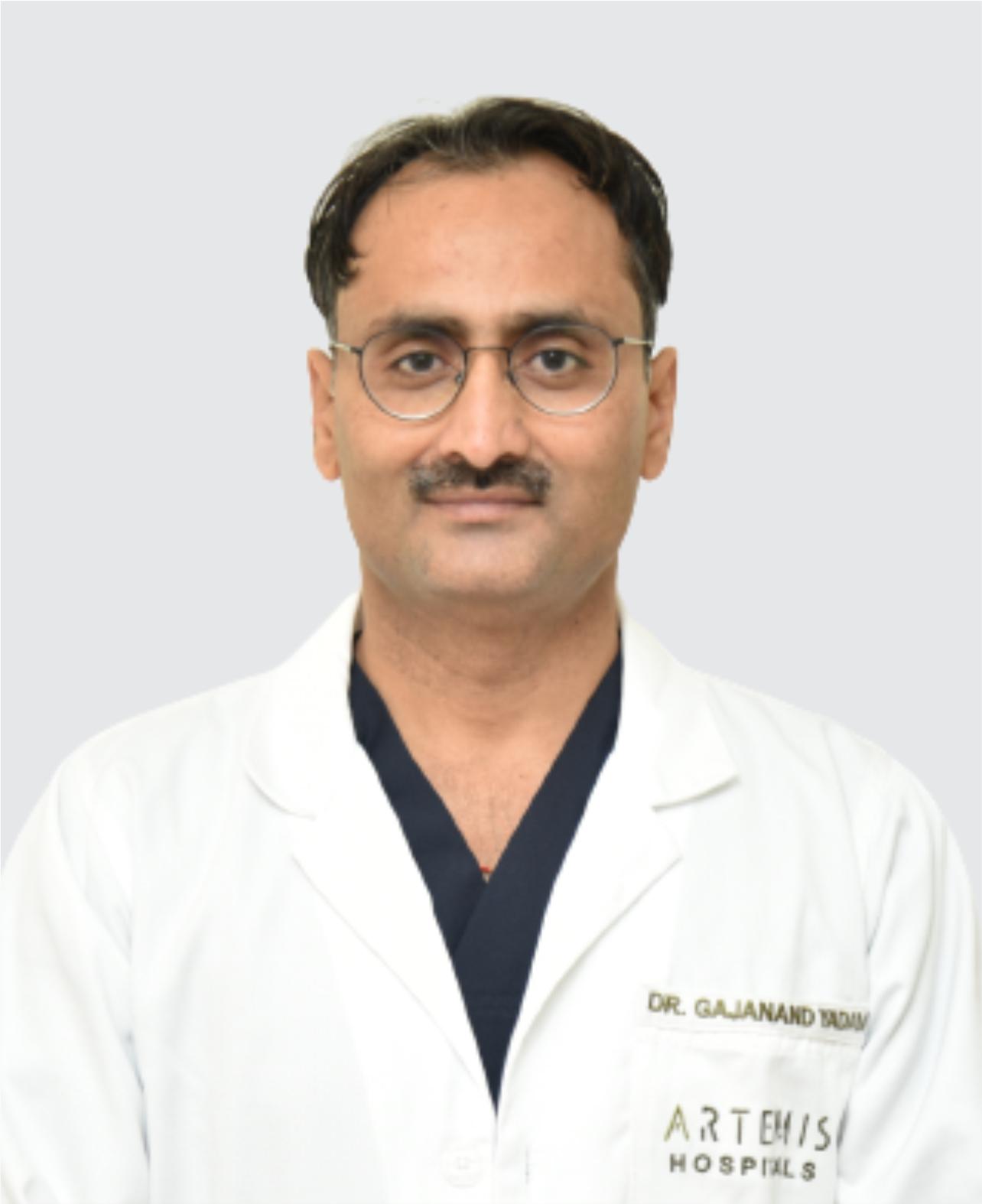
Consultant - Orthopaedics and Hip and Knee Arthroplasty
Orthopaedics, Hip and Knee Arthroplasty, Joint Replacement, Sports Medicine
New Delhi
12+ Years
Experience
Artemis Hospital
Hospital
1500
Fees
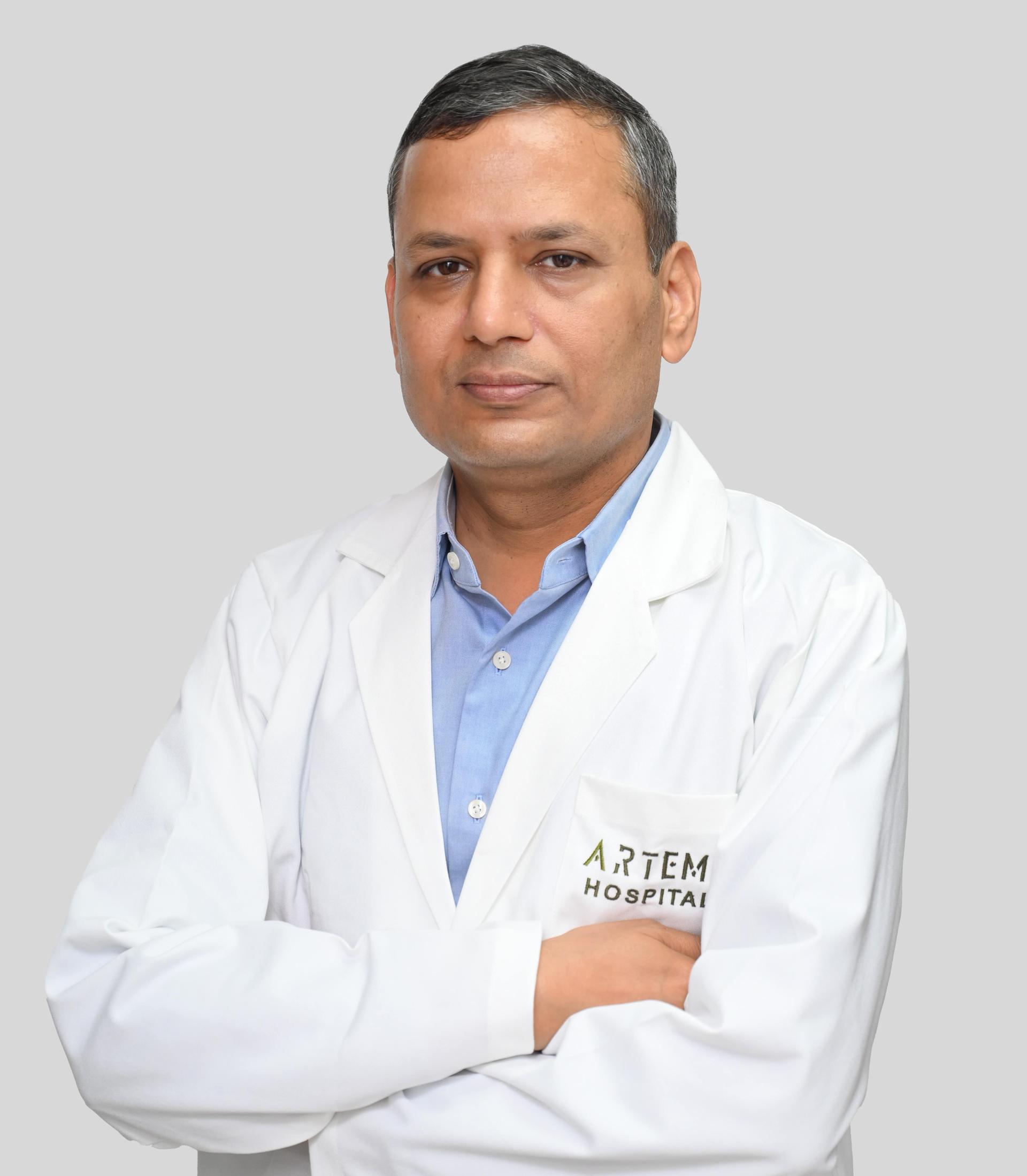
Chief - Hematology, Oncology & Bone Marrow Transplant
Clinical Hematology, Hematologic Oncology, Bone Marrow Transplantation
New Delhi
15+ Years
Experience
Artemis Hospital
Hospital
1500
Fees

Chief
Paediatric
New Delhi
15+ Years
Experience
Artemis Hospital
Hospital
1500
Fees
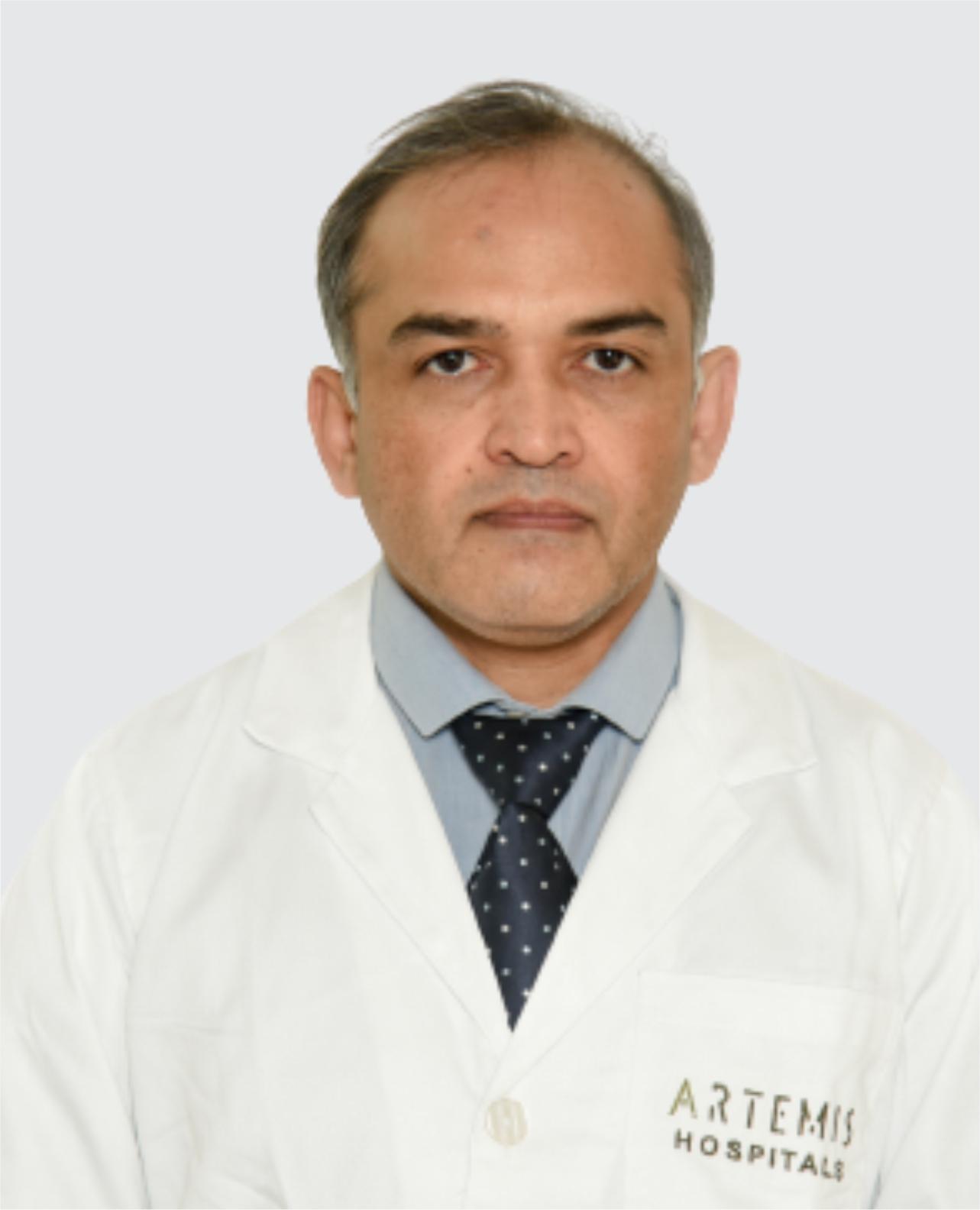
Chairperson Urology & Head, Urologic Oncology & Robotic Surgery (Unit I)
Robotic Surgery, Urology
New Delhi
20+ Years
Experience
Artemis Hospital
Hospital
1500
Fees
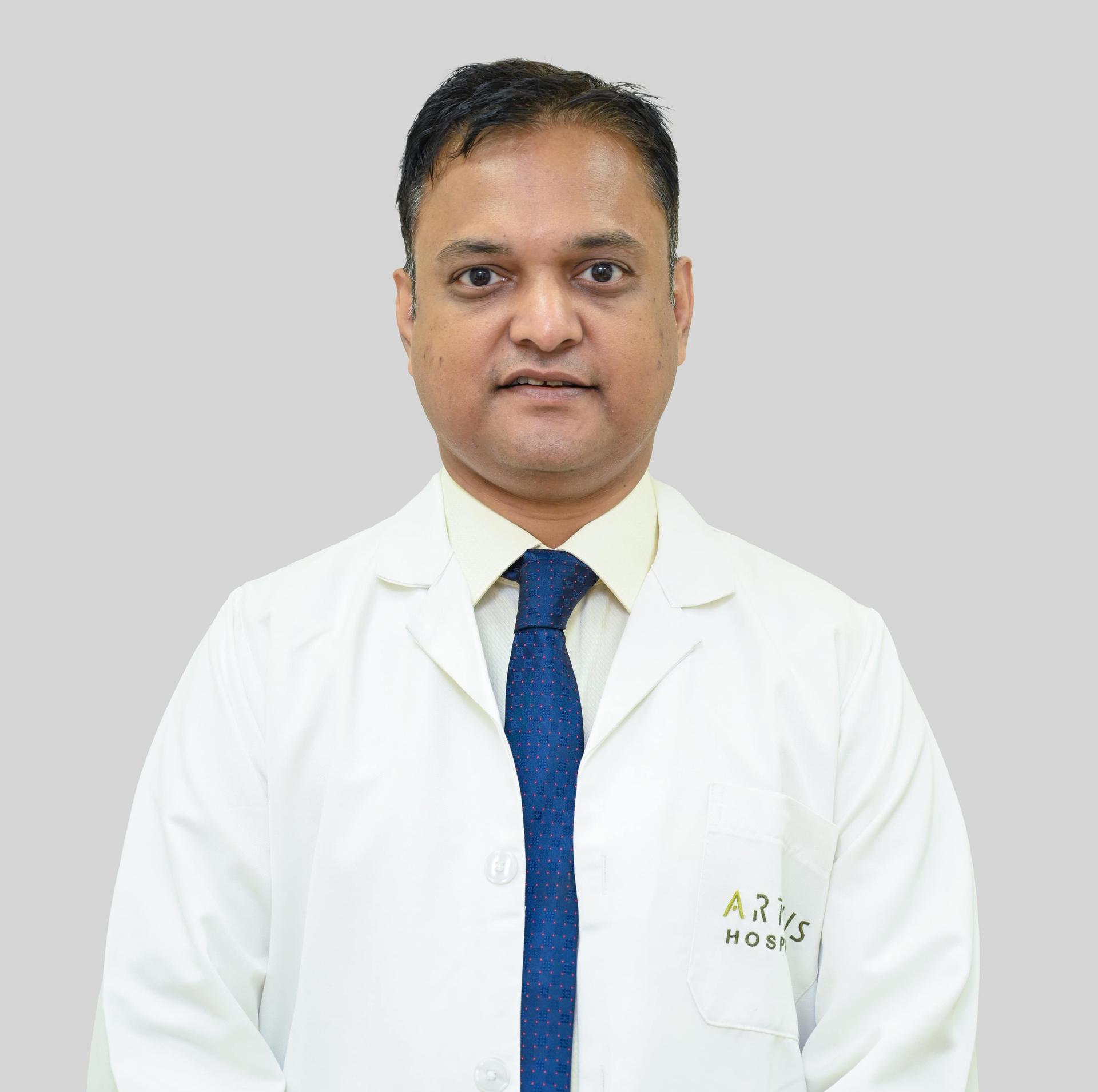
Head - General, MI & Bariatric Surgery (Unit IV)
General & Minimally Invasive Surgery
New Delhi
25+ Years
Experience
Artemis Hospital
Hospital
1500
Fees
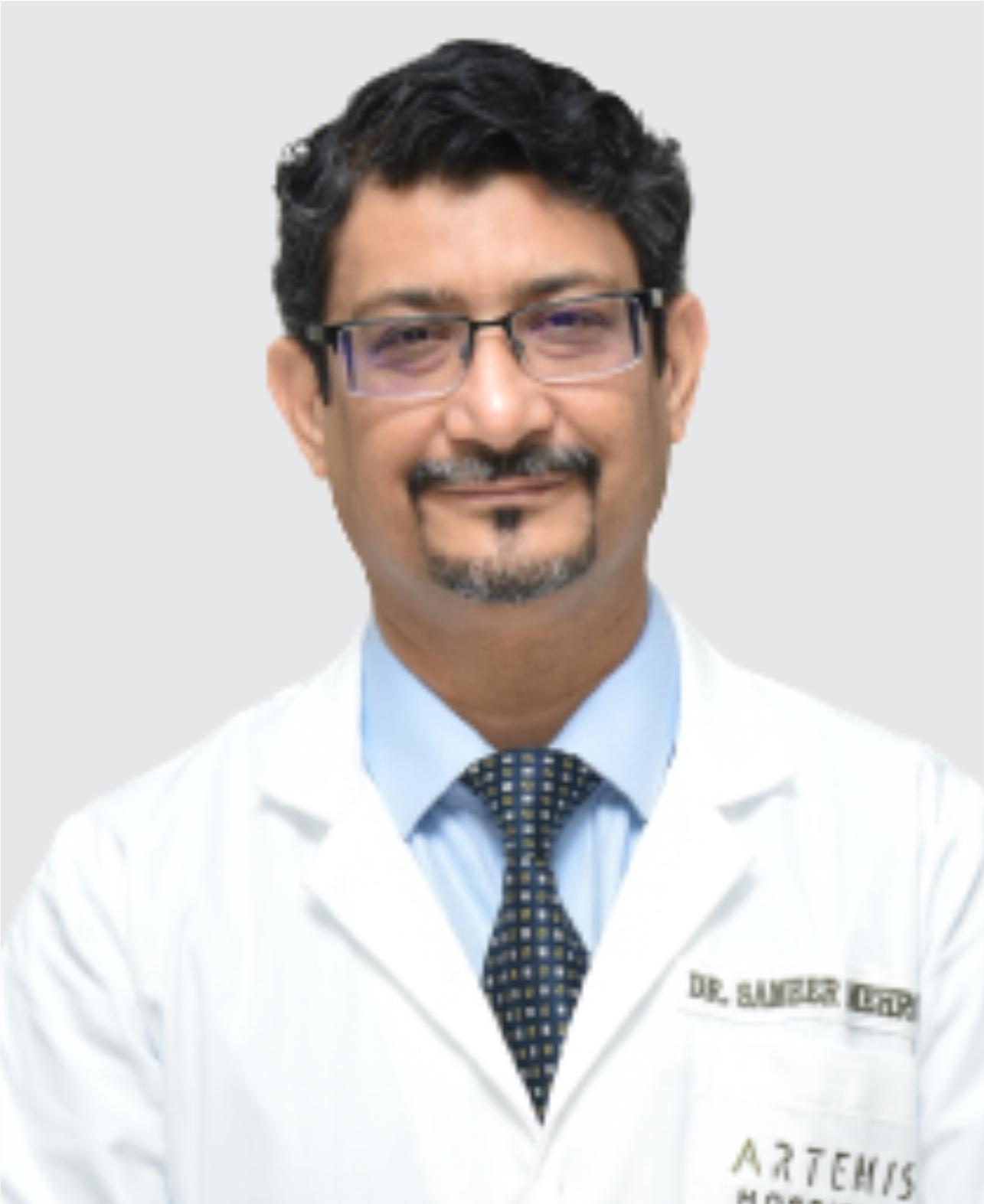
Unit Chief - Interventional Cardiology & Electrophysiology
Cardiology, Electrophysiology, Interventional Cardiology
New Delhi
15+ Years
Experience
Artemis Hospital
Hospital
1500
Fees
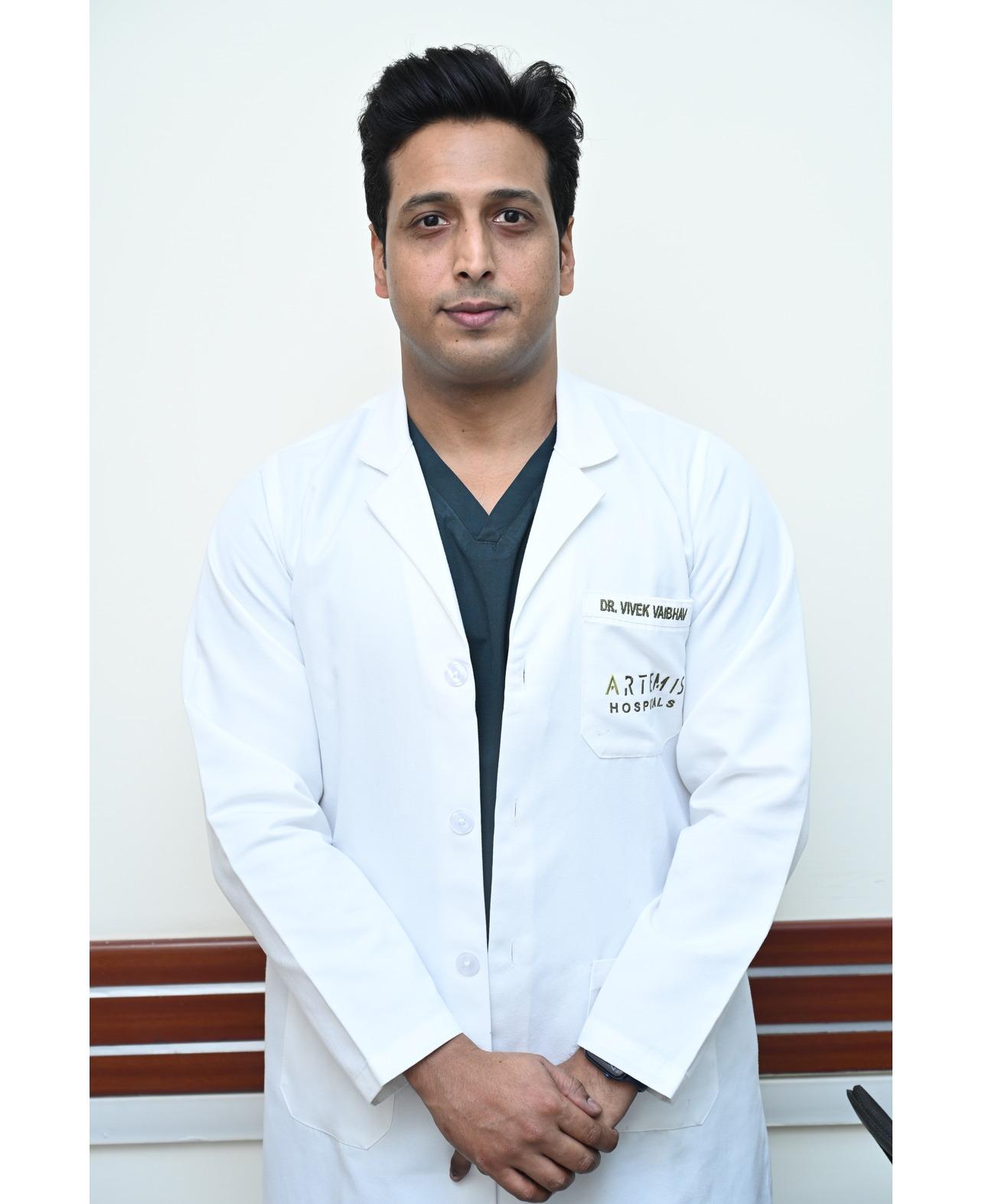
Consultant
Orthopaedic Surgery, Orthopaedics
New Delhi
10+ Years
Experience
Artemis Hospital
Hospital
1500
Fees

Chairperson - Orthopaedics Program & Chief – Robotic Joint Replacement & Arthroscopy Surgery
Orthopaedics, Robotic Surgery
New Delhi
15+ Years
Experience
Artemis Hospital
Hospital
1500
Fees
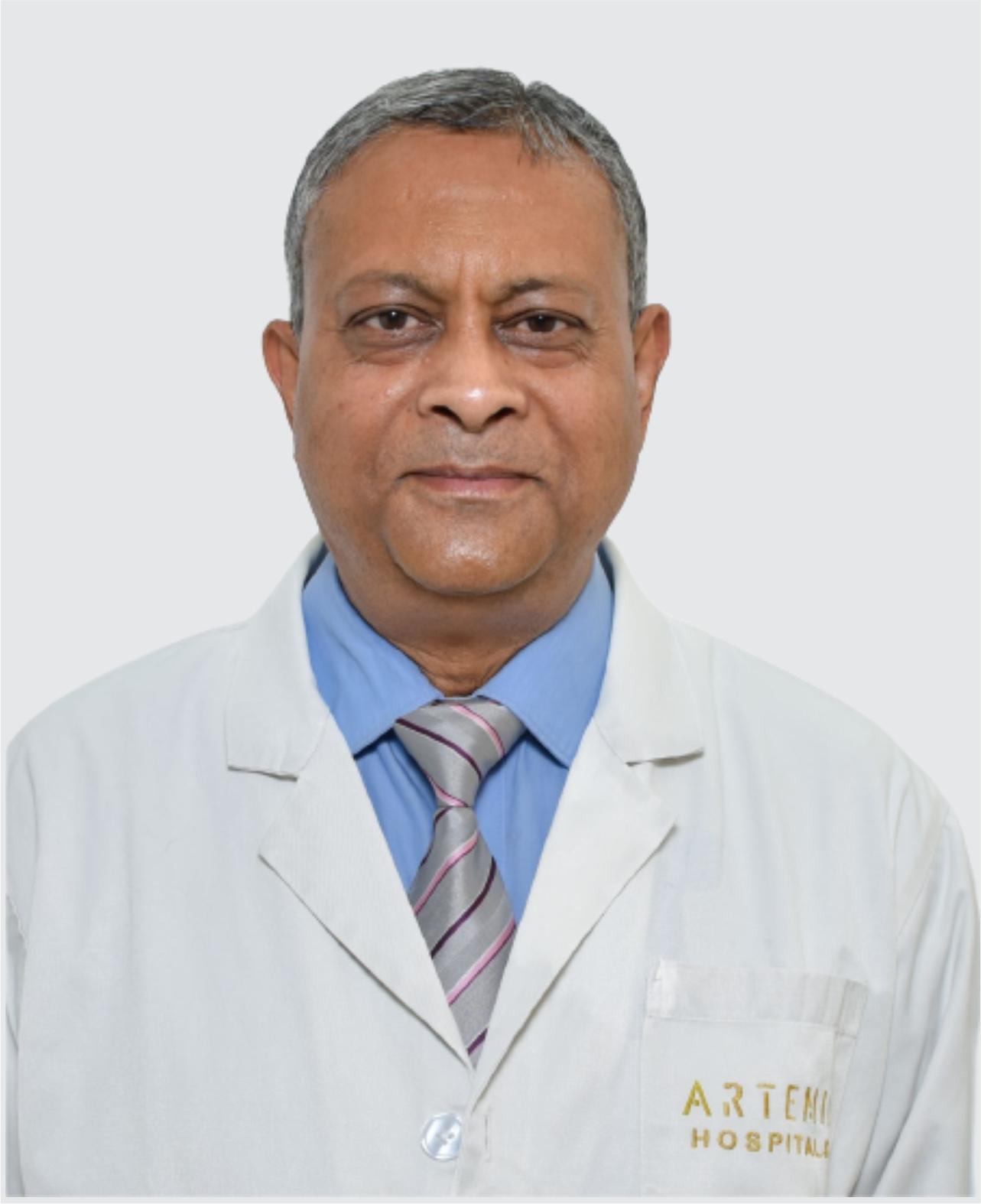
Chief - Nephrology (Unit II)
Kidney Transplant, Nephrology
New Delhi
15+ Years
Experience
Artemis Hospital
Hospital
1500
Fees
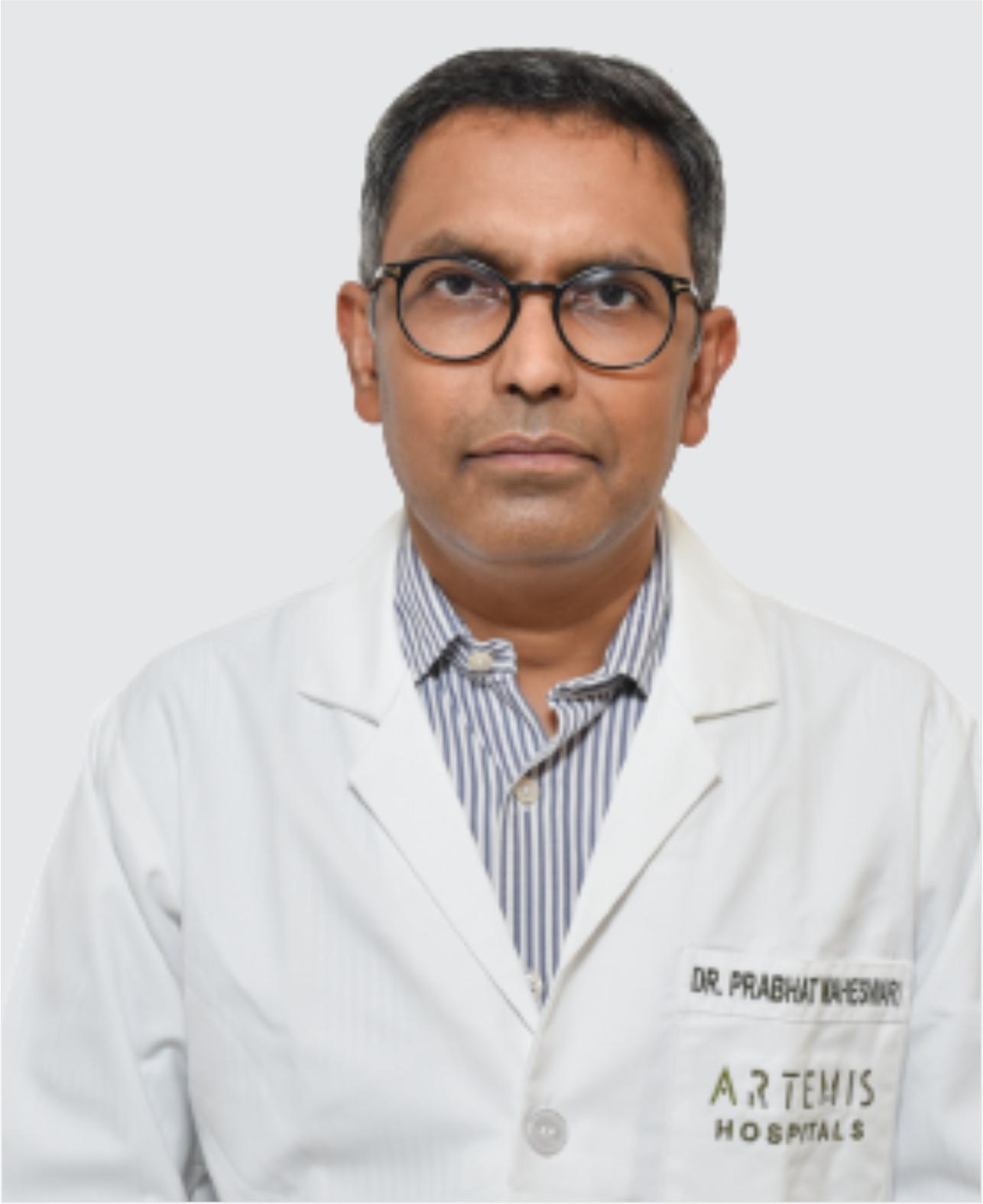
Director - Orthopaedics & Joint Replacement
Orthopaedics & Joint Replacement
New Delhi
24+ Years
Experience
Artemis Hospital
Hospital
1500
Fees
Get Personalized Medical Treatment Options From India's Top Hospitals. Our Medical Experts Are Ready To Assist You Every Step Of The Way.