
Hip Resurfacing Treatment in Hyderabad for Ethiopia
Need Personalized Advice?
Our medical experts are ready to answer your questions and guide you through your treatment options.
Our medical experts are ready to answer your questions and guide you through your treatment options.
Considering hip resurfacing can bring a mix of hope and apprehension, especially for patients in Ethiopia seeking advanced care. The challenge of debilitating hip pain and limited mobility often leads to questions about the best treatment options available, and where to find expert surgical teams for this intricate procedure.
Many individuals look beyond their home country for specialized medical interventions like hip resurfacing, seeking greater expertise and better value. Hyderabad stands out as a preferred destination, known for its leading medical infrastructure and a reputation for successful complex orthopedic surgeries, attracting patients from across the globe.
The medical facilities in Hyderabad are equipped with modern technology and staffed by highly skilled orthopedic surgeons and rehabilitation specialists. Patients benefit from a coordinated care environment, ensuring smooth transitions from initial consultation to surgery, recovery, and effective follow-up programs within the city.
Is Hyderabad the right choice for your hip resurfacing journey?
Our team is ready to connect you with top orthopedic specialists in Hyderabad. Receive tailored advice and cost estimates for your hip resurfacing procedure.
Hip resurfacing is an orthopedic surgical procedure that reshapes and caps the surfaces of the hip joint instead of replacing the entire joint. Unlike a total hip replacement, which removes the femoral head and replaces it with a prosthetic stem, resurfacing involves trimming the damaged femoral head and capping it with a smooth metal surface. The socket (acetabulum) is also lined with a metal shell. This technique aims to preserve more of the patient’s natural bone structure, often appealing to younger, more active individuals with hip arthritis. The goal is to reduce pain and restore hip function, allowing for a broader range of movement and greater stability.
While the core principle of hip resurfacing remains consistent, variations exist primarily in the implant materials and surgical approaches:
The procedure for hip resurfacing depends on the patient's specific condition and the surgeon's chosen approach.
Recovery from hip resurfacing typically involves a hospital stay of a few days, followed by a structured rehabilitation program. Patients begin weight-bearing activities with support almost immediately, progressing to walking independently. Physical therapy is crucial, focusing on strengthening the surrounding muscles, improving range of motion, and regaining functional mobility. Restrictions on certain movements or activities may be advised for several weeks to prevent dislocation or injury. Full recovery can take several months, with gradual return to demanding activities under medical guidance. Regular follow-up appointments with the orthopedic surgeon are essential to monitor progress and implant stability.
The success rates for hip resurfacing are generally high, especially in carefully selected patients. Studies show that a majority of patients experience significant pain relief and improved function, with many enjoying a return to various sporting activities. Long-term outcomes vary, but for suitable candidates, the implants can last for many years. Factors influencing success include patient age, activity level, bone quality, surgeon experience, and adherence to rehabilitation protocols. Regular medical follow-ups help ensure optimal long-term results.
The cost of hip resurfacing in Hyderabad is influenced by several factors. These include the choice of hospital (private vs. corporate), the experience and reputation of the orthopedic surgeon, the type of implant used, the duration of hospital stay, and the extent of post-operative physiotherapy required. Pre-operative diagnostics and any concurrent medical conditions can also impact the final cost.
For international patients, the estimated cost range for Hip Resurfacing in Hyderabad typically falls between INR 6,50,000 to INR 12,00,000. This range is an approximation and can vary based on individual patient needs and specific hospital packages.
Patients from Ethiopia often find Hyderabad to be a cost-effective option for high-quality hip resurfacing when compared to Western countries, without compromising on medical standards or technology.
| Location | Estimated Cost (USD) |
|---|---|
| Hyderabad, India | $8,000 - $15,000 |
| United States | $35,000 - $60,000 |
| United Kingdom | $25,000 - $45,000 |
| Thailand | $12,000 - $20,000 |
| South Africa | $18,000 - $30,000 |
Our dedicated patient support team can help with travel arrangements, accommodation, visa assistance, and appointment scheduling for your hip resurfacing in Hyderabad.
Taking the step towards hip resurfacing in Hyderabad can significantly enhance your quality of life. We are here to guide you through every stage, ensuring a smooth and supportive experience.
India offers premium medical procedures at affordable prices. Discover our most popular treatments, delivered by the country's finest doctors.
Meet our team of highly qualified and experienced medical professionals dedicated to providing the best healthcare services.
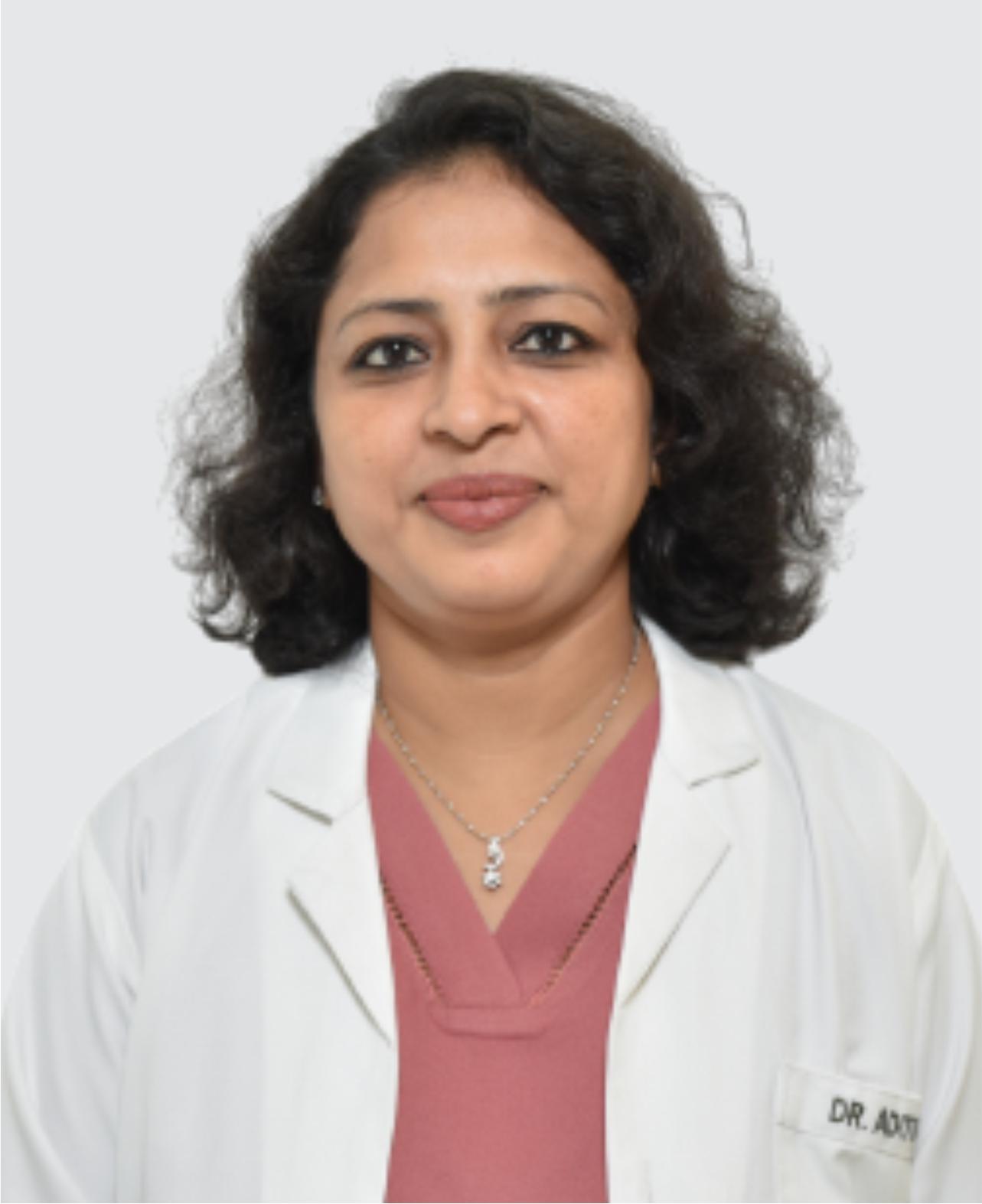
Sr. Consultant – Women Imaging
Radiology
New Delhi
15+ Years
Experience
Artemis Hospital
Hospital
1500
Fees

Co-Head Psychological Services
Mental Health and Behavioural Sciences
New Delhi
15+ Years
Experience
Artemis Hospital
Hospital
1500
Fees
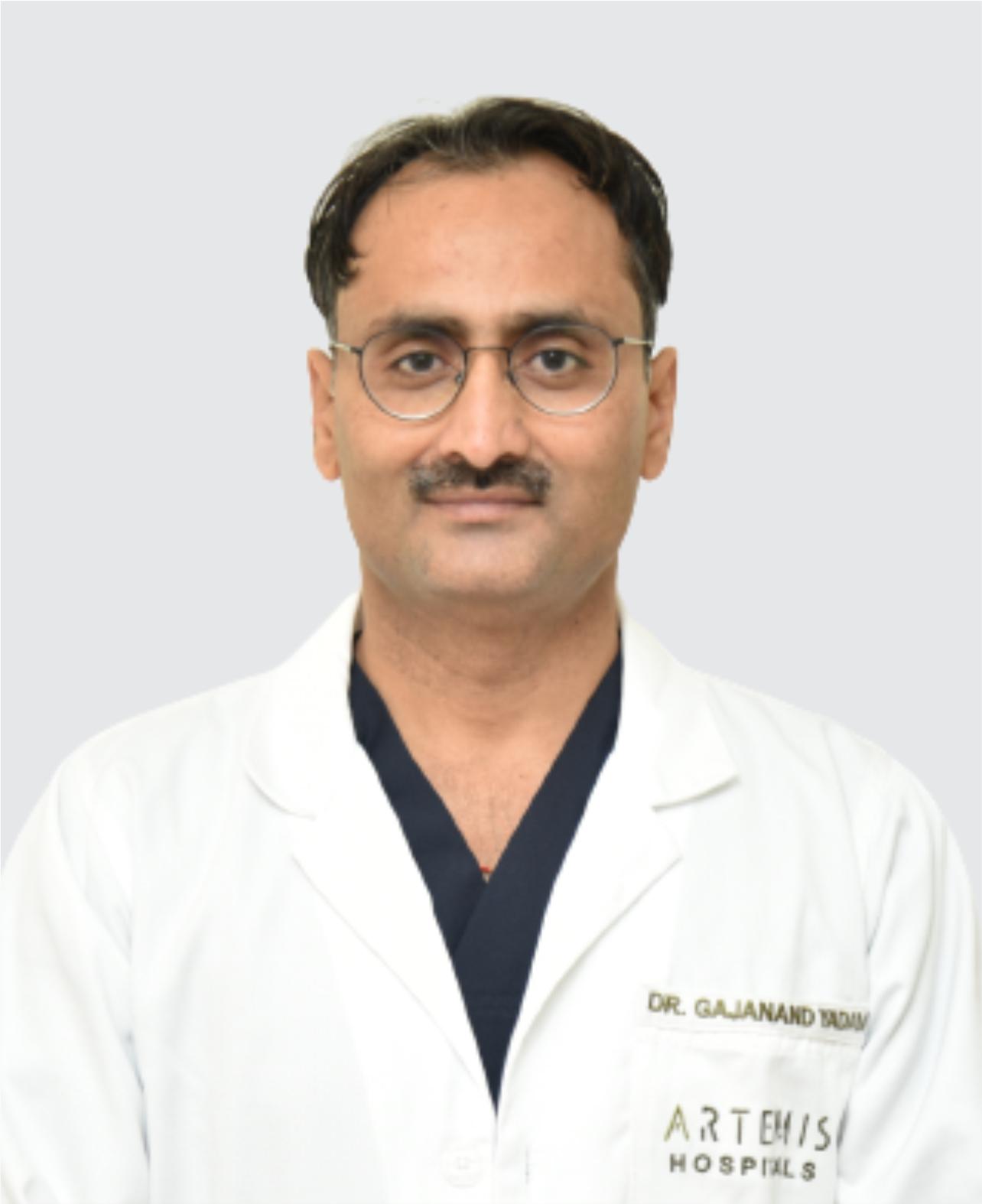
Consultant - Orthopaedics and Hip and Knee Arthroplasty
Orthopaedics, Hip and Knee Arthroplasty, Joint Replacement, Sports Medicine
New Delhi
12+ Years
Experience
Artemis Hospital
Hospital
1500
Fees

Head of Department - Gynae Endocrinology & DNB Program Director - Obs & Gynae
Gynaecological Endocrinology, Maternity, Obstetrics & Gynaecology
New Delhi
35+ Years
Experience
Artemis Hospital
Hospital
1500
Fees

Senior Consultant - ENT
ENT and Head & Neck Surgery
New Delhi
24+ Years
Experience
Artemis Hospital
Hospital
1500
Fees
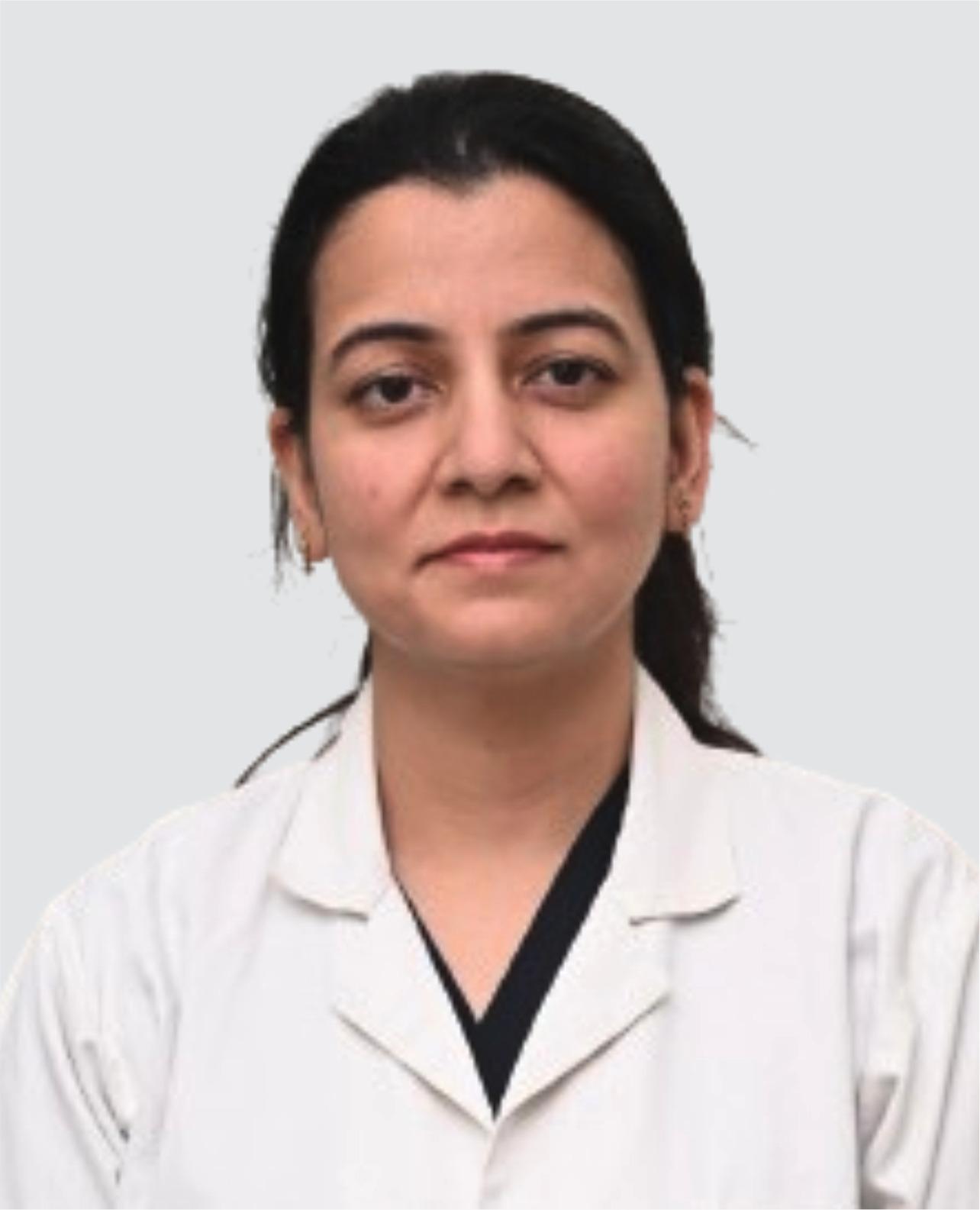
Consultant (Head & Neck Surgery) - Surgical Oncology
Head and Neck Surgical Oncology
New Delhi
10+ Years
Experience
Artemis Hospital
Hospital
1500
Fees
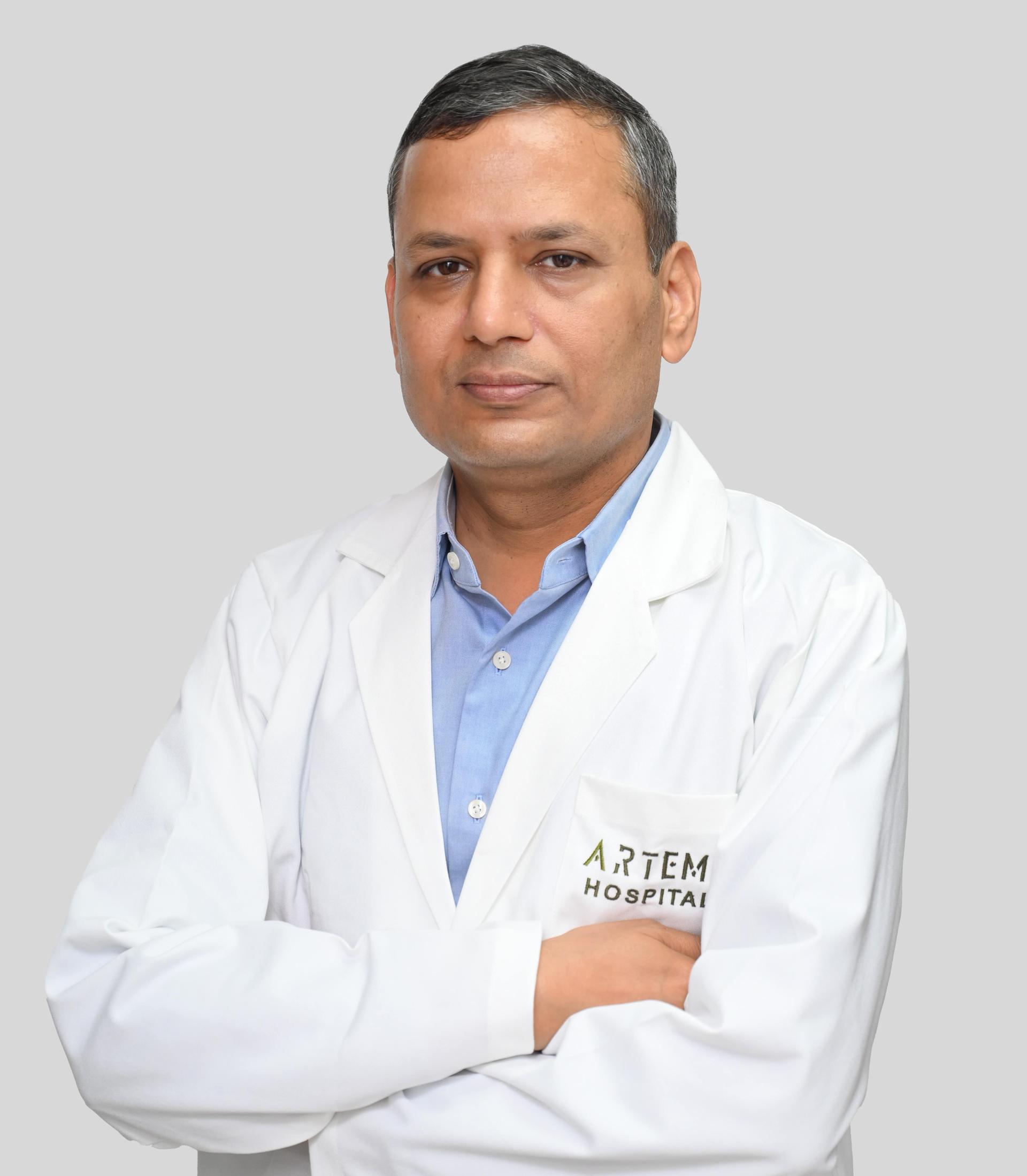
Chief - Hematology, Oncology & Bone Marrow Transplant
Clinical Hematology, Hematologic Oncology, Bone Marrow Transplantation
New Delhi
15+ Years
Experience
Artemis Hospital
Hospital
1500
Fees
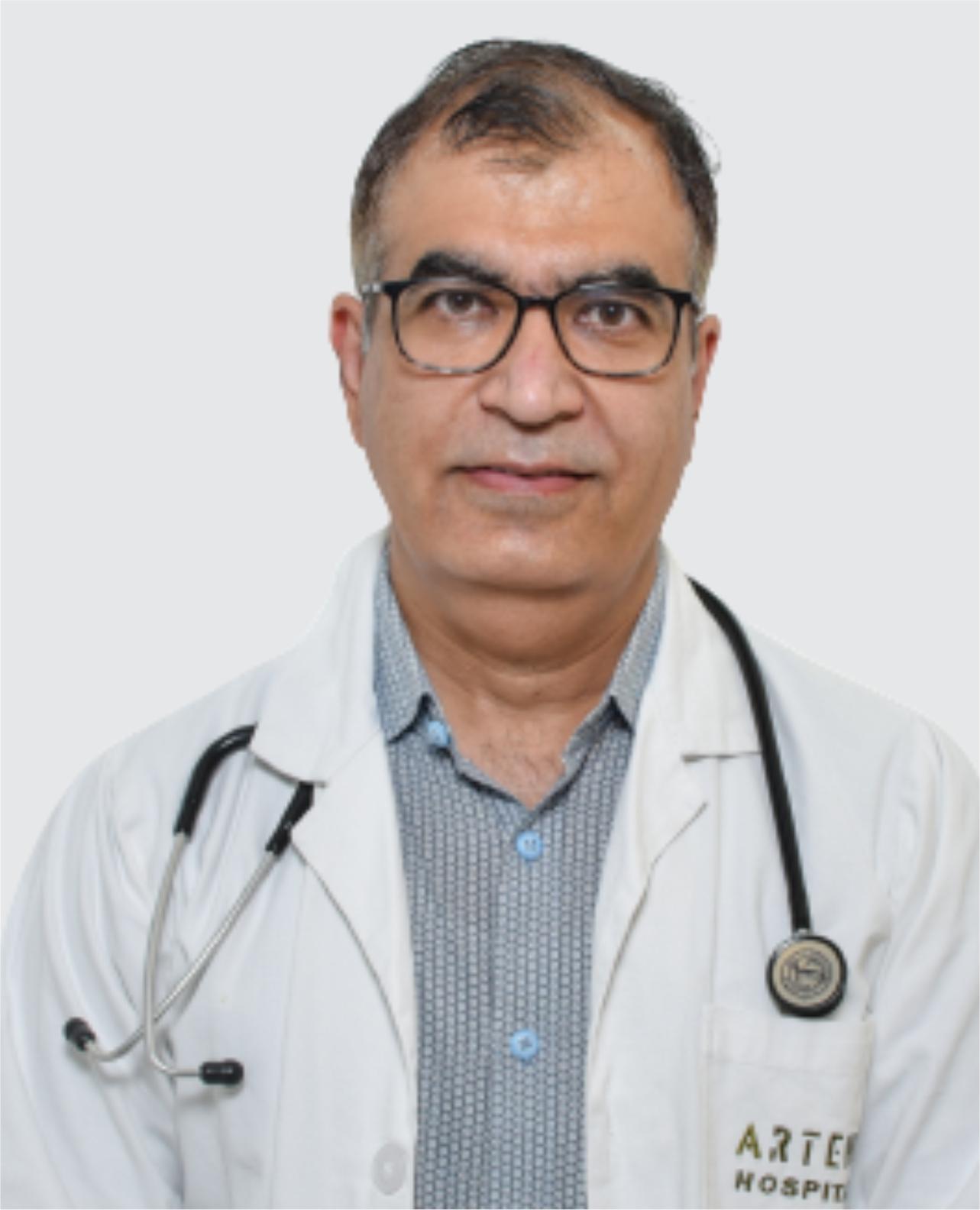
Chief
Paediatric
New Delhi
15+ Years
Experience
Artemis Hospital
Hospital
1500
Fees
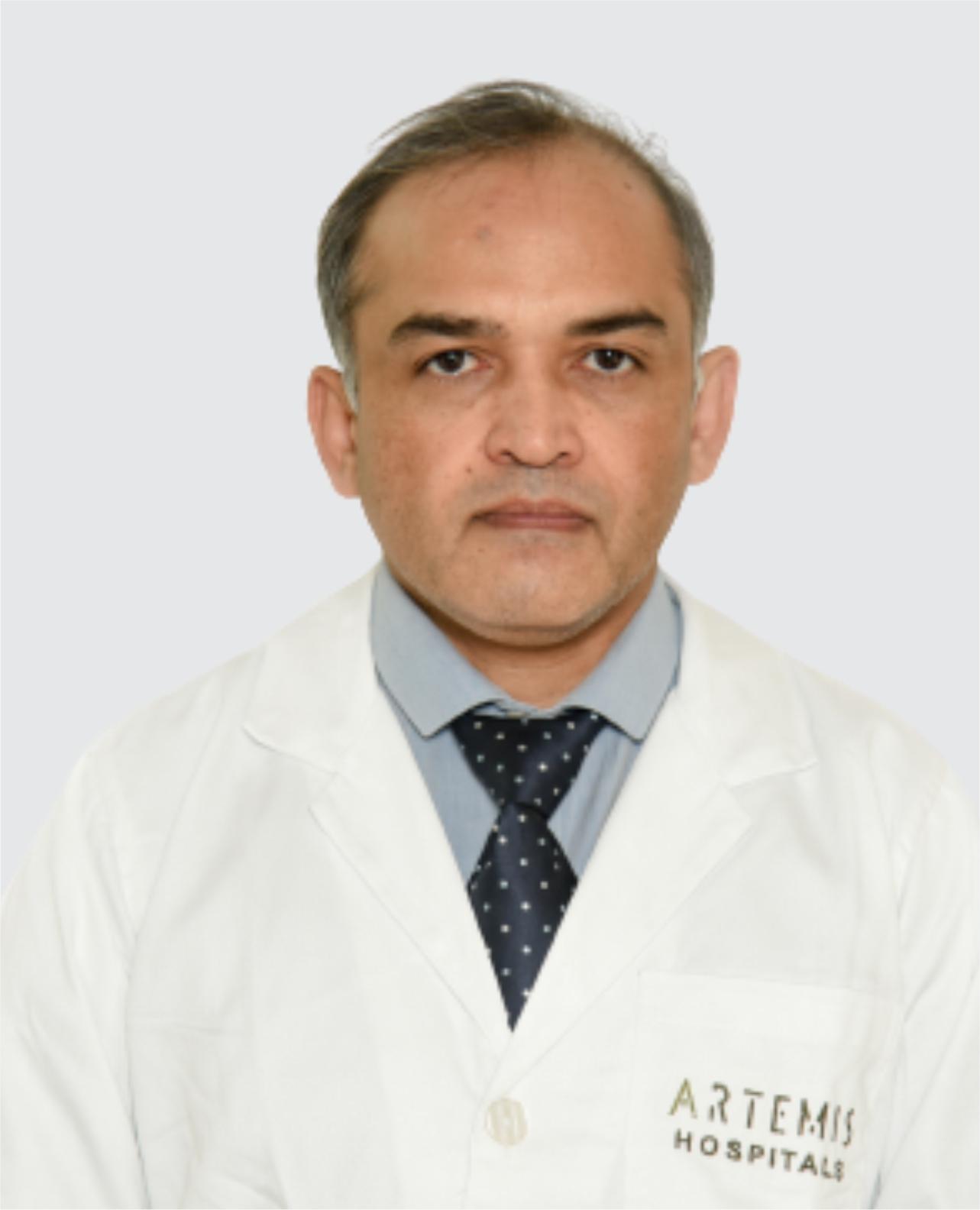
Chairperson Urology & Head, Urologic Oncology & Robotic Surgery (Unit I)
Robotic Surgery, Urology
New Delhi
20+ Years
Experience
Artemis Hospital
Hospital
1500
Fees
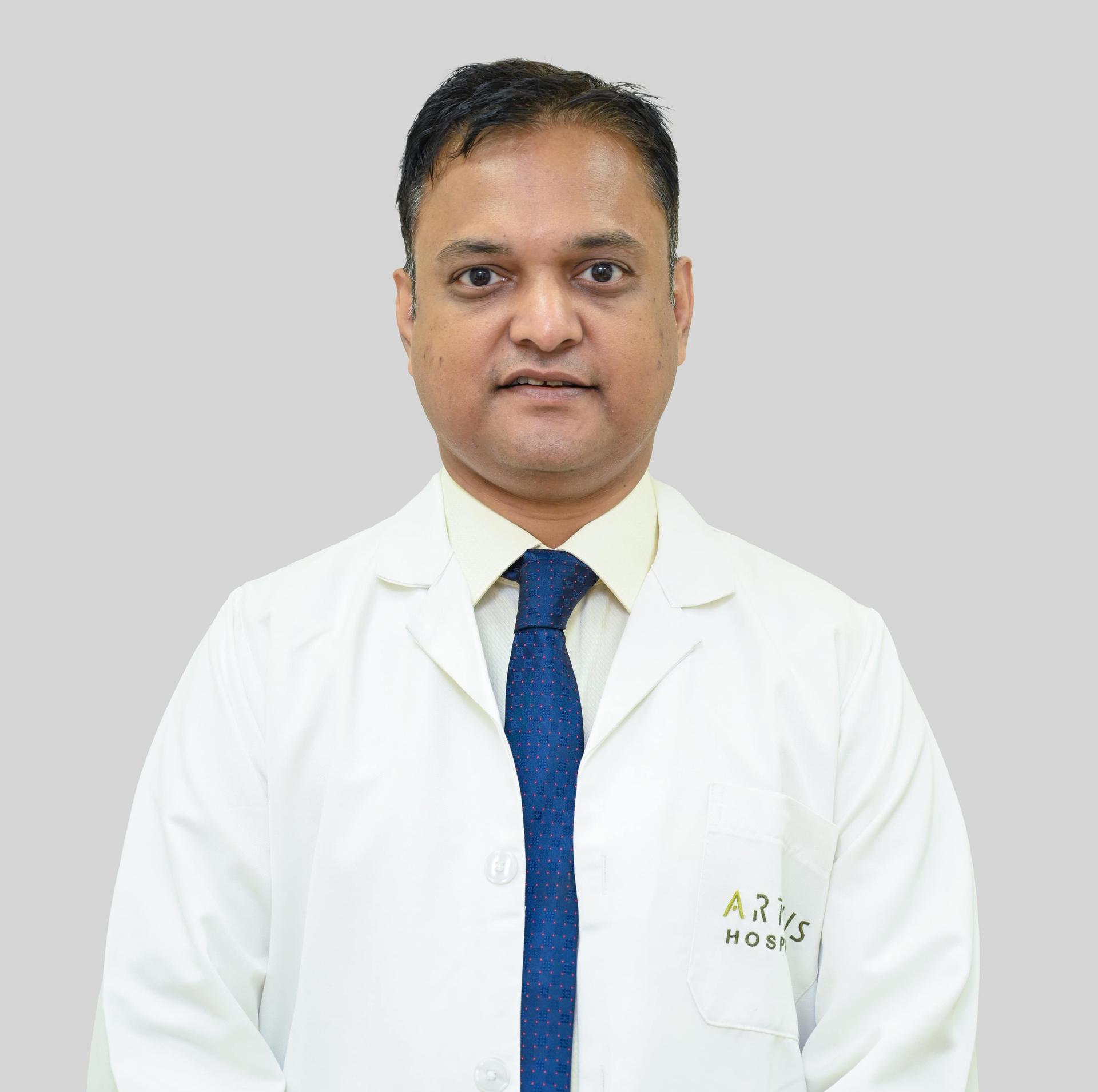
Head - General, MI & Bariatric Surgery (Unit IV)
General & Minimally Invasive Surgery
New Delhi
25+ Years
Experience
Artemis Hospital
Hospital
1500
Fees
Get Personalized Medical Treatment Options From India's Top Hospitals. Our Medical Experts Are Ready To Assist You Every Step Of The Way.