
Hip Resurfacing Treatment in Hyderabad for Iraq
Need Personalized Advice?
Our medical experts are ready to answer your questions and guide you through your treatment options.
Our medical experts are ready to answer your questions and guide you through your treatment options.
Patients from Iraq often face challenges when considering major orthopedic procedures like hip resurfacing. Concerns about quality of care, international travel logistics, and finding trusted medical guidance can make this decision feel overwhelming.
Many international patients, including those from Iraq, increasingly look towards Hyderabad for specialized medical care. The city has emerged as a medical hub offering advanced surgical techniques and integrated patient support for those seeking treatment abroad.
Hyderabad’s hospitals are known for their high standards, experienced orthopedic surgeons, and comprehensive care pathways. Patients can expect coordinated services, from initial consultation to recovery, ensuring a smooth treatment experience within the city.
Is Hyderabad the right choice for your Hip Resurfacing journey?
Hip resurfacing is a bone-preserving alternative to total hip replacement surgery. This procedure involves reshaping the head of the thigh bone (femur) and capping it with a smooth metal surface. The hip socket (acetabulum) is also prepared and lined with a metal shell. The primary goal is to alleviate hip pain and restore joint function while preserving more of the patient's natural bone structure. It is often considered for younger, active individuals.
Different approaches to hip resurfacing are available depending on the patient's specific condition and surgeon's preference:
The hip resurfacing procedure is a highly specialized surgery, carefully planned and executed by experienced orthopedic surgeons in Hyderabad. The exact steps may vary slightly based on the patient’s condition and the surgical approach chosen.
Typically, the procedure involves these general stages:
Recovery from Hip Resurfacing involves a structured rehabilitation program tailored to each patient. Immediately after surgery, pain management is a priority, and patients are encouraged to begin gentle movement. Physical therapy starts early, focusing on regaining strength, flexibility, and mobility. Patients typically use crutches or a walker for several weeks. Full weight-bearing is gradually introduced, and specific exercises are taught to strengthen the hip muscles. Returning to normal activities takes several months, with continuous follow-up appointments essential to monitor healing and progress. Adherence to physical therapy instructions is crucial for a successful outcome.
Hip resurfacing generally has a high success rate, offering significant pain relief and improved function for suitable candidates. Many patients experience durable results, with implants lasting 15 to 20 years or even longer. Outcomes can vary based on individual factors such as the patient's age, bone quality, activity level, and the surgeon's expertise. Adherence to post-operative care and rehabilitation guidelines also plays a crucial role in achieving the best possible long-term results and a good quality of life.
The cost of Hip Resurfacing in Hyderabad is influenced by several factors. These include the specific hospital chosen, the experience level of the orthopedic surgeon, the type and brand of the implant used, the duration of the hospital stay, and any additional services like extensive rehabilitation or specialized pre-operative tests.
Generally, Hip Resurfacing in Hyderabad can range from INR 3,50,000 to INR 6,50,000.
Hyderabad offers competitive pricing for Hip Resurfacing compared to many Western countries, without compromising on quality of care or advanced medical technology. This makes it an attractive option for patients seeking high-quality treatment at an affordable rate.
| Location | Estimated Cost (USD) |
|---|---|
| Hyderabad | $4,500 - $8,000 |
| USA | $25,000 - $45,000 |
| UK | $18,000 - $30,000 |
| Australia | $20,000 - $35,000 |
| Germany | $15,000 - $28,000 |
| Singapore | $12,000 - $20,000 |
Ready to explore your Hip Resurfacing options in Hyderabad? Connect with our patient support team for personalized guidance and hospital comparisons.
Have questions about Hip Resurfacing in Hyderabad? Reach out to our team today for expert answers and guidance through every step.
Choosing Hip Resurfacing in Hyderabad means opting for quality care and a renewed sense of mobility. We are here to support your journey towards better health and a more active life.
India offers premium medical procedures at affordable prices. Discover our most popular treatments, delivered by the country's finest doctors.
Meet our team of highly qualified and experienced medical professionals dedicated to providing the best healthcare services.
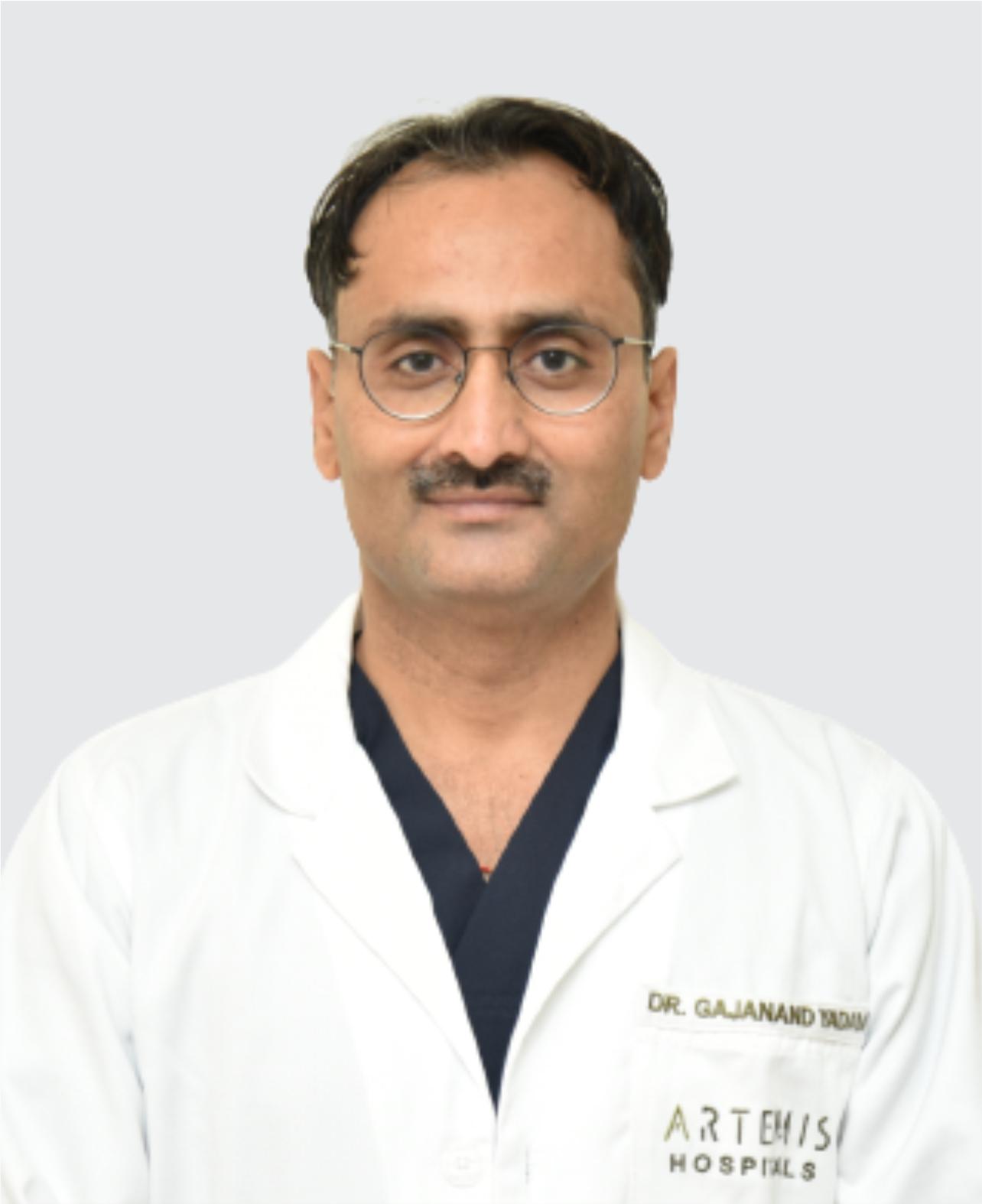
Consultant - Orthopaedics and Hip and Knee Arthroplasty
Orthopaedics, Hip and Knee Arthroplasty, Joint Replacement, Sports Medicine
New Delhi
12+ Years
Experience
Artemis Hospital
Hospital
1500
Fees
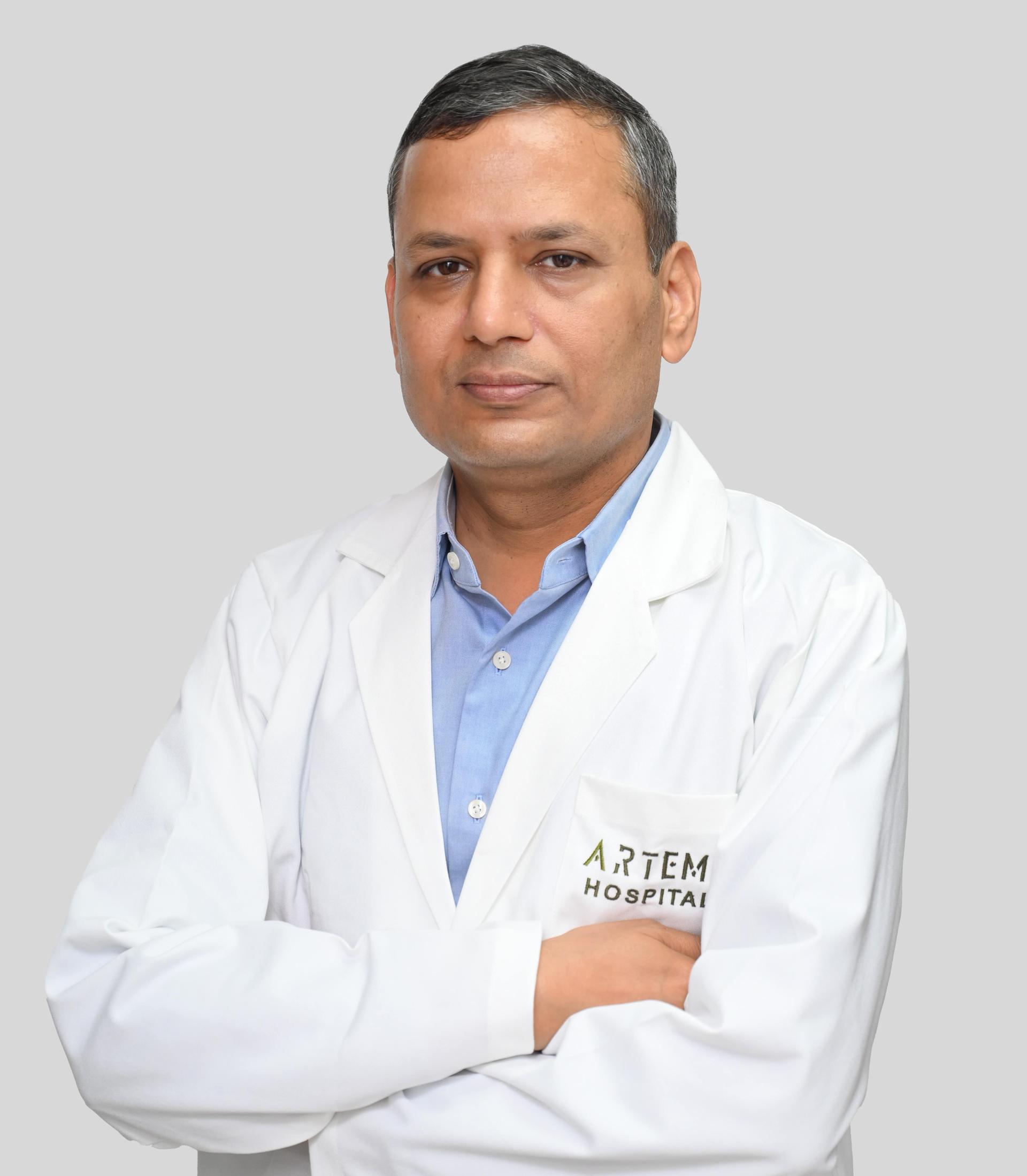
Chief - Hematology, Oncology & Bone Marrow Transplant
Clinical Hematology, Hematologic Oncology, Bone Marrow Transplantation
New Delhi
15+ Years
Experience
Artemis Hospital
Hospital
1500
Fees
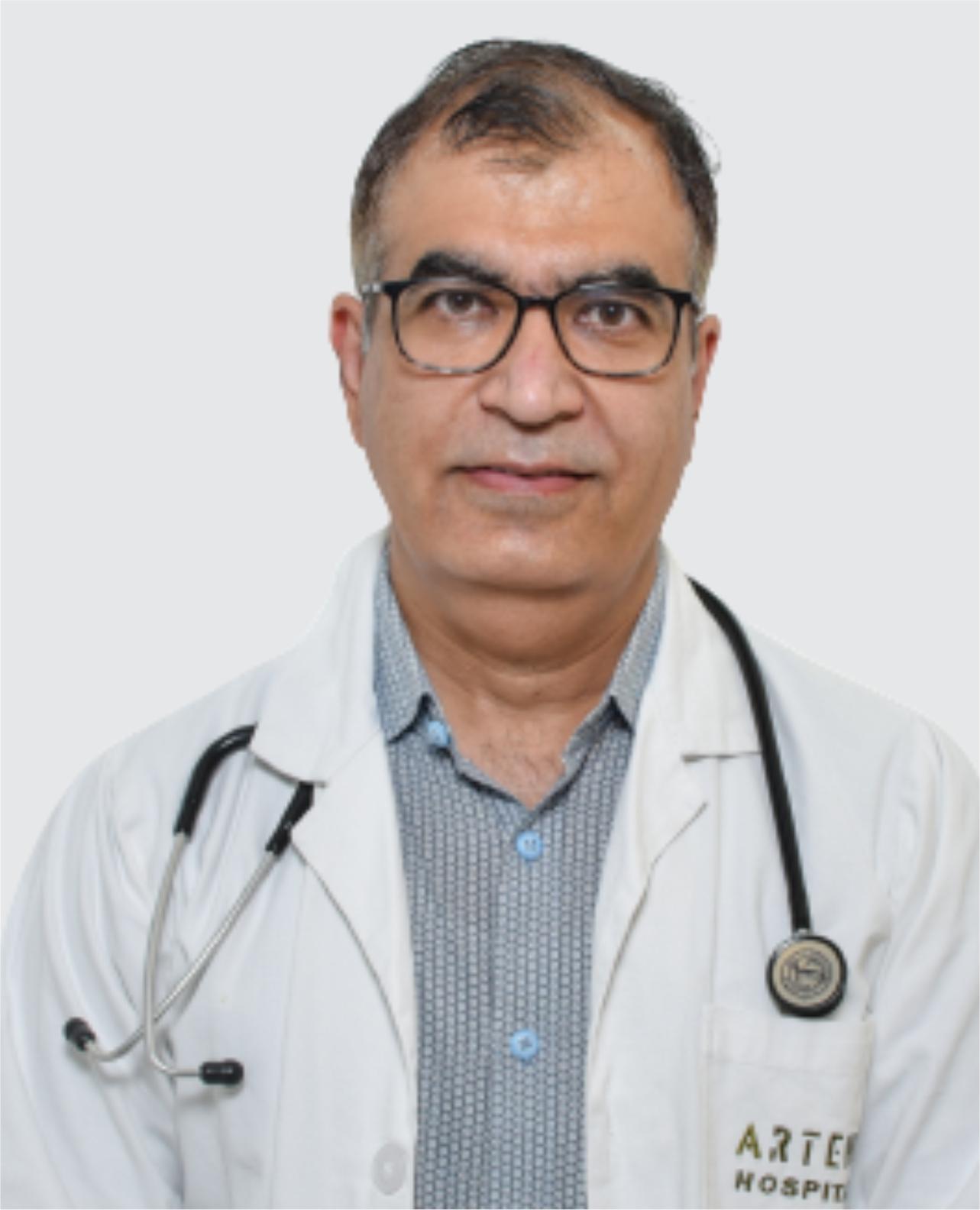
Chief
Paediatric
New Delhi
15+ Years
Experience
Artemis Hospital
Hospital
1500
Fees
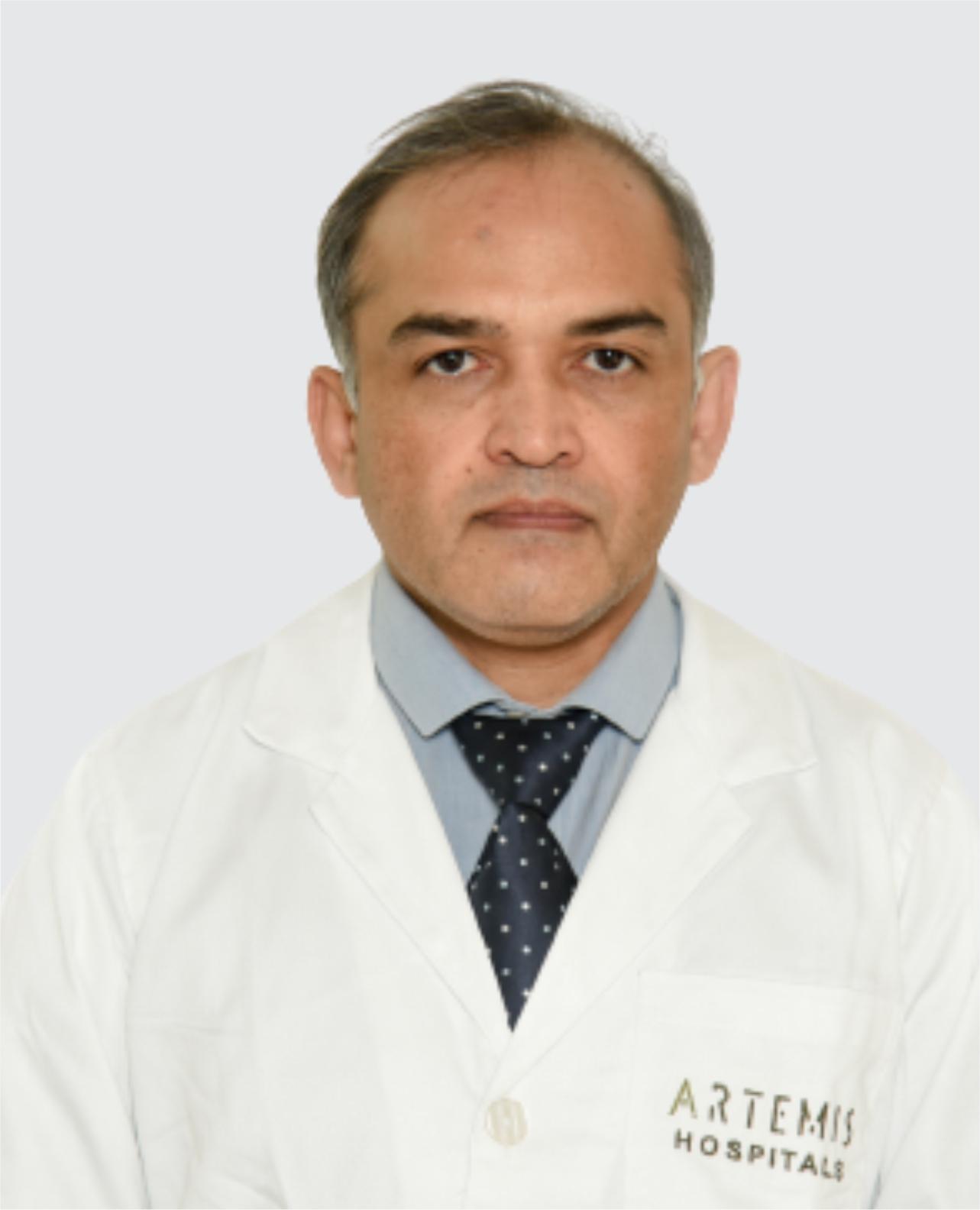
Chairperson Urology & Head, Urologic Oncology & Robotic Surgery (Unit I)
Robotic Surgery, Urology
New Delhi
20+ Years
Experience
Artemis Hospital
Hospital
1500
Fees
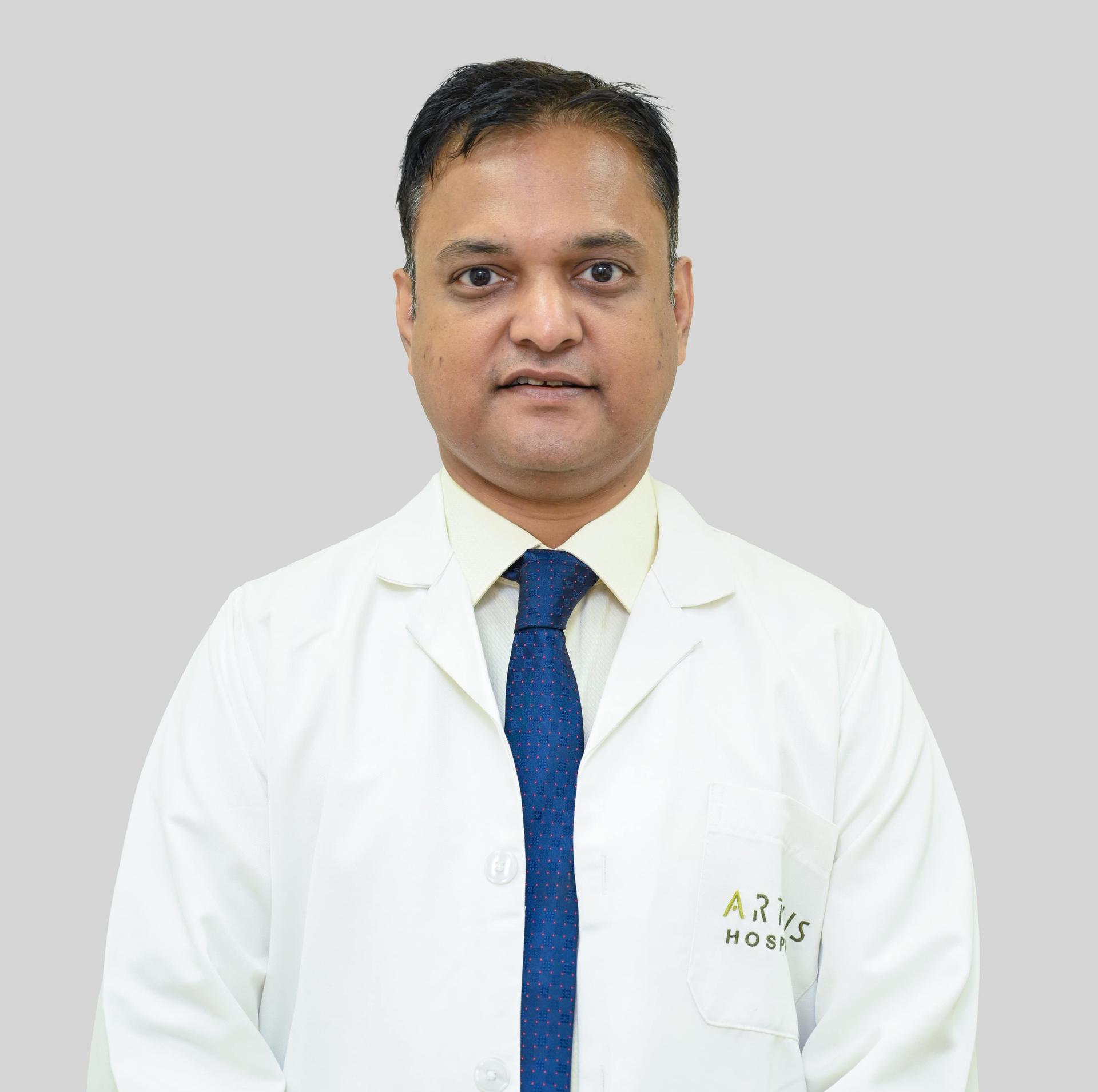
Head - General, MI & Bariatric Surgery (Unit IV)
General & Minimally Invasive Surgery
New Delhi
25+ Years
Experience
Artemis Hospital
Hospital
1500
Fees
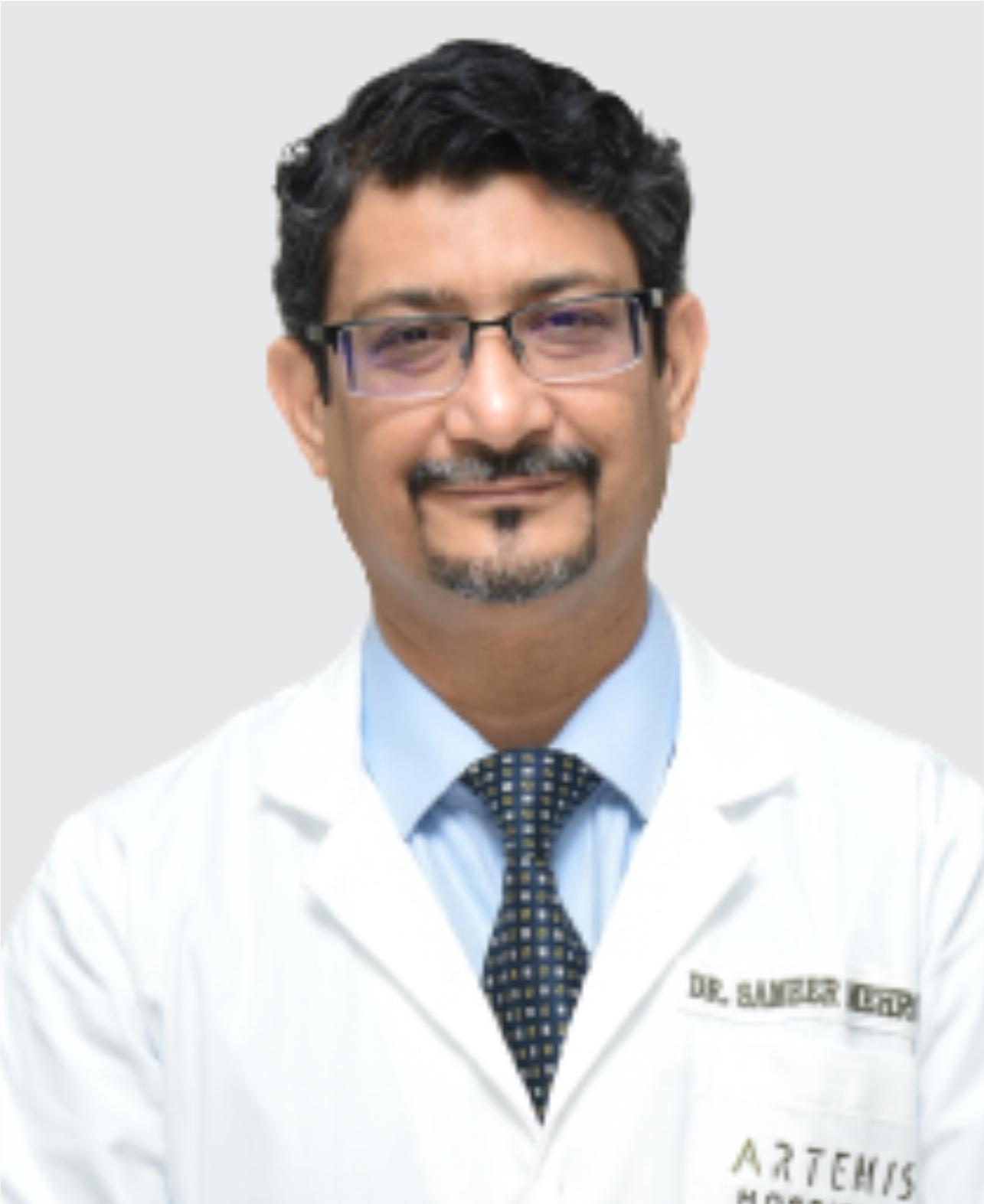
Unit Chief - Interventional Cardiology & Electrophysiology
Cardiology, Electrophysiology, Interventional Cardiology
New Delhi
15+ Years
Experience
Artemis Hospital
Hospital
1500
Fees
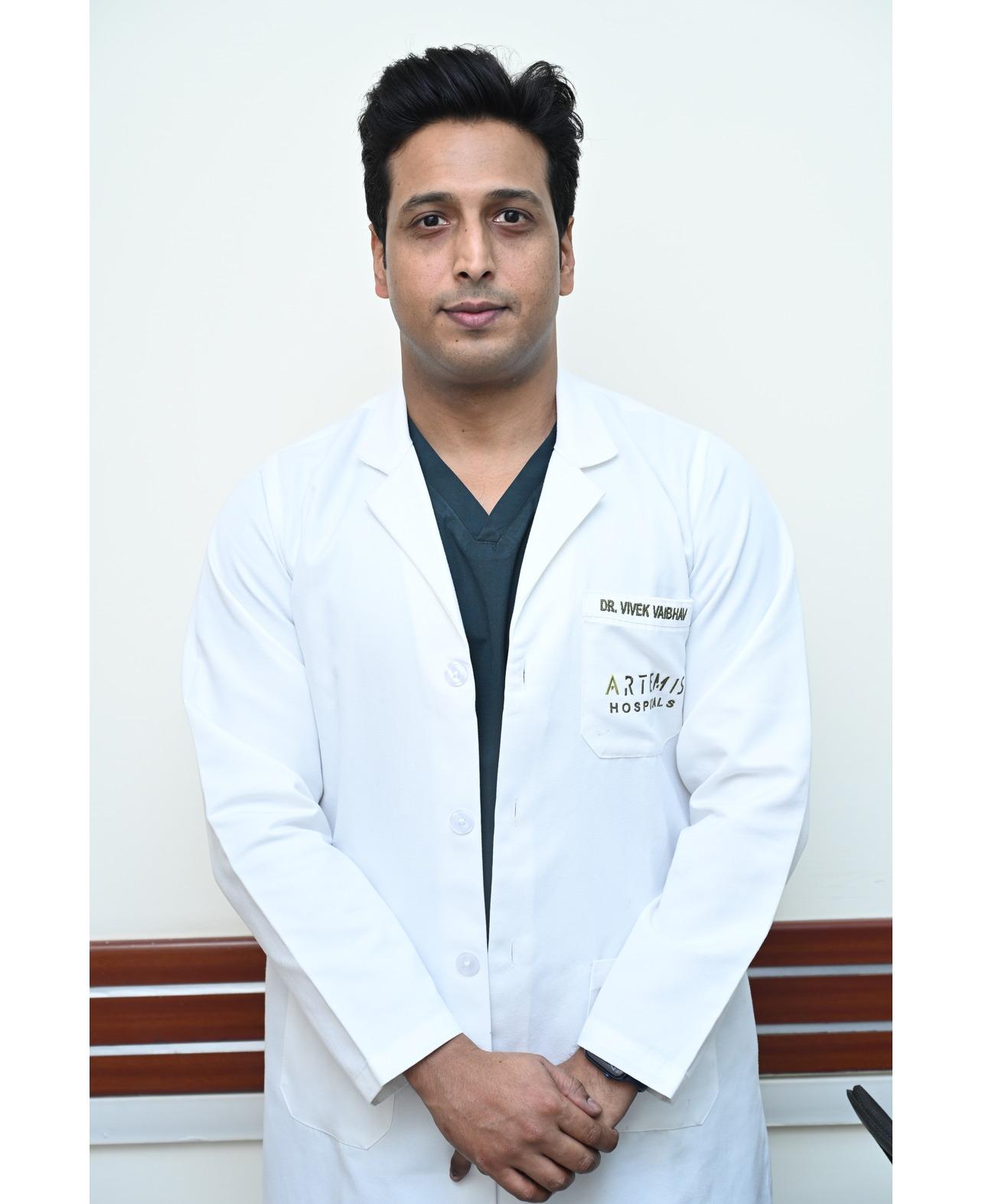
Consultant
Orthopaedic Surgery, Orthopaedics
New Delhi
10+ Years
Experience
Artemis Hospital
Hospital
1500
Fees

Chairperson - Orthopaedics Program & Chief – Robotic Joint Replacement & Arthroscopy Surgery
Orthopaedics, Robotic Surgery
New Delhi
15+ Years
Experience
Artemis Hospital
Hospital
1500
Fees
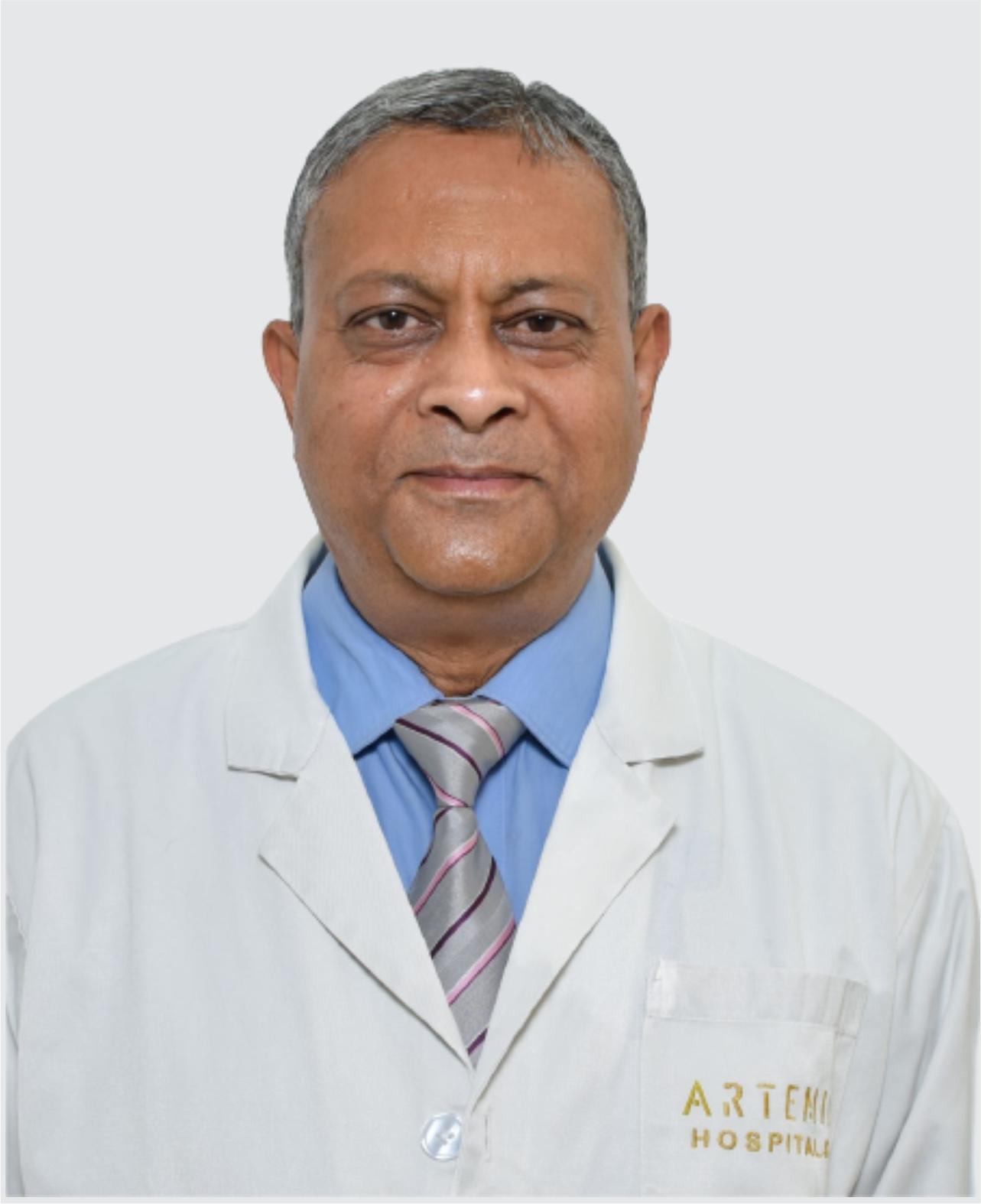
Chief - Nephrology (Unit II)
Kidney Transplant, Nephrology
New Delhi
15+ Years
Experience
Artemis Hospital
Hospital
1500
Fees
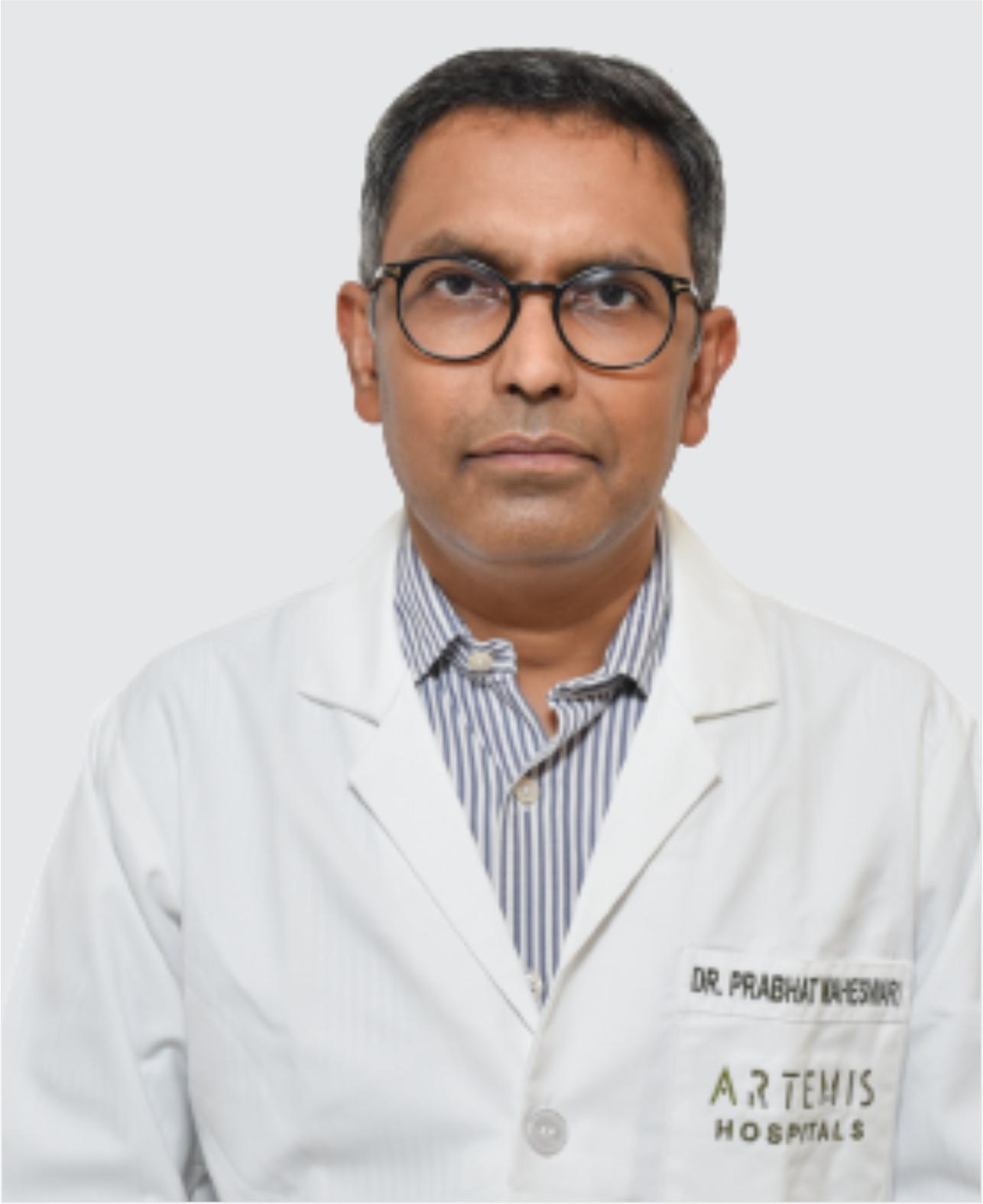
Director - Orthopaedics & Joint Replacement
Orthopaedics & Joint Replacement
New Delhi
24+ Years
Experience
Artemis Hospital
Hospital
1500
Fees
Get Personalized Medical Treatment Options From India's Top Hospitals. Our Medical Experts Are Ready To Assist You Every Step Of The Way.