
Hip Resurfacing Treatment in India for Ethiopia
Need Personalized Advice?
Our medical experts are ready to answer your questions and guide you through your treatment options.
Our medical experts are ready to answer your questions and guide you through your treatment options.
For many individuals in Ethiopia facing persistent hip pain and reduced mobility, the prospect of effective treatment can feel distant or complex. Concerns about treatment quality, cost, and access to specialized care for conditions like severe hip arthritis often lead patients to seek options beyond their home country. Finding a reliable medical destination that understands these challenges is a priority.
India has emerged as a preferred destination for international patients seeking high-quality medical care, including advanced orthopedic procedures. Patients from Ethiopia often consider India due to its established reputation for medical excellence, state-of-the-art facilities, and experienced surgeons. India offers a nationwide network of hospitals capable of performing complex treatments across major cities.
The Indian healthcare system is built on a foundation of highly skilled specialists and modern infrastructure. Hospitals across the country are accredited by international bodies, ensuring patient safety and treatment standards. This collective expertise and commitment to advanced medical practices instills confidence for those seeking specialized care far from home.
Is India the right choice for your Hip Resurfacing journey?
Hip resurfacing is a surgical procedure designed to alleviate hip pain and improve mobility, primarily for younger, more active patients with severe hip arthritis. Unlike a total hip replacement, where both the head of the femur and the socket are replaced, hip resurfacing involves trimming and capping the femoral head with a smooth metal covering. A metal shell is then placed in the existing hip socket. This procedure preserves more of the patient's natural bone structure, making it an appealing option for those who want to maintain an active lifestyle.
While Hip Resurfacing is a specific procedure, understanding its context often involves considering various approaches to managing hip conditions:
The specific surgical plan for hip resurfacing depends on the individual patient's condition, anatomy, and the surgeon's preferred technique.
The procedure is typically performed under general anesthesia. An incision is made, usually on the side or back of the hip, to access the hip joint. The surgeon carefully dislocates the femoral head to prepare it for resurfacing. A small amount of bone is removed from the femoral head, which is then capped with a smooth metal implant. The acetabulum (hip socket) is prepared by removing damaged cartilage, and a metal shell is cemented or pressed into place. Finally, the hip joint is carefully reduced, and the incision is closed with sutures.
General anesthesia is most common, ensuring the patient is completely unconscious during the surgery. Regional anesthesia, such as a spinal or epidural block, may also be used in combination with sedation.
Recovery from hip resurfacing involves several stages. Patients typically spend 3-5 days in the hospital. Early mobilization with the aid of crutches or a walker begins almost immediately. Physical therapy is crucial, starting with gentle exercises to restore range of motion and strengthen surrounding muscles. Most patients can bear weight as tolerated and return to light activities within 6-12 weeks. Full recovery and return to desired activities, including sports, can take 6-12 months, guided by a personalized rehabilitation program and regular follow-up appointments with the surgeon.
The success rates for hip resurfacing are generally very good, especially in carefully selected patients. Studies indicate that 90-95% of resurfacings function well for 10-15 years, and many last longer. Outcomes can vary based on patient age, bone quality, surgeon experience, and adherence to post-operative instructions. Maintaining a healthy weight and engaging in appropriate physical activity can contribute to the long-term success of the procedure.
Our team is here to guide you through every step of your medical journey in India. Connect with us to discuss your condition and receive personalized advice.
Send an Inquiry Today
The cost of hip resurfacing in India is significantly lower compared to Western countries, without compromising on quality. Several factors influence the final cost, including the choice of hospital (private or corporate hospitals often have higher charges), the specialist's fees, the specific type of implant used, the duration of hospital stay, and any additional medical services required during recovery.
Typically, Hip Resurfacing in India can range from INR 4,50,000 to INR 7,00,000.
| Indian City | Estimated Cost Range (INR) |
|---|---|
| Delhi | 4,70,000 - 6,80,000 |
| Mumbai | 4,90,000 - 7,00,000 |
| Chennai | 4,50,000 - 6,50,000 |
| Bangalore | 4,80,000 - 6,90,000 |
| Hyderabad | 4,60,000 - 6,70,000 |
| Kolkata | 4,50,000 - 6,40,000 |
| Pune | 4,60,000 - 6,60,000 |
| Country | Estimated Cost (USD) |
|---|---|
| India | 5,500 - 8,500 |
| USA | 30,000 - 50,000 |
| UK | 20,000 - 35,000 |
| Germany | 18,000 - 30,000 |
| Singapore | 15,000 - 25,000 |
Connect with India's top orthopedic hospitals and specialists for Hip Resurfacing. Let us help you take the first step towards a pain-free life.
Get a Free Treatment Plan
Choosing Hip Resurfacing in India means opting for world-class medical care and a supportive journey towards improved mobility and quality of life.
India offers premium medical procedures at affordable prices. Discover our most popular treatments, delivered by the country's finest doctors.
Meet our team of highly qualified and experienced medical professionals dedicated to providing the best healthcare services.

Sr. Consultant – Women Imaging
Radiology
New Delhi
15+ Years
Experience
Artemis Hospital
Hospital
1500
Fees

Co-Head Psychological Services
Mental Health and Behavioural Sciences
New Delhi
15+ Years
Experience
Artemis Hospital
Hospital
1500
Fees
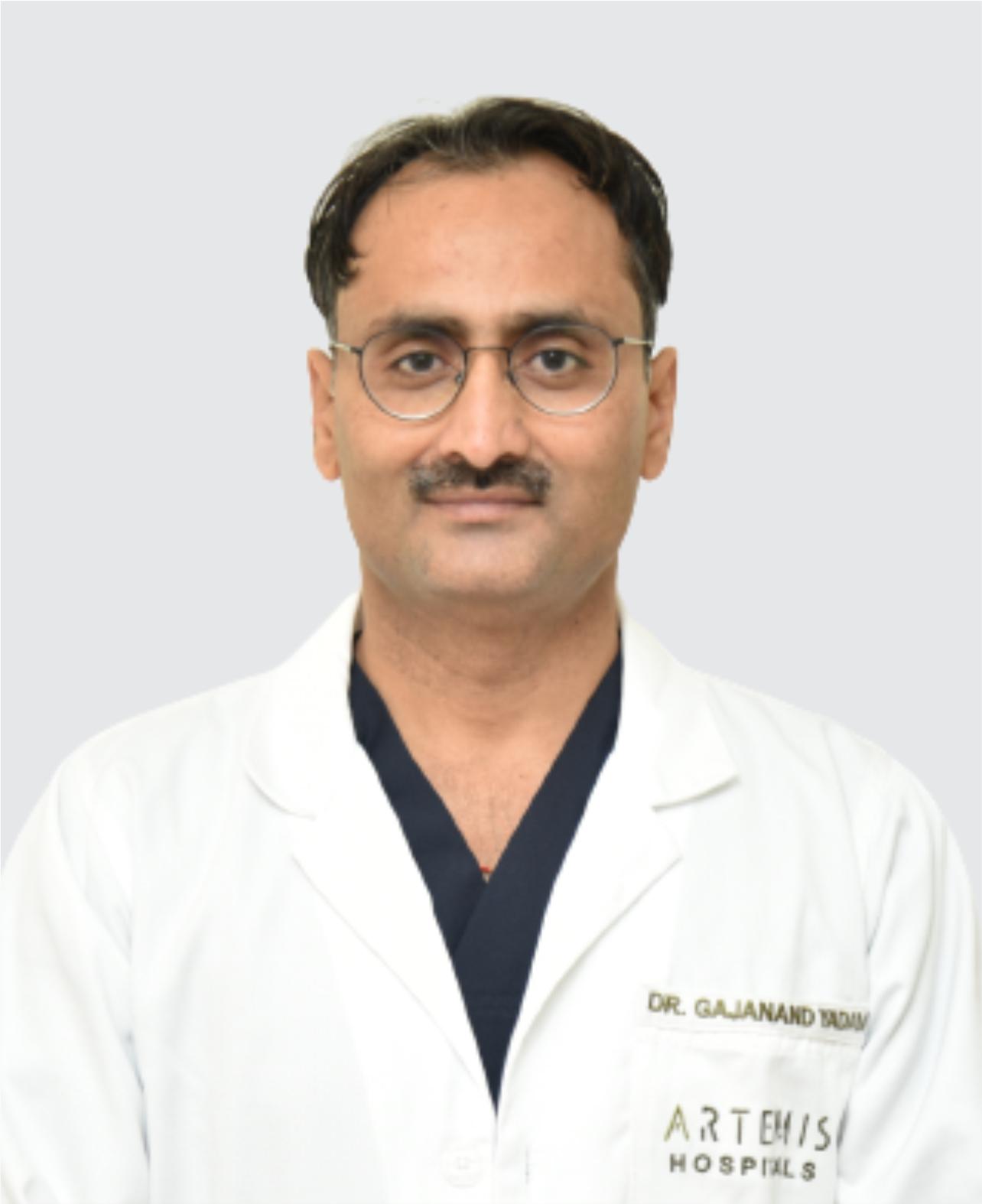
Consultant - Orthopaedics and Hip and Knee Arthroplasty
Orthopaedics, Hip and Knee Arthroplasty, Joint Replacement, Sports Medicine
New Delhi
12+ Years
Experience
Artemis Hospital
Hospital
1500
Fees

Head of Department - Gynae Endocrinology & DNB Program Director - Obs & Gynae
Gynaecological Endocrinology, Maternity, Obstetrics & Gynaecology
New Delhi
35+ Years
Experience
Artemis Hospital
Hospital
1500
Fees

Senior Consultant - ENT
ENT and Head & Neck Surgery
New Delhi
24+ Years
Experience
Artemis Hospital
Hospital
1500
Fees
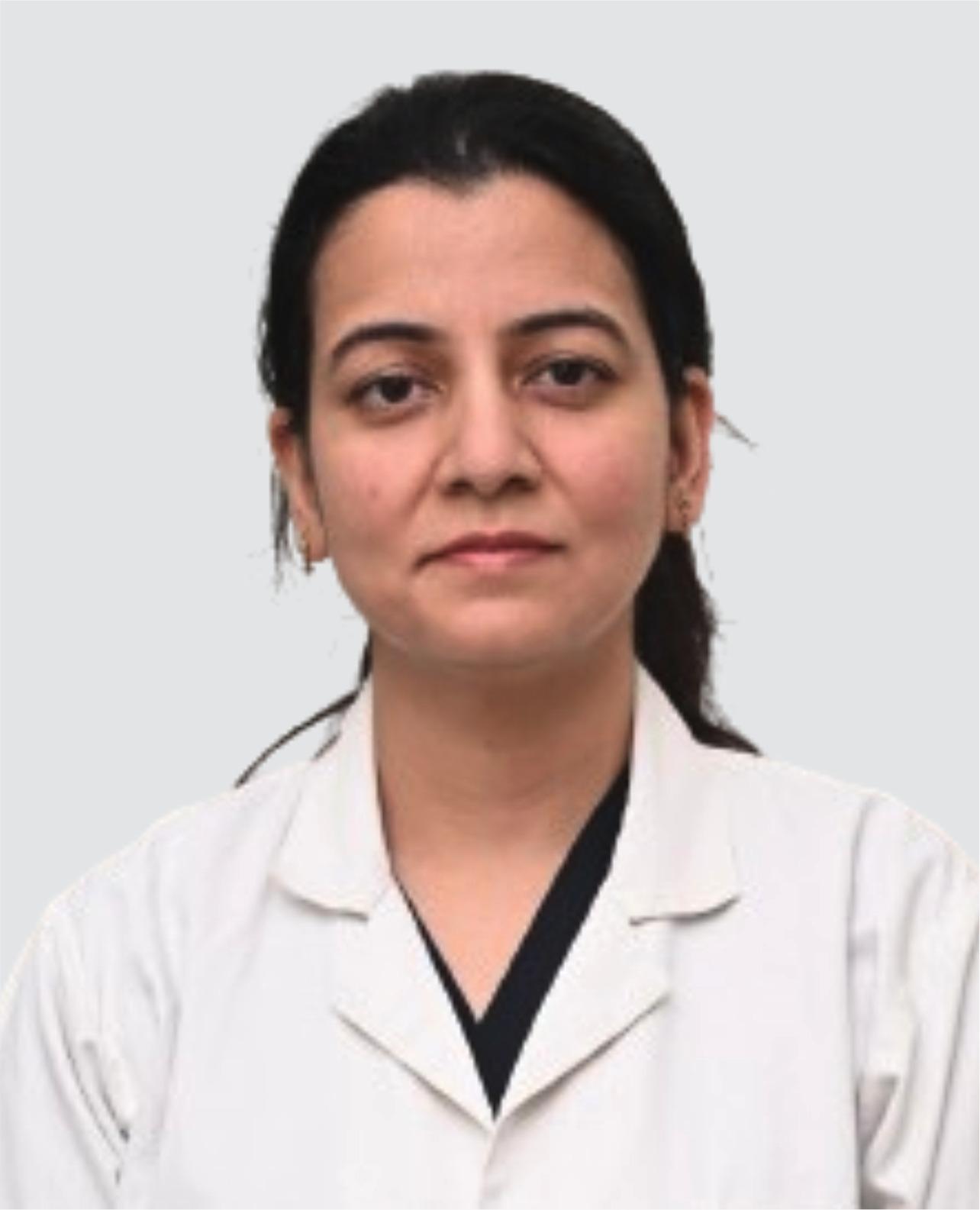
Consultant (Head & Neck Surgery) - Surgical Oncology
Head and Neck Surgical Oncology
New Delhi
10+ Years
Experience
Artemis Hospital
Hospital
1500
Fees

Chief - Hematology, Oncology & Bone Marrow Transplant
Clinical Hematology, Hematologic Oncology, Bone Marrow Transplantation
New Delhi
15+ Years
Experience
Artemis Hospital
Hospital
1500
Fees

Chief
Paediatric
New Delhi
15+ Years
Experience
Artemis Hospital
Hospital
1500
Fees
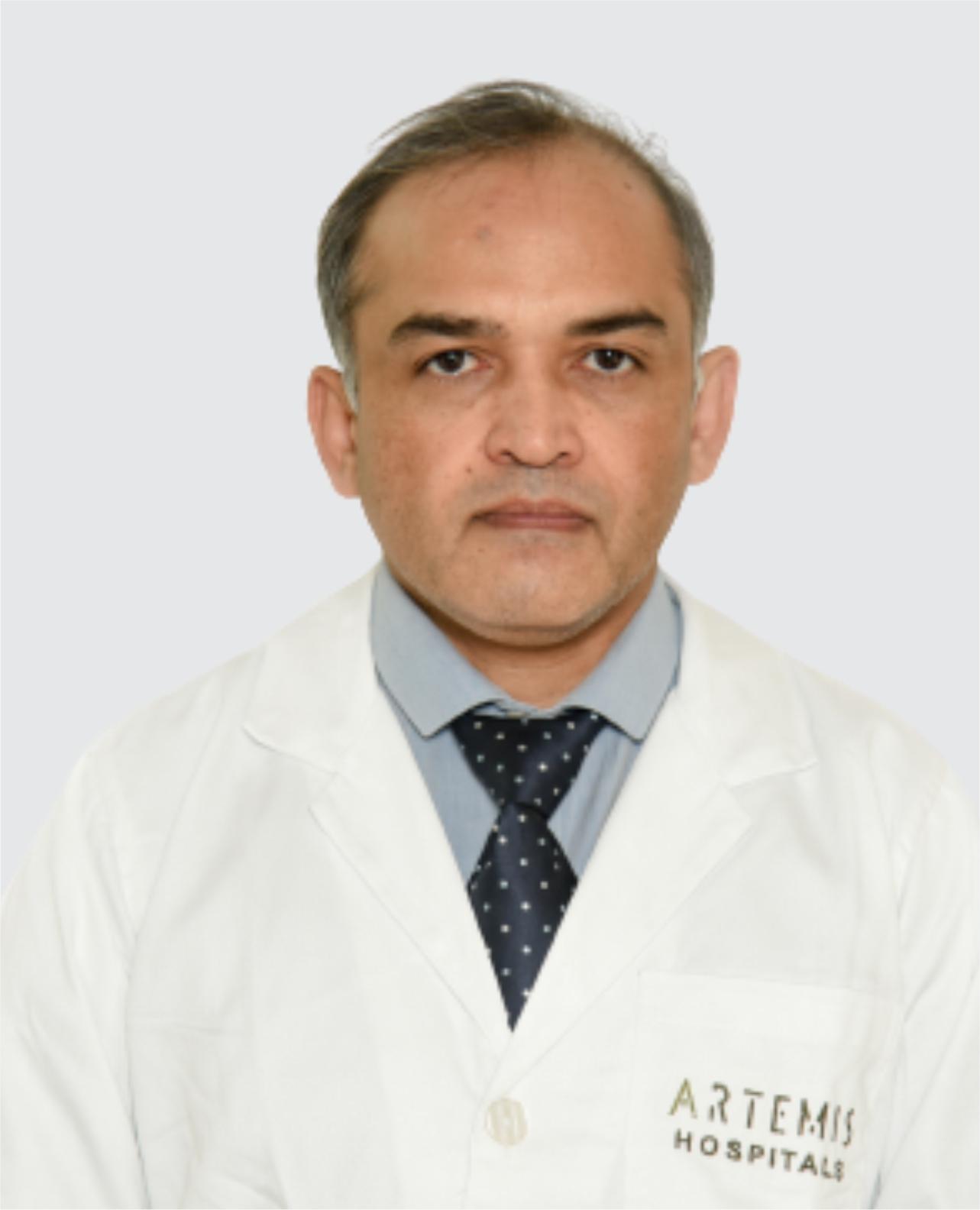
Chairperson Urology & Head, Urologic Oncology & Robotic Surgery (Unit I)
Robotic Surgery, Urology
New Delhi
20+ Years
Experience
Artemis Hospital
Hospital
1500
Fees
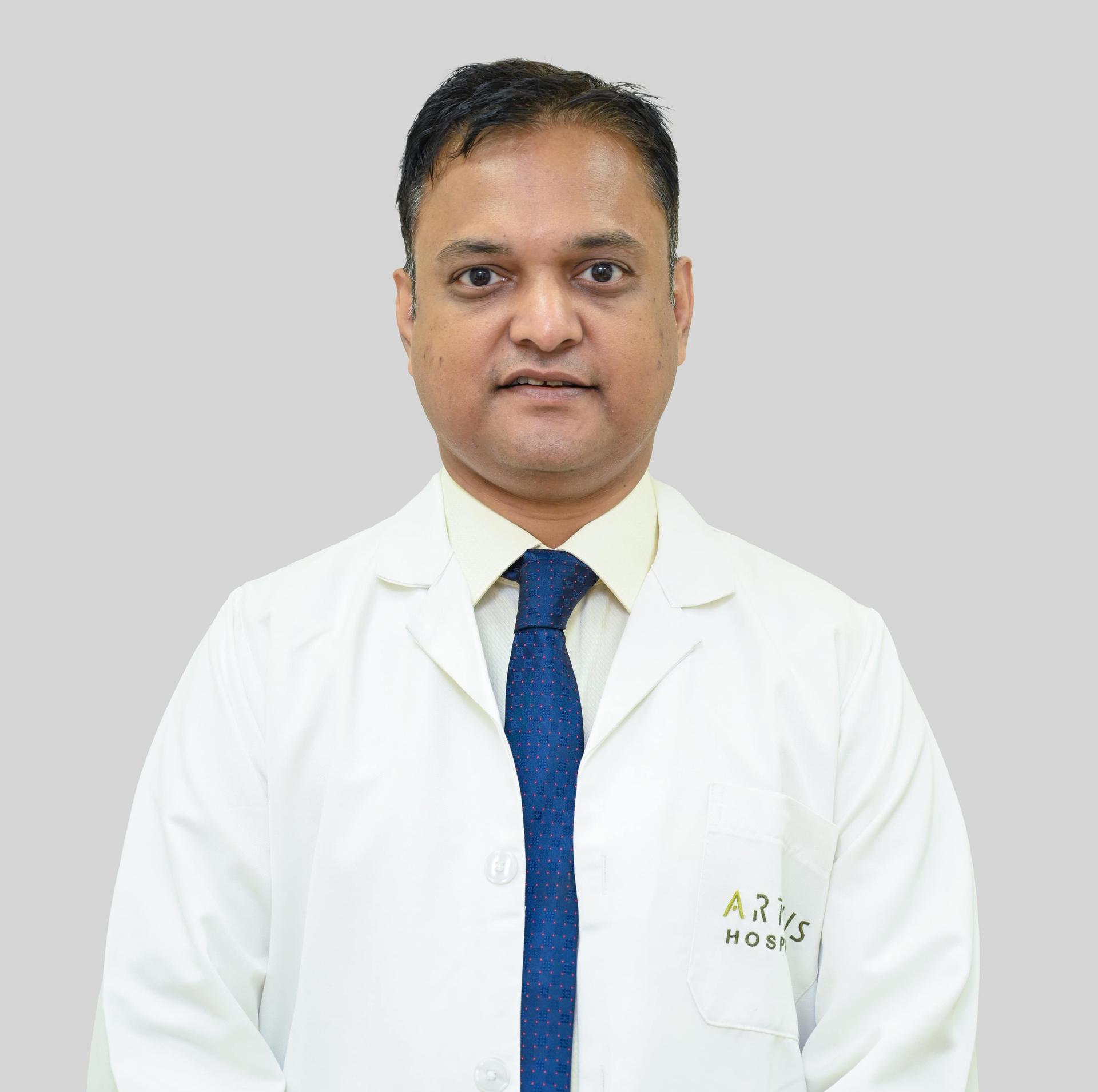
Head - General, MI & Bariatric Surgery (Unit IV)
General & Minimally Invasive Surgery
New Delhi
25+ Years
Experience
Artemis Hospital
Hospital
1500
Fees
Get Personalized Medical Treatment Options From India's Top Hospitals. Our Medical Experts Are Ready To Assist You Every Step Of The Way.