
Hip Resurfacing Treatment in India for Iraq
Need Personalized Advice?
Our medical experts are ready to answer your questions and guide you through your treatment options.
Our medical experts are ready to answer your questions and guide you through your treatment options.
Living with persistent hip pain can severely impact daily life, making even simple movements a challenge. For many patients in Iraq, finding advanced and affordable solutions for debilitating hip conditions like severe arthritis often raises questions about access to specialized care and the overall treatment experience.
This often leads individuals to explore options beyond their borders. India has emerged as a preferred destination for medical tourism, offering a blend of world-class healthcare infrastructure and highly skilled medical professionals across major cities, providing a viable pathway to regaining mobility and quality of life.
Patients from Iraq considering hip resurfacing can find reassurance in India's well-established medical system. The country boasts numerous accredited hospitals equipped with cutting-edge technology and experienced orthopedic surgeons specializing in complex joint procedures, ensuring comprehensive care from diagnosis through recovery.
Ready to explore a path to lasting relief in India?
Hip resurfacing is an orthopedic surgical procedure designed to preserve more of the natural bone structure compared to a traditional total hip replacement. Instead of removing the entire femoral head, the damaged surface of the hip socket (acetabulum) and the femoral head are reshaped and covered with smooth metal caps. This technique aims to reduce pain and restore hip function, offering an alternative for active patients who may benefit from a durable, bone-preserving implant.
While the core concept remains the same, variations in technique and approach exist:
The hip resurfacing procedure is carefully planned and executed by an orthopedic surgical team, with specific steps depending on the patient's condition and the surgeon's approach.
Recovery from hip resurfacing typically involves a structured rehabilitation program. Patients usually begin walking with assistance within a day or two after surgery. Hospital stays range from 3 to 7 days. Physical therapy is crucial for restoring strength, flexibility, and range of motion. Restrictions on certain movements or activities might be advised initially. Full recovery and return to normal activities, including some sports, can take several months, often between 3 to 6 months, with consistent adherence to the physical therapy regimen and follow-up appointments.
Hip resurfacing generally boasts high success rates, particularly in carefully selected younger, active patients. Studies show that a significant majority of patients experience substantial pain relief and improved function, with implants lasting 10-20 years or more. Success rates depend on patient factors like bone quality, adherence to post-operative care, and the surgeon's experience. Long-term outcomes vary, but many patients can return to an active lifestyle with proper care.
The cost of hip resurfacing in India is significantly more affordable compared to Western countries, without compromising on quality. Several factors influence the final cost, including the specific hospital chosen (private multi-specialty vs. smaller clinics), the surgeon's experience and fees, the type of implant used, the length of hospital stay, and the extent of post-operative rehabilitation required.
Generally, the cost for Hip Resurfacing in India can range from approximately INR 4,50,000 to INR 7,50,000 (roughly $5,400 to $9,000 USD). This range includes the surgery, hospital stay, and initial recovery.
| Indian City | Cost Range (INR) |
|---|---|
| Delhi / NCR | ₹4,80,000 - ₹7,20,000 |
| Mumbai | ₹4,90,000 - ₹7,50,000 |
| Chennai | ₹4,70,000 - ₹7,00,000 |
| Bengaluru | ₹4,60,000 - ₹7,10,000 |
| Hyderabad | ₹4,50,000 - ₹6,90,000 |
| Kolkata | ₹4,40,000 - ₹6,80,000 |
| Ahmedabad | ₹4,30,000 - ₹6,70,000 |
| Country | Average Cost (USD) |
|---|---|
| India | $5,400 - $9,000 |
| USA | $35,000 - $60,000 |
| United Kingdom | $25,000 - $45,000 |
| Germany | $22,000 - $38,000 |
| Thailand | $12,000 - $20,000 |
Choosing hip resurfacing in India means opting for high-quality care, advanced surgical techniques, and significant cost savings. We are here to support every step of your journey towards a pain-free and active life.
India offers premium medical procedures at affordable prices. Discover our most popular treatments, delivered by the country's finest doctors.
Meet our team of highly qualified and experienced medical professionals dedicated to providing the best healthcare services.
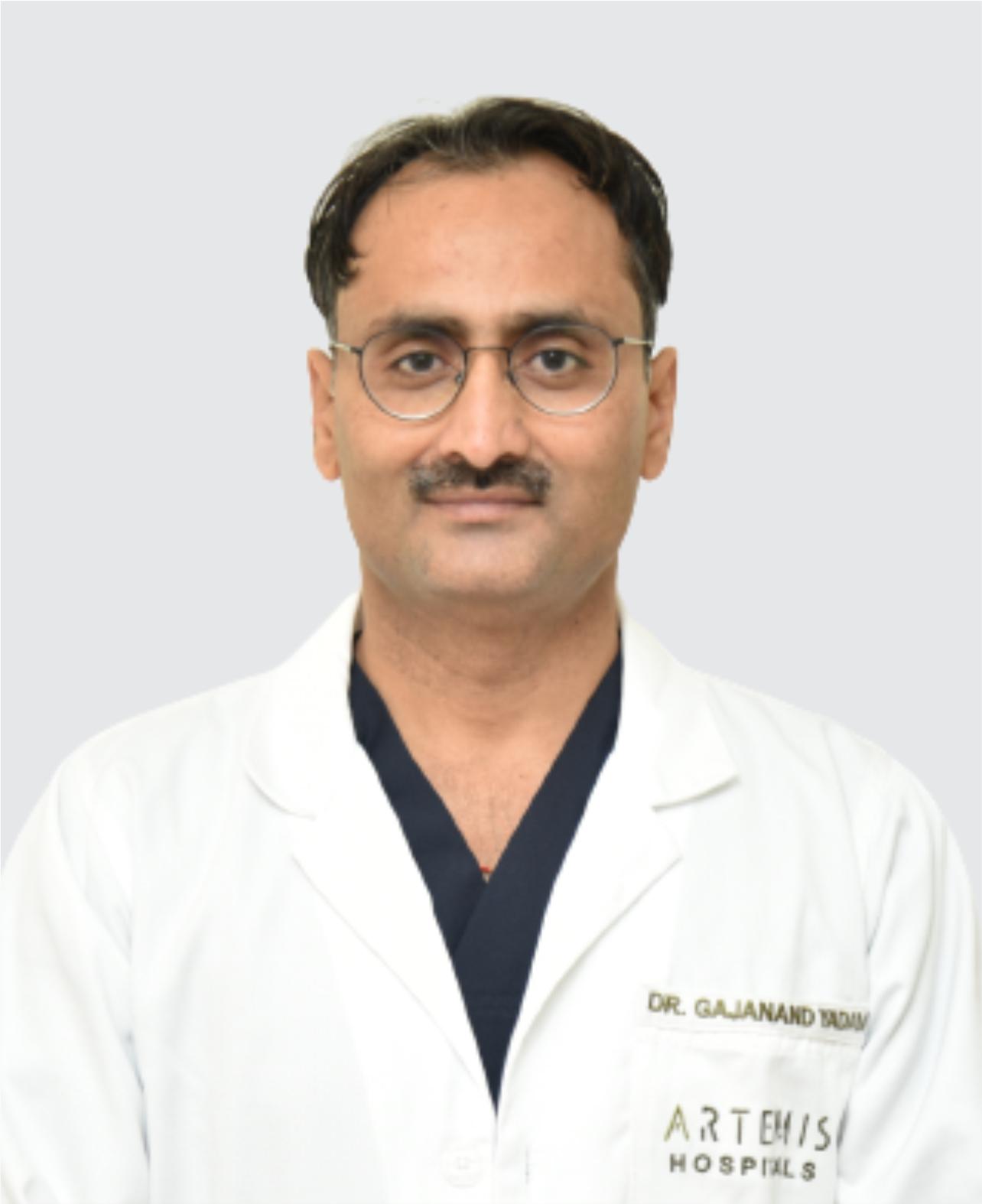
Consultant - Orthopaedics and Hip and Knee Arthroplasty
Orthopaedics, Hip and Knee Arthroplasty, Joint Replacement, Sports Medicine
New Delhi
12+ Years
Experience
Artemis Hospital
Hospital
1500
Fees
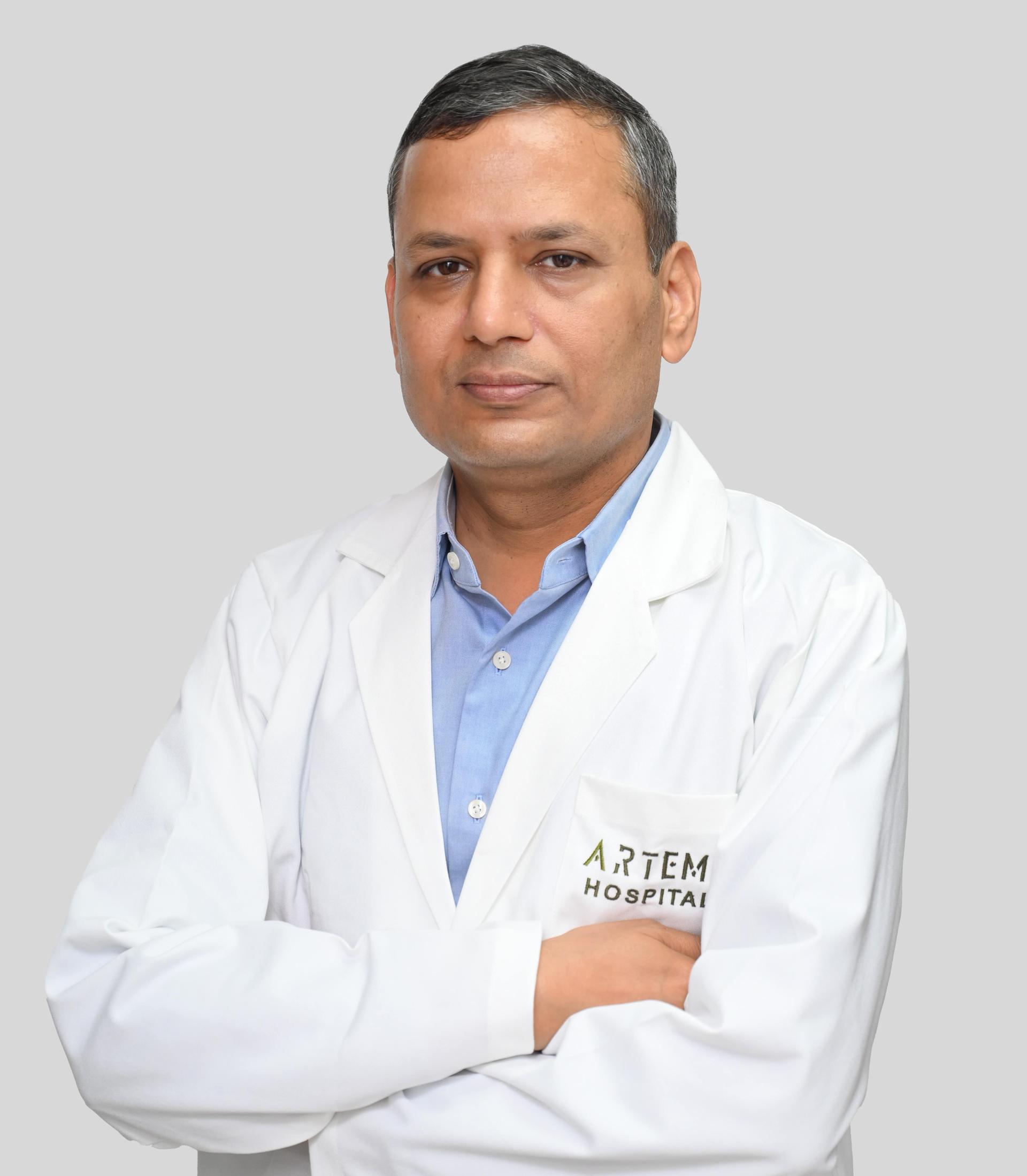
Chief - Hematology, Oncology & Bone Marrow Transplant
Clinical Hematology, Hematologic Oncology, Bone Marrow Transplantation
New Delhi
15+ Years
Experience
Artemis Hospital
Hospital
1500
Fees
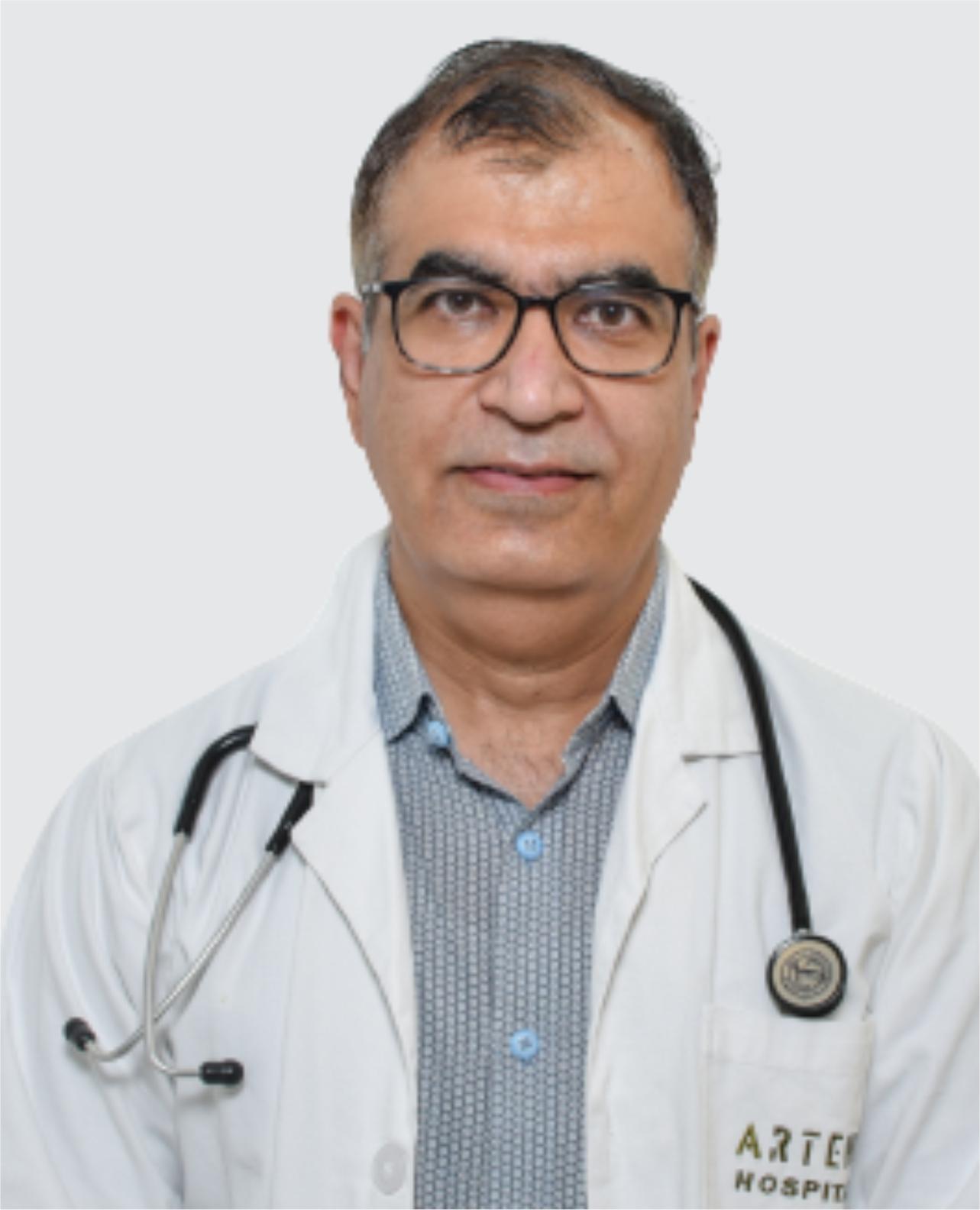
Chief
Paediatric
New Delhi
15+ Years
Experience
Artemis Hospital
Hospital
1500
Fees
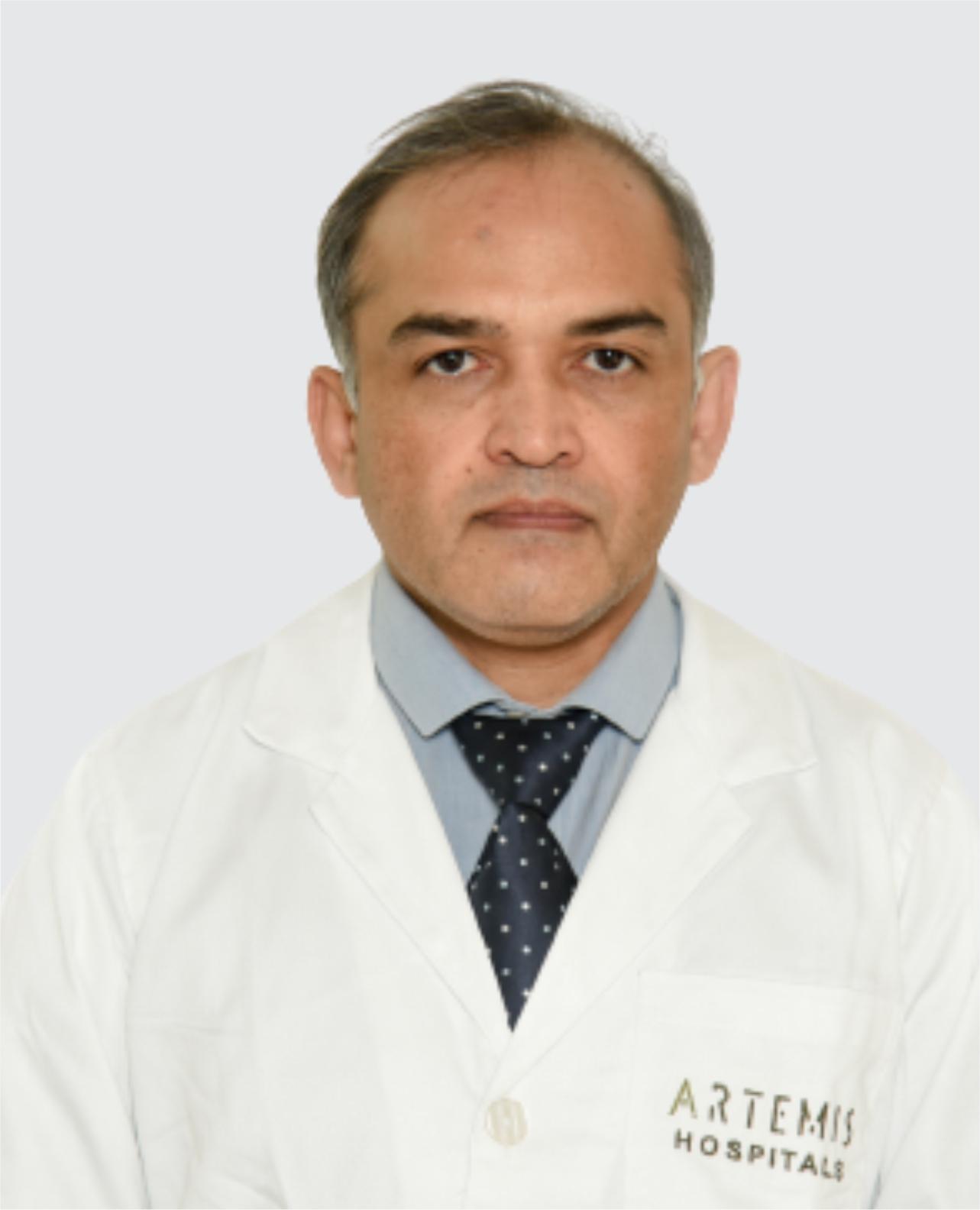
Chairperson Urology & Head, Urologic Oncology & Robotic Surgery (Unit I)
Robotic Surgery, Urology
New Delhi
20+ Years
Experience
Artemis Hospital
Hospital
1500
Fees
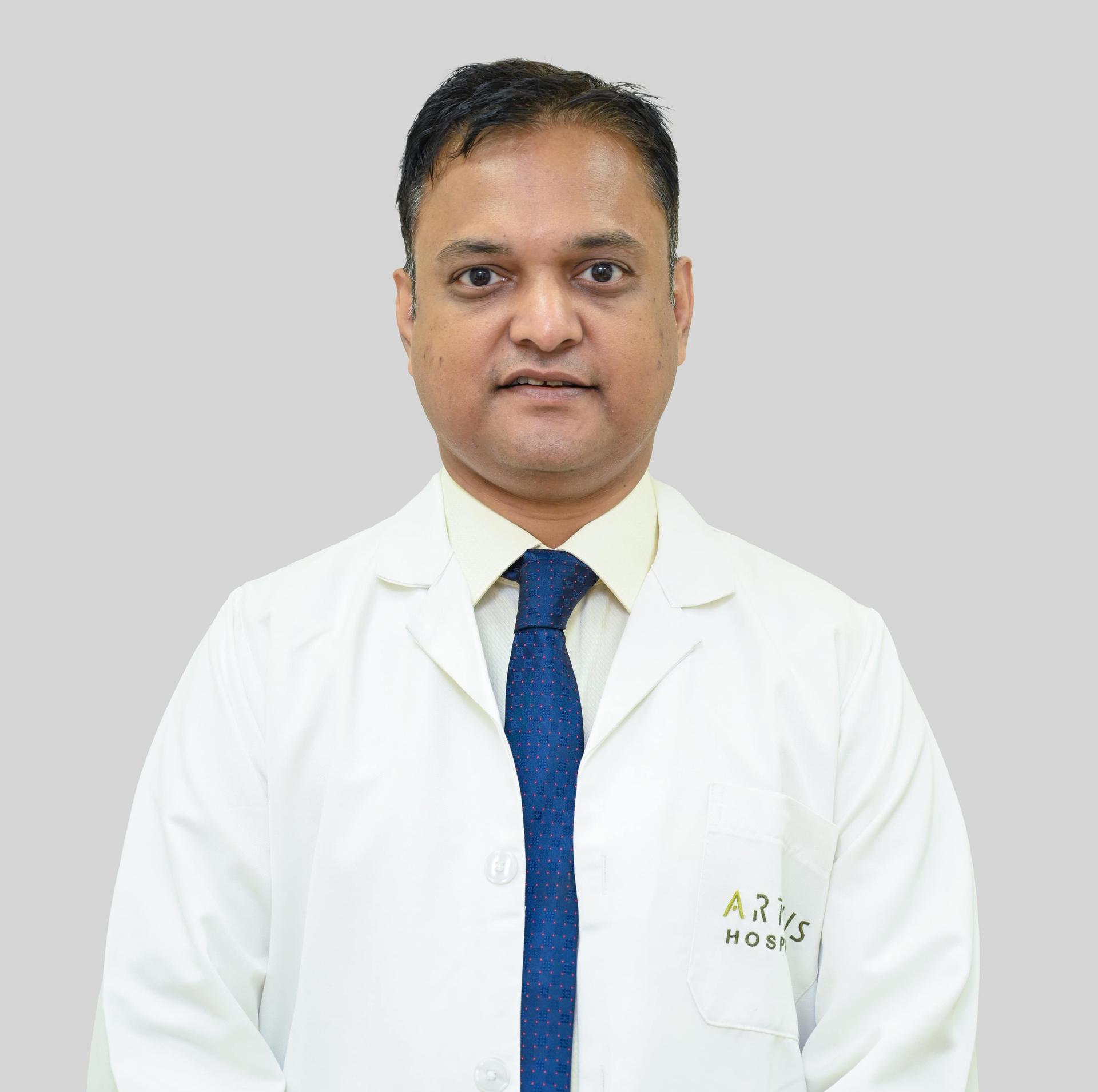
Head - General, MI & Bariatric Surgery (Unit IV)
General & Minimally Invasive Surgery
New Delhi
25+ Years
Experience
Artemis Hospital
Hospital
1500
Fees
Unit Chief - Interventional Cardiology & Electrophysiology
Cardiology, Electrophysiology, Interventional Cardiology
New Delhi
15+ Years
Experience
Artemis Hospital
Hospital
1500
Fees
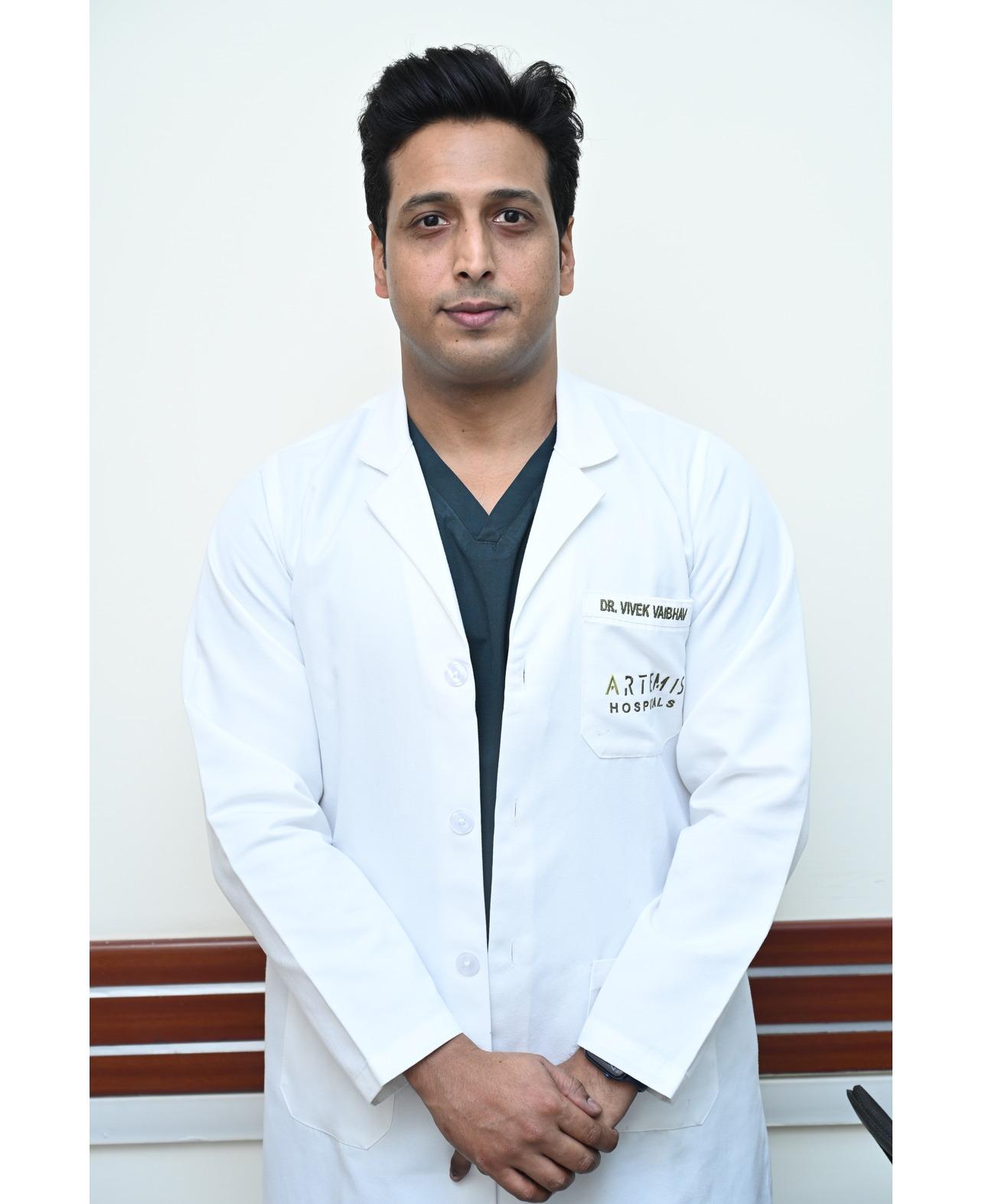
Consultant
Orthopaedic Surgery, Orthopaedics
New Delhi
10+ Years
Experience
Artemis Hospital
Hospital
1500
Fees

Chairperson - Orthopaedics Program & Chief – Robotic Joint Replacement & Arthroscopy Surgery
Orthopaedics, Robotic Surgery
New Delhi
15+ Years
Experience
Artemis Hospital
Hospital
1500
Fees
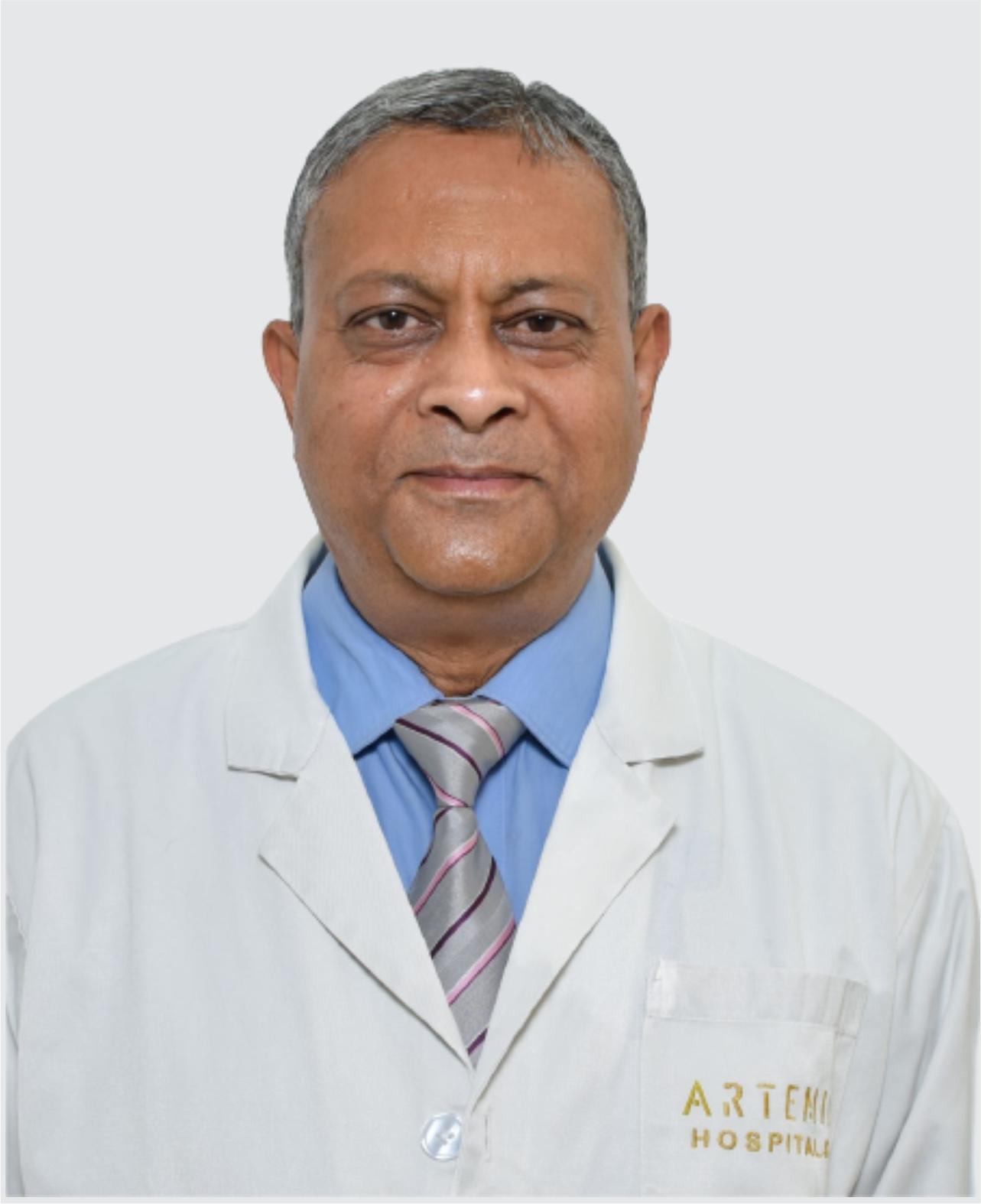
Chief - Nephrology (Unit II)
Kidney Transplant, Nephrology
New Delhi
15+ Years
Experience
Artemis Hospital
Hospital
1500
Fees
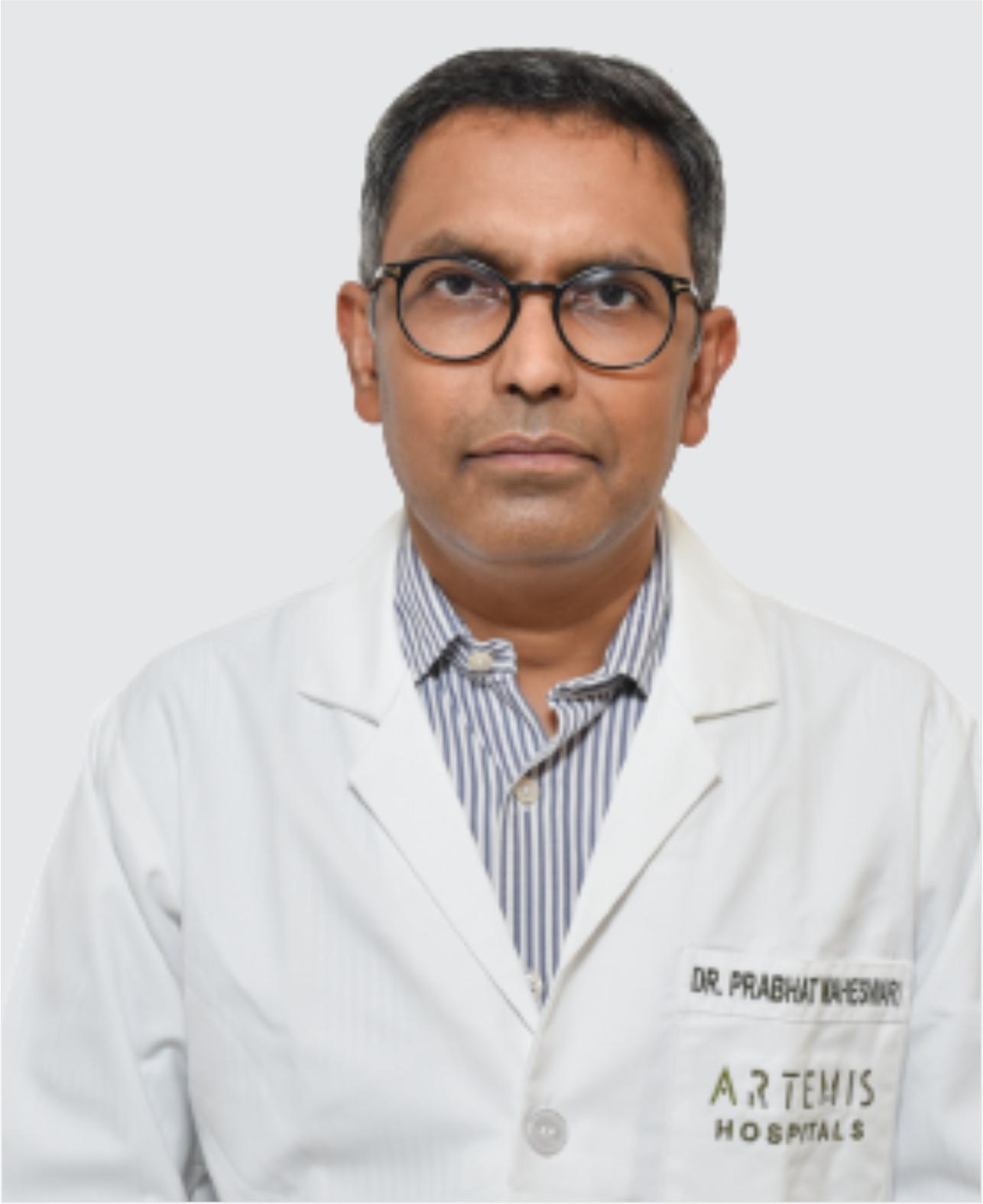
Director - Orthopaedics & Joint Replacement
Orthopaedics & Joint Replacement
New Delhi
24+ Years
Experience
Artemis Hospital
Hospital
1500
Fees
Get Personalized Medical Treatment Options From India's Top Hospitals. Our Medical Experts Are Ready To Assist You Every Step Of The Way.