
Hip Resurfacing Treatment in India for UAE
Need Personalized Advice?
Our medical experts are ready to answer your questions and guide you through your treatment options.
Our medical experts are ready to answer your questions and guide you through your treatment options.
Patients from the UAE often face significant decisions when persistent hip pain impacts their daily lives, contemplating advanced treatments like hip resurfacing. The search for quality care, often combined with concerns about affordability and access to specialized surgeons, can be a source of worry. Finding the right solution means weighing various factors beyond local options.
Many individuals from the UAE choose to explore medical tourism, finding India to be a leading destination for complex orthopedic procedures. India offers a comprehensive healthcare ecosystem, with numerous state-of-the-art hospitals and highly experienced specialists spread across its major cities, making advanced treatment readily available.
India’s nationwide medical system is renowned for its international accreditation standards, use of cutting-edge technology, and patient-centric approach. Orthopedic centers across the country house teams of world-class surgeons and support staff dedicated to achieving excellent outcomes for international patients, fostering a deep sense of trust.
Considering India for your hip resurfacing could offer significant benefits, but what should you know about the process?
Hip resurfacing is an orthopedic surgical procedure designed to alleviate hip pain and improve mobility, primarily in younger, active patients with hip arthritis. Unlike a total hip replacement, which removes both the head of the thigh bone (femur) and the hip socket, hip resurfacing involves carefully reshaping the femoral head and capping it with a smooth, metal prosthesis. The damaged surface of the hip socket (acetabulum) is also lined with a metal shell. This technique aims to preserve more of the patient’s natural bone structure, potentially offering a more natural feel and greater range of motion compared to traditional hip replacement.
While hip resurfacing itself is a specific surgical technique, variations exist in the materials and approaches used:
The hip resurfacing procedure is a specialized surgery that is carefully planned based on the patient's specific hip condition and overall health.
The procedure is typically performed under general anesthesia. An incision is made, usually on the side or front of the hip, to access the joint. The surgeon then carefully dislocates the femoral head to begin preparing the bone surfaces.
Recovery from hip resurfacing involves several stages, focusing on pain management, restoring mobility, and strengthening the surrounding muscles. Patients typically stay in the hospital for a few days post-surgery. Initial recovery involves managing pain with medication, early mobilization with the help of crutches or a walker, and beginning physical therapy exercises. A structured rehabilitation program is crucial, progressing from gentle range-of-motion exercises to weight-bearing activities and strength training. Full recovery and return to most activities can take several months, with regular follow-up appointments necessary to monitor progress and implant stability. Adhering to the physical therapy regimen and avoiding certain movements are key to a successful outcome.
Hip resurfacing generally boasts high success rates for alleviating pain and restoring function, especially in carefully selected patients. Success rates often range from 85% to 95% at 10 to 15 years, with many implants lasting much longer. Outcomes vary significantly based on patient age, bone quality, activity level, and the surgeon's experience. Factors like the type of implant used and adherence to post-operative rehabilitation also play a crucial role in long-term success. While designed for durability, no artificial joint lasts indefinitely, and future revision surgery may be required.
The cost of hip resurfacing in India is significantly more affordable than in many Western countries, without compromising on quality of care. Several factors influence the total cost, including the choice of hospital (private vs. public, premium vs. standard), the surgeon’s experience and fees, the type of implant used, the length of hospital stay, and any specific post-operative rehabilitation requirements. Additional costs may include pre-operative diagnostics, medications, and follow-up consultations.
The estimated cost for Hip Resurfacing in India generally ranges from INR 5,50,000 to INR 9,00,000.
| City | Estimated Cost Range (INR) |
|---|---|
| Delhi | 5,80,000 - 9,50,000 |
| Mumbai | 6,00,000 - 9,80,000 |
| Chennai | 5,50,000 - 9,00,000 |
| Bengaluru | 5,70,000 - 9,30,000 |
| Hyderabad | 5,60,000 - 9,20,000 |
| Kolkata | 5,40,000 - 8,80,000 |
| Ahmedabad | 5,30,000 - 8,70,000 |
| Country | Estimated Cost (USD) |
|---|---|
| India | $6,500 - $11,000 |
| UAE | $18,000 - $30,000 |
| USA | $25,000 - $45,000 |
| UK | $15,000 - $25,000 |
| Singapore | $14,000 - $22,000 |
| Thailand | $9,000 - $15,000 |
Contact us today for a personalized quote and to connect with leading orthopedic specialists for hip resurfacing.
Our team is here to support UAE patients every step of the way, connecting you with India's top orthopedic care.
Explore your options for hip resurfacing in India to regain mobility and significantly improve your quality of life.
India offers premium medical procedures at affordable prices. Discover our most popular treatments, delivered by the country's finest doctors.
Meet our team of highly qualified and experienced medical professionals dedicated to providing the best healthcare services.
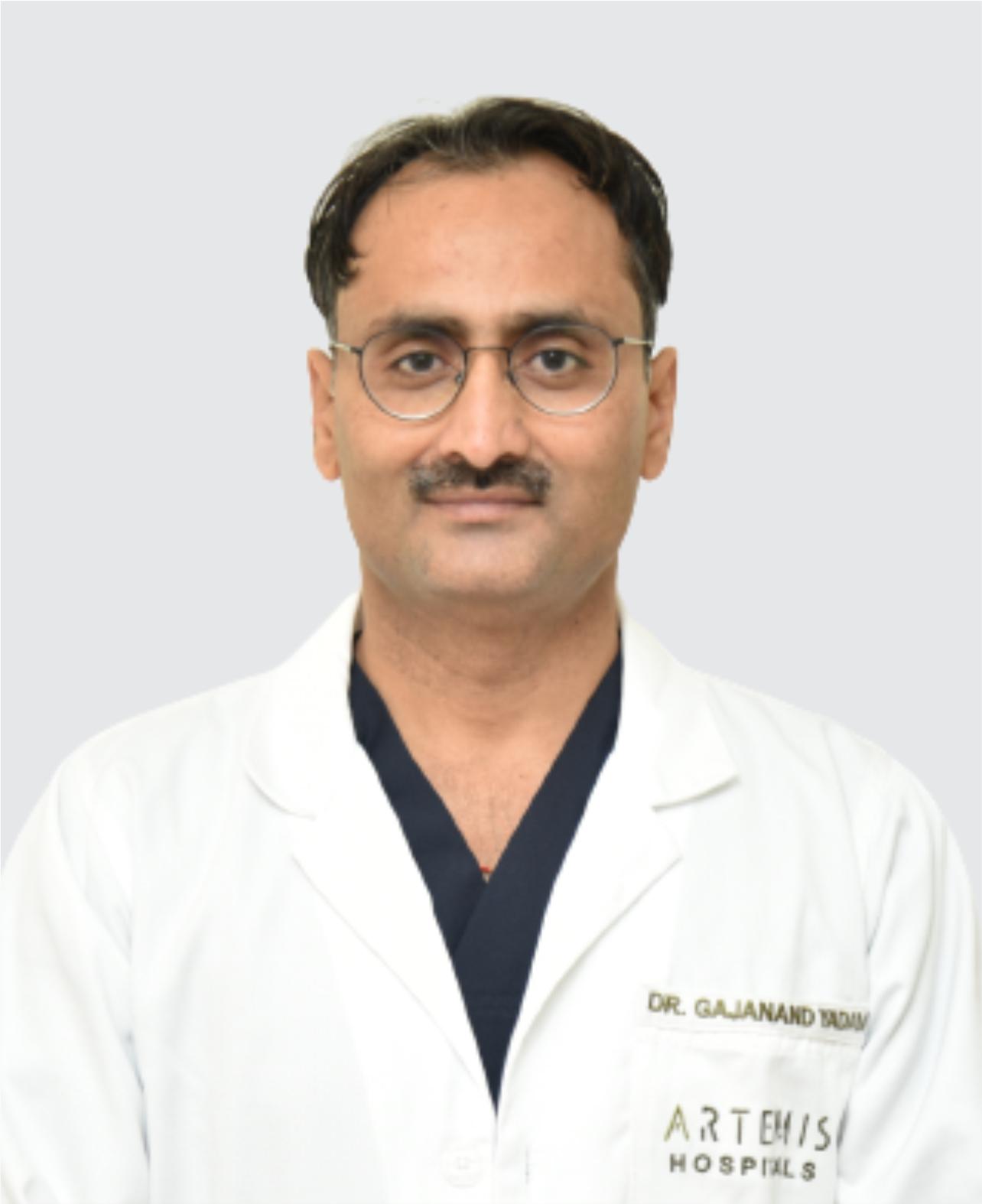
Consultant - Orthopaedics and Hip and Knee Arthroplasty
Orthopaedics, Hip and Knee Arthroplasty, Joint Replacement, Sports Medicine
New Delhi
12+ Years
Experience
Artemis Hospital
Hospital
1500
Fees
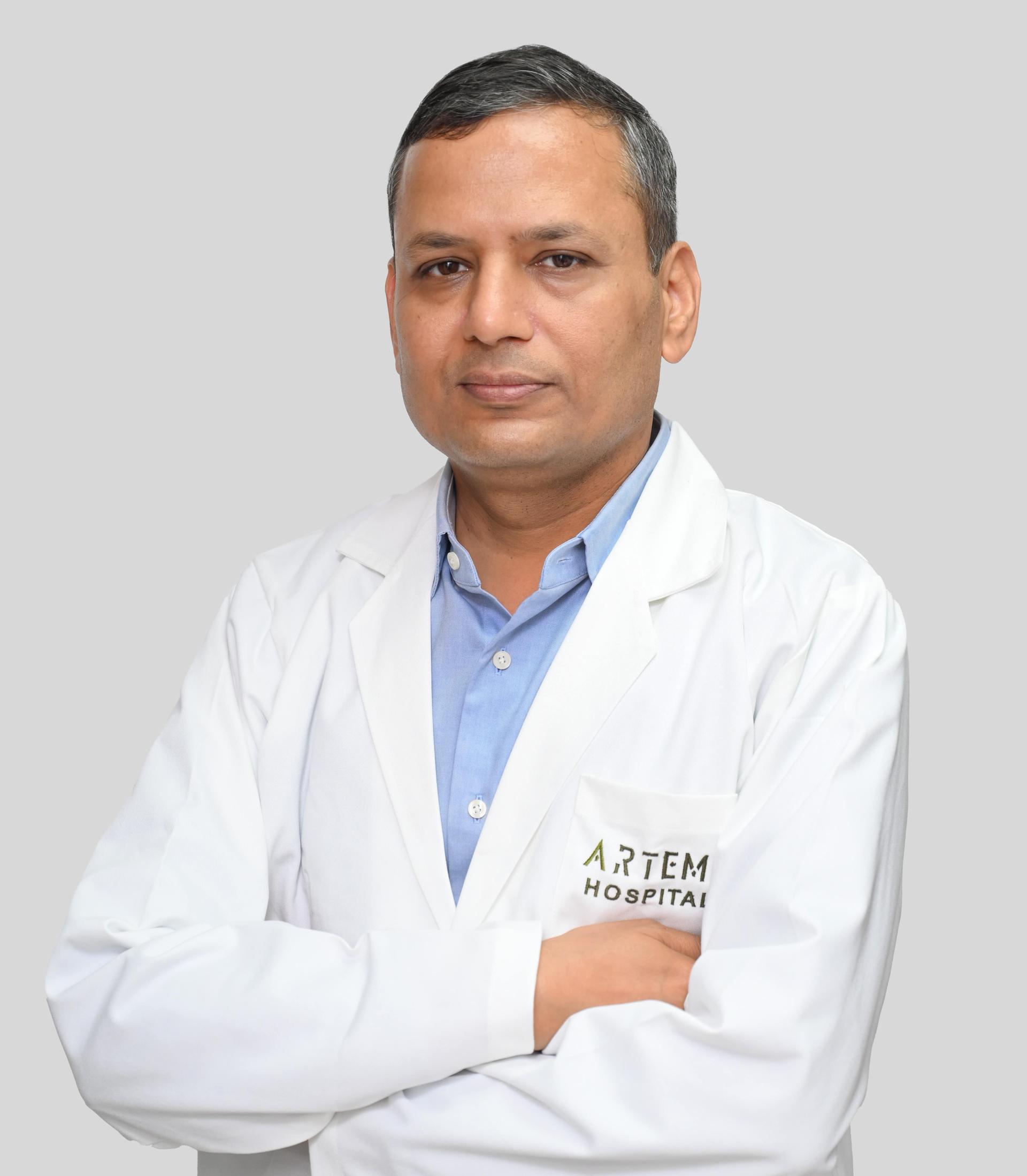
Chief - Hematology, Oncology & Bone Marrow Transplant
Clinical Hematology, Hematologic Oncology, Bone Marrow Transplantation
New Delhi
15+ Years
Experience
Artemis Hospital
Hospital
1500
Fees
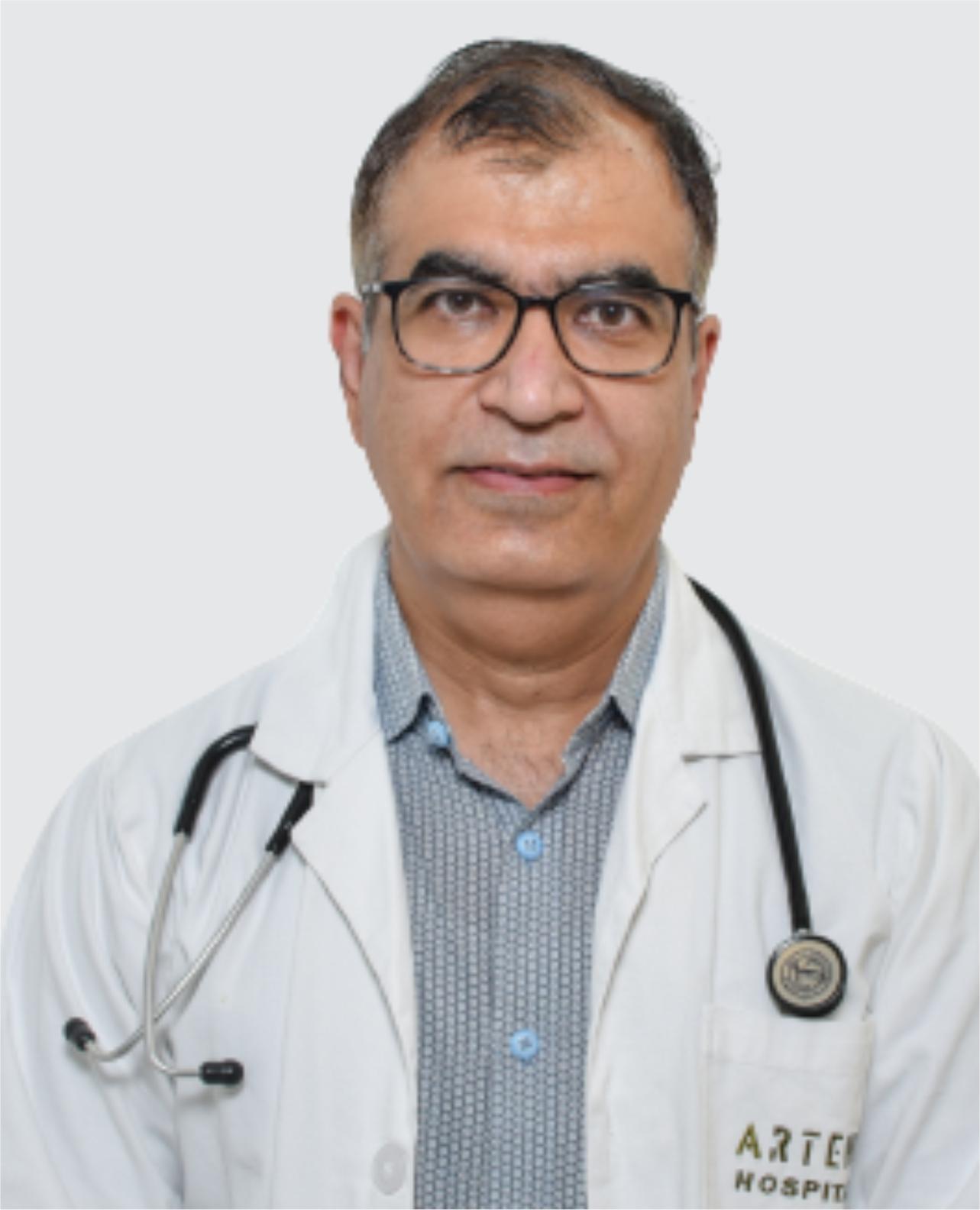
Chief
Paediatric
New Delhi
15+ Years
Experience
Artemis Hospital
Hospital
1500
Fees
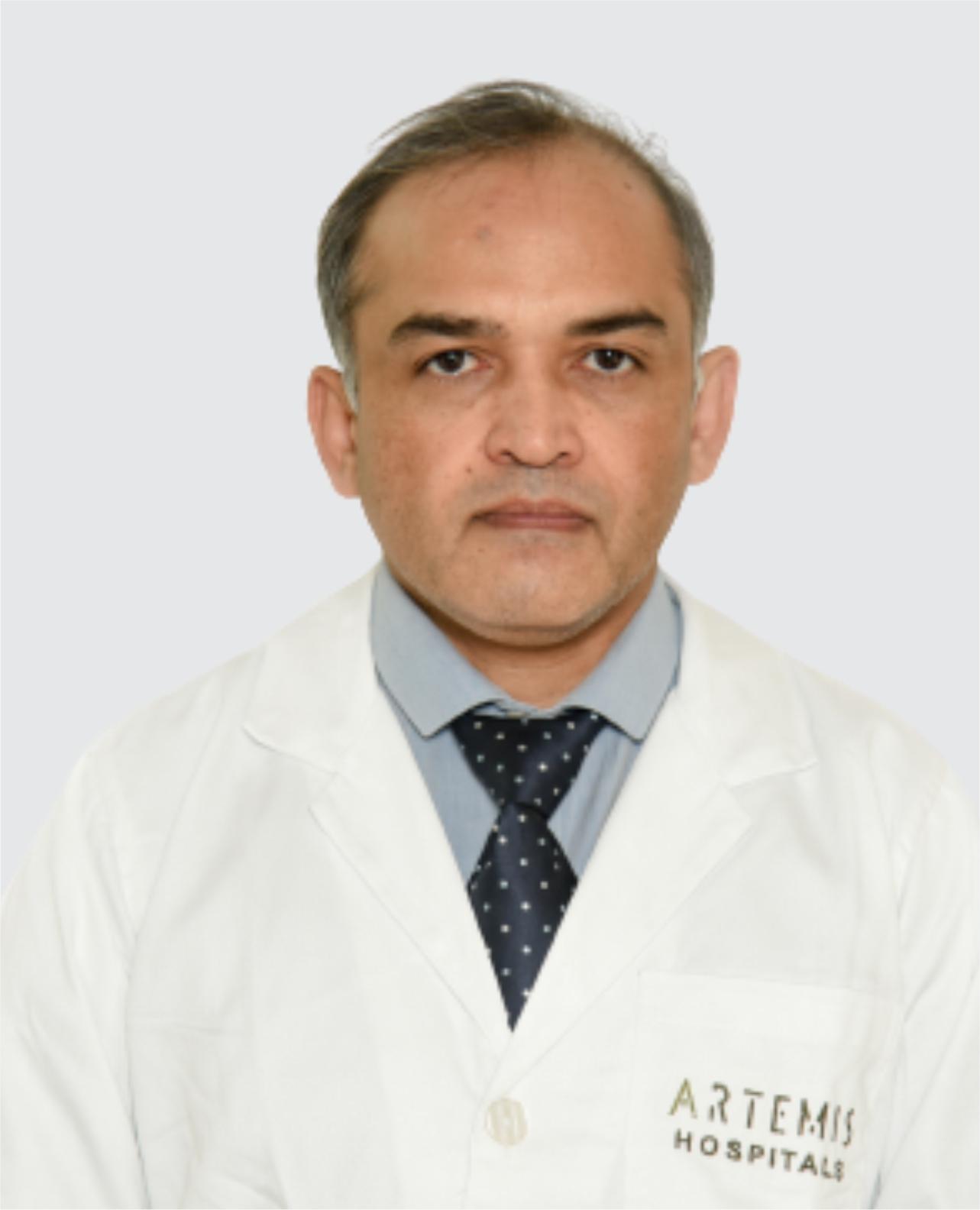
Chairperson Urology & Head, Urologic Oncology & Robotic Surgery (Unit I)
Robotic Surgery, Urology
New Delhi
20+ Years
Experience
Artemis Hospital
Hospital
1500
Fees
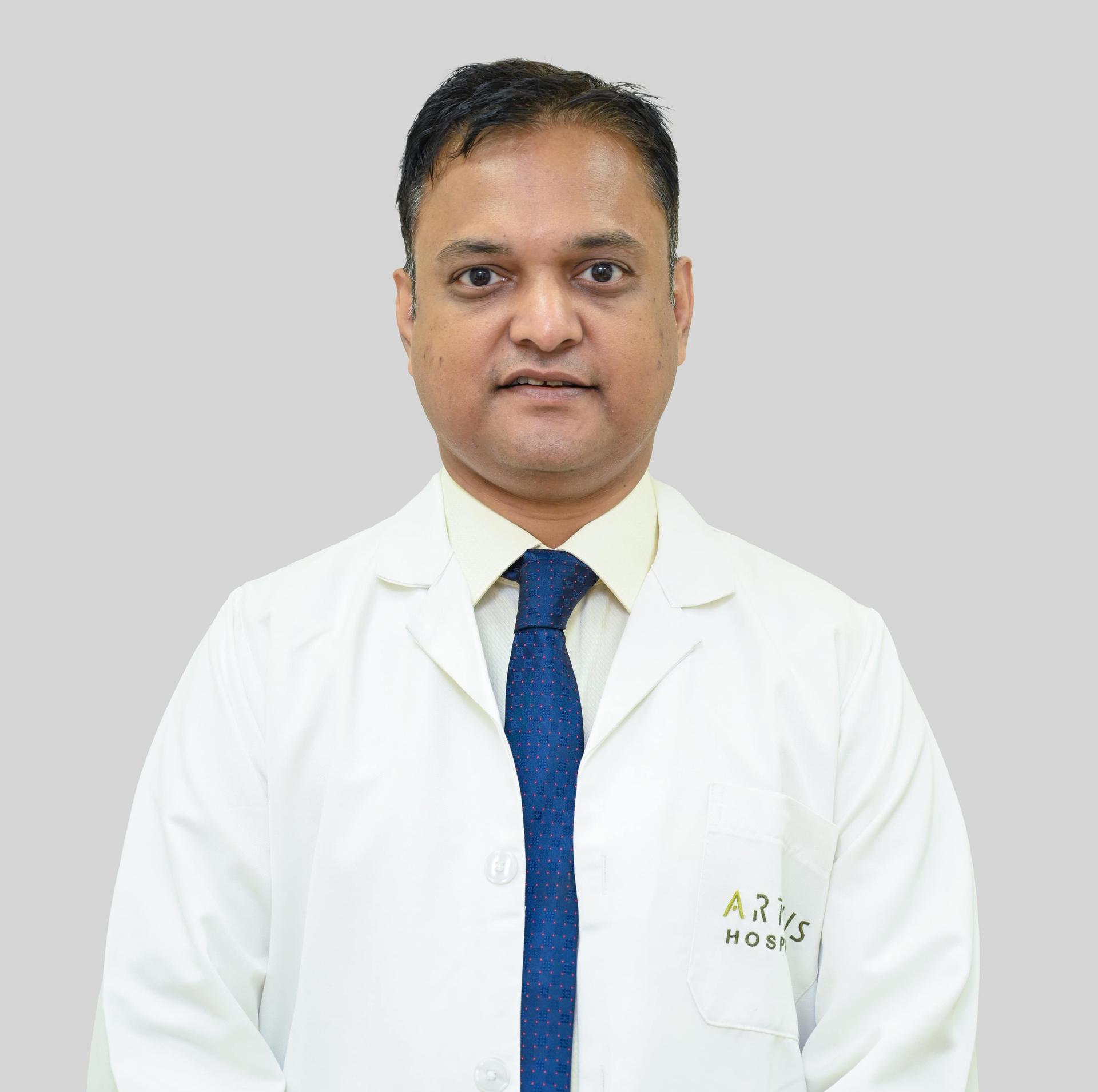
Head - General, MI & Bariatric Surgery (Unit IV)
General & Minimally Invasive Surgery
New Delhi
25+ Years
Experience
Artemis Hospital
Hospital
1500
Fees
Unit Chief - Interventional Cardiology & Electrophysiology
Cardiology, Electrophysiology, Interventional Cardiology
New Delhi
15+ Years
Experience
Artemis Hospital
Hospital
1500
Fees
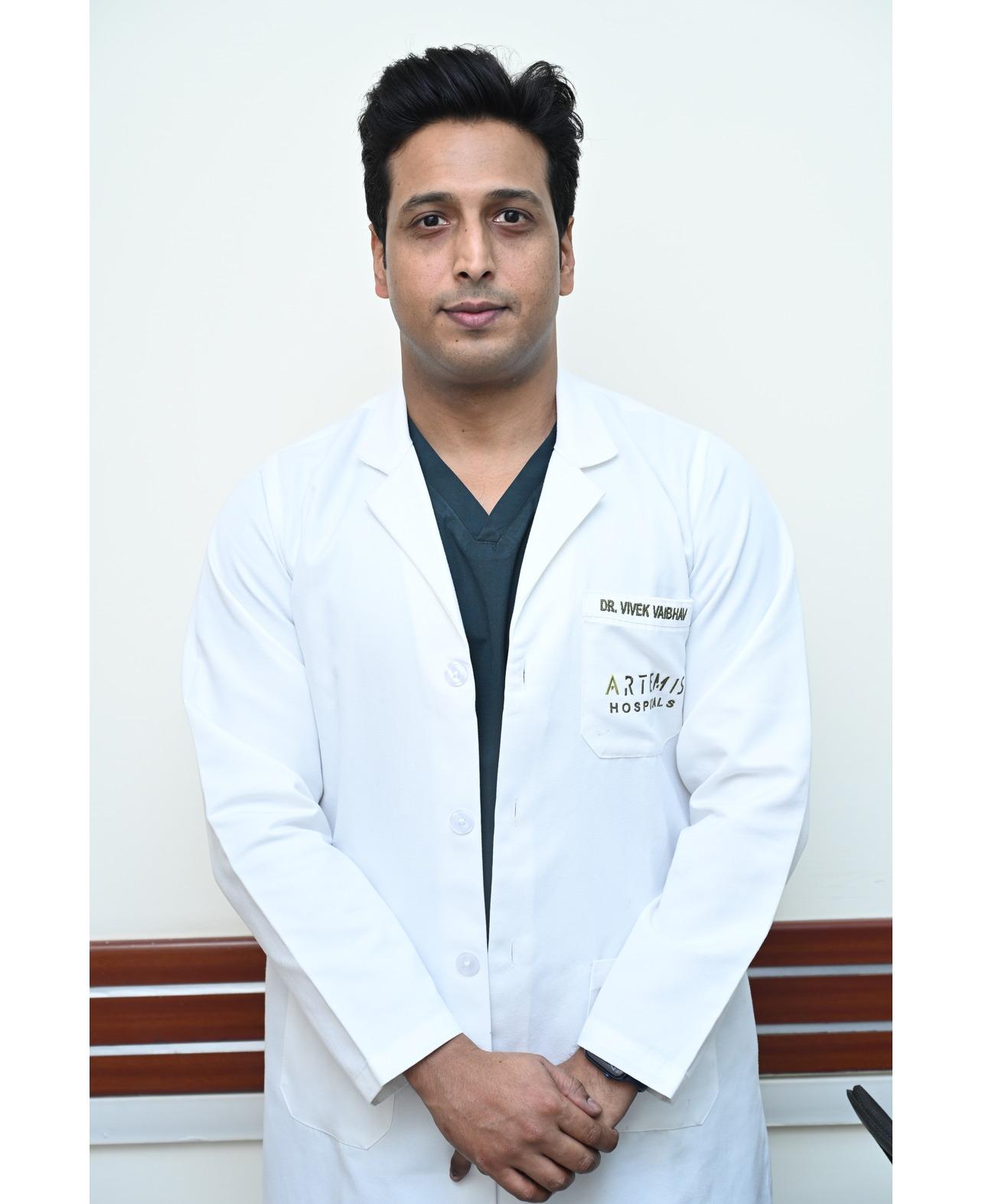
Consultant
Orthopaedic Surgery, Orthopaedics
New Delhi
10+ Years
Experience
Artemis Hospital
Hospital
1500
Fees

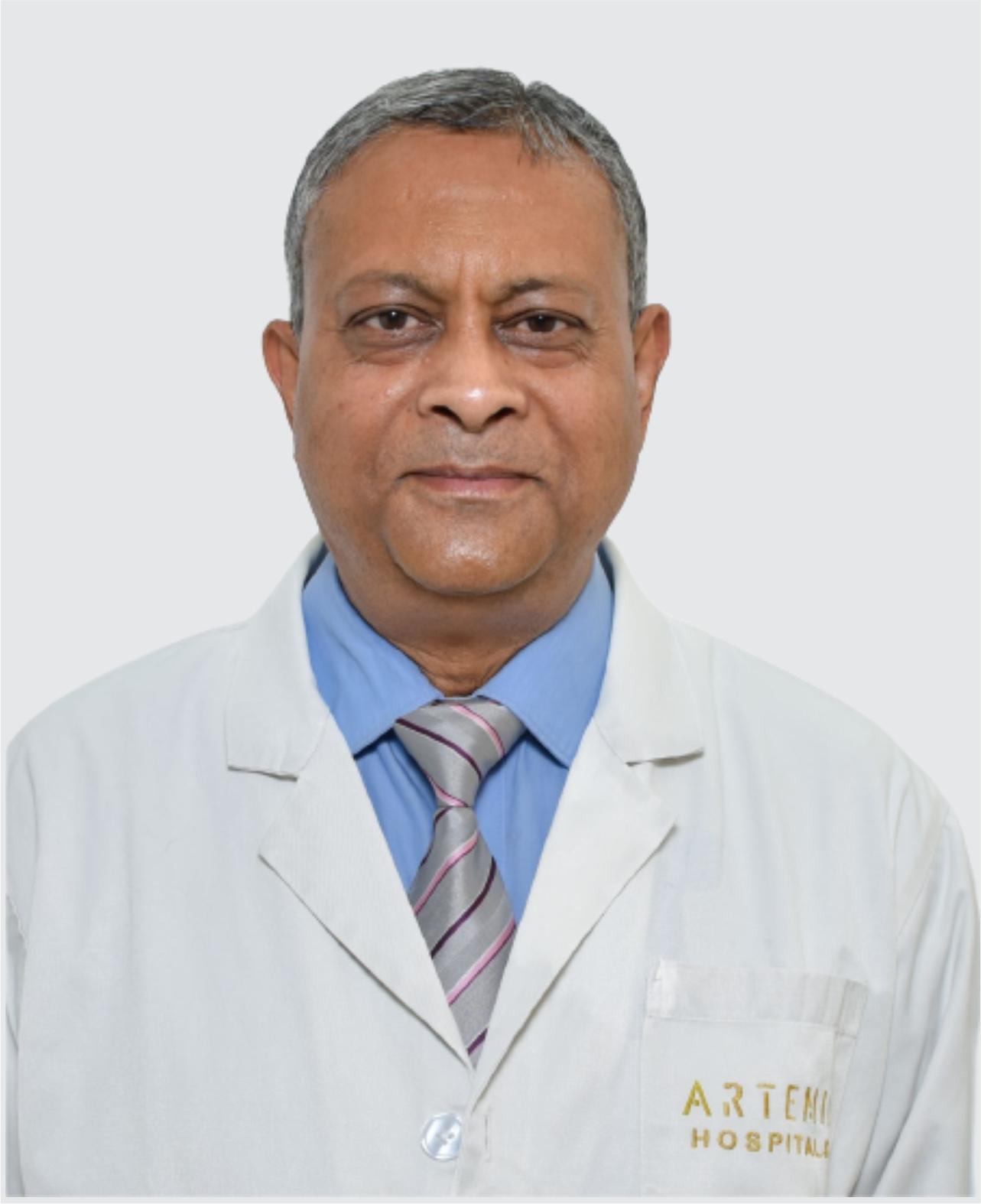
Chairperson - Orthopaedics Program & Chief – Robotic Joint Replacement & Arthroscopy Surgery
Orthopaedics, Robotic Surgery
New Delhi
15+ Years
Experience
Artemis Hospital
Hospital
1500
Fees
Chief - Nephrology (Unit II)
Kidney Transplant, Nephrology
New Delhi
15+ Years
Experience
Artemis Hospital
Hospital
1500
Fees
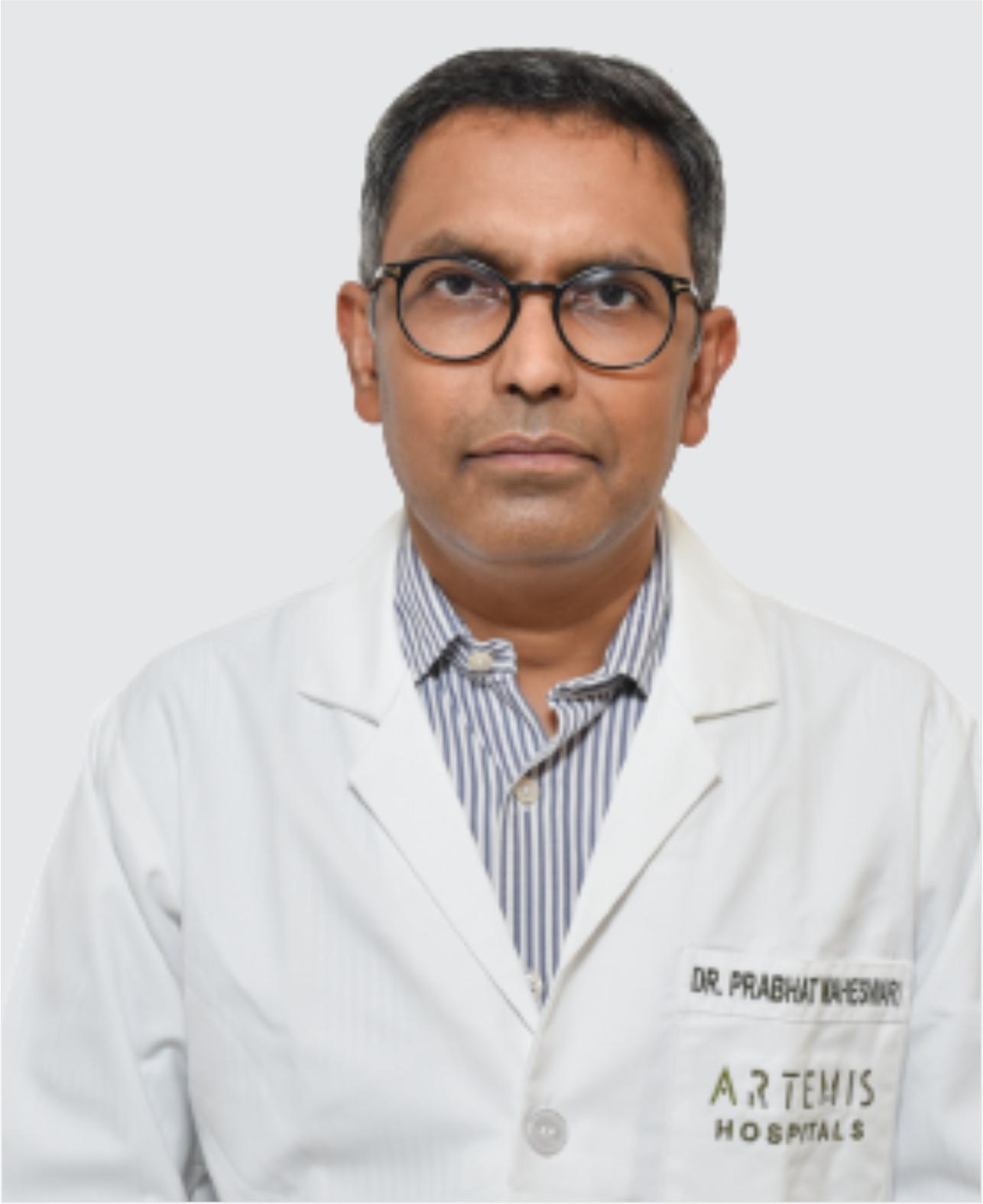
Director - Orthopaedics & Joint Replacement
Orthopaedics & Joint Replacement
New Delhi
24+ Years
Experience
Artemis Hospital
Hospital
1500
Fees
Get Personalized Medical Treatment Options From India's Top Hospitals. Our Medical Experts Are Ready To Assist You Every Step Of The Way.