
Hip Resurfacing Treatment in Mumbai for UAE
Need Personalized Advice?
Our medical experts are ready to answer your questions and guide you through your treatment options.
Our medical experts are ready to answer your questions and guide you through your treatment options.
Are you in the UAE facing persistent hip pain, and considering your options for relief? The thought of undergoing a major procedure like hip resurfacing can bring many questions and some apprehension about finding the right care.
Many patients from the UAE seek specialized care beyond their borders. Mumbai stands out as a preferred destination, offering advanced medical facilities, skilled surgeons, and a patient-centric environment for complex orthopedic treatments.
Mumbai’s leading hospitals are equipped with cutting-edge technology and renowned orthopedic specialists. Here, patients experience coordinated care, from initial consultation to post-operative follow-ups, ensuring a seamless journey for their hip resurfacing.
Is Mumbai the right city for your hip resurfacing journey and recovery?
Hip resurfacing is an orthopedic procedure primarily designed for younger, active patients with significant hip arthritis. Unlike a total hip replacement which removes the femoral head and replaces it with a stem and ball, resurfacing involves reshaping the head of the thigh bone (femur) and capping it with a smooth metal surface. A corresponding metal cup is then placed in the hip socket (acetabulum). This technique aims to preserve more of the patient’s natural bone, potentially allowing for a greater range of motion and a more active lifestyle post-surgery, while providing significant pain relief.
While hip resurfacing itself is a specific type of arthroplasty, the surgical approaches and implant considerations can vary:
The hip resurfacing procedure is carefully planned and executed based on the patient's specific condition and the surgeon's expertise.
The general steps involved typically include:
Recovery from hip resurfacing surgery in Mumbai begins almost immediately. Patients typically start gentle movements and weight-bearing activities with assistance within a day or two after the procedure. Hospital stay usually ranges from 3 to 7 days, depending on individual progress. Physical therapy is a cornerstone of recovery, focusing on restoring strength, flexibility, and gait. Initial restrictions on certain movements and activities will be provided to protect the healing hip. Follow-up consultations with your orthopedic surgeon are vital to monitor implant stability and overall progress. Full recovery, including a return to most desired activities, can take several months, emphasizing consistent adherence to the prescribed rehabilitation program.
Connect with Mumbai's leading orthopedic specialists today to discuss your treatment options and begin your journey to a pain-free life.
Hip resurfacing has demonstrated excellent long-term success rates, particularly in carefully selected patient groups. Many studies report 10-year survival rates exceeding 90-95% for modern resurfacing implants, with many patients enjoying active lifestyles for 15-20 years or more. Success varies based on factors such as the patient's age, bone quality, adherence to post-operative rehabilitation, and the surgeon's experience. While the goal is significant pain relief and improved function, individual outcomes can differ. Regular follow-ups are important for monitoring the implant's longevity and addressing any potential issues early.
The cost of hip resurfacing in Mumbai offers significant value, influenced by several key factors. These include the choice of hospital (private vs. corporate), the orthopedic surgeon's experience and reputation, the specific type and brand of implant used, the duration of your hospital stay, and any required post-operative rehabilitation services.
For patients considering this procedure in Mumbai, the estimated cost for hip resurfacing typically ranges from INR 4,50,000 to INR 7,50,000.
Mumbai offers a compelling value proposition for international patients seeking high-quality hip resurfacing, often at a significantly lower cost compared to many Western countries, without compromising on clinical outcomes.
| Destination | Estimated Cost (USD) |
|---|---|
| Mumbai, India | $5,500 - $9,000 |
| USA | $25,000 - $45,000 |
| UK | $20,000 - $35,000 |
| Singapore | $18,000 - $30,000 |
| Thailand | $10,000 - $18,000 |
| Germany | $22,000 - $38,000 |
Take the first step towards reclaiming your mobility. Contact us to learn more about hip resurfacing in Mumbai and schedule your consultation.
Reclaim your mobility and live without pain by exploring advanced hip resurfacing options in Mumbai. Our dedicated team is here to guide you through every stage, ensuring a smooth and supportive journey to better health.
India offers premium medical procedures at affordable prices. Discover our most popular treatments, delivered by the country's finest doctors.
Meet our team of highly qualified and experienced medical professionals dedicated to providing the best healthcare services.
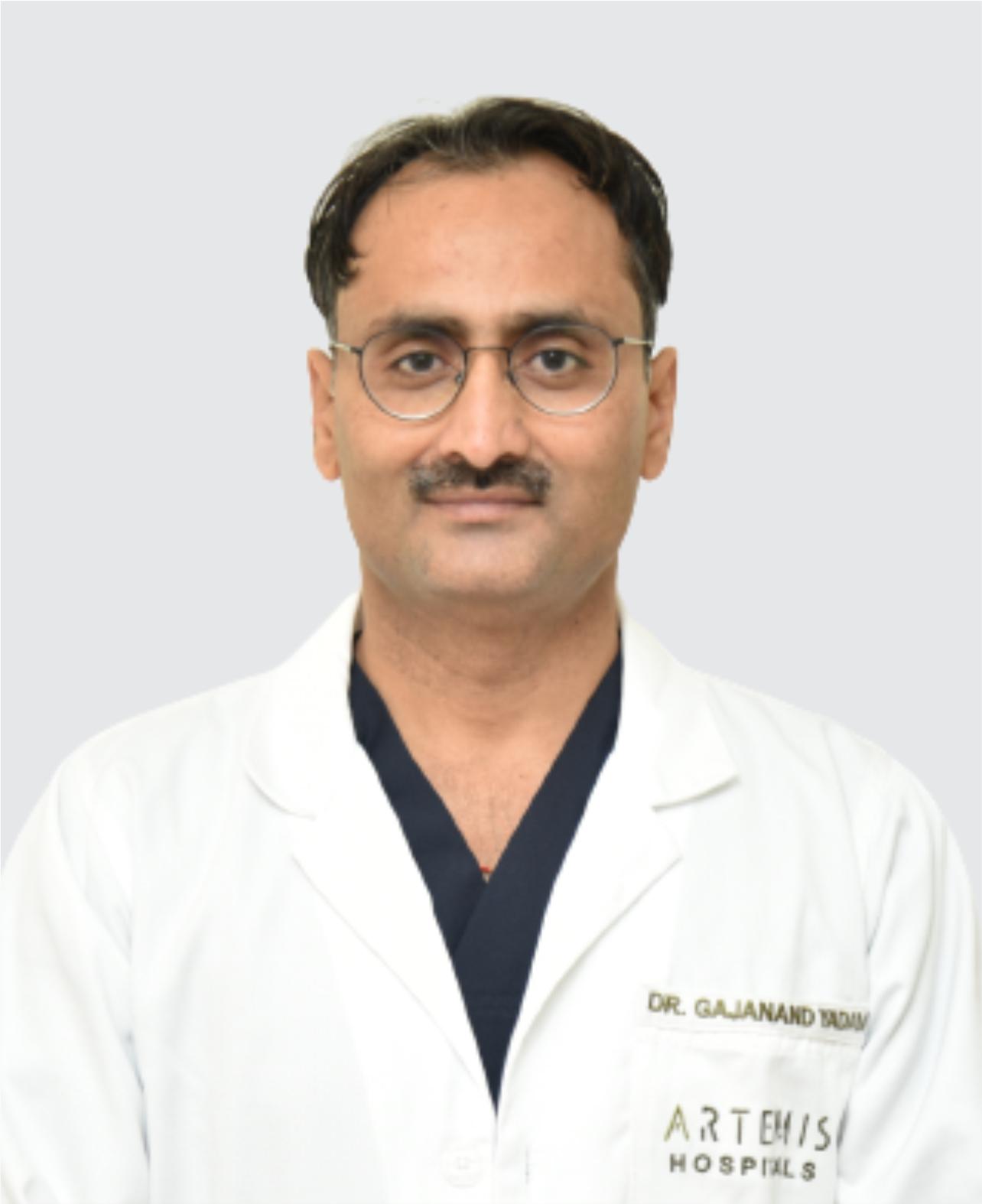
Consultant - Orthopaedics and Hip and Knee Arthroplasty
Orthopaedics, Hip and Knee Arthroplasty, Joint Replacement, Sports Medicine
New Delhi
12+ Years
Experience
Artemis Hospital
Hospital
1500
Fees
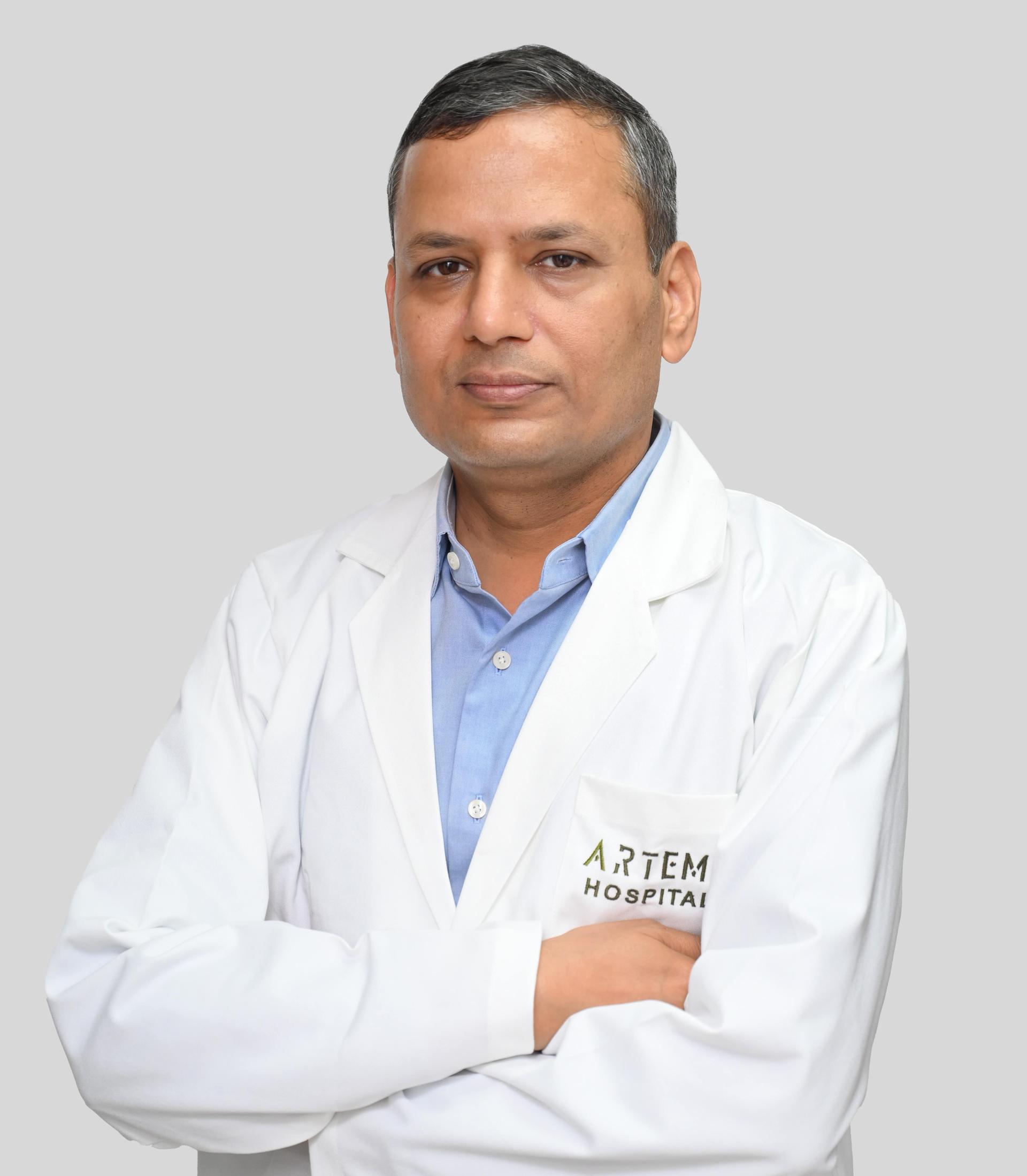
Chief - Hematology, Oncology & Bone Marrow Transplant
Clinical Hematology, Hematologic Oncology, Bone Marrow Transplantation
New Delhi
15+ Years
Experience
Artemis Hospital
Hospital
1500
Fees
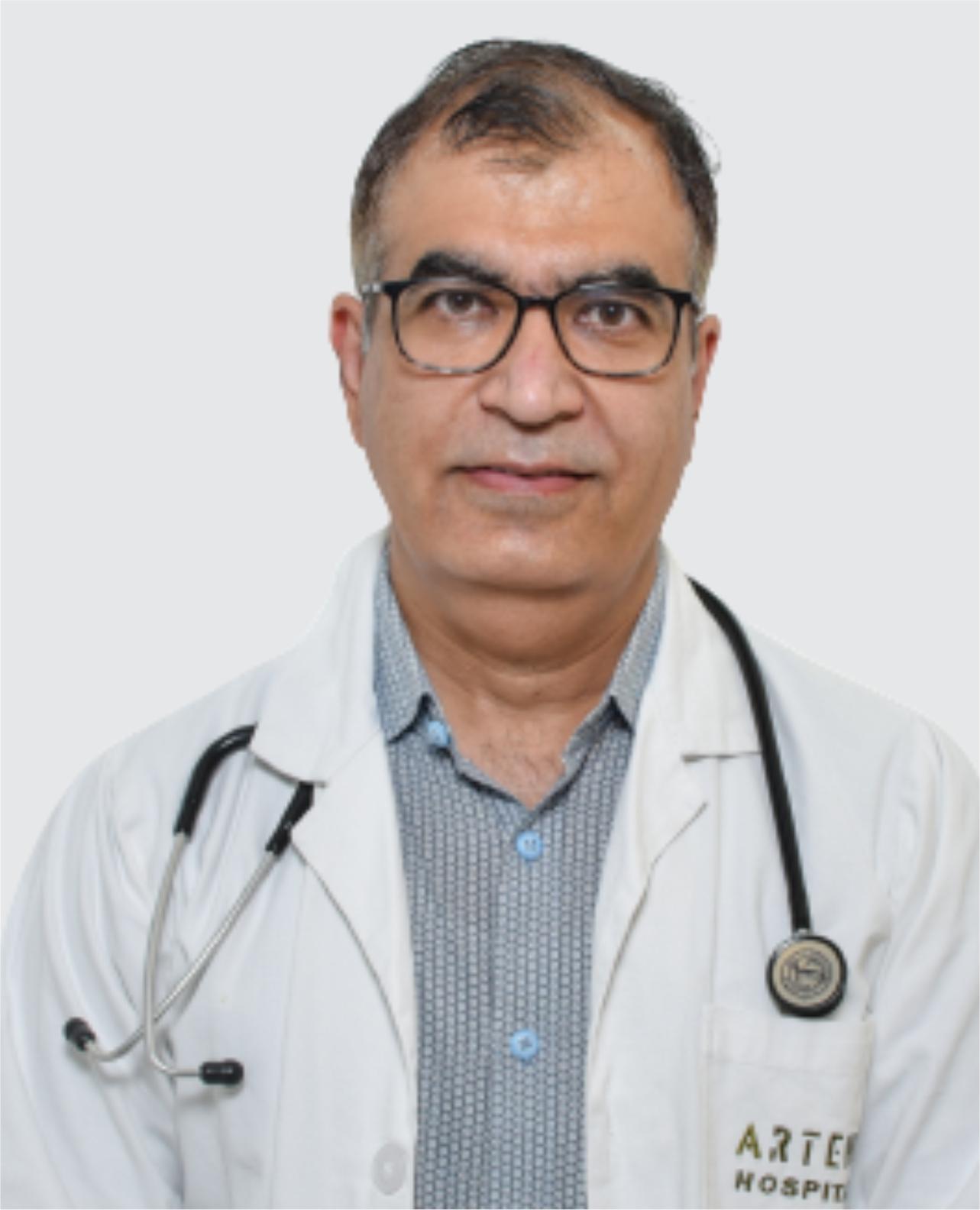
Chief
Paediatric
New Delhi
15+ Years
Experience
Artemis Hospital
Hospital
1500
Fees
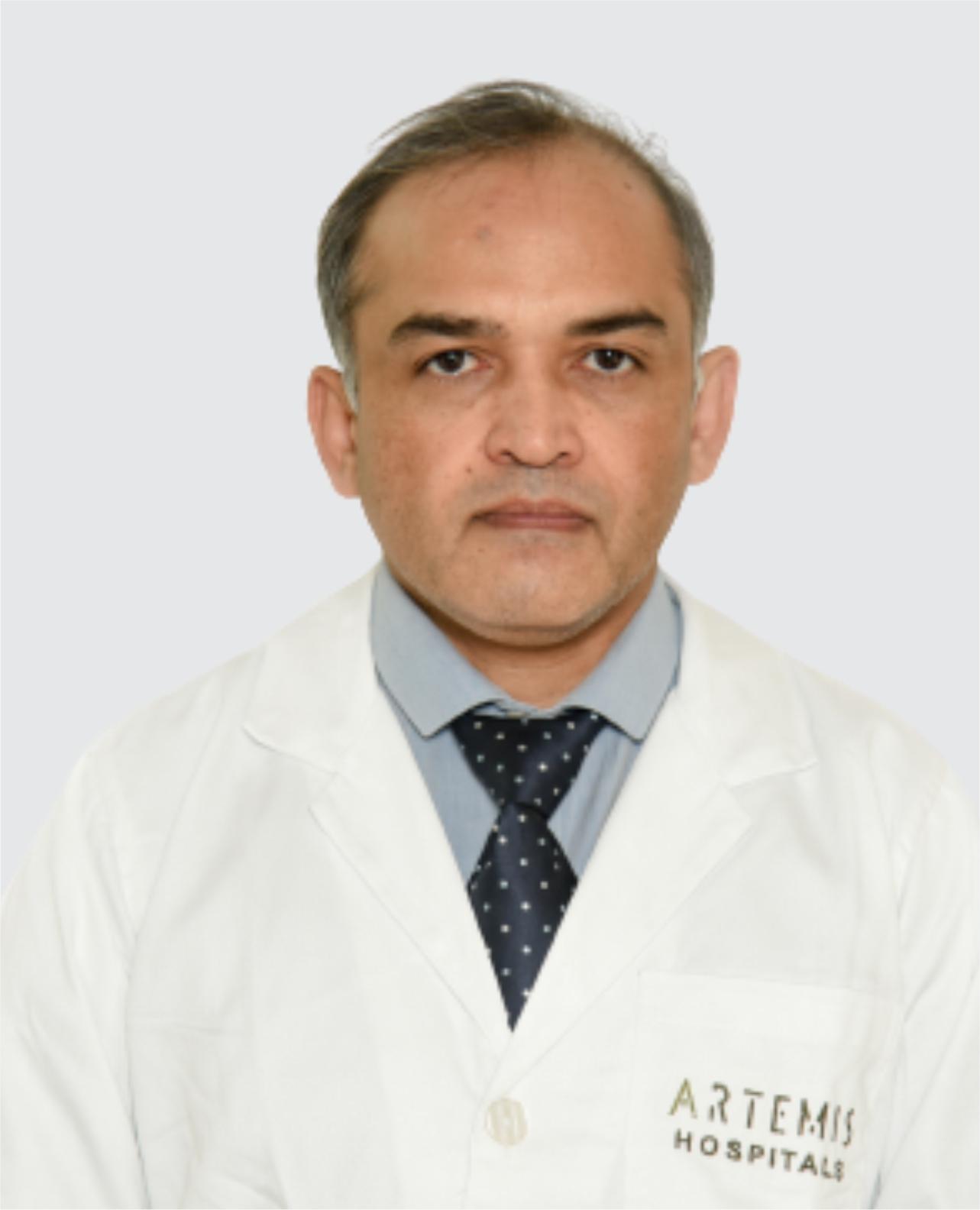
Chairperson Urology & Head, Urologic Oncology & Robotic Surgery (Unit I)
Robotic Surgery, Urology
New Delhi
20+ Years
Experience
Artemis Hospital
Hospital
1500
Fees
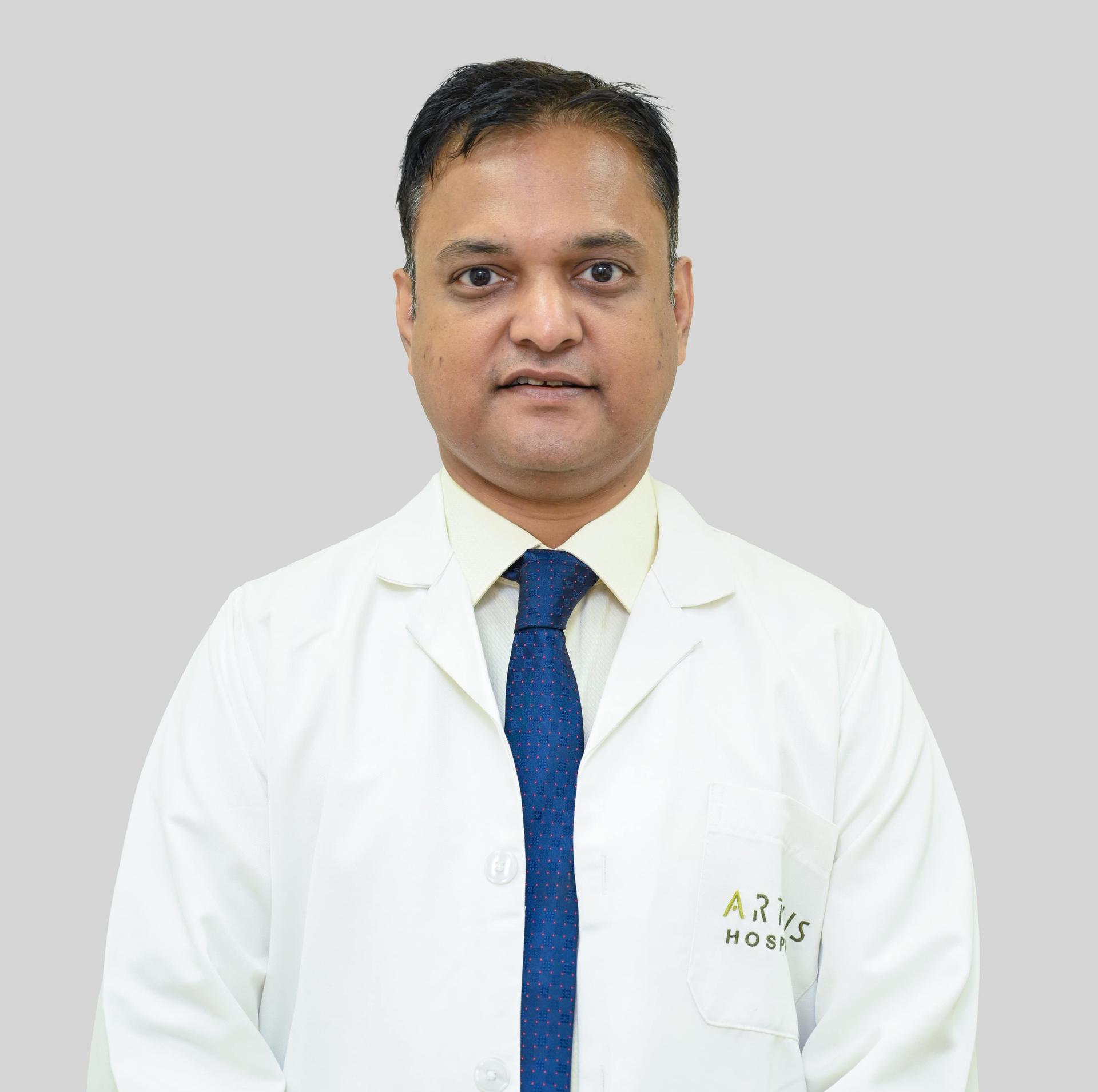
Head - General, MI & Bariatric Surgery (Unit IV)
General & Minimally Invasive Surgery
New Delhi
25+ Years
Experience
Artemis Hospital
Hospital
1500
Fees
Unit Chief - Interventional Cardiology & Electrophysiology
Cardiology, Electrophysiology, Interventional Cardiology
New Delhi
15+ Years
Experience
Artemis Hospital
Hospital
1500
Fees
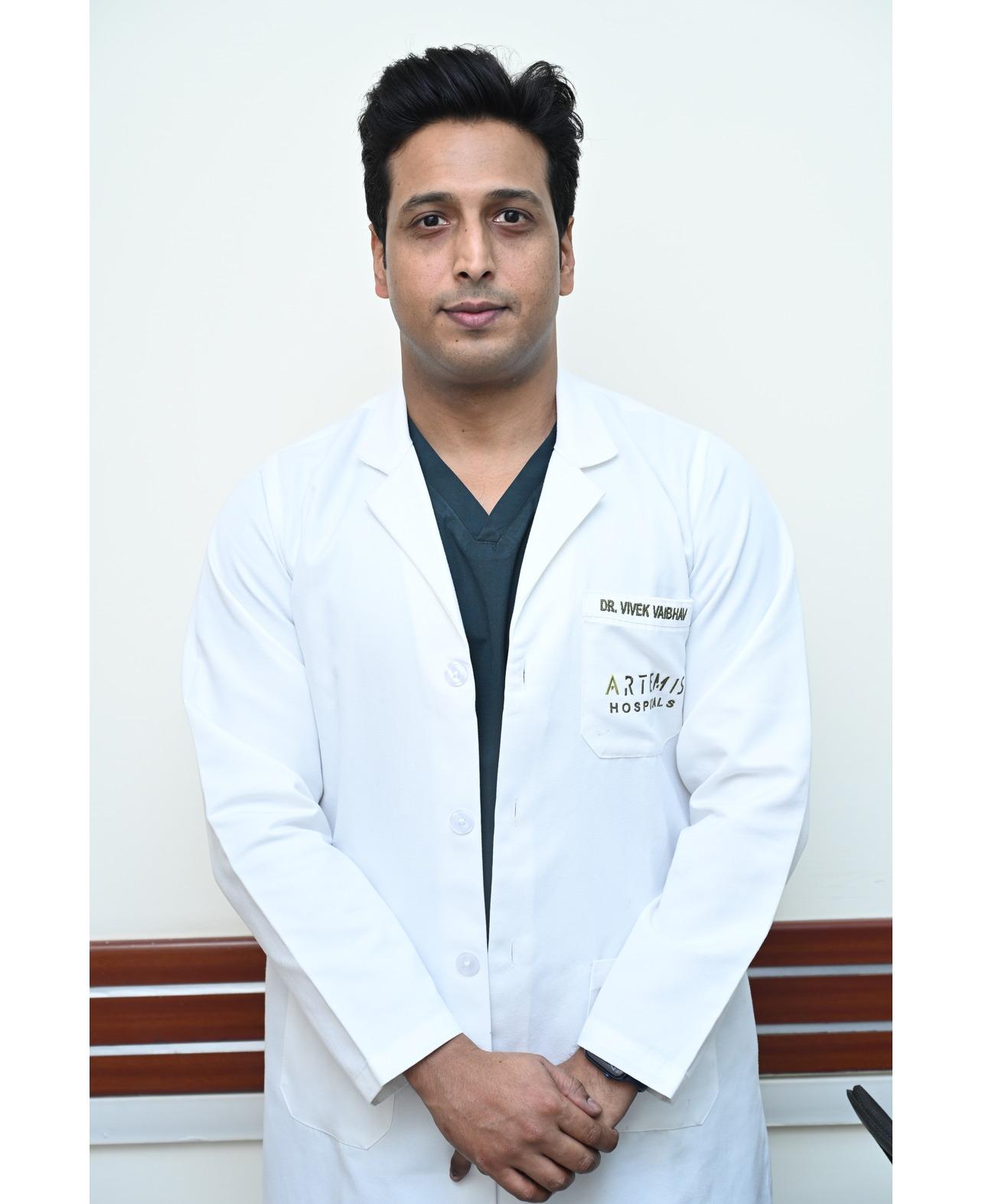
Consultant
Orthopaedic Surgery, Orthopaedics
New Delhi
10+ Years
Experience
Artemis Hospital
Hospital
1500
Fees

Chairperson - Orthopaedics Program & Chief – Robotic Joint Replacement & Arthroscopy Surgery
Orthopaedics, Robotic Surgery
New Delhi
15+ Years
Experience
Artemis Hospital
Hospital
1500
Fees
Chief - Nephrology (Unit II)
Kidney Transplant, Nephrology
New Delhi
15+ Years
Experience
Artemis Hospital
Hospital
1500
Fees
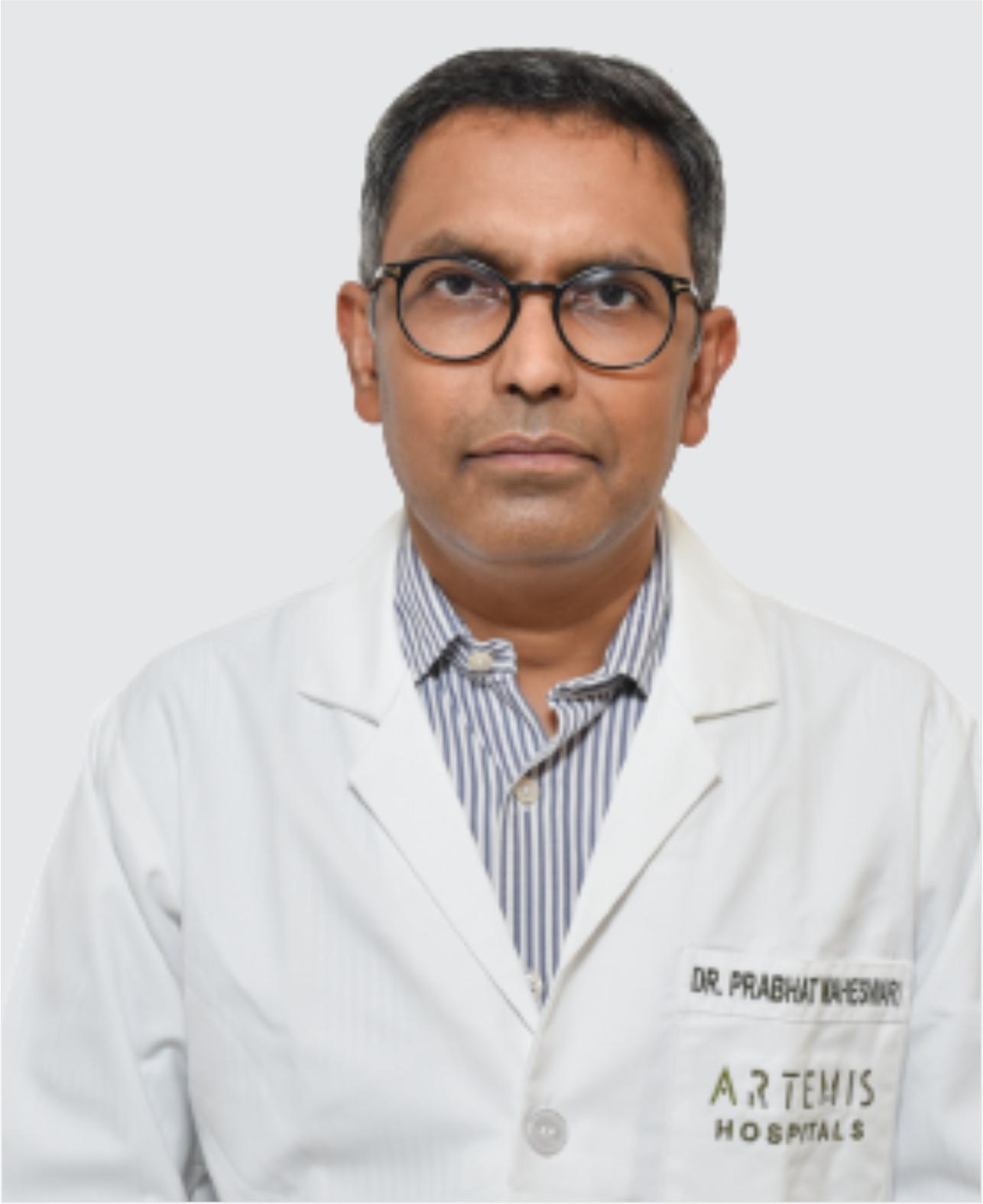
Director - Orthopaedics & Joint Replacement
Orthopaedics & Joint Replacement
New Delhi
24+ Years
Experience
Artemis Hospital
Hospital
1500
Fees
Get Personalized Medical Treatment Options From India's Top Hospitals. Our Medical Experts Are Ready To Assist You Every Step Of The Way.