
Interventional Radiology Procedures Treatment in Bengaluru for UAE
Need Personalized Advice?
Our medical experts are ready to answer your questions and guide you through your treatment options.
Our medical experts are ready to answer your questions and guide you through your treatment options.
For patients in the UAE requiring complex diagnostics or minimally invasive treatments, the decision about where to seek medical care can be challenging. Facing the need for Interventional Radiology procedures often brings questions about accessing advanced techniques, specialist expertise, and a smooth recovery pathway, alongside understandable concerns about overall costs.
Many international patients, particularly from the UAE, are increasingly looking towards medical hubs like Bengaluru, India. This city has emerged as a preferred destination due to its robust healthcare ecosystem, offering a unique blend of highly skilled medical professionals, state-of-the-art technology, and patient-centric services designed for those traveling from abroad.
Bengaluru's hospitals are recognized for their commitment to international medical standards and patient safety, housing dedicated departments for interventional radiology staffed by experienced specialists. Patients benefit from comprehensive care coordination, from initial diagnostics to post-procedure support, ensuring a continuum of care within the city's well-established medical facilities.
Is Bengaluru the ideal choice for your Interventional Radiology journey?
Interventional Radiology (IR) involves a range of minimally invasive procedures that diagnose and treat various conditions using imaging guidance, such as X-rays, CT scans, ultrasound, or MRI. Instead of open surgery, IR specialists use small catheters or needles inserted through a tiny incision, often less than a centimeter, to access affected areas inside the body. This approach typically results in less pain, fewer risks, shorter hospital stays, and quicker recovery times compared to traditional surgery.
Interventional Radiology covers a broad spectrum of procedures, addressing conditions across nearly every organ system. Some of the frequently performed procedures include:
The specific steps for an Interventional Radiology procedure vary greatly depending on the condition being treated and the technique employed. However, most share a common minimally invasive approach.
Patients are typically given a local anesthetic at the incision site, and sometimes conscious sedation to ensure comfort throughout the procedure. The skin is sterilized, and drapes are used to maintain a sterile field. Imaging equipment is positioned to provide real-time guidance to the interventional radiologist.
A small incision, often just a pinprick, is made. Using imaging guidance, the interventional radiologist carefully inserts a thin catheter or needle through the skin and guides it to the target area. Specialized tools, such as balloons, stents, coils, or ablation probes, are then delivered through the catheter to perform the treatment. The entire process is visualized on monitors, allowing for extreme precision and minimal disruption to surrounding healthy tissues.
Once the procedure is complete, the catheter or needle is removed, and pressure is applied to the incision site to prevent bleeding. A small bandage is usually applied. Patients are then moved to a recovery area for a few hours of monitoring to ensure stability and to check for any immediate complications before discharge.
Recovery from Interventional Radiology procedures is typically much faster than from open surgery. Most patients experience minimal discomfort, often manageable with over-the-counter pain relievers. Depending on the procedure, patients may be discharged the same day or require a short overnight hospital stay. Restrictions usually include avoiding strenuous activity for a few days to a week. Detailed post-procedure instructions, including wound care, medication schedules, and follow-up appointments, will be provided. Regular follow-up imaging and consultations are crucial to monitor the treatment's effectiveness and overall healing.
The success rates for Interventional Radiology procedures are generally very high, often exceeding 85-95% depending on the specific procedure and the patient's condition. Outcomes can vary based on factors like the disease stage, patient's overall health, and the expertise of the medical team. Long-term success often involves a combination of the procedure itself and adherence to post-treatment lifestyle recommendations and follow-up care. Your specialist in Bengaluru will provide a realistic expectation for your specific case.
Connect with our patient care team to understand your treatment options and receive personalized guidance.
The cost of Interventional Radiology procedures in Bengaluru is generally more affordable than in many Western countries, without compromising on quality or advanced technology. Several factors influence the final cost, including the complexity of the procedure, the specific type of intervention, the duration of hospital stay, the chosen hospital's facilities, and the fees of the interventional radiologist.
For many common Interventional Radiology procedures in Bengaluru, the cost typically ranges from approximately INR 1,50,000 to INR 6,00,000.
Here’s a comparison of estimated costs for Interventional Radiology procedures in Bengaluru against other major medical destinations. Please note these are indicative ranges and actual costs may vary.
| Location | Estimated Cost Range (USD) |
|---|---|
| Bengaluru, India | $1,800 - $7,200 |
| United States | $15,000 - $45,000 |
| United Kingdom | $10,000 - $30,000 |
| Germany | $9,000 - $25,000 |
| Singapore | $12,000 - $35,000 |
Reach out today to discuss your Interventional Radiology needs and plan your treatment with confidence.
Choosing the right medical care is a significant decision. Bengaluru's expertise in Interventional Radiology offers a compelling option for patients from the UAE seeking effective, minimally invasive treatments supported by compassionate care.
India offers premium medical procedures at affordable prices. Discover our most popular treatments, delivered by the country's finest doctors.
Meet our team of highly qualified and experienced medical professionals dedicated to providing the best healthcare services.

Sr. Consultant – Women Imaging
Radiology (Specializing in Women's Imaging)
Haryana
15+ Years
Experience
Artemis Hospital
Hospital
1500
Fees
Director & Chief
Neurointerventional Surgery
New Delhi
15+ Years
Experience
Artemis Hospital
Hospital
1500
Fees
Additional Consultant - Neuro Interventional Surgery
Neurointerventional Surgery
New Delhi
20+ Years
Experience
Artemis Hospital
Hospital
1500
Fees

Chief - Liver Transplant & Sr. Consultant - GI & HPB Surgery
Liver and Biliary Sciences, Organ Transplant
New Delhi
15+ Years
Experience
Artemis Hospital
Hospital
1500
Fees
Head Imaging & Chief DNB Program
Radiology
New Delhi
19+ Years
Experience
Artemis Hospital
Hospital
1500
Fees
Sr. Consultant
Radiology
New Delhi
12+ Years
Experience
Artemis Hospital
Hospital
1500
Fees

Vice Chairman, Cardiac Sciences, Cardiology, Interventional Cardiology, Cardiac Electrophysiology-Pacemaker & Director & HOD (Interventional Cardiology) at Max Super Speciality Hospital, Shalimar Bagh, Delhi
Interventional Cardiology
New Delhi
26+ Years
Experience
Max Hospital,Gurgaon
Hospital
1500
Fees
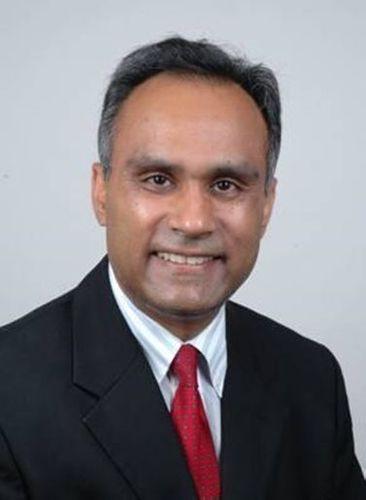
Associate Director
Pulmonology
New Delhi
20+ Years
Experience
Apolo Delhi
Hospital
1500
Fees
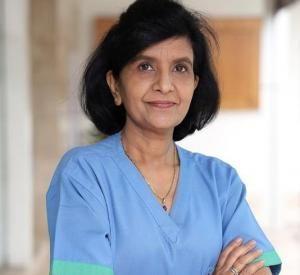
Associate Director
Pulmonology
New Delhi
22+ Years
Experience
Apolo Delhi
Hospital
1500
Fees
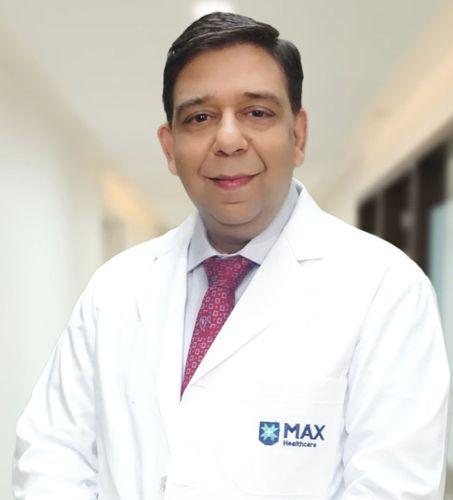
Senior Consultant
Cardiac Sciences, Interventional Cardiology
New Delhi
25+ Years
Experience
Apolo Delhi
Hospital
1500
Fees
Get Personalized Medical Treatment Options From India's Top Hospitals. Our Medical Experts Are Ready To Assist You Every Step Of The Way.