
Interventional Radiology Procedures Treatment in Hyderabad for UAE
Need Personalized Advice?
Our medical experts are ready to answer your questions and guide you through your treatment options.
Our medical experts are ready to answer your questions and guide you through your treatment options.
Considering advanced medical procedures away from home can bring many questions. Patients from the UAE often seek clarity regarding Interventional Radiology Procedures, wondering about the quality of care, specialist availability, and overall treatment experience in a new city. Your health journey deserves precise, expert guidance.
Hyderabad has emerged as a preferred destination for complex medical interventions. Patients from the UAE choose this city for its focused medical environment. Here, the process of finding specialists and coordinating care is streamlined, offering a less overwhelming experience for international visitors.
The medical infrastructure in Hyderabad is well-regarded for its skilled interventional radiologists and modern hospital facilities. These institutions prioritize patient safety and effective treatment outcomes. The city offers a comforting environment, facilitating easier follow-ups and comprehensive care throughout your stay.
Is Hyderabad the right choice for your interventional radiology needs?
Interventional Radiology (IR) procedures are minimally invasive treatments performed using image guidance. This means a doctor uses imaging tools like X-rays, ultrasound, CT scans, or MRI to guide small instruments, such as catheters or needles, directly to the treatment site within the body. These procedures can diagnose and treat a wide range of conditions without traditional open surgery, leading to less pain, smaller scars, and quicker recovery times. They address issues from blocked arteries to cancerous tumors, often serving as an alternative to more invasive surgical options.
The exact method for an Interventional Radiology procedure depends heavily on the specific condition being treated and the chosen treatment plan.
Recovery from Interventional Radiology procedures is generally faster compared to open surgery due to their minimally invasive nature. Most patients experience mild discomfort at the access site, managed with pain medication. Restrictions often include avoiding heavy lifting and strenuous activity for a few days to a week. Follow-up appointments are crucial to monitor healing and assess the procedure's effectiveness. Patients usually return to normal activities fairly quickly, though specific recovery times vary by procedure and individual health.
Success rates for Interventional Radiology procedures are generally high, often ranging from 80% to over 95%, depending on the specific treatment and condition. Outcomes can vary based on the patient’s overall health, the stage of the disease, and the complexity of the intervention. Many patients experience significant relief from symptoms and improved quality of life. Long-term expectations are usually positive, with regular follow-ups to ensure continued success and address any new concerns.
The cost for Interventional Radiology Procedures in Hyderabad is influenced by several factors. These include the specific type and complexity of the procedure, the hospital chosen (its infrastructure and technology), the experience of the interventional radiologist, and the duration of hospital stay required. Additional costs might arise from pre-operative evaluations, medications, and any necessary post-procedure care or follow-ups.
For most Interventional Radiology Procedures, the cost in Hyderabad typically ranges from INR 1,50,000 to INR 6,00,000.
Hyderabad offers a compelling cost advantage without compromising on medical excellence. Below is a general comparison of Interventional Radiology Procedure costs.
| Location | Estimated Cost Range (USD) |
|---|---|
| Hyderabad, India | $1,800 - $7,200 |
| United States | $15,000 - $40,000+ |
| United Kingdom | $10,000 - $25,000 |
| Singapore | $8,000 - $20,000 |
| Thailand | $5,000 - $15,000 |
Ready to explore your treatment options in Hyderabad?
Connect with our patient care team for a personalized consultation and detailed cost estimate.
Have more questions about Interventional Radiology in Hyderabad?
Our team is here to provide detailed answers and support your decision-making process.
Choosing Hyderabad for your Interventional Radiology Procedures can be a confident step towards better health. We are committed to supporting your journey with expertise and care.
India offers premium medical procedures at affordable prices. Discover our most popular treatments, delivered by the country's finest doctors.
Meet our team of highly qualified and experienced medical professionals dedicated to providing the best healthcare services.

Sr. Consultant – Women Imaging
Radiology (Specializing in Women's Imaging)
Haryana
15+ Years
Experience
Artemis Hospital
Hospital
1500
Fees
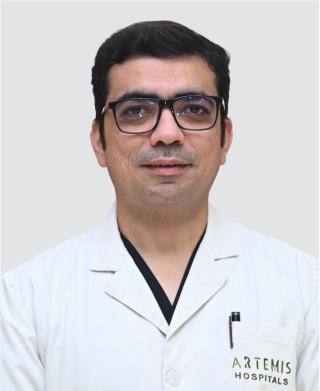
Director & Chief
Neurointerventional Surgery
New Delhi
15+ Years
Experience
Artemis Hospital
Hospital
1500
Fees
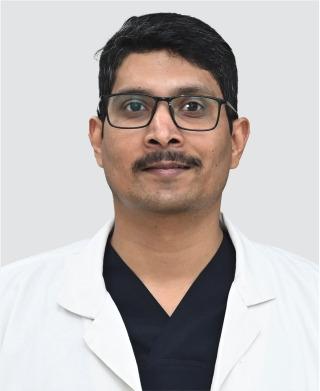
Additional Consultant - Neuro Interventional Surgery
Neurointerventional Surgery
New Delhi
20+ Years
Experience
Artemis Hospital
Hospital
1500
Fees

Chief - Liver Transplant & Sr. Consultant - GI & HPB Surgery
Liver and Biliary Sciences, Organ Transplant
New Delhi
15+ Years
Experience
Artemis Hospital
Hospital
1500
Fees
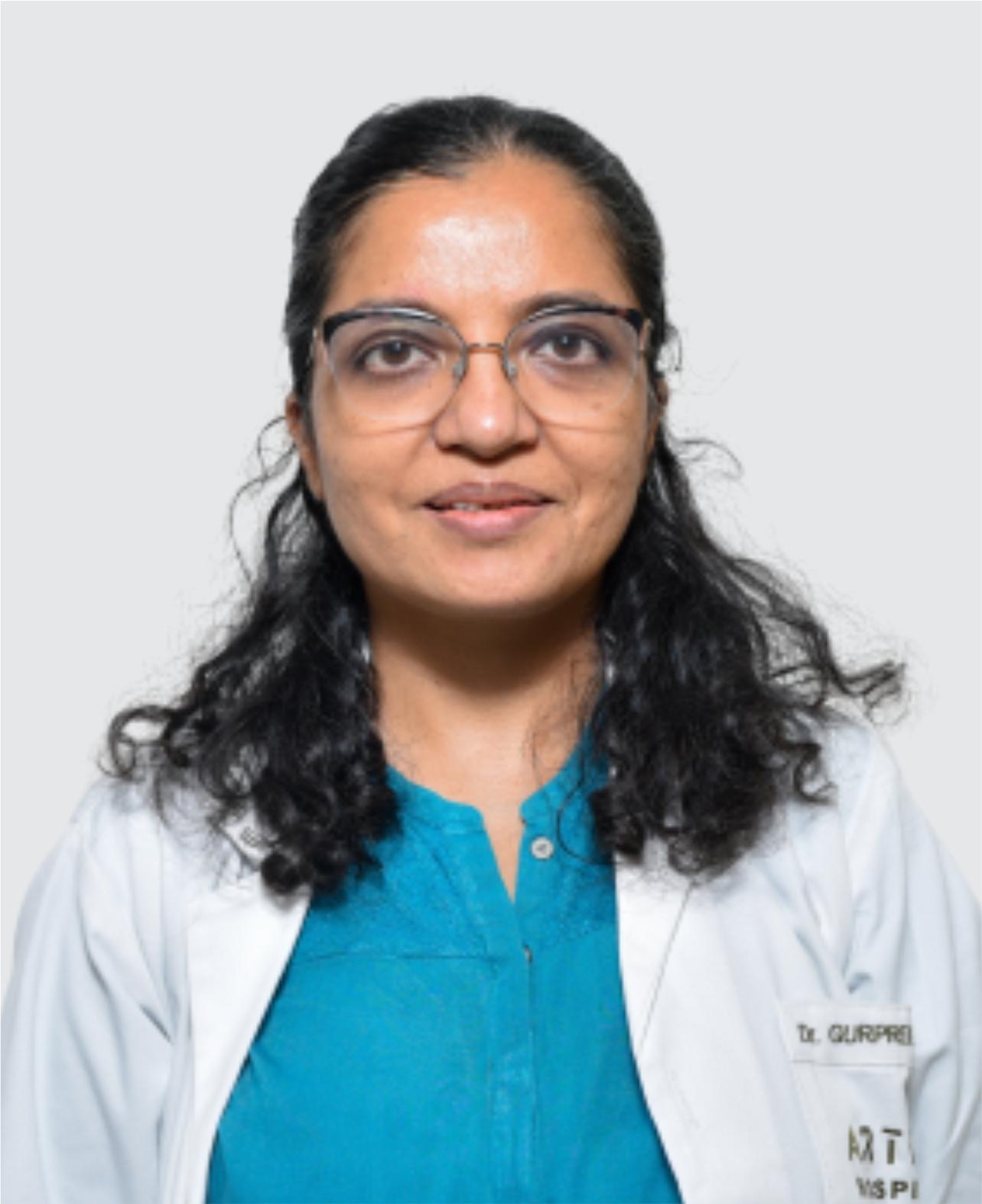
Head Imaging & Chief DNB Program
Radiology
New Delhi
19+ Years
Experience
Artemis Hospital
Hospital
1500
Fees
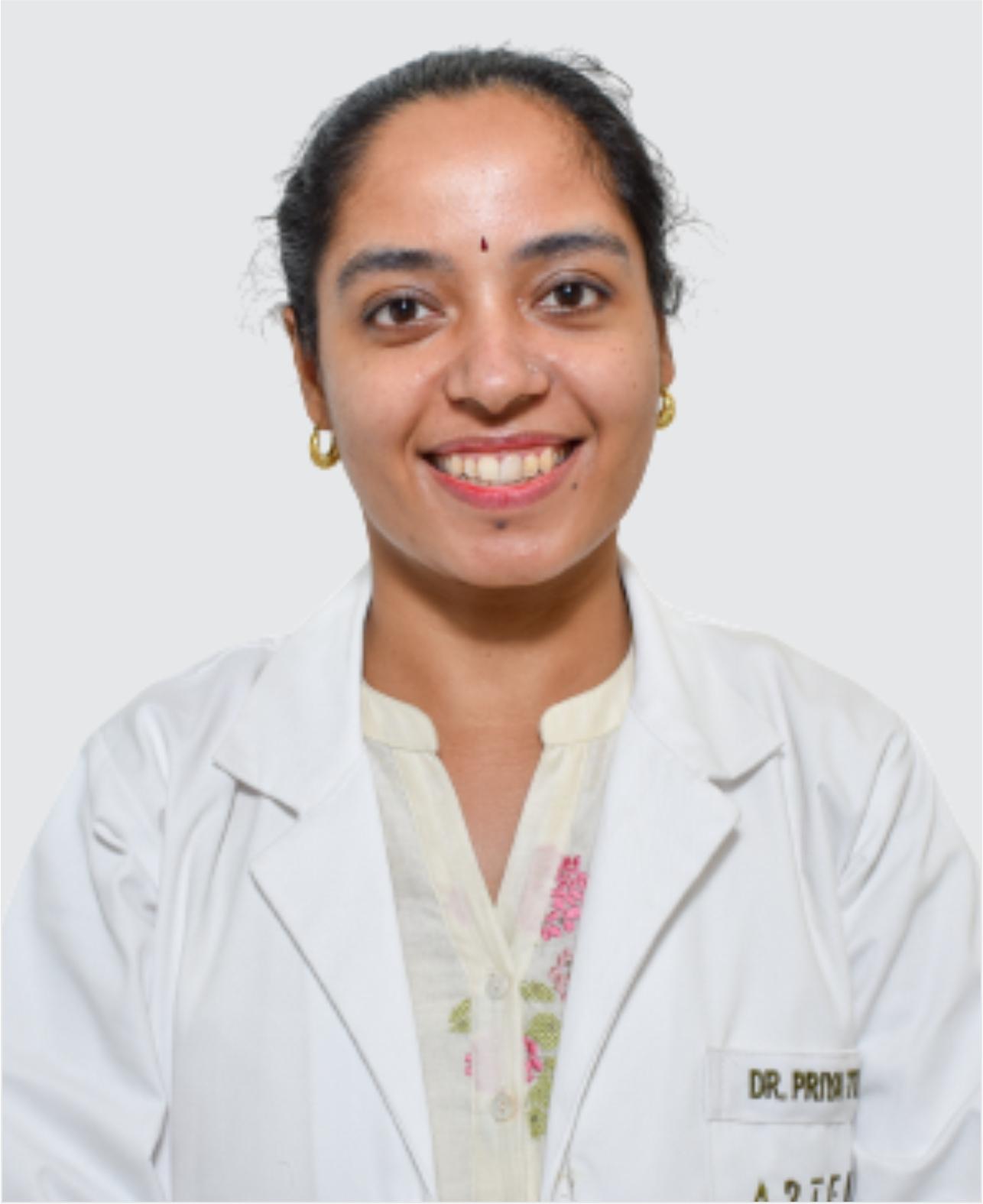
Sr. Consultant
Radiology
New Delhi
12+ Years
Experience
Artemis Hospital
Hospital
1500
Fees

Vice Chairman, Cardiac Sciences, Cardiology, Interventional Cardiology, Cardiac Electrophysiology-Pacemaker & Director & HOD (Interventional Cardiology) at Max Super Speciality Hospital, Shalimar Bagh, Delhi
Interventional Cardiology
New Delhi
26+ Years
Experience
Max Hospital,Gurgaon
Hospital
1500
Fees
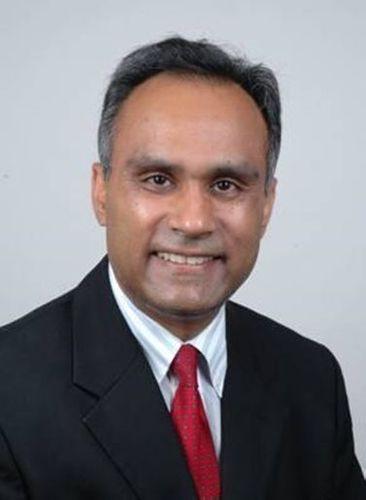
Associate Director
Pulmonology
New Delhi
20+ Years
Experience
Apolo Delhi
Hospital
1500
Fees
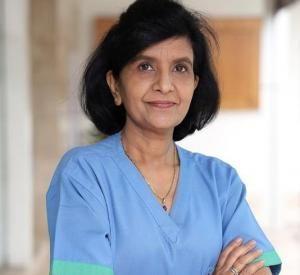
Associate Director
Pulmonology
New Delhi
22+ Years
Experience
Apolo Delhi
Hospital
1500
Fees
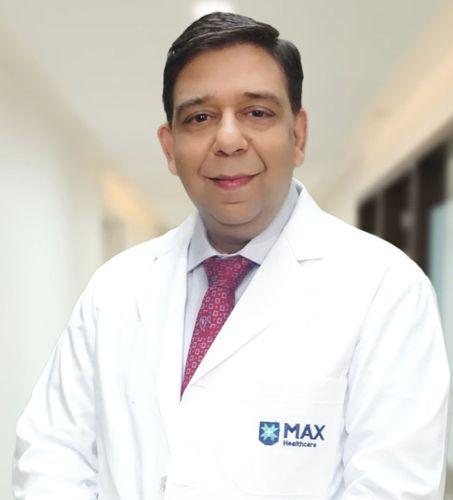
Senior Consultant
Cardiac Sciences, Interventional Cardiology
New Delhi
25+ Years
Experience
Apolo Delhi
Hospital
1500
Fees
Get Personalized Medical Treatment Options From India's Top Hospitals. Our Medical Experts Are Ready To Assist You Every Step Of The Way.