
Interventional Radiology Procedures Treatment in Mumbai for UAE
Need Personalized Advice?
Our medical experts are ready to answer your questions and guide you through your treatment options.
Our medical experts are ready to answer your questions and guide you through your treatment options.
For many patients in the UAE seeking specialized interventional radiology procedures, the journey to finding advanced and affordable care can often feel overwhelming. Concerns about treatment quality, access to leading specialists, and managing the overall patient experience abroad are natural and important considerations.
Patients often look beyond their home country when complex medical needs arise, seeking facilities that combine cutting-edge technology with experienced medical teams. Mumbai stands out as a preferred destination due to its robust healthcare infrastructure, offering a comprehensive environment for advanced interventional radiology.
Mumbai's medical landscape is recognized for its world-class hospitals and highly skilled interventional radiologists. The city offers a seamless continuum of care, from initial consultation and diagnosis to complex procedures and essential follow-up, ensuring a well-coordinated treatment pathway for international patients.
Is Mumbai the right choice for your interventional radiology needs?
Interventional radiology procedures are minimally invasive treatments performed using image guidance, such as X-rays, CT scans, ultrasound, or MRI. Instead of open surgery, interventional radiologists use tiny catheters and wires inserted through small incisions to diagnose and treat conditions across nearly all organ systems. This approach often leads to less pain, fewer risks, and quicker recovery times compared to traditional surgical methods. These procedures effectively address a wide range of medical issues, from vascular problems to cancer and organ dysfunction.
Patients can access various types of interventional radiology procedures in Mumbai, including:
The specific steps for an interventional radiology procedure depend on the condition being treated and the chosen method. However, a general outline provides insight into the process.
Patients typically receive local anesthesia or conscious sedation to ensure comfort. The area of insertion, usually the groin or wrist, is sterilized and numbed. The interventional radiology team monitors vital signs throughout the process.
A small incision, often just a few millimeters, is made. Using real-time imaging guidance, a thin catheter or needle is carefully guided through blood vessels or tissues to the treatment site. Specialized tools are then deployed through the catheter to perform the intervention, such as opening a blocked artery with a balloon, delivering chemotherapy directly to a tumor, or sealing off a bleeding vessel.
Once the procedure is complete, the catheter is removed, and gentle pressure is applied to the incision site to prevent bleeding. The small entry point typically requires only a bandage. Patients are then moved to a recovery area for observation.
Recovery from interventional radiology procedures is generally quicker and less involved than traditional surgery. Most patients experience minimal discomfort at the incision site, which can be managed with over-the-counter pain relievers. Depending on the procedure, some patients may go home the same day, while others may require a short hospital stay for observation. Activity restrictions are usually temporary, and patients are often advised to avoid strenuous activities for a few days to a week. Follow-up appointments are crucial to monitor healing and ensure the success of the treatment.
The success rates for interventional radiology procedures are generally high, often exceeding 85-95% depending on the specific condition and procedure. Outcomes can vary based on the patient's overall health, the stage of their condition, and the expertise of the medical team. Long-term expectations are usually positive, with many patients experiencing significant improvement in symptoms and quality of life. Regular follow-up with specialists helps monitor the long-term efficacy.
The cost of interventional radiology procedures in Mumbai can vary significantly based on several factors. These include the complexity of the procedure, the specific hospital chosen, the experience of the interventional radiologist, the type of technology utilized, and the duration of any required hospital stay. Mumbai offers a competitive pricing structure without compromising on quality.
Generally, interventional radiology procedures in Mumbai can range from INR 1,50,000 to INR 7,00,000, or higher for very complex cases.
Mumbai provides a cost-effective alternative for advanced medical treatments compared to many Western countries, making it an attractive option for international patients.
| Location | Estimated Cost Range (USD) |
|---|---|
| Mumbai, India | $1,800 - $8,500 |
| United Kingdom | $8,000 - $25,000 |
| Singapore | $7,000 - $20,000 |
| Thailand | $5,000 - $15,000 |
| Turkey | $4,000 - $12,000 |
Connect with our patient support team to get personalized cost estimates and hospital options tailored to your interventional radiology needs.
Take the first step towards world-class interventional radiology treatment. Reach out to our team for a free consultation and guidance.
Choosing Mumbai for your interventional radiology procedures means opting for advanced care, experienced specialists, and a supportive environment for your medical journey.
India offers premium medical procedures at affordable prices. Discover our most popular treatments, delivered by the country's finest doctors.
Meet our team of highly qualified and experienced medical professionals dedicated to providing the best healthcare services.

Sr. Consultant – Women Imaging
Radiology (Specializing in Women's Imaging)
Haryana
15+ Years
Experience
Artemis Hospital
Hospital
1500
Fees
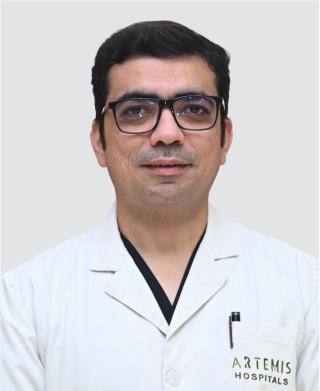
Director & Chief
Neurointerventional Surgery
New Delhi
15+ Years
Experience
Artemis Hospital
Hospital
1500
Fees
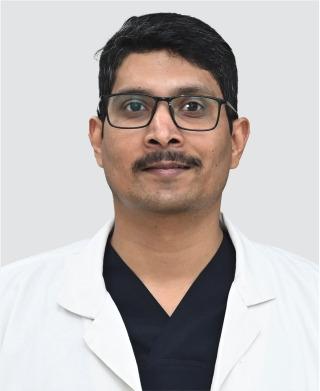
Additional Consultant - Neuro Interventional Surgery
Neurointerventional Surgery
New Delhi
20+ Years
Experience
Artemis Hospital
Hospital
1500
Fees

Chief - Liver Transplant & Sr. Consultant - GI & HPB Surgery
Liver and Biliary Sciences, Organ Transplant
New Delhi
15+ Years
Experience
Artemis Hospital
Hospital
1500
Fees

Head Imaging & Chief DNB Program
Radiology
New Delhi
19+ Years
Experience
Artemis Hospital
Hospital
1500
Fees
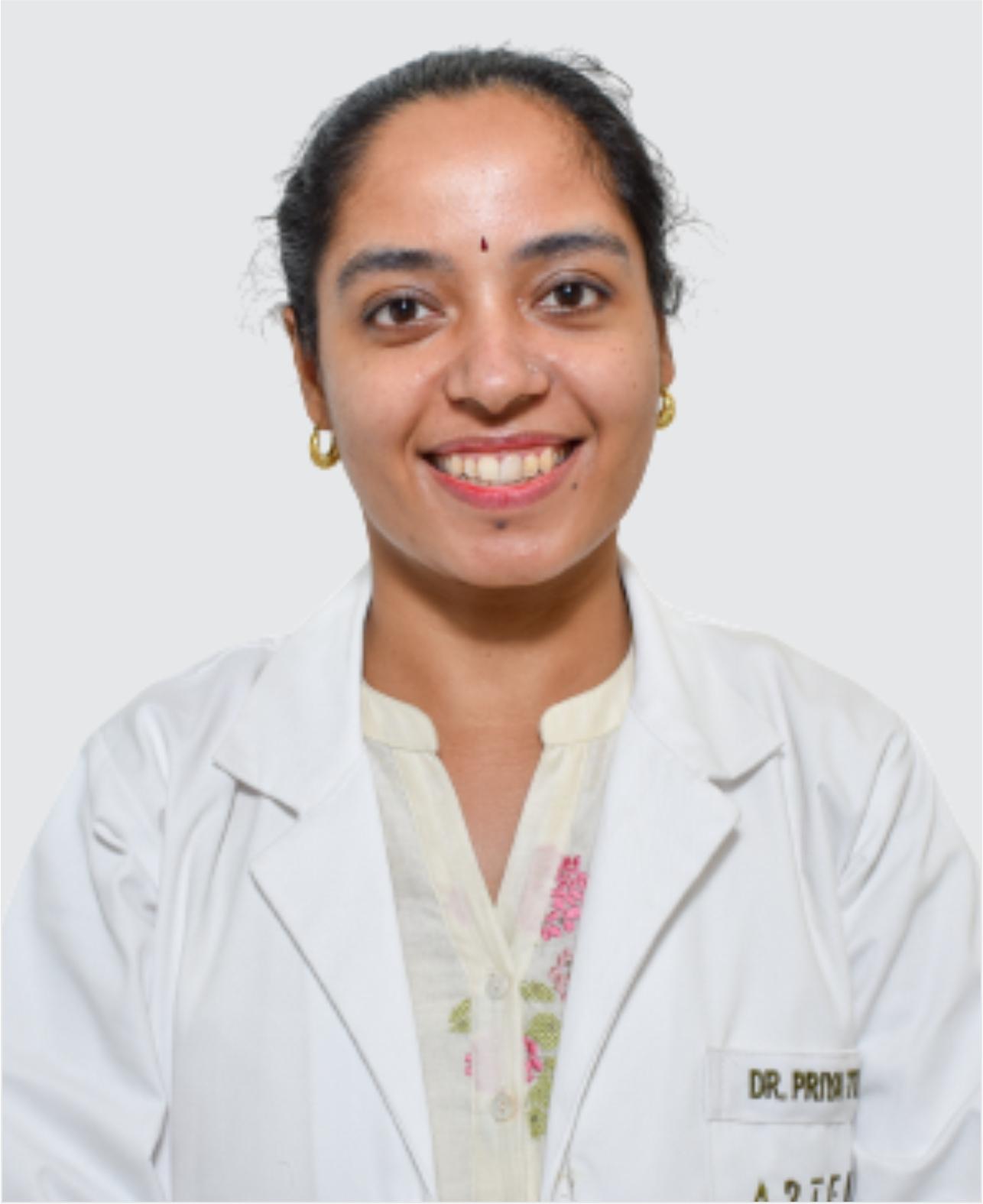
Sr. Consultant
Radiology
New Delhi
12+ Years
Experience
Artemis Hospital
Hospital
1500
Fees

Vice Chairman, Cardiac Sciences, Cardiology, Interventional Cardiology, Cardiac Electrophysiology-Pacemaker & Director & HOD (Interventional Cardiology) at Max Super Speciality Hospital, Shalimar Bagh, Delhi
Interventional Cardiology
New Delhi
26+ Years
Experience
Max Hospital,Gurgaon
Hospital
1500
Fees
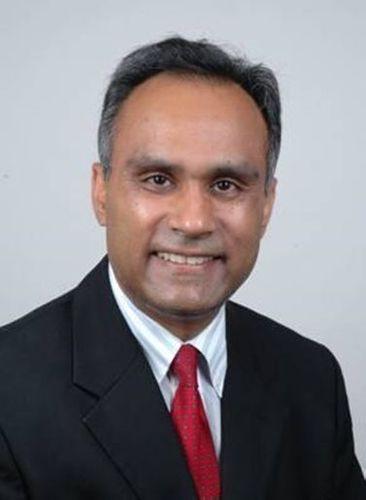
Associate Director
Pulmonology
New Delhi
20+ Years
Experience
Apolo Delhi
Hospital
1500
Fees
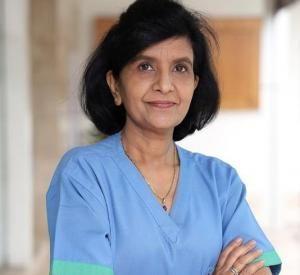
Associate Director
Pulmonology
New Delhi
22+ Years
Experience
Apolo Delhi
Hospital
1500
Fees

Senior Consultant
Cardiac Sciences, Interventional Cardiology
New Delhi
25+ Years
Experience
Apolo Delhi
Hospital
1500
Fees
Get Personalized Medical Treatment Options From India's Top Hospitals. Our Medical Experts Are Ready To Assist You Every Step Of The Way.