
Kidney Transplant Treatment in India for Ethiopia
Need Personalized Advice?
Our medical experts are ready to answer your questions and guide you through your treatment options.
Our medical experts are ready to answer your questions and guide you through your treatment options.
For many Ethiopian patients facing severe kidney failure, the prospect of a kidney transplant brings complex questions. Concerns about finding advanced medical care, skilled specialists, and affordable solutions often weigh heavily on their minds.
This critical health need often leads individuals to explore medical treatment beyond their home country. India stands out as a preferred destination, offering comprehensive kidney transplant programs in numerous top-tier medical centers nationwide.
India's medical sector is globally recognized for its JCI and NABH accredited hospitals, equipped with state-of-the-art technology and expert nephrology teams. This widespread medical excellence ensures high standards of care across the country.
How can India provide the life-changing kidney transplant you seek?
A kidney transplant is a surgical procedure to replace a non-functioning kidney with a healthy one from a donor. It offers the most effective long-term treatment for end-stage renal disease (ESRD), allowing patients to regain quality of life and freedom from dialysis dependency.
Kidney transplants are primarily defined by the donor source and immunological strategies:
The kidney transplant procedure involves carefully planned stages, tailored to each patient.
The new kidney is placed in the lower abdomen, connected to major blood vessels and the bladder. Native kidneys are usually left in place.
Typically a minimally invasive laparoscopic procedure, involving small incisions to remove one healthy kidney, ensuring quicker donor recovery.
Close monitoring follows surgery. Lifelong immunosuppressant drugs are crucial to prevent organ rejection and ensure transplant success.
Recovery typically includes a 5-10 day hospital stay for recipients. Frequent follow-up appointments, blood tests, and adherence to physical activity restrictions are vital. Consistent medication management, infection prevention, and a healthy lifestyle are crucial for long-term success.
Success rates are high: >95% at one year for living donor, >90% for deceased donor. Long-term success varies based on patient health and diligent aftercare.
India offers competitive kidney transplant costs, significantly lower than Western nations without compromising quality. Factors influencing price include hospital choice, surgeon's fees, donor type, hospital stay duration, and any required advanced treatments or complications. Pre-transplant evaluations and lifelong medications also contribute.
Typically, the cost for a kidney transplant in India ranges from INR 8,00,000 to INR 18,00,000.
| City | Estimated Cost Range (INR) |
|---|---|
| Delhi | 8,50,000 - 17,00,000 |
| Mumbai | 9,00,000 - 18,00,000 |
| Chennai | 8,00,000 - 16,50,000 |
| Bangalore | 8,75,000 - 17,50,000 |
| Hyderabad | 8,20,000 - 16,00,000 |
| Kolkata | 7,80,000 - 15,50,000 |
| Ahmedabad | 7,50,000 - 15,00,000 |
| Country | Estimated Cost (USD) |
|---|---|
| India | 10,000 - 22,000 |
| USA | 150,000 - 400,000 |
| UK | 70,000 - 120,000 |
| Singapore | 60,000 - 100,000 |
| Turkey | 25,000 - 40,000 |
| South Africa | 30,000 - 50,000 |
Connect with leading kidney transplant specialists in India for a personalized treatment plan and cost estimate.
India's expertise in kidney transplants offers a hopeful and high-quality solution for Ethiopian patients seeking life-changing care.
Our team assists Ethiopian patients from initial inquiry to post-treatment support. Reach out today.
India offers premium medical procedures at affordable prices. Discover our most popular treatments, delivered by the country's finest doctors.
Meet our team of highly qualified and experienced medical professionals dedicated to providing the best healthcare services.

Sr. Consultant - Urology & Kidney Transplant Program (Unit I)
Urology, Kidney Transplant, Urological Cancers
Haryana
8+ Years
Experience
Artemis Hospital
Hospital
1500
Fees

Sr. Consultant – Women Imaging
Radiology
New Delhi
15+ Years
Experience
Artemis Hospital
Hospital
1500
Fees

Associate Chief - Cardiology (NIC)
Cardiology
New Delhi
18+ Years
Experience
Artemis Hospital
Hospital
1500
Fees
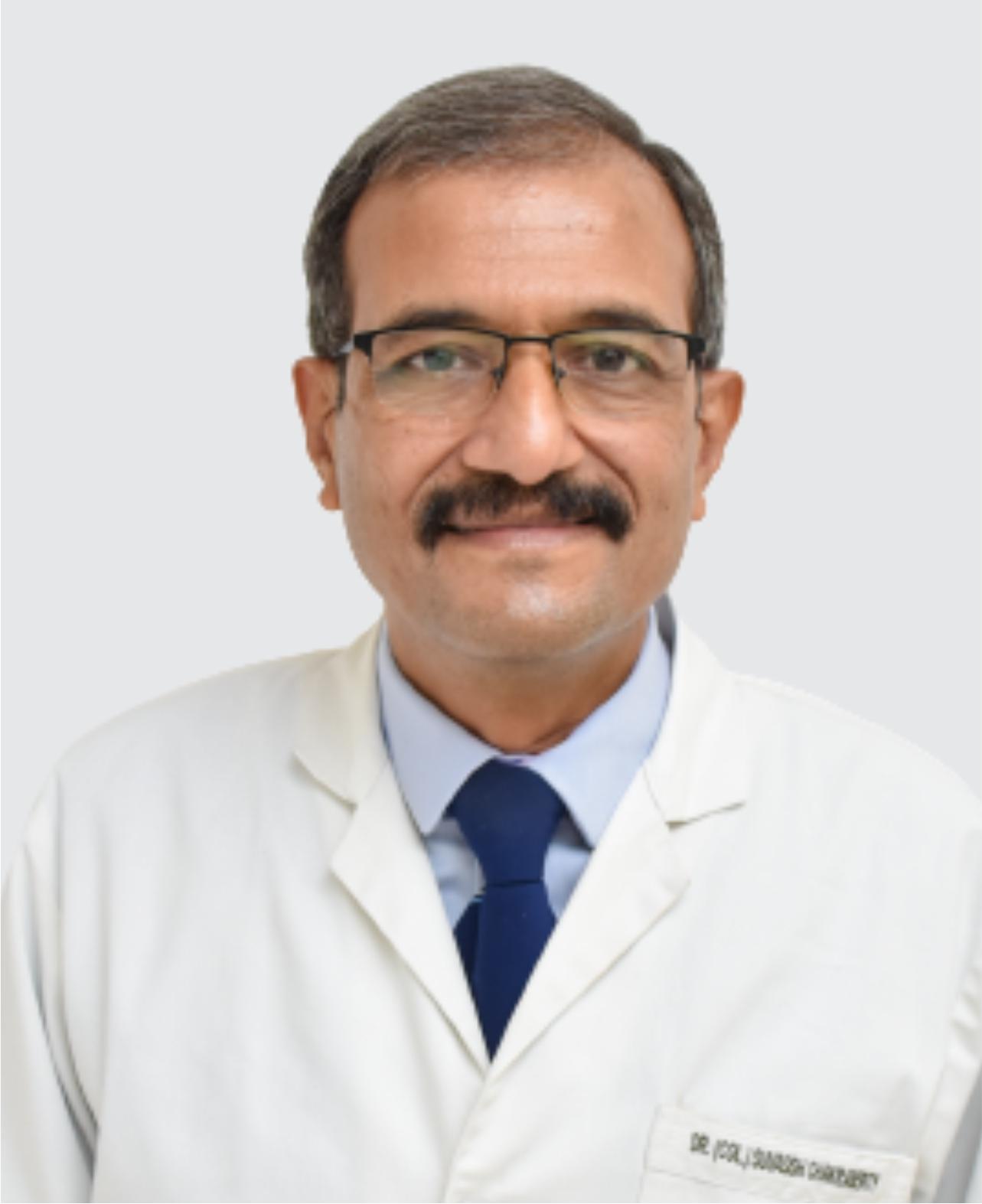
Chief - Emergency
Emergency & Trauma Services
New Delhi
25+ Years
Experience
Artemis Hospital
Hospital
1500
Fees

Sr. Consultant
ENT, ENT Surgery
New Delhi
10+ Years
Experience
Artemis Hospital
Hospital
1500
Fees

Co-Head Psychological Services
Mental Health and Behavioural Sciences
New Delhi
15+ Years
Experience
Artemis Hospital
Hospital
1500
Fees

Associate Consultant – Department of Nephrology
Nephrology, Kidney Transplant
New Delhi
8+ Years
Experience
Artemis Hospital
Hospital
1500
Fees

Head of Department - Gynae Endocrinology & DNB Program Director - Obs & Gynae
Gynaecological Endocrinology, Maternity, Obstetrics & Gynaecology
New Delhi
35+ Years
Experience
Artemis Hospital
Hospital
1500
Fees

Senior Consultant Urology and Andrology/ Renal Transplant Surgeon/ Robotic Surgery Specialist
Urology
New Delhi
14+ Years
Experience
Artemis Hospital
Hospital
1500
Fees

Senior Consultant - ENT
ENT and Head & Neck Surgery
New Delhi
24+ Years
Experience
Artemis Hospital
Hospital
1500
Fees
Get Personalized Medical Treatment Options From India's Top Hospitals. Our Medical Experts Are Ready To Assist You Every Step Of The Way.