
Minimally Invasive Coronary Artery Bypass Surgery (MICS CABG) Treatment in India for Iraq
Need Personalized Advice?
Our medical experts are ready to answer your questions and guide you through your treatment options.
Our medical experts are ready to answer your questions and guide you through your treatment options.
Patients from Iraq facing cardiac concerns often seek the best possible care, especially when considering complex procedures like Minimally Invasive Coronary Artery Bypass Surgery. The thought of surgery, recovery, and finding reliable treatment abroad can bring significant apprehension and many questions about the journey ahead.
Many international patients, including those from Iraq, explore options beyond their borders to access advanced medical technologies and specialized surgical expertise. India has emerged as a leading destination, offering world-class cardiac care across various metropolitan cities and healthcare hubs equipped with modern facilities.
India's healthcare ecosystem is recognized for its highly skilled cardiothoracic surgeons, state-of-the-art hospitals, and comprehensive patient support services. The country's medical infrastructure provides a robust network of facilities dedicated to delivering excellent outcomes for complex heart conditions through advanced surgical methods.
Is India the right choice for your MICS CABG treatment journey?
Minimally Invasive Coronary Artery Bypass Surgery (MICS CABG) is an advanced surgical approach to treat coronary artery disease (CAD). Unlike traditional open-heart surgery, it utilizes smaller incisions, often between the ribs, to access the heart without needing to cut the breastbone. This technique allows surgeons to graft healthy blood vessels to bypass blocked coronary arteries, effectively restoring blood flow to the heart muscle. The primary goal is to alleviate symptoms such as chest pain and shortness of breath, while significantly reducing the risk of future cardiac events. This minimally invasive method is designed for less pain, a faster recovery, and a shorter hospital stay compared to conventional bypass surgery, focusing on patient comfort and optimal long-term results.
Different approaches can be used within the spectrum of Minimally Invasive Coronary Artery Bypass Surgery, tailored to the patient's condition and the surgeon's expertise:
The precise steps for MICS CABG depend on the patient's specific cardiac condition, the number of vessels to be bypassed, and the surgeon's chosen approach.
Patients receive general anesthesia, ensuring they are completely unconscious during the procedure. The surgical team meticulously prepares the chest area, and the surgeon carefully plans the incision site, which is typically a small cut on the left side of the chest, usually between the ribs.
A healthy blood vessel, most commonly the internal mammary artery from the chest wall, or sometimes a leg vein, is harvested. For MICS procedures, this is often done using minimally invasive techniques, either endoscopically or through a small, separate incision, preserving surrounding tissues.
The surgeon makes a small incision, typically ranging from 3 to 5 inches, between the ribs without the need to cut or split the breastbone (sternum). Specialized instruments and visualization tools are then carefully inserted to access and work on the heart.
Using highly precise surgical techniques, the harvested graft vessel is connected to the aorta and then to the coronary artery beyond the area of blockage. This critical step creates a new, clear pathway for blood to flow, effectively bypassing the obstructed segment and restoring vital blood supply to the heart muscle.
Once all necessary bypasses are completed and confirmed to be functioning correctly, the small incisions are meticulously closed layer by layer. Temporary drains may be placed to manage any fluid accumulation. The patient is then carefully transferred to the intensive care unit for close monitoring and initial recovery.
Recovery from Minimally Invasive Coronary Artery Bypass Surgery is generally quicker and less painful compared to traditional open-heart surgery. Patients typically spend a few days in the intensive care unit, followed by several more days in a regular hospital room before discharge. Effective pain management is a key focus, and patients are encouraged to begin light activities like walking soon after the procedure to aid circulation and recovery. Restrictions on lifting heavy objects and engaging in strenuous physical activities are common for several weeks. A comprehensive cardiac rehabilitation program is often recommended to strengthen the heart, improve overall fitness, and facilitate a smoother return to daily life. Regular follow-up appointments with the cardiologist are crucial to monitor progress, manage any ongoing medications, and ensure long-term heart health.
• Risk of infection at the surgical incision sites
• Possibility of bleeding, which may require transfusion, or blood clot formation
• Potential for abnormal heart rhythms (arrhythmias) post-surgery
• Low risk of stroke or heart attack occurring during or immediately after the procedure
• Nerve injury or persistent pain in the incision area, though typically less severe than open surgery
• Rare occurrences of kidney complications or temporary cognitive changes
• In unforeseen circumstances, a need for conversion to traditional open-heart surgery
MICS CABG generally boasts high success rates, significantly improving patient symptoms and enhancing quality of life. The precise success rate can vary based on individual patient factors, including the complexity of the blockages, the surgeon's experience, and the patient's overall health status. Most patients experience substantial relief from angina and a notable improvement in their ability to perform daily activities without discomfort. Long-term outcomes are positive, with many bypass grafts remaining open and functional for 10-15 years or even longer. Adherence to post-operative care instructions, prescribed medication regimens, and necessary lifestyle changes is absolutely vital for maintaining these positive results and ensuring sustained cardiovascular health over the years.
The cost of Minimally Invasive Coronary Artery Bypass Surgery in India is influenced by several important factors. These include the choice of hospital (ranging from large private multi-specialty institutions to smaller specialized facilities), the specific cardiac surgeon's fees and their level of experience, the number of bypasses required, the type of technology employed (e.g., robotic assistance), the length of the hospital stay, and any additional medical complications or pre-existing conditions that might necessitate extended or specialized care.
Typically, the cost for MICS CABG in India can range from approximately 4,00,000 INR to 8,00,000 INR.
| City | Estimated Cost Range (USD) |
|---|---|
| Delhi | $5,500 – $9,000 |
| Mumbai | $6,000 – $9,500 |
| Chennai | $5,000 – $8,500 |
| Bengaluru | $5,800 – $9,200 |
| Hyderabad | $5,200 – $8,800 |
| Kolkata | $4,800 – $8,200 |
| Ahmedabad | $5,000 – $8,000 |
| Country | Estimated Cost Range (USD) |
|---|---|
| India | $5,000 – $9,500 |
| USA | $40,000 – $80,000 |
| UK | $35,000 – $60,000 |
| Germany | $30,000 – $55,000 |
| Thailand | $15,000 – $25,000 |
| Turkey | $12,000 – $20,000 |
| Iraq | $18,000 – $35,000 |
Connect with our expert medical coordinators to understand your MICS CABG options, get tailored cost estimates, and plan your journey to India.
Take the first step towards a healthier heart by connecting with our expert team today for personalized guidance and support on your treatment journey.
Reach out to us for comprehensive support and guidance on accessing world-class Minimally Invasive Coronary Artery Bypass Surgery in India.
India offers premium medical procedures at affordable prices. Discover our most popular treatments, delivered by the country's finest doctors.

Sector 51, Gurugram, Haryana, India
Artemis Hospital
Meet our team of highly qualified and experienced medical professionals dedicated to providing the best healthcare services.

Sr. Consultant - Urology & Kidney Transplant Program (Unit I)
Organ Transplant, Urology
New Delhi
8+ Years
Experience
Artemis Hospital
Hospital
1500
Fees

Sr. Consultant
Internal Medicine
New Delhi
12+ Years
Experience
Artemis Hospital
Hospital
1500
Fees

Chief and Unit Head - Orthopaedics (Unit III)
Orthopaedic Surgery, Orthopaedics, Robotic Surgery
New Delhi
20+ Years
Experience
Artemis Hospital
Hospital
1500
Fees

Chairperson, Adult Cardiac Surgery & Heart - Lung Transplant
Cardio Thoracic and Vascular Surgery, Vascular Surgery
New Delhi
34+ Years
Experience
Artemis Hospital
Hospital
1500
Fees
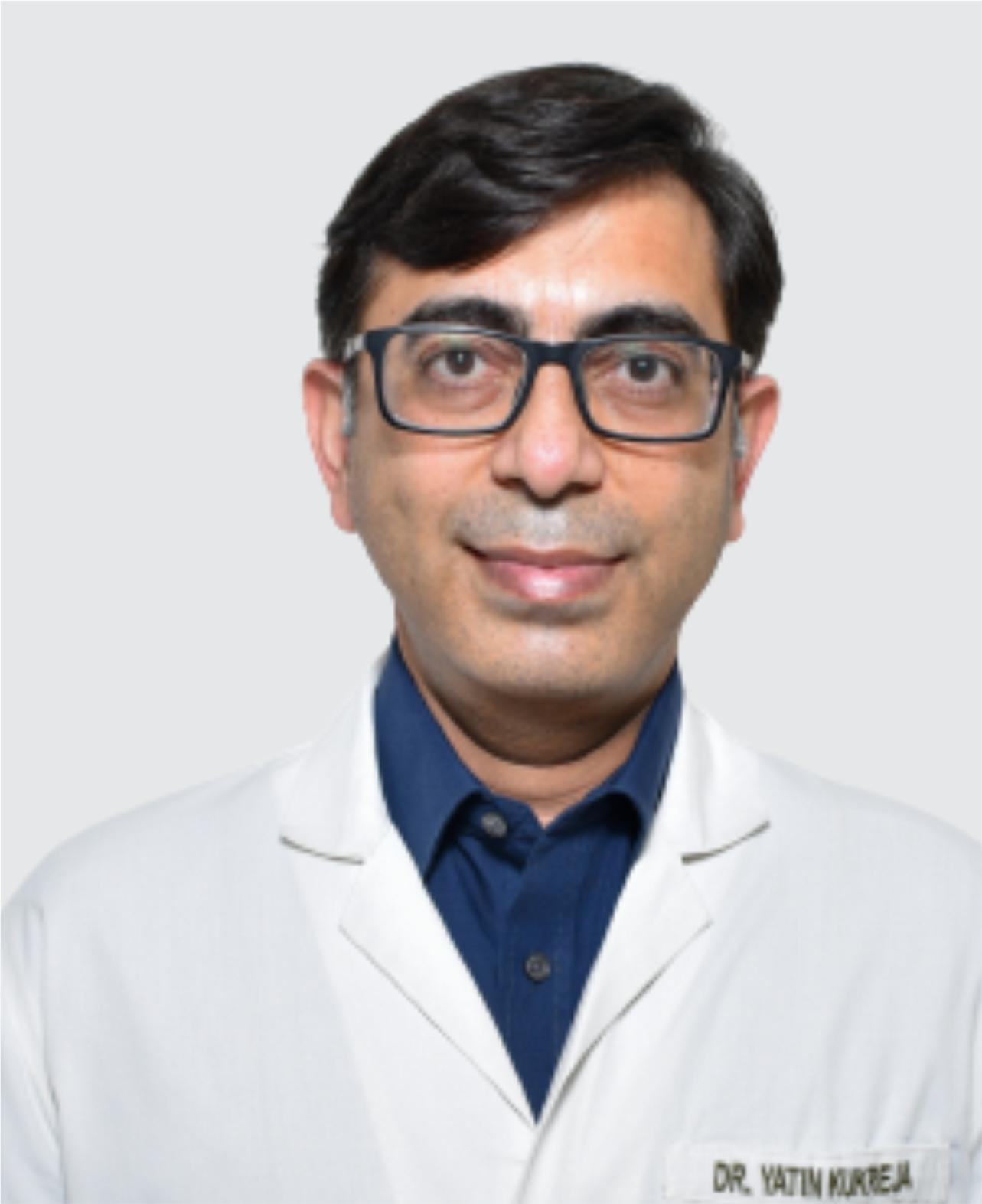
Director
Cardiology
New Delhi
14+ Years
Experience
Artemis Hospital
Hospital
1500
Fees

Vice Chairman, Cardiac Sciences, Cardiology, Interventional Cardiology, Cardiac Electrophysiology-Pacemaker & Director & HOD (Interventional Cardiology) at Max Super Speciality Hospital, Shalimar Bagh, Delhi
Interventional Cardiology
New Delhi
26+ Years
Experience
Max Hospital,Gurgaon
Hospital
1500
Fees

Director - CTVS
Cardiac Surgery
New Delhi
27+ Years
Experience
Apolo Delhi
Hospital
1500
Fees

Associate Director - CTVS (Cardiothoracic and Vascular Surgery)
Cardiothoracic and Vascular Surgery
New Delhi
26+ Years
Experience
Apolo Delhi
Hospital
1500
Fees

Associate Director
Cardiac Surgery
New Delhi
24+ Years
Experience
Apolo Delhi
Hospital
1500
Fees
Senior Consultant, Cardiac Surgery
Cardiac Surgery
New Delhi
18+ Years
Experience
Apolo Delhi
Hospital
1500
Fees
Get Personalized Medical Treatment Options From India's Top Hospitals. Our Medical Experts Are Ready To Assist You Every Step Of The Way.