

Minimally Invasive Coronary Artery Bypass Surgery (MICS CABG) Success Rate in India
The Minimally Invasive Coronary Artery Bypass Surgery (MICS CABG) Success Rate in India reaches 97.0% for surgical survival across major cardiac centres. Published statistics describe population groups, not individual outcomes.MICS CABG aims to restore normal blood flow to the heart muscle by bypassing blocked coronary arteries using grafts (usually arteries from the chest wall or veins from the leg). The primary goal is to alleviate symptoms like chest pain (angina), reduce the risk of heart attack, and improve overall heart function and quality of life. This technique is preferred for its reduced invasiveness, quicker return to daily activities, and excellent long-term outcomes for suitable patients.
Plan My Journey
Tell us your condition and budget - our AI matches the right destination, hospital and doctor and visa pathway
Cost calculator
I know my treatment - show me cost from 3 hospitals
5K+ International Patients Treated
40+ Source Countries Served
500+ Accredited Partner Hospitals
98% Patient Satisfaction
80% Average Savings vs USA
10K+ Doctors
NABH, JCI Accredited Hospitals
Free Treatment Plan
Free Consultation with Doctor
5+ Destinations Covered

Written by DivinHeal Editorial Contributor, DivinHeal Medical Team, Healthcare Advisory Team Published on: August 31, 2026
How success is measured for Minimally Invasive Coronary Artery Bypass Surgery (MICS CABG)
Surgical registries evaluate heart bypass outcomes through thirty-day survival rates, graft openness, and recovery milestones.
Clinics track surgical survival during the initial hospital stay. Surgeons measure graft patency to confirm blood flows through new vessels. Lower infection rates indicate proper healing without sternal bone cuts.
Surgical Survival and Long-Term Graft Patency
Surgeons monitor graft openness after heart bypass procedures. Arterial grafts remain open longer than vein grafts. High patency rates protect patients against future coronary blockages.
Reduced Complication and Infection Rates
Keyhole incisions lower wound infection risks compared to traditional chest opening. Patients experience less blood loss during surgery. Fewer transfusions help speed early physical recovery.
Shortened ICU and Total Hospital Length of Stay
Smaller chest cuts reduce intensive care monitoring time. Most patients leave intensive care within two days. Shorter hospital stays reduce hospital-acquired infection risks.
| Metric | Value |
|---|---|
| Reported rate | 97.0% surgical survival rate |
| Who it describes | Patients undergoing keyhole coronary bypass in Indian cardiac centres |
| Period covered | Recent clinical reporting period |
| Source | Hospital Clinical Audit Reports |
Clinical audits measure keyhole bypass success through thirty-day survival and graft patency rates in India.
Success rate by country (location rate: 97.0%)
Indian cardiac hospitals report a 97.0% surgical survival rate for keyhole heart bypass procedures.
Official hospital registries track the Minimally Invasive Coronary Artery Bypass Surgery (MICS CABG) Success Rate in India to monitor surgical quality.
MICS CABG Success Rate in India: 97.0%
Major heart centres in New Delhi and Mumbai maintain high surgical survival figures. Clinical audits show a 97.0% surgical survival rate for patients receiving keyhole bypass surgery. Specialists attribute these figures to high procedure volumes and dedicated cardiac teams.
Comparative Global Benchmarks: USA, UK, and UAE
Published statistics vary between national cardiac registries due to patient selection criteria. Hospitals in London and Dubai report survival rates using different follow-up timelines. Direct comparison remains difficult because patient risk profiles differ between international registries.
Patients should review specific definitions when evaluating published clinic statistics. Published rates are not directly comparable between countries, because definitions, patient mix and reporting standards differ.
Indian hospital registries report a 97.0% surgical survival rate for keyhole coronary bypass care.
What affects your outcome
Patient age, artery condition, surgeon experience, and post-operative rehabilitation directly shape surgical outcome measures.
Surgeon Volume and Robotic/Keyhole Mastery
Surgical experience strongly influences keyhole bypass outcomes. Specialist surgeons perform dozens of keyhole bypasses each year. High surgical volume reduces operative time and technical complications.
Patient Age, Diabetes, and Vessel Health
Existing medical conditions impact surgical recovery rates. Well-controlled blood sugar improves wound healing after bypass operations. Severe peripheral artery disease requires detailed pre-operative planning.
Post-Operative Cardiac Rehabilitation Adherence
Structured exercise programs rebuild heart muscle strength after surgery. Guided physical therapy speeds safe return to daily movement. Adhering to medication schedules prevents graft blockages over time.
- Surgeon annual keyhole procedure volume and specialist training.
- Patient blood glucose control before and after surgery.
- Number and health of target coronary blood vessels.
- Participation in structured post-operative cardiac rehabilitation.
- Strict adherence to prescribed antiplatelet blood thinning medications.
- What surgical survival rate does your centre report for keyhole bypass?
- How many keyhole coronary bypass operations does the team perform annually?
- Does your reported survival figure include thirty-day post-discharge outcomes?
- What infection tracking protocols does the intensive care unit use?
Surgical mastery and patient metabolic health strongly influence keyhole coronary bypass survival rates in India.
Who this treatment helps most
Keyhole bypass surgery helps individuals with multi-vessel coronary disease who require graft surgery without breastbone division.
Patients Requiring Bypass Without Cutting the Breastbone
Avoided bone cuts protect chest stability and reduce pain. Patients maintain arm movement immediately following the operation. Bone preservation benefits individuals requiring quick physical independence.
High-Risk Elderly and Diabetic Individuals
Avoiding sternal division reduces deep wound infection risks for diabetic patients. Elderly individuals experience lower physical strain during keyhole bypass operations. Faster healing supports earlier mobility for frail patients.
International Medical Tourists Needing Rapid Recovery
Shorter hospital stays allow overseas patients to travel home sooner. Reduced wound healing time simplifies travel planning after hospital discharge. Many international patients select mics cabg for efficient recovery timelines.
Keyhole coronary bypass aids diabetic and elderly individuals by eliminating sternal bone division in India.
Safety, accreditation and where you'll be treated
Accredited cardiac facilities in India rely on international safety standards and dedicated intensive care units.
JCI and NABH Accredited Heart Centers in India
International accreditation agencies audit hospital infection control protocols. Joint Commission International standards ensure rigorous patient safety measures. National Accreditation Board for Hospitals guidelines cover surgical team qualifications.
Patients choosing cardiac care in India benefit from accredited clinical governance.
Advanced Hybrid Operating Rooms and ICU Safety
Hybrid operating rooms combine surgical equipment with real-time advanced imaging tools. Specialists monitor graft flow immediately during the bypass procedure. Specialized cardiac intensive care units provide continuous one-on-one nursing care.
Accredited heart centres in India uphold stringent international safety protocols for keyhole coronary surgery.
What recovery looks like
Recovery begins in intensive care for two days, followed by light activity within three weeks.
Immediate Post-Op Care: First 48 Hours
Cardiac nurses monitor heart rhythm continuously. Walking begins within forty-eight hours of surgery.
Timeline: Resuming Normal Activities Within 2 to 3 Weeks
Wounds heal rapidly without chest bone recovery delays. Patients resume driving and light work within three weeks. Consulting bypass specialists in India ensures safe rehabilitation guidance.
Patients recover physical mobility within three weeks after keyhole heart bypass surgery in India.
Cost alongside success
Keyhole bypass surgery in India offers lower medical expenses while maintaining audited surgical survival standards.
High Success Rates at a Fraction of Western Costs
Medical charges in Indian heart hospitals remain lower than Western facilities. Patients can review bypass surgical pricing details prior to travel.
Value Breakdown: MICS CABG vs. Traditional Open-Heart Surgery
Reduced intensive care stay lowers overall hospital billing costs. Faster recovery reduces total accommodation and rehabilitation expenses. Published survival rates remain distinct from financial comparisons.
Keyhole bypass care in India combines audited surgical survival rates with transparent hospital cost structures.
How DivinHeal supports your outcome
DivinHeal coordinates specialist evaluations, hospital arrangements, medical visas, and recovery logistics for international heart patients.
Seamless Doctor Matching and Tele-Consultations
Medical coordinators connect patients with experienced cardiac surgeons. Pre-travel video consultations allow specialists to review coronary angiograms. Overseas families seeking bypass care in India receive complete pre-arrival support.
Full Medical Visa, Logistics, and Recovery Support
Dedicated teams manage medical visa invitations and airport transport. Language interpreters support clear communication with clinical staff. Patients from West Africa can explore bypass options for Nigeria with dedicated travel assistance.
- Submit medical reports and recent coronary angiogram scans for review.
- Attend a tele-consultation with a senior cardiac surgeon.
- Receive a treatment plan and hospital cost outline.
- Obtain medical visa assistance and confirm travel arrangements.
- Undergo pre-operative cardiovascular health evaluations upon arrival.
- Complete keyhole surgery and guided hospital recovery.
- Receive post-discharge follow-up care and return travel clearance.
DivinHeal manages medical travel logistics to help international patients receive keyhole bypass care in India.
Recommended Article
Best In Vitro Fertilization (IVF) Doctors in Hyderabad
Doctors for Nephrology: Find Kidney Care Specialists
Doctors in Chennai: Find Medical Specialists in India
Best Embryo Freezing Hospitals in Hyderabad: Care Guide
Hospitals for reproductive surgery: Compare options
Hospitals in Gurugram: Guide to Quality Facilities
IVF Treatment in Haryana | Cost, Hospitals & Doctors
TAVR (Transcatheter Aortic Valve Replacement) cost in New Delhi
Tonsillectomy & Adenoidectomy Success Rate in Mumbai
Facelift & Anti-Aging Procedures in Chennai for Ethiopia Patients | Cost, Hospitals
Hospitals
NABH & JCI Accredited Hospitals in India,Turkey, Thailand & UAE.
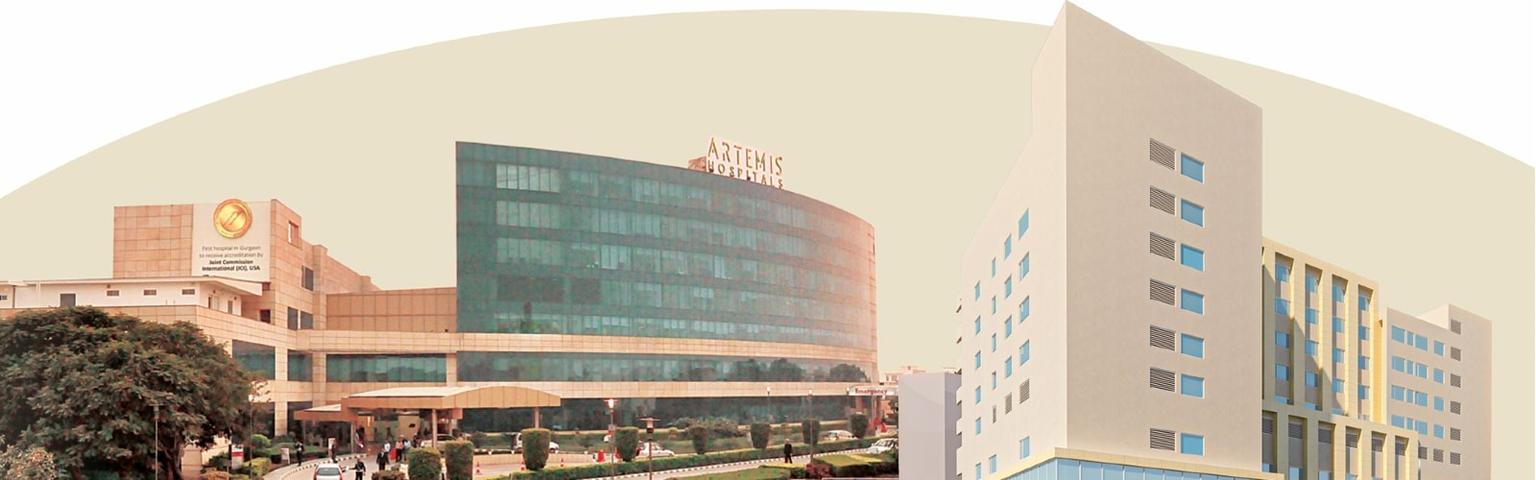
Artemis Hospital
Sector 51, Gurugram, Haryana, India

Lokmanya Hospitals
Not Specified

White Lotus Hospital
766, SFS 3145, SFS Road, 7th Sector, HSR Layout, Bengaluru, Karnataka 560102, India
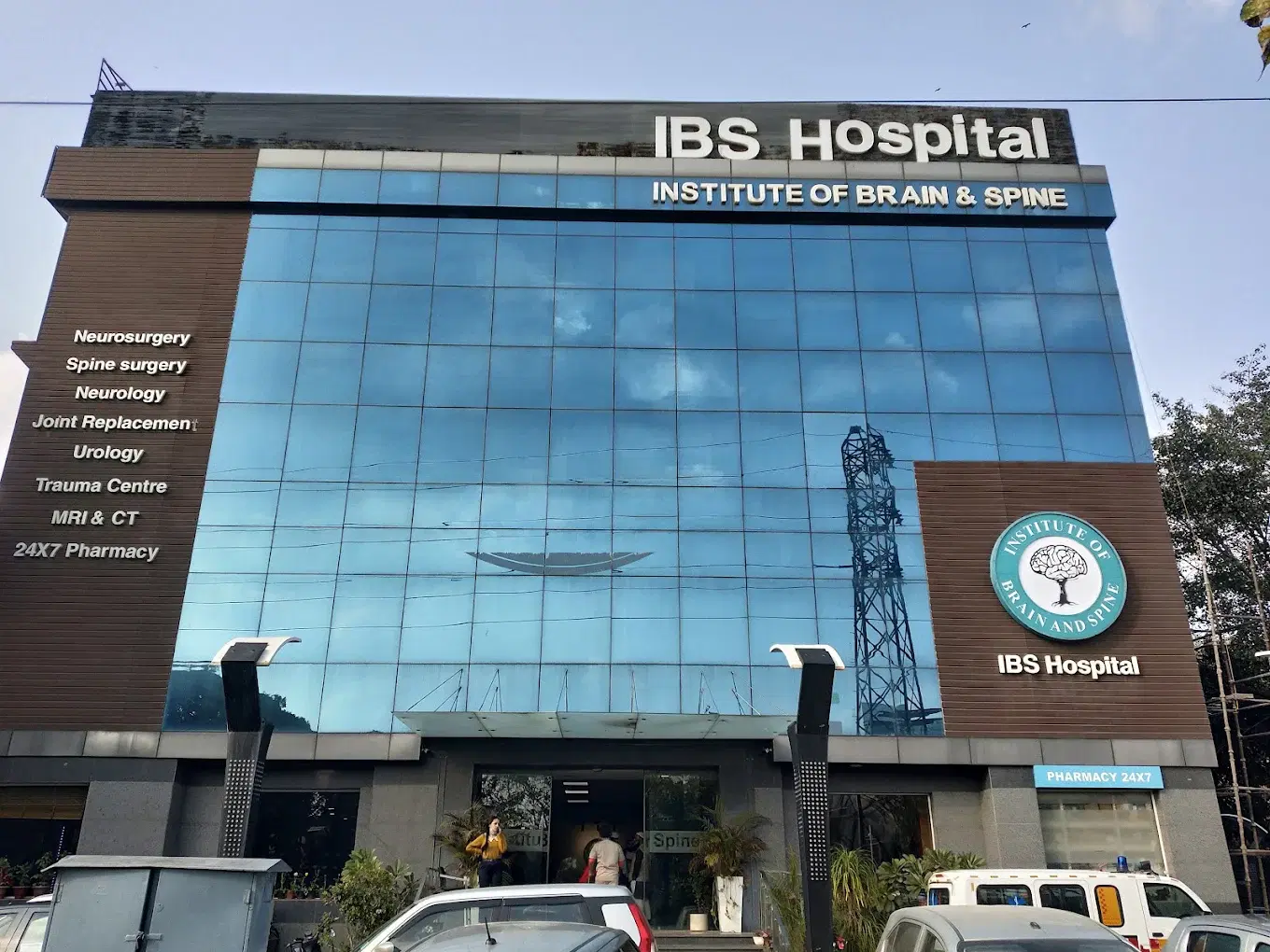
Institute of Brain and Spine (IBS Hospital)
Not Specified
Meet Our Medical Specialists




Sr. Consultant - Urology & Kidney Transplant Program (Unit I)
Dr. Abhinandan Mukhopadhyay
MBBS, MD
India

Sr. Consultant - Urology & Kidney Transplant Program (Unit I)
Dr. Abhinandan Mukhopadhyay
MBBS, MD
India
How DivinHeal Helps
We simplify your medical journey by providing comprehensive support and access to world-class healthcare.
Expert Specialist Matching
Connecting you with the world's top-rated medical experts.
Accredited Hospital Network
Access to JCI & NABH certified healthcare facilities.
Complete Travel Coordination
Hassle-free visa, stay, and local transport assistance.
24/7 Personal Care
Dedicated patient advisors supporting you at every step.
Journey Guidance
Full guidance from start to end of the patient treatment journey.
Expert Specialist Matching
Connecting you with the world's top-rated medical experts.
Everything you
need to know today
Browse through these common inquiries to better understand our patient-focused medical platform.
The success rate for Minimally Invasive Coronary Artery Bypass Surgery (MICS CABG) in India is approximately 97.0% in leading accredited cardiac centers, comparable to top global hospitals.
Yes, many patients live 20 to 30 years or more after CABG surgery, especially when combined with lifestyle modifications, prescribed medications, and regular cardiac monitoring.
MICS CABG usually takes between 3 to 4 hours to complete, depending on the number of bypass grafts required and the complexity of the patient's coronary anatomy.
While traditional open-heart CABG carries standard surgical risks, MICS CABG significantly reduces complications like bone infections, severe bleeding, and prolonged healing because the sternum remains intact.
MICS CABG offers faster recovery, less pain, lower infection risk, and no sternotomy bone cutting. However, eligibility depends on vessel anatomy and doctor evaluation.
Most patients undergoing MICS CABG in India are discharged within 4 to 6 days, compared to 8 to 10 days for conventional open-heart surgery.
Conventional CABG requires opening the chest by splitting the sternum (breastbone), while MICS CABG is performed through a small 3 to 4 inch incision between the ribs.
Yes, international patients from countries like Nigeria, Ethiopia, Iraq, Bangladesh, and the UAE frequently travel to India for MICS CABG due to high success rates and comprehensive care packages.
Still have more questions?
Book a call with our friendly team to learn how DivineHeal simplifies your healthcare journey.