
Organ Transplant Treatment in Hyderabad for Ethiopia
Need Personalized Advice?
Our medical experts are ready to answer your questions and guide you through your treatment options.
Our medical experts are ready to answer your questions and guide you through your treatment options.
For many patients in Ethiopia facing severe organ failure, the journey to a life-saving organ transplant can feel overwhelming. Concerns about advanced care availability, surgical expertise, and comprehensive post-operative support often create a sense of uncertainty.
Seeking treatment abroad becomes a crucial consideration, with many looking towards destinations known for specialized medical infrastructure. Hyderabad stands out as a preferred choice, recognized for its comprehensive transplant programs and patient-centric approach.
Patients and their families from Ethiopia find reassurance in Hyderabad’s leading hospitals, which house experienced transplant specialists and state-of-the-art facilities. The city’s medical ecosystem supports integrated care, from initial evaluation to long-term follow-ups within the city.
Considering Hyderabad for your organ transplant journey? What opportunities await you?
An organ transplant is a specialized surgical procedure where a diseased or damaged organ is replaced with a healthy one from a donor. This critical intervention is often the last resort for individuals suffering from end-stage organ failure, aiming to restore organ function, significantly improve quality of life, and extend life expectancy. The success of an organ transplant relies on precise matching between donor and recipient, meticulous surgical execution, and diligent post-operative management, including lifelong immunosuppressive therapy to prevent rejection.
Organ transplantation encompasses various types, each addressing specific organ failures:
The specific steps for an organ transplant vary depending on the organ involved and the individual patient's condition, but generally follow a structured process focused on precision and patient safety.
Once a suitable donor organ becomes available and matches the recipient, the patient undergoes immediate preparation. This includes final medical checks, anesthesia consultation, and ensuring the patient is in optimal condition for surgery. Donor organ retrieval is coordinated simultaneously to minimize ischemia time.
Under general anesthesia, the surgical team proceeds with the transplant. For some organs, like the kidney, the diseased organ may or may not be removed. For others, such as the liver or heart, the failing organ is typically excised. The new, healthy organ is then carefully positioned and connected to the recipient’s blood vessels and ducts. This intricate process requires high surgical skill and precision to ensure proper blood flow and function.
Immediately after surgery, the patient is transferred to an intensive care unit (ICU) for close monitoring. Vital signs, organ function, and potential complications are meticulously observed. This phase focuses on initiating immunosuppressive medications to prevent organ rejection, managing pain, and monitoring for any signs of infection. Gradual recovery and stabilization are the primary goals before discharge to a regular ward.
Recovery from an organ transplant is a significant journey that requires patience, commitment, and comprehensive medical support. Initial hospital stays vary but can range from several weeks to months, depending on the organ and individual progress. Patients must strictly adhere to a lifelong regimen of immunosuppressive medications to prevent organ rejection. Regular follow-up appointments, blood tests, and imaging are crucial to monitor organ function and detect any complications early. Physical therapy and rehabilitation often play a vital role in regaining strength and mobility. Dietary changes, infection prevention strategies, and psychological support are also integral parts of the long-term recovery process, helping patients adapt to their new life post-transplant.
The success rates for organ transplants have significantly improved over the years due to advances in surgical techniques, immunosuppressive drugs, and post-operative care. Success varies depending on the type of organ, the patient's overall health, and the experience of the transplant center. For instance, one-year survival rates for kidney transplants often exceed 95%, while liver and heart transplants also show very high short-term success. Long-term outcomes vary, with many recipients enjoying significantly extended and improved quality of life. However, lifelong medication and regular monitoring are essential to maintain the health of the transplanted organ and prevent complications, influencing the overall long-term success.
The cost of an organ transplant in Hyderabad is influenced by several factors, including the specific organ being transplanted, the hospital's reputation and facilities, the surgeon's expertise, the complexity of the procedure, and the duration of pre- and post-operative care. Donor evaluation, immunosuppressant medications, and potential complications can also add to the overall expenses.
The cost for an Organ Transplant in Hyderabad can typically range from INR 1,500,000 to INR 7,500,000, depending on the specific organ, hospital choice, donor situation, and overall medical complexity.
Hyderabad offers highly competitive pricing for organ transplants compared to many Western countries, without compromising on quality of care.
| Location | Estimated Cost (USD) |
|---|---|
| Hyderabad, India | $20,000 - $100,000 |
| United States | $200,000 - $1,000,000+ |
| United Kingdom | $150,000 - $500,000 |
| Singapore | $100,000 - $400,000 |
| Thailand | $50,000 - $250,000 |
Considering an organ transplant in Hyderabad? Contact us for a personalized cost estimate and detailed medical guidance.
We are here to guide you through every stage of your organ transplant journey in Hyderabad with compassion and expert medical support.
Connect with our expert team today to explore your options for an organ transplant in Hyderabad.
India offers premium medical procedures at affordable prices. Discover our most popular treatments, delivered by the country's finest doctors.
Meet our team of highly qualified and experienced medical professionals dedicated to providing the best healthcare services.
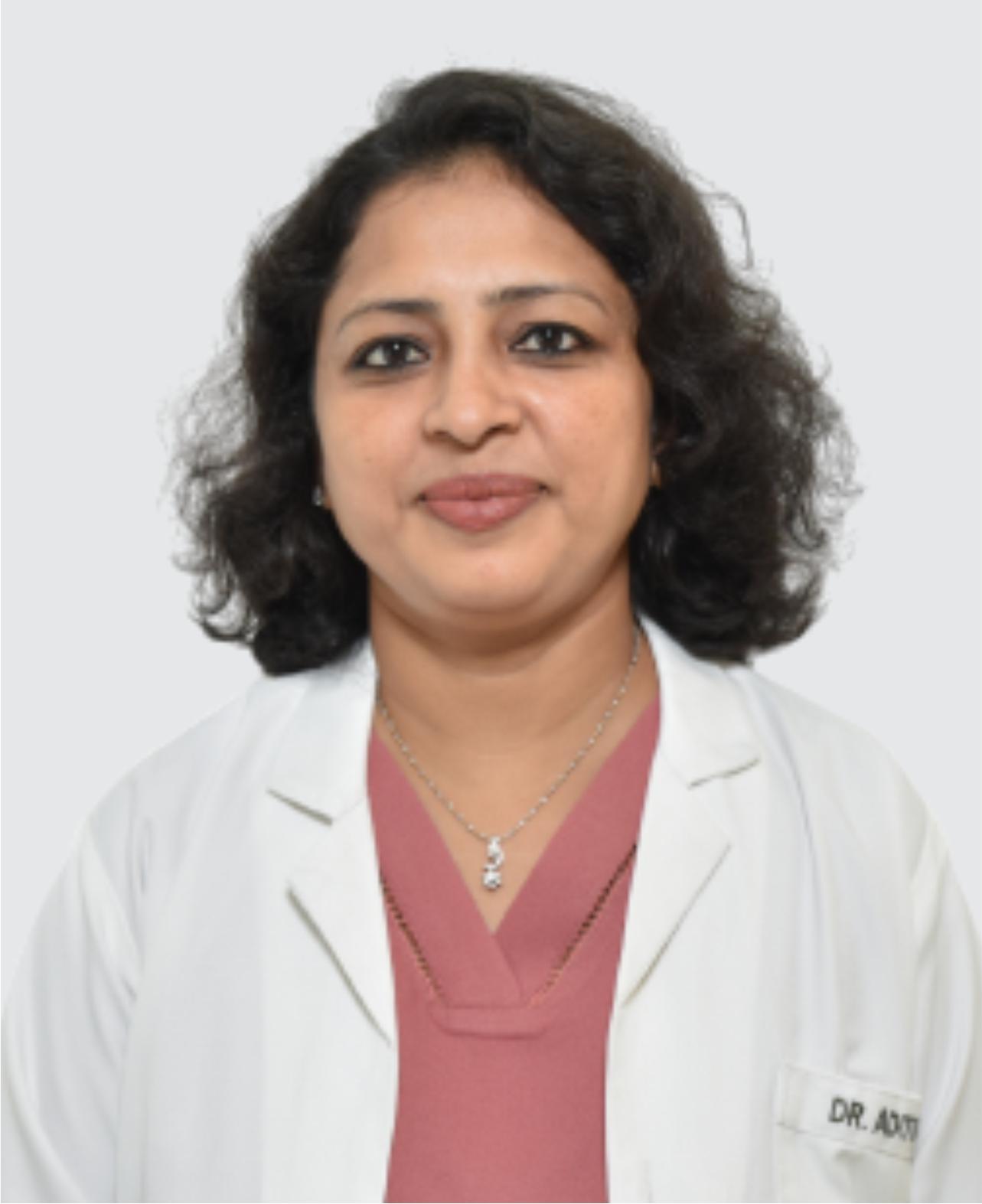
Sr. Consultant – Women Imaging
Radiology
New Delhi
15+ Years
Experience
Artemis Hospital
Hospital
1500
Fees

Associate Chief - Cardiology (NIC)
Cardiology
New Delhi
18+ Years
Experience
Artemis Hospital
Hospital
1500
Fees

Sr. Consultant
ENT, ENT Surgery
New Delhi
10+ Years
Experience
Artemis Hospital
Hospital
1500
Fees

Consultant - Urology & Renal Transplant
Urology, Renal Transplant, Robotic Surgery
New Delhi
15+ Years
Experience
Artemis Hospital
Hospital
1500
Fees

Co-Head Psychological Services
Mental Health and Behavioural Sciences
New Delhi
15+ Years
Experience
Artemis Hospital
Hospital
1500
Fees

Senior Consultant - Ortho Spine Surgery
Orthopaedic Surgery, Spine Surgery
New Delhi
12+ Years
Experience
Artemis Hospital
Hospital
1500
Fees

Associate Consultant – Department of Nephrology
Nephrology, Kidney Transplant
New Delhi
8+ Years
Experience
Artemis Hospital
Hospital
1500
Fees

Chairperson - Oncology & BMT
BMT, Oncology
New Delhi
15+ Years
Experience
Artemis Hospital
Hospital
1500
Fees

Associate Consultant
Dermatology & Cosmetology
New Delhi
7+ Years
Experience
Artemis Hospital
Hospital
1500
Fees

Head of Department - Gynae Endocrinology & DNB Program Director - Obs & Gynae
Gynaecological Endocrinology, Maternity, Obstetrics & Gynaecology
New Delhi
35+ Years
Experience
Artemis Hospital
Hospital
1500
Fees
Get Personalized Medical Treatment Options From India's Top Hospitals. Our Medical Experts Are Ready To Assist You Every Step Of The Way.