DIVINHEALSimplifying Global Wellbeing
HOME
TREATMENTS
HOSPITALS

Centres Of Excellence

Our Centres of Excellence bring together multidisciplinary teams to deliver precise diagnosis, advanced treatments, and superior outcomes across a wide spectrum of medical specialties.

Medical professionals in hospital setting

Related Links

Related Treatments

Kidney Transplant

Kidney Transplant

Treatment Price

$12000.00 USD

The goal of Kidney Transplant treatment is to restore normal kidney function in patients with End-Stage Renal Disease, eliminating the need for dialysis and improving overall health. Techniques involve meticulously connecting the new kidney's blood vessels and ureter to the recipient's system, followed by lifelong immunosuppression to prevent rejection.

Treatment Overview

The goal of Kidney Transplant treatment is to restore normal kidney function in patients with End-Stage Renal Disease, eliminating the need for dialysis and improving overall health. Techniques involve meticulously connecting the new kidney's blood vessels and ureter to the recipient's system, followed by lifelong immunosuppression to prevent rejection.

Procedures

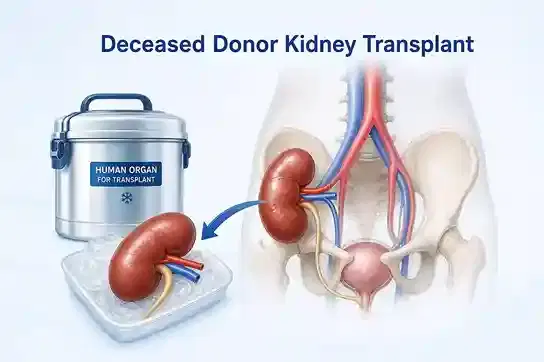
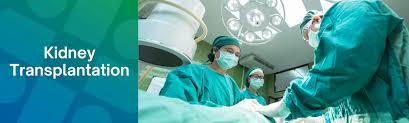
A Kidney Transplant involves several stages. First, the recipient undergoes extensive evaluation to ensure they are a suitable candidate. For living donors, they also undergo comprehensive medical and psychological assessment. During surgery, an incision is made in the lower abdomen, and the donor kidney is placed. The renal artery and vein of the new kidney are connected to the recipient's iliac artery and vein, respectively. The ureter from the new kidney is then connected to the recipient's bladder. The patient's native kidneys are typically not removed unless necessary. After surgery, patients receive immunosuppressive medications to prevent organ rejection and are closely monitored for complications and kidney function.

Benefits

The primary benefits of a successful Kidney Transplant include a dramatic improvement in quality of life, freedom from dialysis, increased energy, fewer dietary restrictions, and extended life expectancy. Patients often experience better overall health, improved cardiovascular function, and a reduction in symptoms associated with chronic kidney failure.

Recovery Information

Initial recovery involves a hospital stay of 10-14 days, during which vital signs are closely monitored, and patients learn about their new medication regimen. Full recovery can take several weeks to months, requiring careful adherence to immunosuppressants, regular follow-up appointments, and gradual return to normal activities. Lifestyle changes, including a healthy diet and exercise, are crucial for long-term graft survival.

Lung Transplant

Lung Transplant

Treatment Price

$70000.00 USD

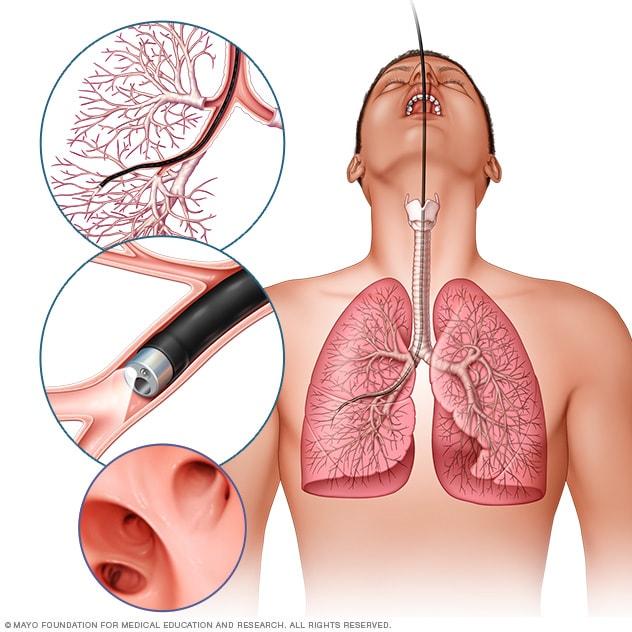
The primary goal of a Lung Transplant is to restore healthy pulmonary function, significantly improve a patient's quality of life, and extend their lifespan. This complex procedure involves careful patient selection, meticulous surgical technique, and lifelong post-operative management including immunosuppression to prevent organ rejection.

Treatment Overview

The primary goal of a Lung Transplant is to restore healthy pulmonary function, significantly improve a patient's quality of life, and extend their lifespan. This complex procedure involves careful patient selection, meticulous surgical technique, and lifelong post-operative management including immunosuppression to prevent organ rejection.

Procedures

The Lung Transplant procedure begins with comprehensive pre-transplant evaluation, including detailed medical history, physical examination, imaging, and extensive organ function tests. Once deemed a suitable candidate and a matching donor lung becomes available, the patient is admitted to the hospital. Under general anesthesia, a large incision is made on the chest (either thoracotomy for single lung or transverse sternotomy for double lung). The diseased lung(s) are carefully removed, and the new donor lung(s) are meticulously connected to the patient's main bronchus, pulmonary artery, and pulmonary veins. Surgical drains are inserted, and the chest incision is closed. Throughout the surgery, vital signs are closely monitored, and extracorporeal membrane oxygenation (ECMO) or cardiopulmonary bypass may be used to support circulation and oxygenation if needed.

Benefits

<h2>Benefits of Lung Transplant</h2> <p>A successful Lung Transplant can dramatically transform a patient's life, offering numerous profound benefits:</p> <ul> <li><h3>Significant Improvement in Breathing</h3> <p>Patients often experience an immediate and substantial improvement in their ability to breathe, alleviating chronic shortness of breath and respiratory distress.</p></li> <li><h3>Enhanced Quality of Life</h3> <p>The ability to engage in daily activities, exercise, and social interactions improves dramatically, allowing patients to regain independence and enjoy life more fully.</p></li> <li><h3>Increased Life Expectancy</h3> <p>For patients with end-stage lung disease, transplant can significantly extend their lifespan, offering many more years of healthy living.</p></li> <li><h3>Relief from Chronic Symptoms</h3> <p>Many debilitating symptoms associated with chronic lung disease, such as coughing, fatigue, and recurrent infections, are often resolved or greatly reduced.</p></li> <li><h3>Return to Active Lifestyle</h3> <p>With dedicated rehabilitation, many recipients can return to work, hobbies, and sports they once enjoyed, leading to a much more fulfilling existence.</p></li> </ul>

Recovery Information

<h2>Lung Transplant Recovery: Your Journey Back to Health</h2> <p>Recovery from a Lung Transplant is a long and challenging, yet deeply rewarding process that requires immense commitment from the patient and their support system.</p> <h3>Immediate Post-Operative Period (Hospital Stay)</h3> <ul> <li>Initially, patients are transferred to the intensive care unit (ICU) for close monitoring, often requiring mechanical ventilation.</li> <li>Hospital stay typically ranges from 2-4 weeks, depending on individual progress and the absence of complications. During this time, rehabilitation begins, including breathing exercises and gentle mobilization.</li> <li>Medications, especially immunosuppressants to prevent organ rejection, are started and carefully titrated.</li> </ul> <h3>Intermediate Recovery (First 3-6 Months)</h3> <ul> <li>After hospital discharge, patients continue with intensive pulmonary rehabilitation, physical therapy, and occupational therapy to regain strength and lung function.</li> <li>Frequent follow-up appointments, blood tests, and lung function tests are crucial to monitor for signs of rejection or infection.</li> <li>Patients must adhere strictly to their medication regimen and lifestyle modifications, including avoiding crowded places and individuals with infections.</li> </ul> <h3>Long-Term Recovery and Life After Transplant</h3> <ul> <li>Full recovery can take up to a year or even longer. Patients gradually integrate back into their normal lives, often with significantly improved lung function.</li> <li>Lifelong immunosuppression is necessary to prevent chronic rejection. This requires regular monitoring and management of potential side effects, such as kidney issues, diabetes, or increased risk of certain cancers.</li> <li>Emotional counseling and support groups are often beneficial for adapting to life post-transplant.</li> </ul> <p>DivinHeal provides comprehensive post-transplant support, connecting you with rehabilitation experts and ensuring continuity of care to maximize your recovery and long-term well-being.</p>

Heart Transplant

Heart Transplant

Treatment Price

$65000.00 USD

Heart transplantation aims to improve the quality of life and extend the lifespan of patients suffering from severe, end-stage heart failure. The procedure involves removing the patient's diseased heart and replacing it with a healthy heart from a deceased organ donor. Advanced surgical techniques and meticulous post-operative care, including lifelong immunosuppression, are crucial for successful outcomes. DivinHeal connects you to world-class cardiac centers, ensuring top-tier care from diagnosis to recovery.

Treatment Overview

Heart transplantation aims to improve the quality of life and extend the lifespan of patients suffering from severe, end-stage heart failure. The procedure involves removing the patient's diseased heart and replacing it with a healthy heart from a deceased organ donor. Advanced surgical techniques and meticulous post-operative care, including lifelong immunosuppression, are crucial for successful outcomes. DivinHeal connects you to world-class cardiac centers, ensuring top-tier care from diagnosis to recovery.

Procedures

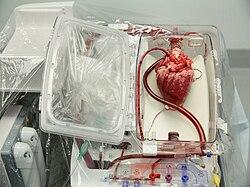
A Heart Transplant involves several critical steps. First, an eligible patient is identified and prepared for surgery. Once a suitable donor heart is available, the recipient undergoes general anesthesia. An incision is made in the chest, and the patient is placed on a heart-lung bypass machine, which temporarily takes over the functions of the heart and lungs. The surgeon then carefully removes the diseased heart, leaving the atria, and implants the donor heart. The major blood vessels—the aorta, pulmonary artery, and the vena cava—are meticulously reconnected. Once the new heart is sutured into place, the bypass machine is gradually removed, and the new heart begins to beat. The surgical team ensures proper function before closing the chest incision. The entire procedure typically takes 4 to 8 hours.

Benefits

<h2>Benefits and Positive Outcomes of Heart Transplant</h2><ul><li><h3>Extended Lifespan</h3><p>For patients with end-stage heart failure, a successful Heart Transplant significantly extends life expectancy and offers a renewed future.</p></li><li><h3>Improved Quality of Life</h3><p>Recipients often experience a dramatic improvement in symptoms like fatigue, shortness of breath, and chest pain, allowing them to lead more active and fulfilling lives.</p></li><li><h3>Restored Heart Function</h3><p>The new, healthy donor heart restores normal cardiac function, improving blood circulation and organ perfusion throughout the body.</p></li><li><h3>Return to Normal Activities</h3><p>Many patients can return to work, hobbies, and social activities they enjoyed before their illness, contributing to overall well-being.</p></li><li><h3>Hope for a New Beginning</h3><p>A Heart Transplant offers a profound sense of hope and a second chance at life, empowering patients and their families.</p></li></ul>

Recovery Information

<h2>Heart Transplant Recovery Time and Tips</h2><p>The Heart Transplant recovery time is a crucial phase, typically beginning with a stay in the Intensive Care Unit (ICU) for several days, followed by 2-3 weeks in a general hospital ward. During this period, close monitoring, pain management, and the initiation of immunosuppressive medications are paramount to prevent rejection.</p><p>Upon discharge, the initial recovery at home can take 3-6 months. Full recovery and adaptation to a new lifestyle often extend over a year. Key aspects of recovery include:</p><ul><li><h3>Lifelong Immunosuppression</h3><p>Strict adherence to anti-rejection medications is critical to prevent the body from rejecting the new heart. Regular blood tests are necessary to monitor drug levels.</p></li><li><h3>Cardiac Rehabilitation</h3><p>A structured program involving supervised exercise, nutritional counseling, and psychological support helps patients regain strength, improve cardiovascular fitness, and manage stress.</p></li><li><h3>Lifestyle Modifications</h3><p>Adopting a heart-healthy diet, regular moderate exercise, avoiding smoking and excessive alcohol, and maintaining a healthy weight are essential for long-term success.</p></li><li><h3>Infection Prevention</h3><p>Due to immunosuppression, patients are at higher risk of infections. Vigilance in hygiene, avoiding crowds, and prompt reporting of any infection signs are vital.</p></li><li><h3>Emotional and Psychological Support</h3><p>Coping with a major surgery and lifelong medication can be challenging. Counseling, support groups, and family involvement play a significant role in emotional well-being.</p></li></ul><p>DivinHeal provides ongoing support and resources for Heart Transplant recovery time and tips, connecting you with specialists and care coordinators for a successful long-term outcome.</p>

Liver Transplant

Liver Transplant

Treatment Price

$35000.00 USD

A Liver Transplant aims to restore vital liver function, improving overall health and prognosis for patients facing critical liver conditions. The procedure involves sophisticated surgical techniques, supported by advanced medical management and lifelong immunosuppressive therapy to prevent organ rejection. DivinHeal facilitates access to world-class transplant centers known for high success rates.

Treatment Overview

A Liver Transplant aims to restore vital liver function, improving overall health and prognosis for patients facing critical liver conditions. The procedure involves sophisticated surgical techniques, supported by advanced medical management and lifelong immunosuppressive therapy to prevent organ rejection. DivinHeal facilitates access to world-class transplant centers known for high success rates.

Procedures

The Liver Transplant procedure involves several critical steps. After general anesthesia is administered, a large incision is made across the upper abdomen. The diseased liver is carefully disconnected from surrounding structures, including major blood vessels (inferior vena cava, hepatic artery, portal vein) and the bile duct, and then removed. The new, healthy donor liver is then placed into the recipient's abdomen. The transplant surgeon meticulously connects the new liver's blood vessels to the recipient's, ensuring proper blood flow. Finally, the new liver's bile duct is connected to the recipient's bile duct or small intestine, and the incision is closed. The entire procedure can take 6 to 12 hours.

Benefits

<h2>Benefits of Liver Transplant</h2><ul><li><b>Life Extension:</b> A Liver Transplant offers a second chance at life for individuals with end-stage liver disease, significantly improving survival rates.</li><li><b>Improved Quality of Life:</b> Patients experience resolution of debilitating symptoms like jaundice, fatigue, ascites, and encephalopathy, leading to a much-improved quality of life.</li><li><b>Restored Liver Function:</b> The transplanted liver can perform all vital functions, allowing the body to return to a state of health.</li><li><b>Cure for Underlying Conditions:</b> For certain conditions like primary biliary cirrhosis or early hepatocellular carcinoma, a successful transplant can be curative.</li><li><b>Hope for a Future:</b> For many, it's the only viable treatment, offering renewed hope and the ability to live a full and active life.</li></ul>

Recovery Information

<h2>Liver Transplant Recovery: A Structured Path to Wellness</h2><h3>Initial Hospital Recovery</h3><p>Post-Liver Transplant, patients typically spend several days in the Intensive Care Unit (ICU) for close monitoring, followed by 2-3 weeks in a regular hospital ward. During this time, the medical team manages pain, monitors for complications like infection or rejection, and educates the patient on vital medications and self-care.</p><h3>Long-Term Rehabilitation and Lifestyle</h3><ul><li><b>Medication Adherence:</b> Lifelong immunosuppressants are crucial to prevent rejection. Strict adherence to the medication schedule is non-negotiable.</li><li><b>Diet and Nutrition:</b> A healthy, balanced diet is essential. Nutritional counseling helps manage post-transplant dietary needs and prevent complications.</li><li><b>Physical Activity:</b> Gradual increase in physical activity, guided by physical therapists, helps regain strength and mobility.</li><li><b>Emotional Support:</b> Psychological counseling and support groups are invaluable for navigating the emotional challenges of a major transplant and adapting to a new lifestyle.</li><li><b>Regular Follow-ups:</b> Frequent doctor visits and diagnostic tests are required to monitor liver function, medication levels, and overall health, ensuring the long-term success of the transplant. Full recovery and adaptation can take anywhere from 6 months to a year or more.</li></ul>

Living Donor Liver Transplant (LDLT)

Living Donor Liver Transplant (LDLT)

Treatment Price

$40000.00 USD

Overview of Living Donor Liver Transplant (LDLT)

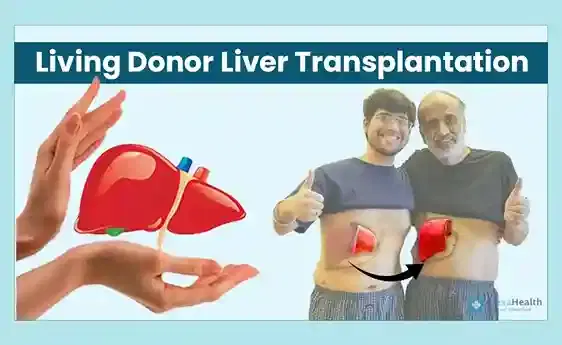
Living Donor Liver Transplant (LDLT) is a complex yet highly effective treatment for patients suffering from end-stage liver disease, acute liver failure, or certain liver cancers. The primary goal is to replace a diseased liver with a healthy, functioning liver segment from a living donor, allowing both the donor's and recipient's liver segments to regenerate to full size.

Key Techniques and Goals:

  • Recipient Surgery: Removal of the diseased liver and meticulous implantation of the donor liver segment, reconnecting blood vessels and bile ducts.
  • Donor Surgery: Careful resection of a portion (typically the right or left lobe) of the donor's liver, ensuring safety and preserving sufficient liver function for the donor.
  • Reduced Waiting Times: A major advantage, providing a timely solution for patients who might not survive a long wait for a deceased donor organ.
  • Improved Outcomes: Often results in better long-term outcomes due to elective scheduling, pre-transplant optimization, and the use of a healthy, vigorously regenerating organ.

DivinHeal connects patients with leading transplant centers globally, ensuring access to highly experienced surgical teams and state-of-the-art facilities for LDLT.

Treatment Overview

<h2>Overview of Living Donor Liver Transplant (LDLT)</h2><p>Living Donor Liver Transplant (LDLT) is a complex yet highly effective treatment for patients suffering from end-stage liver disease, acute liver failure, or certain liver cancers. The primary goal is to replace a diseased liver with a healthy, functioning liver segment from a living donor, allowing both the donor's and recipient's liver segments to regenerate to full size.</p><h3>Key Techniques and Goals:</h3><ul><li><strong>Recipient Surgery:</strong> Removal of the diseased liver and meticulous implantation of the donor liver segment, reconnecting blood vessels and bile ducts.</li><li><strong>Donor Surgery:</strong> Careful resection of a portion (typically the right or left lobe) of the donor's liver, ensuring safety and preserving sufficient liver function for the donor.</li><li><strong>Reduced Waiting Times:</strong> A major advantage, providing a timely solution for patients who might not survive a long wait for a deceased donor organ.</li><li><strong>Improved Outcomes:</strong> Often results in better long-term outcomes due to elective scheduling, pre-transplant optimization, and the use of a healthy, vigorously regenerating organ.</li></ul><p>DivinHeal connects patients with leading transplant centers globally, ensuring access to highly experienced surgical teams and state-of-the-art facilities for LDLT.</p>

Procedures

The Living Donor Liver Transplant (LDLT) procedure involves two distinct, simultaneous surgeries: one for the donor and one for the recipient. <h3>Donor Surgery:</h3> 1. <strong>Anesthesia:</strong> The donor is administered general anesthesia. 2. <strong>Incision:</strong> A large incision is made across the abdomen, typically a subcostal incision. 3. <strong>Liver Resection:</strong> The surgeon carefully separates the selected liver lobe (usually the right lobe for an adult recipient, or the left lateral segment for a child recipient) from surrounding structures, preserving vital blood vessels and bile ducts connecting to the remaining liver. 4. <strong>Vessel &amp; Duct Dissection:</strong> The blood vessels (hepatic artery, portal vein) and bile ducts supplying the lobe are meticulously dissected and divided. 5. <strong>Lobe Removal:</strong> The designated liver segment is safely removed and immediately prepared for transplantation. 6. <strong>Closure:</strong> The donor's abdominal cavity is closed in layers. <h3>Recipient Surgery:</h3> 1. <strong>Anesthesia:</strong> The recipient is also under general anesthesia. 2. <strong>Incision:</strong> A similar incision is made on the recipient's abdomen. 3. <strong>Diseased Liver Removal (Hepatectomy):</strong> The diseased liver is carefully removed by ligating and dividing all its vascular and biliary connections. 4. <strong>Donor Liver Segment Implantation:</strong> The healthy liver segment from the donor is positioned in the recipient's abdomen. 5. <strong>Vascular Anastomosis:</strong> The donor liver's blood vessels (portal vein and hepatic artery) are meticulously reconnected to the corresponding vessels in the recipient. 6. <strong>Biliary Anastomosis:</strong> The donor liver's bile duct(s) are then surgically connected to the recipient's bile duct system, or directly to a loop of small intestine (Roux-en-Y hepaticojejunostomy) if the recipient's bile duct is compromised. 7. <strong>Hemostasis &amp; Drainage:</strong> The surgical area is checked for bleeding, and drains are typically placed to remove excess fluids. 8. <strong>Closure:</strong> The recipient's abdomen is closed in layers. Both donor and recipient are then transferred to the Intensive Care Unit (ICU) for close post-operative monitoring.

Benefits

<h2>Benefits of Living Donor Liver Transplant (LDLT)</h2><p>Living Donor Liver Transplant (LDLT) offers significant advantages over deceased donor transplants and other liver disease treatments, providing a renewed chance at a healthy life. The primary benefits include:</p><ul><li><strong>Reduced Waiting Times:</strong> A critical advantage, as patients can undergo transplant much sooner, often before their condition critically worsens, leading to better pre-operative health and outcomes.</li><li><strong>Elective Scheduling:</strong> The surgery can be scheduled at an optimal time for both the donor and recipient, allowing for thorough pre-operative preparation and reducing the urgency and stress associated with sudden deceased donor availability.</li><li><strong>Superior Organ Quality:</strong> The transplanted liver segment comes from a healthy, living individual, often resulting in better initial function and overall long-term graft survival compared to organs from deceased donors, which might have endured ischemic injury.</li><li><strong>Improved Long-Term Outcomes:</strong> Studies often indicate comparable or even superior long-term survival rates for LDLT recipients due to better organ quality, elective timing, and meticulous donor-recipient matching.</li><li><strong>Psychological Benefits:</strong> The act of altruistic donation by a loved one can provide immense emotional and psychological support for both the recipient and their family, fostering a sense of hope and shared journey.</li><li><strong>Comprehensive Care Planning:</strong> The controlled nature of LDLT allows for extensive planning and preparation, ensuring that medical teams are fully ready and the patient is in the best possible condition for the procedure.</li></ul><p>DivinHeal helps patients access top-tier LDLT programs known for their high success rates and patient-centric care, maximizing these benefits.</p>

Recovery Information

<h2>Living Donor Liver Transplant (LDLT) Recovery &amp; Rehabilitation</h2><p>The recovery process after a Living Donor Liver Transplant (LDLT) is a comprehensive journey involving both the donor and the recipient. While demanding, proper care and adherence to medical advice are crucial for successful long-term outcomes.</p><h3>Recipient Recovery:</h3><ul><li><strong>Initial Hospital Stay:</strong> Typically 2-4 weeks, starting in the ICU for close monitoring of vital signs, liver function, and immunosuppressant levels. Gradual transition to a regular ward.</li><li><strong>First Few Months Post-Transplant:</strong> Requires frequent follow-up visits, blood tests, and adjustments to medication. Patients gradually regain strength and stamina. Avoid heavy lifting and strenuous activities for at least 3-6 months.</li><li><strong>Long-Term Management:</strong> Lifelong immunosuppression is essential to prevent rejection. Regular check-ups are necessary to monitor graft function and detect any complications early.</li><li><strong>Lifestyle Adjustments:</strong> Adherence to a healthy diet, regular moderate exercise, avoiding alcohol, and strict hygiene practices to prevent infections.</li><li><strong>Emotional Support:</strong> Counseling and support groups can be invaluable for managing the psychological aspects of recovery and adjustment to a new life.</li></ul><h3>Donor Recovery:</h3><ul><li><strong>Hospital Stay:</strong> Typically 5-7 days. Donors are monitored for pain, bile leakage, and infection.</li><li><strong>Return to Normal Activities:</strong> Most donors can return to light activities within 2-4 weeks and resume full normal activities, including work, within 6-12 weeks.</li><li><strong>Liver Regeneration:</strong> The donor's liver typically regenerates to nearly its original size within 3-6 months.</li><li><strong>Follow-up:</strong> Regular post-operative checks are essential to ensure complete recovery and monitor long-term health.</li></ul><p>DivinHeal provides continuous support throughout this crucial recovery phase, coordinating follow-up appointments, assisting with medication management, and facilitating access to rehabilitation services and support networks, both locally and internationally.</p>

Deceased Donor Organ Transplant Program
Deceased Donor Organ Transplant Program

Treatment Price

$35000.00 USD

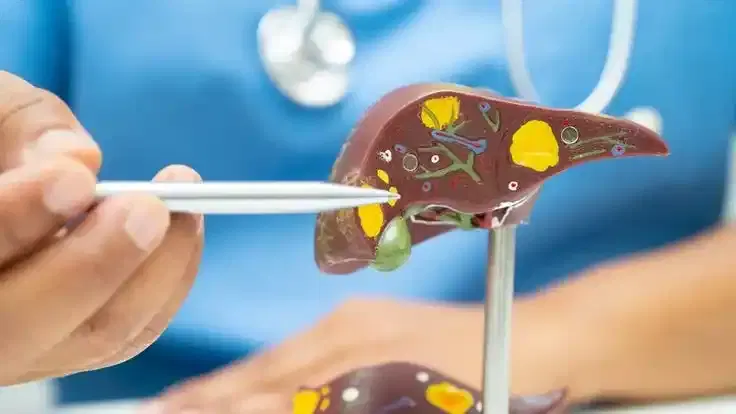
Organ transplantation is a transformative medical intervention aimed at restoring health and improving quality of life for individuals whose vital organs have failed beyond repair. The Deceased Donor Organ Transplant Program focuses on carefully matching available organs from deceased donors with critically ill recipients on a waiting list. This complex process requires meticulous pre-transplant evaluation, highly specialized surgical teams, and comprehensive post-operative care, including lifelong immunosuppression to prevent rejection. DivinHeal ensures a seamless, compassionate, and transparent journey through this life-changing treatment.

Treatment Overview

Organ transplantation is a transformative medical intervention aimed at restoring health and improving quality of life for individuals whose vital organs have failed beyond repair. The Deceased Donor Organ Transplant Program focuses on carefully matching available organs from deceased donors with critically ill recipients on a waiting list. This complex process requires meticulous pre-transplant evaluation, highly specialized surgical teams, and comprehensive post-operative care, including lifelong immunosuppression to prevent rejection. DivinHeal ensures a seamless, compassionate, and transparent journey through this life-changing treatment.

Procedures

The Deceased Donor Organ Transplant Program is a complex, multi-stage process: 1. **Recipient Evaluation and Listing:** Extensive medical, psychological, and social evaluation to determine suitability for transplant and placement on the national organ waiting list. Compatibility factors like blood type, tissue type, and urgency are considered. 2. **Organ Procurement:** Once a deceased donor is identified and consent obtained, a highly specialized surgical team rapidly retrieves the viable organ(s). 3. **Organ Transport:** The procured organ is preserved in a specialized solution and quickly transported to the recipient's transplant center to minimize cold ischemia time. 4. **Recipient Preparation:** The recipient is urgently called to the hospital, and pre-operative checks are performed, including blood tests and final medical assessments. 5. **Transplant Surgery:** The diseased organ is surgically removed (except for kidney transplant where the native kidneys may remain) and the new, healthy donor organ is carefully implanted. Blood vessels and ducts (if applicable, e.g., bile duct for liver) are meticulously connected. 6. **Post-Operative Care:** Immediately following surgery, the patient is transferred to the ICU for close monitoring of vital signs, organ function, and early signs of rejection or infection. Immunosuppressant medications are initiated. 7. **Recovery and Rehabilitation:** Gradual recovery on a general ward, education on self-care, medication adherence, and discharge planning. Lifelong follow-up and immunosuppression are crucial.

Benefits

The Deceased Donor Organ Transplant Program offers profound benefits, providing a new lease on life for patients with end-stage organ failure. <ul> <li><h3>Extended Lifespan</h3><p>Significantly prolongs life expectancy for individuals whose prognosis was otherwise grim.</p></li> <li><h3>Improved Quality of Life</h3><p>Restores normal organ function, alleviating debilitating symptoms and enabling patients to return to daily activities, work, and hobbies.</p></li> <li><h3>Freedom from Dialysis or Other Life Support</h3><p>Kidney transplant recipients can be free from dialysis, and heart/lung transplant patients can breathe and function without mechanical assistance.</p></li> <li><h3>Enhanced Energy and Well-being</h3><p>Many recipients report a dramatic increase in energy levels and overall sense of well-being post-transplant.</p></li> <li><h3>Hope for the Future</h3><p>Offers a fresh start and the opportunity to live a fulfilling life, often leading to personal and professional milestones previously thought impossible.</p></li> </ul>

Recovery Information

Recovery from a Deceased Donor Organ Transplant Program is a multi-stage process that requires dedication and continuous medical adherence. <ul> <li><h3>Immediate Post-Operative Care</h3><p>Patients typically spend several days to weeks in the intensive care unit (ICU) and then a general ward, closely monitored for organ function, signs of rejection, and infection.</p></li> <li><h3>Hospital Stay Duration</h3><p>The average hospital stay can range from 2 to 4 weeks, depending on the organ transplanted and the patient's progress. During this time, education on medication management and lifestyle adjustments begins.</p></li> <li><h3>Lifelong Immunosuppression</h3><p>Recipients must take anti-rejection medications daily for the rest of their lives. Adherence to this regimen is critical to prevent organ rejection.</p></li> <li><h3>Gradual Return to Activity</h3><p>While strenuous activities are restricted initially, patients are encouraged to gradually increase their physical activity. Full recovery and return to normal activities can take several months to a year.</p></li> <li><h3>Regular Follow-up and Monitoring</h3><p>Frequent blood tests, imaging, and clinic visits are essential to monitor organ function, adjust medication, and screen for potential complications. DivinHeal facilitates seamless access to follow-up care.</p></li> <li><h3>Emotional and Psychological Support</h3><p>Undergoing a transplant is a profound experience. Emotional counseling and support groups are often beneficial during the recovery phase.</p></li> </ul>

Pre-Transplant Evaluation Package

Pre-Transplant Evaluation Package

Treatment Price

$2500.00 USD

This package aims to comprehensively assess a patient's overall health, identify any co-existing medical conditions that might complicate a transplant, and ensure the potential benefits outweigh the risks. The evaluation is tailored to the specific organ needed (e.g., kidney, liver, heart, lung) and involves a multidisciplinary team to gather all necessary information for a successful transplant journey. It's the first vital step towards receiving a life-changing organ.

Treatment Overview

This package aims to comprehensively assess a patient's overall health, identify any co-existing medical conditions that might complicate a transplant, and ensure the potential benefits outweigh the risks. The evaluation is tailored to the specific organ needed (e.g., kidney, liver, heart, lung) and involves a multidisciplinary team to gather all necessary information for a successful transplant journey. It's the first vital step towards receiving a life-changing organ.

Procedures

The Pre-Transplant Evaluation Package involves several stages: <br/>1. **Initial Consultation &amp; Medical History:** Review of patient records, current health status, and discussions about the need for transplant. <br/>2. **Extensive Diagnostic Testing:** This includes blood tests (blood count, liver/kidney function, viral markers, tissue typing), urine tests, cardiovascular assessments (ECG, echocardiogram, stress tests), pulmonary function tests, and various imaging scans (CT, MRI, ultrasound). <br/>3. **Specialized Consultations:** Meetings with transplant surgeons, nephrologists, hepatologists, cardiologists, pulmonologists (depending on the organ), dietitians, social workers, and psychologists. <br/>4. **Screening for Infections &amp; Malignancies:** Comprehensive checks for any active infections or history of cancer that might contraindicate transplantation. <br/>5. **Patient Education:** Detailed briefings on the transplant process, medications, and lifestyle changes required post-transplant. <br/>The entire package is designed to gather a holistic view of the patient's health.

Benefits

<ul><li><strong>Comprehensive Health Assessment:</strong> Thorough evaluation of all body systems to identify any risks.</li><li><strong>Optimized Transplant Planning:</strong> Ensures the transplant procedure is planned with all patient-specific factors considered.</li><li><strong>Increased Success Rates:</strong> A meticulous evaluation significantly contributes to higher transplant success rates and better long-term outcomes.</li><li><strong>Early Detection of Complications:</strong> Helps identify and address potential issues before they become critical during or after transplant.</li><li><strong>Patient Education &amp; Preparedness:</strong> Equips the patient and family with essential information and prepares them for the journey ahead.</li><li><strong>Access to Top Transplant Teams:</strong> DivinHeal connects you with best hospitals and top oncologists (transplant specialists) for Pre-Transplant Evaluation.</li></ul>

Recovery Information

For a Pre-Transplant Evaluation Package, 'recovery' primarily refers to the period after completing the tests and consultations, leading up to the decision regarding transplant eligibility. Patients typically experience minimal physical discomfort, though the process can be emotionally taxing. The 'recovery time' is more about awaiting results and engaging in follow-up discussions with the transplant team, which can range from a few days to several weeks. Patients are advised to maintain their usual routine as much as possible, focusing on emotional well-being and adhering to any immediate post-test instructions.

Post-Transplant Follow-up Package

Post-Transplant Follow-up Package
Treatment Price

$1500.00 USD

Achieving successful outcomes post-transplant requires diligent and continuous follow-up. DivinHeal's Post-Transplant Follow-up Package aims to provide comprehensive, integrated care, including regular diagnostic tests, specialist consultations, medication adjustments, and patient education. This proactive approach minimizes risks, supports recovery, and improves the overall quality of life for transplant recipients.

Treatment Overview

Achieving successful outcomes post-transplant requires diligent and continuous follow-up. DivinHeal's Post-Transplant Follow-up Package aims to provide comprehensive, integrated care, including regular diagnostic tests, specialist consultations, medication adjustments, and patient education. This proactive approach minimizes risks, supports recovery, and improves the overall quality of life for transplant recipients.

Procedures

A Post-Transplant Follow-up Package involves a series of coordinated appointments and interventions. This typically includes: 1. <strong>Initial Assessment:</strong> Upon arrival, a comprehensive review of the patient's medical history, transplant details, and current health status. 2. <strong>Diagnostic Tests:</strong> Regular blood tests (monitoring immunosuppressant levels, kidney/liver function, complete blood count, infection markers), urine tests, and sometimes specific imaging (ultrasound, CT scan) or biopsies as needed. 3. <strong>Specialist Consultations:</strong> Regular meetings with transplant physicians (nephrologists, hepatologists, cardiologists, hematologists, infectious disease specialists) to review test results, assess organ function, and discuss overall health. 4. <strong>Medication Management:</strong> Fine-tuning immunosuppressant dosages to balance anti-rejection efficacy with minimizing side effects, and managing other medications for co-morbidities. 5. <strong>Infection Surveillance:</strong> Proactive screening for viral, bacterial, and fungal infections common in immunosuppressed patients. 6. <strong>Patient Education:</strong> Guidance on diet, exercise, hygiene, recognizing warning signs of complications, and importance of adherence. 7. <strong>Psychological Support:</strong> Assessment for mental health needs and referral to counseling if required. 8. <strong>Care Coordination:</strong> DivinHeal ensures all appointments are scheduled, records are managed, and communication between patient and medical team is seamless.

Benefits

<h2>Key Benefits of a Structured Post-Transplant Follow-up Package</h2><ul><li><h3>Enhanced Graft Survival</h3><p>Regular monitoring helps detect early signs of rejection or complications, allowing for timely intervention and significantly improving the longevity of the transplanted organ or cells.</p></li><li><h3>Reduced Risk of Complications</h3><p>Proactive management of immunosuppressant levels, infection surveillance, and addressing medication side effects minimize adverse events and safeguard overall health.</p></li><li><h3>Improved Quality of Life</h3><p>Comprehensive care, including nutritional, psychological, and rehabilitation support, helps patients return to a healthy, active lifestyle post-transplant.</p></li><li><h3>Cost-Effective Long-Term Health</h3><p>By preventing major complications, structured follow-up can actually reduce overall healthcare costs in the long run, avoiding expensive emergency treatments.</p></li><li><h3>Peace of Mind and Expert Guidance</h3><p>Patients and their families gain reassurance from having a dedicated team of specialists managing their care, providing expert advice and support every step of the way.</p></li></ul>

Recovery Information

<h2>Life After Transplant: Ongoing Recovery and Management</h2><p>Recovery after a transplant is a lifelong journey, and the 'recovery time' for a Post-Transplant Follow-up Package refers to the continuous management and adaptation to a new normal. While the initial acute post-operative recovery typically spans several weeks to months, the follow-up package focuses on sustaining this recovery and preventing long-term issues.</p><h3>Key Aspects of Long-Term Recovery:</h3><ul><li><strong>Regular Medical Check-ups:</strong> Adherence to scheduled appointments for blood tests, imaging, and specialist consultations is paramount.</li><li><strong>Medication Adherence:</strong> Strict compliance with immunosuppressants and other prescribed medications is non-negotiable for preventing rejection and managing side effects.</li><li><strong>Lifestyle Modifications:</strong> Adopting a healthy diet, engaging in appropriate physical activity, avoiding smoking and excessive alcohol, and practicing good hygiene are crucial.</li><li><strong>Emotional and Psychological Support:</strong> Many transplant recipients benefit from counseling or support groups to cope with the emotional challenges of transplantation.</li><li><strong>Infection Prevention:</strong> Vigilance against infections, including vaccinations and avoiding crowded places, especially in the initial years post-transplant.</li></ul><p>DivinHeal supports patients throughout this long-term recovery, providing access to resources, follow-up scheduling, and virtual consultations to ensure continuous, high-quality care.</p>

Pancreas Transplant (select centers)

Pancreas Transplant (select centers)

Treatment Price

$35000.00 USD

The primary goal of Pancreas Transplant (select centers) is to achieve insulin independence, eliminate severe hypoglycemia, and improve the quality of life for patients with brittle Type 1 Diabetes. It is often performed simultaneously with a kidney transplant (Simultaneous Pancreas-Kidney or SPK transplant) for patients with both diabetes and kidney failure. The procedure involves carefully implanting the donor pancreas and establishing its blood supply and drainage, allowing it to function normally.

Treatment Overview

The primary goal of Pancreas Transplant (select centers) is to achieve insulin independence, eliminate severe hypoglycemia, and improve the quality of life for patients with brittle Type 1 Diabetes. It is often performed simultaneously with a kidney transplant (Simultaneous Pancreas-Kidney or SPK transplant) for patients with both diabetes and kidney failure. The procedure involves carefully implanting the donor pancreas and establishing its blood supply and drainage, allowing it to function normally.

Procedures

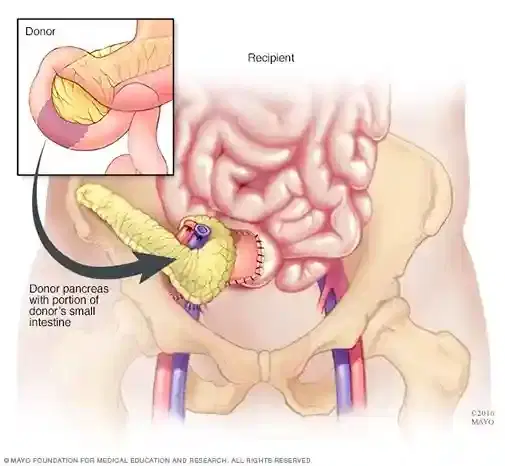
The Pancreas Transplant (select centers) procedure typically begins with general anesthesia. An incision is made in the lower abdomen. The donor pancreas, often accompanied by a segment of the duodenum (first part of the small intestine), is carefully prepared. The surgeon connects the donor pancreas's artery and vein to the recipient's blood vessels, usually in the pelvis. The donor duodenum is then connected to the recipient's small intestine or bladder to allow pancreatic fluid drainage. If a kidney is also being transplanted, it is typically placed on the opposite side. Once blood flow is re-established, the new pancreas begins to produce insulin. The diseased native pancreas is usually left in place.

Benefits

The benefits of Pancreas Transplant (select centers) are profound, offering a transformative impact on patients' lives. These include:<ul><li><strong>Insulin Independence:</strong> The most significant benefit, allowing patients to stop daily insulin injections and achieve stable blood glucose levels.</li><li><strong>Elimination of Hypoglycemic Episodes:</strong> Resolves issues of severe and frequent low blood sugar, which can be life-threatening.</li><li><strong>Improved Quality of Life:</strong> Enhanced energy levels, better sleep, and freedom from the constant management of diabetes.</li><li><strong>Prevention or Stabilization of Diabetes Complications:</strong> Can halt the progression of diabetes-related complications affecting the eyes, nerves, and kidneys.</li><li><strong>Enhanced Kidney Function:</strong> In SPK transplants, the new kidney provides excellent renal function, eliminating the need for dialysis.</li><li><strong>Reduced Risk of Cardiovascular Disease:</strong> Better glycemic control can lower the risk of heart-related complications associated with long-standing diabetes.</li><li><strong>Long-term Graft Survival:</strong> With proper care and immunosuppression, the transplanted pancreas can function for many years, offering durable benefits.</li></ul>

Recovery Information

Recovery from Pancreas Transplant (select centers) is a significant process requiring dedication and careful monitoring. Immediately after surgery, patients typically spend several days in the intensive care unit (ICU), followed by a 2-3 week stay in the hospital. The initial recovery at home involves rest, gradual activity, and strict adherence to medication schedules. The Pancreas Transplant (select centers) recovery time and tips emphasize the importance of lifelong immunosuppressive therapy to prevent organ rejection. Patients will have frequent follow-up appointments, blood tests, and imaging to monitor the new organ's function. Full recovery and adaptation to a new lifestyle, including dietary adjustments and regular exercise, can take several months. DivinHeal provides guidance on Pancreas Transplant (select centers) pre-operative and post-operative care, connecting you with support services for a smooth recovery.

Meet Our Doctors

Meet our team of highly qualified and experienced medical professionals dedicated to providing the best healthcare services.

Dodul Mondal

Dodul Mondal

Sr. Consultant

Medical & Haemato Oncology

New Delhi

8+ Years

Experience

Apolo Delhi

Hospital

1500

Fees

View Details
Dr. Amitabh Goel

Dr. Amitabh Goel

Principal Director - Neurosurgery, Institute of Neurosciences.

Neurosurgery, Neurosciences, Spine Surgery

New Delhi

32+ Years

Experience

Max Hospital,Gurgaon

Hospital

1500

Fees

View Details
Dr. Amol Patil

Dr. Amol Patil

Director & Head - Nephrology

Nephrology

New Delhi

15+ Years

Experience

Apolo Delhi

Hospital

1500

Fees

View Details
Dr. Ankit Goel

Dr. Ankit Goel

Consultant - Urology & Renal Transplant

Urology, Renal Transplant, Robotic Surgery

New Delhi

15+ Years

Experience

Artemis Hospital

Hospital

1500

Fees

View Details
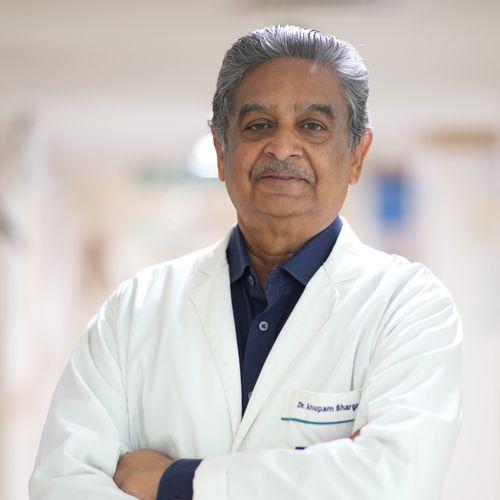
Dr. Anupam Bhargava

Dr. Anupam Bhargava

Chairman - Urology

Urology

New Delhi

46+ Years

Experience

Max Hospital,Gurgaon

Hospital

1500

Fees

View Details
Dr Anurag Jain

Dr Anurag Jain

Director

Nephrology

New Delhi

19+ Years

Experience

Apolo Delhi

Hospital

1500

Fees

View Details
Dr Anusheel Munshi

Dr Anusheel Munshi

Principal Director & HOD – Radiation Oncology

Radiation Oncology

New Delhi

25+ Years

Experience

Max Hospital,Gurgaon

Hospital

1500

Fees

View Details
Dr. Ashish Gupta

Dr. Ashish Gupta

Director

Nephrology and Renal Transplant

New Delhi

25+ Years

Experience

Apolo Delhi

Hospital

1500

Fees

View Details
Dr. Atul Bhasin

Dr. Atul Bhasin

Senior Consultant

Nephrology

New Delhi

23+ Years

Experience

Apolo Delhi

Hospital

1500

Fees

View Details
Dr. Bharat Aggarwal

Dr. Bharat Aggarwal

Principal Director - Radiology Services

Radiology

New Delhi

26+ Years

Experience

Max Hospital,Gurgaon

Hospital

1500

Fees

View Details
Dr. Biswarup Purkayastha

Dr. Biswarup Purkayastha

Senior Consultant

Nephrology and Renal Transplant

New Delhi

14+ Years

Experience

Artemis Hospital

Hospital

1500

Fees

View Details
Dr. (Col) B Kalra

Dr. (Col) B Kalra

Associate Chief - Cardiology (NIC)

Cardiology

New Delhi

18+ Years

Experience

Artemis Hospital

Hospital

1500

Fees

View Details
Dr. C.P.S. Chauhan

Dr. C.P.S. Chauhan

Principal Director & Chief of Medical Oncology

Medical Oncology

New Delhi

30+ Years

Experience

Apolo Delhi

Hospital

1500

Fees

View Details
Dr. Dheeraj Batheja

Dr. Dheeraj Batheja

Senior Consultant - Ortho Spine Surgery

Orthopaedic Surgery, Spine Surgery

New Delhi

12+ Years

Experience

Artemis Hospital

Hospital

1500

Fees

View Details
Dr. Dilpreet Bajwa

Dr. Dilpreet Bajwa

Sr. Consultant

ENT, ENT Surgery

New Delhi

10+ Years

Experience

Artemis Hospital

Hospital

1500

Fees

View Details
Dr. Dinesh Rattnani

Dr. Dinesh Rattnani

Director

Nephrology and Kidney Transplantation

New Delhi

18+ Years

Experience

Apolo Delhi

Hospital

1500

Fees

View Details
Dr. G. Arya Prakash

Dr. G. Arya Prakash

Head - Anesthesia for Liver transplant

Anaesthesia

New Delhi

16+ Years

Experience

Artemis Hospital

Hospital

1500

Fees

View Details
Dr. Gaurav Singhal

Dr. Gaurav Singhal

Associate Consultant – Department of Nephrology

Nephrology, Kidney Transplant

New Delhi

8+ Years

Experience

Artemis Hospital

Hospital

1500

Fees

View Details
Dr. Hemant Gupta

Dr. Hemant Gupta

Director

Nephrology & Renal Transplant

New Delhi

25+ Years

Experience

Apolo Delhi

Hospital

1500

Fees

View Details
Dr. Jasjit Singh Bhasin

Dr. Jasjit Singh Bhasin

Principal Director

Nephrology

New Delhi

30+ Years

Experience

Apolo Delhi

Hospital

1500

Fees

View Details

Booking With DIVINHEAL

Get a free consultation to understand your treatment options

Frequently Asked Questions

Get answers to common questions about medical tourism, treatment procedures, and our comprehensive healthcare services.