

Cardiac Ablation for Arrhythmias Success Rate in Chennai
Cardiac ablation success is defined by long-term sinus rhythm restoration and symptom relief. Clinical evaluation determines your individual treatment outlook.The primary goal of treatment is to eliminate abnormal heartbeats that cause palpitations, dizziness, and fatigue. Electrophysiologists use mapping technology to identify the source of arrhythmia. Catheters deliver energy to create small scars that block faulty electrical signals.Published data describes patient groups, while individual outcomes depend on medical evaluation. Evaluating a Cardiac Ablation for Arrhythmias Success Rate in Chennai requires understanding clinical measurement standards.
Plan My Journey
Tell us your condition and budget - our AI matches the right destination, hospital and doctor and visa pathway
Cost calculator
I know my treatment - show me cost from 3 hospitals
5K+ International Patients Treated
40+ Source Countries Served
500+ Accredited Partner Hospitals
98% Patient Satisfaction
80% Average Savings vs USA
10K+ Doctors
NABH, JCI Accredited Hospitals
Free Treatment Plan
Free Consultation with Doctor
5+ Destinations Covered

Written by DivinHeal Editorial Contributor, DivinHeal Medical Team, Healthcare Advisory Team Published on: September 2, 2026
How success is measured for Cardiac Ablation for Arrhythmias
Electrophysiologists measure procedure outcomes through freedom from arrhythmia episodes and reduced reliance on heart medication.
| Measure | What it counts |
|---|---|
| Sinus rhythm restoration | Maintenance of normal heart rhythm without recurrent irregular beats |
| Symptom freedom | Complete absence of palpitations, dizziness, and shortness of breath |
| Medication independence | Discontinuation or dosage reduction of daily antiarrhythmic drugs |
Long-Term Sinus Rhythm Restoration
Restoring normal sinus rhythm remains the principal goal of treatment. Continuous rhythm monitoring tracks heart activity over twelve months. Recurrence during the initial healing window is evaluated separately by cardiac specialists.
Holter monitoring detects silent electrical events after catheter procedures. Maintaining normal sinus rhythm reduces long-term cardiac strain significantly.
Reduction in Antiarrhythmic Medication Dependence
Stopping daily rhythm control drugs indicates treatment success. Many patients stop antiarrhythmic drugs after complete lesion creation. Doctors gradually reduce medication based on follow-up telemetry scans and clinical reviews.
Reducing medication lowers the risk of long-term drug toxicity. Clinical reviews confirm whether antiarrhythmic drugs can be discontinued safely.
Prevention of Secondary Cardiac Complications
Preventing secondary cardiac events protects long-term heart function. Controlling abnormal signals reduces stroke risks and prevents heart failure progression. Regular cardiology reviews confirm long-term rhythm stability and patient safety.
Effective rhythm control lowers stroke risk in patients with atrial fibrillation. Restoring steady heartbeats protects overall heart muscle health.
Clinical outcome measures track rhythm stability, symptom relief, and medication reduction following cardiac ablation.
Success rate by country (location rate: 85%)
Published outcome data varies between international centers due to differences in patient selection criteria.
Chennai, India: 85% Overall Success Rate
Local registries collect procedure outcomes across specialized cardiac units. Comparing outcomes requires analyzing patient health status and underlying heart structure. You can review full outcome data during your consultation.
Knowing the Cardiac Ablation for Arrhythmias Success Rate in Chennai helps frame medical expectations. Specialist reviews confirm procedure appropriateness before treatment planning.
Global Comparative Benchmark: US, UK, and Middle East
International registries report outcomes based on specific arrhythmia classifications. Outcome figures differ between single-procedure results and repeat procedure programs. Standardized clinical trials provide baseline comparisons across global heart centers.
Comparing international data requires checking monitoring periods and diagnostic tools. Uniform measurement standards help evaluate catheter procedure efficacy.
Success Rates for Atrial Fibrillation vs. Atrial Flutter Ablation
Atrial flutter procedures show different success metrics compared to complex atrial fibrillation cases. Simple electrical pathways yield different outcomes than widespread tissue scarring. Electrophysiologists explain these differences during clinical evaluations.
Flutter ablation targets a single electrical circuit in the right atrium. Fibrillation ablation requires broader pulmonary vein isolation strategies.
When evaluating published hospital statistics, ask these questions:
- What specific arrhythmia type does the published figure count?
- Does the reported figure track single or multiple procedures?
- How long were patients monitored after their procedure?
- Were outcomes verified using continuous rhythm monitors?
Comparing published figures requires understanding reporting definitions, patient selection criteria, and monitoring duration.
What affects your outcome
Heart tissue structure, arrhythmia duration, and operator skill determine the long-term success of catheter treatment.
Type, Severity, and Duration of Arrhythmia
Early intervention improves electrical isolation outcomes. Paroxysmal episodes respond differently than continuous persistent arrhythmia. Prolonged irregular rhythms cause structural remodeling that affects lesion durability over time.
Treating arrhythmia early prevents progressive structural changes in heart tissue. Shorter arrhythmia duration correlates with better long-term electrical isolation.
Advanced 3D Mapping Technology & Electrophysiologist Expertise
High-resolution mapping systems help specialists locate faulty tissue precisely. Detailed electrical maps guide catheter placement for complete signal blockage. Experienced electrophysiologists adjust energy delivery based on real-time tissue feedback.
Advanced mapping reduces radiation exposure during catheter placement. Precise energy application prevents unnecessary damage to surrounding heart structures.
Patient Age and Underlying Structural Heart Conditions
Overall cardiac health influences treatment durability. Heart enlargement, valve disease, and hypertension alter treatment pathways. Specialists manage underlying conditions to support rhythm stability after cardiac ablation.
Managing blood pressure supports successful electrical isolation post-procedure. Addressing structural heart disease improves long-term rhythm retention.
- Duration and progression of the heart rhythm disorder
- Presence of underlying structural heart tissue disease
- Precision of electrical tissue mapping during treatment
- Patient adherence to post-procedure medical advice
Arrhythmia type, mapping precision, and overall heart structure directly influence long-term rhythm control.
Who this treatment helps most
Catheter intervention offers effective rhythm control for patients with recurrent symptoms or poor drug tolerance.
Patients with Symptomatic Atrial Fibrillation or Atrial Flutter
Frequent arrhythmia episodes cause severe disruption to daily activities. Catheter procedures target active electrical triggers inside heart chambers. Patients experiencing severe palpitations benefit from early rhythm stabilization and long-term monitoring.
Symptom reduction improves daily activity tolerance and overall physical stamina. Patients report fewer emergency room visits following successful catheter isolation.
Individuals Unresponsive to Medication
Some patients experience recurring irregular beats despite taking daily antiarrhythmic drugs. Catheter energy delivery creates physical barriers that block abnormal signals. Treatment provides alternative rhythm control when medications fail to restore stability.
Refractory arrhythmia cases require precise electrophysiology mapping. Catheter application offers direct targeted therapy when pharmaceuticals fail.
Patients Seeking Freedom from Lifelong Antiarrhythmic Drugs
Long-term medication use can cause unwanted side effects in many individuals. Eliminating faulty electrical signals reduces the need for daily pills. Patients consult the Best Cardiac Ablation for Arrhythmias Doctors in Chennai to evaluate non-pharmacological options.
Discontinuing antiarrhythmic drugs improves long-term patient comfort. Electrophysiologists supervise gradual medication weaning post-procedure.
Symptomatic patients unresponsive to antiarrhythmic drugs represent ideal candidates for catheter rhythm therapy.
Safety, accreditation and where you'll be treated
Accredited cardiac laboratories maintain strict protocols to minimize complications and protect patient safety.
JCI and NABH Accredited Cardiac Labs in Chennai
International accreditation standards ensure quality control in cardiac catheterization suites. Modern facilities follow audited clinical protocols for catheter procedures. International patients can select Best Cardiac Ablation for Arrhythmias Hospitals in Chennai for accredited care.
Accredited laboratories undergo regular independent clinical quality audits. Stringent facility standards ensure safe equipment sterilization and staff qualification.
Strict Infection Control and Complication Management Protocols
Sterile laboratory environments prevent vascular and cardiac infection risks. Specialized teams monitor real-time pressure changes during catheter manipulation. Emergency protocols support immediate response to sudden rhythm changes during treatment.
Continuous hemodynamic monitoring detects minor catheter displacement immediately. Trained cardiac nurses maintain infection prevention standards throughout stay.
Comprehensive Pre-Procedure Screening and Contraindications
Thorough evaluation identifies potential risks before catheter placement begins. Echocardiograms and blood tests verify patient readiness for catheter delivery. Diagnostic imaging rules out internal blood clots prior to initiating treatment.
Identifying medical contraindications prevents avoidable procedure complications. Diagnostic lab work confirms normal kidney function and blood clotting capability.
Accredited cardiac centers uphold audited safety protocols to protect patients throughout catheter procedures.
What recovery looks like
Recovery requires brief bed rest followed by gradual activity resumption over several weeks.
Immediate Post-Procedure Care and Bed Rest Guidelines
Patients rest flat for hours to ensure catheter access site healing.
Timeline for Returning to Work and Physical Activity
Light duties resume quickly, while heavy exertion pauses for two weeks.
Long-Term Follow-Up and Continuous Rhythm Monitoring
Follow-up visits track rhythm stability for patients seeking Cardiac Ablation for Arrhythmias Treatment in Chennai for UAE.
Structured recovery ensures proper site healing and continuous heart rhythm evaluation.
Cost alongside success
Treatment costs depend on diagnostic mapping needs, lab supplies, and hospital stay duration.
Cost of Cardiac Ablation in Chennai vs. Western Nations
Procedure expenses vary by facility and technology. Review full breakdown details on the Cardiac Ablation for Arrhythmias cost in Chennai page.
Cost Breakdown: EP Study, Procedure, and Recovery Stay
Total estimates include diagnostic electrophysiology studies, catheter supplies, and room charges.
Value Proposition for International Cardiac Patients
Clear pricing structures help overseas families plan medical travel budget requirements effectively.
Procedure pricing reflects mapping technology, facility use, and required hospital stay duration.
How DivinHeal supports your outcome
DivinHeal connects international patients with specialized cardiac electrophysiology teams and manages all travel logistics.
Personalized 24-Hour Treatment Plans and Doctor Matching
Medical coordinators collect diagnostic files to match patients with leading electrophysiologists. Specialist teams review records within twenty-four hours to outline care plans and expected clinical outcomes.
Fast record review ensures prompt medical decision-making for overseas families. Care plans outline expected diagnostic steps and stay duration.
End-to-End Medical Visa, Travel, and Accommodation Support
Dedicated advisors handle medical visa invitations, airport transfers, and local lodging arrangements. Patients from abroad receive detailed assistance throughout their entire medical visit.
Travel teams coordinate wheelchair assistance and local transport for medical appointments. Dedicated support staff assist family members throughout hospital admission.
Post-Treatment Teleconsultation and Continuity of Care
Remote follow-up consultations allow local cardiologists and primary specialists to coordinate post-procedure recovery. Long-term rhythm management continues smoothly after patients return to their home country.
Secure online platforms enable direct transmission of follow-up telemetry reports. Electrophysiologists adjust post-procedure advice based on virtual consultation findings.
Specialists assess individual cases through a structured evaluation process:
- Review complete medical history and prior antiarrhythmic drug usage.
- Analyze electrocardiogram tracings and continuous rhythm monitor records.
- Perform echocardiogram scans to evaluate structural heart anatomy.
- Conduct diagnostic electrophysiology study to locate abnormal electrical pathways.
- Formulate a personalized catheter ablation strategy based on mapping results.
DivinHeal facilitates expert cardiac doctor matching, travel coordination, and post-treatment follow-up care.
Recommended Article
Best In Vitro Fertilization (IVF) Doctors in Hyderabad
Doctors for Nephrology: Find Kidney Care Specialists
Doctors in Chennai: Find Medical Specialists in India
Best Embryo Freezing Hospitals in Hyderabad: Care Guide
Hospitals for reproductive surgery: Compare options
Hospitals in Gurugram: Guide to Quality Facilities
IVF Treatment in Haryana | Cost, Hospitals & Doctors
TAVR (Transcatheter Aortic Valve Replacement) cost in New Delhi
Tonsillectomy & Adenoidectomy Success Rate in Mumbai
Facelift & Anti-Aging Procedures in Chennai for Ethiopia Patients | Cost, Hospitals
Hospitals
NABH & JCI Accredited Hospitals in India,Turkey, Thailand & UAE.

Artemis Hospital
Sector 51, Gurugram, Haryana, India
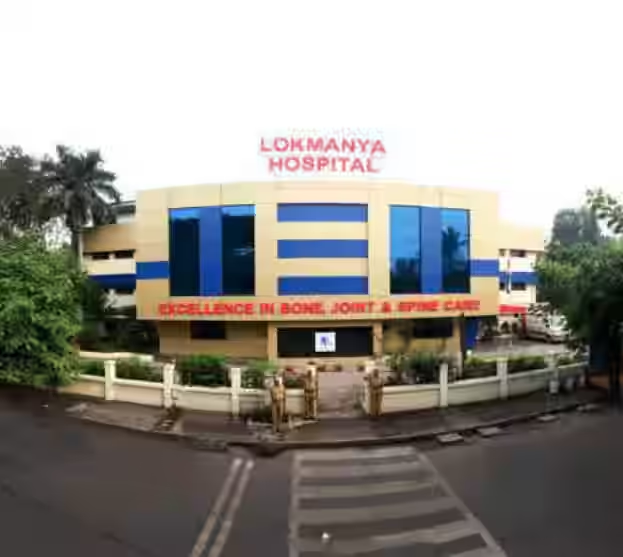
Lokmanya Hospitals
Not Specified

White Lotus Hospital
766, SFS 3145, SFS Road, 7th Sector, HSR Layout, Bengaluru, Karnataka 560102, India
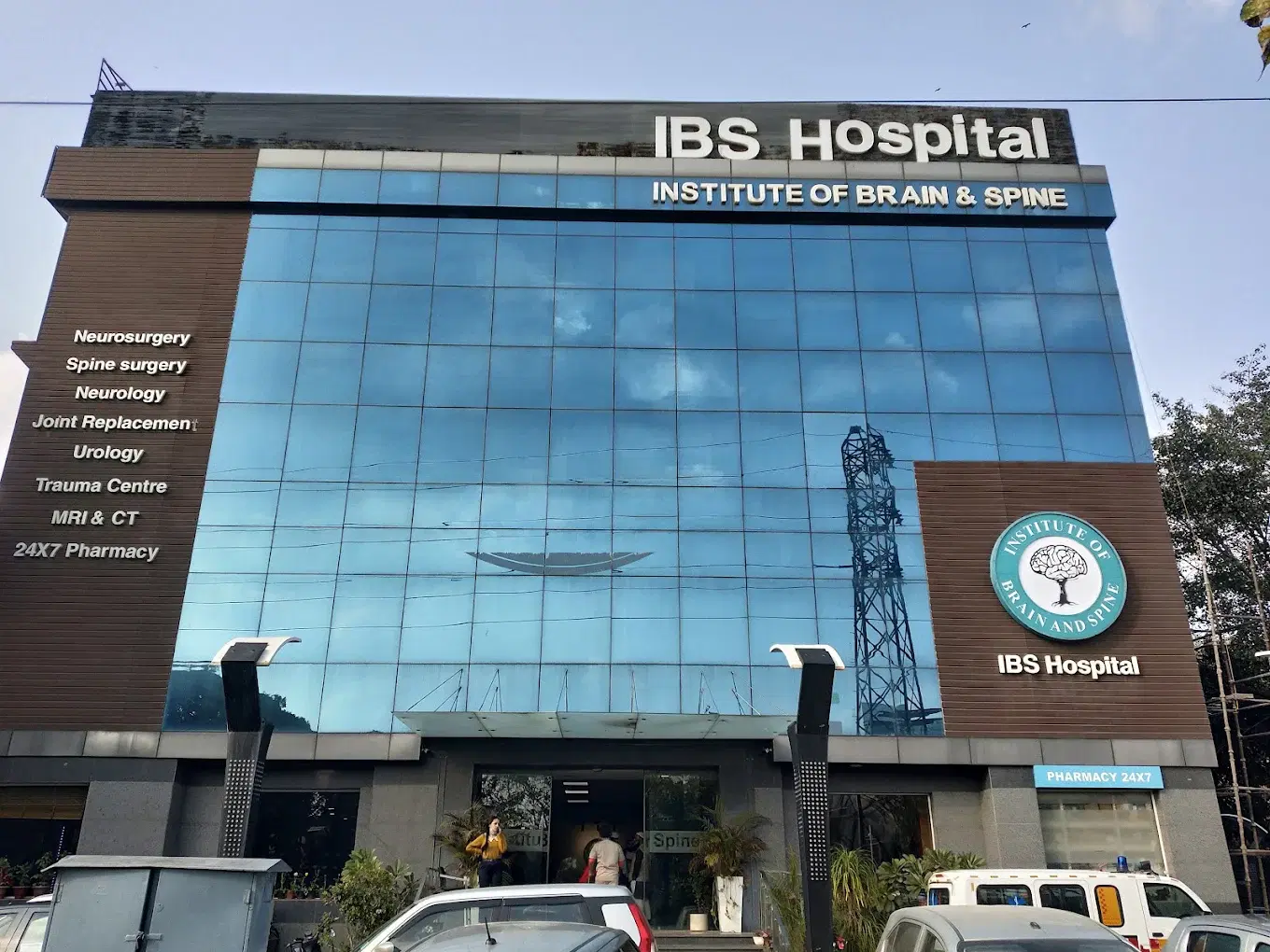
Institute of Brain and Spine (IBS Hospital)
Not Specified
Meet Our Medical Specialists




Sr. Consultant - Urology & Kidney Transplant Program (Unit I)
Dr. Abhinandan Mukhopadhyay
MBBS, MD
India

Sr. Consultant - Urology & Kidney Transplant Program (Unit I)
Dr. Abhinandan Mukhopadhyay
MBBS, MD
India
How DivinHeal Helps
We simplify your medical journey by providing comprehensive support and access to world-class healthcare.
Expert Specialist Matching
Connecting you with the world's top-rated medical experts.
Accredited Hospital Network
Access to JCI & NABH certified healthcare facilities.
Complete Travel Coordination
Hassle-free visa, stay, and local transport assistance.
24/7 Personal Care
Dedicated patient advisors supporting you at every step.
Journey Guidance
Full guidance from start to end of the patient treatment journey.
Expert Specialist Matching
Connecting you with the world's top-rated medical experts.
Everything you
need to know today
Browse through these common inquiries to better understand our patient-focused medical platform.
Overall, catheter ablation has an 80% to 90% success rate depending on the specific type of arrhythmia. In Chennai, specialized cardiac centers achieve an 85% success rate for cardiac ablation procedures.
Yes, cardiac ablation is widely recognized as a highly successful procedure for treating SVT, atrial flutter, and atrial fibrillation, providing long-term freedom from arrhythmia for the majority of patients.
Patients are typically required to lie flat on bed rest for 4 to 6 hours immediately after the catheter ablation procedure to ensure the femoral vascular access site seals properly.
For many patients, cardiac ablation is a permanent cure, especially for conditions like SVT or Atrial Flutter. For complex AFib, single or repeat procedures can control symptoms for many years or permanently.
Cardiac ablation is a minimally invasive and safe procedure with a major complication rate under 2-3% when performed by experienced electrophysiologists in accredited hospitals.
Cardiac ablation in India ranges between $3,000 and $5,500, offering up to 70% savings compared to Western countries while maintaining international clinical standards.
Catheter ablation is performed to neutralize abnormal electrical pathways or heart tissue causing irregular heartbeats (arrhythmias), restoring regular sinus rhythm.
DivinHeal provides end-to-end assistance including free doctor opinion within 24 hours, hospital selection, visa support, local transportation, and continuous post-procedure follow-ups.
Still have more questions?
Book a call with our friendly team to learn how DivineHeal simplifies your healthcare journey.