


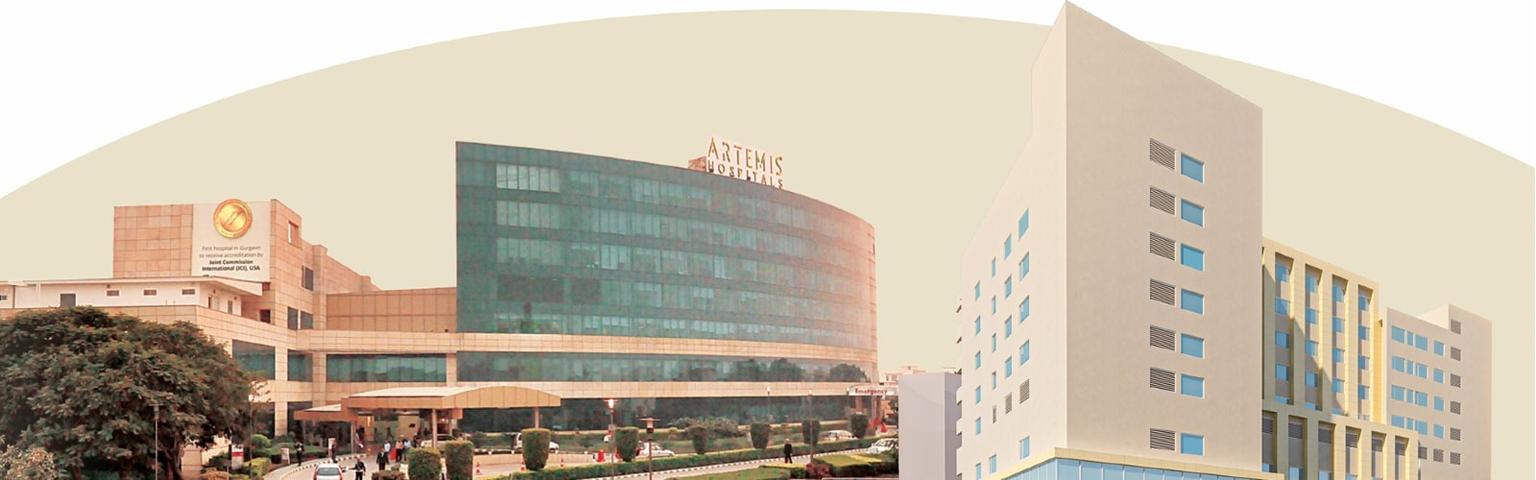
Artemis Hospital
Sector 51, Gurugram, Haryana, India
A leading medical facility offering world-class healthcare services.



Tell us your condition and budget - our AI matches the right destination, hospital and doctor and visa pathway
I know my treatment - show me cost from 3 hospitals

Written by DivinHeal Editorial Contributor, Rahul Kumar, Embryologist | Medically Reviewed by Dr Indu Priya, Gynecologist(MD) Published on: August 30, 2026
Comparing clinical embryology expertise helps you identify the best Egg Freezing (Oocyte Cryopreservation) hospitals in India.
Oocyte cryopreservation requires precise temperature controls during rapid freezing. The laboratory must use cleanroom air filtration systems to protect eggs from harm. Qualified reproductive endocrinologists guide hormone stimulation before egg retrieval. Experienced medical teams monitor follicular growth using regular ultrasound scans.
An egg freezing procedure requires an equipped embryology laboratory with liquid nitrogen storage tanks on site.
You need a dedicated procedure room for transvaginal ultrasound egg retrieval. Emergency oxygen supplies and recovery beds must sit near the operating space. A qualified Egg Freezing (Oocyte Cryopreservation) centre in India maintains backup power generators for cold storage units.
Verify medical credentials directly on public registry databases maintained by national and international health organisations.
Look for active accreditation from the National Accreditation Board for Hospitals & Healthcare Providers. You can also search for JCI accredited hospitals in India on the Joint Commission International website. These credentials confirm verified safety standards across all clinical spaces.
Checking active vitrification case volume ensures that a busy fertility department employs experienced full-time embryologists.
Ask how often the clinical team freezes and thaws unfertilised human eggs. Experienced specialists track survival rates for cryopreserved oocytes. Check if you will find hospitals that perform Egg Freezing (Oocyte Cryopreservation) regularly with dedicated medical team members.
Asking target questions about lab equipment and doctor experience clarifies your treatment choices.
When choosing a Egg Freezing (Oocyte Cryopreservation) hospital, confirm these clinical details with your coordinator:
Experienced specialists and clear clinical standards explain why patients choose India for Egg Freezing (Oocyte Cryopreservation).
Medical teams speak fluent English and communicate clearly throughout treatment plans. Clinical units offer modern vitrification technology under strict national health regulations. Patients receive care from certified gynaecologists and senior laboratory directors. Overseas visitors find clear care schedules. Administrative coordinators support every patient.
Dedicated international coordination desks assist overseas patients with medical visa invitations, travel logistics, and local transit.
You can request language interpreters for medical consultations. Service desks arrange airport transfers and lodging for accompanying family. You should confirm access to international patient services in India before booking travel dates. Coordinators provide ongoing daily assistance.
DivinHeal collects your diagnostic medical reports and shares them with qualified fertility specialists for preliminary review.
Our team coordinates direct online consultations with Egg Freezing (Oocyte Cryopreservation) doctors in India. We help you review treatment plans and schedule laboratory appointments before you travel. You receive clear administrative guidance at every step. Support staff assist with initial inquiries.
Sector 51, Gurugram, Haryana, India
A leading medical facility offering world-class healthcare services.
Get a free consultation to understand your treatment options

766, SFS 3145, SFS Road, 7th Sector, HSR Layout, Bengaluru, Karnataka 560102, India
A leading medical facility offering world-class healthcare services.
I know my treatment - show me cost from 3 hospitals
We simplify your medical journey by providing comprehensive support and access to world-class healthcare.
Connecting you with the world's top-rated medical experts.
Access to JCI & NABH certified healthcare facilities.
Hassle-free visa, stay, and local transport assistance.
Dedicated patient advisors supporting you at every step.
Full guidance from start to end of the patient treatment journey.
Connecting you with the world's top-rated medical experts.
Browse through these common inquiries to better understand our patient-focused medical platform.
Oocyte cryopreservation is a medical procedure used to collect and freeze a woman’s eggs for future reproductive use. The treatment involves hormonal medication to stimulate the ovaries. Doctors retrieve mature eggs during a minor surgical procedure under sedation. An embryologist, a specialist in cell development, freezes the eggs using vitrification. This rapid freezing method protects egg quality during long-term storage.
Women choose egg freezing to preserve their fertility for medical or personal reasons. Medical conditions like cancer treatments can affect future fertility options. Personal reasons such as career goals or delayed marriage prompt egg preservation. Preserving eggs at an earlier age maintains higher egg quality for future pregnancy attempts. Patients receive psychological counselling before starting the medication phase.
Risks of oocyte cryopreservation include mild side effects from hormone injections and rare complications during egg retrieval. Mild abdominal cramping and bloating often occur during ovarian stimulation. Ovarian hyperstimulation syndrome, a response to fertility drugs, remains a minor potential complication. Retrieval procedures carry small risks of temporary bleeding or local infection. Medical teams monitor patients closely throughout every treatment stage to maintain safety.
Success rates for fertility clinics rely on verified clinical outcomes, patient age groups, and laboratory standards. Official reporting bodies verify freeze-thaw survival rates for frozen oocytes. Older age groups generally experience different success statistics than younger cohorts. Patients should request verified age-specific laboratory data rather than relying on general promotional figures. Accredited embryology laboratories publish outcome records during formal medical audits.
Frozen eggs remain viable for many years inside liquid nitrogen storage tanks. Vitrification techniques prevent ice crystal formation that could damage delicate egg cells. Storage facilities maintain automated temperature sensors and back-up power generators to safeguard stored eggs. Regular physical checks by embryologists ensure storage tanks remain at required levels. Patients pay an annual fee to maintain long-term cryopreservation storage.
The ideal age for egg freezing is generally between the late twenties and mid-thirties. Women in this age group typically produce a higher number of healthy, viable eggs during stimulation. Egg quality and quantity naturally decline as a woman approaches her late thirties. Doctors evaluate ovarian reserve through blood tests and ultrasound scans before recommending a treatment plan. Older patients may require multiple retrieval cycles to collect enough eggs.
Overseas patients coordinate treatment schedules with hospital international desks before travelling to India. Initial medical reviews and hormone blood tests happen in the patient’s home country. Patients travel to India for ovarian stimulation monitoring, egg retrieval, and egg vitrification. The physical stay in India usually requires about ten to fourteen days. Medical coordinators manage travel logistics, local transport, and interpreter services during the stay.
Selecting an egg freezing clinic in major cities requires checking laboratory accreditation and doctor experience. Look for facilities with national quality accreditation like NABH or international recognition like JCI. Ensure the clinic maintains a dedicated embryology laboratory with full-time embryology specialists. Research doctor qualifications and verify that the facility offers dedicated international patient support teams. Direct consultation with the lead specialist helps confirm communication standards.
Pre-treatment testing includes blood hormone tests, infectious disease screening, and a pelvic ultrasound scan. Anti-Müllerian hormone tests assess the remaining egg supply in the ovaries. Ultrasound imaging checks the follicle count, which indicates how ovaries might respond to stimulation drugs. Screening for infectious diseases protects laboratory storage environments from cross-contamination risks. Doctors review these diagnostic results to create an individualized medication plan.
Still have more questions?
Book a call with our friendly team to learn how DivineHeal simplifies your healthcare journey.
