

atrial fibrillation ablation Treatment in Gurugram for Ethiopia
Access high-quality treatment through JCI & NABH-accredited hospitals, renowned specialists, and end-to-end medical travel support designed around your healing journey.
Plan My Journey
Tell us your condition and budget - our AI matches the right destination, hospital and doctor and visa pathway
Cost calculator
I know my treatment - show me cost from 3 hospitals
5K+ International Patients Treated
40+ Source Countries Served
500+ Accredited Partner Hospitals
98% Patient Satisfaction
80% Average Savings vs USA
10K+ Doctors
NABH, JCI Accredited Hospitals
Free Treatment Plan
Free Consultation with Doctor
5+ Destinations Covered

Written by DivinHeal Editorial Contributor, DivinHeal Medical Team, Healthcare Advisory Team Published on: February 19, 2026
About
Atrial Fibrillation Ablation in Gurugram for Ethiopian Patients
For patients in Ethiopia experiencing persistent atrial fibrillation, the search for effective, long-term treatment can bring forth many questions and concerns. The idea of undergoing a specialized procedure like ablation, especially in a foreign country, naturally raises worries about quality of care, safety, and the overall patient experience. Finding a reliable medical destination is a significant decision.
Many international patients, including those from Ethiopia, increasingly look towards Gurugram, India, for advanced cardiac treatments. This city has developed a strong reputation for its world-class healthcare infrastructure. Patients are drawn to the specialized care environments and well-coordinated medical services available in Gurugram's top hospitals.
Gurugram’s medical landscape is home to highly skilled cardiologists and electrophysiologists specializing in atrial fibrillation ablation. These specialists operate within state-of-the-art facilities equipped with advanced diagnostic and treatment technologies. The city’s healthcare ecosystem also ensures ease of follow-up care and comprehensive support for international patients throughout their treatment journey.
Gurugram offers a viable and advanced option for atrial fibrillation ablation treatment.
What is Atrial Fibrillation Ablation?
Atrial fibrillation ablation is a minimally invasive procedure designed to correct an irregular and often rapid heart rhythm, known as atrial fibrillation (AFib). During AFib, the heart's upper chambers (atria) beat chaotically, leading to poor blood flow. Ablation works by creating small scars in the heart tissue using heat (radiofrequency) or cold (cryoablation) energy. These scars block the abnormal electrical signals that cause the arrhythmia, helping to restore a normal heart rhythm and improve symptoms like palpitations, shortness of breath, and fatigue. It is a targeted approach for long-term rhythm control.
What Are the Types of Atrial Fibrillation Ablation?
Several types of atrial fibrillation ablation procedures are available, each tailored to specific patient needs and conditions:
- Radiofrequency Catheter Ablation: Uses heat energy delivered through a catheter to create small scars in the heart muscle, blocking abnormal electrical pathways.
- Cryoballoon Ablation: Employs a balloon catheter to deliver extreme cold to specific areas, freezing and destroying the heart tissue responsible for abnormal signals.
- Surgical Ablation (Maze Procedure): A more invasive approach, often performed during open-heart surgery for other conditions, where a surgeon creates a pattern of incisions or lesions to block electrical signals.
- Hybrid Ablation: Combines elements of catheter ablation and surgical ablation, often performed by both an electrophysiologist and a cardiac surgeon for complex cases.
- Pulsed Field Ablation (PFA): An emerging technology that uses brief, high-energy electrical pulses to selectively ablate heart tissue, potentially offering higher precision and safety.
When is Atrial Fibrillation Ablation Recommended?
- When medications have not effectively controlled atrial fibrillation symptoms.
- If patients experience significant side effects from antiarrhythmic drugs.
- To reduce the risk of AFib-related complications like stroke or heart failure.
- For individuals with symptomatic paroxysmal (intermittent) or persistent AFib.
- In cases where AFib significantly impacts quality of life despite medical management.
- As a primary treatment option for certain patients, especially younger individuals, to prevent long-term heart remodeling.
How is Atrial Fibrillation Evaluated Before Ablation?
- Comprehensive Medical History and Physical Exam: To understand the patient's overall health and the nature of their AFib.
- Electrocardiogram (ECG): To record the heart's electrical activity and confirm the presence of atrial fibrillation.
- Holter Monitor or Event Recorder: Portable devices worn for days or weeks to capture intermittent heart rhythm disturbances.
- Echocardiogram: An ultrasound of the heart to assess its structure and function.
- Cardiac CT or MRI: Detailed imaging to visualize the heart's anatomy, especially the left atrium and pulmonary veins, crucial for procedure planning.
- Blood Tests: To check kidney function, thyroid levels, and electrolyte balance, which can influence AFib.
- Stress Test: In some cases, to evaluate heart function during physical activity.
How is Atrial Fibrillation Ablation Performed?
The procedure for atrial fibrillation ablation depends on the chosen method, whether radiofrequency, cryoballoon, or another advanced technique. Generally, it involves careful preparation and precise execution to target the abnormal electrical pathways in the heart.
Preparation and Access
The patient receives local anesthesia and sedation or general anesthesia. Catheters are then inserted, typically through a vein in the groin, and guided up to the heart. Advanced imaging, such as fluoroscopy or 3D mapping systems, helps navigate these catheters precisely.
Mapping the Heart
Once inside the heart, an electrophysiologist uses specialized catheters to create a detailed electrical map of the atria. This map identifies the areas responsible for generating and sustaining the abnormal AFib signals, often around the pulmonary veins.
Energy Delivery (Ablation)
Depending on the technique, either radiofrequency energy (heat) or cryoenergy (cold) is delivered through the catheter tip to create small scars. These scars serve as barriers, blocking the erratic electrical impulses and preventing them from spreading, thereby restoring a more regular heart rhythm. The goal is often to electrically isolate the pulmonary veins from the rest of the left atrium.
Confirmation and Completion
After the ablation, the electrophysiologist re-evaluates the heart's electrical activity to confirm that the abnormal signals have been eliminated and a stable rhythm has been achieved. The catheters are then carefully removed, and pressure is applied to the access site to prevent bleeding.
What Does Recovery After Ablation Involve?
After atrial fibrillation ablation, patients typically remain in the hospital for one to two days for observation. Initial recovery involves resting and monitoring for any complications. Patients are advised to limit physical activity, especially lifting heavy objects, for about a week to allow the access site in the groin to heal. Some mild chest discomfort or palpitations are common initially. Follow-up appointments are scheduled to monitor heart rhythm and adjust medications. Full recovery and the full benefit of the ablation may take several weeks or months as the heart tissue heals and remodels. Adherence to prescribed medications and lifestyle modifications, such as managing blood pressure and diet, is crucial for long-term success.
Understanding Risks and Success Rates of Ablation
- Bleeding or bruising at the catheter insertion site.
- Cardiac tamponade, where fluid builds up around the heart.
- Damage to the esophagus or other nearby structures.
- Stroke or transient ischemic attack (TIA).
- Pulmonary vein stenosis, a narrowing of the pulmonary veins.
- Heart block requiring a pacemaker.
- Persistent AFib or recurrence, necessitating further procedures.
- Infection.
The success rates for atrial fibrillation ablation vary, generally ranging from 70% to 90% for paroxysmal AFib and 60% to 80% for persistent AFib after one or more procedures. Outcomes are influenced by factors such as the duration and type of AFib, the patient's age, presence of other heart conditions, and lifestyle choices. Some patients may require a second ablation procedure to achieve desired rhythm control. Long-term success also depends on managing underlying risk factors like high blood pressure, diabetes, and obesity. Patients can expect a significant reduction in symptoms and often an improved quality of life.
What is the Cost of Atrial Fibrillation Ablation in Gurugram?
The cost of atrial fibrillation ablation in Gurugram can vary significantly based on several factors. These include the specific type of ablation technique used (e.g., radiofrequency, cryoballoon, or pulsed field), the reputation and facilities of the chosen hospital, the experience of the treating electrophysiologist, and the duration of hospital stay. Additional costs may arise from pre-procedure diagnostics, post-procedure medications, and any necessary extended recovery care.
In Gurugram, the average cost for atrial fibrillation ablation typically ranges from INR 3,50,000 to INR 7,50,000.
Gurugram Ablation Costs Compared Globally
Gurugram offers a highly competitive cost advantage for atrial fibrillation ablation compared to many Western countries, without compromising on quality or advanced technology.
| Location | Estimated Cost Range (USD) |
|---|---|
| Gurugram, India | $4,000 - $9,000 |
| United States | $30,000 - $60,000 |
| United Kingdom | $25,000 - $45,000 |
| Germany | $20,000 - $40,000 |
| Singapore | $18,000 - $35,000 |
| United Arab Emirates | $15,000 - $30,000 |
| Australia | $28,000 - $55,000 |
Comprehensive Support Services for Your Treatment Journey
- Personalized Treatment Planning: Expert guidance in selecting the most suitable ablation technique and hospital in Gurugram based on your specific medical needs and preferences.
- Visa and Travel Assistance: Help with medical visa applications, flight bookings, and local transportation arrangements within Gurugram.
- Accommodation Coordination: Assistance in finding suitable lodging for patients and accompanying family members, ranging from budget-friendly guesthouses to luxury hotels.
- Language and Communication Support: Access to interpreters to ensure clear communication with medical staff and during consultations.
- Dedicated Patient Coordinators: A single point of contact to manage all aspects of your medical journey, from initial inquiry to post-treatment follow-up.
- Post-Treatment Care and Follow-up: Facilitation of remote consultations and coordination for ongoing care after returning to Ethiopia.
Ready to Explore Treatment Options in Gurugram?
Connect with our expert team today for a personalized consultation and receive a detailed treatment plan tailored to your atrial fibrillation condition.
Important Documents for Your Medical Visit
- Passport and Visa: Valid passport and a medical visa obtained from the Indian Embassy or Consulate in Ethiopia.
- Medical Records: All relevant past medical reports, including ECGs, Holter monitor results, echocardiograms, and any previous treatment summaries.
- Doctor's Referral Letter: A letter from your referring physician in Ethiopia detailing your diagnosis and treatment history.
- Proof of Funds: Documentation to show financial capability for treatment and travel expenses.
- Travel Insurance: Comprehensive travel and medical insurance for unexpected situations.
- List of Medications: A current list of all prescribed medications and dosages.
Essential Steps to Prepare Before You Arrive
- Initial Consultation and Medical Review: Share your medical records for a preliminary assessment by Gurugram's specialists, often conducted remotely.
- Visa Application: Apply for your medical visa well in advance, providing all necessary documentation.
- Travel Arrangements: Book your flights and finalize accommodation plans after receiving visa confirmation.
- Medication Management: Discuss with your local doctor whether any current medications need to be adjusted or stopped before travel or the procedure.
- Health Optimization: Follow any pre-procedure instructions from the Gurugram medical team, such as dietary restrictions or cessation of smoking.
- Financial Planning: Ensure all financial arrangements for treatment and stay are in order.
Navigating Recovery and Follow-Up Care
- Hospital Stay and Observation: Expect a short hospital stay for monitoring immediately after the ablation procedure.
- Medication Adherence: Continue taking prescribed medications, including anticoagulants, as directed by your Gurugram physician.
- Activity Restrictions: Avoid strenuous activities and heavy lifting for a few weeks to allow the heart and access site to heal.
- Follow-up Appointments: Attend scheduled follow-up visits in Gurugram before returning to Ethiopia.
- Remote Monitoring and Support: Utilize teleconsultation options for ongoing follow-up with your Gurugram cardiologist after you return home.
- Lifestyle Adjustments: Embrace a heart-healthy lifestyle, including a balanced diet, regular exercise, and stress management, to support long-term success.
Begin Your Path to a Healthier Heart
Reach out to us to understand how atrial fibrillation ablation in Gurugram can offer a lasting solution for your heart rhythm concerns.
Ready to Make an Informed Decision for Your Health?
Considering atrial fibrillation ablation in Gurugram for patients from Ethiopia offers a promising route towards improved cardiac health and a better quality of life.
Hospitals
NABH & JCI Accredited Hospitals in India,Turkey, Thailand & UAE.
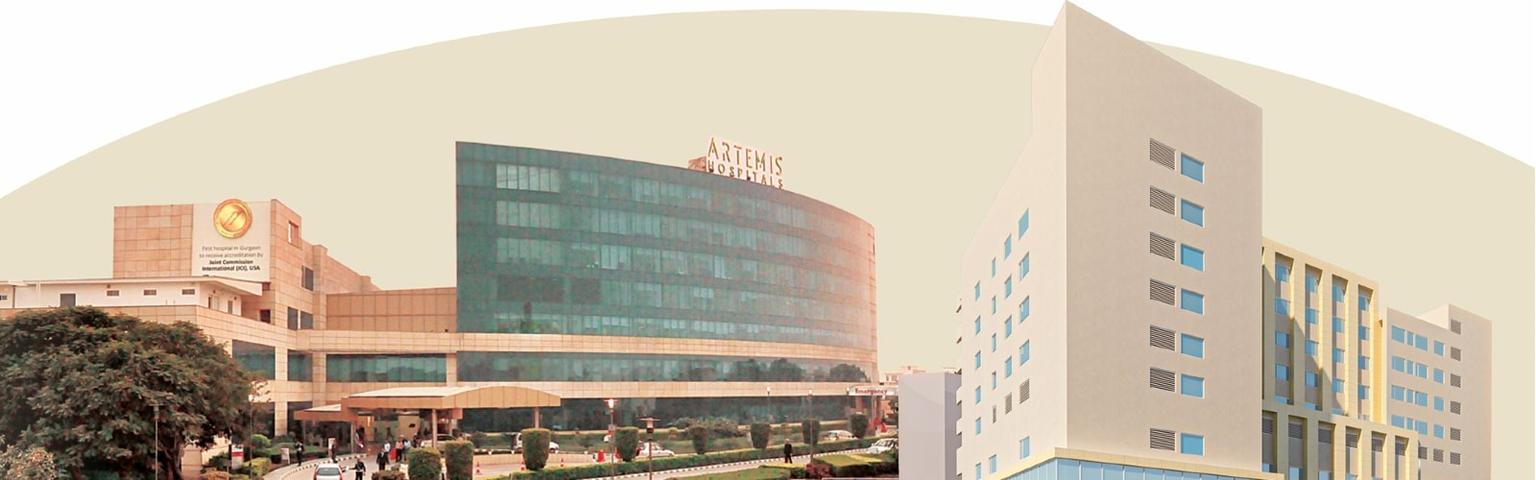
Artemis Hospital
Sector 51, Gurugram, Haryana, India
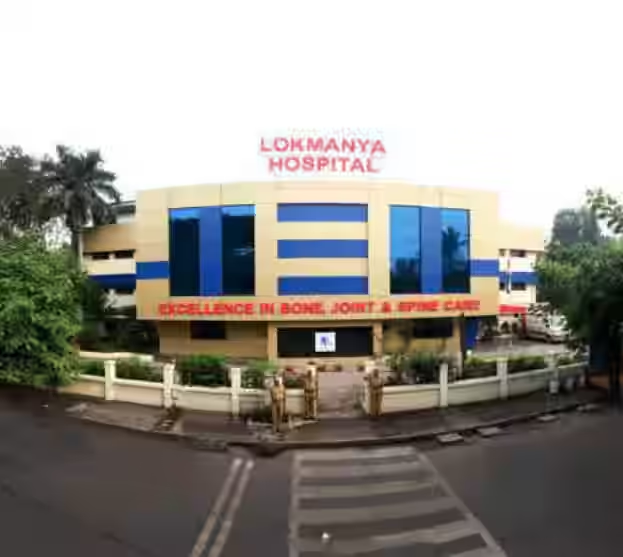
Lokmanya Hospitals
Not Specified

White Lotus Hospital
766, SFS 3145, SFS Road, 7th Sector, HSR Layout, Bengaluru, Karnataka 560102, India
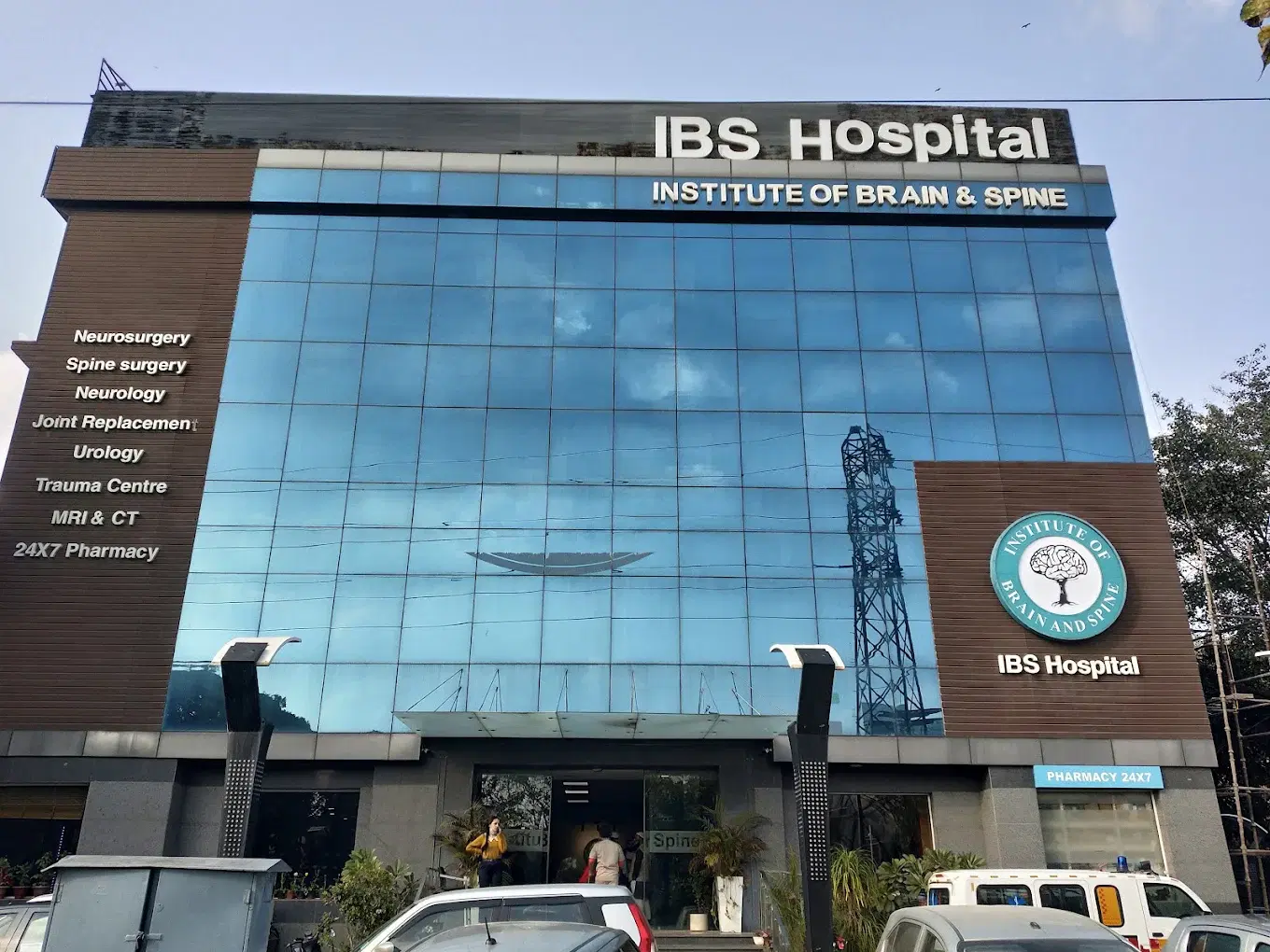
Institute of Brain and Spine (IBS Hospital)
Not Specified
Meet Our Medical Specialists




Sr. Consultant - Urology & Kidney Transplant Program (Unit I)
Dr. Abhinandan Mukhopadhyay
MBBS, MD
India

Sr. Consultant - Urology & Kidney Transplant Program (Unit I)
Dr. Abhinandan Mukhopadhyay
MBBS, MD
India
How DivinHeal Helps
We simplify your medical journey by providing comprehensive support and access to world-class healthcare.
Expert Specialist Matching
Connecting you with the world's top-rated medical experts.
Accredited Hospital Network
Access to JCI & NABH certified healthcare facilities.
Complete Travel Coordination
Hassle-free visa, stay, and local transport assistance.
24/7 Personal Care
Dedicated patient advisors supporting you at every step.
Journey Guidance
Full guidance from start to end of the patient treatment journey.
Expert Specialist Matching
Connecting you with the world's top-rated medical experts.
Everything you
need to know today
Browse through these common inquiries to better understand our patient-focused medical platform.
Yes, we work with a variety of insurance providers. Contact our team to verify your coverage.
Yes, we provide secure online consultations with experienced specialists.
Our care coordinators help match you with the most suitable specialist.
Absolutely. Your medical information is protected according to healthcare privacy standards.
Look at six things: accreditation (JCI or NABH), specialty depth, doctor credentials and experience, procedure-specific success rates, international patient support, and technology. DivinHeal's AI-driven matching evaluates every hospital in our accredited partner network on these dimensions and shortlists the best-fit options for your condition, budget, and country.
JCI (Joint Commission International) is the US-based global gold standard for hospital quality, recognised worldwide. NABH is India's national accreditation — accredited by ISQua, the same body that accredits JCI. Both signal independently verified safety and quality. Most of India's leading hospitals hold both.
Yes. All three welcome international patients through structured medical visa programs. India is the most established, treating patients from Africa, the Middle East, and South Asia at 60–80% lower cost. Thailand leads in cosmetic and dental care. The UAE is emerging in oncology and reproductive medicine.
Most patients save 50–80% on treatment costs. Heart bypass costs US $7,000–9,000 in India compared to $70,000–150,000 in the US. IVF costs $3,000–4,500 compared to $12,000–20,000 in the UK. Even after flights, visa, and accommodation, total savings remain 60–70%.
DivinHeal manages your entire non-medical journey: visa invitation letters, medical visa guidance, doctor appointments, teleconsultations, airport pickup, hospital-vetted accommodation for you and your attendant, language interpreters, local transport, cuisine preferences, and post-treatment follow-up — one dedicated coordinator from first enquiry to final follow-up.
You need a valid passport (6+ months validity), a medical visa (M-Visa for India — DivinHeal provides the hospital invitation letter), return flight tickets, recent medical reports and a doctor's referral, current prescription list, and proof of financial means. Any accompanying attendant needs their own passport and MX-Visa.
Still have more questions?
Book a call with our friendly team to learn how DivineHeal simplifies your healthcare journey.