

atrial fibrillation ablation Treatment in Pune for Iraq
Access high-quality treatment through JCI & NABH-accredited hospitals, renowned specialists, and end-to-end medical travel support designed around your healing journey.
Plan My Journey
Tell us your condition and budget - our AI matches the right destination, hospital and doctor and visa pathway
Cost calculator
I know my treatment - show me cost from 3 hospitals
5K+ International Patients Treated
40+ Source Countries Served
500+ Accredited Partner Hospitals
98% Patient Satisfaction
80% Average Savings vs USA
10K+ Doctors
NABH, JCI Accredited Hospitals
Free Treatment Plan
Free Consultation with Doctor
5+ Destinations Covered

Written by DivinHeal Editorial Contributor, DivinHeal Medical Team, Healthcare Advisory Team Published on: February 19, 2026
About
Atrial Fibrillation Ablation in Pune for Iraq Patients
Patients from Iraq managing atrial fibrillation often face complex choices for effective treatment. The thought of dealing with a persistent irregular heartbeat, and navigating advanced procedures like ablation, can bring considerable uncertainty and a strong desire for clear, reliable solutions abroad.
Many individuals seek specialized cardiac care beyond their home country, and Pune has emerged as a preferred destination. Patients are drawn to the city's focused medical environment, where advanced cardiac facilities and highly skilled professionals are readily available, ensuring a cohesive and well-coordinated treatment journey.
Trust in Pune's healthcare system is firmly built on its modern hospitals and experienced cardiac specialists. The city offers an accessible medical ecosystem, making it easier for patients to manage crucial pre-treatment evaluations, the procedure itself, and necessary follow-up care all within a single, supportive location.
Pune provides a comprehensive and trustworthy pathway for atrial fibrillation ablation patients.
What is Atrial Fibrillation Ablation?
Atrial fibrillation ablation is a medical procedure used to correct an irregular heartbeat, specifically atrial fibrillation (AFib). AFib occurs when the upper chambers of the heart (atria) beat chaotically, leading to poor blood flow. Ablation works by creating small scars in the heart tissue using heat or cold energy. These scars block the faulty electrical signals that cause the irregular rhythm, helping the heart maintain a normal, steady beat. This treatment aims to reduce symptoms, improve quality of life, and potentially lower the risk of stroke.
What Types of Atrial Fibrillation Ablation Are Available?
Radiofrequency Ablation: This common method uses focused heat energy, delivered through a catheter, to create tiny scars in the heart muscle. These scars interrupt the abnormal electrical pathways.
Cryoablation: Instead of heat, cryoablation uses extreme cold to freeze and destroy the heart tissue responsible for the irregular signals. It is often performed with a balloon catheter, particularly for pulmonary vein isolation.
Laser Ablation: A newer technique where a laser is used to create the scar lesions. This method offers precision and allows for visual guidance during the procedure.
Surgical Ablation (Maze Procedure): For certain patients, especially those undergoing other heart surgeries, a surgeon may perform an ablation directly on the heart tissue. This can be an open-heart or minimally invasive procedure.
When is Atrial Fibrillation Ablation Recommended?
- When atrial fibrillation symptoms significantly impact daily life, despite medication.
- If antiarrhythmic medications are ineffective in controlling the irregular heartbeat.
- When patients cannot tolerate the side effects of medications.
- To reduce the long-term risks associated with uncontrolled AFib, such as stroke or heart failure.
- For specific types of AFib that are highly likely to respond to ablation.
How is a Patient Evaluated Before Ablation?
- Detailed medical history review and physical examination.
- Electrocardiogram (ECG) to assess heart rhythm and electrical activity.
- Echocardiogram (Echo) to visualize heart structure and function.
- Holter monitor or event recorder for extended heart rhythm monitoring.
- Blood tests to check overall health, kidney, and thyroid function.
- Cardiac MRI or CT scan to create a detailed map of the heart's anatomy, especially the atria.
How is Atrial Fibrillation Ablation Performed?
The specific approach to atrial fibrillation ablation depends on the patient's condition and the chosen technique. However, most procedures follow a general set of steps.
Preparation: Patients typically receive a sedative to relax and local anesthesia at the catheter insertion site, usually in the groin. In some cases, general anesthesia is used.
Catheter Insertion: A thin, flexible tube called a catheter is inserted into a blood vessel, guided by imaging (like X-ray fluoroscopy) up to the heart.
Mapping the Heart: Once in the heart, the catheter is used to create a detailed electrical map of the atria, identifying the specific areas where the abnormal signals originate.
Ablation: Energy (radiofrequency, cryo, or laser) is then delivered through the catheter to create small scars at the identified problem areas. This blocks the electrical impulses causing the AFib.
Verification: After ablation, the heart's electrical activity is re-checked to ensure the irregular signals have been eliminated and a normal rhythm is restored.
What Does Recovery Involve After Ablation?
After atrial fibrillation ablation, patients typically stay in the hospital for one to two days for observation. During this time, the medical team monitors heart rhythm and ensures there are no immediate complications. Patients are advised to limit physical activity for about a week, avoiding heavy lifting or strenuous exercise. It is common to experience some chest discomfort or palpitations, which usually subside. Medications may be continued or adjusted. Regular follow-up appointments with cardiologists are crucial to monitor recovery, assess rhythm, and manage any ongoing symptoms or medication needs. Full recovery can take several weeks as the heart tissue heals.
What Are the Risks and Success Rates of Ablation?
- Bleeding or Bruising: At the catheter insertion site.
- Infection: Risk at the insertion site, though rare.
- Perforation or Tamponade: A very rare but serious risk of damage to the heart or surrounding structures.
- Stroke: A small risk due to blood clots, mitigated by blood thinners.
- Pulmonary Vein Stenosis: Narrowing of the veins leading to the heart, a rare complication of pulmonary vein ablation.
- Esophageal Injury: A rare risk, especially with heat-based ablation near the esophagus.
The success rates for atrial fibrillation ablation vary, generally ranging from 60% to 80% for paroxysmal (intermittent) AFib and 40% to 60% for persistent AFib after a single procedure. Some patients may require a second ablation. Factors influencing success include the type and duration of AFib, the patient's age, and underlying heart conditions. Long-term outcomes are generally positive, with many patients experiencing a significant reduction in symptoms and improved quality of life. Regular follow-up and lifestyle adjustments play a key role in maintaining a stable heart rhythm.
Cost of Atrial Fibrillation Ablation in Pune
The total cost for atrial fibrillation ablation in Pune is influenced by several factors, including the specific hospital chosen, the experience of the cardiac specialist, the type of ablation performed (radiofrequency, cryoablation), the duration of hospital stay, and any additional diagnostic tests required. High-end facilities with advanced technology may have different pricing structures compared to others.
In Pune, the approximate cost for atrial fibrillation ablation typically ranges from ₹4,000,000 to ₹7,500,000 INR. This range is subject to individual patient needs and the care package opted for.
Cost Comparison for Ablation in Pune
Medical travelers often find Pune offers a significantly more affordable option for advanced cardiac procedures like atrial fibrillation ablation, without compromising on quality or technology. Here’s how the cost in Pune generally compares to other major medical hubs globally:
| Location | Approximate Cost (USD) |
|---|---|
| Pune, India | $48,000 - $90,000 |
| United States | $90,000 - $150,000 |
| United Kingdom | $70,000 - $110,000 |
| Germany | $65,000 - $100,000 |
| Singapore | $75,000 - $120,000 |
| Turkey | $50,000 - $85,000 |
Support Services for Your Treatment Journey in Pune
- Comprehensive assistance with medical visa applications and extensions for Iraq patients.
- Arrangement of airport transfers and comfortable accommodation options near leading hospitals.
- Dedicated language interpretation services to ensure clear communication with medical staff.
- Coordination of all hospital appointments, consultations, and diagnostic tests.
- Guidance on local transportation and essential amenities during your stay in Pune.
Essential Papers Required for Your Medical Visit to Pune
- A valid passport and medical visa for India.
- All relevant medical reports, diagnostic scans, and physician referrals concerning your atrial fibrillation.
- A detailed letter from your primary care physician outlining your condition and treatment history.
- Proof of financial capacity to cover treatment costs and living expenses.
- Contact information for your emergency contacts and any referring doctor.
Steps to Get Ready for Your Ablation Procedure
- Follow all dietary restrictions provided by your doctor, including fasting instructions before the procedure.
- Discuss any medications you are currently taking with your cardiologist, especially blood thinners, as adjustments may be needed.
- Arrange for a companion to support you during your hospital stay and initial recovery period.
- Ensure all necessary pre-procedure tests are completed and reviewed by your medical team in Pune.
- Prepare a small bag with essential personal items for your hospital stay.
Recovery and Follow-Up Care After Your Ablation
- Adhere strictly to all prescribed medications and follow-up instructions given by your Pune cardiologist.
- Gradually resume physical activities as advised, avoiding strenuous exercise for several weeks.
- Monitor for any unusual symptoms like severe pain, fever, or swelling and report them immediately.
- Attend all scheduled post-procedure check-ups to track your heart's rhythm and recovery progress.
- Maintain a heart-healthy lifestyle, including a balanced diet and regular, gentle exercise.
Take Your Next Step Toward a Stable Heart Rhythm
Choosing the right path for atrial fibrillation ablation is a significant decision. Pune offers world-class cardiac care and a supportive environment for international patients.
Hospitals
NABH & JCI Accredited Hospitals in India,Turkey, Thailand & UAE.
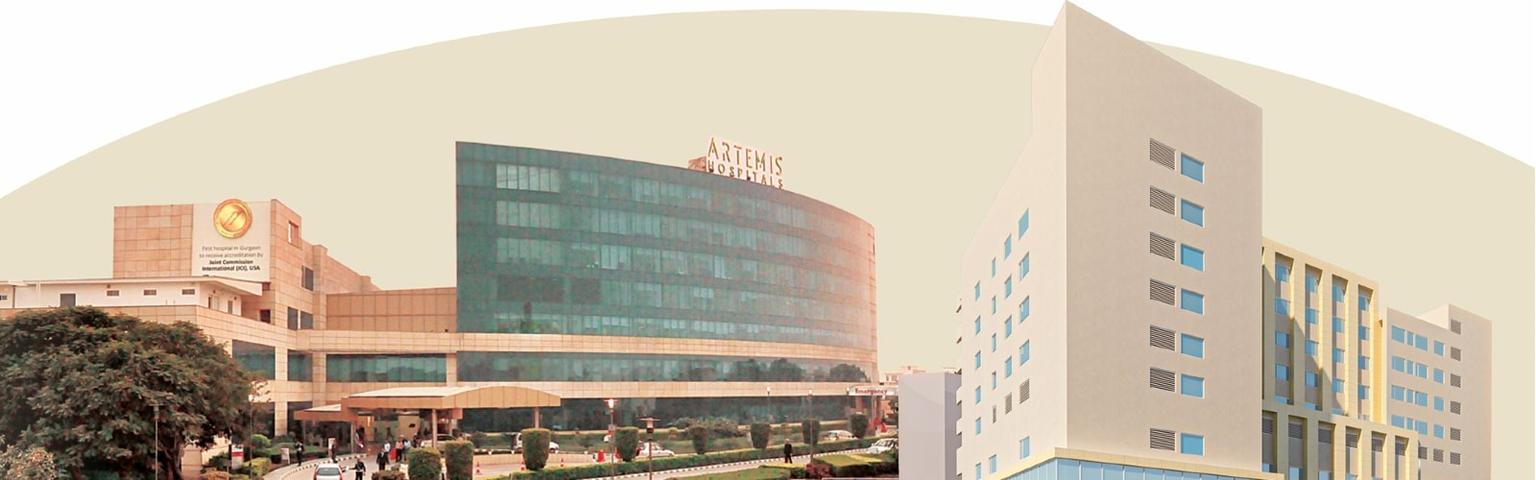
Artemis Hospital
Sector 51, Gurugram, Haryana, India

Lokmanya Hospitals
Not Specified

White Lotus Hospital
766, SFS 3145, SFS Road, 7th Sector, HSR Layout, Bengaluru, Karnataka 560102, India
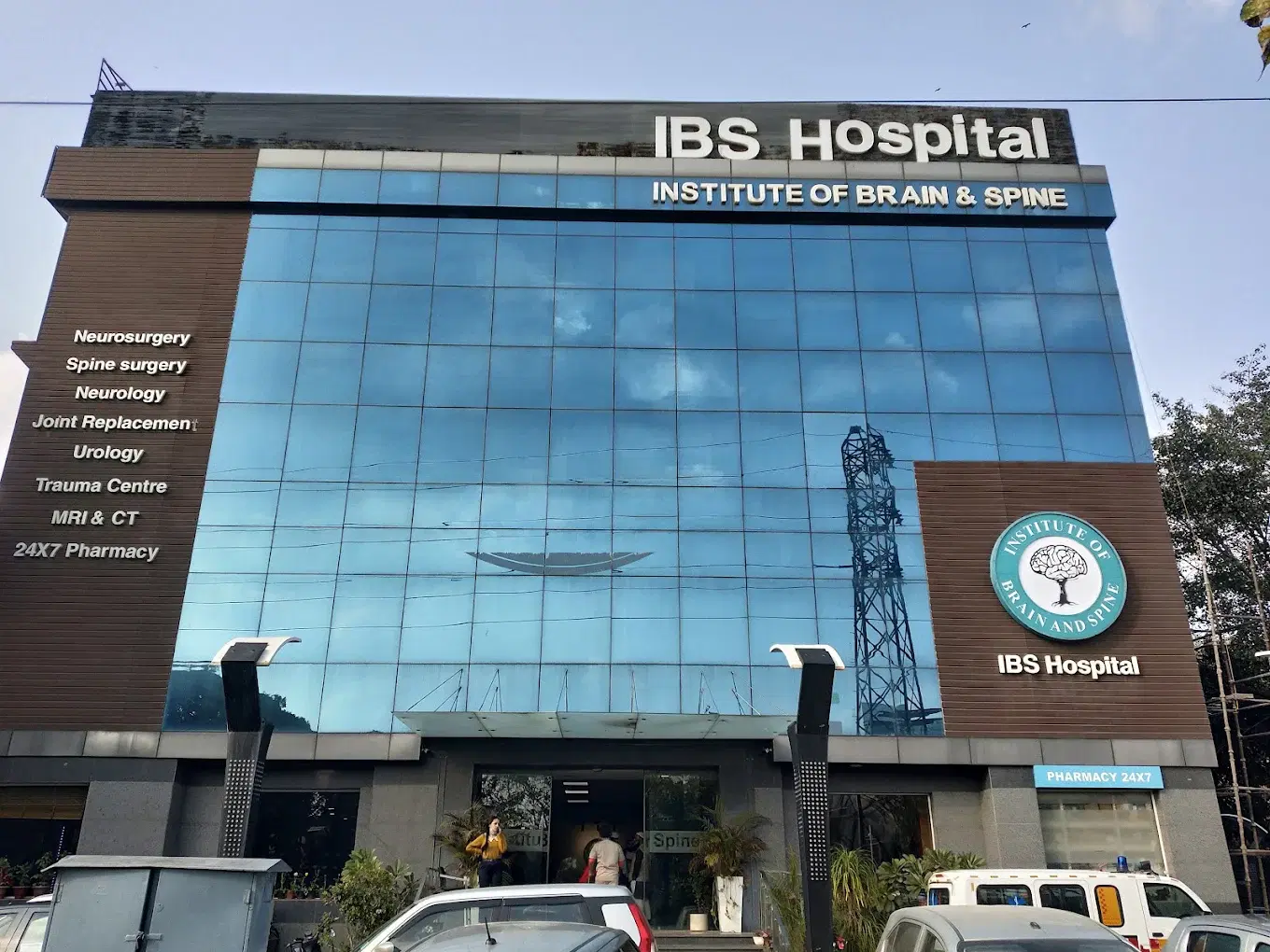
Institute of Brain and Spine (IBS Hospital)
Not Specified
Meet Our Medical Specialists




Sr. Consultant - Urology & Kidney Transplant Program (Unit I)
Dr. Abhinandan Mukhopadhyay
MBBS, MD
India

Sr. Consultant - Urology & Kidney Transplant Program (Unit I)
Dr. Abhinandan Mukhopadhyay
MBBS, MD
India
How DivinHeal Helps
We simplify your medical journey by providing comprehensive support and access to world-class healthcare.
Expert Specialist Matching
Connecting you with the world's top-rated medical experts.
Accredited Hospital Network
Access to JCI & NABH certified healthcare facilities.
Complete Travel Coordination
Hassle-free visa, stay, and local transport assistance.
24/7 Personal Care
Dedicated patient advisors supporting you at every step.
Journey Guidance
Full guidance from start to end of the patient treatment journey.
Expert Specialist Matching
Connecting you with the world's top-rated medical experts.
Everything you
need to know today
Browse through these common inquiries to better understand our patient-focused medical platform.
Yes, we work with a variety of insurance providers. Contact our team to verify your coverage.
Yes, we provide secure online consultations with experienced specialists.
Our care coordinators help match you with the most suitable specialist.
Absolutely. Your medical information is protected according to healthcare privacy standards.
Look at six things: accreditation (JCI or NABH), specialty depth, doctor credentials and experience, procedure-specific success rates, international patient support, and technology. DivinHeal's AI-driven matching evaluates every hospital in our accredited partner network on these dimensions and shortlists the best-fit options for your condition, budget, and country.
JCI (Joint Commission International) is the US-based global gold standard for hospital quality, recognised worldwide. NABH is India's national accreditation — accredited by ISQua, the same body that accredits JCI. Both signal independently verified safety and quality. Most of India's leading hospitals hold both.
Yes. All three welcome international patients through structured medical visa programs. India is the most established, treating patients from Africa, the Middle East, and South Asia at 60–80% lower cost. Thailand leads in cosmetic and dental care. The UAE is emerging in oncology and reproductive medicine.
Most patients save 50–80% on treatment costs. Heart bypass costs US $7,000–9,000 in India compared to $70,000–150,000 in the US. IVF costs $3,000–4,500 compared to $12,000–20,000 in the UK. Even after flights, visa, and accommodation, total savings remain 60–70%.
DivinHeal manages your entire non-medical journey: visa invitation letters, medical visa guidance, doctor appointments, teleconsultations, airport pickup, hospital-vetted accommodation for you and your attendant, language interpreters, local transport, cuisine preferences, and post-treatment follow-up — one dedicated coordinator from first enquiry to final follow-up.
You need a valid passport (6+ months validity), a medical visa (M-Visa for India — DivinHeal provides the hospital invitation letter), return flight tickets, recent medical reports and a doctor's referral, current prescription list, and proof of financial means. Any accompanying attendant needs their own passport and MX-Visa.
Still have more questions?
Book a call with our friendly team to learn how DivineHeal simplifies your healthcare journey.