
blastocyst transfer Success Rate in India
Need Personalized Advice?
Our medical experts are ready to answer your questions and guide you through your treatment options.
About
Understanding Blastocyst Transfer Success Rate in India
Understanding blastocyst transfer success rate in India is crucial for individuals navigating fertility treatments. This metric offers vital insights into potential outcomes of assisted reproductive technology, complementing the broader understanding of blastocyst transfer survival rate in India. Success depends on numerous factors including the specific clinic, patient's age, and embryo quality, making personalized data interpretation essential for informed decisions regarding treatment pathways.
In India, blastocyst transfer outcomes are evaluated through aggregated clinical data from various fertility centers. These results are benchmarked against national and global standards. It is crucial to remember that actual success varies significantly based on individual patient medical history, specific laboratory expertise, and chosen treatment protocols within the country.
What Success Means for Blastocyst Transfer
For blastocyst transfer, success primarily signifies achieving a clinical pregnancy, confirmed by a heartbeat, and ideally progressing to a healthy live birth. While blastocyst transfer recovery rate in India might refer to maternal recovery post-procedure or ovarian response, the primary focus remains on successful implantation and ongoing gestation. It is important to distinguish between these milestones when reviewing outcomes.
Blastocyst Transfer Success Rate Breakdown
Blastocyst transfer success rates vary depending on patient characteristics and clinical approaches.
| Treatment Type / Category | Typical Use Case | Success Rate Range (%) | What Success Indicates |
|---|---|---|---|
| Fresh Blastocyst Transfer | Immediate transfer post-retrieval cycles | 35%–50% | Clinical pregnancy per transfer |
| Frozen Blastocyst Transfer | Subsequent transfers or surplus embryo utilization | 40%–55% | Clinical pregnancy per transfer |
| Genetically Screened Blastocyst Transfer (PGT) | Selecting euploid embryos to enhance outcomes | 50%–65% | Clinical pregnancy per transfer |
Blastocyst Transfer Survival Rate by Age in India
Age is a primary determinant of fertility treatment success. Understanding the blastocyst transfer survival rate by age in India is paramount, as patient age directly impacts egg quality and embryo viability. Furthermore, insights into the stage wise blastocyst transfer survival rate in India — often referring to embryo development and grading — provide additional clarity on outcomes, aligning with international observations on age-related declines in success rates.
| Age Group | Treatment Method (Context) | Success Rate Range (%) |
|---|---|---|
| Under 35 years | Fresh or Frozen Blastocyst Transfer | 45%–60% |
| 35–37 years | Fresh or Frozen Blastocyst Transfer | 35%–45% |
| 38–40 years | Fresh or Frozen Blastocyst Transfer | 25%–35% |
| Over 40 years | Fresh or Frozen Blastocyst Transfer | 15%–25% |
Blastocyst Transfer Success Rate in India Compared Globally
Success rates for blastocyst transfer in India align closely with international standards, particularly when similar advanced protocols, technology, and rigorous patient selection criteria are consistently applied across leading fertility centers.
| Country | Treatment Success Rate Range (%) |
|---|---|
| India | 40%–55% |
| United States | 45%–60% |
| United Kingdom | 38%–52% |
| Australia | 42%–57% |
| Canada | 39%–54% |
| Spain | 41%–56% |
Please note: These success rates are indicative and can vary based on individual patient conditions and specific clinical approaches. They are not guarantees of outcome.
Factors Influencing Blastocyst Transfer Outcomes
- Patient's age and ovarian reserve status.
- Quality and genetic health of the transferred blastocyst.
- Underlying fertility diagnoses and medical history.
- Endometrial receptivity and uterine environment.
- Clinical expertise and laboratory quality standards.
- Previous IVF treatment attempts and outcomes.
- Lifestyle factors, including nutrition and stress.
Data Sources and Methodological Insights
- National and international fertility treatment registries provide aggregated statistics.
- Peer-reviewed scientific journals and evidence-based clinical studies.
- Aggregated outcome data from reputable Assisted Reproductive Technology (ART) clinics across India.
- Guidelines and reports from global health organizations and professional fertility societies.
- Leading centers such as AIIMS, Tata Memorial Centre, and major institutes follow evidence-based protocols.
Making Informed Fertility Decisions
Understanding these detailed outcomes helps in making confident and informed healthcare decisions. Consult with specialists to discuss your individual situation and explore the best path forward for your fertility journey.
```Hospitals Offering this treatment
India offers premium medical procedures at affordable prices. Discover our most popular treatments, delivered by the country's finest doctors.
Meet Our Doctors
Meet our team of highly qualified and experienced medical professionals dedicated to providing the best healthcare services.
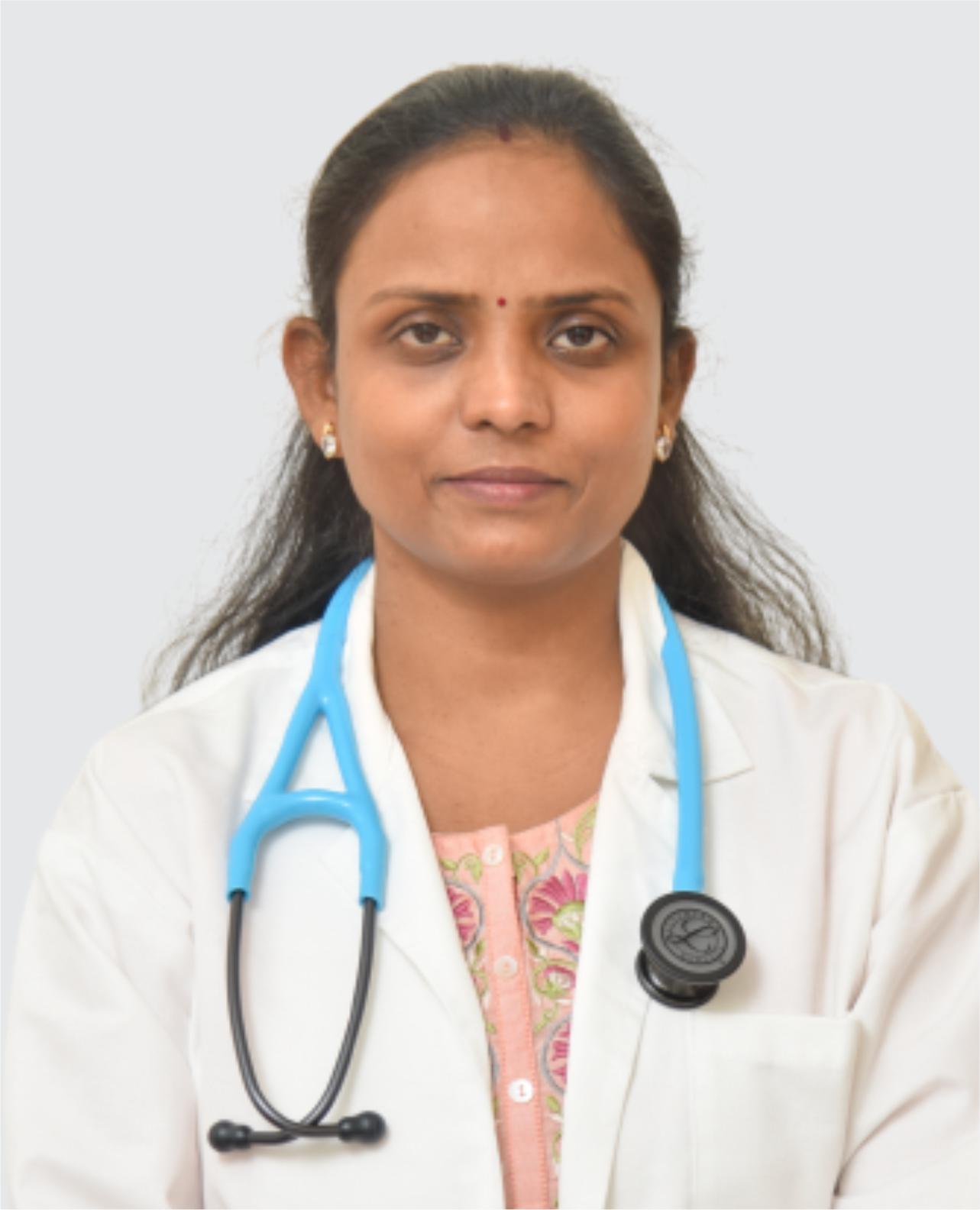
Dr. Anju Singh
Consultant - Pediatric Rheumatology
Pediatric Rheumatology
New Delhi
13+ Years
Experience
Artemis Hospital
Hospital
1500
Fees
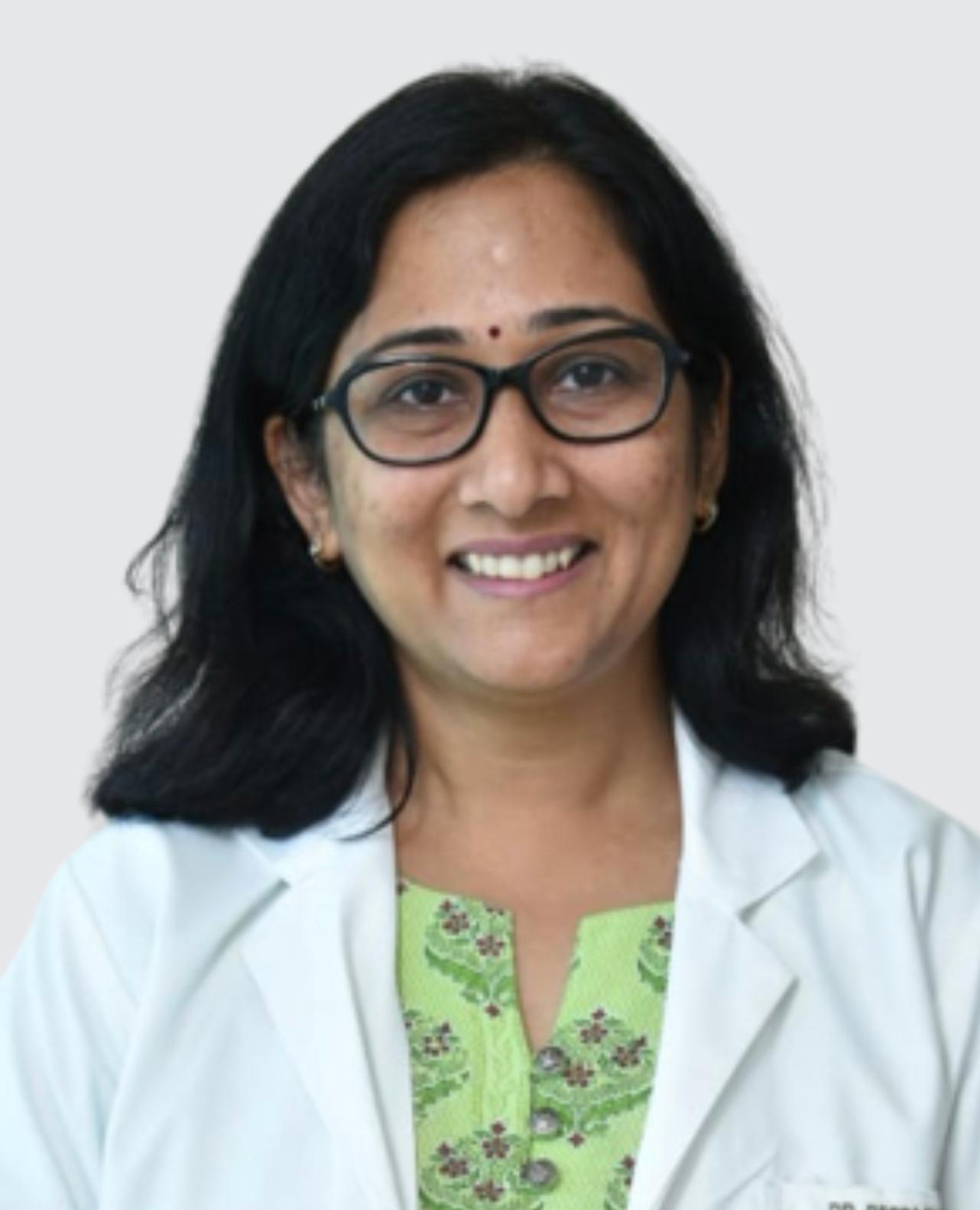
Dr. Deepa Maheshwari
Unit Head
Maternity, Obstetrics & Gynaecology
New Delhi
20+ Years
Experience
Artemis Hospital
Hospital
1500
Fees
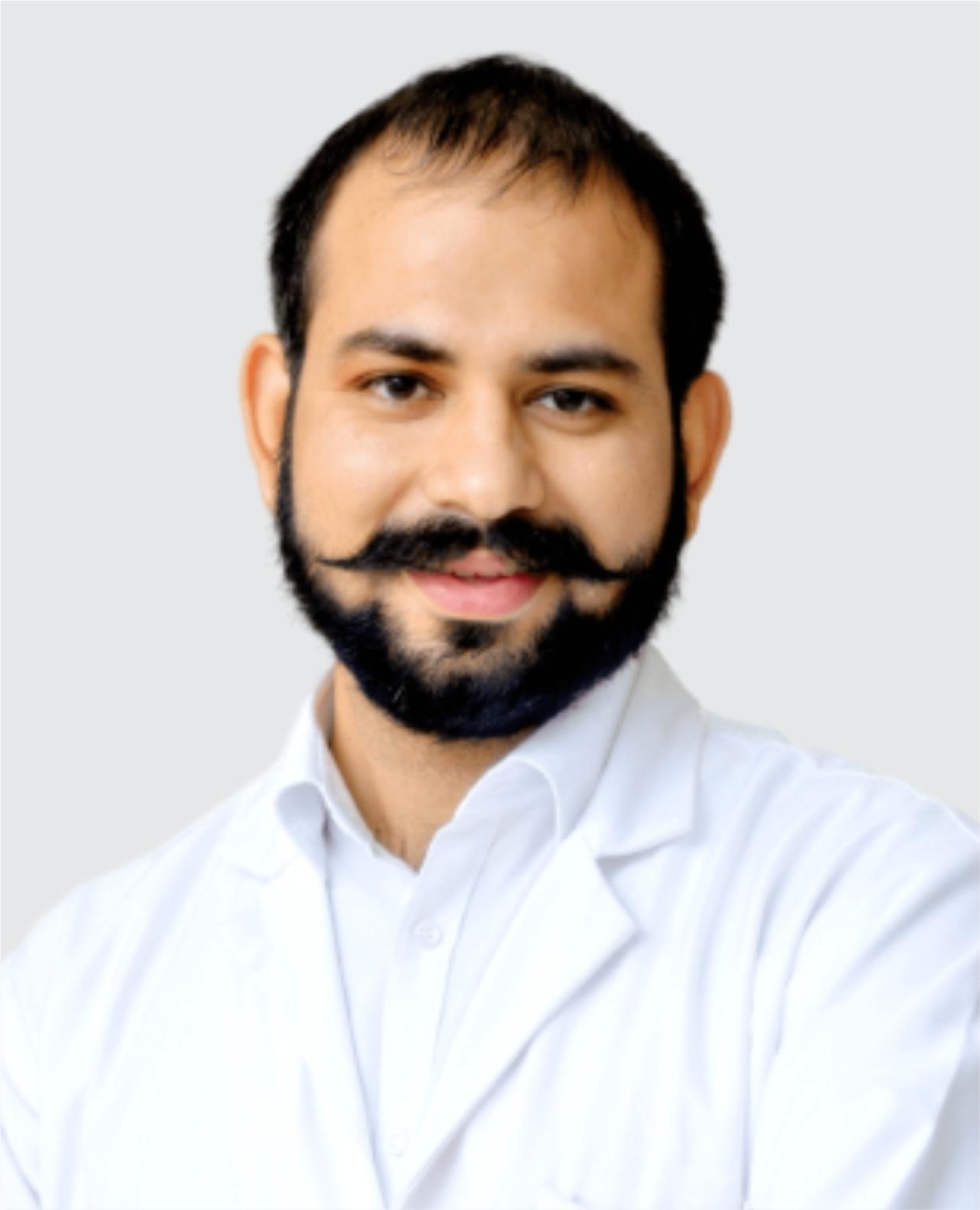
Dr. Sachin Sethi
Principal Lead - Physiotherapy
Physiotherapy and Rehabilitation
New Delhi
13+ Years
Experience
Artemis Hospital
Hospital
1500
Fees
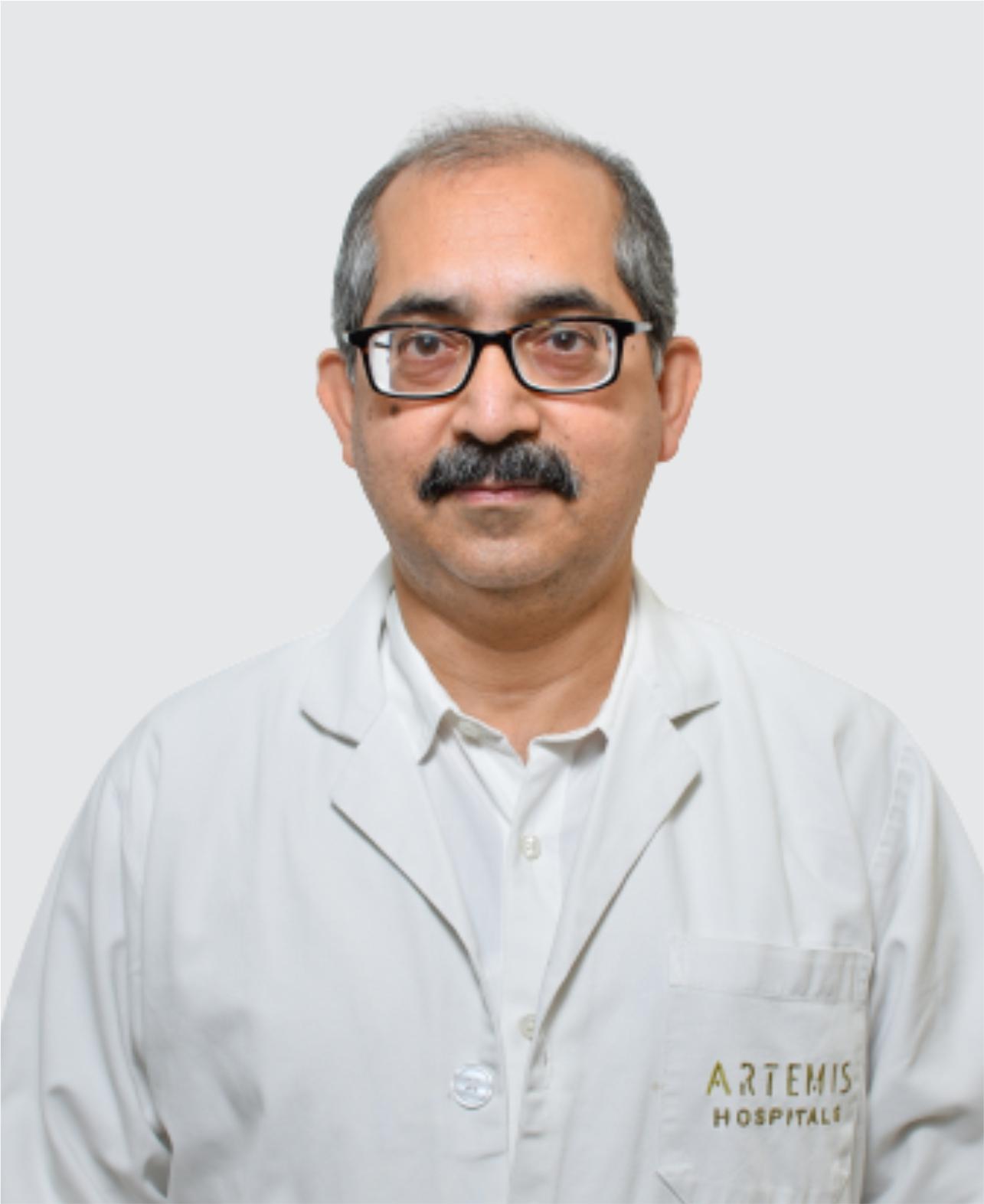
Dr. Sanjay Mehta
Chairperson
Radiology
New Delhi
28+ Years
Experience
Artemis Hospital
Hospital
1500
Fees
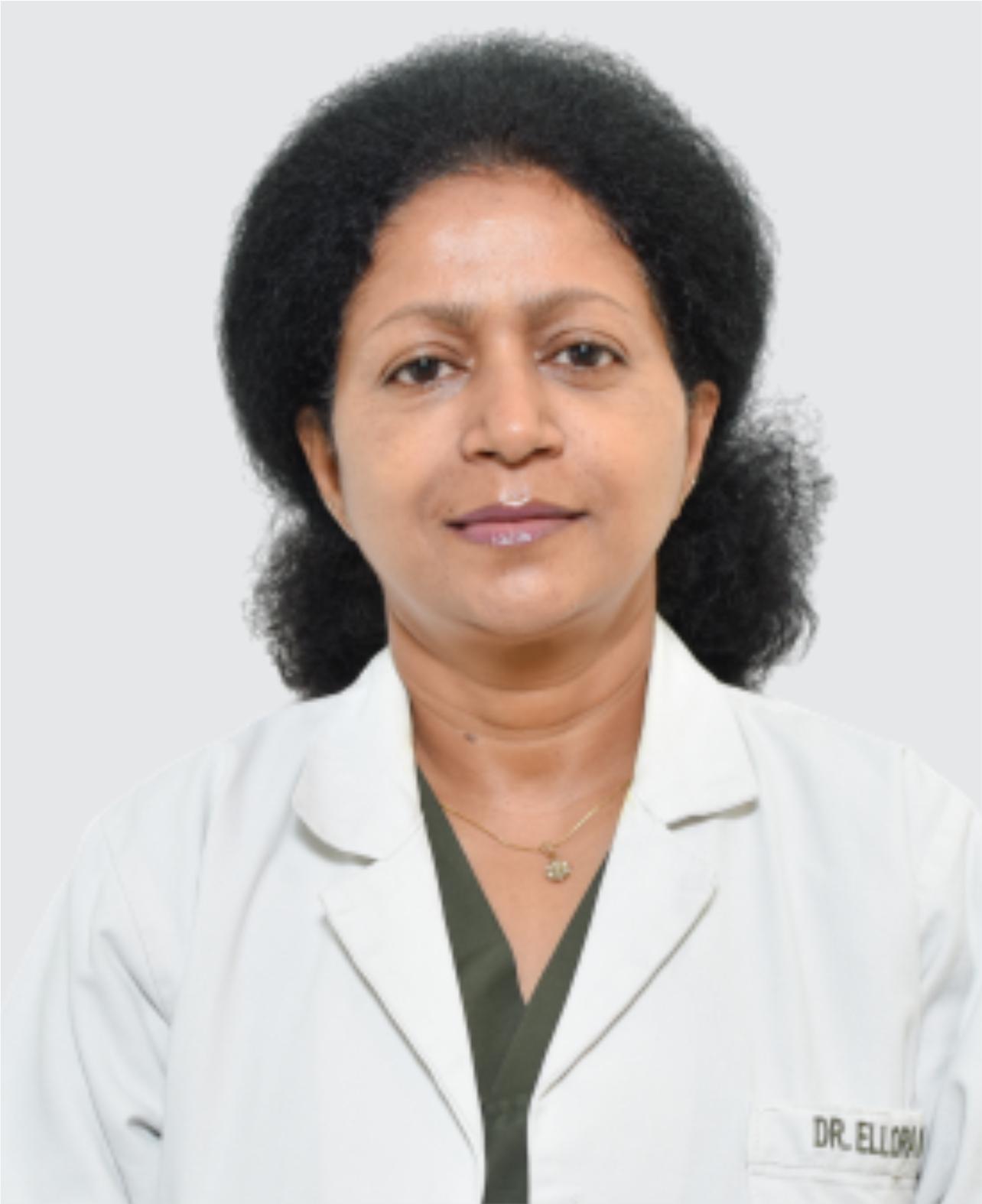
Dr. Ellora Nanda
Admin Head - Emergency
Emergency & Trauma Services
New Delhi
25+ Years
Experience
Artemis Hospital
Hospital
1500
Fees
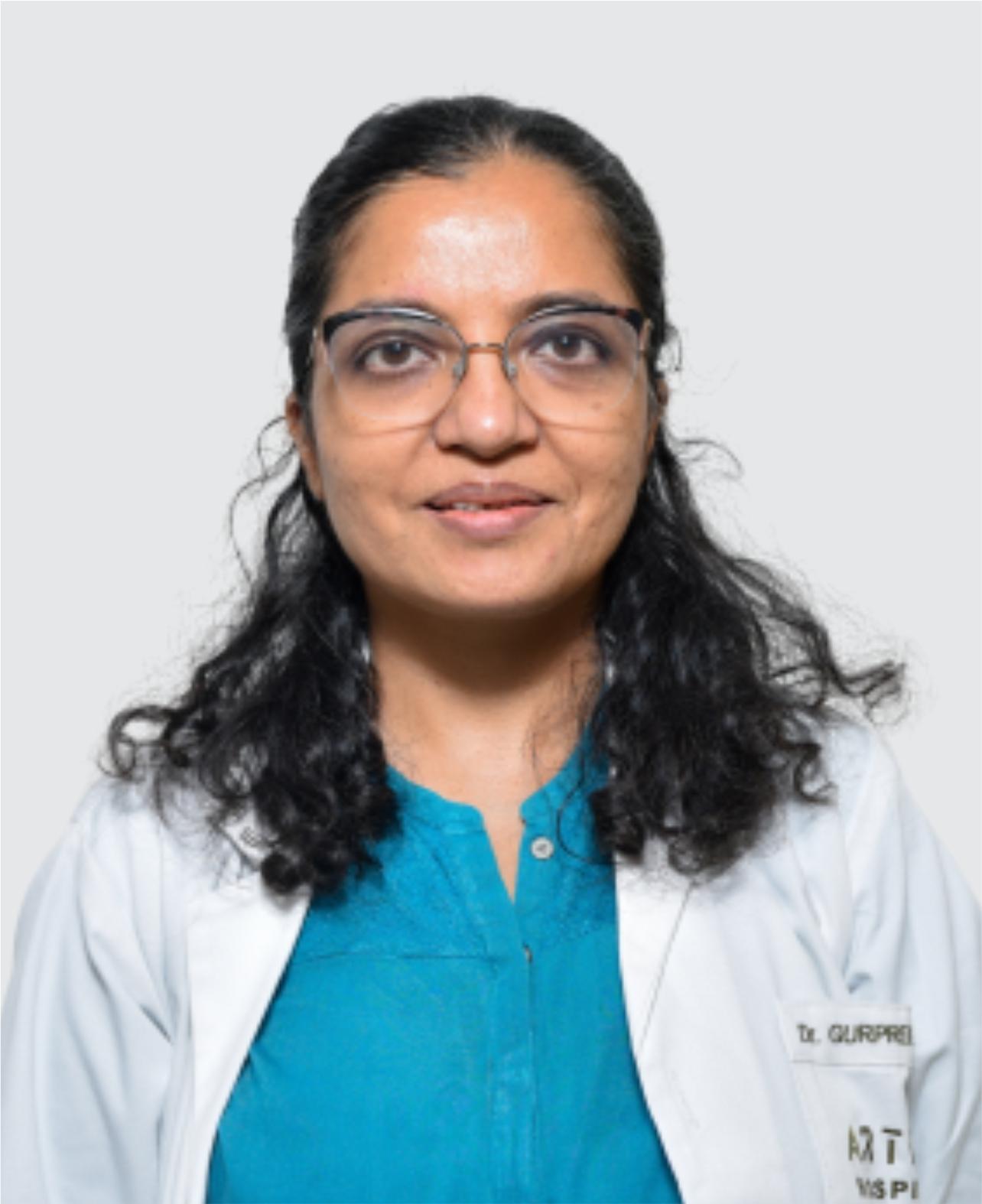
Gurpreet Makkar
Head Imaging & Chief DNB Program
Radiology
New Delhi
19+ Years
Experience
Artemis Hospital
Hospital
1500
Fees
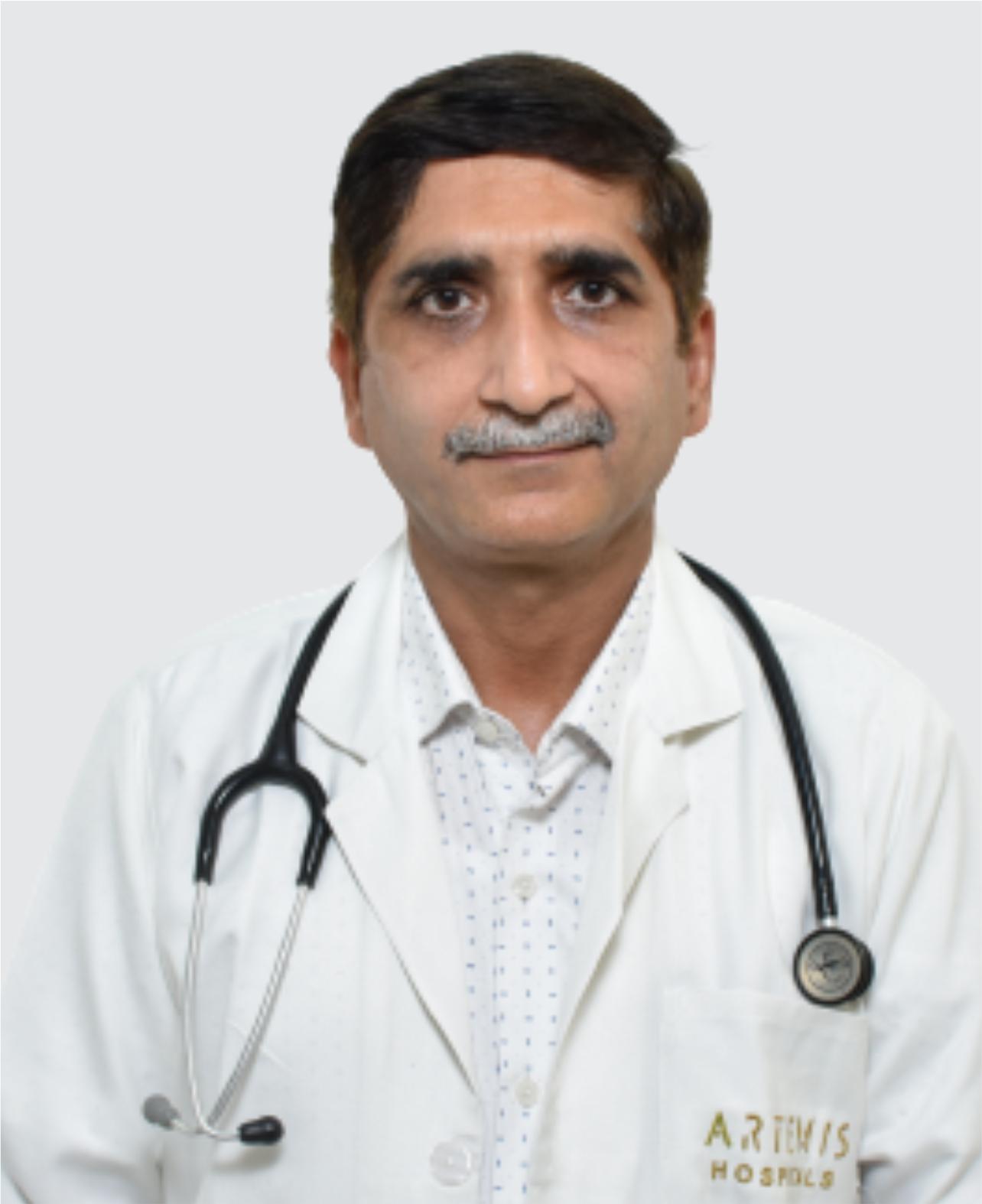
Dr. Hemant Gogia
Sr. Consultant - Paediatrics & Head - Medical Services and Medical Superintendent
Paediatric
New Delhi
10+ Years
Experience
Artemis Hospital
Hospital
1500
Fees
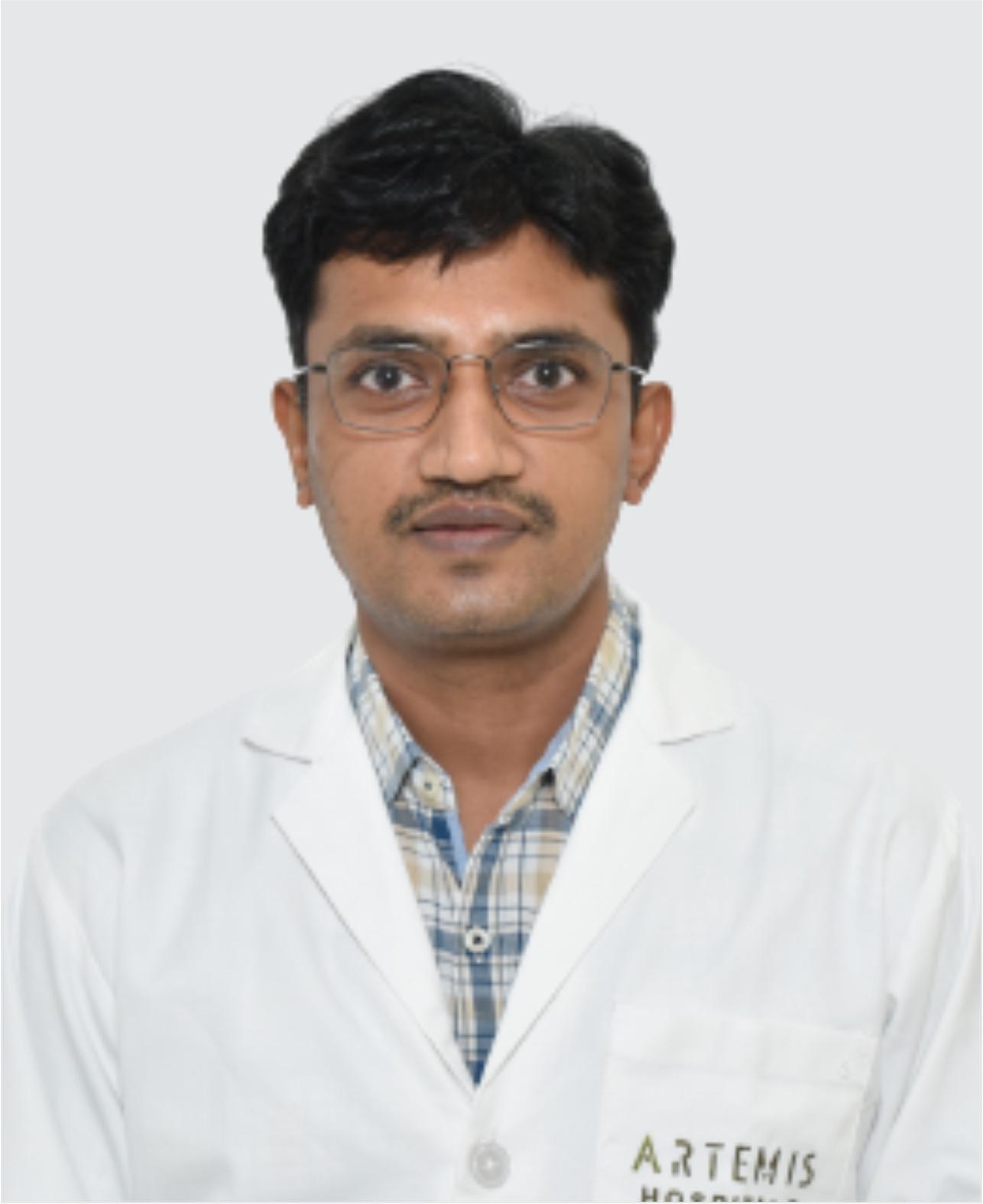
Dr. Nitin Goel
Sr. Consultant
Paediatric Surgery
New Delhi
10+ Years
Experience
Artemis Hospital
Hospital
1500
Fees
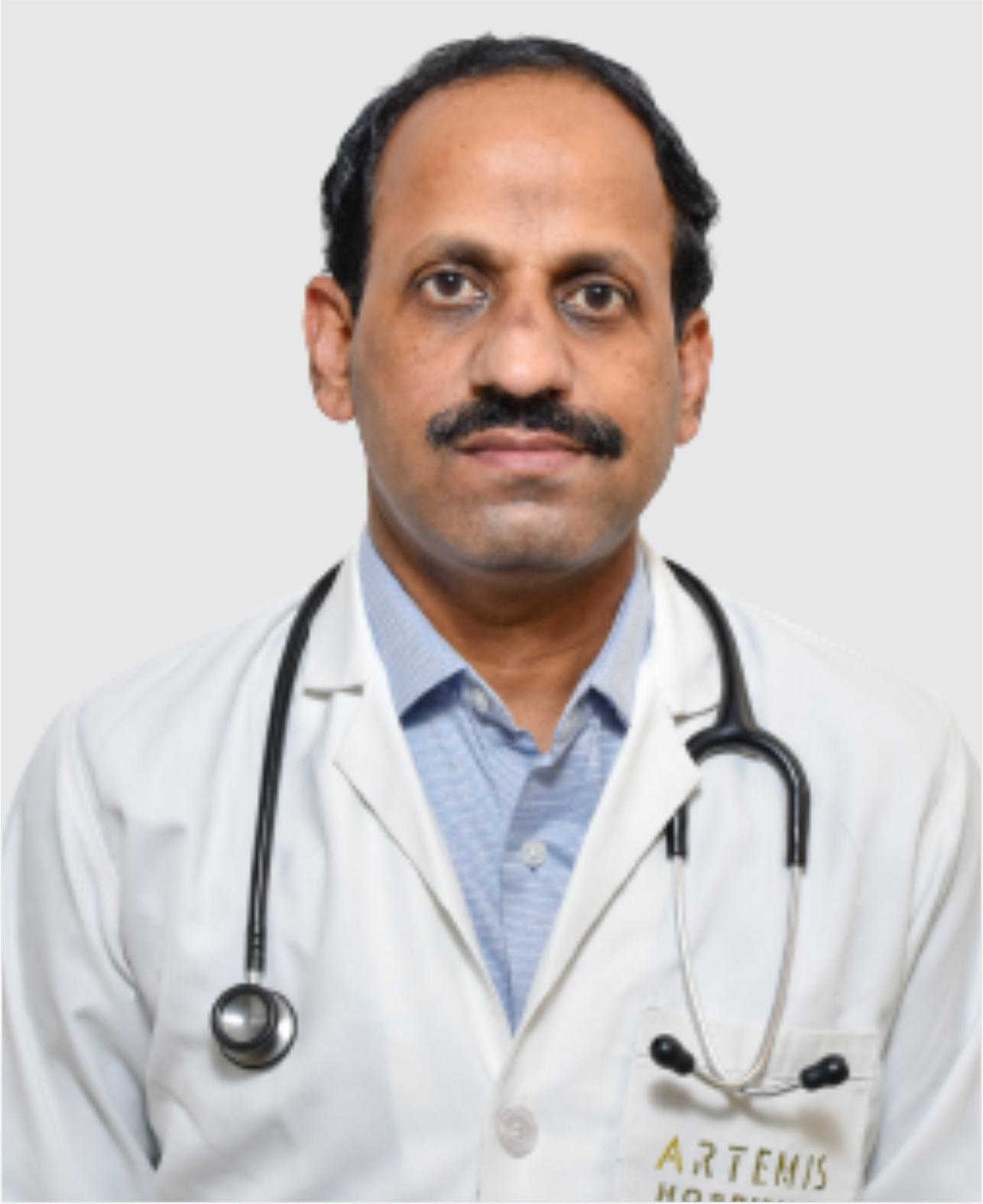
Dr. Padam Yadav
Consultant
Paediatric
New Delhi
15+ Years
Experience
Artemis Hospital
Hospital
1500
Fees
Dr. Ritika Singla
Director
Neonatology
New Delhi
11+ Years
Experience
Artemis Hospital
Hospital
1500
Fees
Related Links
Recent Blogs
Other Treatment related Information
International Patient Visiting India
Ready To Start Your Healing Journey?
Get Personalized Medical Treatment Options From India's Top Hospitals. Our Medical Experts Are Ready To Assist You Every Step Of The Way.