

Written by DivinHeal Editorial Contributor, Samrat Nilesh, Embryologist | Medically Reviewed by Dr Indu Priya, Gynecologist(MBBS,MD) Published on: 2026-01-26
5 Day Frozen Blastocyst Implantation Timeline: IVF in India Explained
This guide explains what happens after your embryo is transferred — day by day. You'll find cost data for Australia and the UK. You'll get tips to help with the implementation work. And you'll see how Divinheal makes your trip easy.
Emma, 34, from Melbourne, had already been through two unsuccessful IVF rounds in Australia before coming to India. "I didn't understand what was actually happening inside me after the transfer," she says. "Having a clear timeline made the two-week wait so much easier." She's now 18 weeks pregnant. (Story is an illustrative composite based on typical patient journeys. Names changed for privacy.)
What Is a Blastocyst and Why Does It Matter for IVF?
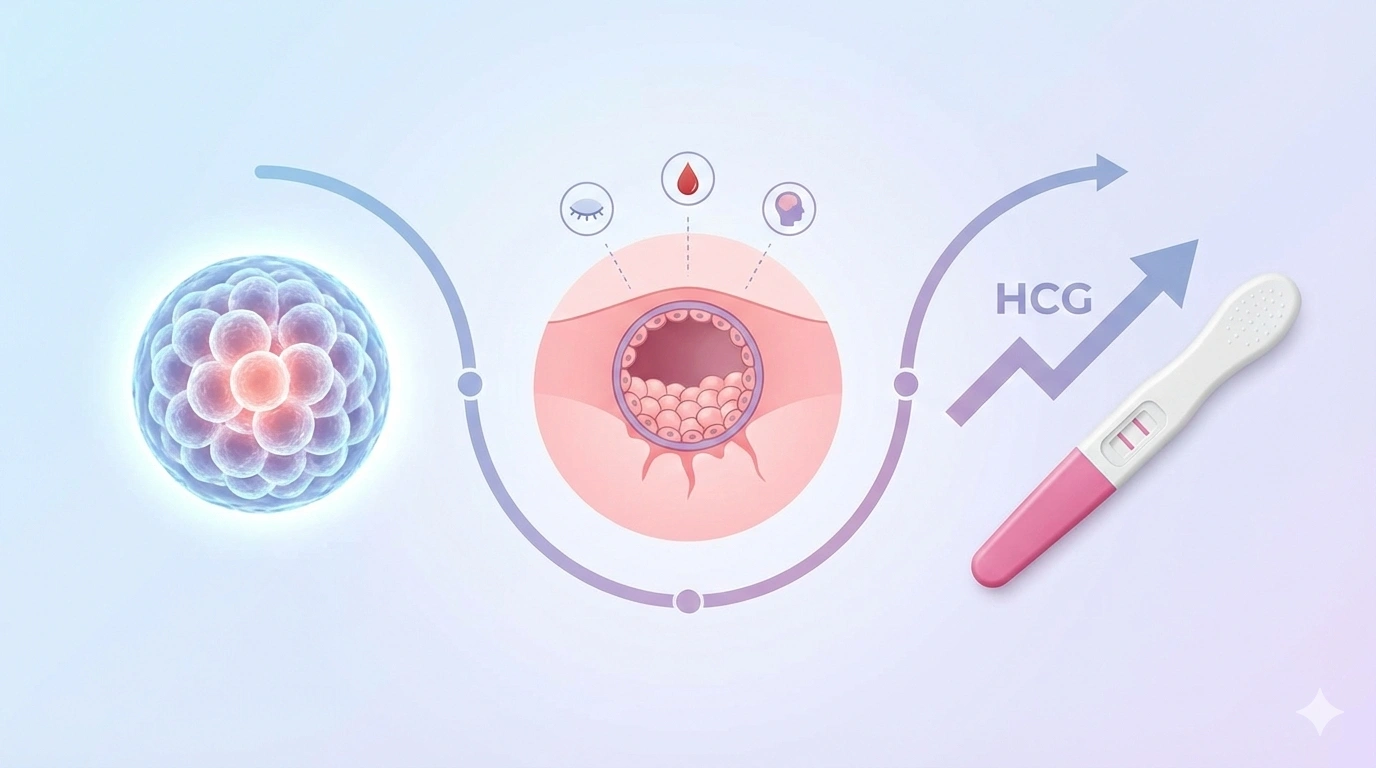
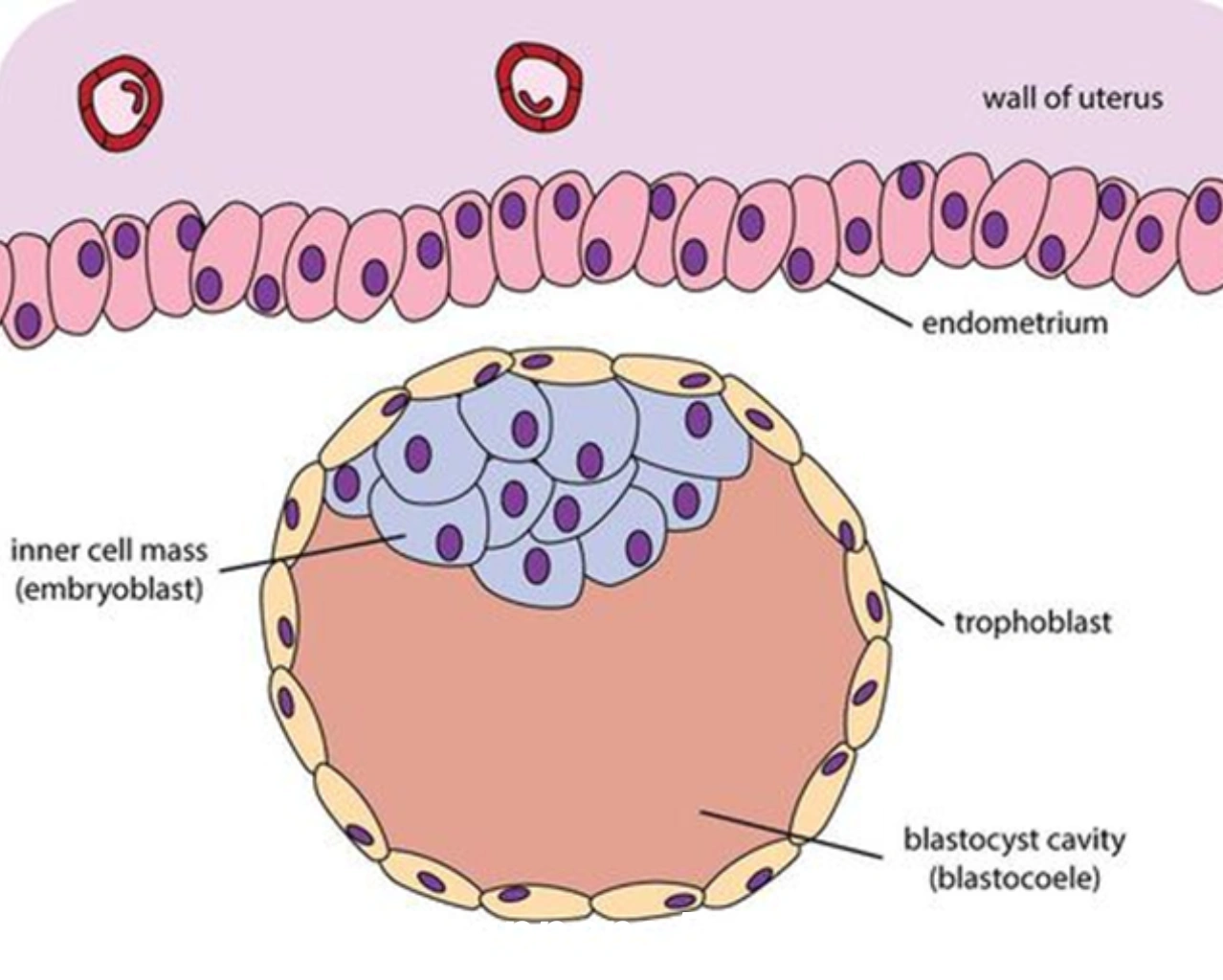
A blastocyst is an embryo at a more advanced stage of growth. It forms on Day 5 or 6 after fertilisation. It has roughly 60–100 cells split into two groups. The inner group becomes the baby. The outer layer — called the trophectoderm — forms the placenta. Doctors use this stage because it shows them which embryos are truly healthy.
Why Blastocysts Are Preferred Over Day 3 Embryos
Day 5 blastocysts are roughly twice as likely to implant as Day 3 embryos. That's what research in Fertility and Sterility (2002) found. Only around 30–50% of fertilised eggs survive to this stage in the lab. The ones that do are stronger and more developed. That's why most Indian fertility centres — including Divinheal's partner clinics — now recommend blastocyst transfers.
From Fertilised Egg to Blastocyst: What Happens in the Lab
After the egg is collected and fertilised, embryologists put the embryos into a special incubator. By Day 2–3, most have 4–8 cells. Between Days 4 and 6, a fluid space forms inside the embryo. This is called the blastocoel. The embryo is now a blastocyst. India's top labs track this with time-lapse incubators. Many clinics in Australia and the UK don't use this as a standard tool.
Frozen vs Fresh Embryo Transfer: Which Is Better?
Frozen embryo transfers (FETs) now work as well as fresh ones — and sometimes better. A large 2018 study in the New England Journal of Medicine showed frozen cycles had more live births and fewer problems. This is partly because the uterus gets more time to recover. Frozen transfers also allow genetic screening before the transfer. And they give patients more freedom around travel timing — a big plus for international patients.
Once transferred, the timeline is the same for fresh or frozen embryos. It starts within 24–48 hours of the transfer.
Your Day-by-Day Blastocyst Implantation Timeline After Transfer
It helps to know what's going on in your body after the transfer. That can make the two-week wait much less stressful. Here's what usually happens:
Day 1: The Blastocyst Begins to Hatch
After transfer, the blastocyst starts to shed its outer shell. This shell is called the zona pellucida. Shedding it is called hatching. It must happen before the embryo can attach to the uterine wall. You won't feel a thing. These changes happen at a tiny, cellular level.
Day 2: The Hatching Continues
The blastocyst fully leaves its shell. It then makes contact with your endometrium — the lining of your uterus. Some women notice very light spotting. This is normal. It doesn't mean the transfer worked or failed.
Day 3: Implantation Begins
This is when implantation usually starts. The outer layer of the blastocyst grips the uterine lining. It starts to dig in. You might feel mild cramps. But many women feel nothing at all.
Days 4–5: The Embryo Embeds and hCG Rises
The blastocyst burrows deeper into the uterine wall. It starts to connect to your blood supply. The embryo begins making hCG — the pregnancy hormone. But levels are still too low for a home test to detect.
Days 6–10: Early Signs and Blood Test Window
hCG levels rise steadily. Some women feel breast tenderness, tiredness, or nausea. Others feel nothing different. Most Indian clinics follow ICMR protocols. They recommend waiting until Day 10–14 post-transfer for a beta-hCG blood test.
Post-transfer implantation at a glance:
Day after transfer | Biological event | What's happening | What you may feel |
Day 1 | Blastocyst hatches | The embryo sheds its zona pellucida (outer shell) | Usually, nothing — processes are microscopic |
Day 2 | Adhesion begins | The embryo attaches to the uterine wall surface | Possible light spotting for some women |
Day 3 | Implantation starts | Embryo burrows into the endometrium (uterine lining) | Mild cramping, or no sensation at all |
Days 4–5 | Deeper embedding + hCG | hCG (pregnancy hormone) production begins | Fatigue, breast tenderness possible |
Days 6–10 | hCG rises, development | The embryo differentiates; the blood test becomes reliable | Early pregnancy symptoms in some women |
Sources: NYU Langone Fertility Center; Nova IVF Fertility, India; ICMR guidelines
Signs of Successful Blastocyst Implantation
Most women feel few or no symptoms during implantation. No symptoms are shown, but this does not mean the transfer has failed.
Common Implantation Symptoms — and Why Many Women Have None
About one in three women notices light spotting 6–12 days after transfer. The blood is usually light pink or dark brown. It lasts just a day or two. Some women also feel mild cramps, bloating, or breast tenderness. But these signs are not reliable. They can happen for other reasons. Many women with a successful implantation feel nothing at all.
Don't watch your symptoms during the two-week wait. Your clinic will give you a clear answer on test day. That's the only confirmation that matters.
When to Take a Pregnancy Test After FET
The most accurate test is a beta-hCG blood test. Doctors usually book this 10–12 days after a 5-day frozen blastocyst transfer. Home tests can show false negatives before Day 10. hCG is still too low. Your Divinheal coordinator will remind you of your test date. They'll help you book it at a lab near you — in India or back home.
How to Support Implantation After Embryo Transfer
What to Eat and Do Before Your Transfer
There's no magic diet. But eating well does help. An anti-inflammatory diet before your transfer improves blood flow to the uterus. Try leafy greens, oily fish, legumes, and whole grains. A study in Human Reproduction (2018) found women who ate a Mediterranean diet before IVF had higher live birth rates. Indian clinics often add supplements — folic acid, vitamin D, coenzyme Q10 — for 4–8 weeks before transfer. Some also use Ayurvedic herbs for uterine support, always under medical guidance.
Post-Transfer Care: What to Do (and What to Skip)
You don't need to lie still for two weeks. Gentle walking is fine and good for circulation. What you should avoid:
Strenuous exercise, heavy lifting, or abdominal pressure
Hot baths, saunas, or very hot showers
Alcohol, smoking, and recreational drugs
NSAIDs (ibuprofen, aspirin) unless approved by your doctor
Caffeine above 200mg daily
Follow your clinic's medication plan closely. Progesterone supplements are usually prescribed. Never stop them without talking to your doctor first.
Endometrial Receptivity: Why the Uterine Lining Matters
Endometrial receptivity means how ready your uterine lining is for an embryo. A good lining is usually 8–12mm thick. It shows a triple-line pattern on ultrasound. If your lining has been thin in past cycles, your specialist may suggest an ERA test. ERA stands for Endometrial Receptivity Analysis. It's a small biopsy. It finds your personal implantation window with precision — usually within a ±2-day margin.
At Divinheal's partner clinics — Apollo Fertility and ART Fertility Clinics India — 3D ultrasound scans and ERA testing are standard. These are routinely used for patients who have had past failed transfers.
IVF Cost Comparison: India vs Australia vs the UK
Why Patients From Australia and the UK Choose India for IVF
A frozen blastocyst transfer in India usually costs ₹1,00,000–₹2,50,000. That's about $1,200–$3,000 USD or £950–£2,350. It's 60–75% less than the same treatment in Australia or the UK. The lab standards and medical skills are just as high.
James and Sophie from Bristol spent £14,200 on two failed IVF cycles in the UK before choosing India. Their third cycle — at a NABH-certified clinic in Delhi, coordinated by Divinheal — cost under £2,000 all-in. "We couldn't believe the quality of care," Sophie told us. "The embryology lab was better equipped than our clinic back home." (Illustrative composite.)
Frozen blastocyst transfer cost comparison (single cycle):
Country | Cost (INR) | Cost (USD approx.) | Cost (GBP approx.) | Typical savings vs India |
India | ₹1,00,000–₹2,50,000 | $1,200–$3,000 | £950–£2,350 | — |
Australia | ₹6,60,000–₹12,40,000 | $8,000–$15,000+ | £6,300–£11,800 | 60–70% |
United Kingdom | ₹5,00,000–₹10,00,000 | $6,000–$12,000 | £4,800–£9,500 | 60–75% |
Sources: Apollo Fertility, Bloom IVF Centre, Cloudnine Hospital (India); NHS (UK); Monash IVF (Australia). Note: costs shown are approximate ranges for a standard single frozen cycle. Donor egg, genetic testing (PGT-A), and medications are additional.
What's Included in an Indian IVF Package
Most Indian frozen embryo transfer packages include pre-transfer consultations, ultrasound monitoring, the transfer procedure, follow-up scans, and basic medications. Divinheal's partner clinic packages are itemised. They're sent to patients before they commit. There are no hidden charges. For patients with repeated failed transfers, enhanced monitoring and ERA testing are often included in specialist packages.
Quality and Accreditation: What JCI and NABH Mean for You
NABH and JCI are the two main quality certifications for Indian hospitals. NABH (National Accreditation Board for Hospitals and Healthcare Providers), JCI (Joint Commission International) and NABH are like India's national standards for medic, like the CQC is in the UK. It covers patient safety, infection control, and treatment protocols. JCI is the global benchmark used by major international hospitals. All Divinheal partner clinics are NABH-certified. Several also hold JCI accreditation. This means they meet the same quality standards as hospitals in your home country.
How Divinheal Supports Your IVF Journey in India
Partner Clinics: NABH-Certified Facilities Across India
Divinheal works with NABH-certified fertility clinics in Delhi, Mumbai, Chennai, Bangalore, and Hyderabad. Each clinic is checked for lab quality and embryologist skills. Divinheal also looks at their live birth rate data and how well they support overseas patients. You'll get a shortlist of clinics that fit your diagnosis, budget, and preferred city — before you commit to anything.
Personalised Treatment Plans for International Patients
Every patient gets a coordinator. They review your medical history and match you to the right clinic and specialist. Your treatment plan is built around your travel dates — not the other way around. This includes the exact timing of your 5-day frozen blastocyst transfer. If you have a complex history — like unexplained infertility or past surgery — Divinheal can arrange a second opinion from a senior specialist at no extra cost.
Patient Stories: Real Journeys From the UK and Australia
Aisha, 38, from Birmingham, had two failed frozen transfers before her Divinheal coordinator suggested an ERA test at a clinic in Chennai. The test revealed her implantation window was 24 hours later than standard — her embryos had been transferred at the wrong time. On her first India-cycle with the adjusted protocol, she conceived. "I wish I'd done it two years earlier," she says. (Illustrative composite.)
Priya and Raj from Sydney had already spent AUD 28,000 over three IVF cycles in Australia. Their Divinheal cycle in Bangalore costs AUD 3,200 all-in, including flights and 10 nights' accommodation. They're now parents to twin girls. (Illustrative composite.)
Stories are illustrative composites based on typical patient journeys. Names changed for privacy.
Planning Your Trip to India for IVF Treatment
Medical Visa Requirements for Australian and UK Patients
You'll need an Indian Medical Visa (M-Visa) for IVF treatment in India — not a tourist e-visa. A tourist visa doesn't cover medical procedures. This can cause problems with immigration. Divinheal handles your hospital invitation letter. This letter is needed for the visa application. Processing takes 3–10 working days. Apply at least 4 weeks before you plan to travel.
Visa type | Purpose | Key requirement |
Medical Visa (M-Visa) | IVF and medical treatment | Hospital invitation letter + medical reports |
Tourist e-Visa | Tourism/family visits only | Medical procedures are not permitted |
Source: Indian Bureau of Immigration. Visa rules can change — always check with the Indian High Commission in your country before you travel.
Accommodation and Local Support in India
Most Divinheal partner clinics include 2–3 nights of accommodation in their international packages. This is especially useful around the embryo transfer. For longer stays — usually 10–14 days — Divinheal arranges serviced apartments or hotel rooms within 10 minutes of the clinic. Airport transfers, local transport, and a local SIM card are all set up in advance. You won't have to manage logistics from halfway around the world.
Your Divinheal Coordinator: One Point of Contact
From your first enquiry to the day you leave India, you have one dedicated coordinator. They book your first video call with your specialist. They manage all clinic appointments and remind you about your medication schedule. They answer questions on WhatsApp every day. After you return home, they help with follow-ups too. If your GP needs your Indian lab reports or scan images, your coordinator sends them directly.
When Implantation Fails: Causes and What Comes Next
Not every transfer of an embryo results in pregnancy. If yours doesn't have that's not the end of the road because understanding why implantation failed often reveals a fixable problem.
Late Implantation After IVF: What It Means
Implantation after Day 5–6 post-transfer carries a higher miscarriage risk. But late implantation can still lead to a healthy pregnancy. If your beta-hCG is positive but very low on Day 10, it needs careful monitoring — not panic. Your specialist will advise you on when to retest.
Common Reasons for Implantation Failure
Failed implantation usually comes down to two types of causes: embryo factors and uterine factors. Embryo factors include chromosomal problems. These are the most common causes. They account for up to 50–60% of failed transfers in women over 35 (SART 2022 data). Uterine factors include polyps, fibroids, scar tissue, adenomyosis, and a thin uterine lining. Immune system factors are less common. But they are being recognised more and more.
Male fertility is also worth rechecking after repeated failures. Sperm DNA damage can hurt embryo quality — even when a standard semen test looks normal.
Advanced Testing: ERA, PGT, and Hysteroscopy Explained
If you've had two or more failed transfers, your specialist may suggest one or more of these investigations:
ERA (Endometrial Receptivity Analysis) — a timed endometrial biopsy that identifies your personal implantation window. Particularly useful if previous transfers had apparently good embryos and lining but still failed.
PGT-A (Preimplantation Genetic Testing for Aneuploidies) — genetic screening of embryos before transfer to identify chromosomally normal ones. Reduces miscarriage risk significantly in women over 35 or with recurrent pregnancy loss.
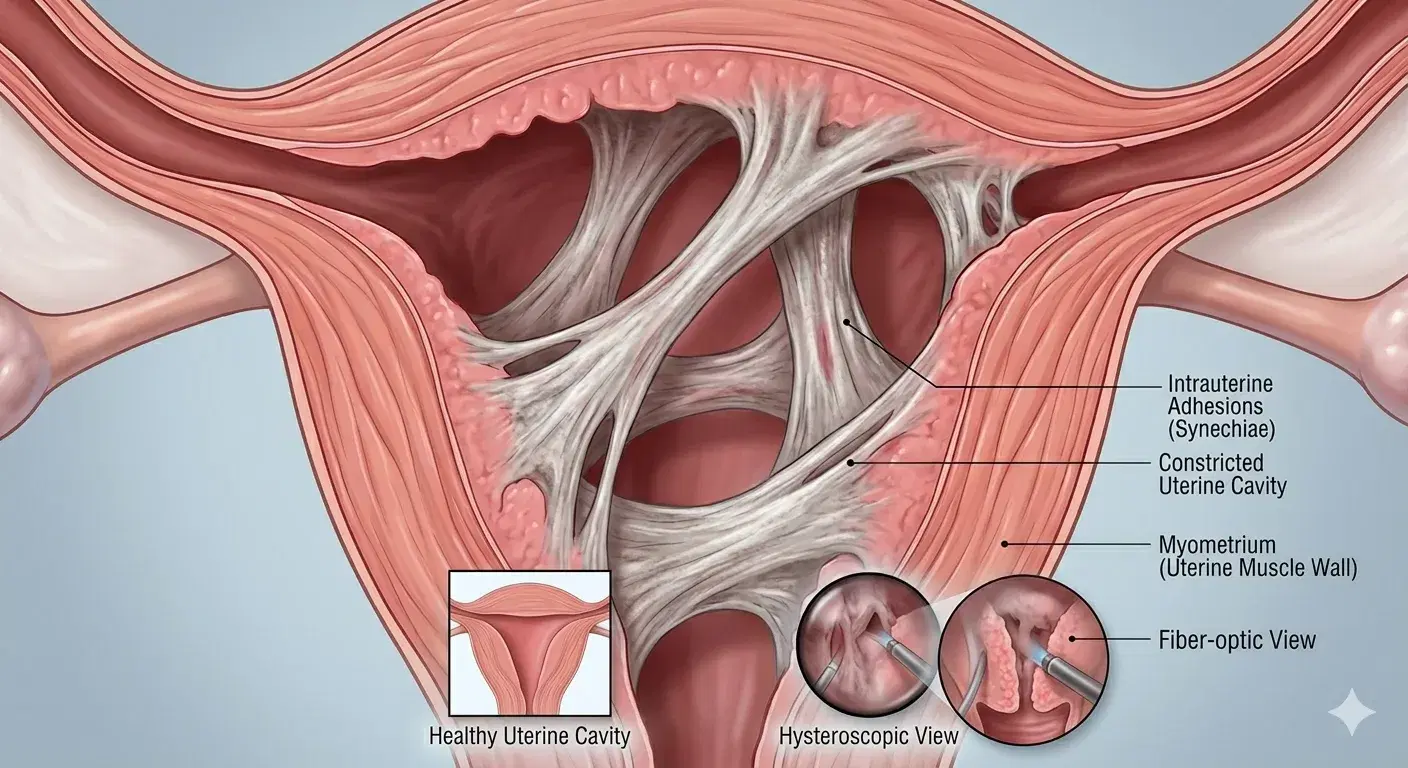
Hysteroscopy — a camera examination of the uterine cavity to detect and treat polyps, fibroids, or adhesions that could prevent implantation.
All three are available at Divinheal's partner clinics. They are part of standard recurrent failure protocols.
Final Thoughts
You've done the hard work of researching your options — that matters. The 5-day frozen blastocyst timeline unfolds over just a few days. But the planning around it takes months. The good news is that India's top fertility clinics have lab standards and treatment expertise that match — or beat — what's available in the UK or Australia, at a much lower price.
Patients from Australia and the UK who travel to India for IVF through Divinheal typically save 60–70% on treatment costs. More importantly, they get a coordinator who stays with them from the first enquiry to the pregnancy test, and beyond.
When you're ready to take the next step, contact Divinheal for a free first consultation. Your coordinator will review your history and explain which clinics best suit your case. They'll give you an honest, no-pressure view of what to expect.
Disclaimer: Cost figures are estimated ranges based on 2024–2025 data. Always check final costs directly with clinics before committing. Patient stories are composites based on real journeys; individual results vary.
Related Links
International Patient Visiting India
- blastocyst transfer in pune for bangladesh
- blastocyst transfer in hyderabad for bangladesh
- blastocyst transfer in chennai for uae
- blastocyst transfer in india for uae
- blastocyst transfer in chennai for bangladesh
- blastocyst transfer in bengaluru for bangladesh
- blastocyst transfer in mumbai for bangladesh
- blastocyst transfer in new delhi for bangladesh
- blastocyst transfer in india for bangladesh
Other Treatment related Information
- blastocyst transfer
- blastocyst transfer Treatment in Hyderabad
- blastocyst transfer Treatment in Pune
- blastocyst transfer Treatment in Haryana
- Best blastocyst transfer Hospitals in Pune
- Best blastocyst transfer Hospitals in India
- Best blastocyst transfer Hospitals in Chennai
- Best blastocyst transfer Hospitals in Bengaluru
- Best blastocyst transfer Hospitals in Gurugram
- Best blastocyst transfer Doctors in Mumbai
- Best blastocyst transfer Doctors in Bengaluru
Booking With DIVINHEAL
Get a free consultation to understand your treatment options
Related Links
International Patient Visiting India
- blastocyst transfer in pune for bangladesh
- blastocyst transfer in hyderabad for bangladesh
- blastocyst transfer in chennai for uae
- blastocyst transfer in india for uae
- blastocyst transfer in chennai for bangladesh
- blastocyst transfer in bengaluru for bangladesh
- blastocyst transfer in mumbai for bangladesh
- blastocyst transfer in new delhi for bangladesh
- blastocyst transfer in india for bangladesh
Other Treatment related Information
- blastocyst transfer
- blastocyst transfer Treatment in Hyderabad
- blastocyst transfer Treatment in Pune
- blastocyst transfer Treatment in Haryana
- Best blastocyst transfer Hospitals in Pune
- Best blastocyst transfer Hospitals in India
- Best blastocyst transfer Hospitals in Chennai
- Best blastocyst transfer Hospitals in Bengaluru
- Best blastocyst transfer Hospitals in Gurugram
- Best blastocyst transfer Doctors in Mumbai
- Best blastocyst transfer Doctors in Bengaluru
DivinHeal's Journey
Latest Articles

Hospitals Offering this treatment
India offers premium medical procedures at affordable prices. Discover our most popular treatments, delivered by the country's finest doctors.
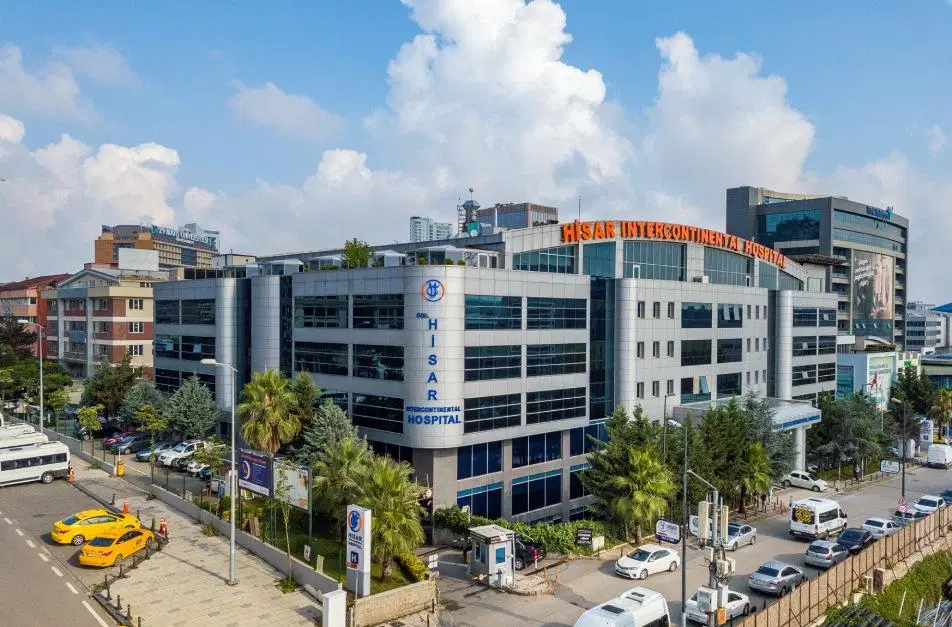
Hisar Intercontinental Hospital
Saray Mah. Siteyolu Cad. No:7, Umraniye, 34768, Istanbul, Turkey
Hisar Intercontinental Hospital

Medical Park Group, Istanbul
Fahrettin Kerim Gokay Cad. Tıbbiye Cd., Kadikoy, Istanbul, Turkey
Medical Park Group, Istanbul
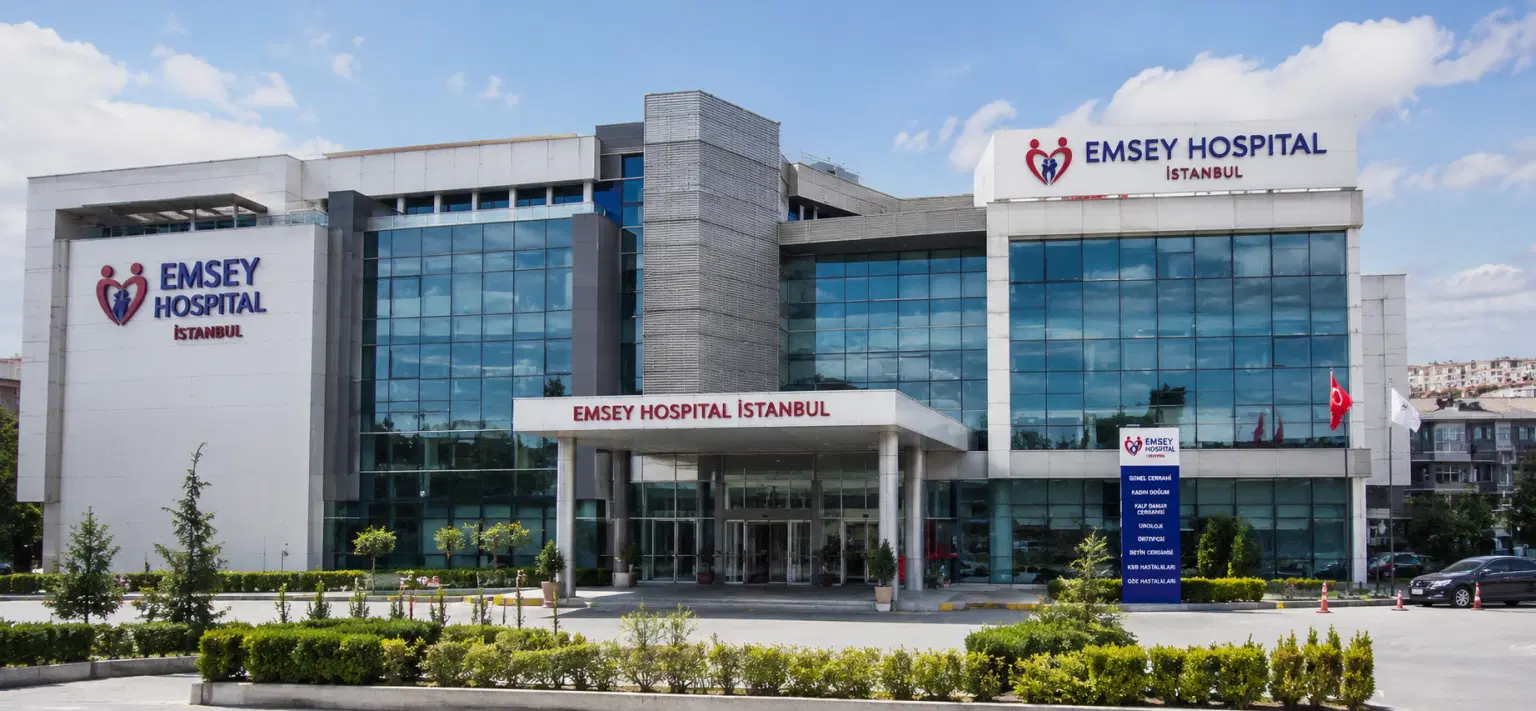
Emsey Hospital, Pendik, Istanbul
Çamlık, Selçuklu Cd. No:22, 34912 Pendik/İstanbul, Türkiye
Emsey Hospital, Pendik, Istanbul
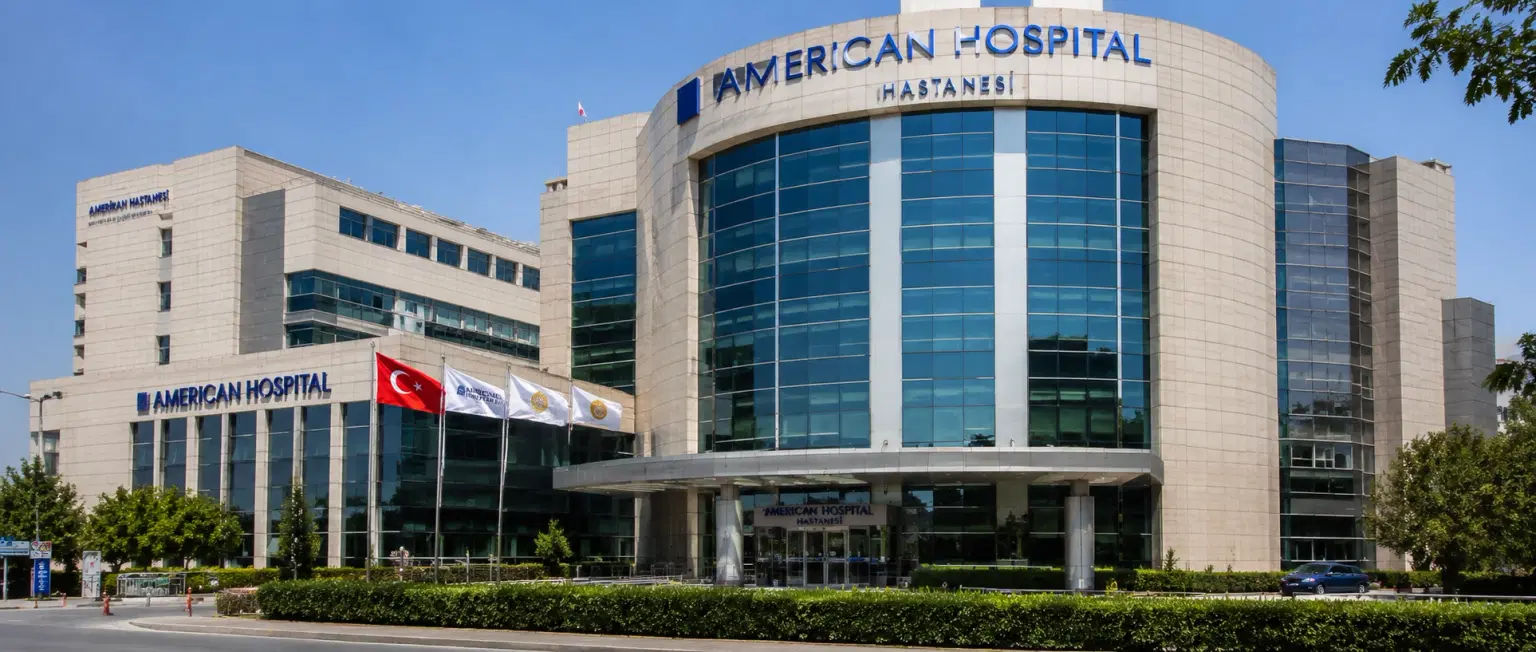
American Hospital, Istanbul
Guzelbahce Sk. No:20, 34365, Nisantasi, Istanbul, Turkey
American Hospital, Istanbul

Memorial Hospitals Group
Burhaniye, Nagehan Sokağı No:4/A D:1, 34676 Üsküdar/İstanbul, Türkiye
Memorial Hospitals Group
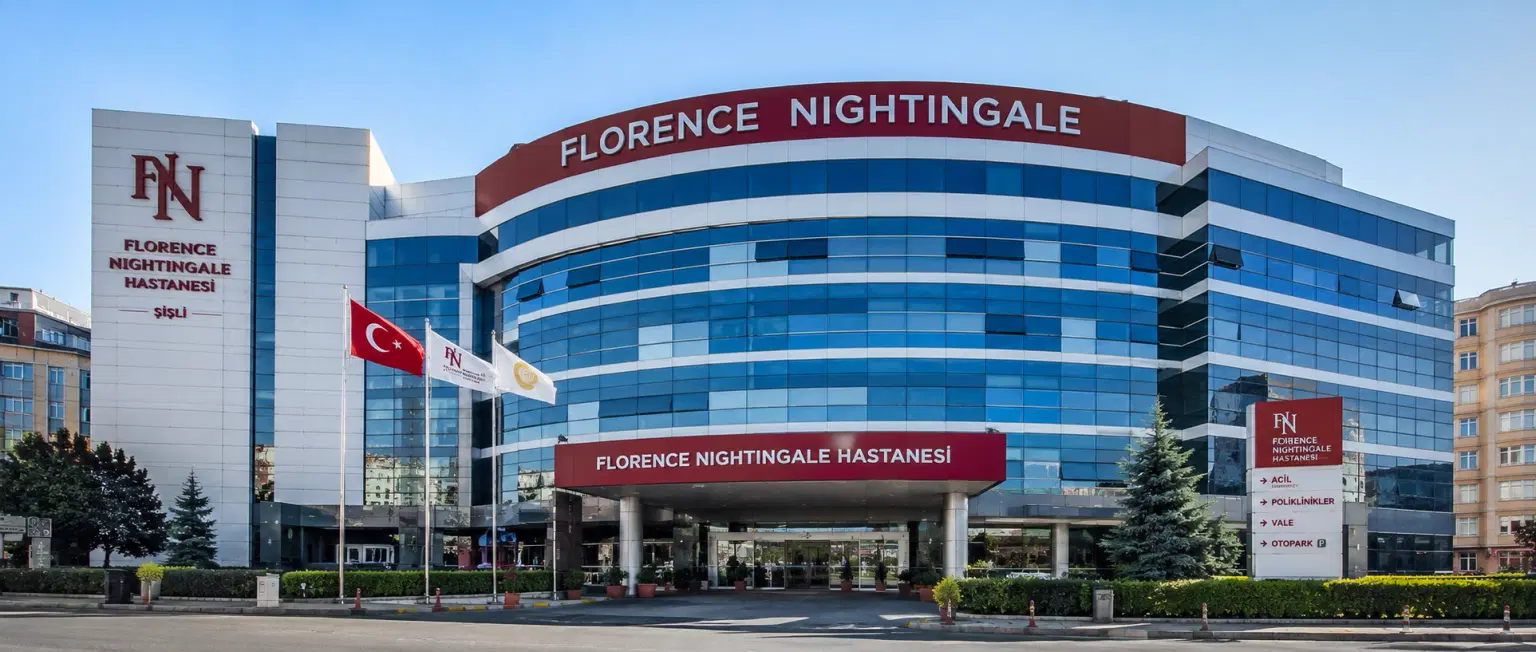
Florence Nightingale Hospital Istanbul
Abide-i Hürriyet Cd No:166, 34381 Sisli, Istanbul
Florence Nightingale Hospital Istanbul
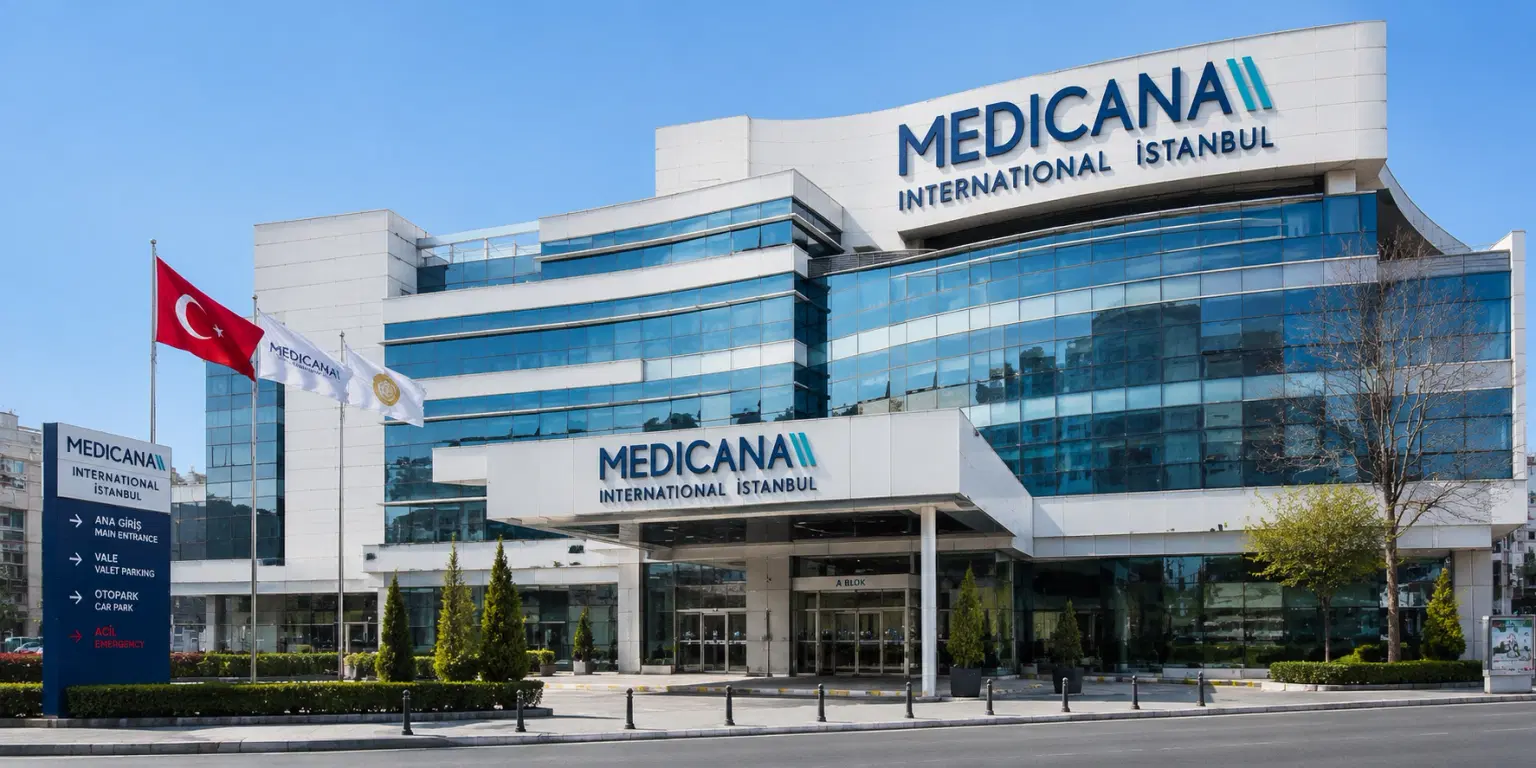
Medicana International Hospital, Istanbul
Halit Ziya Turkkani Mah. Medikal Park Cd. No:1, Beylikdüzü, İstanbul
Medicana International Hospital, Istanbul
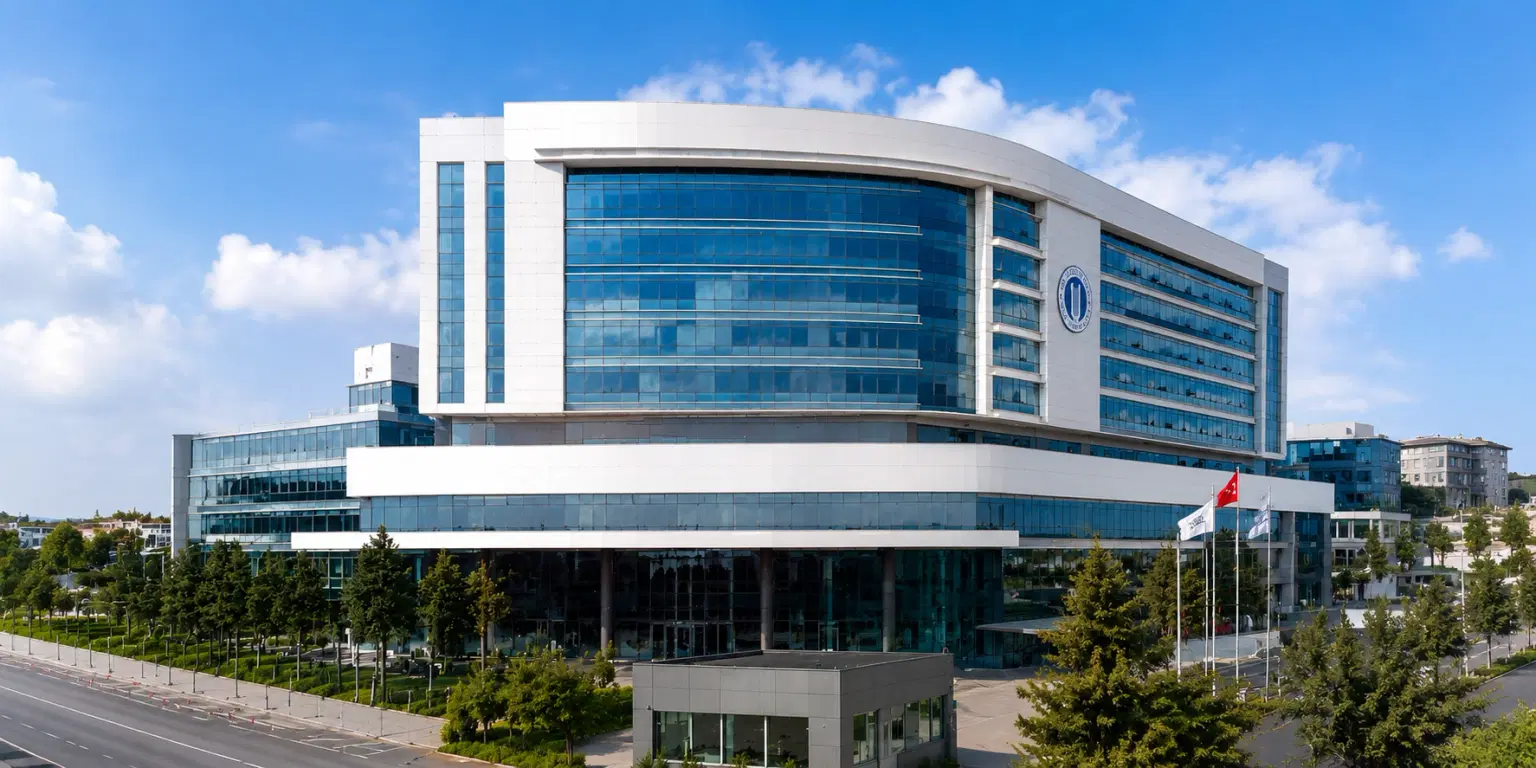
Okan University Hospital Istanbul
Icmeler Mah. Aydınlıyolu Cd. No:2, 34947 Icmeler-Tuzla, Istanbul
Okan University Hospital Istanbul
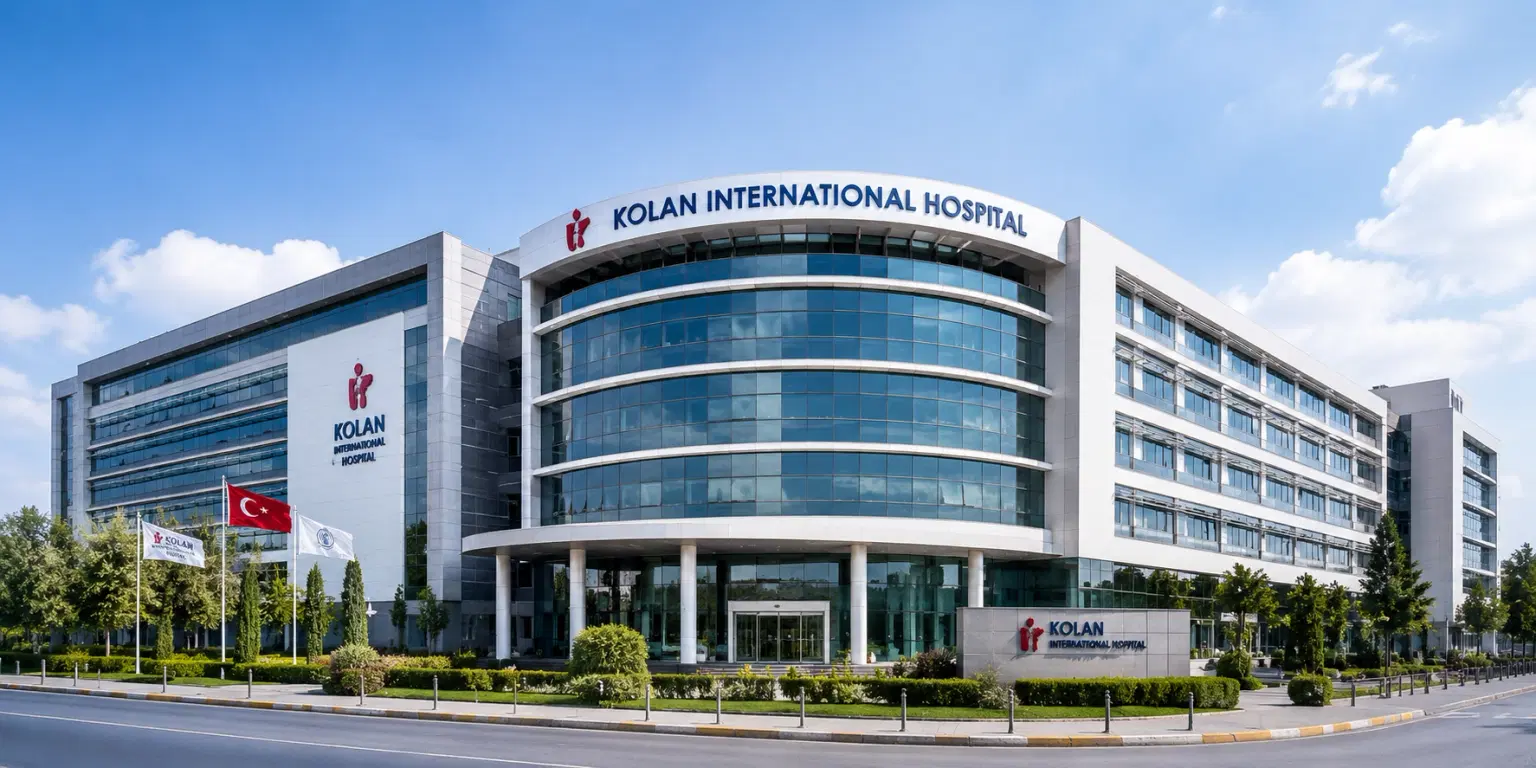
Kolan International Hospital, Istanbul
Kaptanpasa Mah. Okmeydan Kavsagi, Darulaceze Cd. No:14, 34384 Sisli, Istanbul
Kolan International Hospital, Istanbul
Frequently Asked Questions
Get answers to common questions about medical tourism, treatment procedures, and our comprehensive healthcare services.
Ready To Start Your Healing Journey?
Get Personalized Medical Treatment Options From India's Top Hospitals. Our Medical Experts Are Ready To Assist You Every Step Of The Way.