
blastocyst transfer Success Rate in New Delhi
Need Personalized Advice?
Our medical experts are ready to answer your questions and guide you through your treatment options.
About
Blastocyst Transfer Success Rate in New Delhi
Understanding the blastocyst transfer success rate in New Delhi is vital for individuals pursuing advanced fertility treatments. These rates offer crucial insights into the probability of achieving a successful pregnancy and ultimately, a live birth. Success, however, is influenced by numerous factors, including patient age, embryo quality, and specific clinical protocols. New Delhi stands as a significant hub for comprehensive reproductive care.
In New Delhi, outcomes for blastocyst transfer are meticulously tracked and compared against national and international benchmarks. Data aggregation from various clinics helps establish transparent success rate ranges for different patient demographics and treatment scenarios. This rigorous evaluation ensures that potential parents receive clear, evidence-based information, guiding their family-building journey effectively.
Defining Success in Blastocyst Transfer
For blastocyst transfer, "success" is primarily defined by achieving a live birth following the procedure. Initial indicators include a positive pregnancy test and then a confirmed clinical pregnancy with a fetal heartbeat. While short-term success is a positive pregnancy, the ultimate goal and long-term outcome is the birth of a healthy baby. Understanding this distinction is crucial for patients.
Beyond numerical outcomes, the blastocyst transfer recovery rate in New Delhi is often rapid, with most patients resuming normal activities within a day or two. This swift physical recovery supports the emotional journey, allowing focus to remain on potential pregnancy without significant post-procedure discomfort or prolonged downtime.
Blastocyst Transfer Success Rate Breakdown in New Delhi
Success rates vary depending on treatment approach and patient factors.
| Treatment Type / Category | Typical Use Case | Success Rate Range (%) | What Success Indicates |
|---|---|---|---|
| Fresh Blastocyst Transfer | High-quality embryos from a fresh IVF cycle | 40%–60% | Live birth per embryo transfer |
| Frozen Blastocyst Transfer | Thawed embryos from a previous IVF cycle | 45%–65% | Live birth per embryo transfer |
| PGT-A Tested Blastocyst Transfer | Euploid embryos identified through genetic screening | 55%–75% | Live birth per embryo transfer with reduced miscarriage risk |
| Donor Egg Blastocyst Transfer | Using eggs from a young, healthy donor | 60%–80% | Live birth per embryo transfer (often highest rates) |
The stage wise blastocyst transfer survival rate in New Delhi is significantly influenced by the inherent quality and developmental progression of the transferred embryo. For instance, a high-grade, fully expanded blastocyst typically offers a greater chance of implantation and sustained pregnancy compared to one with less optimal morphology. This embryo-specific 'stage' is a critical determinant of outcome.
Blastocyst Transfer Survival Rate by Age in New Delhi
Globally, age significantly influences fertility treatment outcomes, and this trend is consistently observed in New Delhi as well. The blastocyst transfer survival rate in New Delhi directly correlates with maternal age, as ovarian reserve and egg quality naturally decline over time. This impacts embryo viability and the potential for a sustained pregnancy.
| Maternal Age Group | Success Rate Range (%) |
|---|---|
| Under 35 | 50%–70% |
| 35–37 | 40%–55% |
| 38–40 | 30%–45% |
| 41–42 | 15%–25% |
| Over 42 | <10% |
New Delhi vs. Global Blastocyst Transfer Outcomes
Success rates for blastocyst transfer in New Delhi are often comparable with international standards when similar protocols, technology, and patient selection are applied. Many leading clinics here adhere to global guidelines, utilize advanced embryology labs, and employ highly experienced specialists, contributing to outcomes that align closely with major fertility hubs worldwide.
| Country | Blastocyst Transfer Success Rate Range (%) |
|---|---|
| India (New Delhi) | 40%–60% |
| USA | 45%–65% |
| UK | 40%–60% |
| Australia | 45%–65% |
| Spain | 45%–65% |
| Canada | 40%–60% |
These ranges are indicative and vary based on specific patient conditions, clinic protocols, and reporting methodologies. Individual outcomes can differ significantly from aggregated statistical data.
Key Factors Influencing Blastocyst Transfer Success
- Maternal age and ovarian reserve
- Embryo quality and developmental grade
- Underlying cause and duration of infertility
- Uterine health and endometrial receptivity
- Number of embryos transferred in a single cycle
- Clinic's laboratory standards and embryology expertise
- Previous IVF cycle outcomes and patient history
Data Sources for Blastocyst Transfer Outcomes
- National fertility registries and health ministry reports
- Peer-reviewed scientific journals and medical studies
- Aggregated clinical data from multiple accredited fertility centers
- Reports from international fertility organizations and associations
Informed Choices for Fertility Pathways
Informed decisions stem from a clear understanding of treatment outcomes and influencing factors. Engage with specialists to discuss personalized expectations and pathways. Prioritizing factual information empowers confident healthcare choices.
Hospitals Offering this treatment
India offers premium medical procedures at affordable prices. Discover our most popular treatments, delivered by the country's finest doctors.
Meet Our Doctors
Meet our team of highly qualified and experienced medical professionals dedicated to providing the best healthcare services.

Dr. Abhinandan Mukhopadhyay
Sr. Consultant - Urology & Kidney Transplant Program (Unit I)
Urology, Kidney Transplant, Urological Cancers
Haryana
8+ Years
Experience
Artemis Hospital
Hospital
1500
Fees
Dr. Amit Kalsotra
Sr. Consultant - Anaesthesia, Critical Care & Pain Management
Anaesthesia, Critical Care, Pain Management
New Delhi
15+ Years
Experience
Artemis Hospital
Hospital
1500
Fees
Dr. Aditya Gupta
Chairperson - Neurosurgery & CNS Radiosurgery & Co-Chief - Cyberknife Centre
Neurosurgery
New Delhi
32+ Years
Experience
Artemis Hospital
Hospital
1500
Fees
Dr. Chakraberty
Chief - Emergency
Emergency & Trauma Services
New Delhi
25+ Years
Experience
Artemis Hospital
Hospital
1500
Fees
Dr. Deepak Jha
Chief - Breast Surgery & Sr. Consultant : Surgical Oncology
Breast Surgery, Oncology
New Delhi
15+ Years
Experience
Artemis Hospital
Hospital
1500
Fees
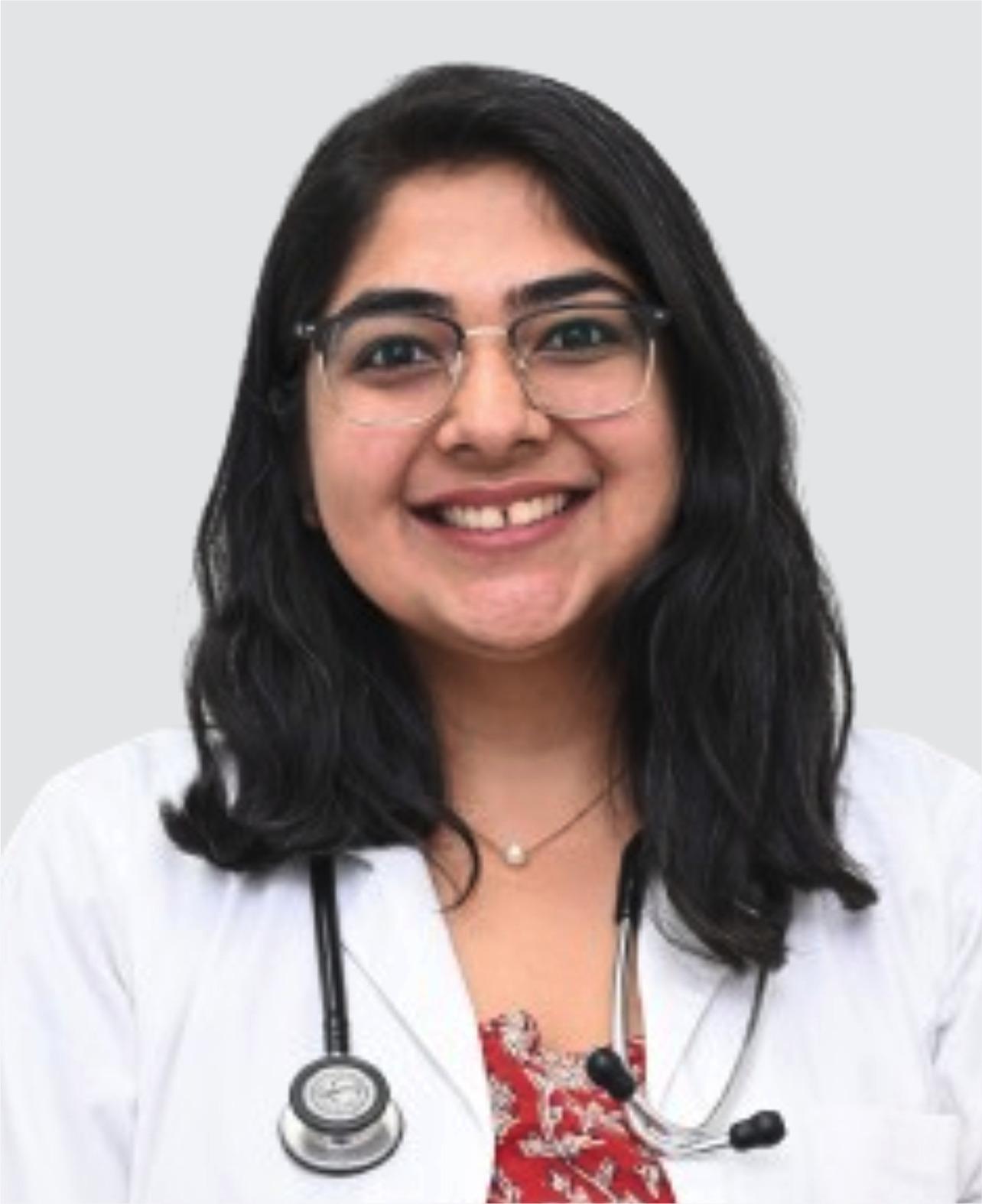
Dr. Meenal Thakral
Attending Consultant – Geriatric Medicine
Geriatric Medicine, Geriatric Surgery
New Delhi
3+ Years
Experience
Artemis Hospital
Hospital
1500
Fees
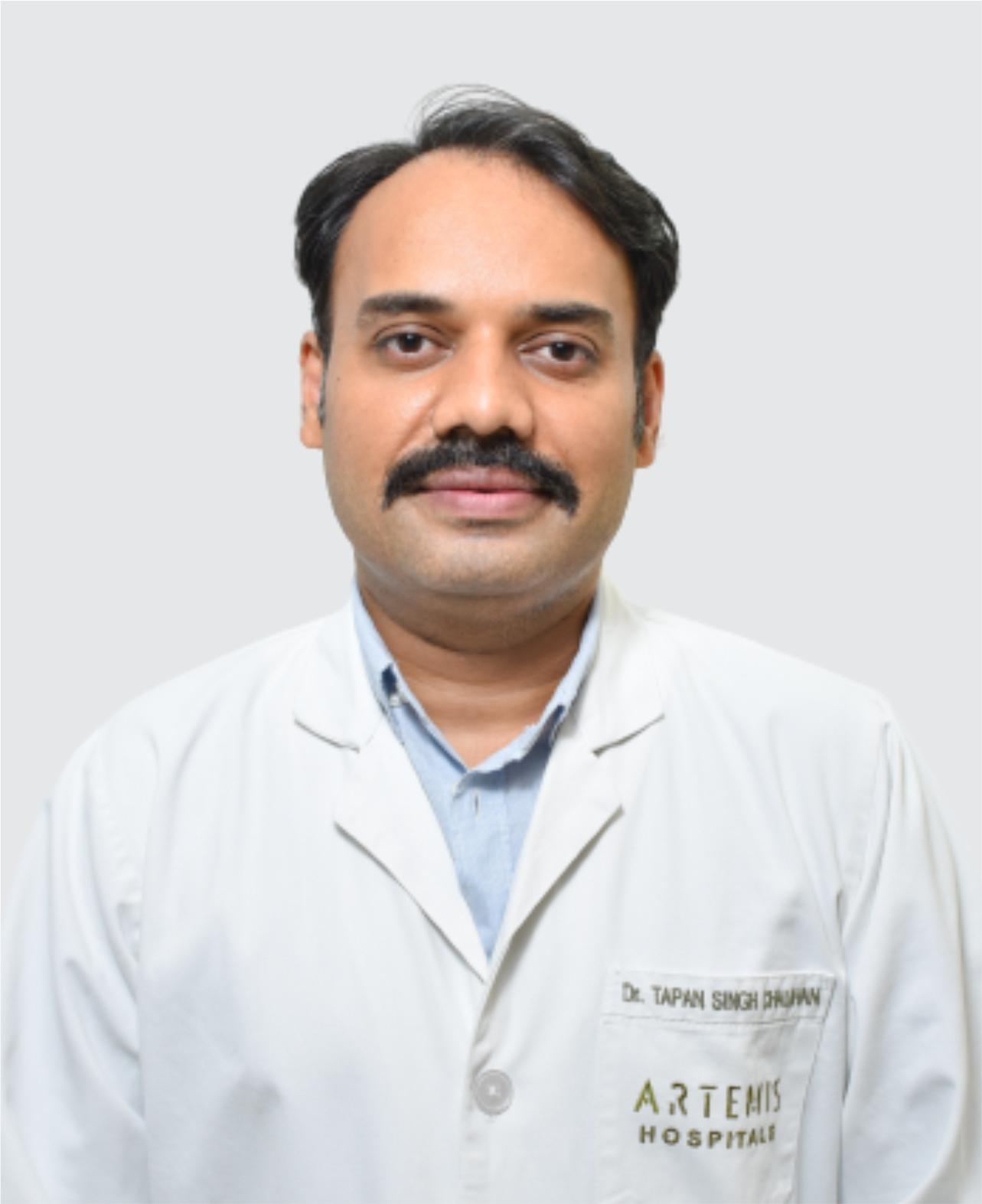
Dr. Tapan Singh Chauhan
Sr. Consultant - Surgical Oncology, Robotics, GI & HPB, Gynae & Peritoneal Surface Oncology
Oncology, Robotic Surgery
New Delhi
15+ Years
Experience
Artemis Hospital
Hospital
1500
Fees
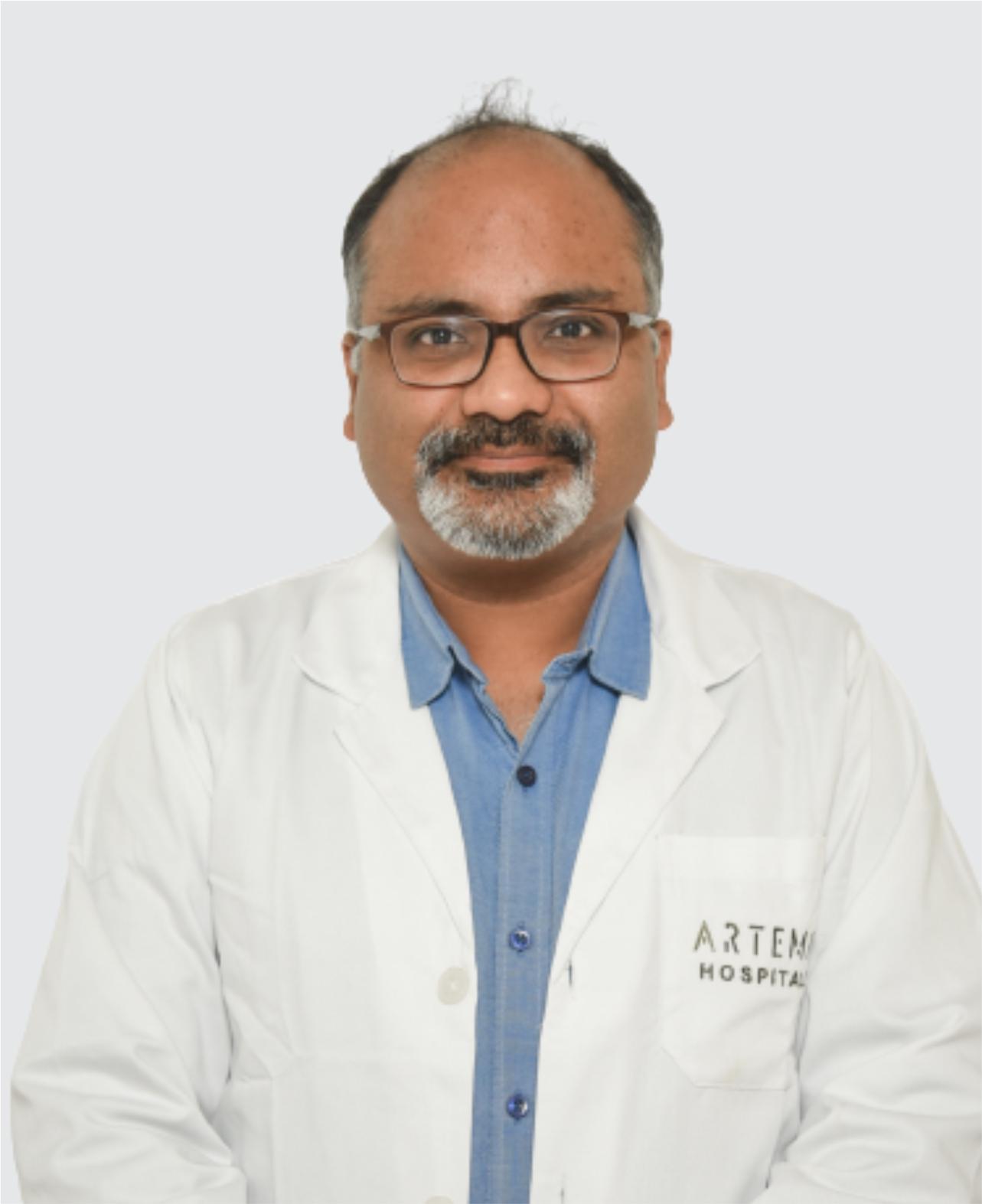
Dr. Varun Mittal
Head - Kidney Transplant & Associate Chief - Uro-Oncology & Robotic Surgery (Unit I)
Nephrology, Organ Transplant, Robotic Surgery, Urology
New Delhi
15+ Years
Experience
Artemis Hospital
Hospital
1500
Fees
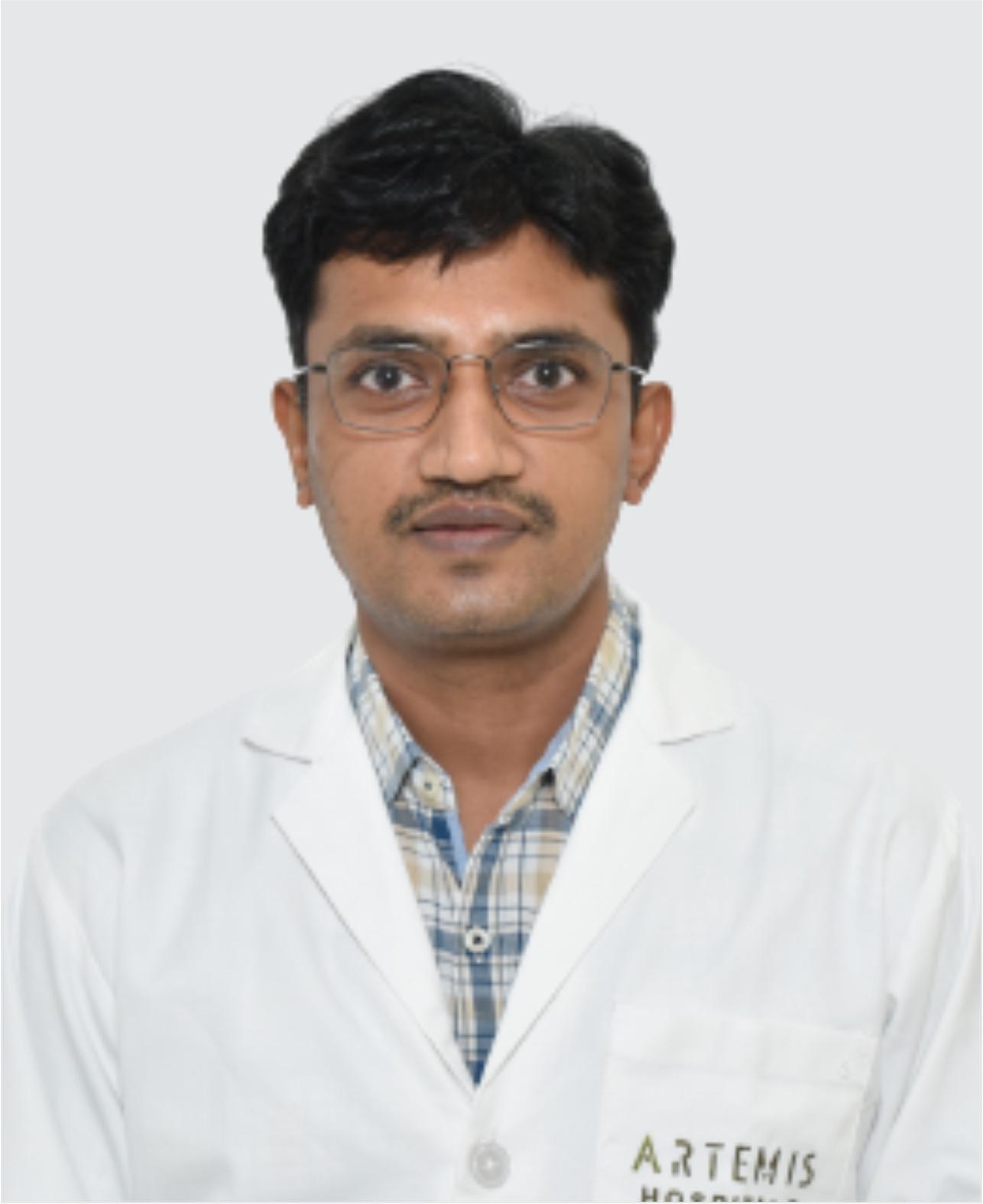
Dr. Nitin Goel
Sr. Consultant
Paediatric Surgery
New Delhi
10+ Years
Experience
Artemis Hospital
Hospital
1500
Fees
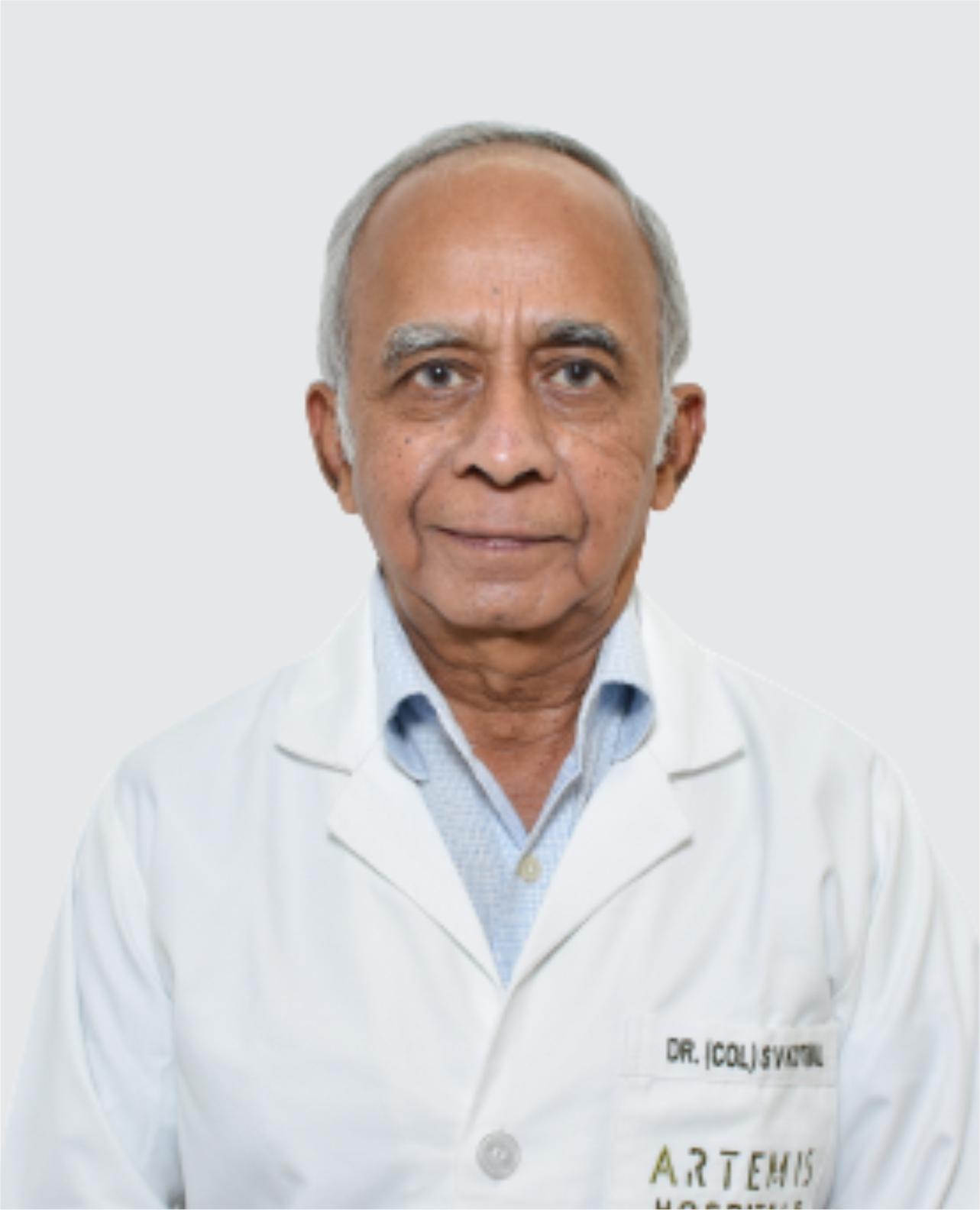
Dr. S. V. Kotwal
Chairperson Emeritus and DNB Teacher - Urology
Urology
New Delhi
15+ Years
Experience
Artemis Hospital
Hospital
1500
Fees
Related Links
Recent Blogs
Other Treatment related Information
International Patient Visiting India
Ready To Start Your Healing Journey?
Get Personalized Medical Treatment Options From India's Top Hospitals. Our Medical Experts Are Ready To Assist You Every Step Of The Way.