Signs and Symptoms of a Broken Jaw: When to Seek Care

Written by DivinHeal Editorial Contributor, Rahul Kumar, Medical Expert | Medically Reviewed by Dr Indu Priya, MBBS,MD Published on: 2026-09-25
Plan My Journey
Tell us your condition and budget - our AI matches the right destination, hospital and doctor and visa pathway
Broken Jaw Symptoms: Warning Signs, Causes
& When to Seek Care
The signs and symptoms of a broken jaw range from obvious to easily missed. Obvious signs include a new "off" bite, loose teeth, jaw instability and a numb chin. Easily missed signs include limited swelling and a fracture that still lets the jaw move. This guide covers what to watch for after facial trauma. How to tell a bruised jaw from a broken one. When to treat it as an emergency. And how it is diagnosed and treated. Cleveland Clinic is clear that a broken jaw is a medical emergency regardless of which part of the jawbone is broken. If in doubt, get it checked in person.
What Are the Signs and Symptoms of a Broken
Jaw?
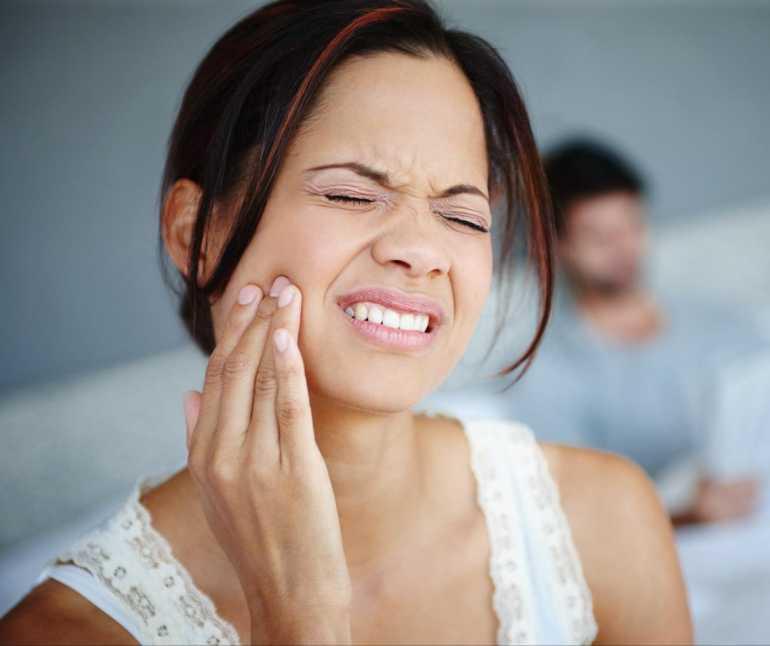
Jaw Pain and Tenderness
Pain after
facial trauma is the most common first sign. It usually gets worse when you
chew, speak or move the jaw. There may be a specific tender spot along the
jawline or near the ear where the fracture sits. Pain that keeps worsening
rather than easing over hours is a warning sign to get checked, even without
other symptoms.
Swelling and Bruising
Jawline or
cheek swelling is common. Facial bruising may develop over the following day.
There may be a visible lump or one side of the jaw looking different from the
other. Important: swelling can be limited even in real fractures. Absence of
major swelling does not mean the jaw is intact.
A Bite That Suddenly Feels "Off"
This is one of
the strongest clinical clues after jaw trauma. The fracture may have shifted
the bone segments carrying your teeth. Watch for these signs. Your upper and
lower teeth no longer meet the way they did. Only some teeth touch. The jaw
closes unevenly. A new bite change always deserves same-day review, even if
pain seems bearable.
Difficulty Opening or Closing the Mouth
Restricted
opening, pain on movement, or difficulty chewing and talking can all follow a
jaw fracture. Some cannot fully close their mouth. Others cannot open past a
small gap. Being able to move the jaw does not rule out a fracture.
Loose, Chipped or Displaced Teeth
Loose teeth,
broken teeth, or an unstable tooth-bearing segment can all point to a fracture.
Test gently with your tongue. Any wobble is a warning sign. So is gum or mouth
bleeding that does not settle in minutes.
Numb Lower Lip or Chin
Numbness or
tingling in the lower lip or chin after a jaw impact may suggest nerve harm.
Specifically, harm to the inferior alveolar nerve, which runs through the lower
jawbone. Cleveland Clinic
includes numbness of the lower face and lip among recognised broken-jaw
symptoms. This is not something
to wait out. Any new numbness after jaw trauma deserves same-day assessment.
Broken Jaw vs Bruised Jaw: How Can You Tell
the Difference?
Signs More Suggestive of a Fracture
Signs that
raise the chance of a fracture, especially in combination:
• A new bite change
• Jaw instability (movement in a place it should
not move)
• Major restricted movement
• Numb lower lip or chin
• Loose teeth or a wobbling tooth-bearing segment
• Bleeding inside the mouth that does not settle
• Symptoms that worsen rather than ease over hours
Signs That May Occur With a Bruise or
Soft-Tissue Injury
Signs that are
more common with a bruise or soft-tissue injury:
• Tenderness at the impact spot
• Mild swelling
• Pain without any bite change
• Pain and swelling that steadily improve over 24
to 48 hours
• No numbness or teeth changes
Why Appearance Alone Cannot Rule Out a
Fracture
Some fractures
have limited visible swelling or deformity. Bite and function often give
stronger clues than how the jaw looks. Imaging (X-ray or CT) may still be
needed. Patient communities are full of people who waited, then found a
fracture on imaging. If any red-flag sign is present, get it checked.
|
Sign |
Bruise / soft-tissue injury |
Broken jaw |
|
Pain |
Moderate, easing over hours |
Severe, often worse with movement |
|
Bite |
Feels normal |
Often feels "off" or uneven |
|
Jaw movement |
Stiff but works |
Restricted, painful, sometimes locked |
|
Numb lip or chin |
Not usual |
Possible |
|
Loose or wobbly teeth |
No |
Possible |
|
Mouth bleeding |
Usually minor |
Can be more major |
|
Symptom trend |
Improves over 24-48 hours |
Often worsens or does not settle |
Cannot
confirm or rule out a fracture. If in doubt, get an in-person medical
assessment.
What Causes a Broken Jaw and When Is It an
Emergency?
Common Causes of Jaw Fractures
Cleveland
Clinic reports that interpersonal violence (being hit by another person) is the
most common cause of broken jaws.
Other common causes:
• Vehicle accidents (dashboard impact, motorcycle
crashes, bicycle falls)
• Falls (especially onto the chin)
• Sports injuries (contact sports, cycling,
skateboarding)
• Workplace injuries
• Direct facial trauma from any hard impact
Broken jawbones
are the second most common facial fracture, after nasal fractures.
Emergency Warning Signs
Get emergency
care straight away if any of the following are present after a jaw injury:
• Trouble breathing or difficulty keeping
the airway open
• Heavy bleeding from the mouth that does
not stop with pressure
• Rapidly increasing swelling of the face,
jaw or neck
• Obvious jaw or facial instability (the
bone feels loose or moves abnormally)
• Complete inability to open or close the mouth
• Major facial or head trauma, especially
with dizziness, confusion or loss of consciousness
Cleveland
Clinic says a broken jaw needs immediate care, mainly because severe injuries
may affect breathing. Call your
local emergency number. Do not drive yourself if the airway may be at risk.
Why a Changed Bite Should Not Be Ignored
A new
"off" bite after jaw trauma often signals a shift in the bone
carrying your teeth. Left untreated, poor alignment can affect chewing,
speaking and long-term function.
Even if pain is bearable, a bite change deserves in-person medical review.
Can a Jaw Be Broken Without Severe Pain or
Swelling?
Yes. Symptoms
vary. Some fractures produce dramatic pain and swelling. Others are more
subtle, especially non-displaced fractures. Function (bite, movement,
sensation) is often more revealing than appearance. If any warning signs above
are present, book an assessment.
How Is a Broken Jaw Diagnosed and Treated?
Physical Examination
A healthcare
provider takes an injury history and gently examines the jaw. They check:
• Bite alignment
• Jaw movement (opening, closing, side-to-side)
• Tenderness and swelling along the jawline
• Teeth for looseness, chips, or displaced
segments
• Oral tissues for cuts, bruising or bleeding
• Facial sensation (checking for numbness)
X-Ray vs CT Scan
Cleveland
Clinic lists X-rays and CT scans as diagnostic tools. A standard jaw X-ray or a panoramic X-ray
(Panorex) can identify many fractures. CT may be used for complex facial
injuries, fractures near the jaw joint, or when other facial fractures are
suspected.
Do All Broken Jaws Need Surgery?
No. Stable,
well-aligned fractures may sometimes be managed without surgery, using rest, a
soft diet and monitoring.
Displaced, unstable, or bite-altering fractures are more likely to need
surgical fixation. Your treating team decides based on the fracture pattern,
displacement, and how the bite lines up.
How Surgical Treatment Works
When surgery is
needed, the general steps are:
• Realignment of the broken segments back
into their correct position
• Fixation with small titanium plates and
screws to hold the bone
• Temporary elastics or wiring in some
cases, to stabilise the bite during healing
• Goal: restore bite, stability, and
function so you can chew, speak, and breathe normally
The approach
depends on where the fracture is (mandible or maxilla), how displaced it is,
and whether teeth are involved.
What Happens If a Jaw Fracture Is Not
Treated?
An untreated
fracture may not heal, or may heal in the wrong position. That can lead to:
• Poor bite alignment (malocclusion)
• Difficulty chewing
• Lasting jaw pain
• Restricted mouth opening
• Long-term working problems affecting speech and
eating
• Higher risk of arthritis in the jaw joint
Early
assessment gives the best chance of a good outcome.
What Does Recovery From a Broken Jaw
Involve?
How Long Does Healing Take?
Healing takes
weeks, not days. An uncomplicated jaw fracture usually takes about one to two
months to heal7. Timelines vary
based on fracture location, displacement, treatment approach and any other
injuries.
Eating During Recovery
A soft or
modified diet is standard during healing. Soups, smoothies, soft rice, mashed
vegetables, and other low-chew foods are typical. Nutrition matters. Talk to
your treating team or a dietitian if healing seems slow or weight loss becomes
an issue.
Mouth Opening, Speaking and Chewing
Temporary
stiffness and pain with movement are common. Speech may feel awkward at first,
especially if elastics are in place. Function should be monitored at follow-up
appointments. Gentle jaw exercises may be introduced later in recovery, guided
by your specialist.
Numbness After a Jaw Fracture
Numbness of the
lower lip or chin can persist after a fracture. This happens if the inferior
alveolar nerve was bruised or compressed.
Recovery may be gradual, over weeks to months. Persistent numbness should be
reviewed by your maxillofacial surgeon.
Follow-Up Matters
Regular
follow-up during healing is essential to:
• Confirm the bite has remained aligned
• Check bone healing progress
• Monitor jaw movement and sensation
• Spot delayed problems early (infection,
non-union, hardware issues)
Patient
community discussions commonly centre on lasting altered bite, restricted
opening, dental injuries and uncertainty over follow-up. Keeping all follow-up
appointments, even when you feel well, is the best way to avoid preventable
long-term problems.
Cost Calculator
I know my treatment - show me cost from 3 hospitals
How We Can Help: Getting the Right
Evaluation for a Possible Broken Jaw
A suspected jaw
fracture needs proper medical or maxillofacial assessment. Symptoms alone
cannot confirm or rule out a fracture. DivinHeal helps patients with signs and
symptoms of a broken jaw reach the right specialist quickly.
How
DivinHeal helps:
• Personalised injury guidance. Injury
mechanism, pain location, bite changes, swelling and bruising, numbness, and
jaw movement mapped against what different findings usually mean.
• Clear fracture warning-sign guidance.
Altered bite, restricted movement, loose teeth, jaw instability and facial
numbness explained in plain terms.
• Access to right specialists. Oral and
maxillofacial surgeon, emergency physician, dental specialist, and
facial-trauma team. DivinHeal works with partner hospitals in India for
patients from the Gulf, Africa, South Asia and the UK.
• Support with diagnosis. Coordinated
in-person examination, X-ray or CT when clinically right, and specialist
review.
• Treatment planning support. Surgical vs
non-surgical options, recovery timeline, follow-up schedule, and long-term bite
check.
Why choose
DivinHeal: honest guidance rather than self-diagnosis from symptom lists.
Clear next steps. Access to maxillofacial specialists. Coordinated care from
injury to full recovery.
If you have suspected broken jaw symptoms, get emergency care first. For ongoing assessment, second opinions, or specialist treatment planning, speak with the DivinHeal care team.
Medical disclaimer
This article is for general information only and is not medical advice. It is not a diagnosis, and does not replace in-person medical care. If you suspect a broken jaw, especially with any emergency warning signs above, get medical care right away. DivinHeal is a medical tourism coordination company. It does not provide medical treatment itself. Please have a proper medical or maxillofacial assessment before making any decisions about your injury.
Plan My Journey
Tell us your condition and budget - our AI matches the right destination, hospital and doctor and visa pathway
Cost Calculator
I know my treatment - show me cost from 3 hospitals

Written by DivinHeal Editorial Contributor, Rahul Kumar, Medical Expert | Medically Reviewed by Dr Indu Priya, MBBS,MD Published on: 2026-09-25
Plan My Journey
Tell us your condition and budget - our AI matches the right destination, hospital and doctor and visa pathway
Cost Calculator
I know my treatment - show me cost from 3 hospitals
Booking With DIVINHEAL
Get a free consultation to understand your treatment options
From Consultation to Recovery,
Step by Step
Expert Specialist Matching
Connecting you with the world's top-rated medical experts.
Accredited Hospital Network
Access to JCI & NABH certified healthcare facilities.
Complete Travel Coordination
Hassle-free visa, stay, and local transport assistance.
24/7 Personal Care
Dedicated patient advisors supporting you at every step.
Journey Guidance
Full guidance from start to end of the patient treatment journey.
Expert Specialist Matching
Connecting you with the world's top-rated medical experts.
Everything you
need to know today
Browse through these common inquiries to better understand our patient-focused medical platform.
You cannot tell for sure without a medical assessment. Signs that point more toward a fracture include: a new "off" bite, jaw instability, numb lower lip or chin, loose teeth, or worsening symptoms. Bruises and soft-tissue injuries usually cause tenderness and mild swelling that ease over 24 to 48 hours, without bite changes or numbness. Imaging is the only reliable way to confirm or rule out a fracture5.
Yes. Being able to move your jaw does not rule out a fracture. Some fractures allow limited or even fairly normal movement, especially non-displaced fractures where the bone has cracked but has not shifted. Bite change, numbness, loose teeth, or worsening symptoms are more useful clues than movement alone.
Yes. Some fractures produce limited visible swelling or deformity, especially non-displaced or hairline fractures. How the jaw looks alone cannot for sure rule out a fracture. Function (bite, movement, sensation) is often more revealing than appearance. Patient forums are full of stories from people who assumed a bruise. Swelling was minor. Then they discovered a fracture on imaging days later. When in doubt, get it checked.
No. Treatment depends on the fracture pattern, displacement, bite alignment, and whether the bone is stable. Stable, well-aligned fractures may be managed without surgery, using rest, a soft diet and monitoring. Displaced, unstable, or bite-altering fractures more often need surgical fixation. Your oral and maxillofacial surgeon decides based on your imaging and exam.
Still have more questions?
Book a call with our friendly team to learn how DivineHeal simplifies your healthcare journey.