Is a Hair Transplant Permanent?
Is a Hair Transplant Permanent? What Really
Happens to Transplanted Hair Long-Term
Is a hair
transplant permanent? Yes, and no, and both answers matter. The transplanted
grafts themselves are genuinely permanent for the vast majority of patients. This is thanks to a clinical principle
called donor dominance. But the
native hair growing around them can keep thinning on its own timeline. Understanding that split is the
difference between a satisfied long-term outcome and one that quietly
disappoints. This guide walks through both truths honestly, without the
"100% permanent, forever" marketing gloss.
|
Key Takeaways • Transplanted grafts are permanent in
the vast majority of cases (85 to 95%+ graft survival in experienced hands). • Native (non-transplanted) hair keeps its
own trajectory and can continue to thin, especially in androgenetic
alopecia. • Results are judged at 12 to 18 months,
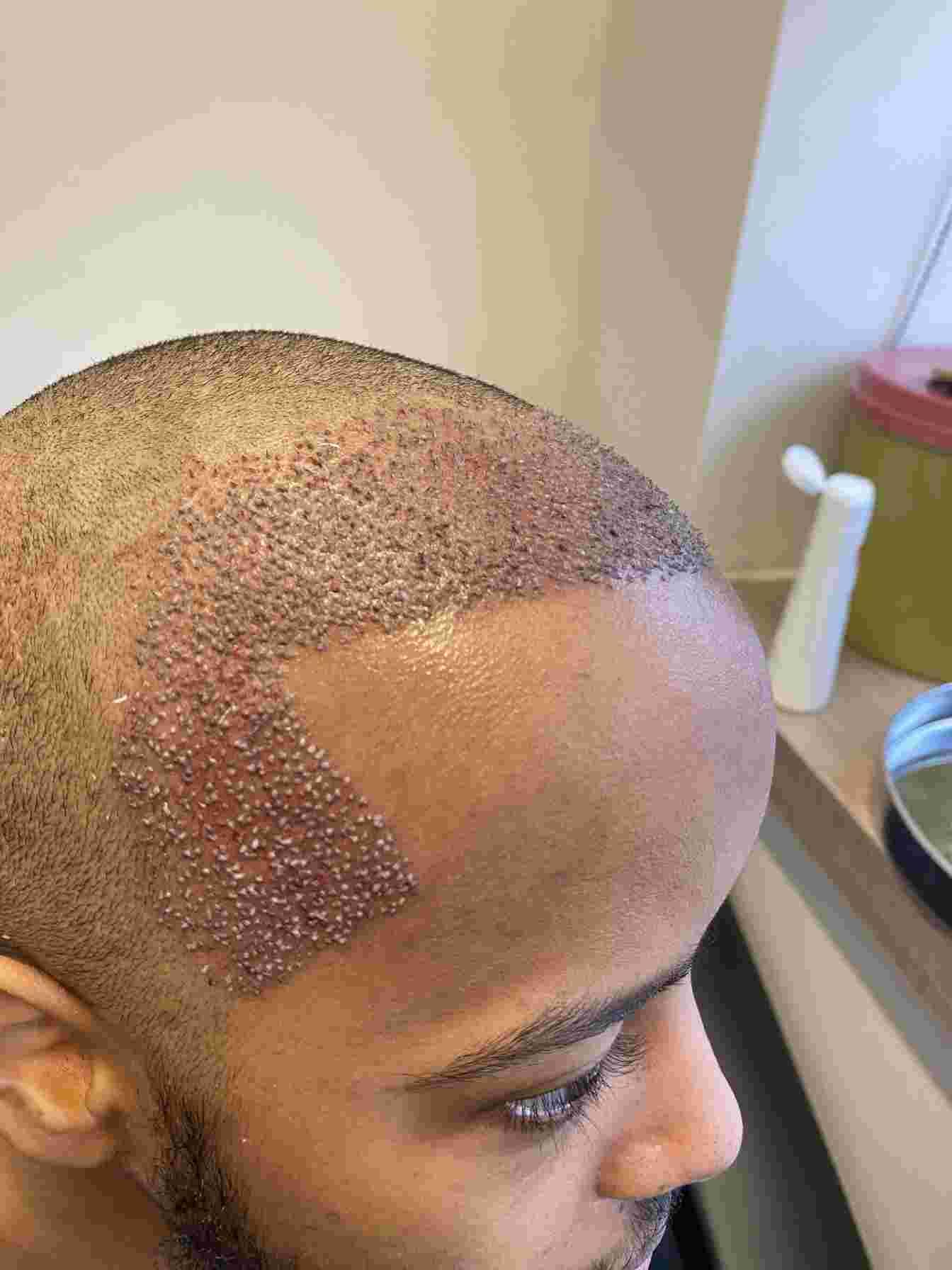
not weeks 2 to 8 when shock loss is normal. • Many patients have more than one session
over their lifetime. • Medication (finasteride, minoxidil) is
often paired with surgery to protect the native hair around the transplant. |
Plan My Journey
Tell us your condition and budget - our AI matches the right destination, hospital and doctor and visa pathway
Is a Hair Transplant
Permanent?
Is a hair
transplant permanent? The transplanted follicles themselves are permanent for
the large majority of patients.
Graft survival is commonly 85 to 95% or higher in experienced hands. Those follicles keep growing hair in
their new location. They carry their original genetic resistance to DHT (the
hormone that drives pattern baldness) with them.
What is not
"permanent" in the marketing sense is your overall scalp appearance
over the decades that follow. Native hair around the transplant continues to
respond to your genetics. So the
honest answer is: the grafts last, the surrounding hair keeps changing, and
long-term satisfaction depends on planning for both.
Why Transplanted Hair Resists Balding: Donor
Dominance Explained
What Donor Dominance Actually Means
Androgenetic
alopecia (male pattern baldness and female pattern hair loss) is driven by
dihydrotestosterone (DHT). DHT
binds to genetically sensitive follicles and slowly miniaturises them. Over
time they stop producing visible hair. Crucially, not every follicle is
sensitive. The follicles at the back and sides of the scalp (the "safe
donor zone") are usually genetically resistant to DHT.
Donor dominance
is the foundational theory of hair transplant surgery, first described by
dermatologist Dr Norman Orentreich in 1959.
It says: follicles retain their original genetic characteristics after
transplantation, regardless of where they are moved to. Move a DHT-resistant
follicle to a balding area. It stays DHT-resistant.
Why This Is Different from Hair That's
Simply Moved
The key point
is that a hair transplant is not just physically relocating hair. It is
relocating the follicle's genetic programming with it. Two people can have the same hair
transplanted to the same spot with very different outcomes. The source
follicles bring different genetic instructions.
That is why
donor area assessment at consultation matters. The surgeon evaluates density,
thickness, quality, and whether the donor zone itself is stable. Only then is the graft count decided.
What Can Still Change: The Native Hair Loss
Factor
The Real Reason Results Can Look Thinner
Years Later
The main reason
a hair transplant can look thinner a decade later is not graft failure. It is
continued native hair loss around the transplanted area. If your genetic pattern of baldness is
progressive, as most cases of androgenetic alopecia are, the non-transplanted
hair around the graft can keep miniaturising. That happens on its own timeline.
The graft stays dense. The area behind it thins. The result is a dense front
strip with a thinner patch just behind it. That reads as an unnatural pattern,
even though the transplant itself is intact.
This is what
"the transplanted hair is permanent, your genes are not" actually
means in practice.
Why This Matters for Planning
Pattern hair
loss is progressive and lifelong.
A transplant addresses the bald or thinning areas that existed at the time of
surgery. It does not stop future loss of the surrounding hair. So a long-term
plan usually involves two parts:
• The transplant itself (addressing current bald
areas)
• A hair-loss management strategy (usually
finasteride, minoxidil, or both) to slow ongoing native hair loss
Skipping the
second part is the most common reason people are disappointed years later.
Competent surgeons discuss it at consultation, not after.
Hair Transplant vs Other Hair Loss
Treatments: Permanence Compared
|
Factor |
Hair Transplant |
Finasteride / Minoxidil |
Non-Surgical Hairpieces |
|
Permanence |
Transplanted grafts, yes (donor dominance) |
Only while continuing use |
Not permanent; ongoing replacement needed |
|
Addresses future native loss |
No, only the transplanted area |
Yes, slows ongoing loss |
N/A |
|
Surgical |
Yes |
No |
No |
|
Time to result |
12 to 18 months |
3 to 6 months for signs of stabilising loss |
Immediate |
|
Often combined with |
Medication, for long-term density maintenance |
, |
, |
Why Results Can Look Different at Year 10 vs
Month 12
The Month 12 Photo Problem
Most
before-and-after photos from hair transplant clinics are taken at peak result. That is usually around the 12-month mark,
when new growth from the transplanted follicles is fully in. That photo is
real. It is also the best the result will look, ever. What those galleries
rarely show is the same patient many years later, when native hair loss around
the transplant may have shifted the overall pattern.
None of this
means the transplant failed. It means the clinic is showing you a snapshot, not
a timeline.
Real Long-Term Satisfaction Factors
Long-term
aesthetic satisfaction depends on three things together:
• Surgeon technique and graft survival at
the original procedure
• Ongoing management of native hair loss
through medication or planned follow-up
• Realistic expectations set at consultation
about what "permanent" means
The first
factor gets most of the attention in patient reviews. The second is what
actually protects the long-term outcome.
The Multiple-Session Reality
Many hair
transplant patients undergo more than one procedure over their lifetime. Reasons include increasing density in the
original area. Or addressing further recession of native hair over time. Or
covering additional areas that were not treated at the first session. This is
not a sign of failure. It is a normal part of long-term hair-restoration
planning.
Common Mistakes and Myths About Hair
Transplant Permanence
Myth: Once Transplanted, My Hairline Is Set
Forever
Not quite. The
transplanted follicles are permanent. But the native hair around them keeps its
own path. Your surrounding hair
can keep thinning or receding over years. The transplanted follicles stay put.
Everything else follows your genes.
Myth: If It's Not Working by Month 2 or 3,
It Failed
The opposite is
usually true. Shock loss (temporary shedding of the transplanted hairs)
commonly occurs between roughly 2 and 8 weeks after the procedure. This is a normal part of the growth
cycle. New growth from the transplanted follicles usually begins around 3 to 4
months, with visible density building over 6 to 12 months. Final results are
assessed at 12 to 18 months. Judging the result at 2 or 3 months is judging it
during shedding, not after regrowth.
Mistake: Not Planning for Hair-Loss
Management Medication
The main reason
people are disappointed years later is not planning for ongoing native hair
loss. A transplant deals with
the bald area today. It does not stop your genes from affecting the surrounding
hair. Finasteride and minoxidil are the two most commonly used long-term
medical treatments for androgenetic alopecia. They are often paired with surgery
to protect the overall long-term look. Discuss this at consultation, not after
year 5.
What Real Patients Say (Community Insights)
"My
transplant looks amazing after a year, will it still look this good years
later?" The grafts should, yes.
The surrounding native hair is the variable. Someone who combines the
transplant with long-term medication and follow-up planning is far more likely
to keep that early look intact into later decades.
Someone who treats the surgery as a one-time fix, less so.
"Is it
normal to lose hair around the transplanted area?" Yes, if you have
progressive androgenetic alopecia.
That is your original hair continuing on its own timeline, not the transplant
failing. This is exactly why medication is often part of the long-term plan.
"Do
celebrities who got transplants need touch-ups?" Many do. Reasons vary
from additional density in the original area to addressing further native hair
loss over the years. Multiple
sessions across a lifetime is a normal pattern, not a sign of anything having
gone wrong.
"Should
I go on finasteride too, or is the transplant enough on its own?" This
is a call to make with your surgeon and dermatologist. For a younger patient with active hair
loss and a family history, adding medication usually makes a large long-term
difference. For an older patient with a stable pattern, the call can differ.
The point is: talk about it up front, not later.
Cost Calculator
I know my treatment - show me cost from 3 hospitals
How DivinHeal Can Help
Hair transplant
decisions get better with honest long-horizon planning, not marketing framing.
DivinHeal helps patients approach the decision with the two-part reality
(transplant + native hair management) built in from the start.
• Honest permanence framing. Grafts vs
native hair, with realistic long-horizon expectations.
• Donor zone assessment. Density, quality
and stability of the donor area evaluated before any surgery is booked.
• Multi-session planning. Realistic view of
whether one session is enough or whether staged sessions are the right approach
for your case.
• Adjunct medication planning. Finasteride,
minoxidil, or both, discussed as part of the plan, not as an afterthought.
• Complex-case referral. DUPA and other
donor-area conditions flagged and routed for specialist assessment.
• Access to qualified specialists.
Dermatologists and hair restoration surgeons in partner hospitals in India, for
patients from the Gulf, Africa, South Asia and the UK.
Why choose
DivinHeal: unspun information rather than a "100% permanent"
marketing pitch. Long-horizon planning built in. Specialist access for complex
cases. No pressure to book the most expensive procedure.
If you are weighing a hair transplant and want a proper long-horizon consultation, speak with the DivinHeal care team.
References
1. American Academy of Dermatology / peer-reviewed dermatology: Androgenetic alopecia mechanism (DHT binding to genetically sensitive follicles; back/sides of scalp genetically resistant). https://www.aad.org/public/diseases/hair-loss/types/male-pattern
2. Peer-reviewed dermatology and hair transplant surgery consensus: Donor dominance theory, first described by Dr Norman Orentreich in 1959. https://www.ncbi.nlm.nih.gov/books/NBK547740/
3. American Academy of Dermatology / International Society of Hair Restoration Surgery: DHT-resistant follicles from safe donor zone relocated to balding areas retain original genetic programming. https://ishrs.org/patients/
4. International Society of Hair Restoration Surgery / peer-reviewed dermatology: Graft survival 85 to 95%+ in experienced hands; results assessed at 12 to 18 months. https://ishrs.org/patients/
5. American Academy of Dermatology: Androgenetic alopecia progressive and lifelong; transplant does not stop native hair loss around graft. https://www.aad.org/public/diseases/hair-loss/types/male-pattern
6. International Society of Hair Restoration Surgery: FUE and FUT (strip) as two most common modern techniques; both rely on donor dominance. https://ishrs.org/patients/
7. International Society of Hair Restoration Surgery / American Academy of Dermatology: Shock loss weeks 2 to 8; new growth 3 to 4 months; visible density 6 to 12 months; final results 12 to 18 months. https://ishrs.org/patients/
8. International Society of Hair Restoration Surgery / clinical practice consensus: Many patients undergo more than one procedure over their lifetime; multi-session planning is normal. https://ishrs.org/patients/
9. American Academy of Dermatology / US Food and Drug Administration: Finasteride (oral) and topical minoxidil as most commonly used long-term medical treatments for androgenetic alopecia; often combined with transplant. https://www.aad.org/public/diseases/hair-loss/treatment/medications
10. Peer-reviewed dermatology / hair restoration surgery consensus: Diffuse unpatterned alopecia (DUPA) a relative contraindication; donor area itself thins. https://www.ncbi.nlm.nih.gov/books/NBK547740/
11. International Society of Hair Restoration Surgery / clinical practice consensus: Long-term satisfaction depends on graft survival + ongoing native hair management + expectations set at consultation. https://ishrs.org/patients/
12. Peer-reviewed dermatology / hair-loss specialist consensus (Dr Jeff Donovan, board-certified dermatologist): Donor zone identification important; donor hair often but not universally 100% DHT-resistant. https://donovanmedical.com/hair-blog/2015/11/29/are-transplanted-hair-follicles-prone-to-dht-or-resistant-to-dht
Plan My Journey
Tell us your condition and budget - our AI matches the right destination, hospital and doctor and visa pathway
Cost Calculator
I know my treatment - show me cost from 3 hospitals
Recommended Article

Plan My Journey
Tell us your condition and budget - our AI matches the right destination, hospital and doctor and visa pathway
Cost Calculator
I know my treatment - show me cost from 3 hospitals
Booking With DIVINHEAL
Get a free consultation to understand your treatment options
Recommended Article
From Consultation to Recovery,
Step by Step
Expert Specialist Matching
Connecting you with the world's top-rated medical experts.
Accredited Hospital Network
Access to JCI & NABH certified healthcare facilities.
Complete Travel Coordination
Hassle-free visa, stay, and local transport assistance.
24/7 Personal Care
Dedicated patient advisors supporting you at every step.
Journey Guidance
Full guidance from start to end of the patient treatment journey.
Expert Specialist Matching
Connecting you with the world's top-rated medical experts.
Everything you
need to know today
Browse through these common inquiries to better understand our patient-focused medical platform.
The transplanted follicles themselves are permanent for the vast majority of patients, with graft survival rates of 85 to 95% or higher in experienced hands. The reason is donor dominance. Follicles taken from the DHT-resistant safe zone at the back and sides of the scalp keep their genetic resistance to DHT after being moved. What is not "permanent" is your overall scalp appearance over decades. The surrounding native hair keeps responding to your genetics and can keep thinning if you have progressive androgenetic alopecia.
Temporary shedding of the transplanted hair (shock loss) commonly occurs at roughly 2 to 8 weeks after the procedure. This is a normal part of the growth cycle. Regrowth typically follows from 3 to 4 months onwards. Long-term, the transplanted follicles themselves should not fall out permanently because they carry DHT resistance with them. If a person has diffuse unpatterned alopecia (DUPA), the donor area itself thins over time. Transplanted grafts can then be less durable. This is why proper donor-area assessment before surgery matters.
The most common reason is not graft failure but continued native hair loss around the transplanted area. Androgenetic alopecia is progressive and lifelong, so the non-transplanted hair around the graft can keep miniaturising even while the transplanted follicles stay dense. Over years, this can create a pattern where the transplanted area is dense but the surrounding hair has thinned. Pairing the transplant with long-term hair-loss medication (finasteride, minoxidil, or both) is the most common way to slow this and protect the overall look.
Many patients do. Reasons include increasing density in the original area. Or addressing further recession of native hair over the years. Or covering additional areas not treated at the first session. Multi-session planning is a normal part of long-term hair-restoration strategy, not a sign that the first surgery failed. A good surgeon will discuss whether a single session or a staged plan makes more sense for your case at the initial consultation.
Still have more questions?
Book a call with our friendly team to learn how DivineHeal simplifies your healthcare journey.