
IUI Treatment in UAE 2026: Cost, Success Rates & Guide

IUI Treatment in UAE 2026: Cost, Success Rates & Guide

Written by DivinHeal Editorial Contributor, Rahul Kumar, Embryologist | Medically Reviewed by Dr Indu Priya, Gynecologist(MD) Published on: 2025-10-03
IUI Treatment in UAE 2026: Complete Cost, Success Rates, and Everything You Need to Know
If you've been researching fertility treatment options, you've probably already come across the term intrauterine insemination — or IUI. As a minimally invasive fertility treatment within the broader category of assisted reproductive technology, it's the most common first step for couples facing conception challenges in the UAE. And in 2026, the country's fertility care services have reached a standard that genuinely competes with the best in the world.
This guide cuts through the noise. Whether you're just starting your fertility journey or preparing for your first fertility consultation, here's everything you need to know — clearly, honestly, and in one place.
Plan My Journey
Tell us your condition and budget — our AI matches the right destination, hospital and doctor and visa pathway
What is IUI (Intrauterine Insemination)?
Understanding Assisted Reproductive Technology
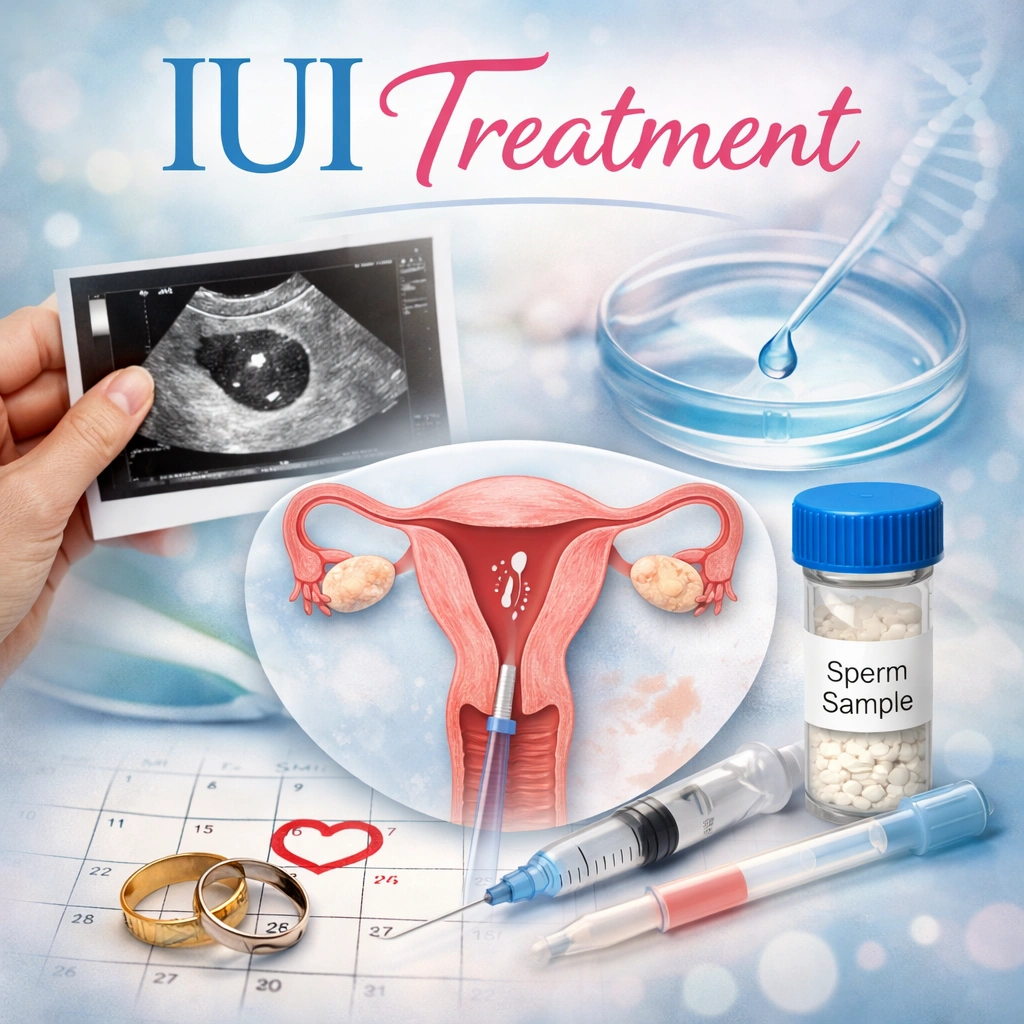
IUI, or artificial insemination, is a non-surgical fertility procedure that places prepared sperm directly into the uterine cavity at the right point in the ovulation window. Unlike IVF, fertilisation still happens naturally inside the body. It sits at the least invasive end of assisted reproductive techniques — no operating theatre, no anaesthesia, no lengthy recovery.
Fertility centers across Dubai, Abu Dhabi, and Sharjah offer IUI as a structured fertility clinic procedure, backed by reproductive medical technology that reflects global best practices.
How IUI Differs from IVF and ICSI
Feature | IUI | IVF | ICSI |
Fertilisation location | Inside the body | Lab | Lab |
Invasiveness | Low | High | High |
Procedure duration | 5–10 minutes | Multi-day process | Multi-day process |
Average cost (UAE) | AED 2,500–6,000 | AED 18,000–35,000 | AED 20,000–40,000 |
Anaesthesia required | No | Yes | Yes |
IUI is a short medical procedure, a genuinely painless procedure for most women, and a sedation free procedure from start to finish. This makes it both the most accessible and most cost effective fertility treatment to begin with.
Benefits of IUI for Couples
Works with your body's natural cycle
Comfortable medical procedure — most patients describe it as mild at most
Significantly lower fertility treatment expenses than IVF
Generates useful clinical data even when conception doesn't occur immediately
Suitable for a wide range of infertility diagnosis scenarios
Who Should Consider IUI?
Ideal Candidates for IUI
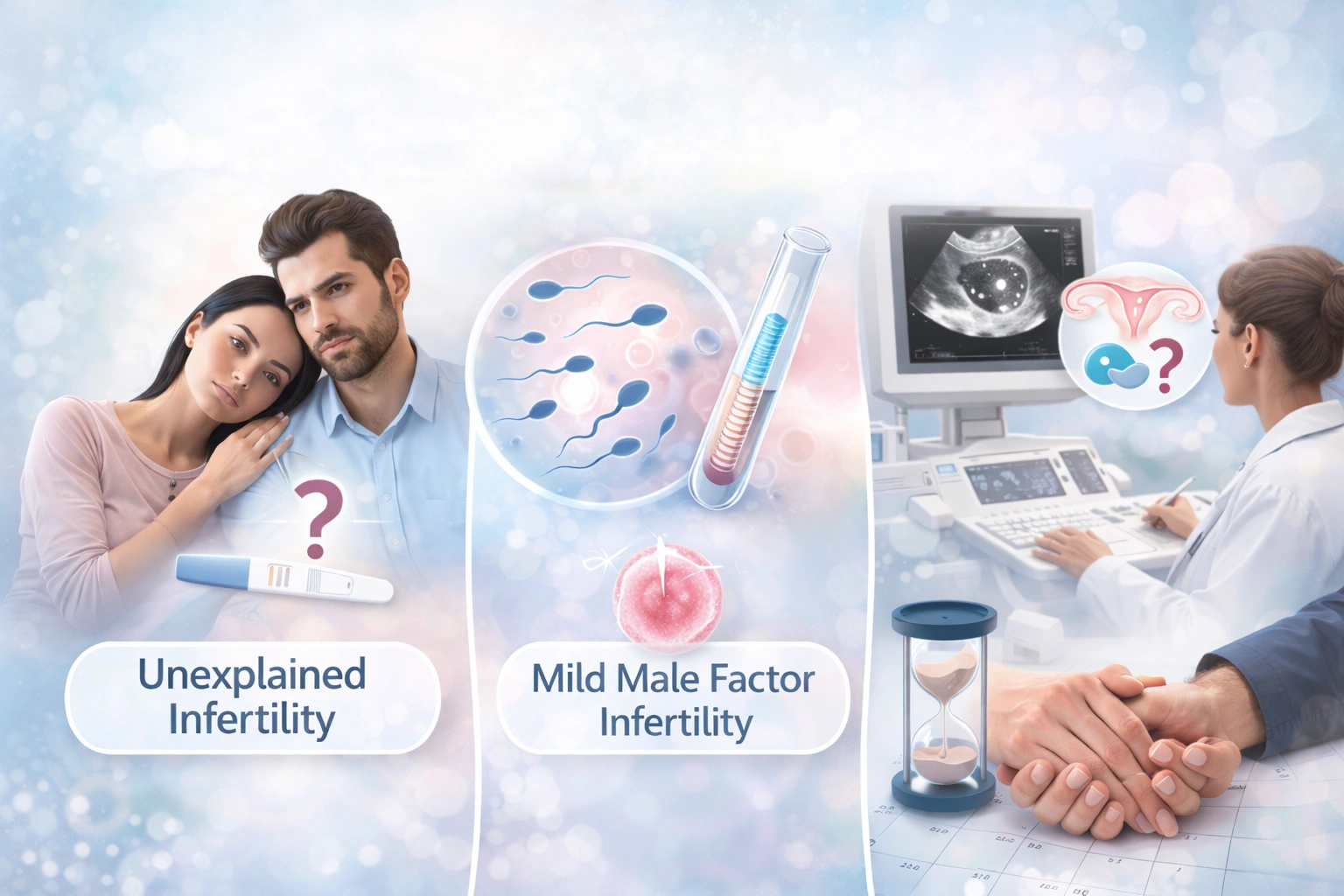
IUI works best when at least one fallopian tube is open and there's no severe anatomical issue. Strong candidates include:
Women with PCOS, ovulation disorders, or irregular ovulation
Couples with cervical factor infertility or cervix scarring that blocks natural sperm placement in uterus
Men with low sperm count or low sperm motility — within workable thresholds confirmed by semen analysis
Couples experiencing penetrative intercourse difficulty due to vaginismus, erectile dysfunction, or premature ejaculation
Cases of unexplained infertility or undiagnosable infertility where natural conception hasn't occurred
Cases Where IUI is Not Recommended
IUI isn't the right fit for everyone. Fertility specialists typically advise against it when:
Severe male factor infertility means the sperm preparation laboratory process cannot yield a viable sample
Significant endometriosis has caused irreversible tubal damage
Reduced ovulated eggs persist despite ovulation stimulation
Sperm motility, sperm morphology, and sperm concentration fall below clinically functional thresholds even after sperm washing
Identifying the exact cause of infertility through expert medical evaluation is the first step toward selecting the right treatment strategy.
Male and Female Fertility Considerations
Fertility assessment for IUI must include both partners. For women: hormonal tests, ovulation cycle tracking, and endometrial thickness evaluation. For men: a full semen examination covering sperm concentration, sperm morphology, and sperm motility.
Male factor infertility contributes to a significant share of infertility diagnosis outcomes — yet men are far less likely to seek evaluation proactively. The best fertility centers in the UAE address this directly, handling semen collection and sperm preparation with the discretion and professionalism both partners deserve.
The IUI Procedure: Step-by-Step
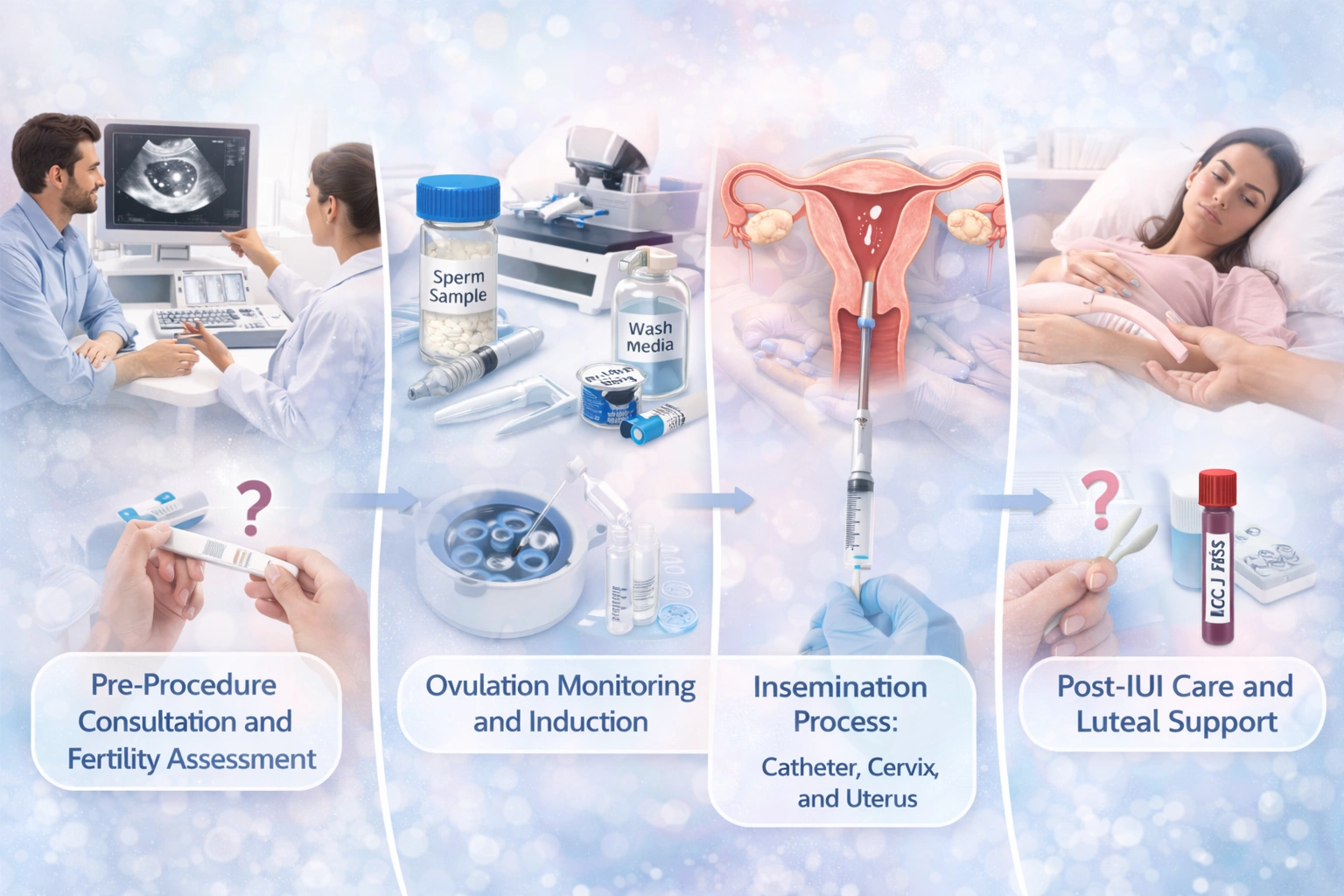
Pre-Procedure Consultation and Fertility Assessment
Your first fertility consultation covers reproductive history, baseline hormonal tests, and initial ultrasound scans to evaluate follicle size, follicle number, and womb lining condition. This medical evaluation shapes your personalized treatment plan before any fertility medications are introduced.
Tip: Come with questions about your full IUI cost structure and what ovulation induction medications may be involved. The quality of this first appointment is a reliable indicator of the care you'll receive throughout.
Ovulation Monitoring and Induction
Ovulation monitoring is at the core of every successful IUI cycle. Your team uses serial ultrasound scans and hormonal tests to track your ovulation period and identify your precise ovulation window.
When ovulation induction is needed, fertility drugs or hormone injections stimulate egg maturation and egg production. Follicle tracking continues through this phase, monitoring ovarian stimulation and confirming follicle size before the next step.
Sperm Collection, Washing, and Preparation
On insemination day, a semen sample is collected and immediately assessed through semen analysis. The sperm washing process — using semen wash media and a centrifuge device — separates high-quality sperm from seminal fluid. The result: concentrated sperm with optimised sperm motility and sperm morphology, ready for uterine insemination.
This sperm preparation step is a precision laboratory process. The sperm preparation cost on your invoice reflects real technical expertise — not an arbitrary add-on.
Insemination Process: Catheter, Cervix, and Uterus
The actual insemination procedure takes five to ten minutes:
A plastic speculum is gently inserted for access
A thin catheter passes through the cervical opening — the neck of the womb
Sperm release into the uterus occurs via a small syringe directly into the uterine cavity
You rest briefly, then resume your day
The catheter insertion causes mild cramping for some women — rarely more than that. This anesthesia-free procedure is exactly as straightforward as it sounds, and the clinical insemination technique used by experienced practitioners makes a real difference in both comfort and precision.
Post-IUI Care and Luteal Support
Post IUI care focuses on implantation support. Most clinics prescribe progesterone suppositories or vaginal suppositories to maintain endometrium thickness and support the womb lining during the critical window.
Lifestyle modifications during this phase are simple: reduce intense exercise, manage stress, and don't test early. Post procedure follow up appointments monitor luteal phase health through repeat hormonal tests as needed.
Pregnancy Testing and Follow-Up
The pregnancy test is taken 14 days after insemination — the fourteen-day pregnancy test that every couple counts down to. A blood hCG test at your clinic is more sensitive than a home test and provides quantitative data that your fertility specialist can act on immediately.
A negative result isn't the end of the road — it's the beginning of a more refined plan for the next cycle.
Timing and Treatment Cycle Overview
Week 1: Consultation and Diagnostics
Initial fertility consultation, reproductive history review, baseline hormonal tests, and first ultrasound scans. Semen analysis for the male partner is typically requested at this stage.
Week 1–2: Hormonal Tests and Ultrasound Monitoring
Active fertility monitoring begins. Follicle tracking assesses follicle size and follicle number while endometrium thickness is measured simultaneously. Fertility drugs or hormonal medications are adjusted based on how your body responds.
Cycle Days 1–12: Ovulation Tracking
Ovulation tracking through serial ultrasound scans and hormonal tests. If required, oral ovulation induction medications are started around day 2–3. The ovulation window typically spans just 24–48 hours, so precision ovulation cycle monitoring during this stretch directly influences outcomes.
Cycle Days 12–14: Trigger Shot and Ovulation Induction
When follicles reach 18–20mm, the trigger shot injection initiates induced ovulation within approximately 36 hours. This is the pivotal moment in ovulation stimulation — everything that's been built through careful egg maturation and follicle tracking converges here. Optimal conception timing is planned directly around this window.
Cycle Days 13–15: Insemination
Sperm washing and sperm processing are completed on arrival. The resulting healthy sperm — rigorously screened for sperm morphology and sperm motility — is loaded for sperm injection into uterus. The procedure itself takes five to ten minutes. For many couples, this is the most emotionally significant moment on their parenthood journey.
Cycle Days 15–28: Luteal Support and Monitoring
Daily fertility support medication — typically vaginal suppositories — maintains womb lining receptivity. Post IUI care continues with periodic hormonal tests and, in some cases, an additional ultrasound scan. Stick to recommended lifestyle modifications and resist testing early.
Cycle Day 28: Pregnancy Test
Two weeks pregnancy test — blood or urine. A positive result moves you into early pregnancy monitoring. A negative result triggers a post procedure follow up focused on refining your next cycle protocol.
IUI Treatment Cost in UAE
Average Cost Breakdown by Procedure
Component | Estimated Cost (AED) |
Consultation cost | 300–800 |
Semen analysis cost | 200–500 |
Sperm preparation cost | 500–1,000 |
Ultrasound monitoring cost | 400–1,200 |
Medication cost (if needed) | 500–2,000 |
Insemination procedure | 800–1,500 |
Total per cycle | 2,500–6,000 |
Miscellaneous medical fees — including repeat hormonal tests, progesterone suppositories, and processing charges — can add AED 300–700 on top of the above estimates.
Also Read: IVF Cost in UAE 2026: What You'll Actually Pay Per Cycle
Factors Influencing IUI Costs
IUI treatment cost in UAE varies based on:
Clinic tier and accreditation level
Whether ovulation induction medications or hormone injections are required
Number of ultrasound scans ordered during ovulation cycle monitoring
Whether donor sperm is involved (adds semen examination and processing fees)
Additional cycles cost if multiple treatment cycles are needed
Fertility treatment cost factors compound quickly across cycles. Build your fertility financial planning around a realistic range — not a single attempt.
Regional Variations: Dubai, Abu Dhabi, Sharjah, Northern Emirates
Emirate | Typical Cost Range (AED) | Notes |
Dubai | 4,000–6,000 | Premium clinics, the highest specialist density |
Abu Dhabi | 3,500–5,500 | Comparable quality, slightly lower pricing |
Sharjah | 2,500–4,500 | Growing infrastructure, more affordable |
Northern Emirates | 2,000–3,500 | Budget-friendly, fewer specialist options |
IUI in Dubai commands a premium — but for couples requiring three to six cycles, the cumulative regional cost differential is worth factoring into your decision.
International Cost Comparison and Medical Tourism
IUI treatment in UAE is typically 40–60% less expensive than equivalent reproductive health treatment in the UK, US, or Australia. Combined with internationally accredited fertility clinic services and reproductive medical technology that matches global standards, the UAE has become a genuine destination for assisted conception medical tourism — drawing couples from across Asia, Africa, and Europe for affordable fertility treatment without compromising clinical quality.
Success Rates and Outcomes
Age-Specific Success Statistics
Age Group | Per-Cycle Success Rate |
Under 35 | 15–20% |
35–37 | 10–15% |
38–40 | 8–12% |
Over 40 | 5–8% |
These figures reflect real fertility success variation across individuals with different diagnoses and sperm preparation outcomes. A single statistic tells an incomplete story.
Cumulative Success Rates Over Multiple Cycles
Cycles Completed | Cumulative Success Rate |
1 cycle | 15–20% |
3 cycles | 35–45% |
6 cycles | 50–65% |
Three to six cycles is the evidence-based benchmark most fertility specialists work toward. Repeated IUI cycles provide compounding clinical data — each round informs the next with greater precision.
Factors Affecting Success: Male, Female, Lifestyle
Female factors:
Endometrium thickness and womb lining receptivity
Presence of endometriosis, PCOS, or ovulation disorders
Reduced ovulated eggs from suboptimal ovarian stimulation
Male factors:
Sperm motility, sperm morphology, and sperm concentration in the prepared sperm sample
Quality of the sperm selection process during sperm processing
Lifestyle factors (both partners):
Smoking significantly reduces fertilization chances — cessation is non-negotiable
Alcohol, weight, and sleep quality all measurably affect pregnancy chances
Lifestyle modifications made 2–3 months before treatment have documented effects on egg maturation and sperm motility
Common Misconceptions About IUI Success
Myth: One failed cycle means IUI doesn't work for you. Reality: Per-cycle rates are statistical averages. One negative result is data, not a verdict.
Myth: IUI requires near-perfect fertility. Reality: It's designed specifically for couples with documented challenges — cervical factor infertility, unexplained infertility, moderate male factor infertility.
Myth: IVF success rates prove IUI isn't worth trying. Reality: Comparing per-cycle rates between the two procedures out of context leads to premature — and often unnecessary — escalation.
Preparing for IUI to Maximize Success
Female Preparation: Hormones, Diet, and Lifestyle
Start pregnancy preparation 2–3 months before your cycle. Key steps:
Hormonal tests to establish your baseline before ovulation induction medications begin
Folate-rich diet to support egg maturation and endometrium thickness
Eliminate smoking — its impact on ovulation and fertilization chances is well-documented
Begin folic acid and vitamin D as fertility support medication under your specialist's guidance
Male Preparation: Sperm Quality, Lifestyle, and Supplements
Sperm production takes 70–90 days — which means preparation starts well before the cycle:
Avoid prolonged heat exposure, alcohol, and smoking
Targeted supplements (CoQ10, zinc, selenium, vitamin C) have documented effects on sperm motility and sperm morphology
A baseline semen analysis early in the process identifies low sperm count or low sperm motility while there's still time to address them before semen collection day
Individualized fertility care must extend equally to both partners — not just to the woman in the room.
Medications and Fertility Support
Medication Type | Purpose | When Used |
Clomiphene / Letrozole | Ovulation induction | Mild ovulation disorders, PCOS |
Gonadotropins (hormone injections) | Intensive egg production stimulation | When oral agents are insufficient |
Progesterone suppositories | Implantation support | Post-insemination luteal phase |
Folic acid / Vitamin D | Conception support | Pre-cycle and throughout |
Personalized treatment plans adjust these fertility medications between cycles based on what ovulation cycle tracking and semen analysis data reveals.
Insurance, Financing, and Cost Management
Health Insurance Coverage Landscape
Health insurance coverage for IUI treatment in UAE varies significantly by provider and plan:
Some Dubai policies cover 1–3 IUI cycles under maternity benefits
Many cover diagnostic tests and initial fertility consultation, but not the insemination procedure itself
Insurance provider policy language is frequently ambiguous around fertility treatment
Action step: Contact your insurer before your first appointment. Ask specifically about semen analysis cost, sperm preparation cost, ultrasound monitoring cost, medication cost, and consultation cost — individually, in writing.
Cost-Saving Strategies and Payment Plans
Bundled packages from fertility clinics combine key services at a discounted treatment cycle cost — almost always better value than paying per component
Multi-cycle packages reduce additional cycles cost when you commit to three to six cycles upfront
Formal payment plans at leading UAE fertility centers spread IUI cost across monthly instalments
Some fertility clinic services providers offer financing specifically designed to make infertility treatment accessible without requiring large upfront payments
Hidden Fees and Additional Charges
Watch for these common miscellaneous medical fees not always included in headline quotes:
Repeat hormonal tests mid-cycle
Additional ultrasound scans triggered by monitoring findings
Semen wash media and centrifuge device usage fees
Progesterone suppositories dispensed separately from the cycle package
Administrative and post procedure follow up charges
Request a fully itemised estimate before your cycle begins. Clinics that won't provide one are worth approaching with caution.
Choosing the Right Fertility Clinic in UAE
Key Selection Criteria
Published IUI success rate data (not just overall pregnancy statistics)
Laboratory quality for sperm preparation laboratory process and semen examination
Access to timely ultrasound scans and hormonal tests during ovulation cycle monitoring
Transparent, itemised fertility treatment cost factors — no surprise billing
Genuine patient centric fertility care — not just efficient processing
Questions to Ask Your Fertility Specialist
What is your specific IUI success rate for patients with my diagnosis?
How many ultrasound scans are included in a standard cycle?
What triggers a change in ovulation induction medications between cycles?
How is the sperm preparation laboratory process standardised and verified?
What does post IUI care and implantation support look like in your protocol?
How do you adjust fertility treatment planning after a negative result?
These questions reveal more about a clinic's quality than any website review.
Patient Support and Aftercare Services
The best fertility clinic services include:
Dedicated nurse coordinators who are genuinely reachable
Structured post procedure follow up after every result — positive or negative
Counselling or peer support resources for couples navigating the emotional weight of infertility management
Proactive contact during the two-week wait
Compassionate fertility care means someone is looking after the person, not just the procedure. That distinction matters more than most couples realise until they're in the middle of it.
Special Considerations
Donor Sperm and Regulatory Guidelines
For couples where severe male factor infertility or other factors make partner sperm preparation non-viable, donor sperm offers a clear pathway through IUI. Donor material undergoes the same rigorous semen analysis, sperm washing, sperm processing, and sperm selection as partner sperm — with sperm motility, sperm concentration, and sperm morphology all verified before uterine insemination proceeds.
UAE reproductive medicine regulations around donor sperm are specific and non-negotiable. Your fertility specialist will walk you through legal requirements, consent procedures, and documentation as a formal part of fertility consultation.
When IUI Makes Sense vs IVF
Situation | IUI Appropriate? |
Open fallopian tubes, mild cervical factor infertility | ✅ Yes |
Unexplained infertility, first-line treatment | ✅ Yes |
Moderate male factor infertility, workable sperm concentration | ✅ Yes |
Severe male factor infertility, non-viable sperm preparation | ❌ No — consider IVF |
3–6 repeated IUI cycles with no positive pregnancy test | ❌ Escalate to IVF |
Age over 40 with declining ovarian reserve | ❌ Time-sensitive — consider IVF early |
The staged approach — IUI first, IVF when indicated — is both medically appropriate and aligned with fertility treatment affordability goals.
Multiple Treatment Cycles and Planning
Approach IUI as a program, not a single attempt. Fertility treatment planning that accounts for three to six cycles from the start gives couples realistic expectations and prevents decisions made under emotional pressure mid-journey.
Every cycle generates data. Individualized fertility care across repeated IUI cycles means progressively smarter protocols — not simply repeating the same approach until something works.
Want help planning a multi-cycle program? Contact a fertility specialist to discuss your options and build a treatment roadmap that works for your timeline and budget.
Cost Calculator
I know my treatment — show me cost from 3 hospitals
Final Thoughts on IUI in UAE
Expert Advice for Couples
In my experience, the couples who navigate this process most effectively share one trait: they ask honest questions early, trust the personalized treatment plan their team has built, and give the process the time it realistically needs. IUI treatment in the UAE in 2026 is backed by fertility specialists, reproductive medical technology, and fertility care services that are genuinely world-class. The clinical foundation is strong — your job is to show up prepared and stay consistent.
Compassionate fertility care should feel like a partnership. If it doesn't, find a different clinic.
Planning Your Fertility Journey
Start with a comprehensive fertility assessment — hormonal tests, semen analysis, ultrasound scans, and a full medical evaluation — before committing to any protocol. Understand the complete IUI cost structure upfront, verify your health insurance coverage in writing, and build your support network before you need it.
The fertility journey is demanding in ways that clinical excellence alone can't fully cushion. Fertility healthcare support from the right team — and from the right people around you — is what sustains couples through difficult stretches. Your family building goal is worth every step of this. Go in informed, go in supported, and go in knowing that thousands of families across the UAE built their futures through exactly this path.
Take the first step today. Schedule your fertility assessment with a qualified specialist and get a clear picture of your options, your timeline, and your costs — all in one consultation.
Plan My Journey
Tell us your condition and budget — our AI matches the right destination, hospital and doctor and visa pathway
Cost Calculator
I know my treatment — show me cost from 3 hospitals
Recommended Article

Best In Vitro Fertilization (IVF) Doctors in Hyderabad
Doctors for Nephrology: Find Kidney Care Specialists
Doctors in Chennai: Find Medical Specialists in India
Best Embryo Freezing Hospitals in Hyderabad: Care Guide
Hospitals for reproductive surgery: Compare options
Hospitals in Gurugram: Guide to Quality Facilities
IVF Treatment in Haryana | Cost, Hospitals & Doctors
TAVR (Transcatheter Aortic Valve Replacement) cost in New Delhi
Tonsillectomy & Adenoidectomy Success Rate in Mumbai
Facelift & Anti-Aging Procedures in Chennai for Ethiopia Patients | Cost, Hospitals
Written by DivinHeal Editorial Contributor, Rahul Kumar, Embryologist | Medically Reviewed by Dr Indu Priya, Gynecologist(MD) Published on: 2025-10-03
Plan My Journey
Tell us your condition and budget — our AI matches the right destination, hospital and doctor and visa pathway
Cost Calculator
I know my treatment — show me cost from 3 hospitals
Booking With DIVINHEAL
Get a free consultation to understand your treatment options
Recommended Article
Best In Vitro Fertilization (IVF) Doctors in Hyderabad
Doctors for Nephrology: Find Kidney Care Specialists
Doctors in Chennai: Find Medical Specialists in India
Best Embryo Freezing Hospitals in Hyderabad: Care Guide
Hospitals for reproductive surgery: Compare options
Hospitals in Gurugram: Guide to Quality Facilities
IVF Treatment in Haryana | Cost, Hospitals & Doctors
TAVR (Transcatheter Aortic Valve Replacement) cost in New Delhi
Tonsillectomy & Adenoidectomy Success Rate in Mumbai
Facelift & Anti-Aging Procedures in Chennai for Ethiopia Patients | Cost, Hospitals
From Consultation to Recovery,
Step by Step
Expert Specialist Matching
Connecting you with the world's top-rated medical experts.
Accredited Hospital Network
Access to JCI & NABH certified healthcare facilities.
Complete Travel Coordination
Hassle-free visa, stay, and local transport assistance.
24/7 Personal Care
Dedicated patient advisors supporting you at every step.
Journey Guidance
Full guidance from start to end of the patient treatment journey.
Expert Specialist Matching
Connecting you with the world's top-rated medical experts.
Everything you
need to know today
Browse through these common inquiries to better understand our patient-focused medical platform.
Reproductive health treatment regulations in the UAE are specific regarding marital status and donor sperm use. Consult directly with an accredited fertility specialist to understand the current legal framework.
Insurance coverage fertility treatment varies widely. Some plans cover diagnostic tests and initial fertility consultation; others include up to three IUI cycles. Always verify your insurance provider policy before treatment begins.
A complete cycle — from initial fertility consultation through ovulation cycle monitoring, insemination procedure, and pregnancy test — spans approximately 28 days.
For most women, the insemination procedure is no more uncomfortable than a standard gynaecological examination. Mild cramping during catheter insertion is occasionally reported, but the procedure requires no anaesthesia and takes just five to ten minutes.
Most fertility specialists recommend attempting three to six cycles before considering escalation to IVF. Cumulative success rates improve meaningfully across this range, and each cycle informs the next.
Per-cycle IUI success rate typically ranges from 10–20% depending on age, diagnosis, and sperm preparation quality. Cumulative success rates across six cycles can reach 50–65% for suitable candidates.
Significantly. IUI treatment cost in UAE ranges from AED 2,500 to AED 6,000 per cycle. IVF typically costs AED 18,000–35,000 per cycle — making IUI the more affordable fertility treatment starting point for eligible couples.
Still have more questions?
Book a call with our friendly team to learn how DivineHeal simplifies your healthcare journey.








